The best road cycling routes around Kilauea
4.0
(4)
47
riders
7
rides
Road cycling around Kilauea offers diverse opportunities to explore dramatic landscapes across both the Big Island and Kauai. The region is characterized by active volcanic terrain, lush rainforests, and rugged coastlines on the Big Island, contrasting with the tropical beauty and scenic valleys of Kauai. Cyclists can traverse roads winding through ancient lava flows, past craters, and along picturesque shorelines. This unique geography provides a range of road cycling experiences, from challenging climbs to scenic coastal rides.
Best road cycling…
Last updated: July 21, 2026
4.0
(1)
14
riders
35.6km
02:09
520m
520m
Moderate road ride. Good fitness required. Mostly well-paved surfaces and easy to ride.
4.0
(1)
11
riders
63.5km
03:15
570m
570m
Moderate road ride. Good fitness required. Mostly well-paved surfaces and easy to ride.

Sign up for free
26.2km
01:17
370m
370m
Moderate road ride. Good fitness required. Mostly well-paved surfaces and easy to ride.
30.9km
02:13
320m
320m
Moderate road ride. Good fitness required. Mostly well-paved surfaces and easy to ride.
4.0
(1)
10
riders
Moderate road ride. Good fitness required. Mostly well-paved surfaces and easy to ride.
Get access to more routes and recommendations from other explorers.
Sign up for free
Already have an account?
Our route recommendations are based on thousands of hikes, rides, and runs completed by other people on komoot.
Start today with a free account
Your next adventure awaits.
Login or Signup
Popular around Kilauea
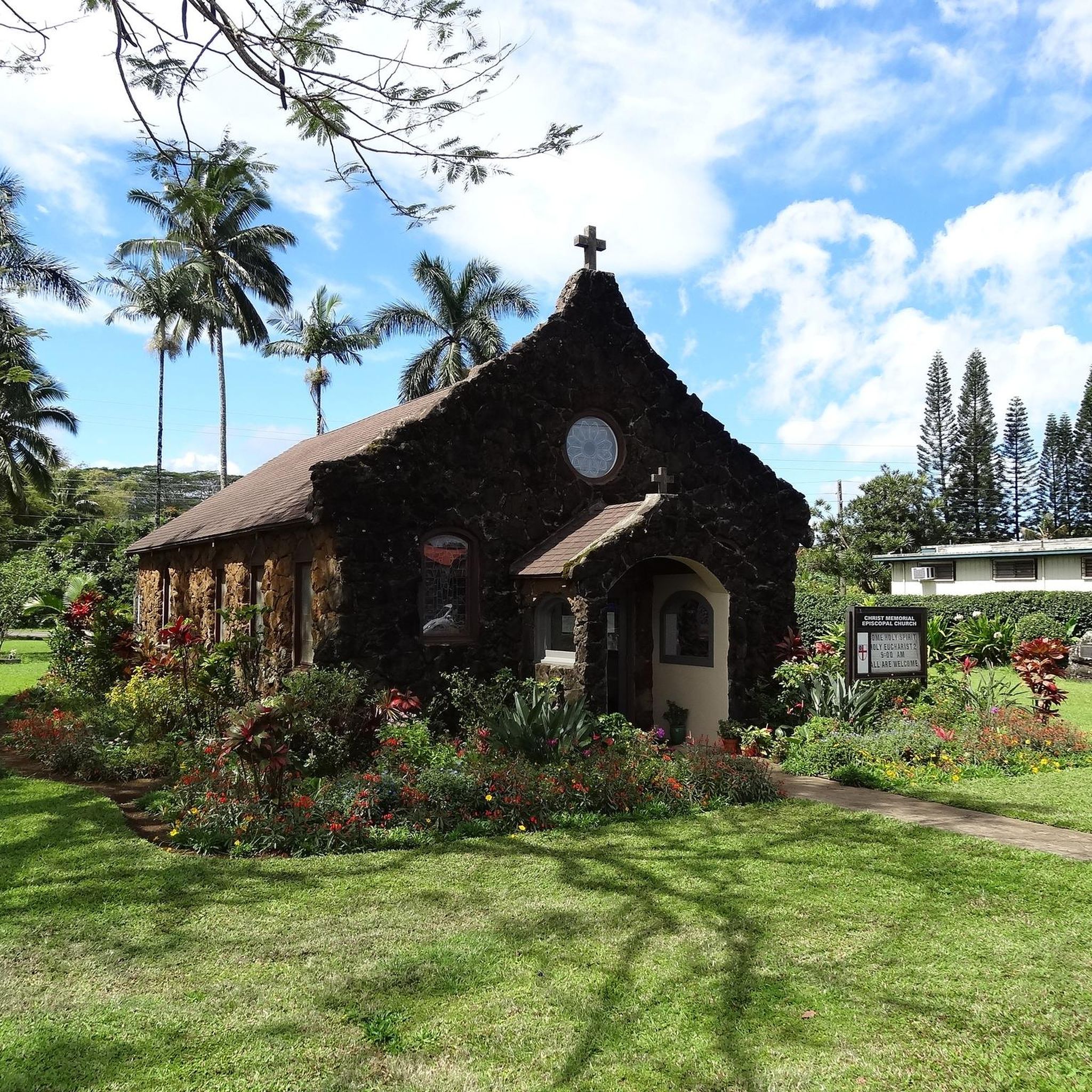
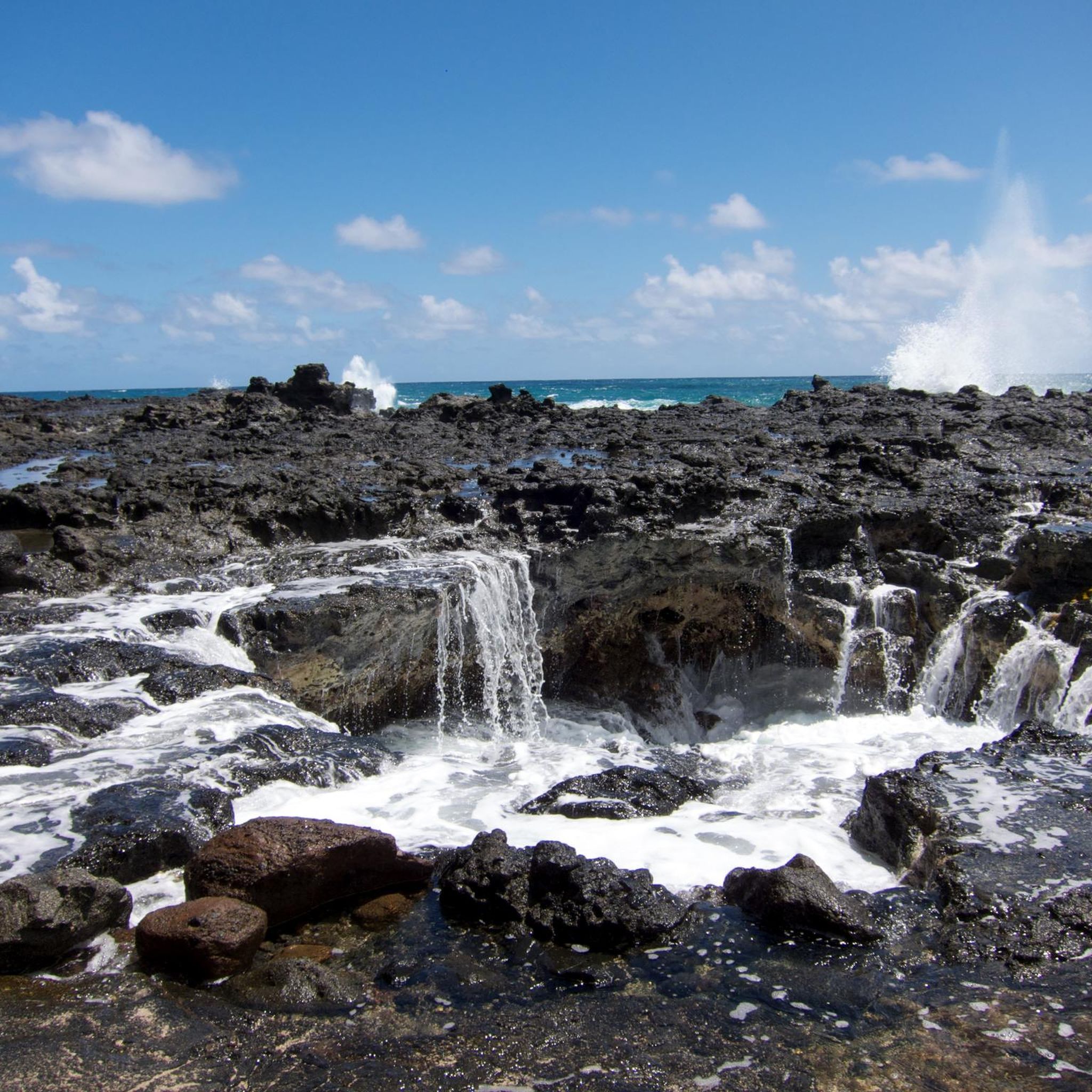
Tips from the Community

Always brilliant, beach running without shoes :-)
0
0

Ohiki Road takes cyclists up the border of the Hanalei National Wildlife Refuge, which sits on the west side of the road. This is part of the Hanalei Valley, where there has been agaraculture from natives for hundreds of years. Traditional kalo farming practices have helped waterbird feeding and nesting areas. The refuge was designated in 1972 and is the oldest on the island, with many endangered bird species.
0
0
Here, visitors are looking at a 91-year-old bridge—or are they? Kind of! Hanalei Bridge is a narrow, one-lane bridge outside of the town of Hanalei. The original 113-foot bridge, made of through-truss, was almost 100 years old when it was rebuilt, but today's bridge is an exact replica of the 1912 bridge. So what you see here today is... similar and, at least, the same.
0
0

Hanalei Pier was originally constructed of wood in 1892 to facilitate the load and offload of sugar and other products to and from ships. After that it passed through many restorations, the last one was in 2013. The pier is located in the mouth of Hanalei River, at the end of Hanalei Bay, it is a very popular place to watch the sunset. The parking lot can be full on busy days, and biking there is a very nice option.
0
0
Haena Beach is a park with lots of amenities where visitors can see tropical jungles join white sand beaches. Mount Makana (Bali Hai) is in the background and makes for great photography opportunities, especially around sunset and sunrise. When the water is calm, there is good swimming and shell-searching. It is very important for visitors to leave any shells they find on the beach. Surfing gets big in the winter, so visitors might do better watching the pro surfers rather than heading into the water themselves. There is a lifeguard station, restrooms, showers, and (permitted) campsites.
0
0
Limahuli Garden & Preserve is run by the non-profit National Tropical Botanical Garden. Visitors pay to enter this 17-acre botanical garden on a 985-acre nature preserve. Ticket Prices: The tour fee includes admission into our Visitor Center Garden. Adults: $65 Children (ages 2–12): $32.50 Kamaʻāina (residents of the state of Hawai'i): $52
0
0
This spot is where the Nāpali Coast Wilderness begins and the Kuhio Highway ends. Here, hikers embark on anything from day hikes to the entire 22-mile remote coastline on the Kalalau Trail. From this point, cyclists can see the beach, see the mountains, and relax by the trees for a rewarding break.
0
0
Anini Beach is considered one of the safer beaches, but always practice ocean safety as there is no lifeguard on duty. The winter months can be more dangerous for swimming. Anini Beach has the longest reef in all the Hawai'ian Islands. It's a great place for snorkeling, picnicking, paddle boarding, and windsurfing. Anini Road goes parallel to the beach and can get quite close.
0
0
Frequently Asked Questions
What kind of terrain can I expect when road cycling around Kilauea?
Road cycling around Kilauea offers a diverse range of terrain. On the Big Island, routes like Crater Rim Drive and Chain of Craters Road traverse dramatic volcanic landscapes, including ancient lava flows, steaming vents, and panoramic views of the Kilauea Caldera. On Kauai, routes such as Princeville to Kalalau Trailhead and Kilauea to Hanalei National Wildlife Refuge offer lush, tropical scenery with valley views and coastal stretches. You'll encounter everything from challenging climbs to scenic descents.
Are there any challenging road cycling routes in the Kilauea area?
Yes, Kilauea offers challenging road cycling experiences, particularly on the Big Island. The return journey on Chain of Craters Road, after descending to the coast, is an intense uphill challenge. Similarly, Mauna Loa Road involves a climb through koa woodlands and over prehistoric lava flows. On Kauai, the Donkey Beach – Keālia Beach loop from Kalihiwai is rated as difficult, featuring significant elevation changes over its 89 km distance.
What are some scenic viewpoints or natural features to look out for on Kilauea's road cycling routes?
The Kilauea region is rich in natural beauty. On the Big Island, cyclists can witness active volcanic features, various lava formations like pahoehoe and a'a, and impressive lava tubes such as the Thurston Lava Tube (Nāhuku). Coastal views where lava meets the Pacific, sometimes forming sea arches like the Hōlei Sea Arch, are also spectacular. On Kauai, routes offer views of the historic Hanalei Bridge, coastal vistas near Larsen’s Beach to Anini Beach and Honu Point, and the scenic Kīlauea Point National Wildlife Refuge.
Where can I park when accessing road cycling trails in Kilauea?
Parking availability varies by location. Within Hawaii Volcanoes National Park on the Big Island, designated parking areas are available at trailheads and viewpoints along routes like Crater Rim Drive and Chain of Craters Road. For routes on Kauai, such as those starting near Princeville or Kilauea town, look for public parking areas or consider starting points that offer convenient access, like near the Kīlauea Point National Wildlife Refuge.
Are there any permits required for road cycling in Kilauea?
For road cycling within Hawaii Volcanoes National Park on the Big Island, there are no specific cycling permits required beyond the standard park entrance fee. It's always a good idea to check the official National Park Service website for the most current information regarding park access and regulations: nps.gov/havo/planyourvisit/bike.htm. For routes outside the park, such as those on Kauai, permits are generally not needed for public roads.
What is the best time of year to go road cycling in Kilauea?
Kilauea offers good road cycling conditions year-round due to its tropical climate. However, the dry season (roughly May to October) generally provides more consistent sunny weather, which can be ideal for longer rides and clearer views. During the wet season (November to April), you might encounter more rain, especially in the rainforest areas, but temperatures remain mild. Early mornings or late afternoons are often recommended for rides within Hawaii Volcanoes National Park to avoid heavier traffic.
Are there any family-friendly road cycling routes in Kilauea?
While many routes in Kilauea involve significant elevation or traffic, some sections can be suitable for families, especially those with older children or e-bikes. Within Hawaii Volcanoes National Park, e-bikes are permitted on all bike-friendly routes, making climbs more manageable. For a quieter experience, consider sections of Old Crater Rim Drive. On Kauai, routes with less traffic and flatter sections, if available, would be more suitable for families, though specific dedicated family-friendly road cycling paths are not widely highlighted.
What do other road cyclists enjoy most about road cycling in Kilauea?
The Kilauea area is highly rated by the komoot community, with an average score of 4.0 stars. Reviewers often praise the unique geological features, the dramatic volcanic landscapes on the Big Island, and the stunning coastal and valley views on Kauai. The diversity of terrain, from challenging climbs to scenic descents, and the opportunity to immerse oneself in such a powerful natural environment are frequently highlighted.
How many road cycling routes are available around Kilauea?
There are over 5 road cycling routes available around Kilauea that have been recorded and shared by the komoot community. These routes range in difficulty from moderate to difficult, offering options for various skill levels and preferences.
Can I find cafes or places to eat along the road cycling routes in Kilauea?
While specific cafes directly on every route are not guaranteed, you will find amenities in the towns and visitor centers near the cycling areas. On the Big Island, facilities are available within Hawaii Volcanoes National Park and in nearby communities. On Kauai, the towns of Kilauea, Princeville, and Hanalei offer various dining options where you can refuel before or after your ride.
Are there any loop routes for road cycling in Kilauea?
Yes, there are loop options available for road cycling in Kilauea. For example, on Kauai, the Donkey Beach – Keālia Beach loop from Kīlauea Point National Wildlife Refuge offers a circular route. On the Big Island, Crater Rim Drive forms a loop around the Kilauea Caldera, though sections may be closed or have heavy traffic, so planning is advised.
Is public transport an option for accessing road cycling routes in Kilauea?
Public transport options directly serving specific road cycling trailheads in Kilauea are limited, especially for carrying bicycles. On the Big Island, Hawaii Volcanoes National Park is primarily accessed by private vehicle. On Kauai, while there is a public bus system, it may not be convenient for cyclists with bikes. It is generally recommended to use a personal vehicle or arrange for private transportation to reach your desired starting points.
Most popular routes around Kilauea
Most popular attractions around Kilauea

Get inspired with the komoot mobile app


Explore more
Browse the best Road cycling routes in other regions.
