The best road cycling routes in Ouachita National Forest
40
riders
8
rides
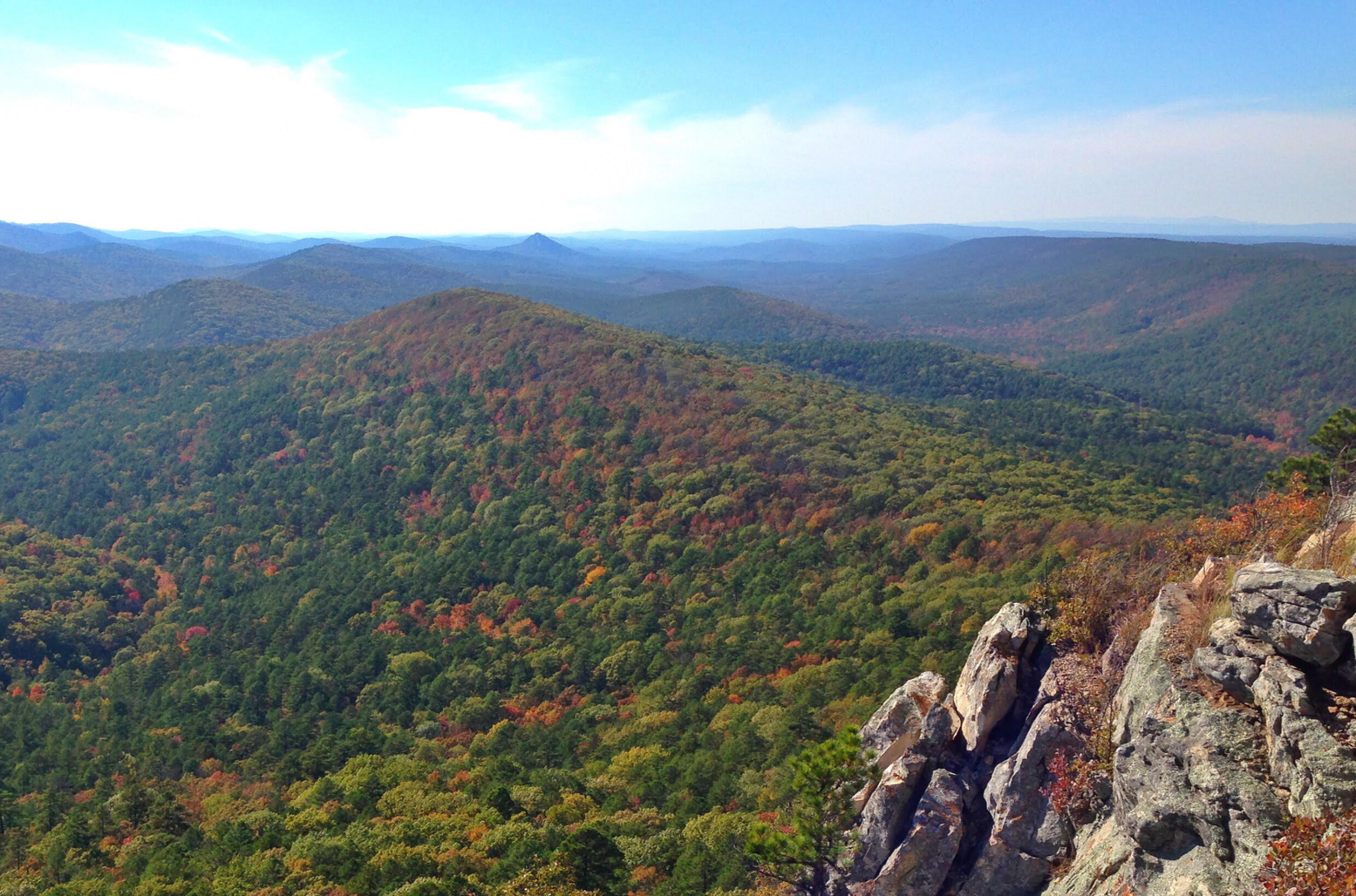
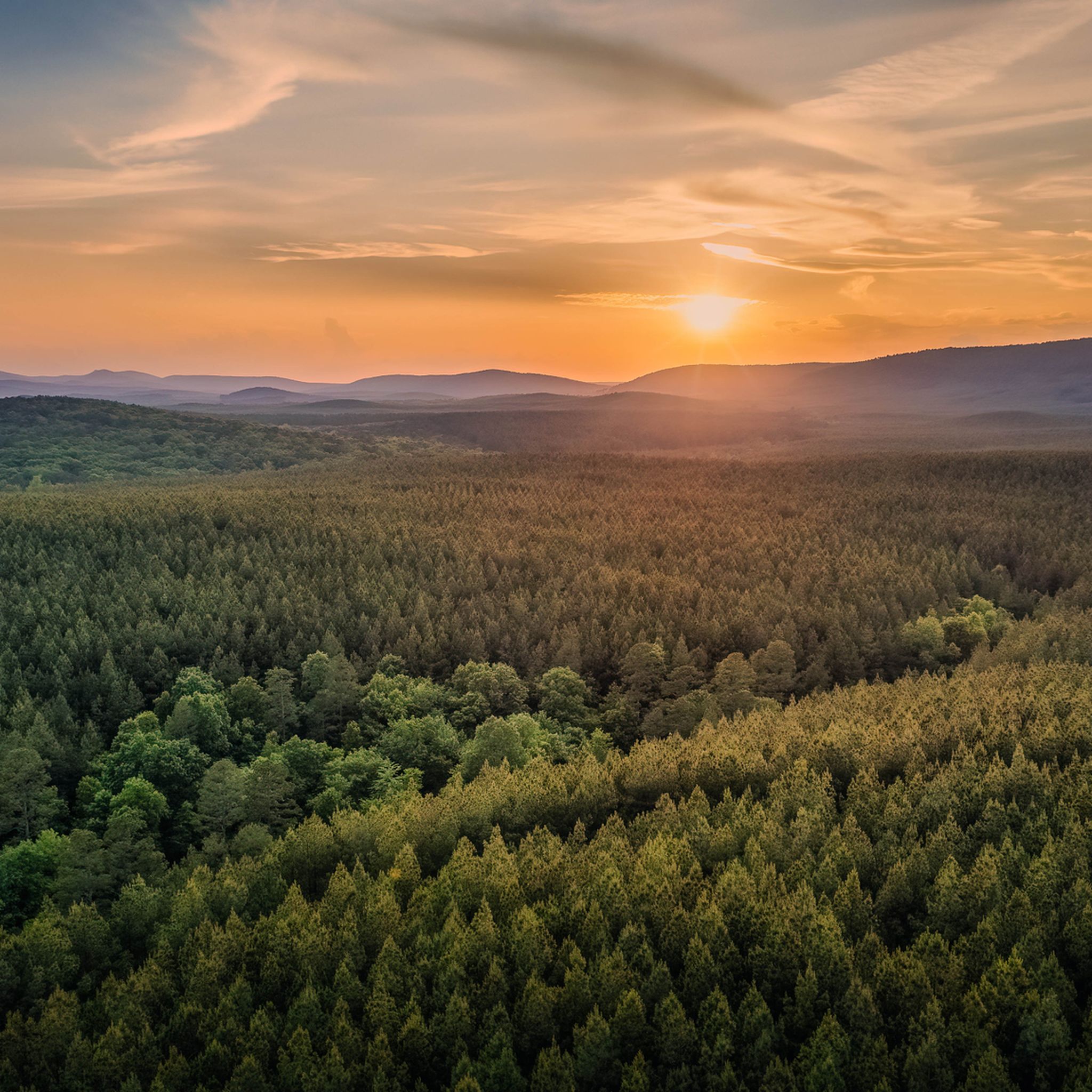
Road cycling in Ouachita National Forest offers diverse landscapes across central Arkansas and southeastern Oklahoma. The region is characterized by its unique east-west running mountains, creating varied terrain with rolling hills and rugged wilderness. Well-paved roads and scenic byways provide a network for road cycling, often featuring significant elevation changes. The forest encompasses 1.8 million acres, providing numerous natural attractions for cyclists amidst its hardwood and pine forests, clear lakes, and rivers.
Best road cycling routes in Ouachita National Forest
- The most popular road cycling route is Forest Heritage Center loop from Stephens Gap Recreation Area, a 19.9 miles (32.1 km) trail that takes 1 hour 27 minutes to complete. This moderate route features varied terrain and elevation changes.
- Another top favourite among local road cyclists is Sleepy Valley Lake loop from Hot Springs, a moderate 33.8 miles (54.4 km) path. This path leads through forested areas and past the lake, offering scenic views.
- Local road cyclists also love the Buckstaff Baths – Hot Springs Mountain Tower loop from Hot Springs, a 12.8 miles (20.5 km) trail leading through forested hills and urban areas of Hot Springs, often completed in about 1 hour 11 minutes.
- Road cycling in Ouachita National Forest is defined by east-west running mountains, rolling hills, and scenic lakes and rivers. The network offers options for different ability levels, from moderate rides to challenging routes with substantial climbs.
- The routes in Ouachita National Forest are highly rated by the komoot community with an average score of 5.0 stars from over 2 reviews. More than 57 road cyclists have used komoot to explore Ouachita National Forest's varied terrain.
Last updated: October 15, 2026
3
riders
32.1km
01:27
350m
350m
Moderate road ride. Good fitness required. Mostly well-paved surfaces and easy to ride.
5
riders
Moderate road ride. Good fitness required. Mostly well-paved surfaces and easy to ride.

3
riders
36.4km
01:36
290m
290m
Easy road ride. Great for any fitness level. Mostly well-paved surfaces and easy to ride.
12
riders
80.1km
03:30
740m
740m
Moderate road ride. Good fitness required. Mostly well-paved surfaces and easy to ride.
5
riders
Moderate road ride. Good fitness required. Mostly well-paved surfaces and easy to ride.
Get access to more routes and recommendations from other explorers.
Already have an account?
Our route recommendations are based on thousands of hikes, rides, and runs completed by other people on komoot.
Start today with a free account
Your next adventure awaits.
Other adventures in Ouachita National Forest

Tips from the Community

Hot Springs National Park, tucked into the city of Hot Springs, Arkansas, protects 47 thermal springs that have drawn people for centuries. Unlike most national parks, it’s in an urban setting; historic bathhouses line Bathhouse Row, offering a window into the heyday of 20th-century spa culture. You can still soak in the mineral-rich waters today. If you want to get out of the historic town, however, forested trails wind through the surrounding Ouachita Mountains, with overlooks and quiet picnic spots above the town. It's a unique blend of preserved wilderness, geothermal geology, and living history, all within walking distance of downtown.
1
0
At the far northern edge of the Gupha Gorge Campground, there is a short trail that connects you to the popular Gupha Gorge and Sunset Trails.
1
0

The Forest Heritage Center is a captivating museum dedicated to showcasing the rich history of Oklahoma's forests. It houses an impressive collection of unique displays and large dioramas that transport visitors through time, from prehistoric forests to the modern era of forestry. You can explore the lives of the Caddo Indians, witness the evolution of paper-making, and gain insight into the lumbering industry of the 1940s.
0
0

Free parking
0
0

The historic Arlington Resort Hotel and Spa is the largest hotel in Arkansas with over 500 rooms and suites and has hosted such icons as AL Capone, Babe Ruth, Johnny Cash, Marilyn Monroe, and presidents John F. Kennedy, Theodore Roosevelt, Ronald Reagan, and Bill Clinton. The Arlington Hotel has been the premiere resort in the south since 1875.
2
0
The Buckstaff Bathhouse, named for controlling shareholders George and Milo Buckstaff, replaced the old Rammelsberg Bathhouse, a brick Victorian structure. The Rammelsberg replaced the A.B. Gaines Bathhouse destroyed in the 1878 fire, but there was a brick bathouse on the site in the late 1850s as well. Designed by Frank W. GIbb and Company, Architects, the Buckstaff cost $125,000 to build and contains 27,000 square feet on three main floors. Because it has been in continuous operation since it opened on February 1, 1912. It is one of the best preserved of all of the bathhouses on Bathhouse Row. However, it has gone over many changes through the years. Originally, it had a large hydrotherapeutic department, which only it, the Fordyce, and the Imperial offered.
3
0

Trailhead with plenty of parking and great views of Hot Springs and the surrounding mountains.
1
0
Many popular hikes can be started from the city center of Hot Springs National Park.
1
1
Frequently Asked Questions
What kind of terrain and difficulty can I expect on road cycling routes in Ouachita National Forest?
The Ouachita National Forest is characterized by its unique east-west running mountains, offering diverse terrain from rolling hills to rugged wilderness. You'll find a variety of routes, from moderate rides with significant elevation changes, such as the Forest Heritage Center loop from Stephens Gap Recreation Area (349m elevation gain), to more challenging options like the Lake Wilhelmina Vista – Round Mountain Vista loop from Mena, which features nearly 1,500m of elevation gain over 107km.
Are there scenic viewpoints or landmarks to see while road cycling in Ouachita National Forest?
Yes, the forest offers outstanding mountain views and vistas. The Talimena National Scenic Byway is particularly known for its sweeping panoramic views of the Ouachita Mountains, especially vibrant during fall foliage. You can also find highlights like Spirit Rock Vista and Flatside Pinnacle, offering memorable scenic stops.
Are there any long-distance road cycling routes for experienced riders?
For experienced riders seeking a challenge, the Ouachita National Forest offers routes with substantial distances and elevation gains. A notable long-distance option is the Lake Wilhelmina Vista – Round Mountain Vista loop from Mena, which spans 107km and includes 1,490m of climbing, requiring very good fitness.
Are there road cycling routes suitable for beginners or families?
While many routes in the Ouachita National Forest feature elevation changes, there are options that can be more approachable. The forest offers a variety of well-paved roads, and some areas around recreational sites may provide flatter sections. For specific beginner-friendly routes, it's best to check individual tour details for lower elevation gains and shorter distances.
Can I find waterfalls along road cycling routes in the Ouachita National Forest?
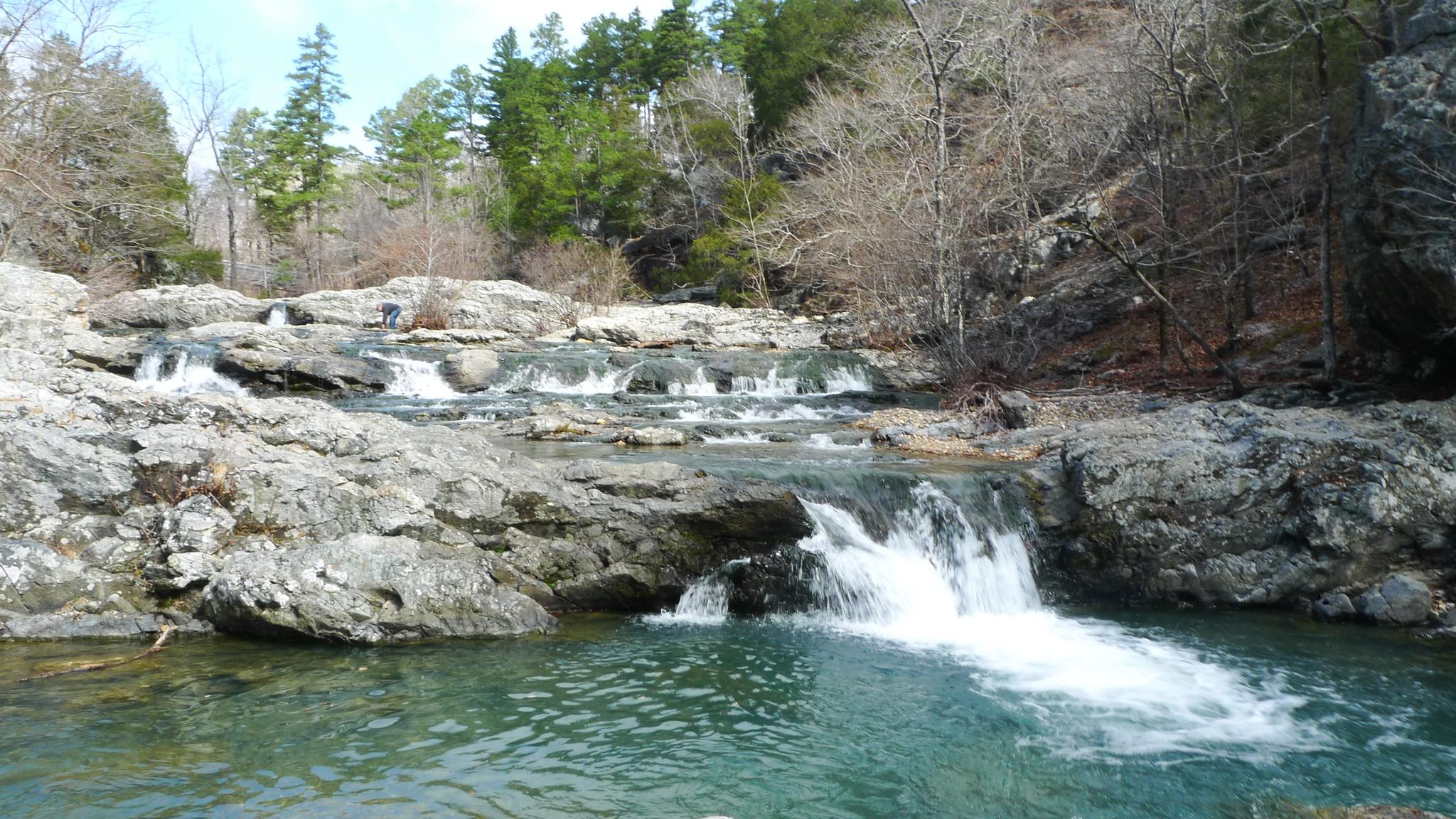
While many road cycling routes focus on mountain vistas and lake views, the Ouachita National Forest is home to beautiful natural features. Little Missouri Falls is one of the most beautiful waterfalls in the Ouachita Mountains and is generally accessible, though it may require a short detour from main cycling roads.
Which road cycling routes offer views of lakes?
Several routes provide picturesque views of the region's clear lakes. The Sleepy Valley Lake loop from Hot Springs is a popular 54.4km trail that leads through forested areas and past the lake. Additionally, the forest is home to Lake Ouachita, known for its exceptionally clear waters, and Lake Winona, which is part of a scenic gravel bike loop.
What is the best time of year for road cycling in Ouachita National Forest?
The Ouachita National Forest offers enjoyable cycling experiences across multiple seasons. Spring and fall are particularly popular due to milder temperatures and beautiful scenery, with fall foliage being a major draw. Summer can be warm, but early morning rides are pleasant. Winter cycling is possible, but riders should be prepared for cooler temperatures and potential icy conditions at higher elevations.
Where can I find parking or trailheads for road cycling routes?
Parking and trailheads are typically available at various recreation areas and access points throughout the Ouachita National Forest. For example, the Forest Heritage Center loop starts from Stephens Gap Recreation Area, which usually provides parking. When planning your ride, check the specific route details for recommended starting points and parking information.
Are there amenities or services available along the road cycling routes?
The Ouachita National Forest has developed recreation areas like Albert Pike, Shady Lake, and Charlton, which offer amenities such as campsites, picnic sites, and sometimes restrooms. However, many road cycling routes traverse more remote sections of the forest, so it's advisable to carry sufficient water, snacks, and any necessary supplies, as services may be limited between towns.
Are there circular road cycling routes available?
Yes, many of the road cycling routes in Ouachita National Forest are designed as loops, allowing you to start and end at the same point. Examples include the Forest Heritage Center loop from Stephens Gap Recreation Area, the Lake Wilhelmina Vista – Round Mountain Vista loop from Mena, and the Sleepy Valley Lake loop from Hot Springs.
What makes road cycling in Ouachita National Forest unique?
Road cycling in the Ouachita National Forest is unique due to its distinctive east-west running mountains, a rare geological feature in the U.S. This creates a diverse landscape of rolling hills, rugged wilderness, and expansive vistas. The extensive network of forest roads, combined with the natural beauty of clear lakes, rivers, and diverse flora and fauna, offers a truly immersive and varied cycling experience.
What kind of nature and wildlife can I expect to see?
The Ouachita National Forest is rich in biodiversity. You can expect to see a mix of pine and hickory trees, along with various hardwoods, especially vibrant during the fall. The forest floor often features wildflowers. Wildlife commonly sighted includes white-tailed deer, and if you're lucky, you might spot black bears or bald eagles. The forest is also home to unique species like the Ouachita dusky salamander.
What do other cyclists say about road cycling in Ouachita National Forest?
The road cycling routes in Ouachita National Forest are highly rated by the komoot community, with an average score of 5.0 stars. Cyclists often praise the varied terrain, the challenging climbs, and the stunning natural beauty, particularly the mountain views and serene lake surroundings. Many appreciate the extensive network of roads that allow for diverse route planning.
Most popular routes in Ouachita National Forest
Most popular attractions in Ouachita National Forest

Get inspired with the komoot mobile app


Explore more
Browse the best Road cycling routes in other regions.
