Yosemite National Park
Yosemite National Park
Top 20 Waterfalls in Yosemite National Park
Best waterfalls in Yosemite National Park are a prominent feature of this renowned natural area. The park is characterized by its granite cliffs, giant sequoia groves, and a network of rivers and streams that feed numerous waterfalls. Many of these waterfalls are at their most powerful in spring and early summer, fueled by snowmelt. Yosemite National Park offers a range of experiences, from accessible viewpoints to challenging hiking routes, allowing visitors to explore its diverse landscape.
Best waterfalls in Yosemite…
Last updated: September 28, 2026
Vernal Fall
Highlight • Waterfall
Tip by

Nevada Fall
Highlight • Waterfall
Nevada Fall is a 594-foot (181 m) high waterfall on the Merced River in Yosemite National Park, California. …
Tip by

Sign up now to discover places like this
Get recommendations on the best single tracks, peaks, & plenty of other exciting outdoor places.
Mist Trail: Vernal & Nevada Falls, Yosemite
Highlight (Segment) • Waterfall
Tip by

Yosemite Falls Trail
Highlight (Segment) • Trail
Tip by
Panorama Trail (Yosemite National Park)
Highlight (Segment) • Trail
Translated by Google •
Tip by

Sign up for free to discover even more waterfalls in Yosemite National Park.
Already have an account?
Start today with a free account
Your next adventure awaits.
Popular around Yosemite National Park
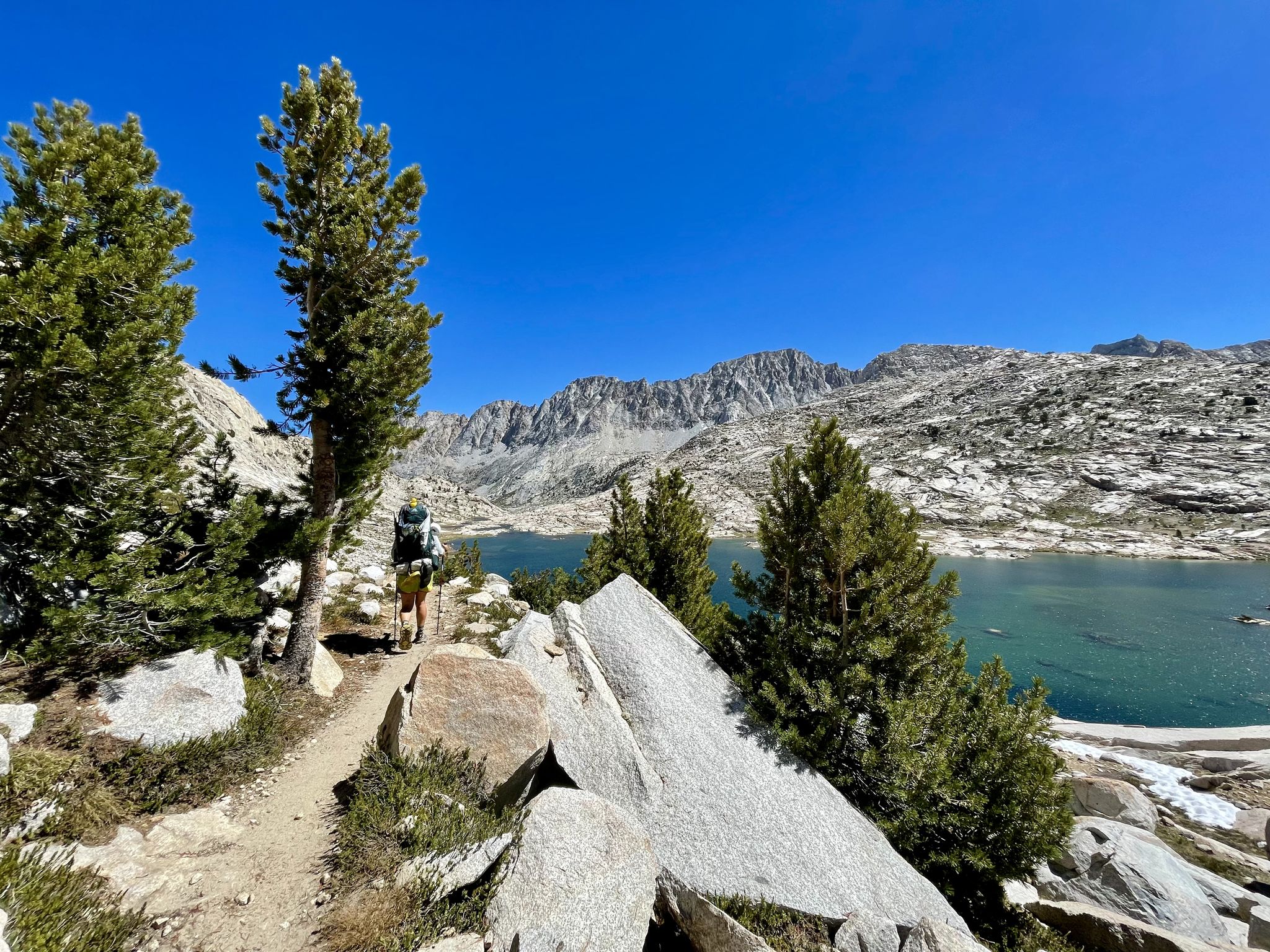
John Muir Trail – Along the legendary trail through the magical Sierra Nevada
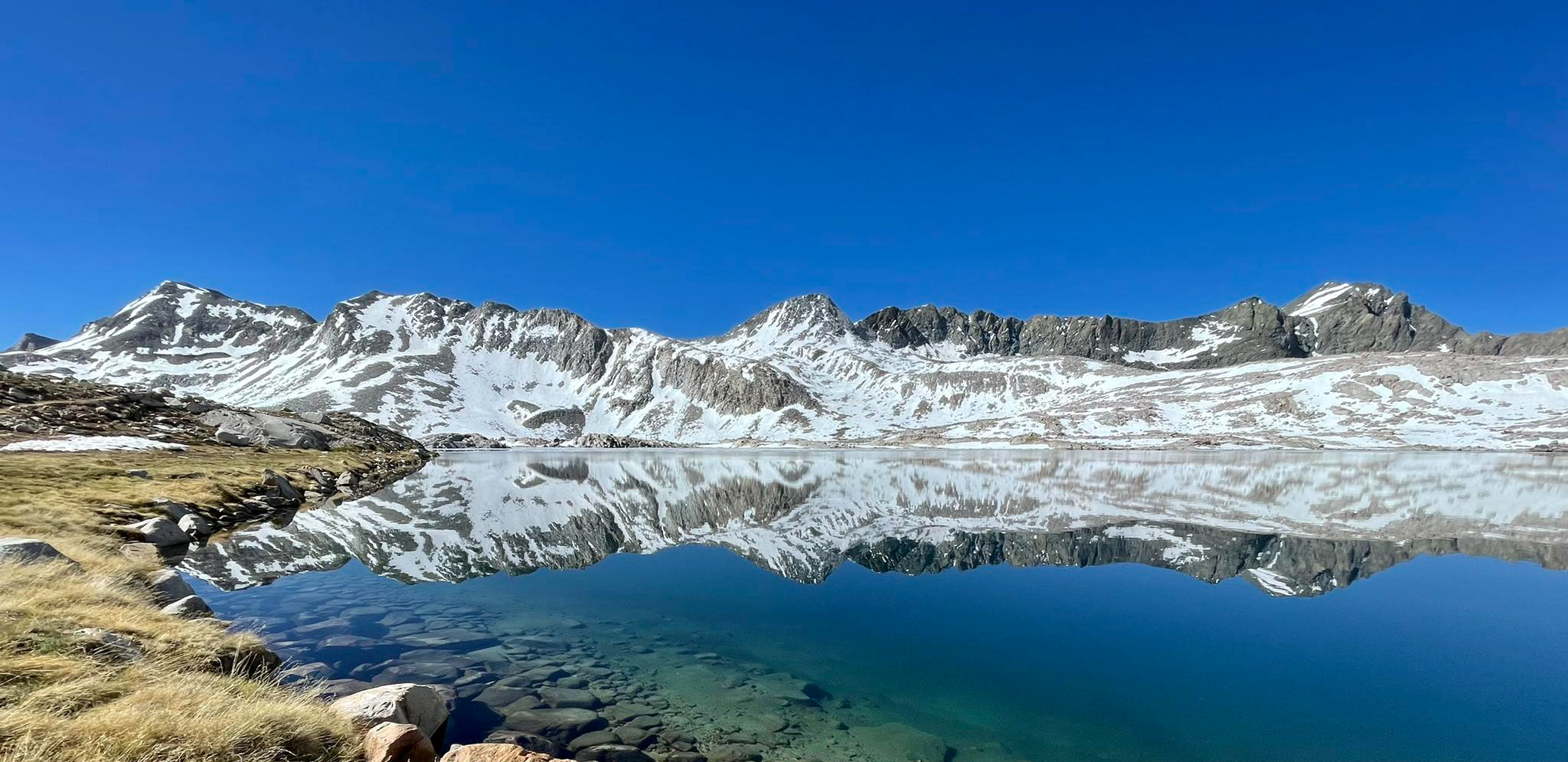
The Sierra High Route — Solitude in California's alpine country
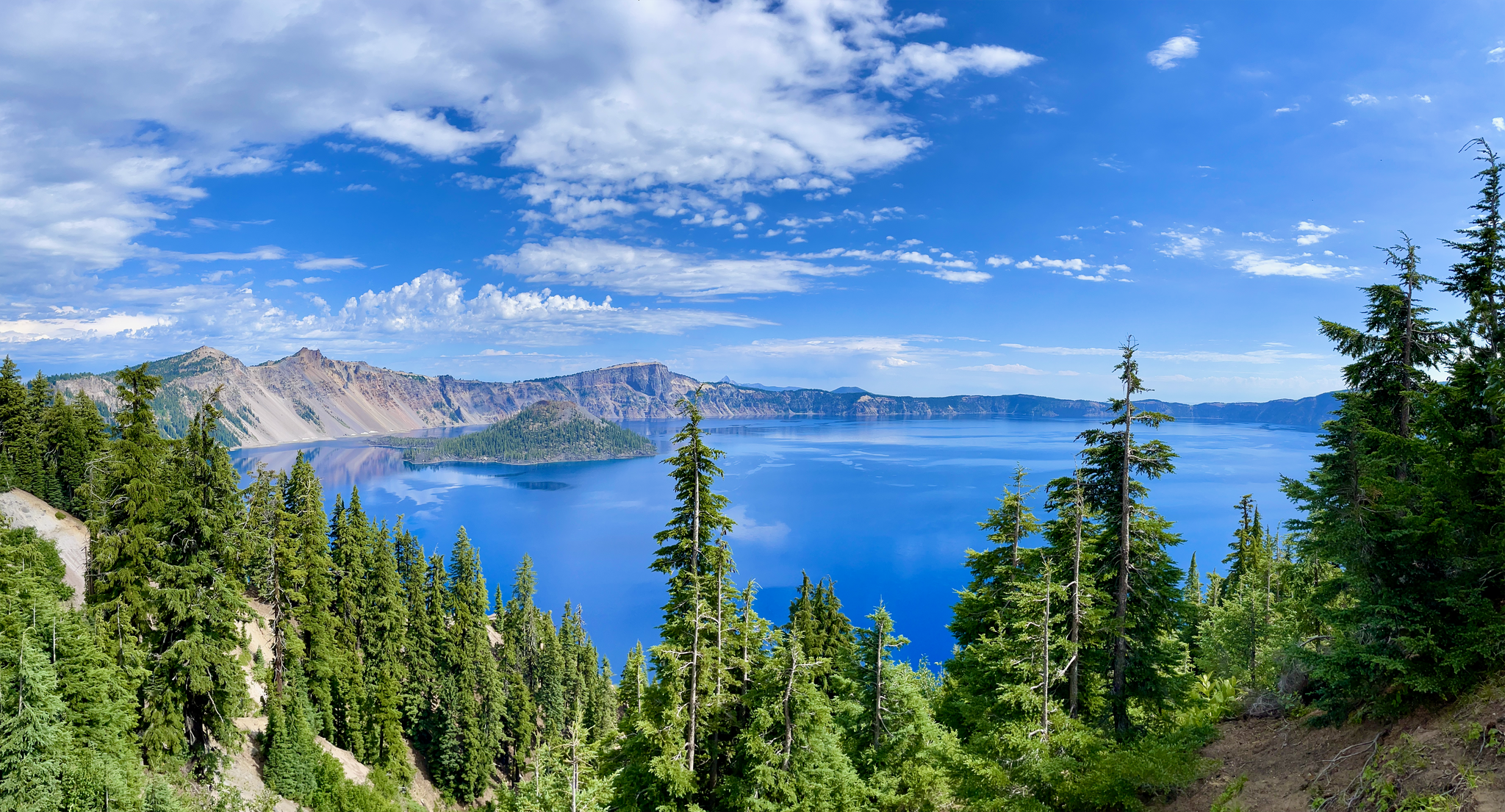
California to Nevada – hiking between Volcanoes, Water & Forest
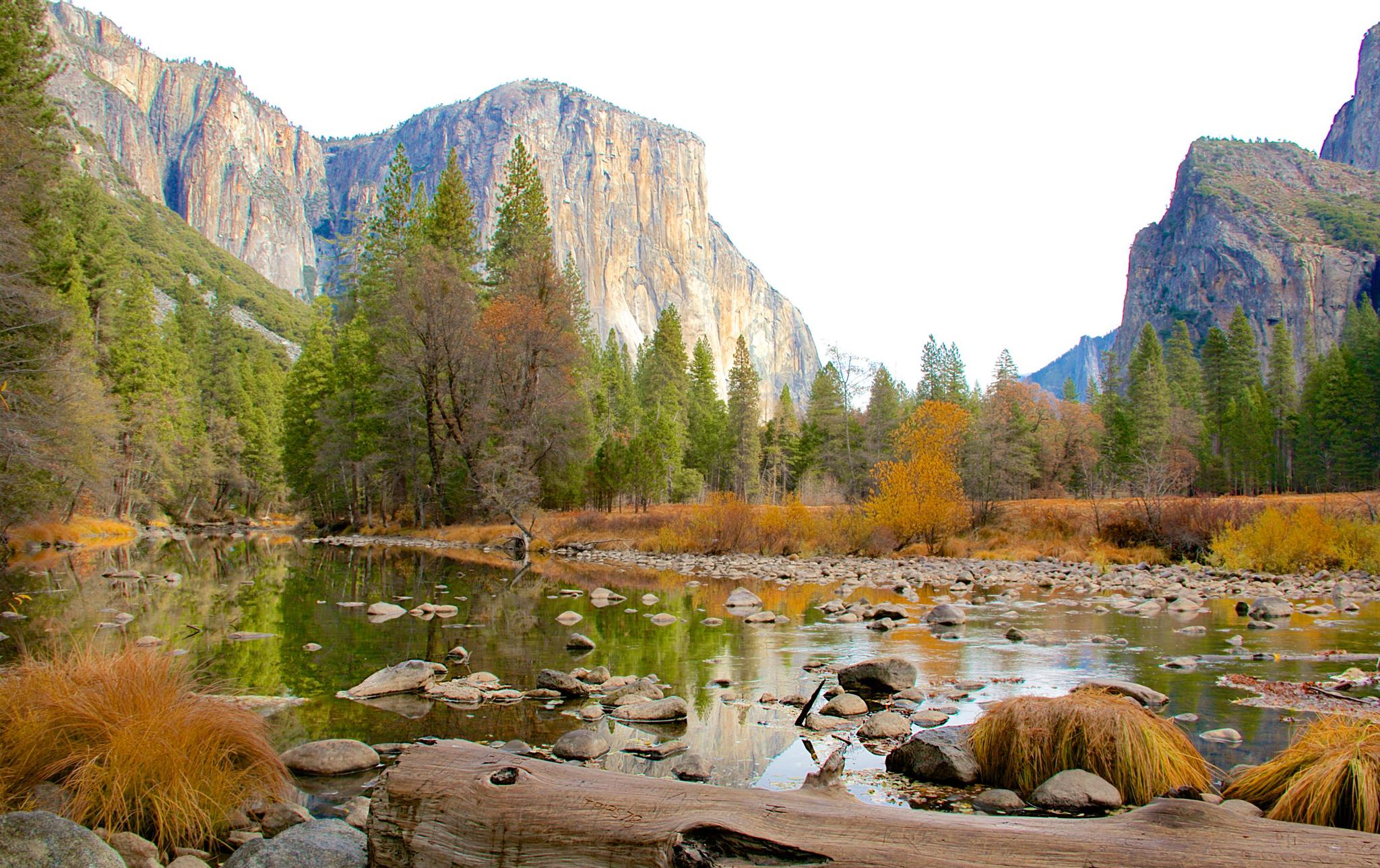
The pristine beauty of the US National Parks
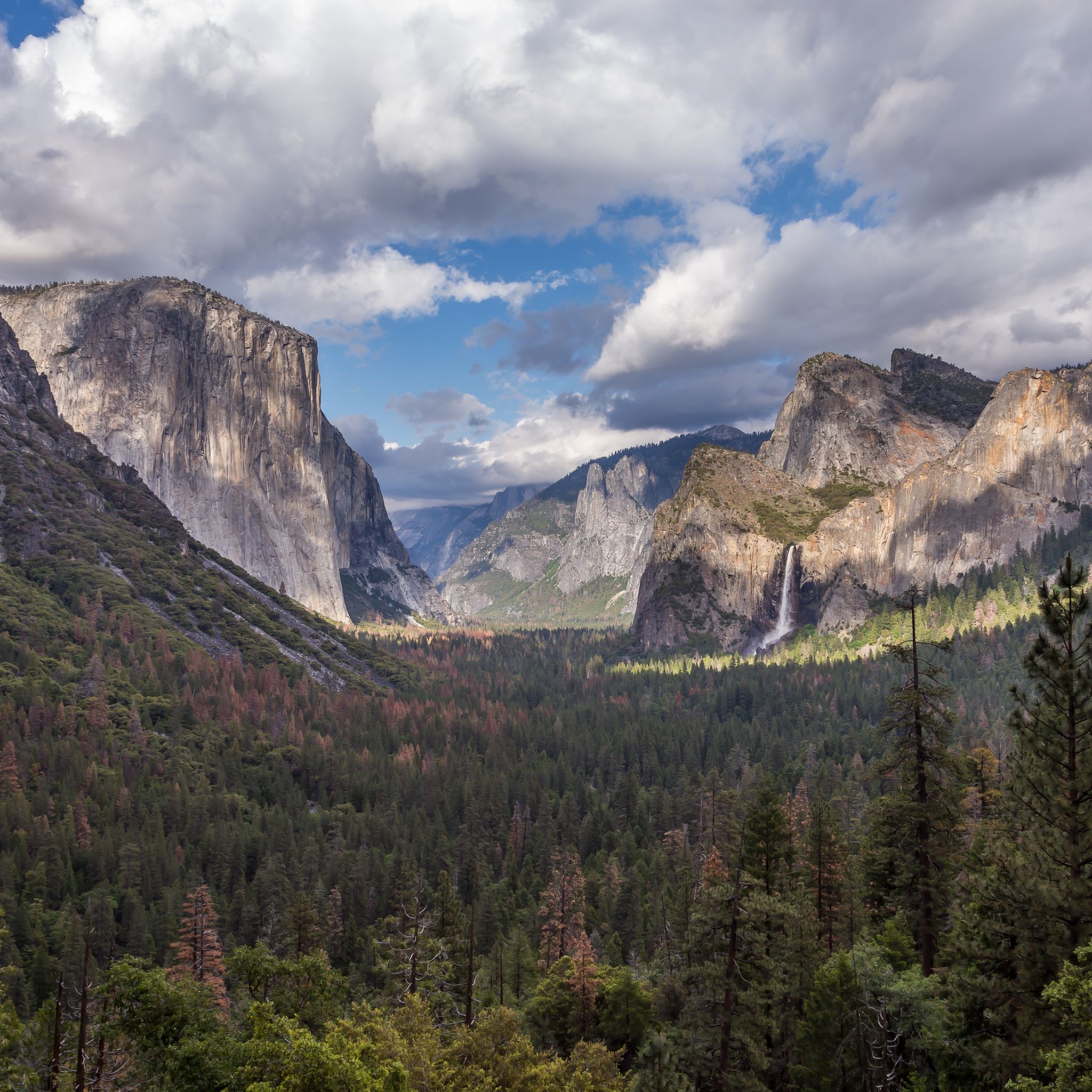
Hiking in Yosemite National Park
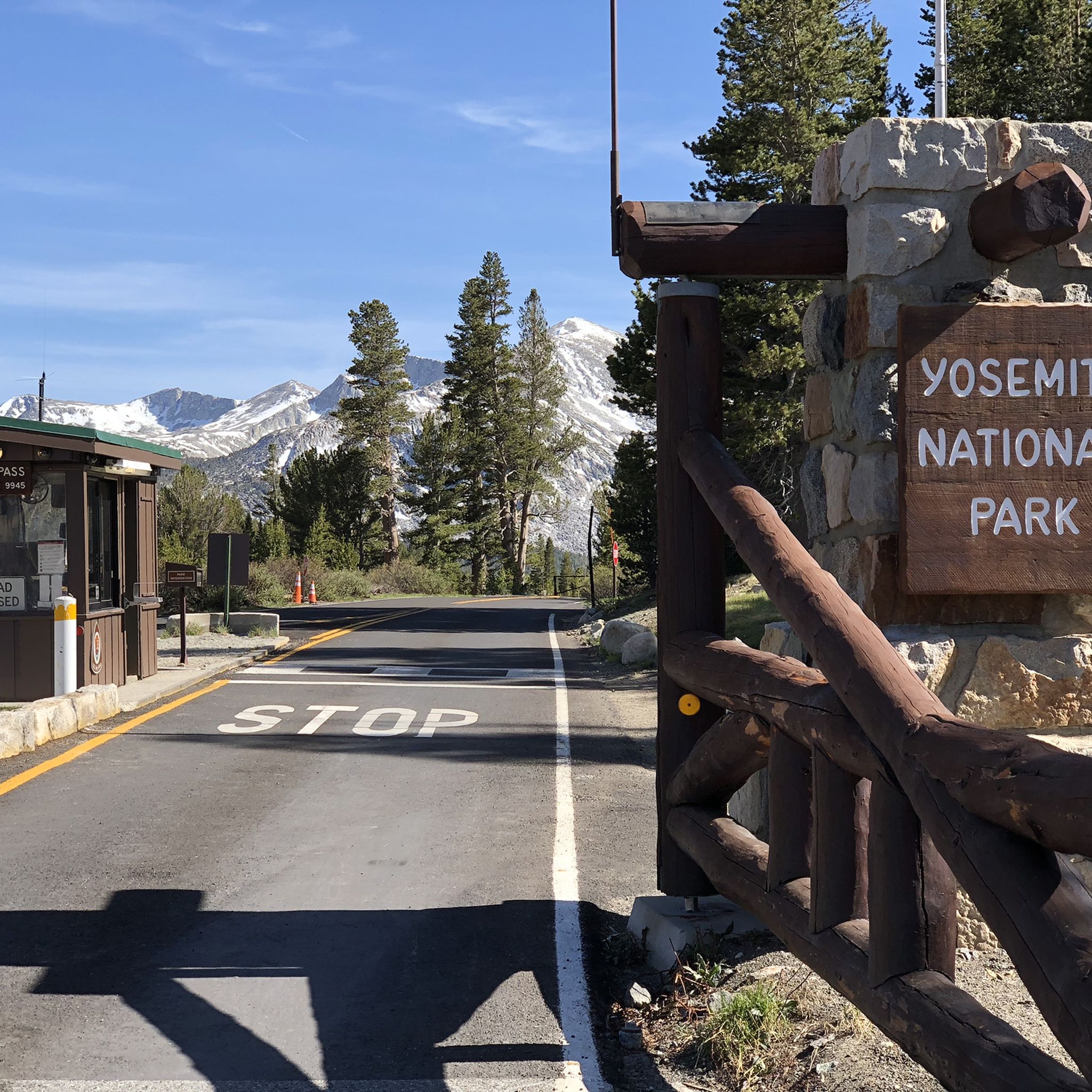
Cycling in Yosemite National Park
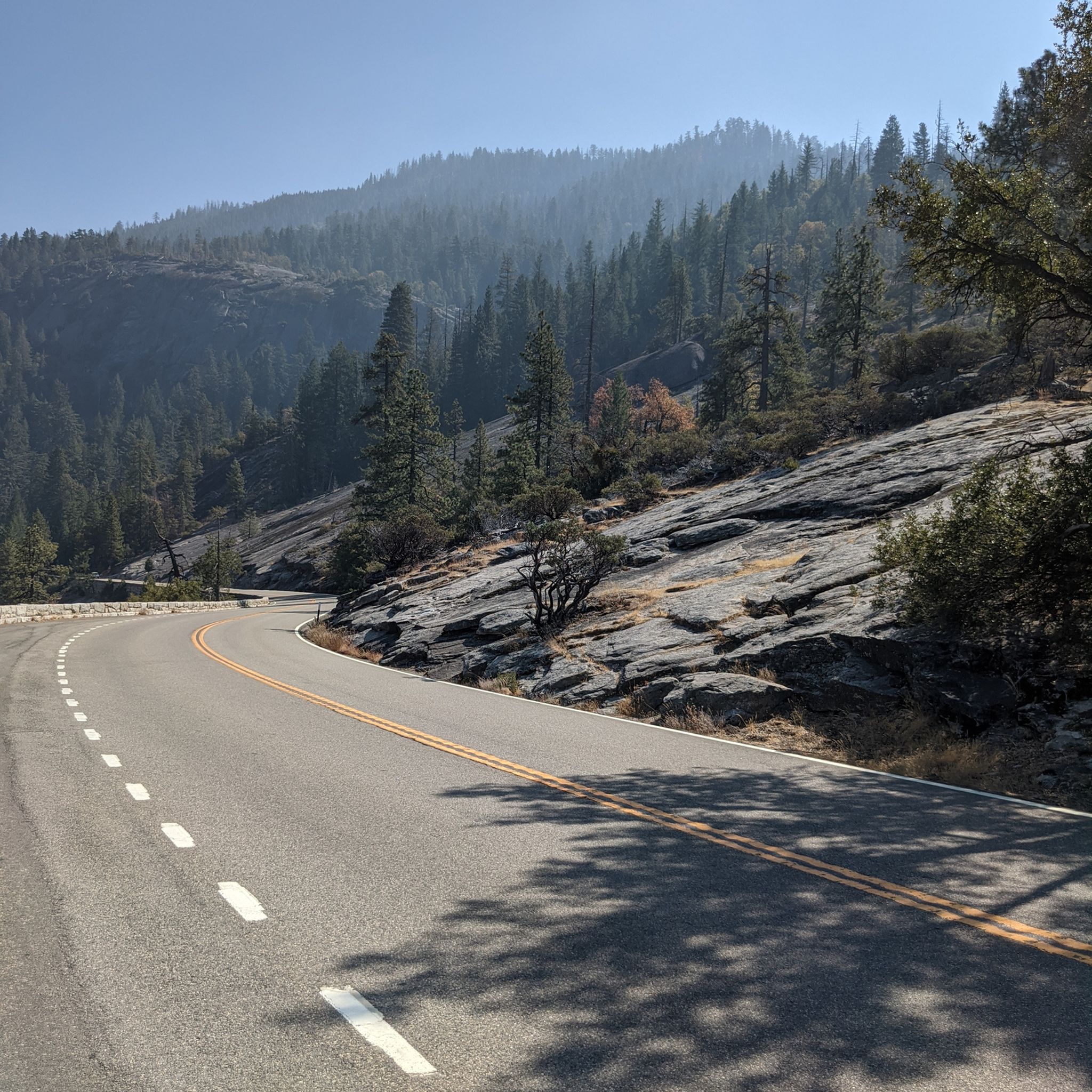
Road Cycling Routes in Yosemite National Park
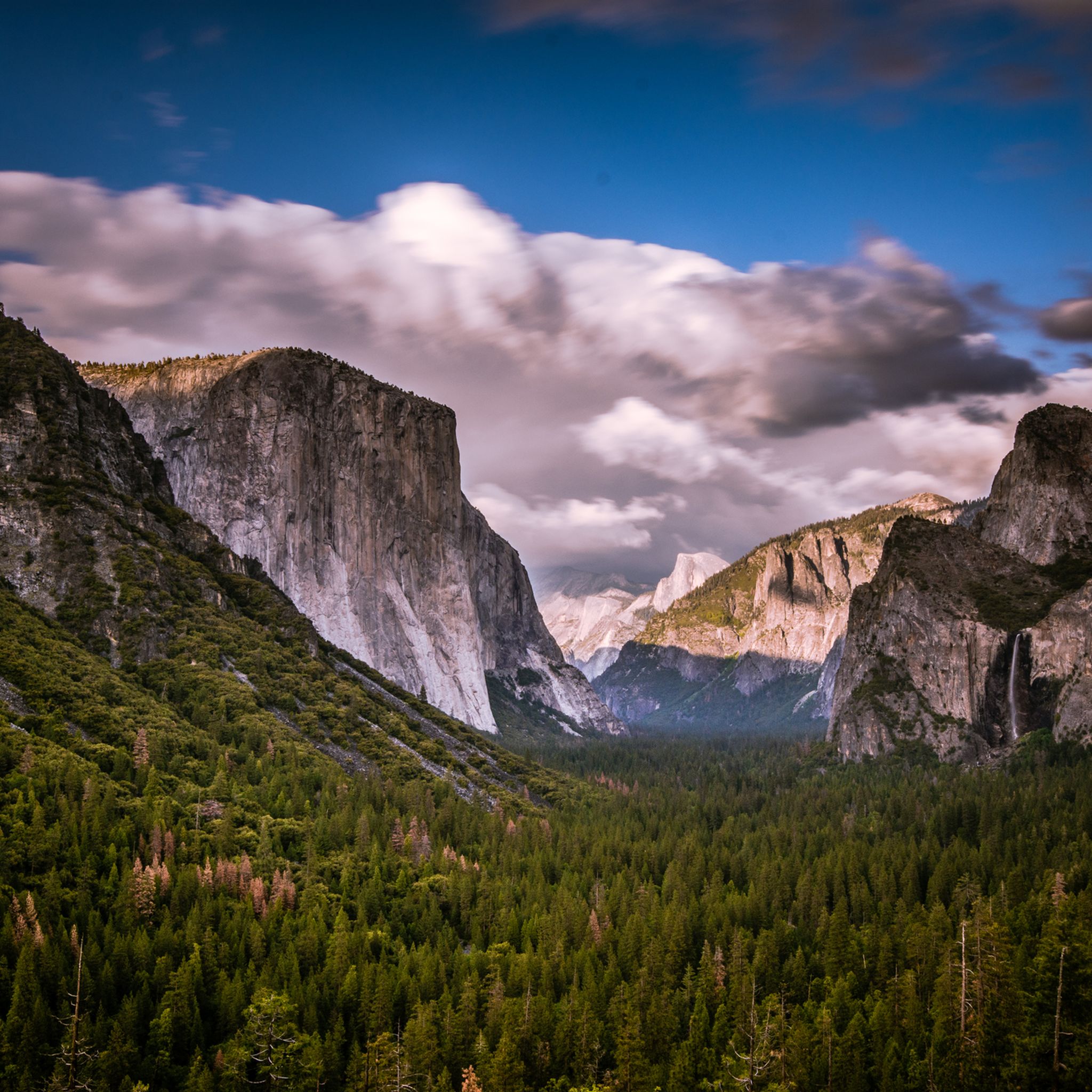
MTB Trails in Yosemite National Park
Running Trails in Yosemite National Park
Other adventures in Yosemite National Park


Tips from the Community

The Mist Trail is much easier to hike uphill in early summer (snowmelt) than downhill because it becomes very slippery. Instead of returning the same way, it's recommended to head a little further upstream, turning right, onto the John Muir Trail—not only because of the slippery descent, but also because this leads to the best vantage point for Vernal Falls (marked on the map). Especially when the Merced River is full, the view is spectacular. The descent on the John Muir Trail is then much easier. Warning for photographers: During snowmelt, only take photos in the "splash zone" with a truly waterproof (submersible!) camera—and pack any other camera in a completely waterproof bag beforehand and only unpack it again at the top. Several careless camera owners have destroyed their equipment on this trail. I once heard a man at the top complaining about a broken Hasselblad – it was in his backpack, but obviously not completely waterproof. The fine mist penetrates everywhere, and even with a rain jacket, you end up wet like you've just taken a shower. On warm summer days, the trail is extremely crowded, with several thousand visitors on just a few kilometers of trail.
0
1

You get really wet when you go up the steps at Verna Fall
0
0

Absolutely worthwhile trail with great views. Exposed to full sun in many places in the afternoon. Please be prepared with enough water.
0
0

The Panorama Trail in Yosemite National Park is a popular, stunning 8.5-mile hike, showcasing some of the park's most spectacular scenery. Most start at Glacier Point, which offers iconic views of Half Dome and the Clark Range, and descend to the Valley Floor. The trail passes through diverse landscapes, including Ilillouette Creek with its waterfalls and birdlife, and the Panorama Cliffs. Along the way, you'll see Yosemite Falls, North America's tallest waterfall, and the dramatic Nevada Fall. The hike ends on the famous Mist Trail, descending past Vernal Fall along the Merced River. Allow 4-6 hours for the hike, and consider taking the Glacier Point Tour bus for a one-way journey. This is a truly amazing hike that is almost like a tour-de-Yosemite!
0
2
If there is a lot of water in the Merced River (early summer), then it is definitely worth taking the path from Vernal Falls up to the John Muir Trail, as marked on my route: The photo of the waterfall from there is, in my opinion, one of the most beautiful photos in the entire park. This return route is also recommended for another reason, especially at this time of year: The Mist Trail leads steeply down slippery, wet steps up to half a meter high - and is not pleasant to walk downhill, especially not at this time of year with a lot of water on it. If you really want to do the fog/rain hike, it is better to go uphill. In terms of photo opportunities, early summer is the best time of year in the entire park. Important: Always pack a rain jacket if you are going on a long tour: The weather can change (even contrary to the weather forecast) faster than you can walk back. I have seen people walk the entire route from Half Dome to the valley (around 4 hours) in shorts and a t-shirt in pouring rain, you should avoid that. PS: I did this hike in 2004, back then there was no (affordable) GPS - so the tracking data is fake, the photos and the paths are not. Just in case someone stumbles across the GPS coordinates that correspond exactly to the Komoot map.
0
0


Nevada Falls is a highlight of Yosemite National Park! With a majestic 594-foot drop, it's a mesmerizing display of nature's raw power. The Mist Trail offers an up-close experience, letting you feel the refreshing spray as you ascend. Surrounded by lush forests and granite cliffs, the falls are a testament to Yosemite's untouched beauty. A visit here isn't just a sightseeing stop; it's an unforgettable experience. In a park full of wonders, Nevada Falls is an absolute must! Nevada Falls is a jewel in Yosemite's crown! With a majestic 594-foot drop, it's a mesmerizing display of nature's raw power. The Mist Trail offers an up-close experience, letting you feel the refreshing spray as you ascend. Surrounded by lush forests and granite cliffs, the falls are a testament to Yosemite's untouched beauty. A visit here isn't just a sightseeing stop; it's an unforgettable experience. In a park brimming with wonders, Nevada Falls is a must-see spectacle!
0
0

Frequently Asked Questions
What are some of the most popular waterfall trails in Yosemite National Park?
Among the most popular trails are the Mist Trail, which leads to both Vernal Fall and Nevada Fall, and the Yosemite Falls Trail. The Mist Trail is known for its close-up views and the refreshing spray from the falls, while the Yosemite Falls Trail offers challenging climbs with panoramic views of the valley and Half Dome.
What is the best time of year to visit the waterfalls in Yosemite National Park?
The waterfalls in Yosemite National Park are at their most powerful in spring and early summer, typically from April through June, fueled by snowmelt. Yosemite Falls, for example, flows from November through July, peaking in May. Bridalveil Fall and Vernal Fall flow year-round, but are most impressive during this peak season.
Are there easy waterfall hikes suitable for families or beginners in Yosemite National Park?
Yes, there are several easy options. The trail to Lower Yosemite Fall is an easy 1.2-mile walk. Bridalveil Fall is also highly accessible via a short, paved 0.5-mile round trip trail. For more easy hiking options, you can explore the Easy hikes in Yosemite National Park guide.
How difficult is the Yosemite Falls Trail?
The Yosemite Falls Trail is considered challenging. It's a strenuous 7.2-mile round trip hike with a 2,700-foot elevation gain to the top of the falls. Even the 1-mile climb to Columbia Rock offers a significant challenge with dozens of switchbacks, but rewards hikers with spectacular views of Yosemite Valley and Half Dome.
What makes Bridalveil Fall a unique waterfall to visit?
Bridalveil Fall plunges 620 feet and is famous for the mist that billows from its base, often resembling a bridal veil, especially on windy days. It's often the first waterfall visitors encounter when entering Yosemite Valley and is highly accessible, making it one of the most photographed waterfalls in the park.
What outdoor activities can I do near the waterfalls in Yosemite National Park?
Beyond hiking to the waterfalls, Yosemite National Park offers a variety of outdoor activities. You can find numerous hiking trails, including easy options like the Lower Yosemite Fall Trail, or more challenging routes. Cycling is also popular, with routes like the Yosemite Valley Loop Trail. For runners, trails like Vernal and Nevada Falls via the Mist Trail provide a challenging experience. Explore more options in the Easy hikes in Yosemite National Park, Cycling in Yosemite National Park, and Running Trails in Yosemite National Park guides.
Are there any less crowded or 'hidden gem' waterfalls in Yosemite National Park?
While Yosemite's main waterfalls are popular, Ribbon Fall often draws smaller crowds despite boasting the longest single uninterrupted drop in North America at 1,612 feet. It's a seasonal fall, best viewed from late March through early June, offering a more serene experience. Sentinel Fall, a tiered waterfall descending 1,920 feet, also provides a more peaceful viewing experience due to fewer crowds and can be seen from Southside Drive.
What should I know about visiting Vernal Fall?
Vernal Fall is a powerful 317-foot waterfall on the Merced River, famous for the significant mist it generates, which frequently creates rainbows on sunny days. It's a highlight of the popular Mist Trail, offering an up-close experience with its spray. The trail to its base involves a strenuous, uphill climb with granite steps, and you can reach an Emerald Pool at the top.
What are the best photography spots for Yosemite waterfalls?
For iconic shots, Tunnel View and Valley View offer spectacular perspectives of Bridalveil Fall. The base of Lower Yosemite Fall provides a powerful close-up. The Mist Trail to Vernal Fall is excellent for capturing rainbows in the spray. For a broader panorama including multiple falls, consider viewpoints along the Panorama Trail or from Glacier Point.
What do visitors enjoy most about the waterfalls in Yosemite National Park?
Visitors frequently highlight the sheer scale and thunderous roar of the falls, especially during peak flow. The refreshing mist from waterfalls like Vernal Fall and Bridalveil Fall is a popular experience, often creating rainbows. Many appreciate the breathtaking views from various trails and viewpoints, and the opportunity to experience the raw forces of nature up close.
What is the difficulty of the Mist Trail to Vernal and Nevada Falls?
The Mist Trail to Vernal and Nevada Falls is considered intermediate to challenging. The path to Vernal Fall involves a strenuous, uphill climb with granite steps where you will get very wet from the spray. Continuing to Nevada Fall makes for a longer, more challenging hike, but rewards with stunning views of the Merced River and the unique 'bent' shape of Nevada Fall.
Most popular routes in Yosemite National Park
Most popular attractions in Yosemite National Park

Get inspired with the komoot mobile app


Explore more
Happy to travel a little further afield? Then browse these guides for the best waterfalls in Yosemite National Park:
