The best walks and hikes in Yosemite National Park
4.7
(6160)
61,352
hikers
360
hikes
Hiking in Yosemite National Park features dramatic landscapes shaped by glacial carving, including colossal granite formations and deep valleys. The park offers over 800 miles of hiking trails, ranging from easy strolls to challenging climbs. Key natural features include towering waterfalls, ancient Giant Sequoia groves, and diverse ecosystems spanning from low-elevation wetlands to high-elevation peaks. The terrain is characterized by granite cliffs, domes, and clear streams, providing varied hiking experiences.
Best hiking trails in Yosemite National Park
- The most popular hiking route is Vernal Falls and Nevada Falls loop from Curry Village — Yosemite National Park, an 8.3 miles (13.4 km) difficult trail that takes 5 hours 19 minutes to complete. This route offers close-up views of two major waterfalls.
- Another top favourite among local hikers is Clark Point and Vernal Falls loop from Curry Village — Yosemite National Park, a moderate 6.4 miles (10.3 km) path. This trail provides panoramic vistas of the valley and waterfalls from Clark Point.
- Local hikers also love the Yosemite Falls Trail, a 7.5 miles (12.1 km) trail leading through varied forest and rock, often completed in about 5 hours 21 minutes.
- Hiking in Yosemite National Park is defined by iconic granite formations like El Capitan and Half Dome, spectacular waterfalls, and ancient Giant Sequoia groves. The extensive network of trails offers options for different ability levels, from easy valley walks to strenuous high-country ascents.
- The routes in Yosemite National Park are highly rated by the komoot community with an average score of 4.7 stars from over 5,300 reviews. More than 50,000 hikers have used komoot to explore Yosemite National Park's varied terrain.
Last updated: October 10, 2026
4.9
(712)
5,810
hikers
13.4km
05:19
680m
680m
Hard hike. Very good fitness required. Mostly accessible paths. Sure-footedness required.
4.9
(160)
1,360
hikers
8.51km
03:54
590m
590m
Moderate hike. Good fitness required. Mostly accessible paths. Sure-footedness required.

4.9
(160)
1,360
hikers
8.51km
03:54
590m
590m
Moderate hike. Good fitness required. Mostly accessible paths. Sure-footedness required.
4.8
(403)
4,136
hikers
10.3km
03:50
460m
460m
Moderate hike. Good fitness required. Mostly accessible paths. Sure-footedness required.
4.9
(278)
1,977
hikers
12.1km
05:21
1,160m
1,160m
Hard hike. Very good fitness required. Easily-accessible paths. Suitable for all skill levels.
Get access to more routes and recommendations from other explorers.
Already have an account?
Our route recommendations are based on thousands of hikes, rides, and runs completed by other people on komoot.
Start today with a free account
Your next adventure awaits.
Popular around Yosemite National Park
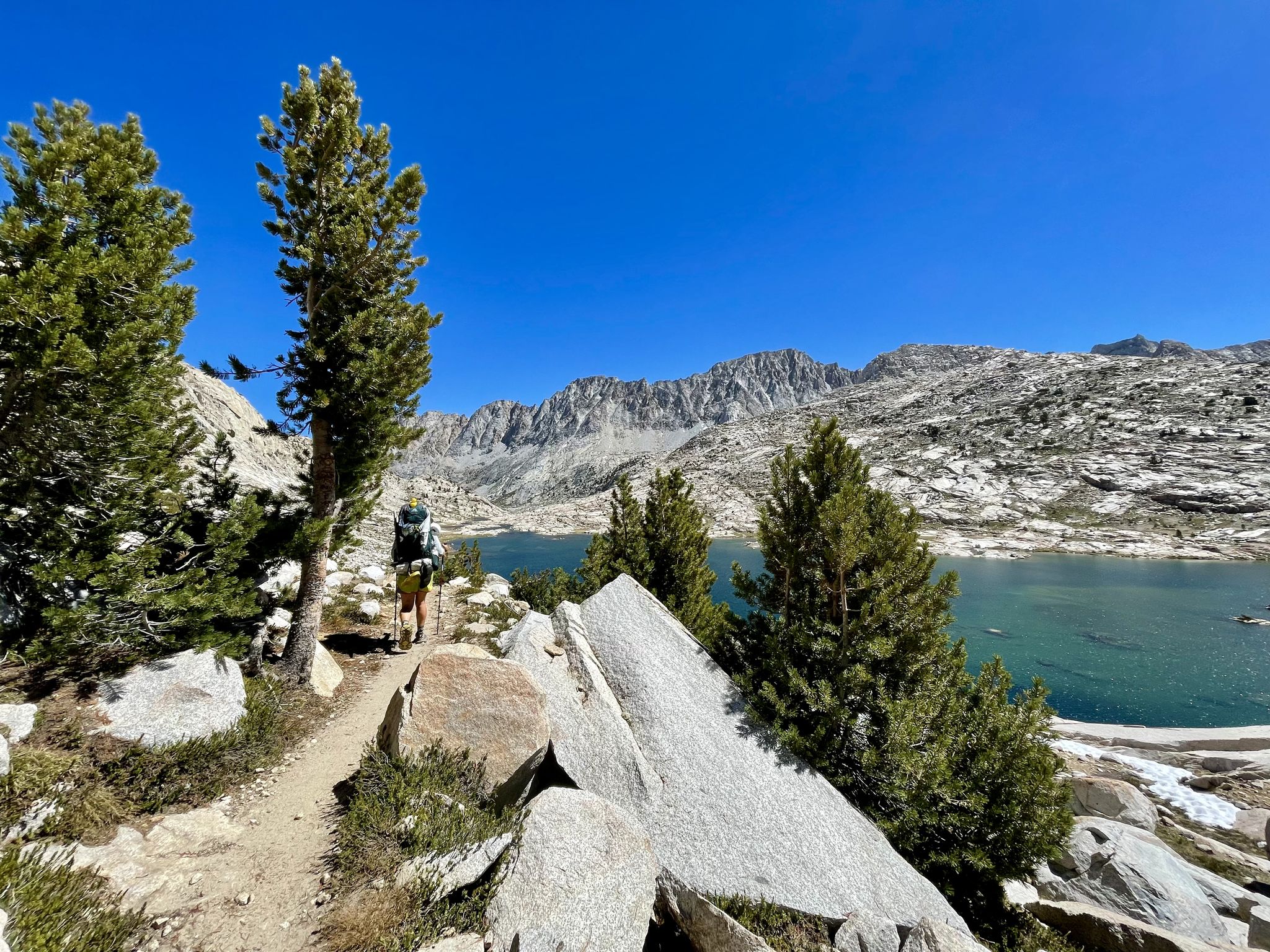
John Muir Trail – Along the legendary trail through the magical Sierra Nevada
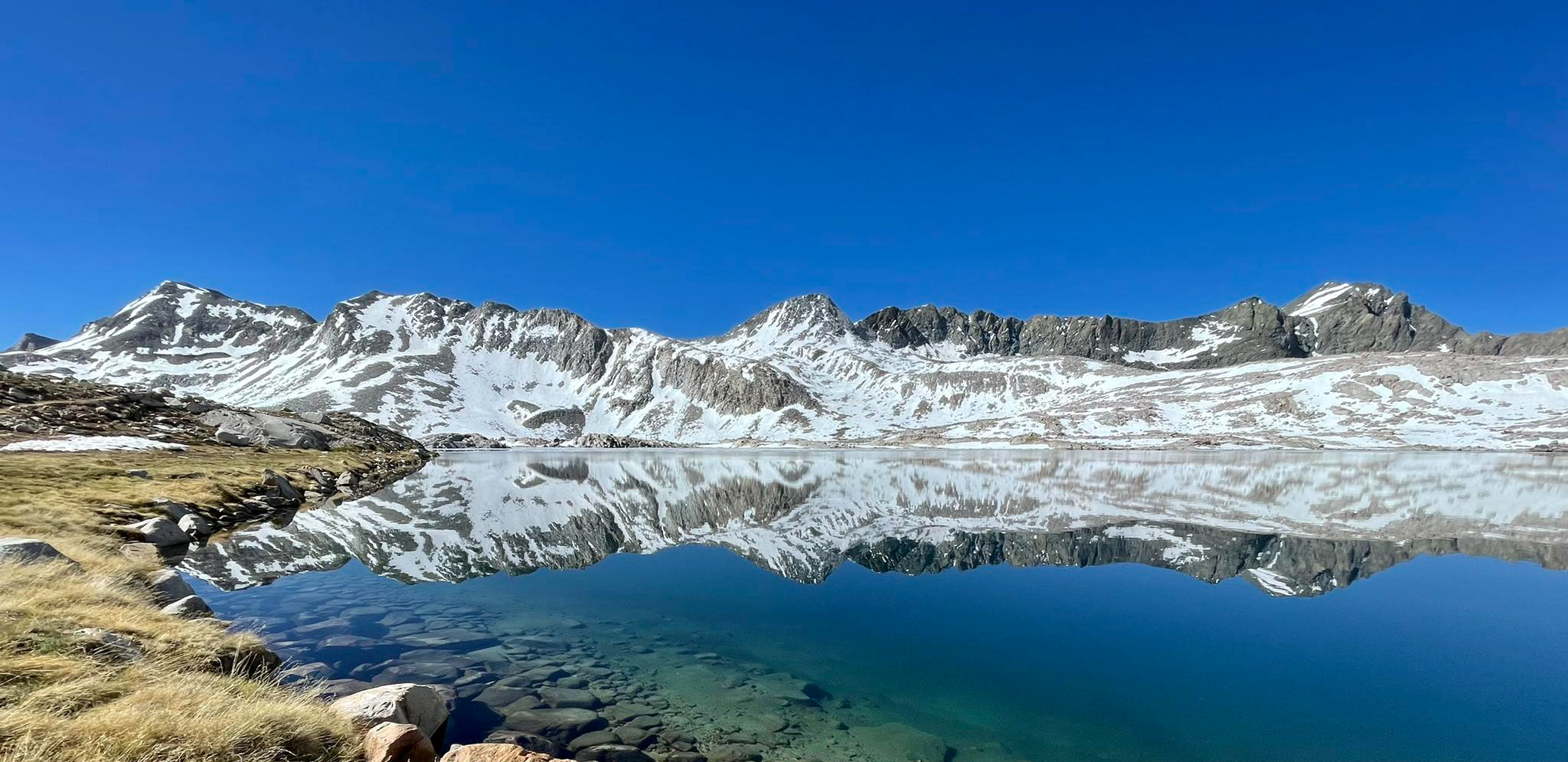
The Sierra High Route — Solitude in California's alpine country
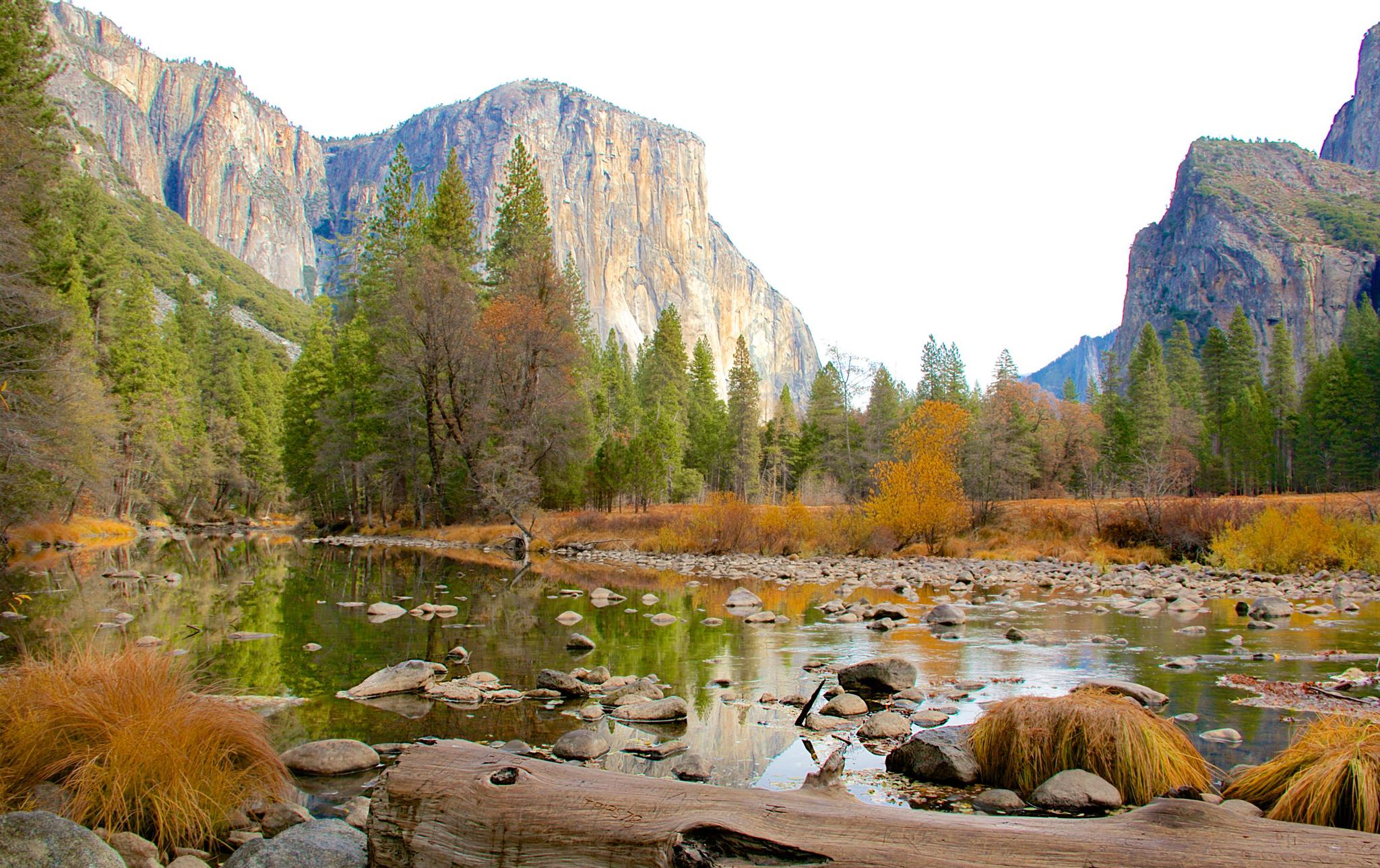
California to Nevada – hiking between Volcanoes, Water & Forest
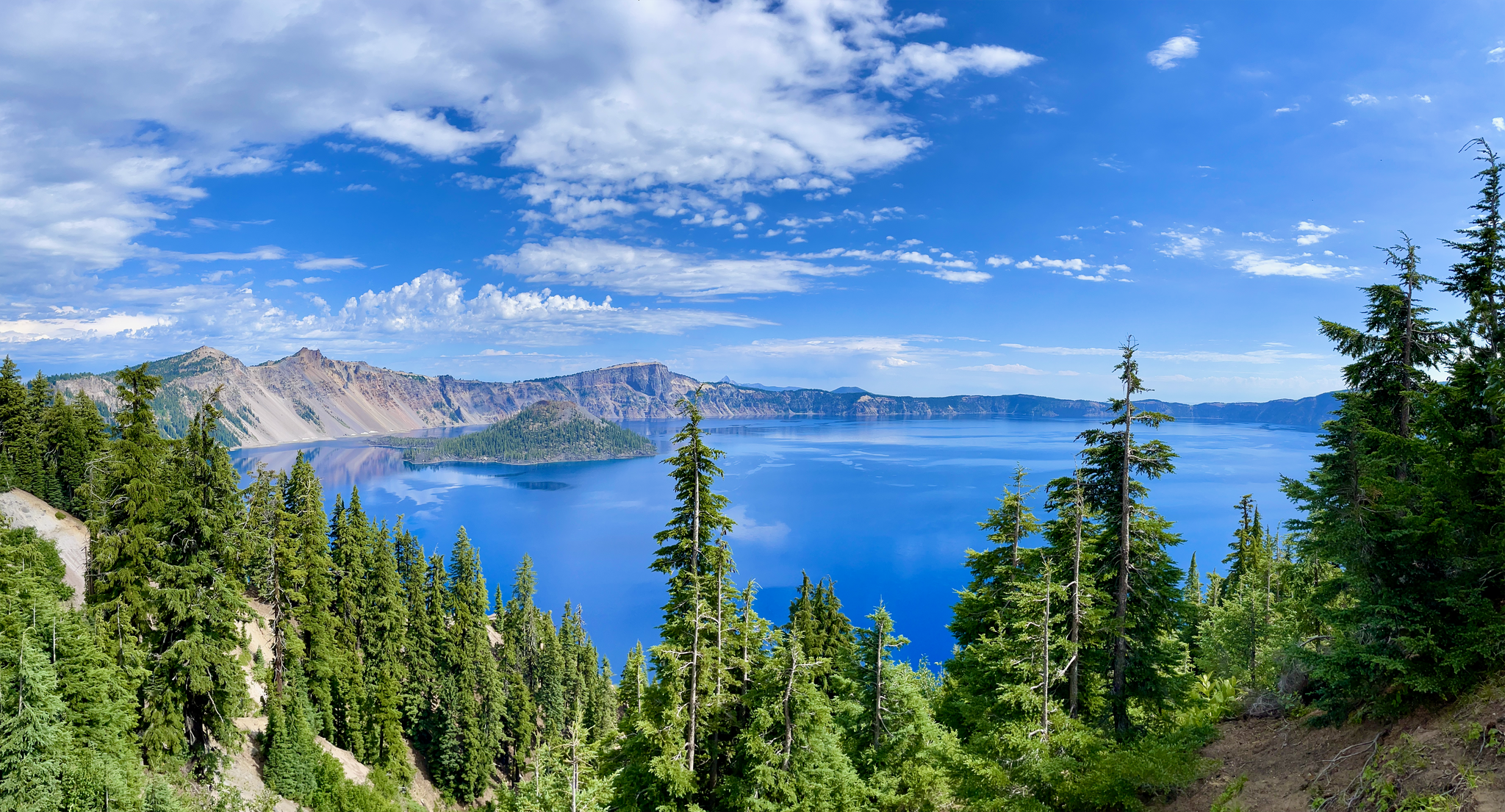
The pristine beauty of the US National Parks
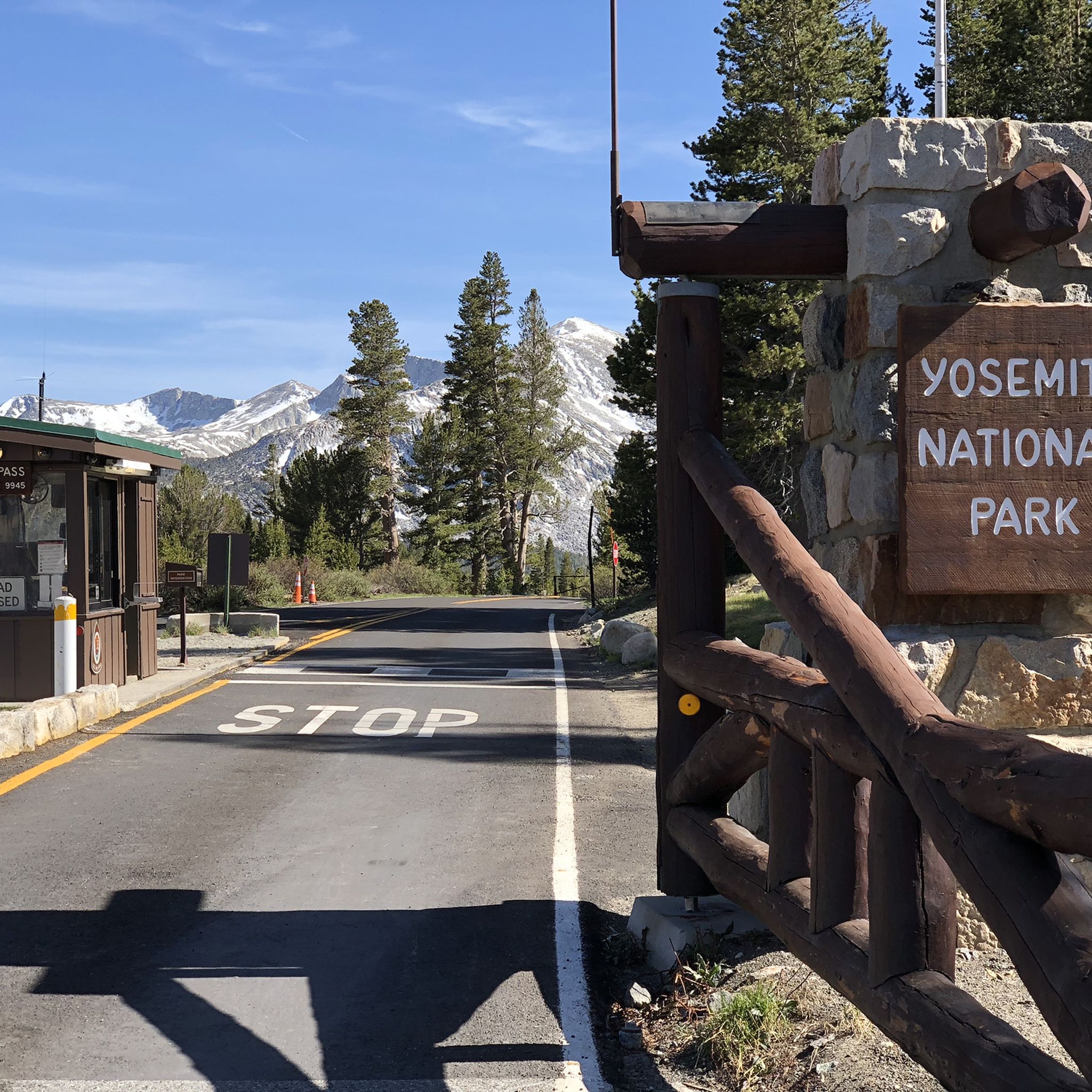
Cycling in Yosemite National Park
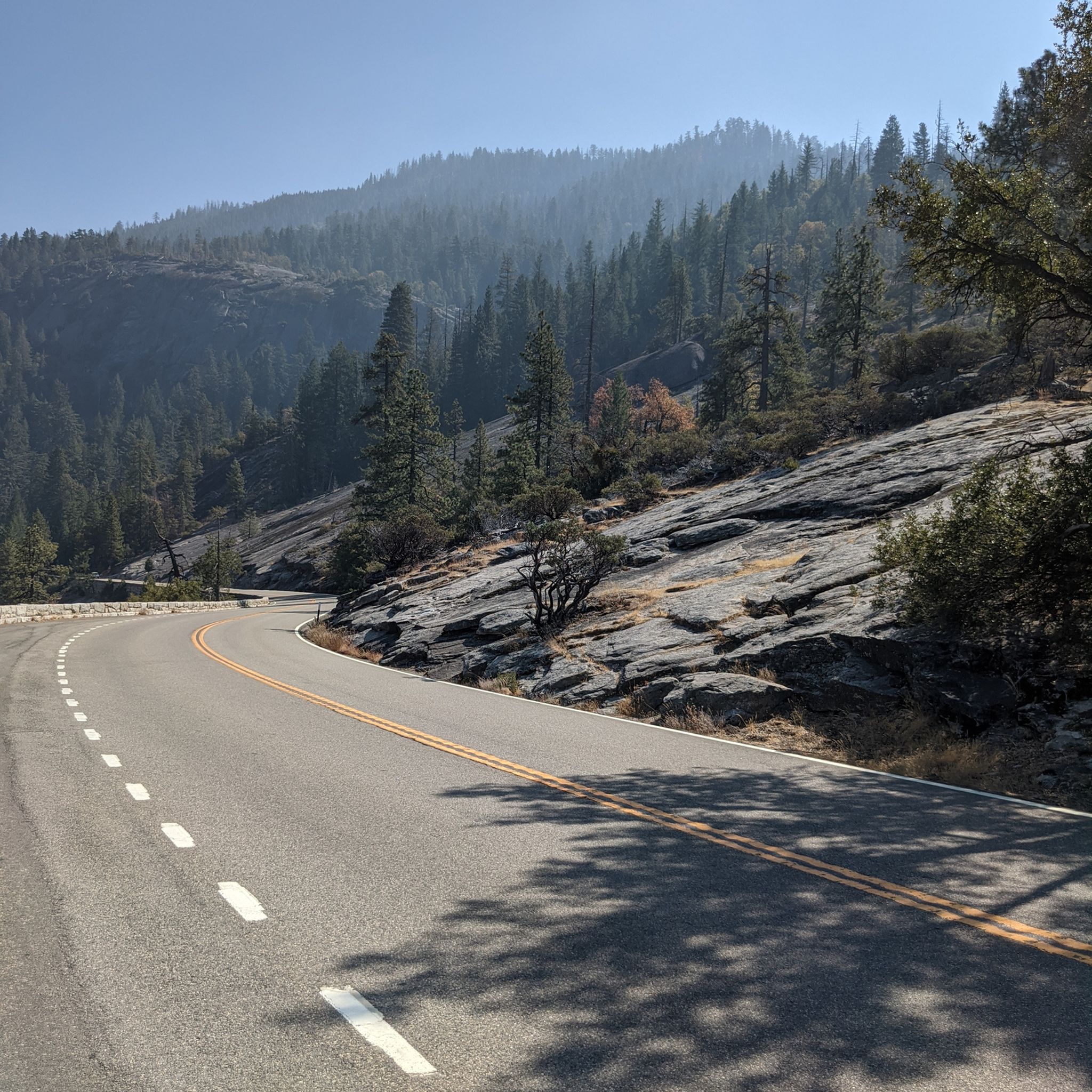
Road Cycling Routes in Yosemite National Park
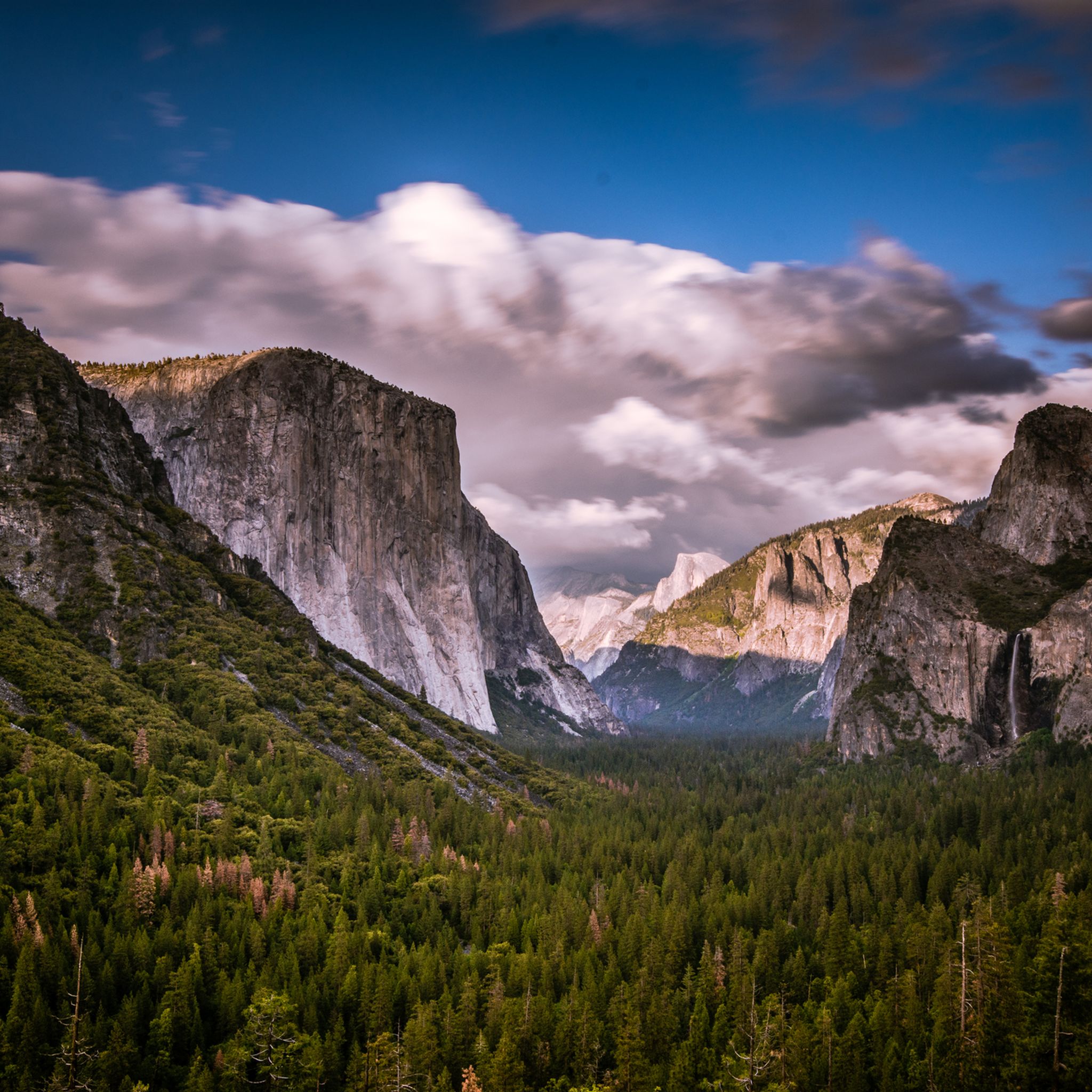
MTB Trails in Yosemite National Park
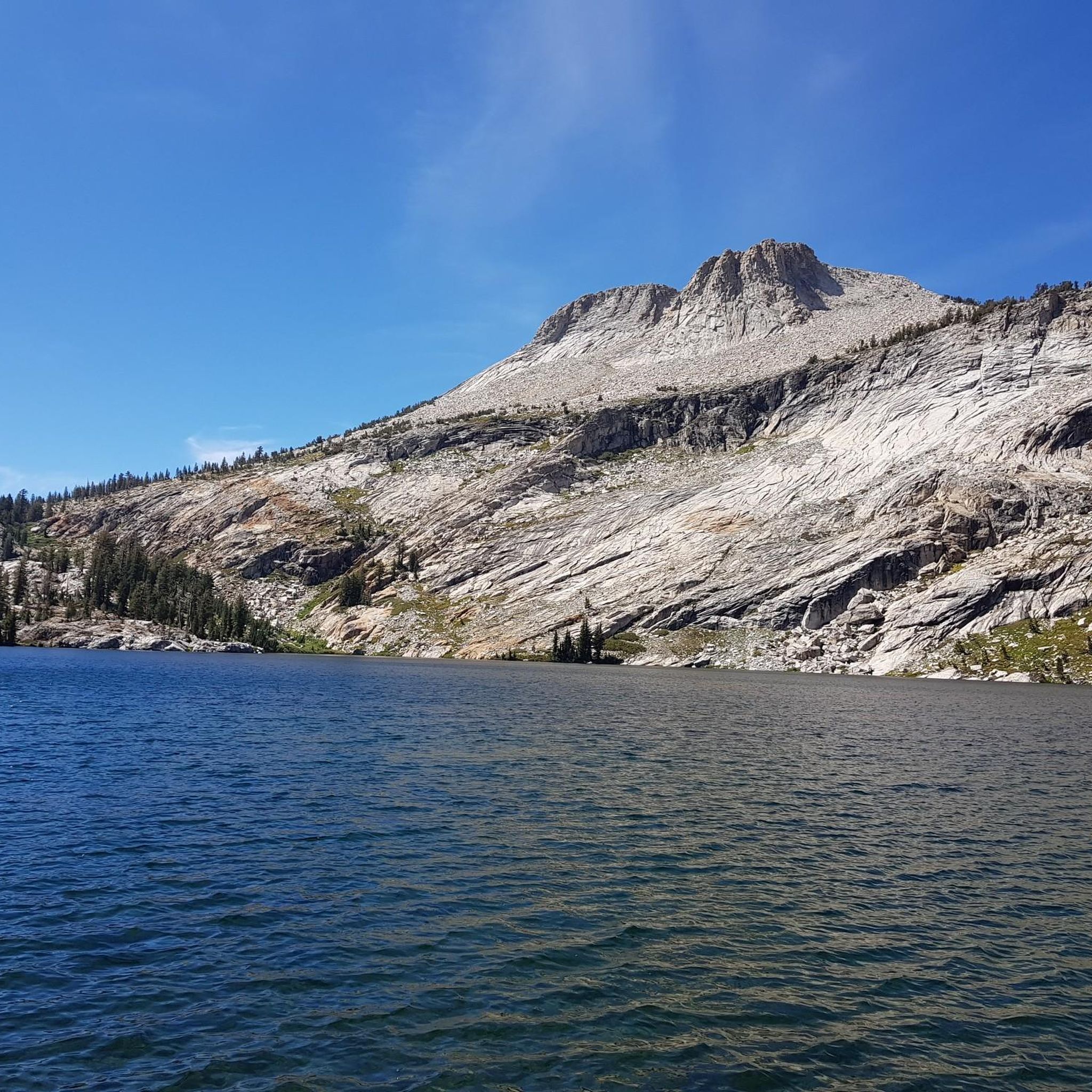
Running Trails in Yosemite National Park
Other adventures in Yosemite National Park


Tips from the Community

The Mist Trail is much easier to hike uphill in early summer (snowmelt) than downhill because it becomes very slippery. Instead of returning the same way, it's recommended to head a little further upstream, turning right, onto the John Muir Trail—not only because of the slippery descent, but also because this leads to the best vantage point for Vernal Falls (marked on the map). Especially when the Merced River is full, the view is spectacular. The descent on the John Muir Trail is then much easier. Warning for photographers: During snowmelt, only take photos in the "splash zone" with a truly waterproof (submersible!) camera—and pack any other camera in a completely waterproof bag beforehand and only unpack it again at the top. Several careless camera owners have destroyed their equipment on this trail. I once heard a man at the top complaining about a broken Hasselblad – it was in his backpack, but obviously not completely waterproof. The fine mist penetrates everywhere, and even with a rain jacket, you end up wet like you've just taken a shower. On warm summer days, the trail is extremely crowded, with several thousand visitors on just a few kilometers of trail.
0
1
In summer, the most crowded trail in the entire park begins here. It's actually only bearable during the week in the off-season, but on summer weekends, several thousand people are spread out over just a few kilometers of trail.
0
0

You get really wet when you go up the steps at Verna Fall
0
0

Once you have left this section with its high steps behind you, you will know what an adventure you have embarked on 🙂
0
0

Very nice for cooling your legs and nice for a picnic
0
0
The steps make the steep climb manageable
0
0
If there is a lot of water in the Merced River (early summer), then it is definitely worth taking the path from Vernal Falls up to the John Muir Trail, as marked on my route: The photo of the waterfall from there is, in my opinion, one of the most beautiful photos in the entire park. This return route is also recommended for another reason, especially at this time of year: The Mist Trail leads steeply down slippery, wet steps up to half a meter high - and is not pleasant to walk downhill, especially not at this time of year with a lot of water on it. If you really want to do the fog/rain hike, it is better to go uphill. In terms of photo opportunities, early summer is the best time of year in the entire park. Important: Always pack a rain jacket if you are going on a long tour: The weather can change (even contrary to the weather forecast) faster than you can walk back. I have seen people walk the entire route from Half Dome to the valley (around 4 hours) in shorts and a t-shirt in pouring rain, you should avoid that. PS: I did this hike in 2004, back then there was no (affordable) GPS - so the tracking data is fake, the photos and the paths are not. Just in case someone stumbles across the GPS coordinates that correspond exactly to the Komoot map.
0
0

More Information
FAQs about hikes in Yosemite National Park
- What are the best easy hikes in Yosemite National Park?
While specific easy routes aren't highlighted in the top routes, Komoot offers many accessible paths suitable for various fitness levels, with dedicated guides focusing on easy hikes in the park. - Are there popular waterfall hikes in Yosemite National Park?
Yes, Yosemite is renowned for its spectacular waterfalls. You can explore many routes that specifically highlight these natural wonders. - Can I find trails that lead to mountain peaks in Yosemite National Park?
Absolutely. The park features numerous mountain peaks with trails suitable for those seeking breathtaking summit views and challenging climbs. - What kind of hiking routes are available around Yosemite's lakes?
Yosemite National Park is home to beautiful lakes, offering serene walks around their shores or more extensive treks. - Are there huts or cabins available along hiking routes in Yosemite?
For longer excursions or multi-day trips, there are huts and cabins available, providing shelter and a unique wilderness experience. - What are the most popular hiking trails overall in Yosemite National Park?
The Vernal Falls and Nevada Falls loop from Curry Village, Clark Point and Vernal Falls loop, and Yosemite Falls Trail are consistently among the most popular and highly-rated routes. - What is the best time of year for hiking in Yosemite National Park?
Spring and early summer are often ideal for experiencing the waterfalls at their fullest, while late summer and fall offer pleasant weather and clear skies for higher elevation trails. - What are the general difficulty levels for hikes in Yosemite?
Hikes in Yosemite National Park range from easy, requiring minimal fitness, to difficult, demanding very good fitness and sure-footedness on challenging terrain.
Frequently Asked Questions
How many hiking trails are available in Yosemite National Park?
Yosemite National Park offers a vast network of trails, with over 270 hiking routes available on komoot. These range from easy strolls to challenging climbs, catering to all experience levels.
What do other hikers enjoy most about the trails in Yosemite National Park?
The trails in Yosemite National Park are highly rated by the komoot community, with an average score of 4.7 stars from over 5,300 reviews. Hikers frequently praise the dramatic landscapes, iconic granite formations like El Capitan and Half Dome, and the spectacular waterfalls. The diverse terrain and well-maintained paths also receive positive feedback.
What are the best times of year to go hiking in Yosemite National Park?
The best time to hike in Yosemite National Park largely depends on what you want to see. Spring (April-May) is ideal for viewing the park's spectacular waterfalls at their peak flow due to snowmelt. Summer (June-August) offers access to high-country trails like Tuolumne Meadows, though it's also the busiest season. Fall (September-October) brings cooler temperatures, fewer crowds, and beautiful autumn colors, while winter (November-March) transforms the park into a snowy wonderland, suitable for snowshoeing and cross-country skiing on accessible trails.
Are there easy hiking trails suitable for beginners or families in Yosemite National Park?
Yes, Yosemite National Park has numerous easy trails perfect for beginners and families. Many of the 115 easy routes on komoot are found in Yosemite Valley, offering gentle walks with stunning views. For example, the Lower Yosemite Falls Trail is a paved, accessible loop that provides close-up views of the base of Yosemite Falls.
Which trails offer the best views of Yosemite's famous waterfalls?
For an immersive waterfall experience, consider the Vernal Falls and Nevada Falls loop from Curry Village, which takes you close to both powerful cascades. Another excellent option is the Yosemite Falls Trail, leading to the top of North America's fourth tallest waterfall. Bridalveil Fall is also easily accessible and offers ethereal, windblown mist.
Can I hike to see the Giant Sequoias in Yosemite National Park?
Yes, Yosemite National Park is home to three groves of ancient Giant Sequoias. The largest and most famous is the Mariposa Grove, which features around 200 trees. The Tuolumne Grove and Merced Grove also offer opportunities to walk among these colossal trees on quieter trails.
Are there any trails that offer panoramic views of the entire valley?
For breathtaking panoramic views of Yosemite Valley, including Half Dome, Yosemite Falls, and El Capitan, consider hiking to Glacier Point. While the Four Mile Trail leads directly there, you can also access stunning vistas from viewpoints like Tunnel View, which offers a classic perspective upon entering the valley.
What are some notable natural features I might encounter on a hike?
Yosemite's hikes showcase dramatic granite cliffs and domes, carved by ancient glaciers. You'll encounter towering waterfalls, serene high-country meadows like Tuolumne Meadows, and diverse ecosystems ranging from wetlands to high-elevation peaks. Clear streams, numerous lakes, and the majestic Giant Sequoias are also prominent natural features. Nearly 95 percent of the park is designated wilderness, offering a true immersion in nature. For more details on the park's natural wonders, you can visit the NPS website.
Are there any circular hiking routes in Yosemite National Park?
Yes, Yosemite offers several excellent circular hiking routes. A popular choice is the Vernal Falls and Nevada Falls loop from Curry Village. Another option is the Clark Point and Vernal Falls loop from Curry Village, which provides panoramic vistas from Clark Point.
Are dogs allowed on hiking trails in Yosemite National Park?
Dogs are generally permitted on paved roads, in developed areas, and on some designated trails in Yosemite National Park, but not on most unpaved hiking trails. Always check the specific regulations for the trail you plan to visit, as rules can vary. For detailed information, consult the official National Park Service website.
How can I access hiking trails using public transport in Yosemite National Park?
Yosemite National Park operates a free shuttle bus system within Yosemite Valley, which provides convenient access to many popular trailheads, viewpoints, and park facilities. During peak season, additional shuttle services may operate to other areas like Tuolumne Meadows. Using public transport helps reduce traffic and parking congestion within the park.
Are permits required for hiking in Yosemite National Park?
While most day hikes in Yosemite National Park do not require a permit, certain popular or strenuous trails, such as the hike to the top of Half Dome, do require a permit. Wilderness permits are also necessary for any overnight backpacking trips. It's essential to check the official National Park Service website for the most current permit requirements and reservation procedures before your visit.
What are some less crowded hiking options in Yosemite National Park?
To avoid the busiest areas, especially during peak season, consider exploring trails outside of Yosemite Valley. Options in Tuolumne Meadows (when accessible) or the Hetch Hetchy area can offer a more serene experience. Trails leading to the Tuolumne Grove or Merced Grove of Giant Sequoias are also generally less crowded than the Mariposa Grove.
Most popular routes in Yosemite National Park
Most popular attractions in Yosemite National Park

Get inspired with the komoot mobile app


Explore more
Browse the best Hikes in other regions.
