Death Valley National Park
Death Valley National Park
Top 20 Natural Monuments in Death Valley National Park
Best natural monuments in Death Valley National Park showcase a landscape shaped by extreme geological forces. This region features vast salt flats, towering sand dunes, and colorful badlands, reflecting a dynamic geological history. The park is characterized by its unique desert environment, including the lowest point in North America. These natural features offer diverse opportunities for exploration and observation of the park's distinct terrain.
Best natural monuments in Death Valley National Park
- The most popular natural monuments is Badwater Basin…
Last updated: September 29, 2026
Badwater Basin Salt Flats
Highlight • Natural Monument
Tip by

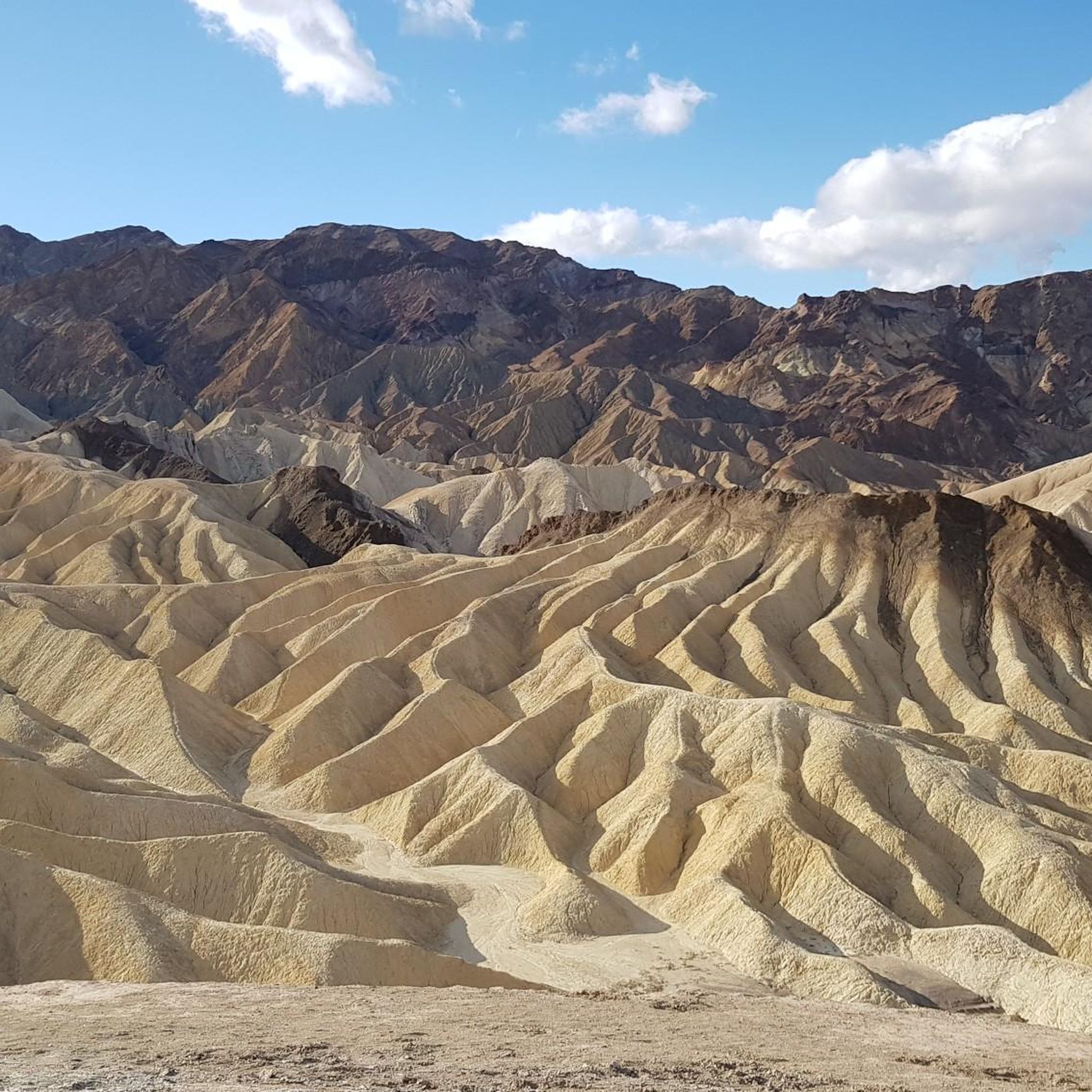
Zabriskie Point
Highlight • Viewpoint
Tip by

Sign up now to discover places like this
Get recommendations on the best single tracks, peaks, & plenty of other exciting outdoor places.
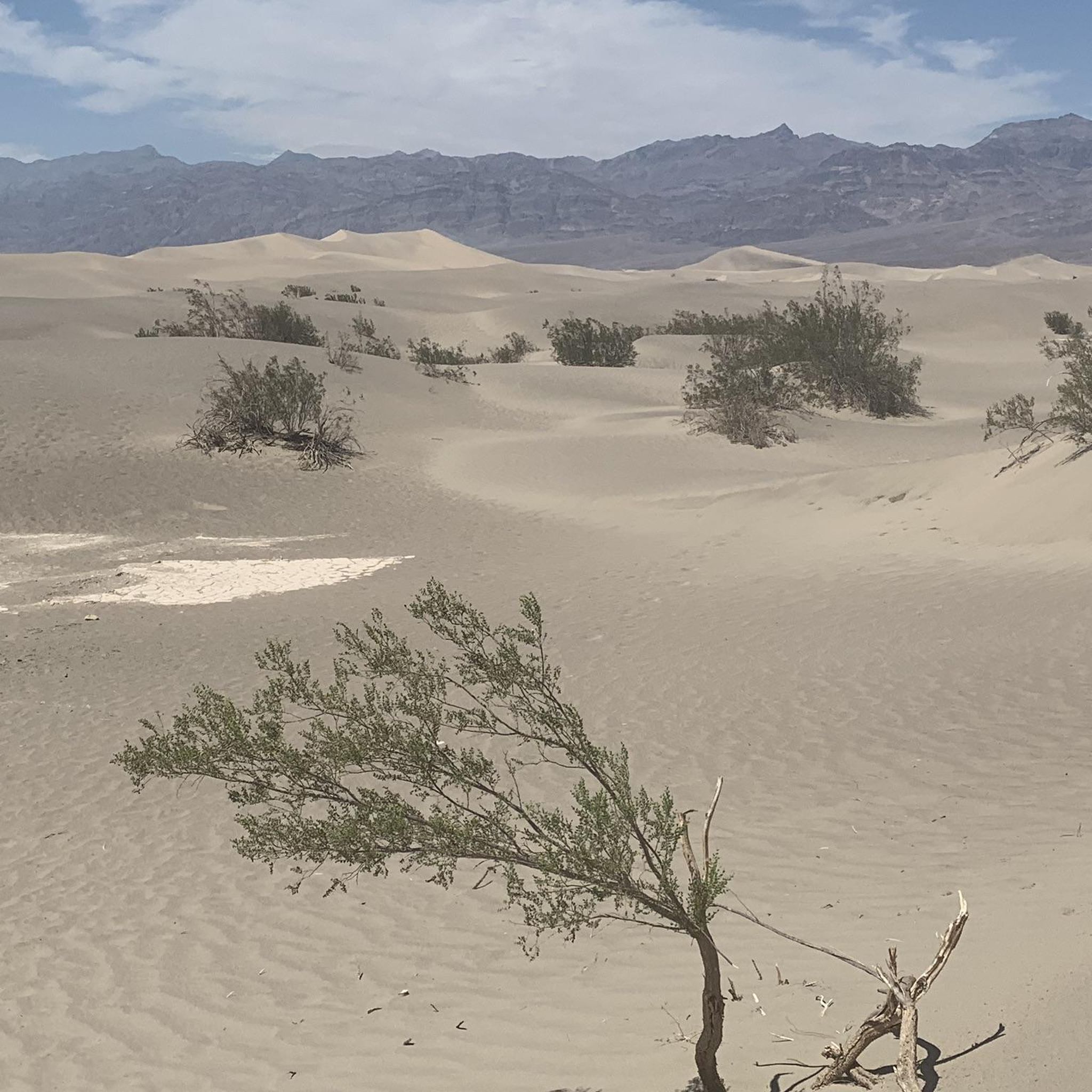
Mesquite Flat Sand Dunes Overlook
Highlight • Natural Monument
Tip by

Golden Canyon Trail
Highlight (Segment) • Canyon
Tip by
Mosaic Canyon Trailhead
Highlight • Trail
Tip by
Sign up for free to discover even more natural monuments in Death Valley National Park.
Already have an account?
Start today with a free account
Your next adventure awaits.
Tips from the Community

Water and sunglasses are essential!
1
0

The heat should not be underestimated… Despite the short distance
1
0

Badwater Basin is the lowest point in North America, at 280 feet (86 meters) below sea level. The salt flats here cover nearly 200 square miles (518 square kilometers) and are composed primarily of sodium chloride (table salt), along with calcite, gypsum, and borax. Stories suggest that Badwater Basin got its name when an early surveyor’s mule refused to drink from the spring-fed pool near the current boardwalk. The water here isn’t really “bad,” just very salty. Despite the high salt content, many organisms not only survive here, but thrive. The pool is home to an endemic snail that is native only to this location, and the rim is dotted with salt-tolerant plants, including samphire. Badwater Basin was once the site of the large, ancient inland lake Manly, which evaporated tens of thousands of years before the arrival of the man in 1849 for whom it is named. The lake had no outlet, so over time sediment and salt accumulated. When the lake eventually evaporated, it left behind concentrated salt layers. Today, fascinating geometric salt flats form on the plains as groundwater rises through these layers and evaporates.
4
1
Although sand is present throughout the park, there are few places where large dune fields are created. To create sand dunes, you need a source of sand (in this case, the eroding mountains to the north), wind to move that sand, and a barrier to keep it from blowing further (the mountains to the south). The conditions at Mesquite Flat Sand Dunes are perfect for creating dunes, and while individual grains of sand move and ripple, the dune field remains. These dunes are named for the mesquite tree that grows in abundance in the area. The trees must turn and grow to avoid being buried, and bare, brown trunks are often exposed by the drifting sand. The arrival of spring brings an explosion of bright green leaves and yellow flowers from the upper branches of the trees. Mesquite bean pods are a traditional food of the Timbisha Shoshone, and the flour from these pods is now available in specialty stores. Sand dunes provide habitat for many animals, including nocturnal kangaroo rats and horned rattlesnakes. There are no official walking trails in the dunes, so be careful when exploring and do not disturb any burrows.
5
3
This is one of the famous viewpoints of the park. It is surrounded by wild, sandy, barren mountains.
4
1

This is the lowest point of the continental USA. Badwater is about 282 feet (85.5 meters) below sea level. It is also one of the hottest places in the world with temperatures around 50 degrees Celsius in the summer months. A short walk across the salt desert is still worthwhile in any heat.
3
1

Incredibly hot but very beautiful.
1
0
Frequently Asked Questions
What unique geological formations can I explore in Death Valley National Park?
Death Valley National Park is renowned for its diverse geological features. You can explore the vast salt flats of Badwater Basin Salt Flats, the lowest point in North America, or witness the intricately eroded badlands from Zabriskie Point. Other notable formations include the shifting Mesquite Flat Sand Dunes, the vividly colored slopes of Artist's Palette, the impressive Ubehebe Crater, and the mysterious 'sailing stones' at Racetrack Playa.
Are there family-friendly natural monuments in Death Valley National Park?
Yes, several natural monuments in Death Valley National Park are considered family-friendly. Badwater Basin Salt Flats offers an easy walk on the salt flats, and Zabriskie Point provides stunning views with a short, accessible path to the overlook. The Mesquite Flat Sand Dunes are also popular for families to explore, with no formal trails, allowing for flexible exploration.
What is the best time of year to visit Death Valley National Park's natural monuments?
The best time to visit Death Valley National Park is typically from late fall through early spring (October to April) when temperatures are milder. Summer months (June to September) can be extremely hot, with temperatures often exceeding 50°C (120°F), making extended outdoor activities challenging and potentially dangerous. Visiting during sunrise or sunset is often recommended for the most dramatic views and cooler temperatures at any time of year.
Are there any wheelchair-accessible viewpoints among the natural monuments?
Yes, Zabriskie Point is noted as being wheelchair accessible, offering panoramic views of the badlands with an easy path to the viewpoint from the parking lot. Dante's View also provides breathtaking vistas from an accessible overlook.
What kind of hiking trails can I find near these natural monuments?
Death Valley National Park offers a variety of hiking opportunities near its natural monuments. For example, the Golden Canyon Trail is a popular option known for its colorful rock formations. You can find more detailed information on various hiking routes, including easy, moderate, and difficult options, on the Easy hikes in Death Valley National Park guide, or explore more challenging trails in the Running Trails in Death Valley National Park guide.
How long does it take to hike the Golden Canyon Trail?
The Golden Canyon Trail is an easy hike through a valley with diverse geological features. The main trail can be completed in a few hours, but it can also be extended into Gower Gulch or as part of the Badlands Loop for a longer experience. Always carry plenty of water, especially during warmer months.
What are the most popular activities for visitors at the Mesquite Flat Sand Dunes?
The Mesquite Flat Sand Dunes are popular for walking and photography, especially during sunrise and sunset when the light creates dramatic shadows and highlights the warm colors of the sand. There are no formal trails, allowing visitors to explore freely. The highest dune is about 1 mile (1.6 km) each way from the parking area.
Where can I find panoramic views of Death Valley National Park?
For breathtaking panoramic views, Zabriskie Point offers spectacular vistas of intricately eroded badlands, particularly striking at sunrise and sunset. Dante's View, perched on the Black Mountains, provides an expansive 360-degree panorama of the entire southern Death Valley Basin, including a bird's-eye view of Badwater Basin.
Are there any less crowded natural monuments to visit in Death Valley?
If you're looking for a more remote and less crowded experience, Racetrack Playa is an excellent choice. Its isolated location adds to its allure and sense of wonder, though it requires a longer drive on unpaved roads. Ubehebe Crater, a large maar volcano, also offers a unique experience with fewer visitors than the more central attractions.
What should I know about safety when visiting natural monuments in Death Valley, especially in summer?
Death Valley's extreme conditions require careful preparation. In summer, temperatures can be dangerously high, so it's crucial to carry and drink plenty of water (at least one gallon per person per day), wear light-colored, loose-fitting clothing, and avoid strenuous activity during the hottest parts of the day. Always inform someone of your plans, and be aware of potential flash floods during monsoon season. Check current weather conditions before heading out.
What makes Artist's Palette unique among Death Valley's natural monuments?
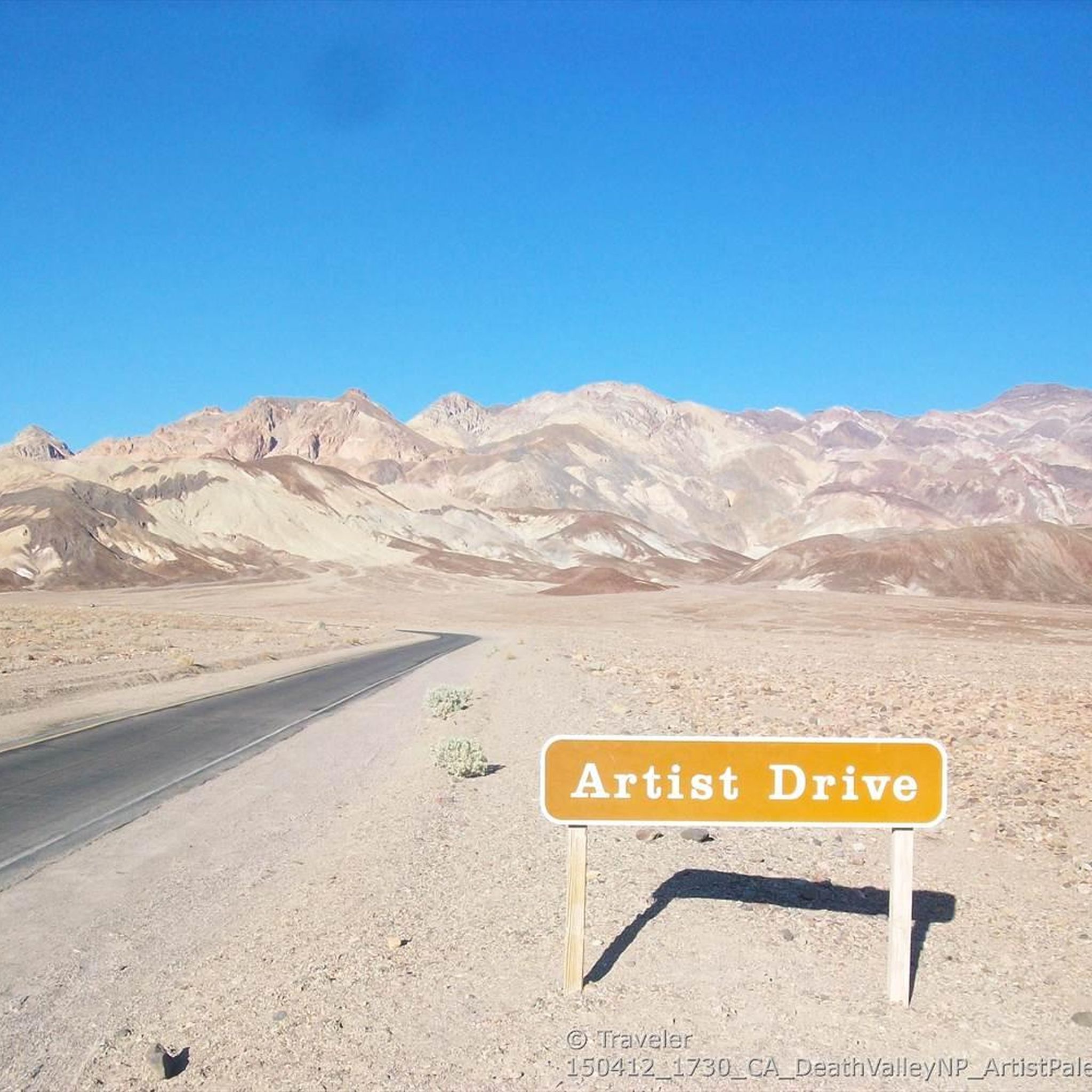
Artist's Palette, located along Artist's Drive, is unique for its vividly colored geological formations. The slopes are splashed with striking hues of pinks, greens, and purples, which are the result of volcanic ashfalls containing various metals that oxidized over millions of years. The best colors are typically seen at the Artist's Palette overlook.
Can I find any mountain biking trails near the natural monuments?
Yes, Death Valley National Park offers mountain biking opportunities. You can explore trails like Echo Canyon Road to Inyo Mine or Chloride Cliffs Road. For more details on routes and difficulty, refer to the MTB Trails in Death Valley National Park guide.
Most popular routes in Death Valley National Park
Most popular attractions in Death Valley National Park

Get inspired with the komoot mobile app


Explore more
Extend your search for the best caves by checking out these guides of the top ones in Death Valley National Park:
