The best running trails in Death Valley National Park
5.0
(1)
118
runners
18
runs
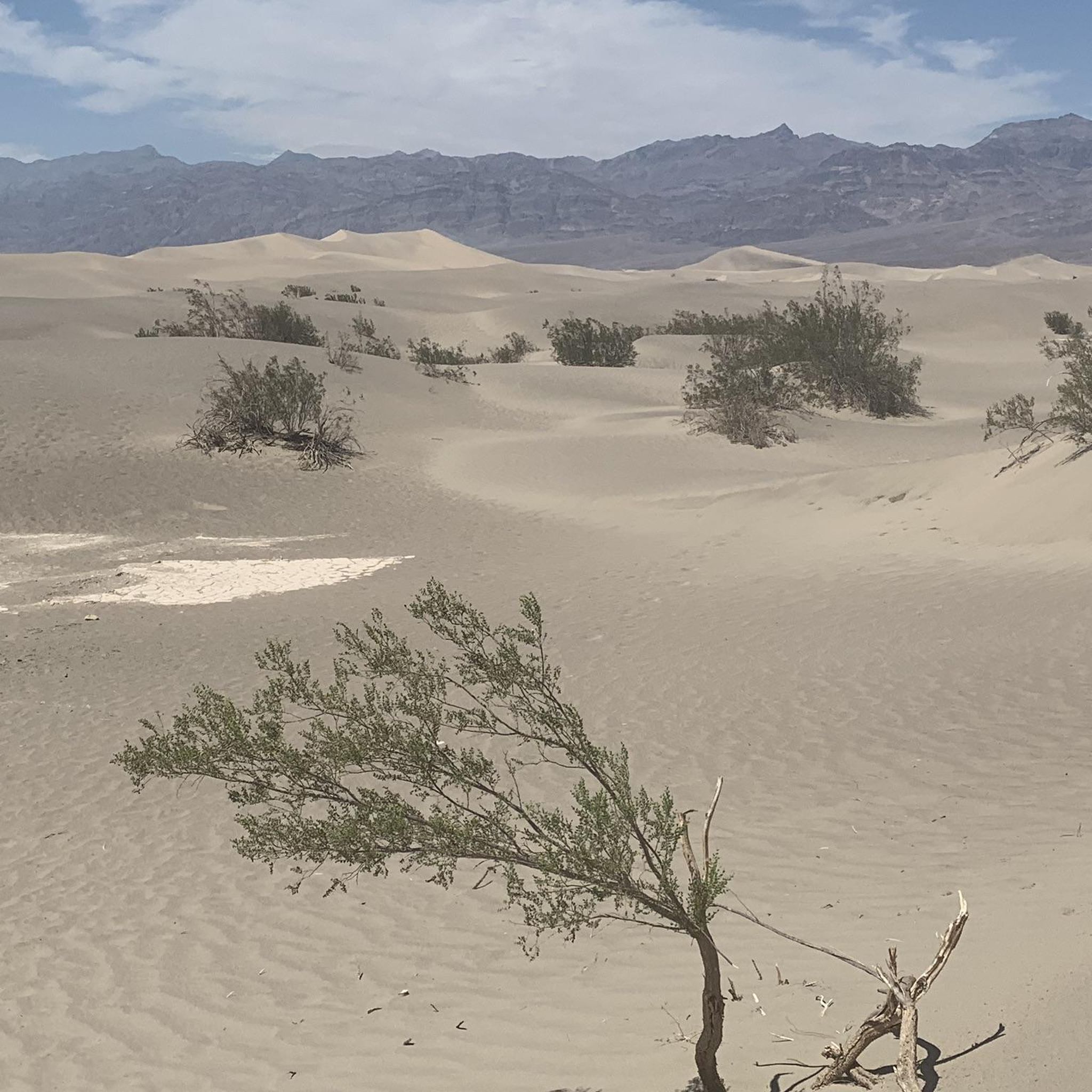
Jogging in Death Valley National Park offers a unique experience across a landscape characterized by extreme elevations, vast salt flats, and colorful badlands. The region features iconic geological formations such as expansive salt pans, towering sand dunes, and deep canyons with polished marble walls. Runners can explore varied terrain, from flat, surreal salt crusts to challenging ascents through rugged desert mountains.
Best jogging routes in Death Valley National Park
- The most popular jogging route is Golden Canyon Trail to Red Cathedral, a 2.96 miles (4.76 km) trail that takes about 39 minutes to complete. This moderate route winds through vibrant, colorful sandstone walls.
- Another top favourite among local runners is Mosaic Canyon Trail, a moderate 2.84 miles (4.57 km) path. This trail is known for its polished marble walls and mosaic breccia formations.
- Local runners also love the Telescope Peak Trail, an 11.86 miles (19.08 km) trail leading through mountainous desert terrain, often completed in about 2 hours 56 minutes.
- Jogging in Death Valley National Park is defined by expansive salt flats, towering sand dunes, and deep canyons. The network offers options for different ability levels, from easy paths to challenging mountain ascents.
- The guide includes highly-rated routes that showcase the best of the region's landscape. More than 142 runners have used komoot to explore Death Valley National Park's varied terrain.
Last updated: May 10, 2026
17
runners
4.76km
00:39
160m
160m
Moderate run. Good fitness required. Mostly paved surfaces. Suitable for all skill levels.
14
runners
4.57km
00:36
240m
240m
Moderate run. Good fitness required. Mostly paved surfaces. Suitable for all skill levels.

7
runners
19.1km
02:56
990m
990m
Hard run. Very good fitness required. Mostly paved surfaces. Suitable for all skill levels.
4
runners
10.6km
01:15
260m
260m
Moderate run. Good fitness required. Mostly paved surfaces. Suitable for all skill levels.
3
runners
6.02km
00:51
240m
240m
Moderate run. Good fitness required. Mostly paved surfaces. Suitable for all skill levels.
Get access to more routes and recommendations from other explorers.
Already have an account?
Our route recommendations are based on thousands of hikes, rides, and runs completed by other people on komoot.
Start today with a free account
Your next adventure awaits.
Popular around Death Valley National Park
Tips from the Community

The Golden Canyon Trail is a popular path that leads to Red Cathedral. The path is lined with beautiful, colorful rock formations.
0
0

The Red Cathedral is a crimson cliff that stands out 183 meters above and behind the yellow and brown slopes and walls of the Golden Canyon. The origin of the name comes from the red rocks that have eroded into pillars in some places
0
0
One of the typical rock formations that gives the area its name. It is created by small fragments of rock that are then locked together with a natural cement.
0
0
Zabriskie Point is one of the most popular spots in Death Valley National Park. It can be reached by several trails, including the Zabriskie Point Trial, which is not too challenging. The viewpoint gives you a perfect view of the Furnace Creek formation, which is emblematic of the park.
0
0

Gower Gulch Trail leads to a maze of golden colored hills and winding narrow canyons. The Gower Gulch is about 1.5 miles one-way. The most popular routes like the Badlands Loop and Golden Canyon can be combined with one another for longer adventures. There is no water and the canyon can be very hot during to summer months.
0
0
Great viewpoint along the Desolation Canyon Trail. The trail is not as popular as other paths within Death Valley, so there is a good chance you will have the path to yourself and can take your time enjoying the wonderful view of Death Valley.
0
0
Telescope Peak is the highest point in Death Valley at 3,380 meters. From here you can see both the highest point in the U.S., Mount Whitney, (Alaska excluded) and the lowest point, Badwater. The trail is about 22 km round trip with about 900 meters of ascent.
3
0
Mosaic Canyon is one of Death Valley's most visited destinations. The path is easily accessible, and it is not too difficult to reach the first dryfall.
0
0
Frequently Asked Questions
What is the best time of year to go running in Death Valley National Park?
The optimal time for running in Death Valley National Park is from late fall into spring. During these months, temperatures are much milder, typically ranging from 40°F to 70°F in winter. Summer temperatures often exceed 120°F, making outdoor activities like jogging unsafe and highly discouraged.
Are there any easy or beginner-friendly running routes in Death Valley National Park?
Yes, Death Valley offers a few easier options. While many routes are moderate to difficult, you can find paths suitable for beginners. For instance, the park features paved roads like Furnace Creek Airport Road and the path to Harmony Borax Works, which offer easier, shorter runs. Always check current conditions at the Furnace Creek Visitor Center.
What kind of unique geological features can I see while running in Death Valley?
Death Valley is renowned for its extraordinary geological formations. You can run past the expansive salt flats of Badwater Basin, explore the iconic Mesquite Flat Sand Dunes, or navigate through vibrant canyons like Golden Canyon with its colorful sandstone walls. Mosaic Canyon Trail is also famous for its polished marble walls and mosaic breccia.
Are there any loop running trails in Death Valley National Park?
Yes, there are loop options available for runners. A popular choice is the Golden Canyon, Gower Gulch and Badlands Loop. This moderate 6.56-mile (10.56 km) route combines varied terrain and scenic views, offering a comprehensive experience of the area's unique landscapes.
What are the typical distances and durations for running routes in Death Valley?
Running routes in Death Valley National Park vary significantly in length and duration. You'll find shorter, moderate trails like the Golden Canyon Trail to Red Cathedral, which is about 2.96 miles (4.76 km) and takes around 39 minutes. For a more challenging and longer run, the Telescope Peak Trail spans 11.86 miles (19.08 km) and can take nearly 3 hours to complete.
Do I need a permit to go running in Death Valley National Park?
Generally, you do not need a specific permit for day-use running on established trails or roads within Death Valley National Park. However, standard park entrance fees apply. Always check the official National Park Service website or inquire at the Furnace Creek Visitor Center for any specific regulations or backcountry permits if you plan extensive off-trail exploration or overnight trips.
What should I bring for a run in Death Valley National Park?
Given the desert environment, proper preparation is crucial. Always carry ample water (more than you think you'll need), wear sturdy footwear, and use sun protection including a hat, sunglasses, and sunscreen. It's also advisable to carry a map, a fully charged phone, and inform someone of your planned route and expected return time.
Are there any family-friendly running trails in Death Valley National Park?
While many trails offer varied terrain, some sections of popular routes like Mosaic Canyon Trail or the initial parts of Golden Canyon Trail can be enjoyed by families, especially if focusing on shorter distances. The Mesquite Flat Sand Dunes also offer a fun, open area for exploration. Always assess the difficulty and length based on your family's fitness levels and the current weather conditions.
Can I bring my dog on running trails in Death Valley National Park?
Dogs are generally permitted in Death Valley National Park, but there are significant restrictions. They are allowed on paved roads and in developed areas, but not on unpaved trails, in wilderness areas, or in most backcountry areas. This is for their safety and the protection of wildlife. Always keep your dog on a leash and ensure they have plenty of water. Check the official NPS website for the most current pet regulations.
Where can I find parking for running trails in Death Valley?
Parking is typically available at the trailheads of popular routes. For example, you'll find designated parking areas for trails like Golden Canyon, Mosaic Canyon, and Telescope Peak. It's always a good idea to arrive early, especially during peak season, as parking can fill up. Consult park maps or visitor center staff for specific trailhead parking information.
What do other runners enjoy most about jogging in Death Valley National Park?
Runners frequently praise the unparalleled solitude and the visually stunning, diverse landscapes of Death Valley. The opportunity to run through vast salt flats, towering sand dunes, and colorful badlands provides a unique and memorable experience. The challenging terrain and extreme elevations also appeal to those seeking a physically engaging workout in an extraordinary setting.
Are there any waterfalls or water features to see while running in Death Valley?
Surprisingly for a desert, Death Valley does contain some water features. The most notable is Darwin Falls, a perennial waterfall that provides a stark contrast to the arid surroundings. While not directly on a primary jogging route listed, it's a significant natural attraction within the park that can be visited. The park also contains wetland and riparian areas like Salt Creek, home to native pupfish.
Most popular routes in Death Valley National Park
Most popular attractions in Death Valley National Park

Get inspired with the komoot mobile app


Explore more
Browse the best Running Trails & Routes in other regions.
