The best running trails in Haleakala National Park
5.0
(7)
122
runners
9
runs
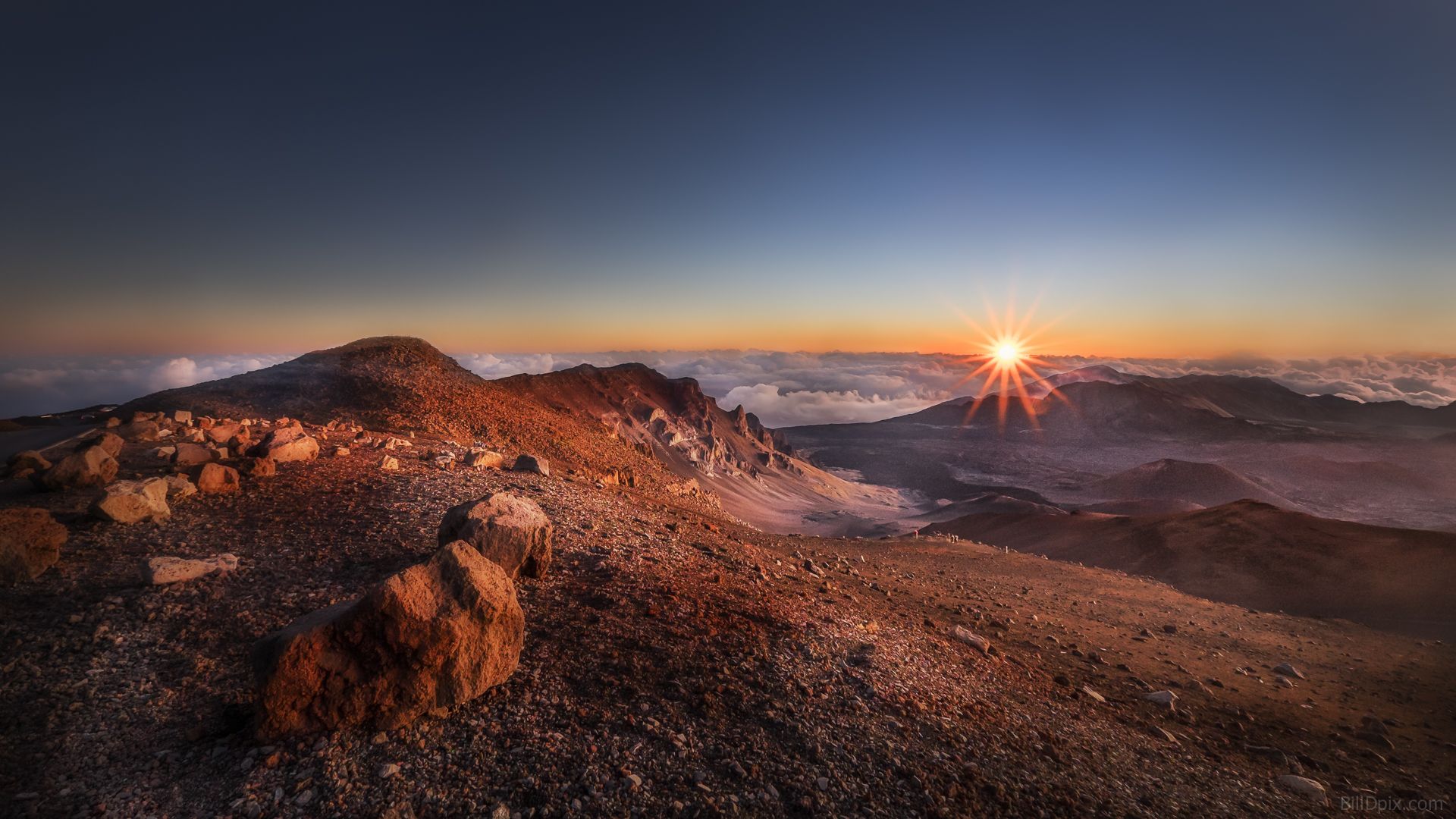
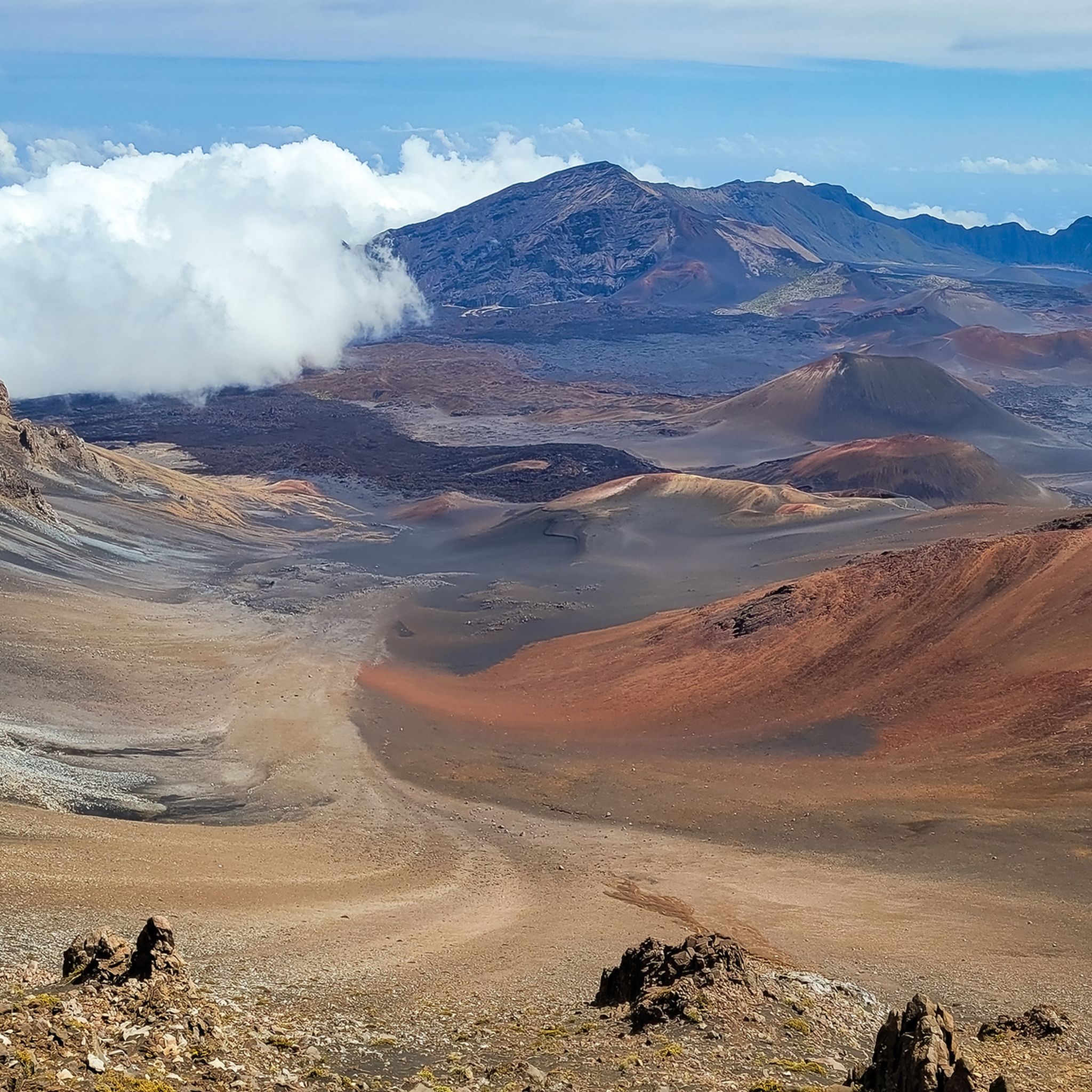
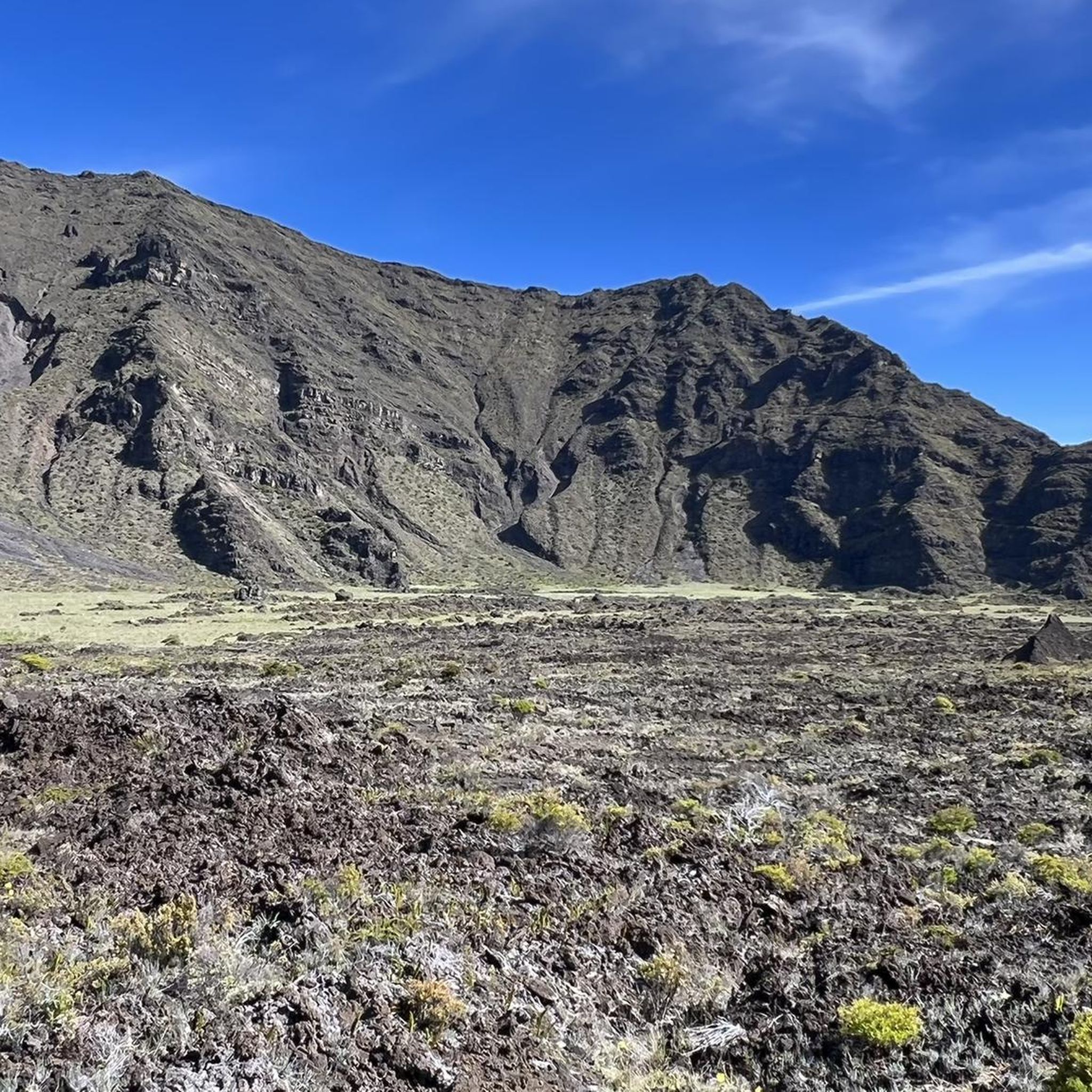
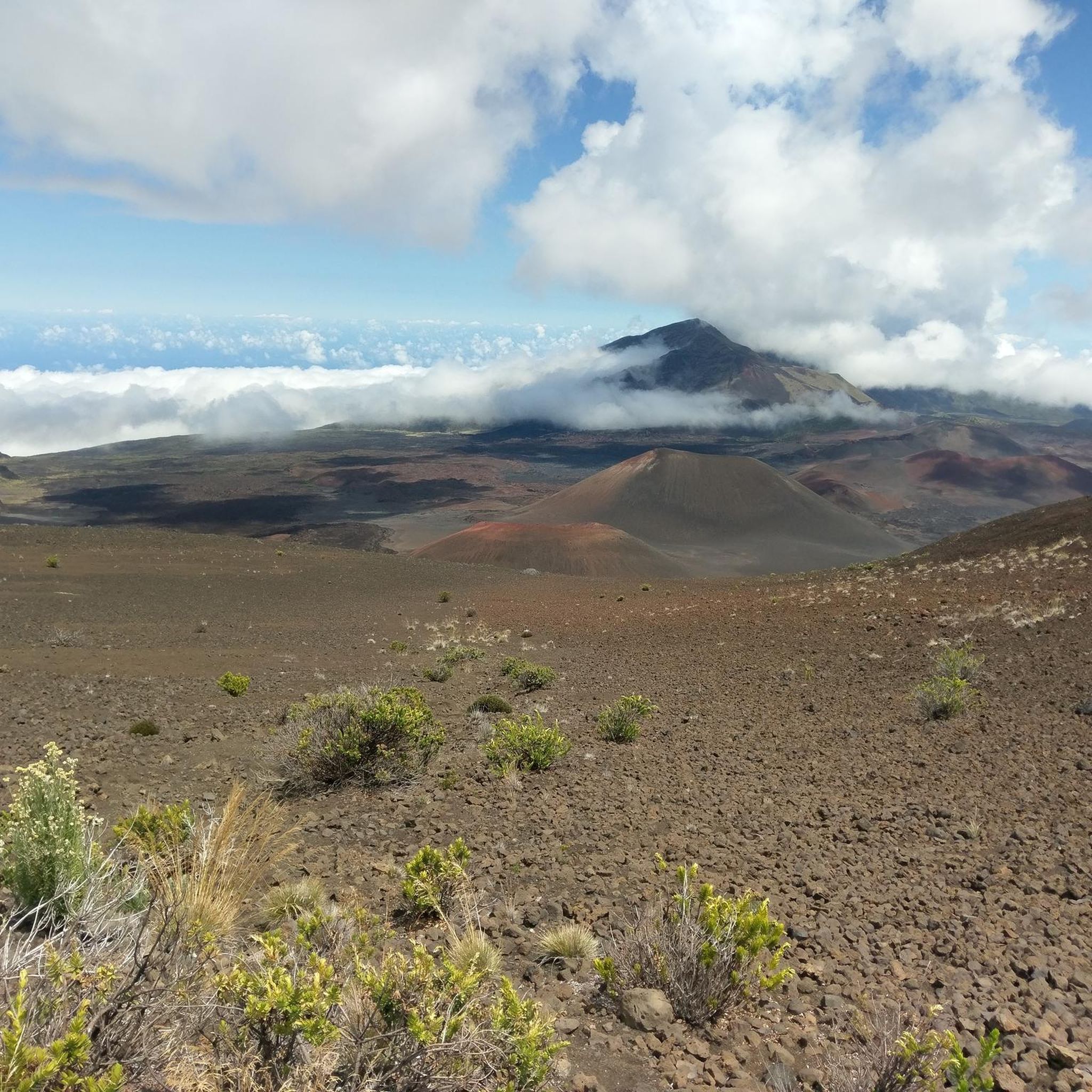
Jogging in Haleakala National Park offers diverse terrain across two distinct regions: the Summit Area and the Kipahulu District. The Summit Area features a vast volcanic crater with cinder cones and high-elevation landscapes, while the Kipahulu District is characterized by lush rainforests, bamboo forests, and cascading waterfalls. This varied environment provides a range of running experiences, from challenging volcanic trails to verdant coastal paths.
Best jogging routes in Haleakala National Park
- The most popular jogging route is Pīpīwai Trail, a 3.4 miles (5.5 km) trail that takes about 46 minutes to complete. This route leads through lush bamboo forests and past multiple waterfalls.
- Another top favourite among local runners is Sliding Sands Trail, a difficult 4.3 miles (6.9 km) path. This trail descends into the Haleakala Crater, offering an immersive experience through its unique volcanic landscape.
- Local runners also love the Skyline Trail, a 9.1 miles (14.6 km) trail leading through high-elevation terrain with panoramic views, often completed in about 1 hour 43 minutes.
- Jogging in Haleakala National Park is defined by volcanic crater landscapes, lush rainforests, and high-elevation paths. The network offers options for different ability levels, from moderate forest runs to challenging climbs.
- The routes in Haleakala National Park are highly rated by the komoot community with an average score of 5.0 stars from several reviews. More than 100 runners have used komoot to explore Haleakala National Park's varied terrain.
Last updated: July 21, 2026
5.0
(1)
47
runners
5.51km
00:46
210m
210m
Moderate run. Good fitness required. Mostly paved surfaces. Suitable for all skill levels.
13
runners
6.94km
00:54
370m
370m
Hard run. Very good fitness required. Mostly paved surfaces. Suitable for all skill levels.

Sign up for free
1
runners
8.92km
01:00
240m
240m
Moderate run. Good fitness required. Mostly paved surfaces. Suitable for all skill levels.
14.6km
01:43
530m
530m
Hard run. Very good fitness required. Mostly paved surfaces. Suitable for all skill levels.
7.51km
01:03
290m
290m
Moderate run. Good fitness required. Mostly paved surfaces. Suitable for all skill levels.
Get access to more routes and recommendations from other explorers.
Sign up for free
Already have an account?
Our route recommendations are based on thousands of hikes, rides, and runs completed by other people on komoot.
Start today with a free account
Your next adventure awaits.
Login or Signup
Popular around Haleakala National Park



Tips from the Community


A remarkable natural spectacle, accessible via an easy hike, partly along wooden plank paths. Direct access is prohibited.
0
0

Actually a hiking trail, but it shouldn't stop you...start as early as possible!
1
0

This trail is a great route that leads through subalpine shrublands, where you can catch amazing views while taking on a challenging run. The trail includes switchbacks that help ease the climb of nearly 1,000 feet of elevation. However, the path's tread can be rocky in places, so be mindful on the descent back. Take the time to enjoy the beauty of this area and the vast East Maui scenery.
0
0

Haleakalā's summit currently resides at 10,023 feet. It is believed that it once sat at 15k feet, but it is so heavy that the volcano is sinking into the earth's crust. Today, the volcano is 28,000 feet above the sea floor making it the THIRD tallest mountain on earth!
0
0
This volcanic rock road/trail takes you to the majestic peak and offers uninterrupted views the entire way! Being that you are on a ridge line, you can see almost the entirety of Maui at different point as you climb the volcano.
0
0
This majestic waterfall cascades down a sheer lava rock wall for 400 feet, creating a boulder-strewn pool at its base. It is one of the tallest waterfalls on Maui and boasts breathtaking views of the surrounding landscape. You will be greeted with mist, wind, and a vast jungle rock face that will leave a lasting impression. While you may be tempted to take a dip in the pool below, it's important to note that getting too close to the waterfall can be dangerous due to the risk of falling rocks from its 400-foot drop.
0
0
The Pipiwai Trail is a challenging 4-mile round trip, but the stunning views of Makahiku and Waimoku Falls make it well worth the effort. The path is well-maintained and winds around the Ohe’o Gulch Stream, offering a diverse range of scenery. You'll come across gorgeous waterfalls and lush forests, but the Bamboo forest is exceptionally breathtaking. It's best to run this trail in the early morning as it becomes much busier with tourists later in the day who come to view the falls.
0
0
Frequently Asked Questions
How many running routes are available in Haleakala National Park?
Haleakala National Park offers a diverse selection of 8 running routes, catering to various fitness levels. These include moderate forest runs and challenging climbs, with options in both the volcanic Summit Area and the lush Kipahulu District.
What kind of terrain can I expect on the jogging trails in Haleakala National Park?
The park features highly varied terrain. In the Summit Area, you'll encounter volcanic landscapes with cinder cones, resembling a lunar surface, as seen on trails like Sliding Sands Trail. The Kipahulu District, in contrast, offers lush rainforests, verdant gulches, and bamboo forests, such as those found on the Pīpīwai Trail. Runners should be prepared for everything from paved surfaces to uneven volcanic ground and significant elevation changes.
Are there any family-friendly running trails in Haleakala National Park?
While many trails in Haleakala National Park are challenging due to elevation and terrain, the Hosmer Grove loop trail, located near the park's entrance, is an easier, half-mile option suitable for a lighter jog with family. It winds through both native and non-native forests.
Can I bring my dog on the running trails in Haleakala National Park?
Haleakala National Park has specific regulations regarding pets. Generally, dogs are not permitted on trails, in wilderness areas, or in park buildings. They are typically allowed only in developed areas, such as paved roads and parking lots, and must be on a leash. Always check the official park regulations before your visit.
What are some scenic points or landmarks I can see while running in the park?
The park is rich with natural wonders. On trails in the Summit Area, you can experience the vastness of the Haleakala Crater with its unique cinder cones and panoramic views. The Summit Building itself offers breathtaking vistas. In the Kipahulu District, the Pīpīwai Trail leads to majestic Waimoku Falls, passing through lush bamboo forests.
Are there any circular running routes in Haleakala National Park?
Yes, there are some loop options. For example, the Sliding Sands and Pā Kaʻoao Trail Loop offers a moderate 5.5-mile (8.9 km) experience through the volcanic landscape. Additionally, the Hosmer Grove trail is a short, easy loop.
What is the best time of year to go running in Haleakala National Park?
Haleakala National Park offers unique running conditions year-round due to its diverse climate zones. The cooler temperatures at higher elevations make it appealing for runners, especially when other parts of Maui might be warmer. For sunrise or sunset runs at the summit, be prepared for cold temperatures regardless of the season. The Kipahulu District is generally warmer and wetter.
Is parking available at the trailheads in Haleakala National Park?
Yes, parking is available at various trailheads and visitor centers within Haleakala National Park. For instance, there is parking near the Haleakalā Visitor Center and at the Haleakalā Summit Parking and Restroom. It's advisable to arrive early, especially for popular sunrise viewing, as parking can fill up quickly.
What do other runners enjoy most about jogging in Haleakala National Park?
The running routes in Haleakala National Park are highly rated by the komoot community, with an average score of 5.0 stars from numerous reviews. Runners frequently praise the park's stunning, otherworldly volcanic landscapes, the breathtaking panoramic views from high-elevation trails like the Skyline Trail, and the unique experience of running through lush bamboo forests and past waterfalls in the Kipahulu District.
Are there any challenging running routes for experienced runners?
Absolutely. Haleakala National Park is a premier destination for experienced runners seeking a challenge. The Sliding Sands Trail is a difficult 4.3-mile (6.9 km) path that descends deep into the crater, requiring a significant uphill climb back out. The Skyline Trail is another difficult option, spanning 9.1 miles (14.6 km) with substantial elevation gain and panoramic views.
Are there any waterfalls visible from the running trails?
Yes, the Kipahulu District is renowned for its waterfalls. The Pīpīwai Trail, a 3.4-mile (5.5 km) route, leads runners through lush bamboo forests and offers multiple views of majestic waterfalls, including the impressive Waimoku Falls.
Do I need a permit or reservation to enter Haleakala National Park for running?
Yes, Haleakala National Park requires an entrance fee. Additionally, if you plan to visit the Summit Area for sunrise (3:00 AM to 7:00 AM), a separate reservation is required for each vehicle. It's essential to check the official National Park Service website for the most current information on fees and reservation requirements before your visit.
Most popular routes in Haleakala National Park
Most popular attractions in Haleakala National Park

Get inspired with the komoot mobile app


Explore more
Browse the best Running Trails & Routes in other regions.
