Top 12 Mountain Passes in Tulare County
Best mountain passes in Tulare County are found within California's Sierra Nevada mountain range. This region features diverse terrain, from high-elevation routes to forested trails. The passes provide access to wilderness areas and offer views of the surrounding landscape. Many routes hold historical significance, having served as vital connections for industries and communities.
Best mountain passes in Tulare County
- The most popular mountain passes is Forester Pass, a mountain pass that is the highest point on the Pacific Crest…
Last updated: May 14, 2026
Forester Pass
Highlight • Mountain Pass
Tip by

George Stewart Memorial
Highlight • Mountain Pass
Tip by

Sign up now to discover places like this
Get recommendations on the best single tracks, peaks, & plenty of other exciting outdoor places.
Sign up for free
Trail Crest
Highlight • Mountain Pass
Tip by

Shepherd Pass summit
Highlight • Summit
Tip by
Trail Pass
Highlight • Mountain Pass
Tip by
Whitney Portal junction
Highlight • Trail
Tip by
Olancha Pass
Highlight • Mountain Pass
Tip by

Sherman Pass Road Climb
Highlight (Segment) • Climb
Tip by

Colby Pass
Highlight • Mountain Pass
Tip by

View on Kings Canyon Nationalpark
Highlight • Viewpoint
Tip by
Sign up for free to discover even more mountain passes in Tulare County.
Sign up for free
Already have an account?
Start today with a free account
Your next adventure awaits.
Login or Signup
Popular around Tulare County
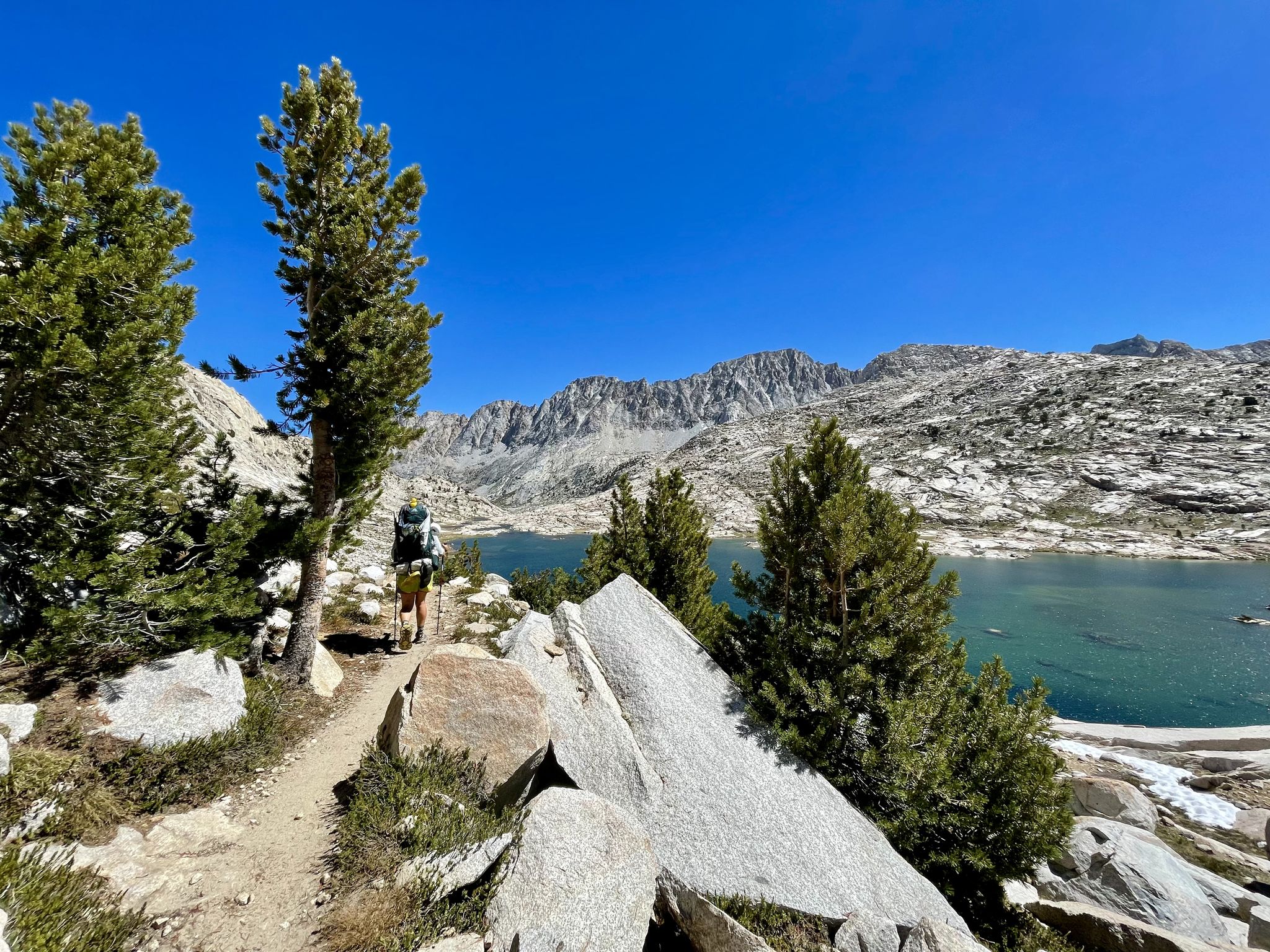
John Muir Trail – Along the legendary trail through the magical Sierra Nevada

Pacific Crest Trail from Mexico to Canada – 4,200 kilometres of wilderness
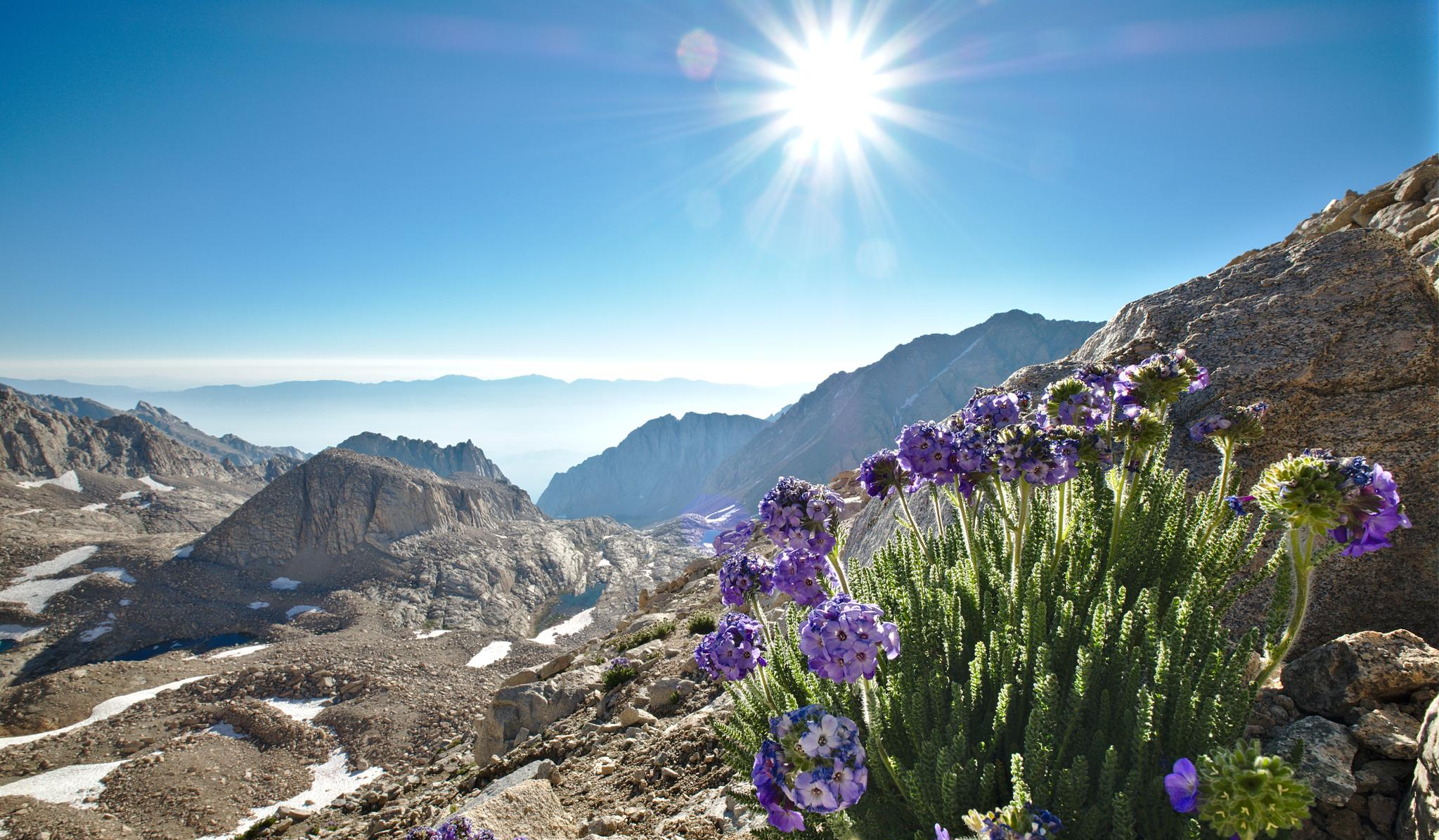
The High Sierra Trail — The Ultimate Sierra Experience
The pristine beauty of the US National Parks
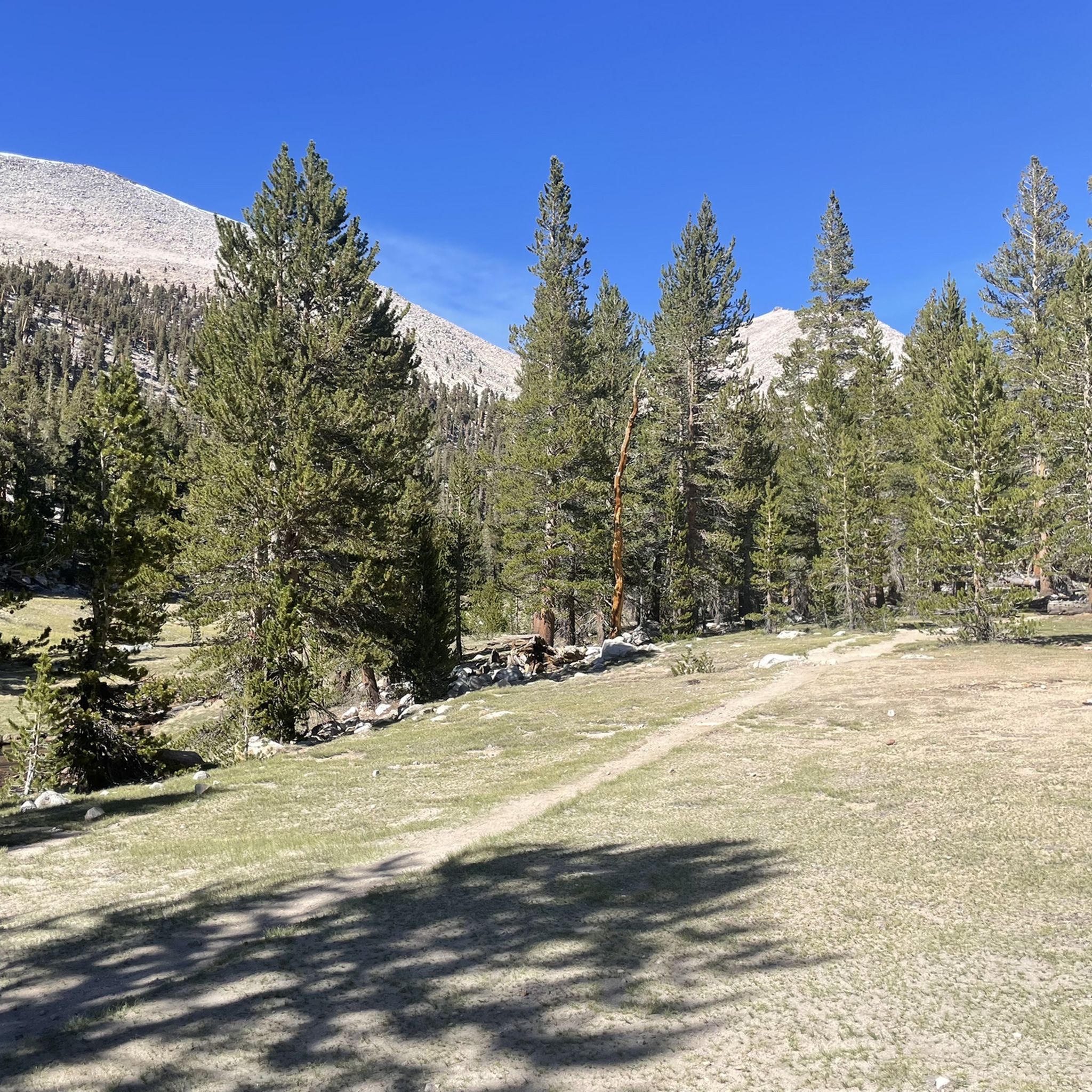
Hiking in Tulare County
Cycling in Tulare County
Running Trails in Tulare County
Road Cycling Routes in Tulare County
Other adventures in Tulare County


Tips from the Community

Sherman Pass offers a grueling climb through California’s southern Sierra Nevada, a hot and arid landscape far removed from the lush forests of other nearby climbs. Starting at the Kern River, the road ascends steadily along a rugged ridge, gradually transitioning from desert-like conditions to more alpine terrain as you near the top. With limited shade, no water along the route, and a relentless grade, this isolated challenge demands both physical endurance and mental toughness, ending just shy of the 9,000-foot mark.
0
0

Trail Crest is a major junction at 13,600 feet where the High Sierra Trail meets the Mt. Whitney Trail on the eastern side of the Sierra Nevada. It marks the highest pass on the route before summiting Mount Whitney (14,505 feet) or descending toward Whitney Portal (8,360 feet). Located about 2 miles from the Whitney summit and 8.5 miles from Whitney Portal, Trail Crest is the point where High Sierra Trail hikers must decide whether to continue to the summit or begin their long descent to Whitney Portal. Many hikers stash their heavy packs here before the final push to the top, but this comes with risks from marmots, and, unfortunately, thieves. From Trail Crest, the path to Whitney follows a rocky ridge with breathtaking views of both the western and eastern Sierra before reaching the summit. The descent from Trail Crest is long and steep, with countless switchbacks dropping into the Whitney Zone before reaching Whitney Portal, the official end of the High Sierra Trail.
0
0
The Kaweah Gap is a 10,689 foot pass that sits right on the Great Western Divide along the High Sierra Trail. It is a challenging climb no matter which direction you approach it from, but from the top you get stunning views over the the High Sierras, to the surrounding peaks and lakes below, and of Mount Stewart to the north and Eagle Scout Peak to the south, on either side of the pass.
0
0

Olancha Pass is a challenging route in the South Sierra Wilderness. The trailhead sits at Sage Flat, going through oak woodland, ascending steeply through the valley, passing by lodgepole forest, and offering amazing views all the way. The trail is well-marked and getting to the pass sure pays off all the effort. There are not many water sources on the way, so be sure to fill your bottle always when you can. It’s more recommended to hike to Olancha during summer, to avoid crossing snow fields.
0
0

The Kaweah Gap is a 10,689 foot pass that sits right on the Great Western Divide along the High Sierra Trail. It is a challenging climb no matter which direction you approach it from, but from the top you get stunning views over the the High Sierras, to the surrounding peaks and lakes below, and of Mount Stewart to the north and Eagle Scout Peak to the south, on either side of the pass. A metal plaque commemorates the founder of Sequoia National Park (1957-1931), after whom Mt Stewart is named. Arroyo Lake lies at the foot of the climb from the east, Precipice Lake on the west.
2
0

You find yourself in one of the most stunning spots: above you, you can still the Forester Pass with a considerable amount of snow, right next to you there is a bubbling stream and the view into Kings Canyon is just breathtaking. Why not take a break or spend the night in this area?
3
0
Forester Pass is the highest point along the iconic Pacific Crest Trail and the John Muir Trail. Therefor, you have to work your way up over several switchbacks. The upper part can be dangerous in a high snow year, so bring winter gear such as microspikes and an ice axe.
0
0
Forester Pass is one of the major passes in the Sierra Nevada. Besides its stunning views from the top, it is a special mile stone for hikers along the Pacific Crest Trail, since it is the (official) highest point of the trail that stretches from Mexico to Canada. The ascent and descent are likely to have snow fields. Best time to cross the pass is in the early morning, when the snow is still frozen, so your microspikes will have a good grip. The snow will be too slushy in the afternoon. If you like to take a break, there is a really nice lake just below Forester Pass.
3
0
Frequently Asked Questions
What are some notable mountain passes in Tulare County?
Tulare County, nestled in the Sierra Nevada, features several remarkable mountain passes. Forester Pass is known as the highest point on the Pacific Crest Trail, offering stunning views. Trail Crest is a critical junction for those aiming to summit Mount Whitney, providing unparalleled panoramic views. Other significant passes include Shepherd Pass summit, a challenging point on the Sierra High Route, and Trail Pass, which offers a less steep route through a forest.
What kind of views can I expect from mountain passes in Tulare County?
The mountain passes in Tulare County offer diverse and breathtaking views. From high-elevation passes like Forester Pass and Trail Crest, you can expect expansive panoramic vistas of the High Sierra landscape. Lower passes and scenic drives, such as Parker Pass Road, provide dramatic ascents with views of the Kern Canyon and glimpses of giant sequoias. Many passes, including Colby Pass, also offer stunning views of alpine lakes and wilderness areas.
When is the best time to visit the mountain passes in Tulare County?
The best time to visit mountain passes in Tulare County generally depends on the specific pass and your activity. High-elevation passes like Forester Pass can involve snowfields, even into summer. For these, early morning crossings are often recommended when the snow is still frozen for better grip. Generally, late spring through early fall offers the most accessible conditions for many passes, though some routes may still have snow or require specific gear. Always check current conditions before heading out.
Are permits required for hiking or camping near these mountain passes?
Yes, for many high-elevation and wilderness areas accessible via mountain passes in Tulare County, permits are required, especially for overnight camping. For example, areas around Trail Crest, which is part of challenging multi-day treks like the High Sierra Trail and John Muir Trail, necessitate permits for camping. It's crucial to check with the relevant authorities, such as the National Park Service for Sequoia and Kings Canyon National Parks, for specific permit requirements before your trip.
What outdoor activities can I do near the mountain passes in Tulare County?
The mountain passes in Tulare County provide access to a wide range of outdoor activities. You can enjoy challenging hikes and multi-day treks, especially around passes like Shepherd Pass summit and Trail Crest. Scenic drives are popular, such as Parker Pass Road, which offers access to Sequoia National Forest for hiking and camping. For more ideas, explore the hiking routes in Tulare County or consider cycling routes like the Generals Highway Scenic Drive.
Are there any less steep or easier mountain passes to explore?
Yes, while many passes in Tulare County are known for their challenging nature, there are options that are less steep. Trail Pass is noted for being less steep than other nearby passes, making it a good option for those seeking a more moderate experience through a forested area. Additionally, scenic drives like the Generals Highway, while not explicitly a 'pass,' offer accessible ways to experience mountain terrain with varying difficulty levels for activities like cycling or short hikes.
What natural features or landmarks can I see around Tulare County's mountain passes?
Around Tulare County's mountain passes, you can encounter a wealth of natural features. These include expansive views of the Sierra Nevada mountain range, alpine lakes (like the one below Forester Pass), and dense forests. The region is also famous for its giant sequoia trees; Parker Pass Road, for instance, offers glimpses of them, and nearby areas like the Giant Forest (accessible via Generals Highway) are home to iconic trees like the General Sherman Tree.
What makes the mountain passes in Tulare County historically significant?
Many mountain passes in Tulare County hold historical significance, often tied to the region's development and industries. Parker Pass Road, for example, was completed in 1935 to establish automotive access to Johnsondale, a logging town for the Mount Whitney Lumber Company. It served as a crucial connection for the timber industry, linking California Hot Springs with the logging community. These passes were vital arteries for commerce and community connections in the rugged Sierra Nevada terrain.
Can I bring my dog to the mountain passes in Tulare County?
Regulations regarding dogs vary depending on the specific area. While some national forests and wilderness areas may allow dogs on leash, national parks like Sequoia and Kings Canyon National Parks generally have stricter rules, often restricting dogs to paved roads, campgrounds, and picnic areas. It's essential to check the specific rules for the pass or trail you plan to visit before bringing your dog.
How can I access the mountain passes in Tulare County, and what about parking?
Access to mountain passes in Tulare County is primarily by car, with many passes traversed by scenic roads like Parker Pass Road (Tulare County Mountain Road 50). Parking availability varies; trailheads for popular passes often have designated parking areas, but these can fill up quickly during peak seasons. For high-elevation passes like Trail Crest, access typically involves hiking from established trailheads. Public transport options directly to remote mountain passes are generally limited, so personal vehicle or shuttle services are usually necessary.
Are there family-friendly options among Tulare County's mountain passes?
While many high mountain passes are challenging, families can still enjoy the mountain scenery in Tulare County. Scenic drives like the Kings Canyon Scenic Byway or Generals Highway offer accessible ways to experience the mountains with stunning views and opportunities for short, easy hikes in nearby areas. For specific passes, look for those with less steep ascents or nearby amenities that cater to a family outing. Always check the difficulty and length of any trail before embarking with children.
What should I know about <a href="https://www.komoot.com/highlight/4963564" target="_blank" rel="noopener">Colby Pass</a>?
Colby Pass, situated at 12,000 feet, serves as a natural dividing line between Sequoia National Park and Kings Canyon National Park. This high-altitude pass is known for offering stunning views, particularly of Colby Lake to the north and the expansive Kaweah Basin to the south. It is considered a challenging route, appealing to experienced hikers and backpackers seeking a remote wilderness experience.
Most popular routes in Tulare County
Most popular attractions in Tulare County

Get inspired with the komoot mobile app


Didn’t find what you were looking for?
Find even more amazing mountain passes in Tulare County organized by region:
Explore more
See even more epic mountain passes by checking out these guides in Tulare County:
