Attractions and Places To See around Hoya De Teruel - Top 20
Attractions and places to see around Hoya De Teruel encompass a region in Spain known for its Mudejar architecture, historical sites, and diverse natural landscapes. The city of Teruel serves as a central point, featuring UNESCO World Heritage sites and significant cultural landmarks. Beyond the urban center, the area presents a mix of picturesque villages and natural formations, including canyons and mountain summits. This region offers a range of historical, cultural, and outdoor exploration opportunities.
Best attractions and places to see around Hoya De Teruel
- The most popular attractions is The Clays of Teruel, a canyon that showcases the power and beauty of nature. It is popularly known as the Aragonese Colorado Canyon.
- Another must-see spot is Teruel, a settlement known for its medieval character and Mudejar architectural heritage. Visitors can explore its historic quarter, the Neo-Mudejar staircase, and various towers.
- Visitors also love Teruel Cathedral Square, a historical site in the city center. It features the Cathedral of Santa María de Mediavilla, a UNESCO World Heritage Site, noted for its Mudejar art.
- Hoya De Teruel is known for its Mudejar architecture, historical sites, and natural landscapes. The region offers a variety of cultural, historical, and outdoor attractions to explore.
- The attractions around Hoya De Teruel are appreciated by the komoot community, with 110 highlights, 104 photos, and 69 upvotes.
Last updated: September 26, 2026
Teruel Cathedral Square
Highlight • Historical Site
The square itself has an elongated shape and is a popular meeting point, especially during events such as the Isabel Wedding festivities, where it is filled with medieval stalls and activities.
Translated by Google •
Tip by

The Clays of Teruel
Highlight • Canyon
Tip by

Sign up now to discover places like this
Get recommendations on the best single tracks, peaks, & plenty of other exciting outdoor places.
Teruel
Highlight • Settlement
Translated by Google •
Tip by
Church of San Pedro and Mausoleum of the Lovers of Teruel
Highlight • Religious Site
The church is known for its bell tower, the Torre de San Pedro, which is the oldest of the Mudejar towers in Teruel, dating back to the 13th century. Inside, the church houses important assets such as the Renaissance altarpiece of the main altar and the Chapel of the Lovers, where the sarcophagi of Isabel de Segura and Diego Garcés de Marcilla, the famous Lovers of Teruel, are found.
Translated by Google •
Tip by
Arquillo de San Blas Reservoir
Highlight • Lake
Translated by Google •
Tip by
Pico Javalambre
Highlight • Summit
Translated by Google •
Tip by

Olba
Highlight • Settlement
Arenós Reservoir: This reservoir, near Olba, offers beautiful views and is ideal for outdoor activities.
Olba Historic Center: Explore the streets and discover local architecture, such as the Church of San Pablo and the Cathedral of San Simplicio.
I hope you have an amazing trip! 😊
Translated by Google •
Tip by
Olba Village
Highlight • Settlement
Translated by Google •
Tip by

Cathedral of Saint Mary
Highlight • Religious Site
Originally built in the Romanesque style, the cathedral has undergone several renovations over the centuries, incorporating Gothic and Mudejar elements. In 1587, it was elevated to the status of cathedral after the creation of the Diocese of Teruel. Of note are its tower, dome and roof, which have been declared World Heritage Sites by UNESCO.
The cathedral has a rectangular floor plan with three naves and a straight ambulatory. The central nave is higher than the side naves and is covered by a polychrome roof from the 13th century, considered a milestone of Mudejar art.
Translated by Google •
Tip by
Viaducto Viejo de Teruel
Highlight • Bridge
Translated by Google •
Tip by
Sign up for free to discover even more attractions around Hoya De Teruel.
Already have an account?
Start today with a free account
Your next adventure awaits.
Popular around Hoya De Teruel
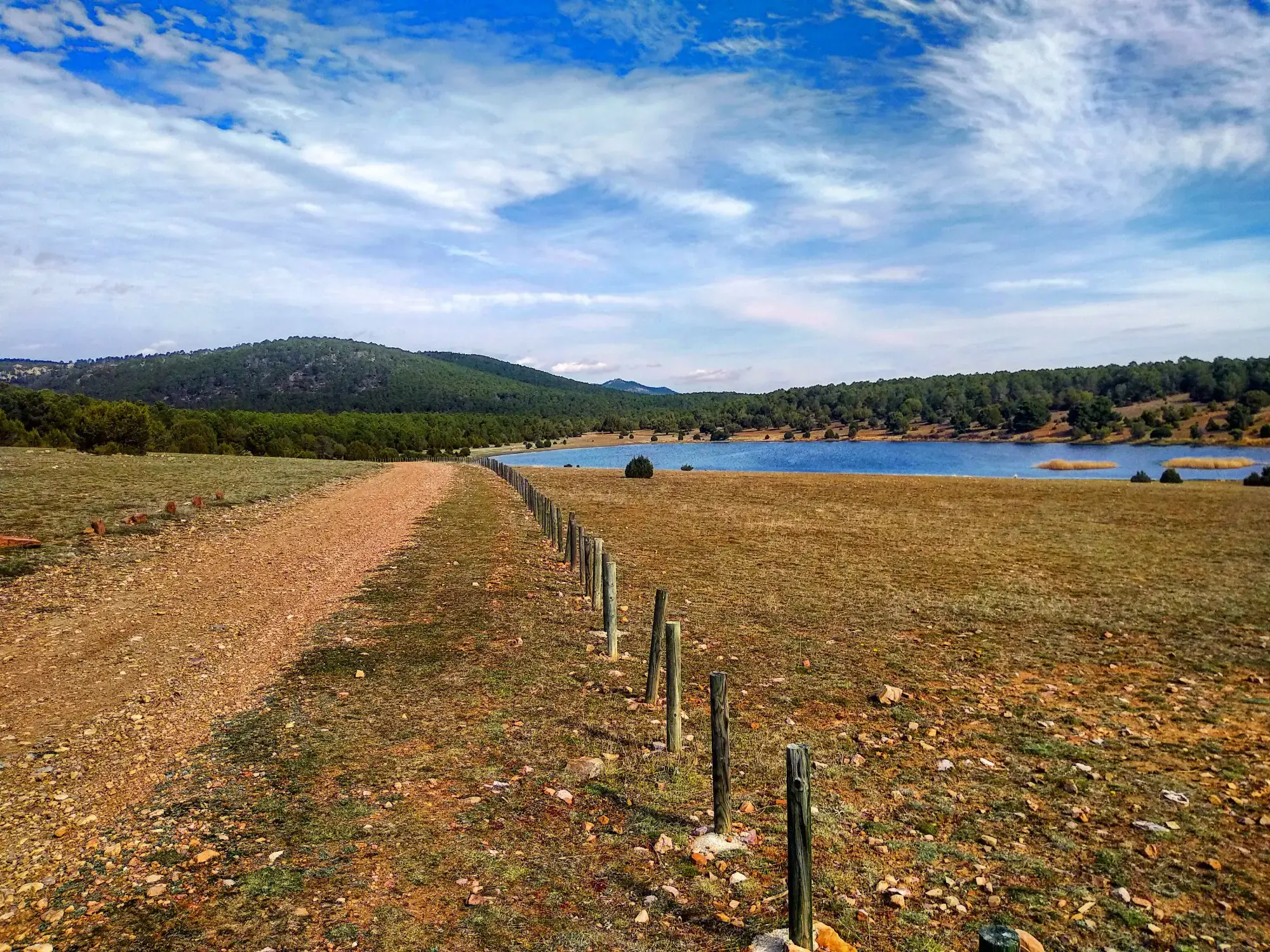
Sendero Español GR 10 — De este a oeste
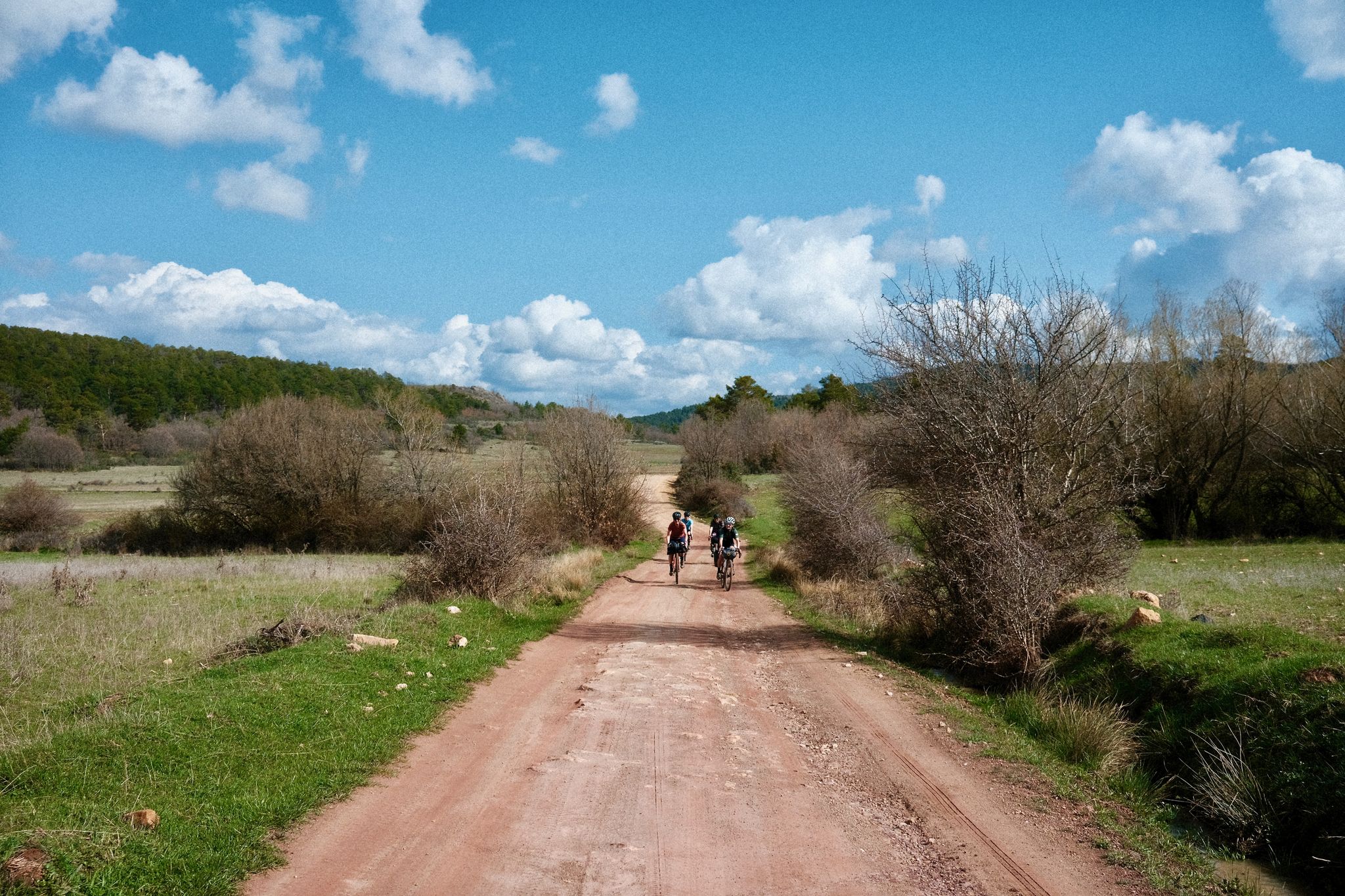
Women's Montañas Vacías 2022 — bikepack in rural Spain
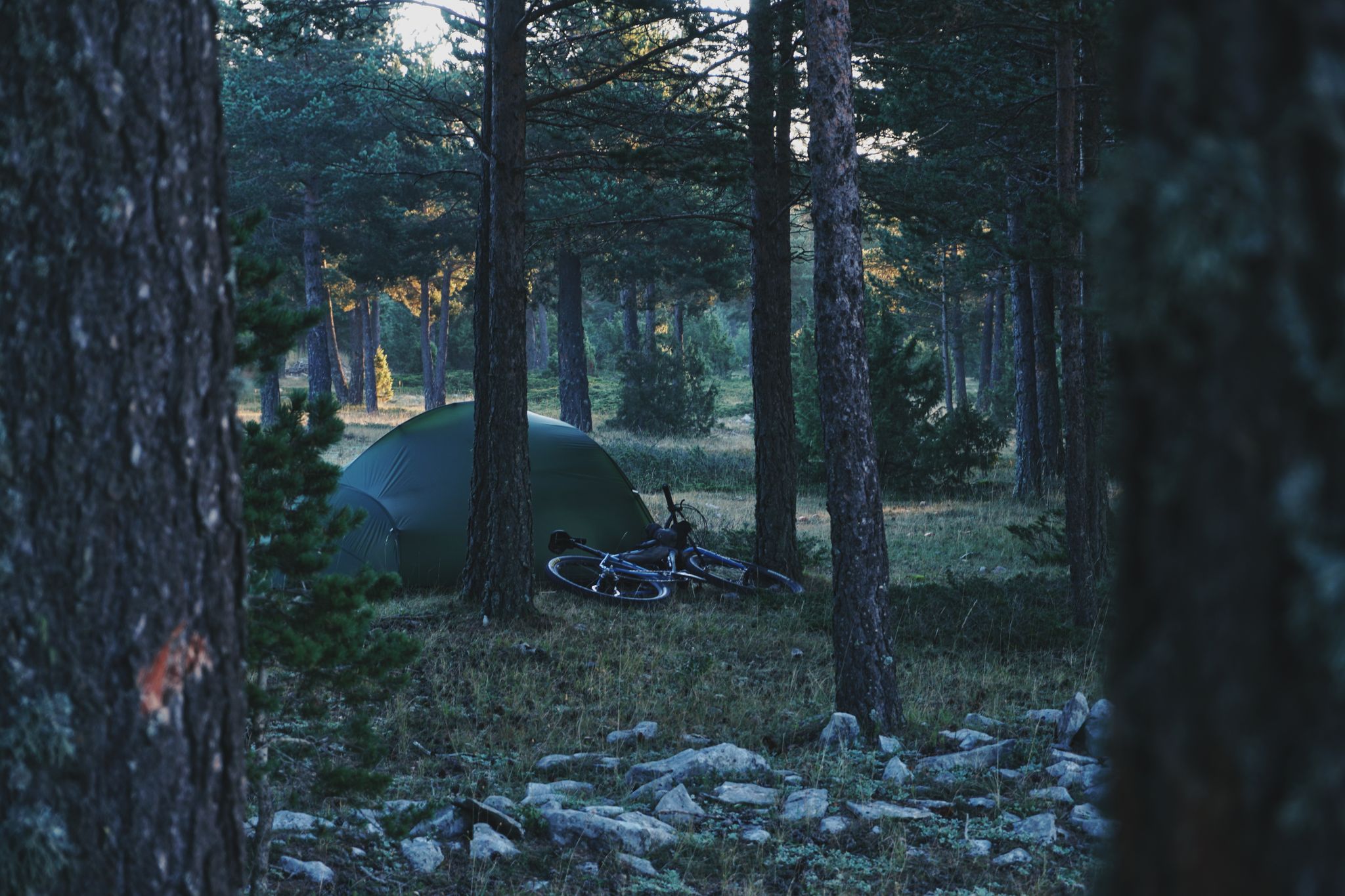
MontañasVacías official — bikepacking across the Spanish Lapland

Montañas Vacías — bikepacking the wild and remote 'Empty Mountains'
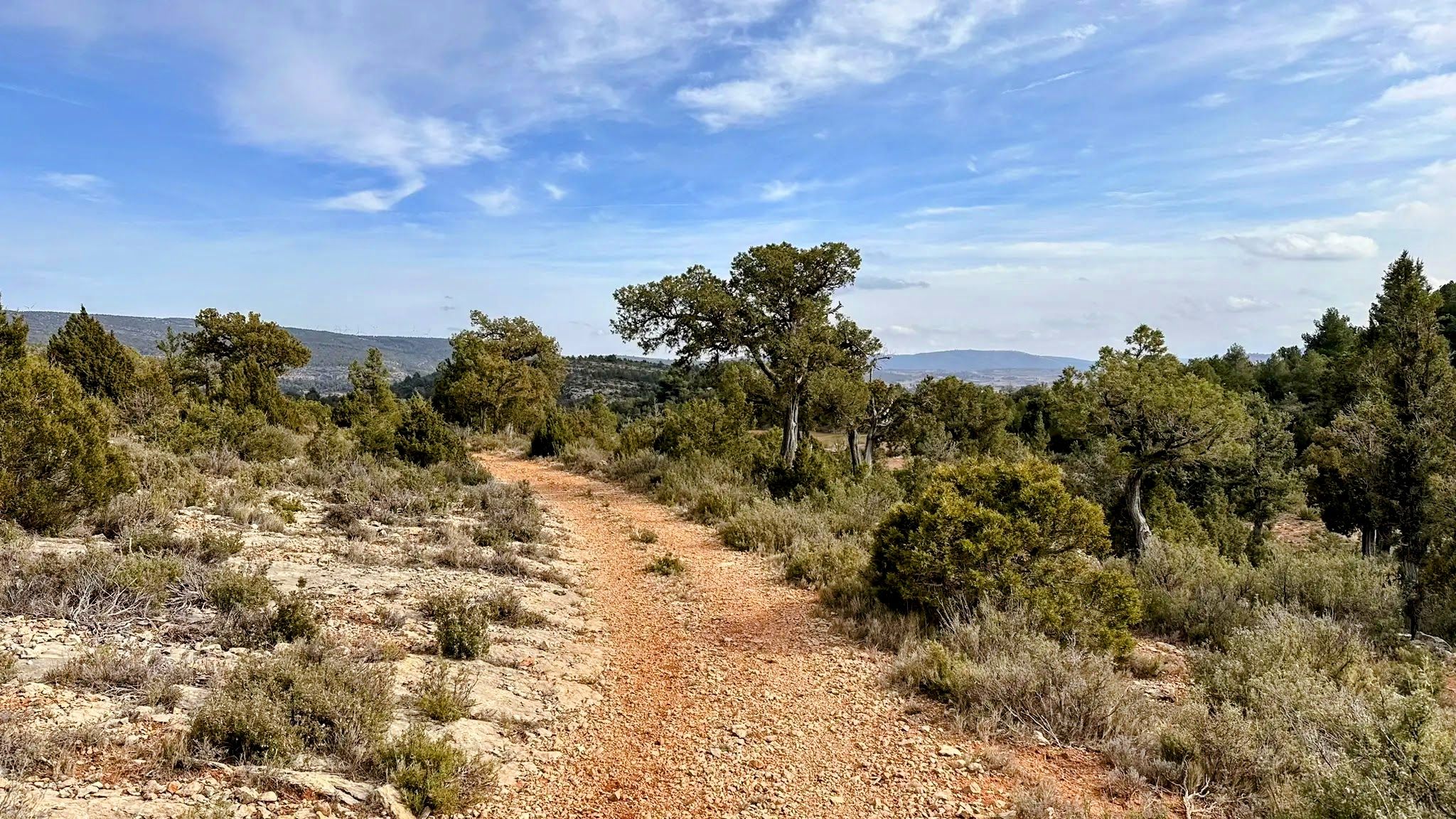
Between junipers and ravines - The Livestock Routes of the Serranía del Turia (GR 37)
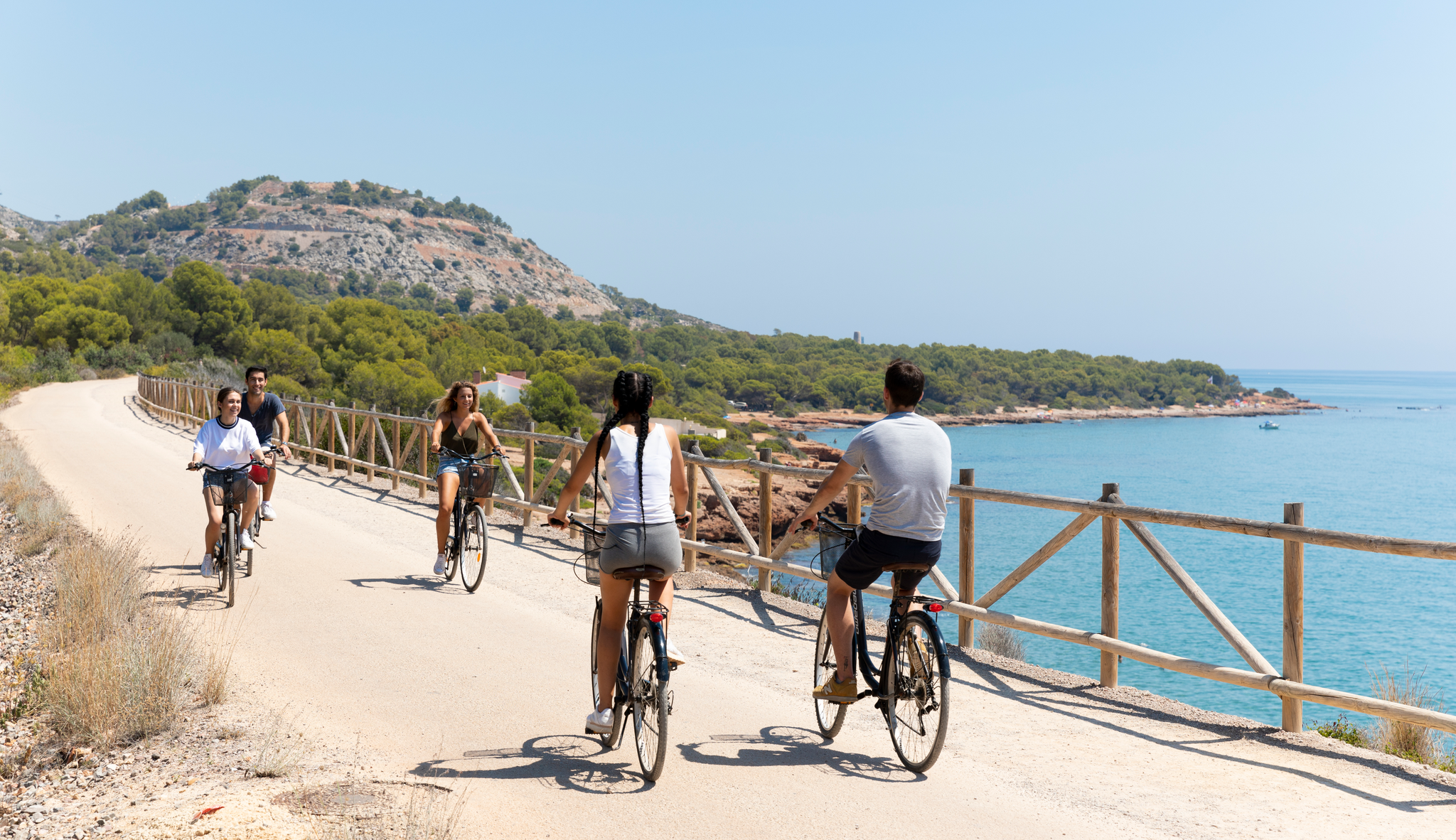
Costa del Azahar and the interior of Castellón by its greenways
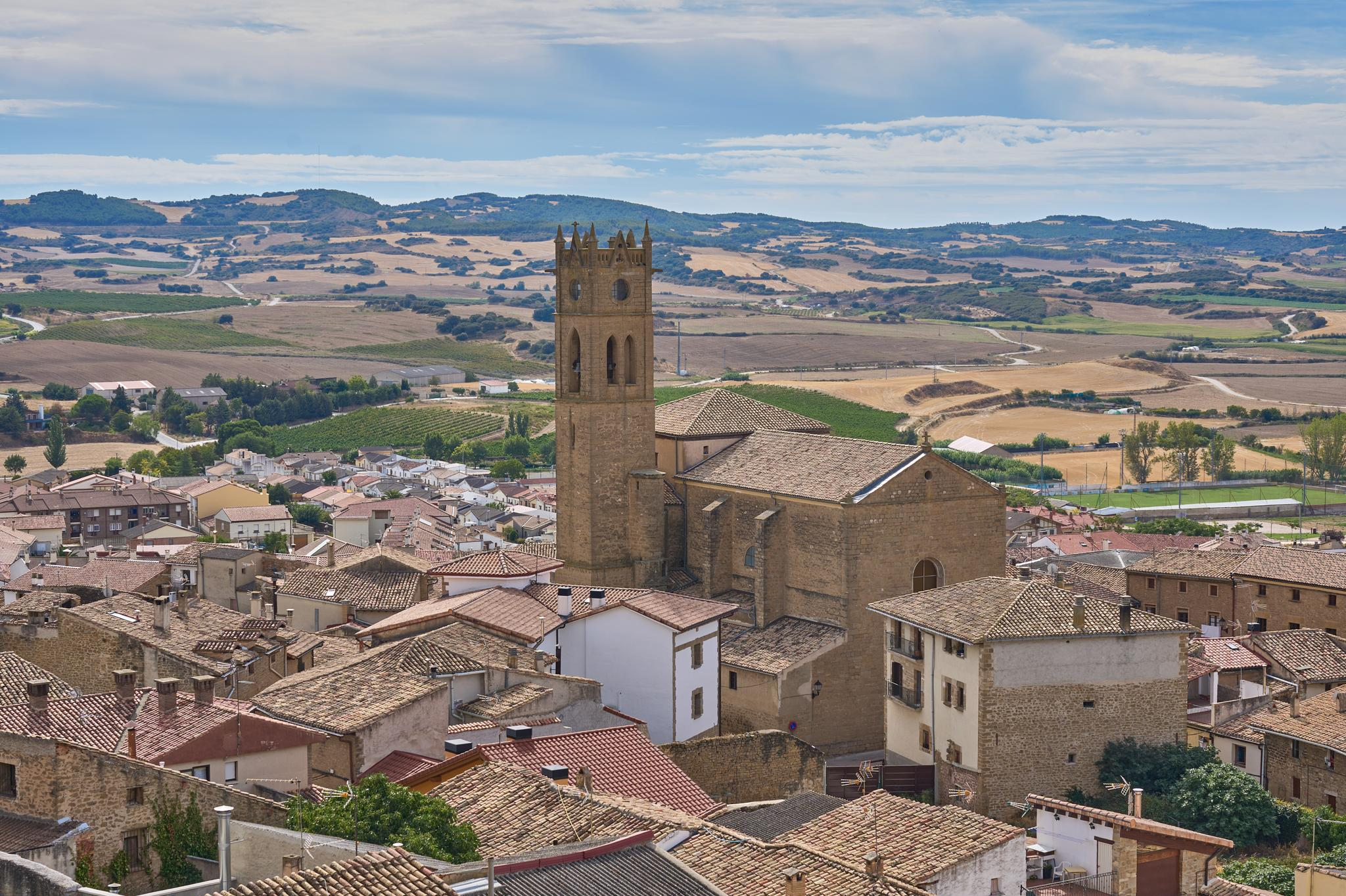
Path of the Templars — Path of the True Cross (GR 250)
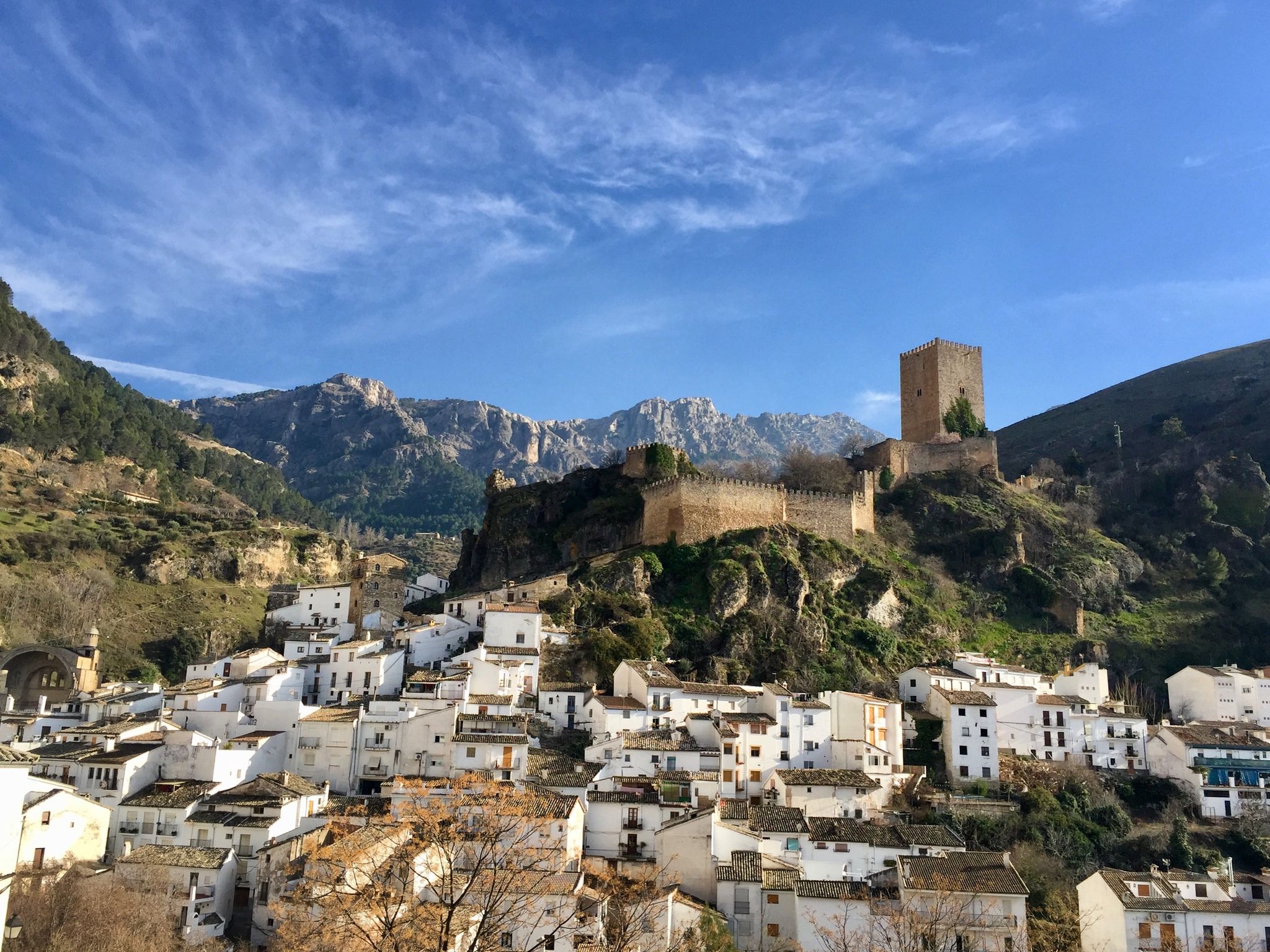
European Divide Trail across the Iberian Peninsula – central
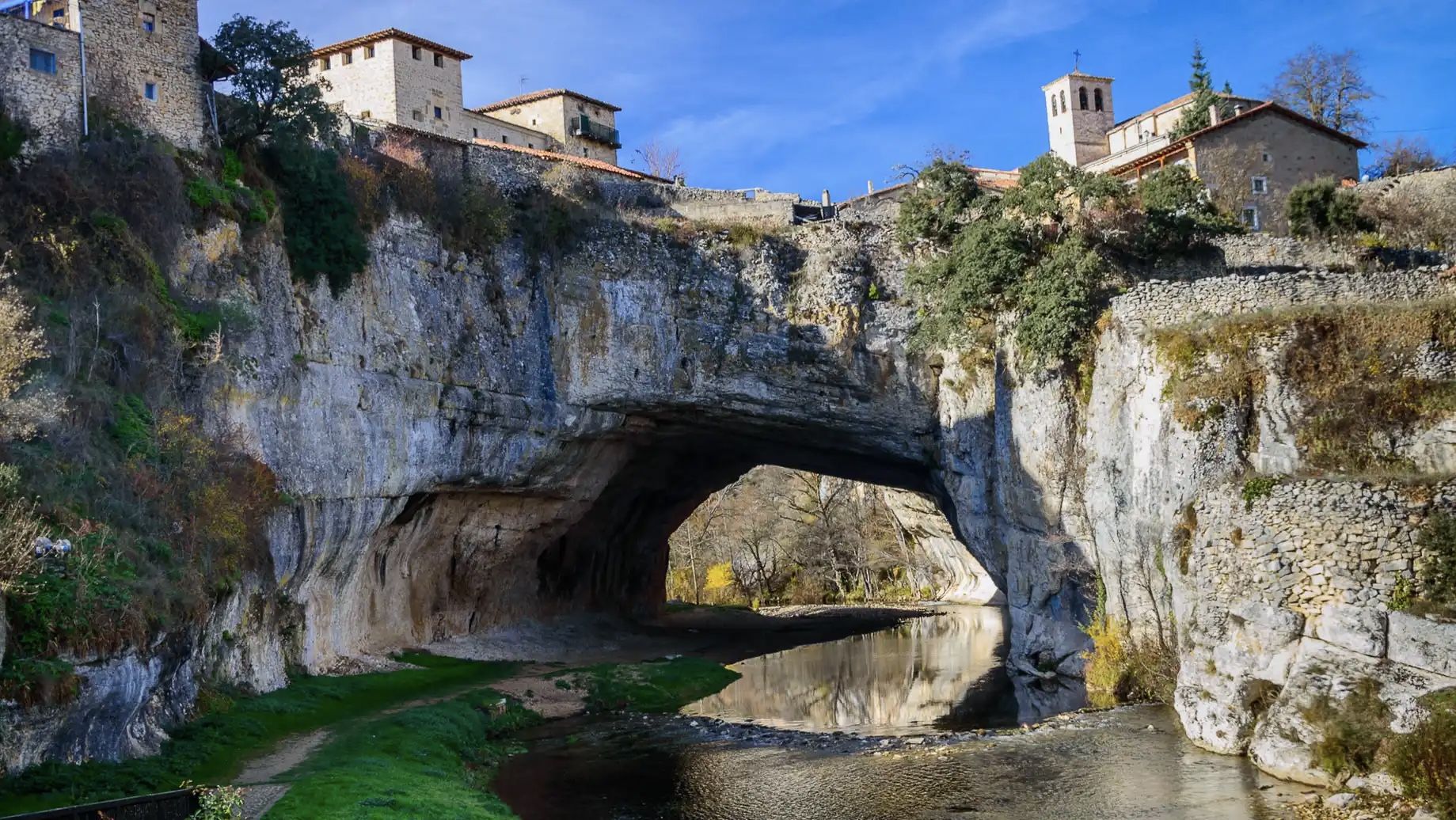
An epic getaway – Santander-Mediterráneo Nature Trail
Nature in its purest form – bikepacking in the Sierra de Albarracín
Other adventures around Hoya De Teruel


Tips from the Community

The entrance fee of €5 combined with the Museum of Sacred Art is definitely worth it.
1
0
Simply grandiose - you dive into another world. This landscape was created by erosion. Discovered by chance. Simply magically attractive, to explore the landscape to the last corner. Sturdy footwear if you move off the wide path and be careful not to step too far on the edge, material could break away.
0
0

What to see in Teruel (must-sees) Oval Staircase Monumental entrance to the historic center in Neo-Mudéjar style, with reliefs of the Lovers of Teruel. Plaza del Torico The heart of the city, surrounded by Modernist buildings and bars. Mudéjar Towers Torre del Salvador (open to visitors, with a viewpoint). San Martín and San Pedro Churches. Cathedral of Santa María de Mediavilla Spectacular Mudéjar roof and unique dome. Mausoleum of the Lovers Romantic and tragic story, next to the Church of San Pedro. Los Arcos Aqueduct Historical walk along the Renaissance aqueduct. Teruel Provincial Museum To discover local archaeology and art. Dinópolis Dinosaur theme park, ideal if you are traveling with children.
8
0
Visiting Teruel is a highly recommended experience if you enjoy history, architecture, and charming villages. It's a small city, easy to explore on foot, and is renowned for its Mudéjar art, a UNESCO World Heritage Site, and for the famous legend of the Lovers of Teruel.
7
0

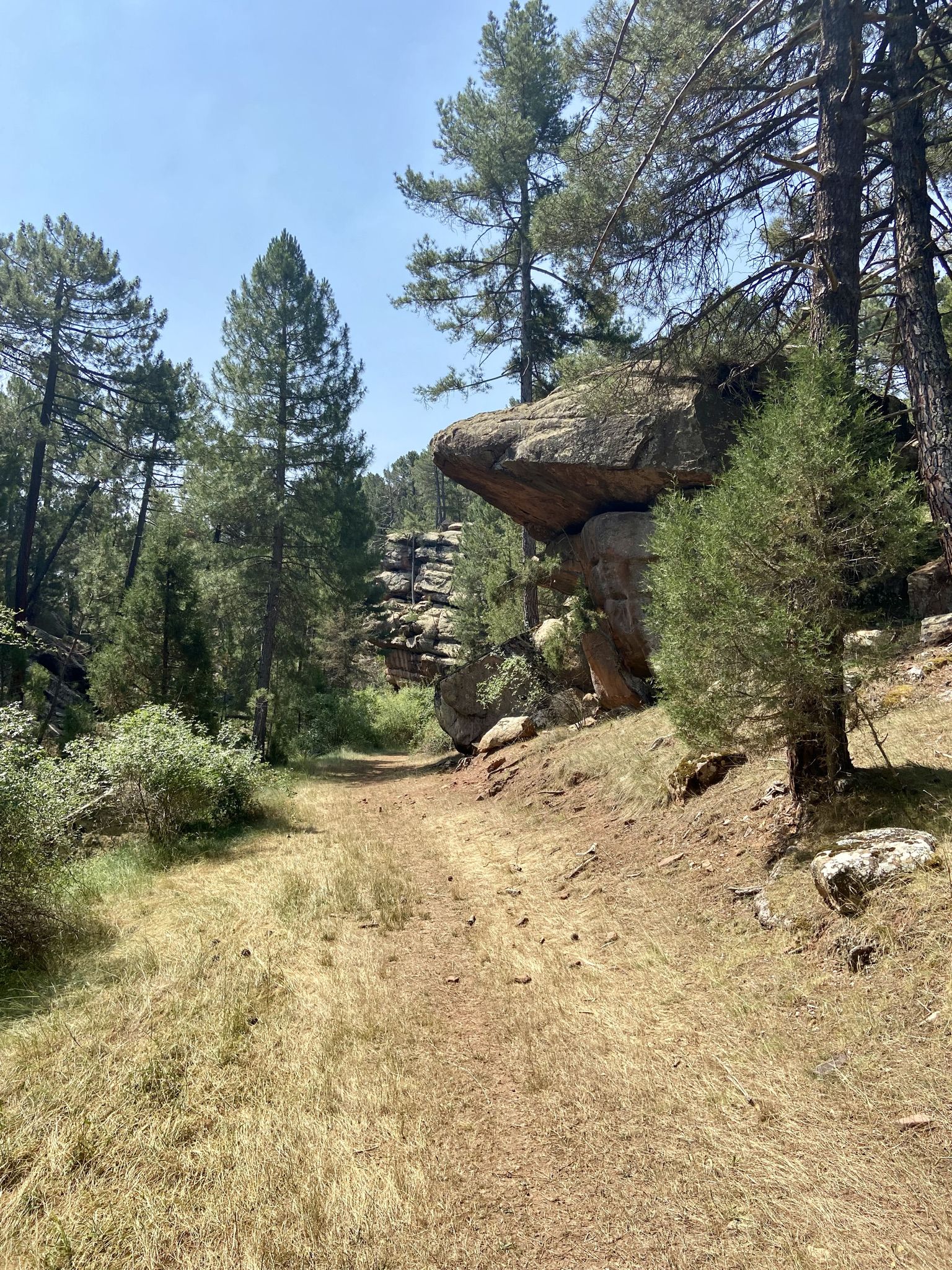
The gravel road that runs along the edge of the Teruel Red Canyon is a true scenic highlight; gravel riding is a real joy in such a landscape. Of course, you shouldn't resist taking a few photos ;-) And don't miss the beautiful mushroom-shaped rock formation in the middle of the canyon!
2
0

super beautiful plus swimming
0
0

Be careful if it rains the day before. The red earth will turn to mud and your tires will turn into peanut butter donuts.
1
0
Frequently Asked Questions
What historical and cultural sites can I explore in Hoya de Teruel?
The city of Teruel is rich in history and culture, particularly known for its Mudejar architecture, a UNESCO World Heritage style. Key sites include the Teruel Cathedral Square, home to the Cathedral of Santa María de Mediavilla with its impressive Mudejar tower and coffered ceiling. You can also visit the Church of San Pedro, another significant Mudejar site, and the Mausoleum of the Lovers of Teruel, which tells a legendary romantic story. The Escalinata del Óvalo, a grand Neo-Mudejar staircase, and the Acueducto de los Arcos, a 16th-century Renaissance engineering marvel, are also notable.
Are there any unique natural attractions in the Hoya de Teruel region?
Yes, the region offers several distinctive natural attractions. One of the most popular is The Clays of Teruel, often called the 'Aragonese Colorado Canyon,' which showcases striking red and ochre rock formations. You can also visit the Arquillo de San Blas Reservoir, a beautiful spot for recreation and views, especially in warmer months. Further afield, the Pinares del Rodeno offers a protected natural landscape with unique geology, and the Barranco de la Hoz is a narrow gorge popular with hikers.
What are some family-friendly activities or attractions in Hoya de Teruel?
For families, Teruel offers several engaging options. Dinópolis Teruel is a unique paleontological theme park that takes visitors on a journey through Earth's history with a focus on dinosaurs, featuring one of Europe's largest dinosaur collections. Many of the historical sites like the Teruel Cathedral Square and the Church of San Pedro are also considered family-friendly, offering cultural exploration. The Arquillo de San Blas Reservoir is a popular spot for picnicking and enjoying the outdoors.
Which charming villages are worth visiting in the Hoya de Teruel area?
Beyond the city of Teruel, the region boasts several picturesque villages. Albarracín is frequently cited as one of Spain's most beautiful, known for its medieval character and reddish buildings. Other notable villages include Valderrobres, with its majestic entry and old quarter, and Rubielos de Mora and Mora de Rubielos, both recognized for their beauty and historical significance, featuring medieval castles and baroque churches. Olba is another charming settlement with historical sites and natural beauty.
What is the Mudejar architecture that Teruel is famous for?
Mudejar architecture is a distinctive style found in Teruel that blends Gothic and Islamic elements, recognized as a UNESCO World Heritage Site. It's characterized by the use of brick, ceramic, and intricate decorative patterns. Key examples include the towers of El Salvador and San Martín, the Cathedral of Santa María de Mediavilla with its stunning coffered ceiling, and the Church and Tower of San Pedro. These structures showcase the unique artistic and cultural fusion of the region.
Are there opportunities for outdoor activities like hiking near Hoya de Teruel's attractions?
Yes, the Hoya de Teruel region offers various outdoor activities, especially hiking. You can find easy hikes like the 'Embalse del Arquillo de San Blas by the Camino Natural del Guadalaviar' or the 'Aceicuca Trail' near the city. For those interested in waterfalls, there are routes such as the 'Amanaderos de Riodeva Loop' or the 'Gorges of the Ebrón River – Calicanto Waterfall loop from Tormón'. More challenging options include trails around Pico Javalambre. You can find more details on these and other routes in the Easy hikes around Hoya De Teruel and Waterfall hikes around Hoya De Teruel guides.
What is the story of the Lovers of Teruel, and where can I learn more?
The legend of the Lovers of Teruel tells a tragic romantic story of Isabel de Segura and Juan Martínez de Marcilla. Their tale is deeply woven into the city's identity. You can learn more about this legend and visit their resting place at the Mausoleum of the Lovers of Teruel, located next to the Church of San Pedro. The Escalinata del Óvalo also features a work by Aniceto Marinas reflecting their story.
What kind of views can I expect from the natural landmarks and viewpoints?
From natural landmarks and viewpoints in Hoya de Teruel, you can expect diverse and striking scenery. The Clays of Teruel offers panoramic views of its unique red canyon formations. The Arquillo de San Blas Reservoir provides picturesque water views, especially at sunset. For expansive mountain vistas, consider a trip to Pico Javalambre, one of the region's highest summits. The Pinares del Rodeno also offers scenic views of its distinctive rock formations amidst pine forests.
Is there a good time of year to visit Hoya de Teruel attractions?
Hoya de Teruel can be visited year-round, but the best time often depends on your preferred activities. Spring (April-May) and autumn (September-October) offer pleasant temperatures ideal for exploring historical sites and hiking. Summers can be warm, making water-related activities at places like the Arquillo de San Blas Reservoir particularly enjoyable. Winter can be cold, especially in higher elevations like Pico Javalambre, but the city's cultural attractions remain accessible.
What are some of the most iconic landmarks within the city of Teruel itself?
Within the city of Teruel, several landmarks stand out. The Teruel Cathedral Square, with the magnificent Cathedral of Santa María de Mediavilla, is a central point. The Plaza del Torico, featuring the small bull sculpture, is the lively heart of the old town. The Mudejar towers, such as the Tower of El Salvador and the Tower of San Martín, are iconic symbols. The Escalinata del Óvalo, a grand Neo-Mudejar staircase, and the Viaducto Viejo de Teruel, an impressive early 20th-century engineering work, also define the city's unique character.
Are there any museums in Teruel that offer insight into the region's history?
Yes, the Museum of Teruel is an excellent place to delve into the region's rich history. Housed in a 16th-century Renaissance building, it features archaeological, ethnological, fine arts, and paleontological exhibits. The museum traces the area's past from prehistory through Iberian, Roman, and Moorish cultures, up to the Christian kingdoms, providing a comprehensive overview of Teruel's heritage.
Can I find places for relaxation or water activities in the region?
For relaxation and water activities, the Arquillo de San Blas Reservoir is a popular destination. It's a beautiful spot for fishing, picnicking, and enjoying the water, especially during the warmer months. The Guadalaviar Nature Trail, which leads to the reservoir, offers an entertaining path with hanging walkways and picturesque settings, perfect for a leisurely stroll before relaxing by the water.
Most popular routes around Hoya De Teruel
Most popular attractions around Hoya De Teruel

Get inspired with the komoot mobile app


Didn’t find what you were looking for?
Are you keen on exploring more awesome places nearby? Browse our guides:
Explore more
Still not found the Highlight you’re looking for? See guides of the top attractions in other regions:
