Attractions and Places To See around Campiña Alta - Top 20
Best attractions and places to see around Campiña Alta, a region in Andalusia, Spain, is characterized by gently undulating hills, extensive olive groves, and cereal fields. This area spans parts of Seville and Córdoba provinces, offering a blend of historical towns and significant natural features. The landscape includes protected wetlands, rivers, and karst formations, providing diverse environments for exploration. It is known for its agricultural scenery and cultural heritage.
Best attractions and places to see around Campiña Alta
- The most…
Last updated: August 3, 2026
Doña Mencía Station
Highlight • Rest Area
A few meters from the passenger building …
Translated by Google •
Tip by

Fuente del Río
Highlight • Natural Monument
Translated by Google •
Tip by

Sign up now to discover places like this
Get recommendations on the best single tracks, peaks, & plenty of other exciting outdoor places.
Sign up for free
End of the Vía Verde del Aceite
Highlight • Cycleway
If, on the other hand, you are going to start traveling along the …
Translated by Google •
Tip by

Church of Santo Domingo
Highlight • Religious Site
Translated by Google •
Tip by

Jauja – Subbética Greenway Natural Trail
Highlight • Cycleway
Translated by Google •
Tip by

Cabra Station
Highlight • Historical Site
Translated by Google •
Tip by
La Sima Viaduct
Highlight • Bridge
Translated by Google •
Tip by

Baena Olive and Oil Museum
Highlight • Historical Site
Translated by Google •
Tip by

Montilla Vineyards
Highlight • Natural
Translated by Google •
Tip by
Old Lucena Station
Highlight • Structure
In addition to olives and …
Translated by Google •
Tip by
Sign up for free to discover even more attractions around Campiña Alta.
Sign up for free
Already have an account?
Start today with a free account
Your next adventure awaits.
Login or Signup
Popular around Campiña Alta
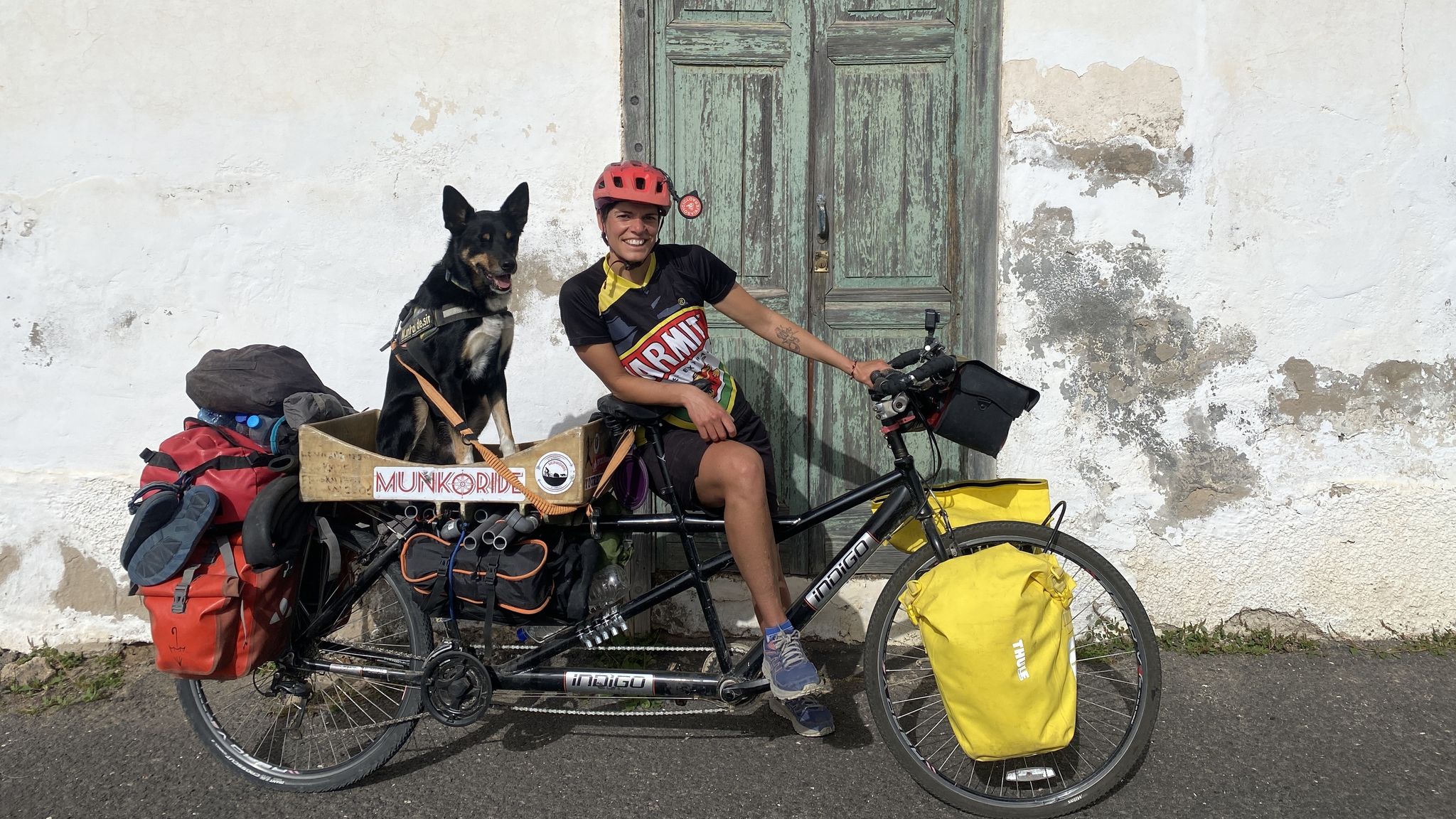
A winter getaway along the greenways of Andalusia in Spain
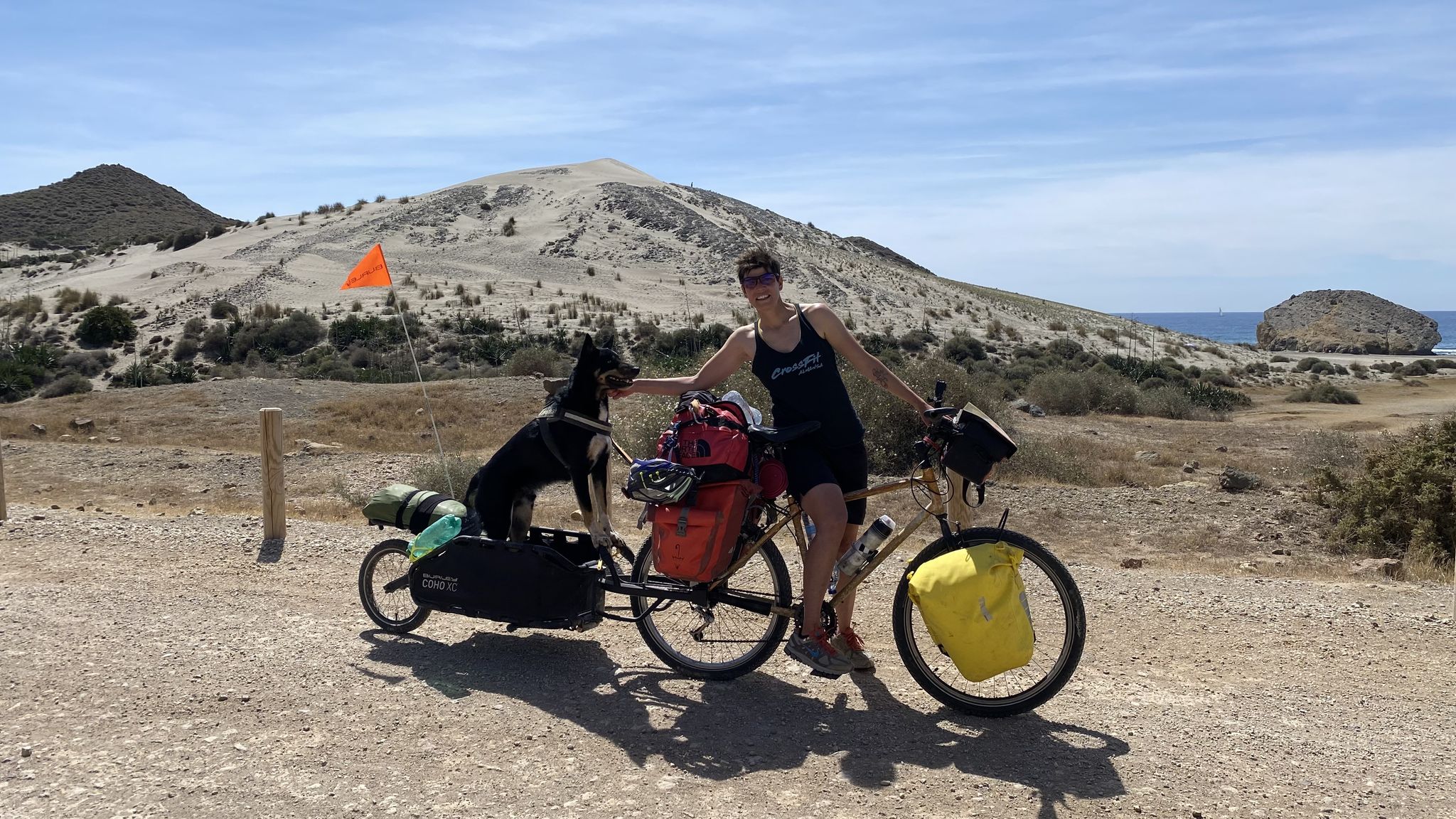
Let’s head south – cycle in Andalusia with me and my dog
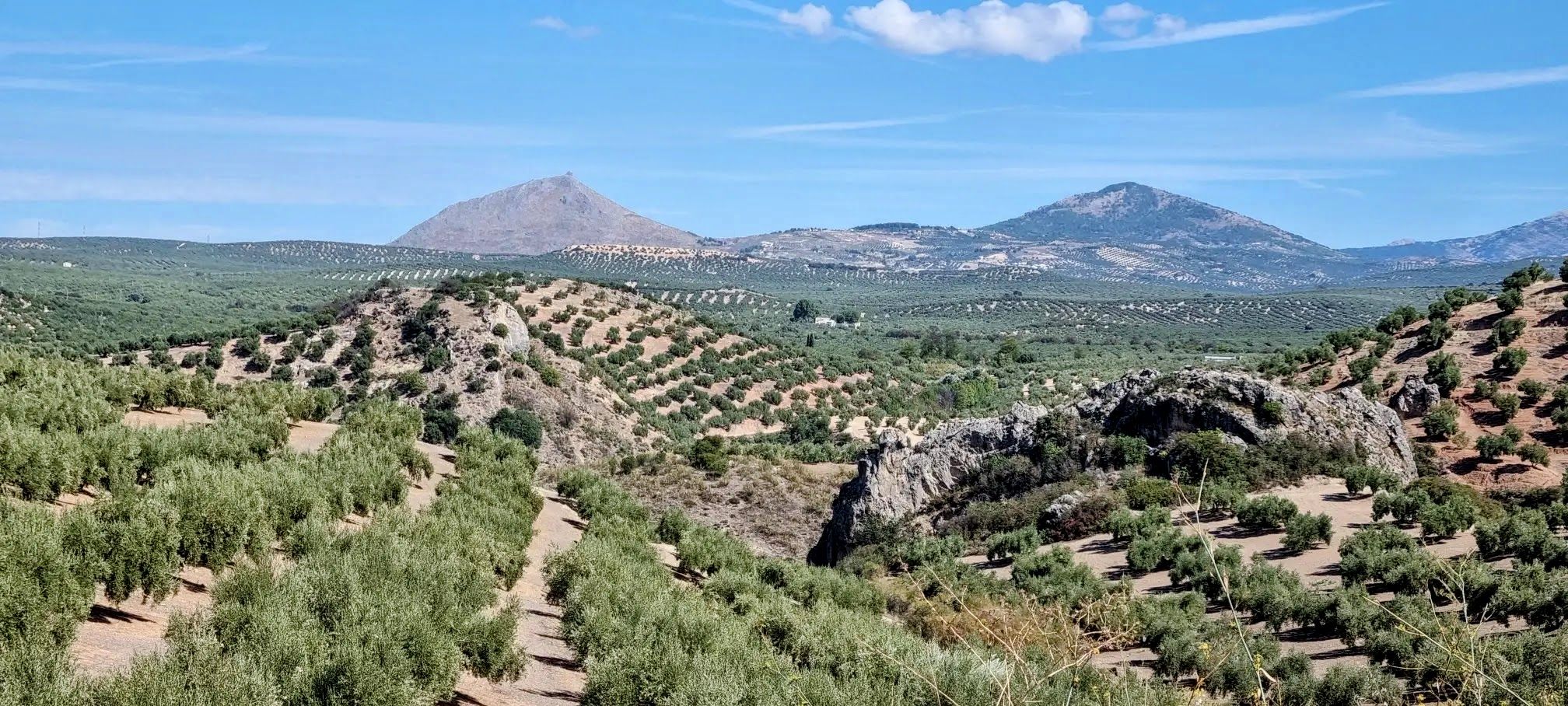
On the trail of olive oil through Andalusia — Vía Verde del Aceite
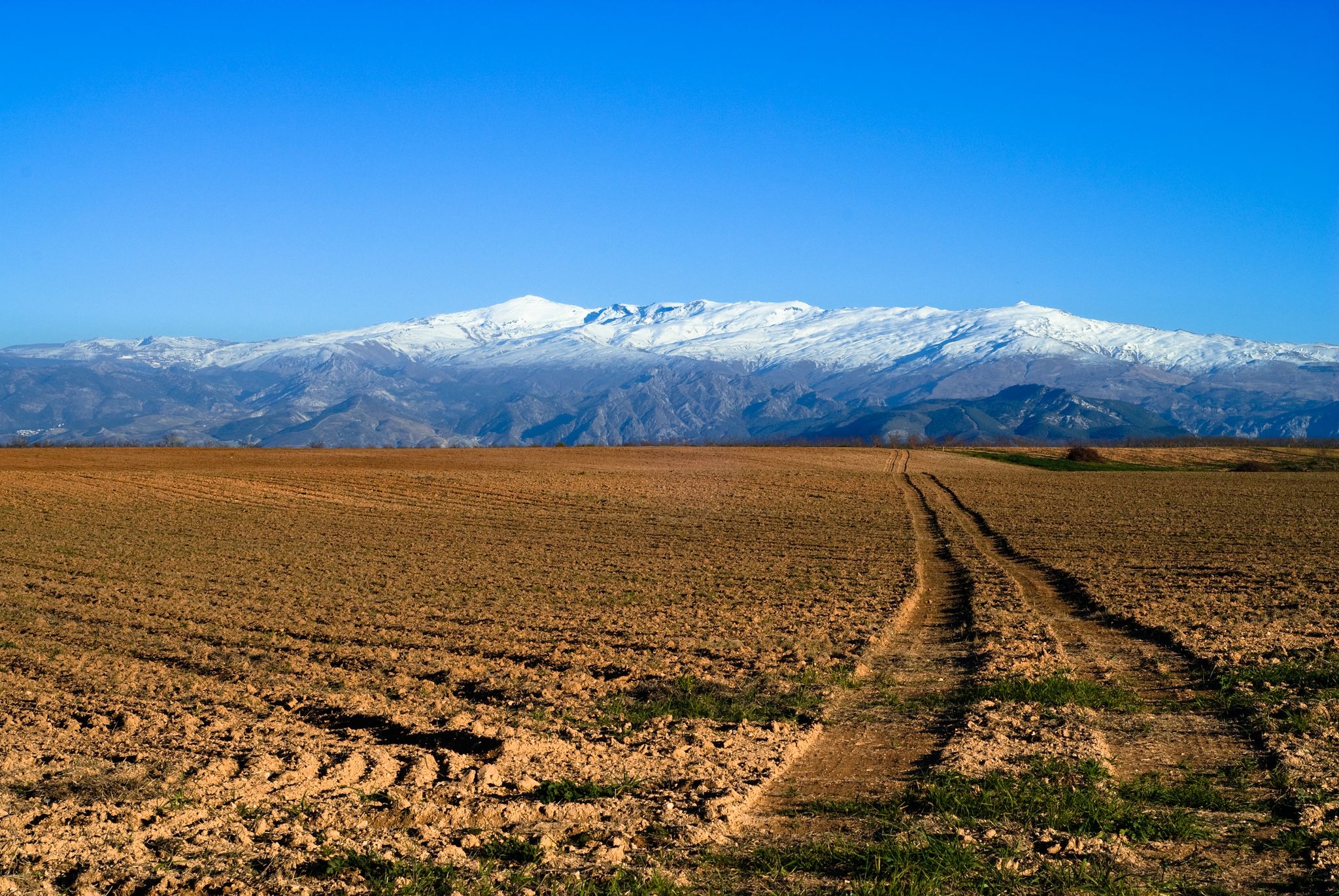
From the Alcazaba to the Alcazar – an Andalusian Adventure
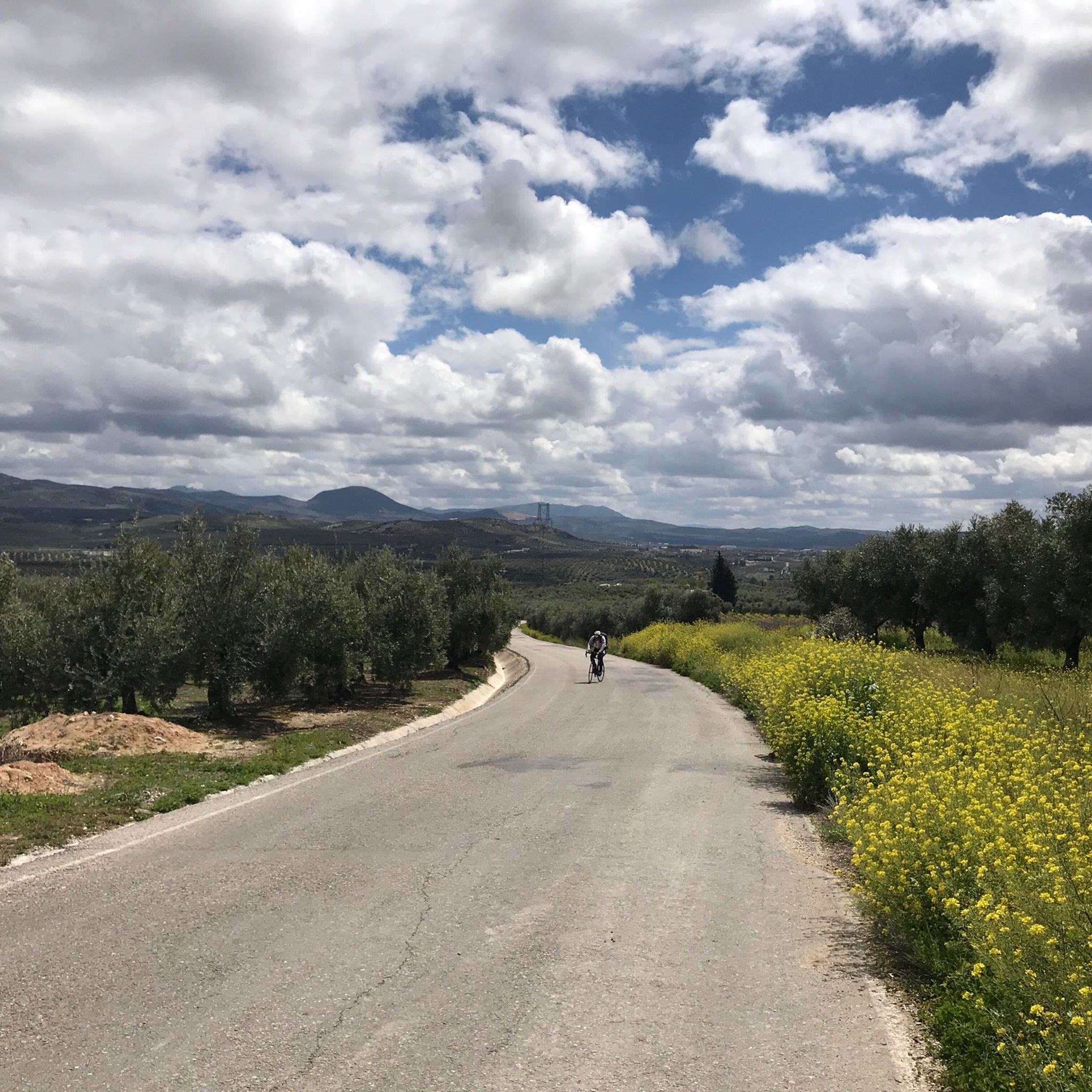
Road Cycling Routes around Campiña Alta
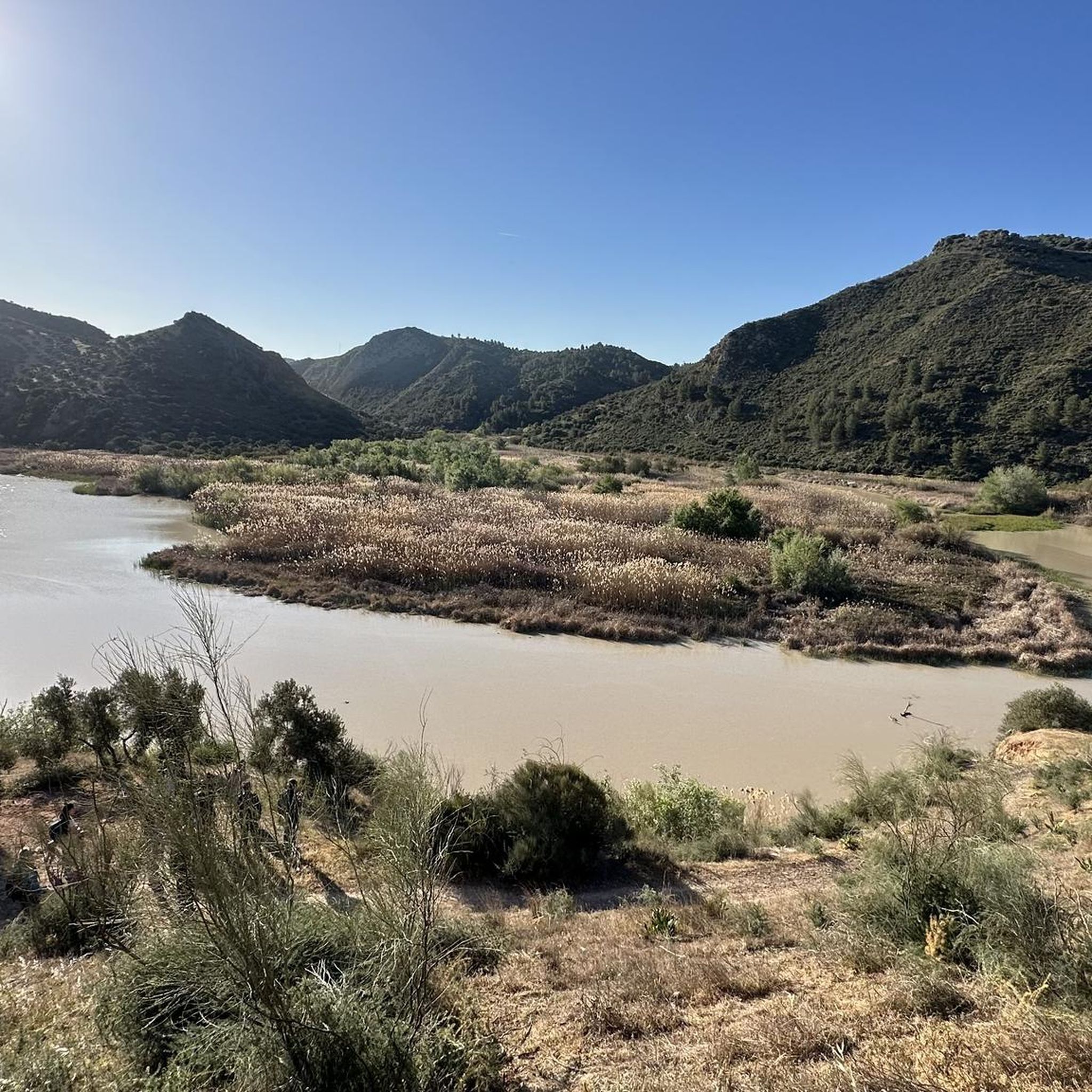
Running Trails around Campiña Alta
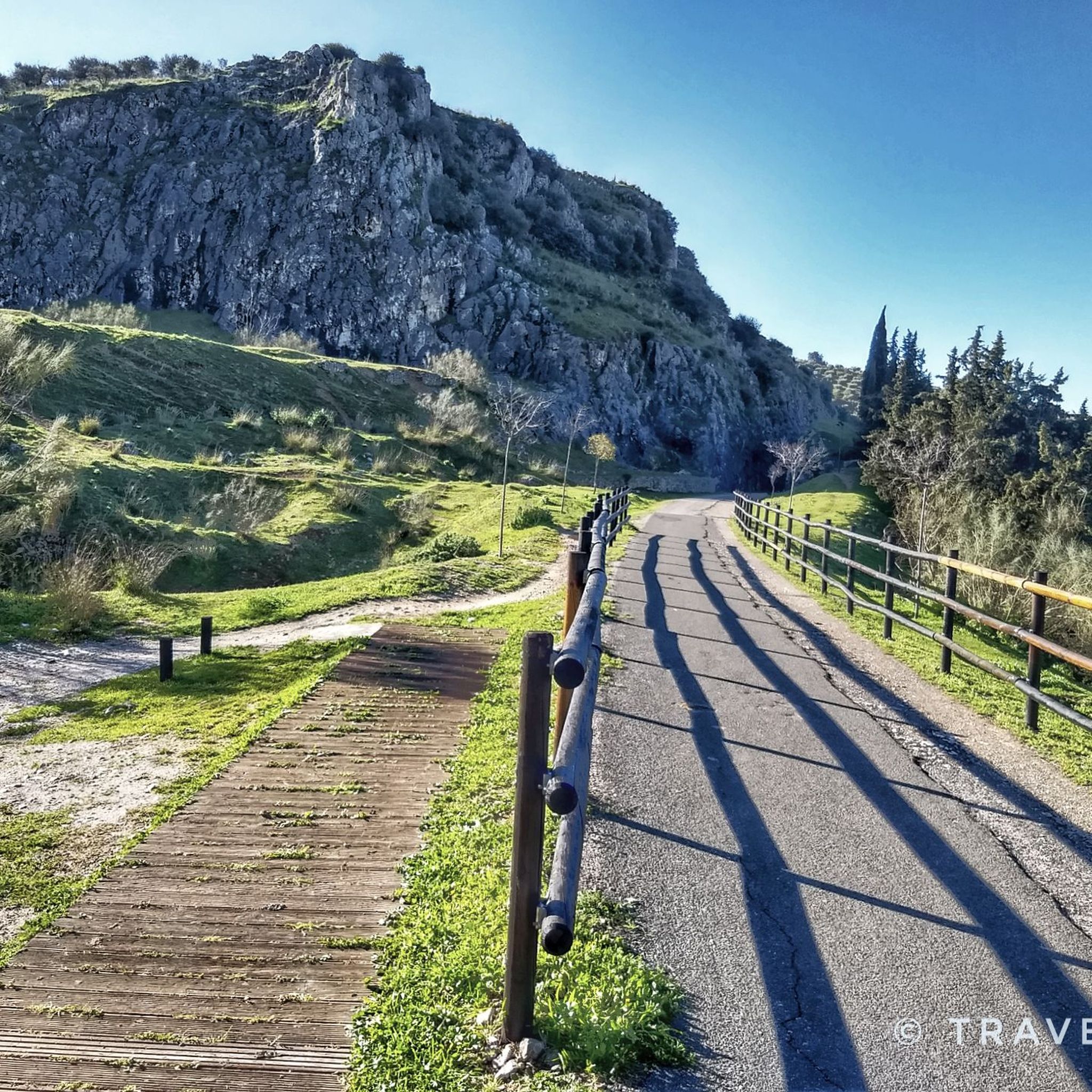
Cycling around Campiña Alta
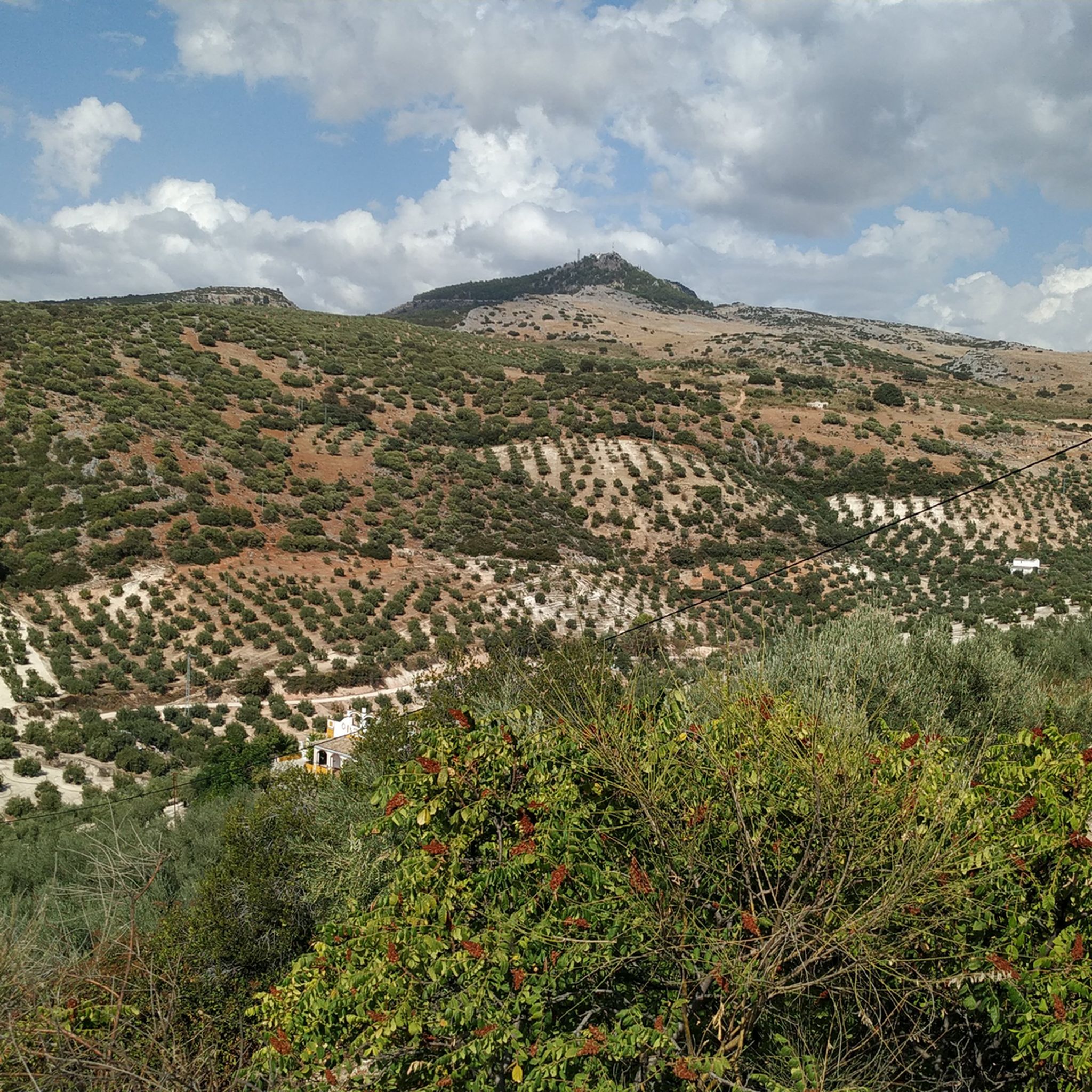
MTB Trails around Campiña Alta
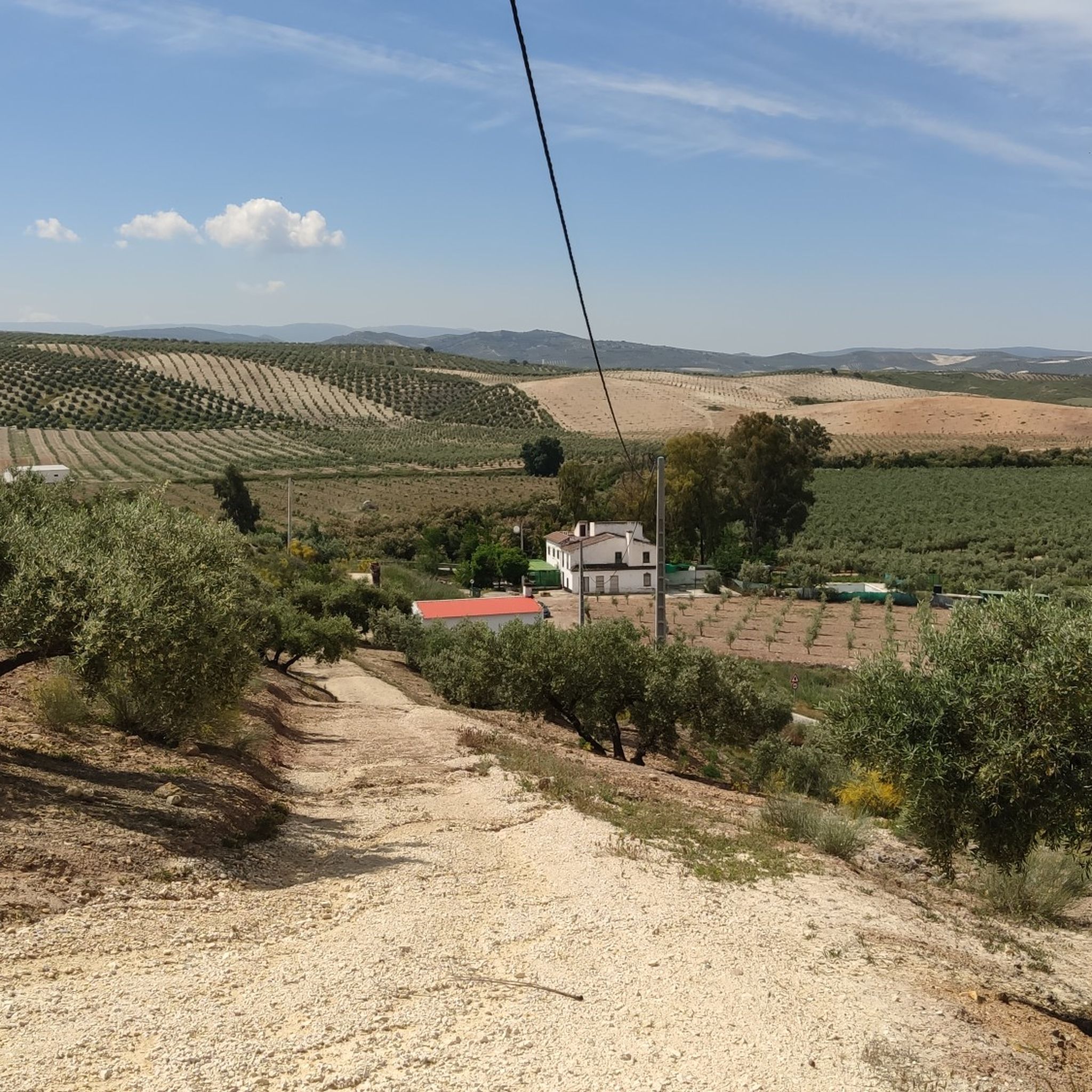
Hiking around Campiña Alta
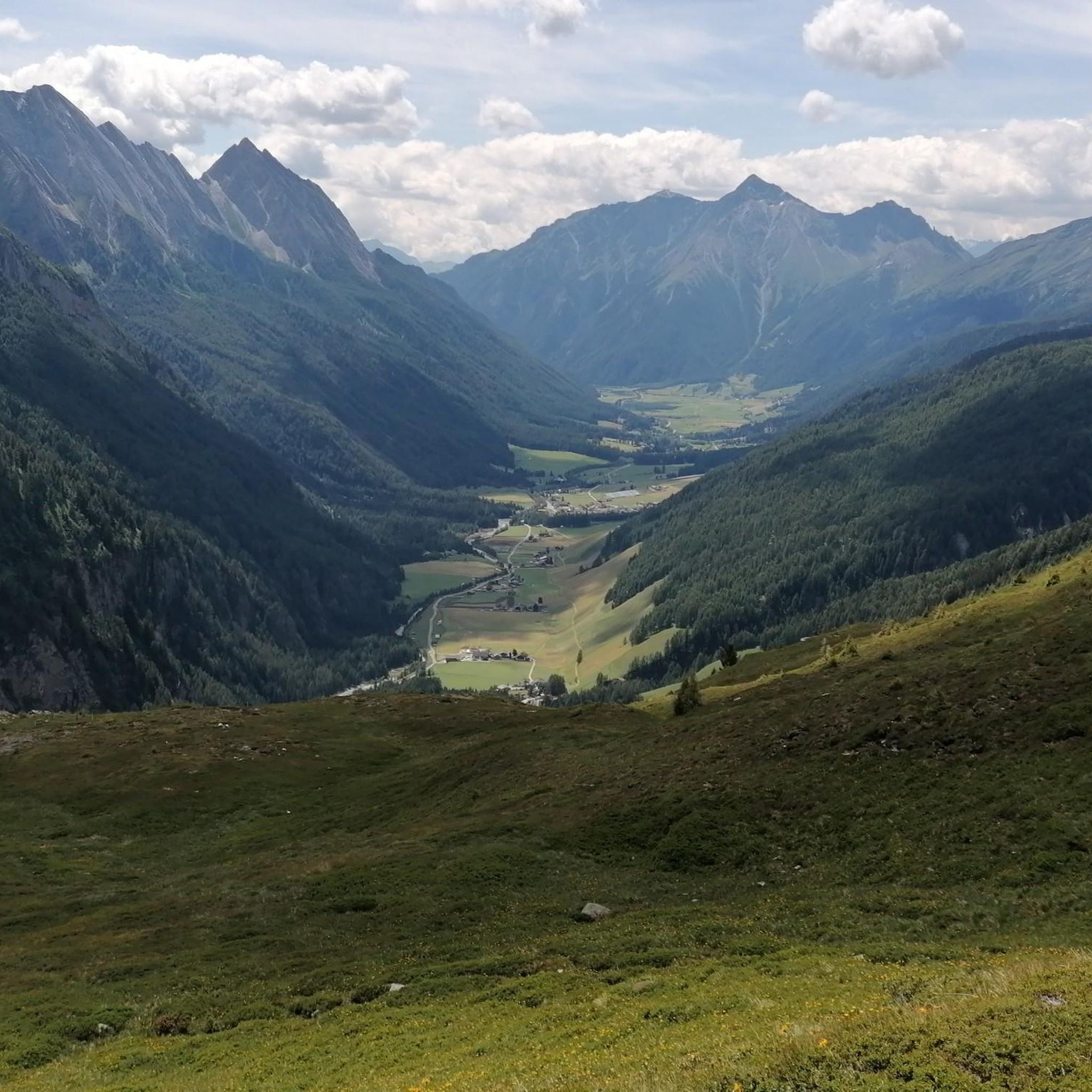
Gravel biking around Campiña Alta
Other adventures around Campiña Alta


Tips from the Community


An easy tour through the olive groves. We headed north, a total of 40 km round trip. We were traveling in a motorhome and parked at a motorhome parking lot in Cabra.
1
0

Very beautifully designed train station
1
0

The Fuente del Río in Cabra, is a picturesque natural park considered the origin of the Río Cabra. The park combines the natural beauty of a karst spring with landscaped gardens and a diverse tree landscape. It was declared a “Sitio de Interés Natural” in 1929 and today offers recreational areas and picnic areas for visitors. The spring rises at the foot of the Sierra de Cabra, an area with high rainfall and calcareous rock that leads to the formation of such karst springs. The water flows through a series of waterfalls and artificial springs and supplies the entire municipality. The Fuente del Río is part of the “Ruta del Agua” in the Subbética Cordobesa and offers a harmonious interplay of nature and human design. The park is a popular place for locals and visitors who want to enjoy the tranquility and beauty of this unique place. A visit to the Fuente del Río offers the opportunity to experience the natural beauty of the region and explore the origins of the Río Cabra.
3
0
Today, the restaurant "El Tren" is located in the former Cabra train station. There is a hostel attached, offering shared rooms with bunk beds at reasonable prices. Cabra train station was inaugurated in 1893 as part of the narrow-gauge railway line that connected Puente Genil with Linares. Even then, the station was an important meeting point for the community. Over time, the introduction of new means of transport and the modernization of the railway infrastructure led to the closure of the line in 1965. The station building remains a symbol of Cabra's history to this day.
6
0

The Doña Mencía station is the only one of the stations that we will find along the nature trail, built on one floor. A few meters from the passenger building and on the same side of the road, there is a building that has been rehabilitated as a bicycle center. This is the old freight dock of the station. The goods were located on open-air docks or other covered docks, depending on their economic value or characteristics. The closed docks consisted of open roof naves, with a small office for the clerk who was responsible for the delivery notes. On one side, the wagons were loaded or unloaded, while on the other side, the vehicles that arrived by road did so. In order to protect the goods during loading and unloading, these buildings were designed with a gable roof that ends in two large lateral overhangs.
9
0


A natural area where the Cabra River is born. A natural spring surrounded by vegetation that transmits peace and tranquility. Highly recommended for a break on the route.
1
0
Frequently Asked Questions
What are some unique natural features to explore in Campiña Alta?
Campiña Alta offers several distinctive natural features. You can visit the Poljé of the Nava de Cabra, a large, flat, valley-shaped depression in karst rock, formed by land subsidence. Another beautiful spot is the Fuente del Río in Cabra, a picturesque natural park considered the origin of the Río Cabra, featuring a karst spring and landscaped gardens. The region also includes protected areas like the Paraje Natural Alto Guadalquivir and the Lantejuela Endorheic Complex, known for birdwatching.
Which historical towns and cultural sites should I visit in Campiña Alta?
The region is rich in history and culture. Carmona, a Historic-Artistic Site, boasts the impressive Alcázar of the Seville Gate and a significant Roman necropolis. Osuna, another Historic-Artistic Site, is home to the majestic Collegiate Church and the 'Petra of Andalucia' quarry. Écija, known as the 'City of Towers,' offers numerous baroque churches and the Archaeological Museum. You can also explore the unusual octagonal square in Aguilar de la Frontera.
Are there any family-friendly attractions or activities in Campiña Alta?
Yes, Campiña Alta has several family-friendly options. The Fuente del Río in Cabra is a natural park with recreational and picnic areas. The Doña Mencía Station, rehabilitated as a restaurant and bicycle center on a nature trail, is also suitable for families. Additionally, the Jauja – Subbética Greenway Natural Trail is perfect for cycling with its gentle slope and absence of motor vehicles.
What cycling opportunities are available in Campiña Alta?
Campiña Alta is excellent for cycling, particularly along its greenways. The Jauja – Subbética Greenway Natural Trail runs through olive groves and vineyards, with old stations converted into restaurants. Another option is the Vía Verde del Aceite, a 128 km route following an old railway line, well-developed for cycling. You can find various cycling routes, including touring bicycle and gravel biking options, on the Cycling around Campiña Alta guide.
Where can I experience local gastronomy and traditional products in the region?
The region offers delightful culinary experiences. Estepa is renowned for its mantecados (traditional Spanish shortbreads) and Designation of Origin extra virgin olive oil. Utrera is famous for its mostachón pastry. You can also visit olive mills (almazaras) for tastings and to learn about olive oil production. Many towns offer traditional Andalusian dishes, unique confectionery made by nuns, and artisan bread.
Are there any hiking trails or walking routes near the attractions?
Yes, the region provides several options for walking and hiking. The Jauja – Subbética Greenway Natural Trail is suitable for walking, as is the Vía Verde del Aceite. The Los Alcores Greenway is a 25-km nature trail connecting Carmona with Alcalá de Guadaíra, ideal for walking through scenic countryside. For more challenging routes, explore the MTB Trails around Campiña Alta guide, which also lists routes suitable for hiking.
What are some significant religious or historical monuments in Campiña Alta?
Beyond the historical towns, you can visit specific monuments like the Church of Santo Domingo. The Sanctuary of Nuestra Señora de Araceli is another notable religious building. The region also features a 'Route of the Castles' with sites like the well-preserved Los Molares Castle.
What kind of outdoor activities can I do in Campiña Alta besides cycling and walking?
Beyond cycling and walking, you can enjoy birdwatching at the Lantejuela Endorheic Complex or the Laguna de Zóñar Natural Reserve, which is particularly impressive in winter with hundreds of ducks. The Oromana Natural Park offers a protected space for appreciating local flora and fauna. The region's rivers, like the Corbones and Guadaira, also create green corridors for exploration.
What is the best time of year to visit Campiña Alta?
While specific data isn't provided, the region's description of olive groves and vineyards suggests a pleasant experience in spring when everything is in bloom, as noted in a tip for the Jauja – Subbética Greenway. Autumn would also be ideal for comfortable temperatures and harvest-related activities like olive oil tourism. Summers can be hot, typical for Andalusia.
Are there any museums or specific cultural experiences related to the region's heritage?
Yes, you can visit the Baena Olive and Oil Museum to learn about the region's primary agricultural product. Écija's Archaeological Museum houses the unique 'Amazona herida' sculpture. The region is also a cradle of flamenco, with towns like Écija, Osuna, and Utrera hosting annual festivals and being the origin of unique styles.
What do visitors enjoy most about the attractions in Campiña Alta?
Visitors particularly appreciate the diverse landscapes, historical towns, and cultural points of interest. The greenways, like the Jauja – Subbética Greenway Natural Trail, are highly rated for their excellent condition and scenic beauty, especially in spring. The natural springs, such as the Fuente del Río, are valued for their tranquility and natural beauty, offering a peaceful oasis.
Most popular routes around Campiña Alta
Most popular attractions around Campiña Alta

Get inspired with the komoot mobile app


Didn’t find what you were looking for?
Are you keen on exploring more awesome places nearby? Browse our guides:
Explore more
Still not found the Highlight you’re looking for? See guides of the top attractions in other regions:
