Attractions and Places To See around Llanos de Olivenza - Top 20
Attractions and places to see around Llanos de Olivenza offer a diverse landscape of historical landmarks, cultural sites, and natural features. This comarca in Extremadura, bordering Portugal, is characterized by its unique blend of Spanish and Portuguese heritage, particularly in towns like Olivenza. Visitors can explore ancient castles, significant religious architecture, and extensive dehesa landscapes. The region also features natural attractions such as the Sierra de Alor and the Alqueva Reservoir, providing varied opportunities for exploration.
Best attractions and places to see around Llanos de Olivenza
- The most popular attractions is Olivenza, a settlement that is a historical and cultural gem with a unique blend of Spanish and Portuguese influences. It features a 13th-century Templar fortress, bastioned walls, and Manueline churches.
- Another must-see spot is Castillo de Miraflores, a castle of Arab origin rebuilt in the 12th century and later fortified by the Templars. It houses the Interpretation Center of the Fortifications of the Great Lake of Alqueva.
- Visitors also love Sierra de Alor Viewpoint, a viewpoint offering panoramic views of the Llanos de Olivenza region. This area is a Special Conservation Area recognized for its ecological value.
- Llanos de Olivenza is known for its historical sites, natural viewpoints, and diverse trails. The region offers a variety of castles, settlements, and natural areas to see and explore.
- The attractions around Llanos de Olivenza are appreciated by the komoot community, with 22 highlights and 11 photos shared by visitors.
Last updated: May 11, 2026
Sierra de Alor Viewpoint
Highlight • Viewpoint
Translated by Google •
Tip by

Technical trail bordering the reservoir
Highlight (Segment) • Trail
Showing Translation
Tip by

Sign up now to discover places like this
Get recommendations on the best single tracks, peaks, & plenty of other exciting outdoor places.
Sign up for free
Castillo de Miraflores
Highlight • Castle
Originally it was made up of a triple enclosure, the intermediate one reinforced with cubes pointing towards the south. It is presided over by a powerful keep, completing the complex with a good parade ground, cisterns, dungeons, chapel and other rooms of which various remains are preserved.
Today the Interpretation Center of the Fortifications of the Great Lake of Alqueva is located inside and is preparing to house a unique space for conventions, congresses and exhibitions with the possibility of lodging.
Translated by Google •
Tip by
Olivenza
Highlight • Settlement
Olivenza was Portuguese for over 500 years (1297-1801) and still preserves bilingual inscriptions and Portuguese architecture.
Portugal continues to symbolically claim sovereignty, even though the town is fully integrated into Spain.
Translated by Google •
Tip by
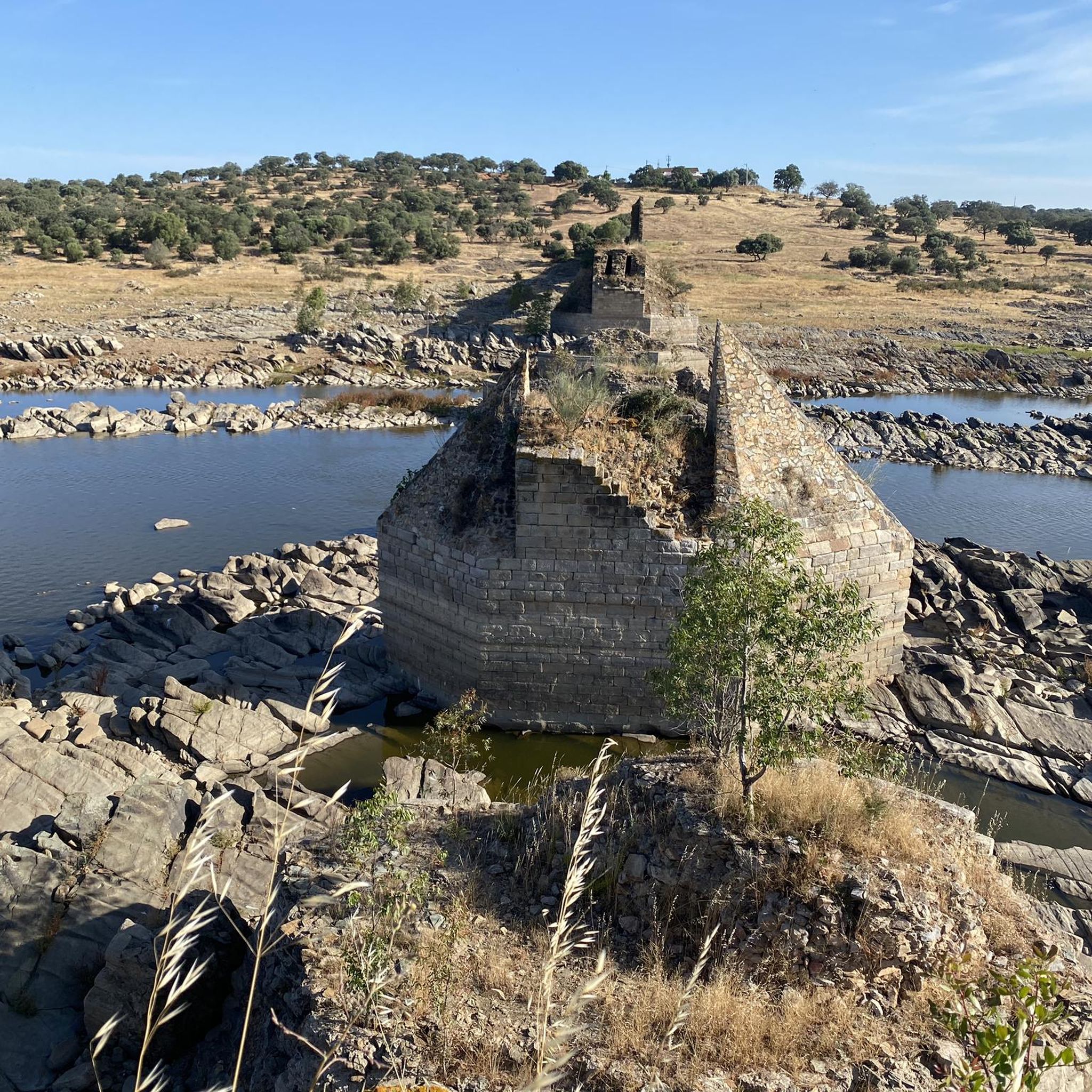
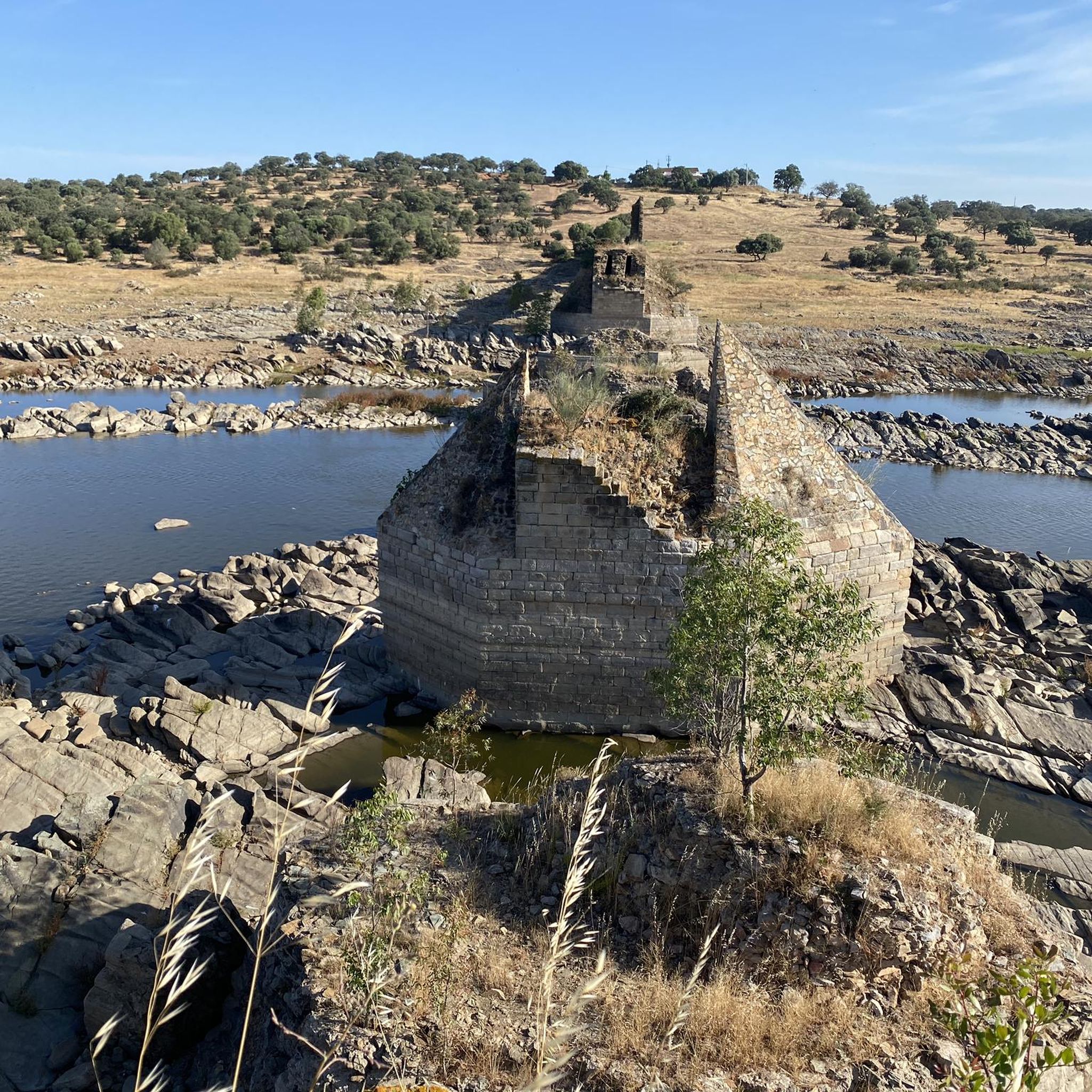
Ponte da Ajuda / Puente de la Ayuda
Highlight • Bridge
Translated by Google •
Tip by

Choperal Trail
Highlight • Trail
Translated by Google •
Tip by

Olivienza
Highlight • Settlement
Translated by Google •
Tip by
Guadiana Nature Trail
Highlight • Trail
Translated by Google •
Tip by

San Jorge de Alor
Highlight • Settlement
Translated by Google •
Tip by
Spain–Portugal border
Highlight • Monument
You can still see the old buildings used to control road traffic, including goods and people, before the borders were opened.
Translated by Google •
Tip by

Sign up for free to discover even more attractions around Llanos de Olivenza.
Sign up for free
Already have an account?
Start today with a free account
Your next adventure awaits.
Login or Signup
Popular around Llanos de Olivenza
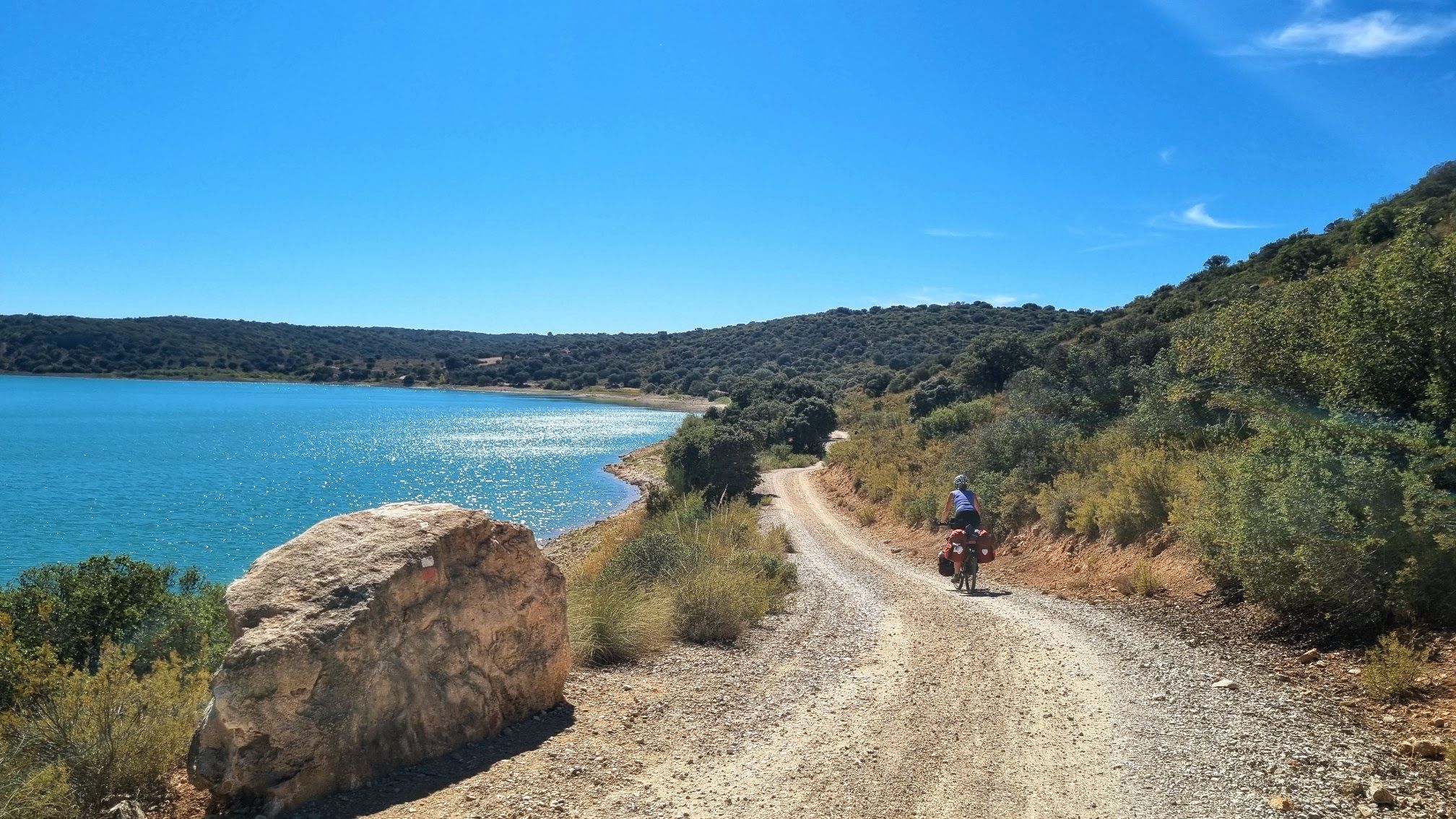
Pedalea junto al gran río — Camino Natural del Guadiana
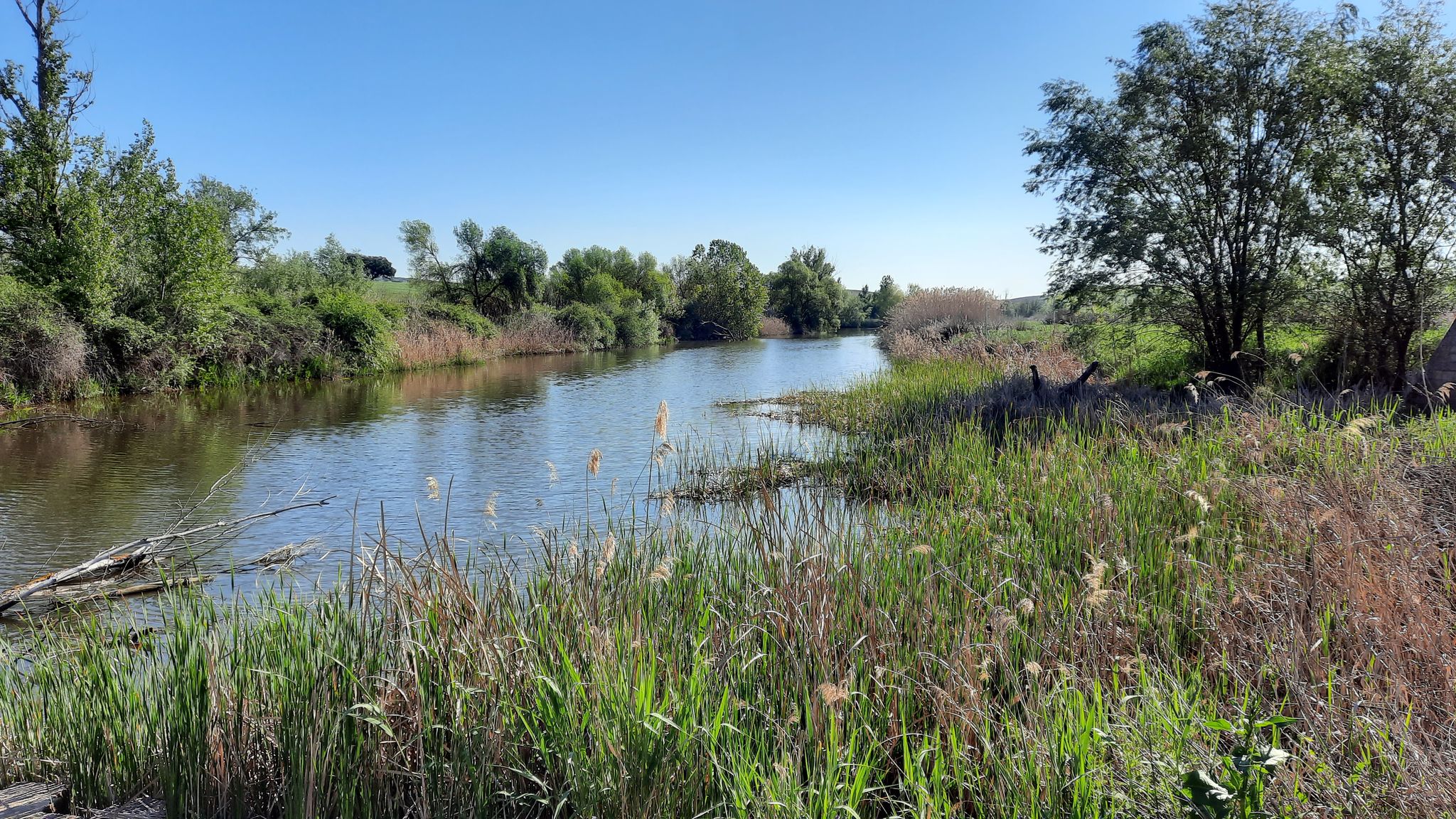
The magic of an endless river – Spain's Guadiana Natural Trail (GR 114)
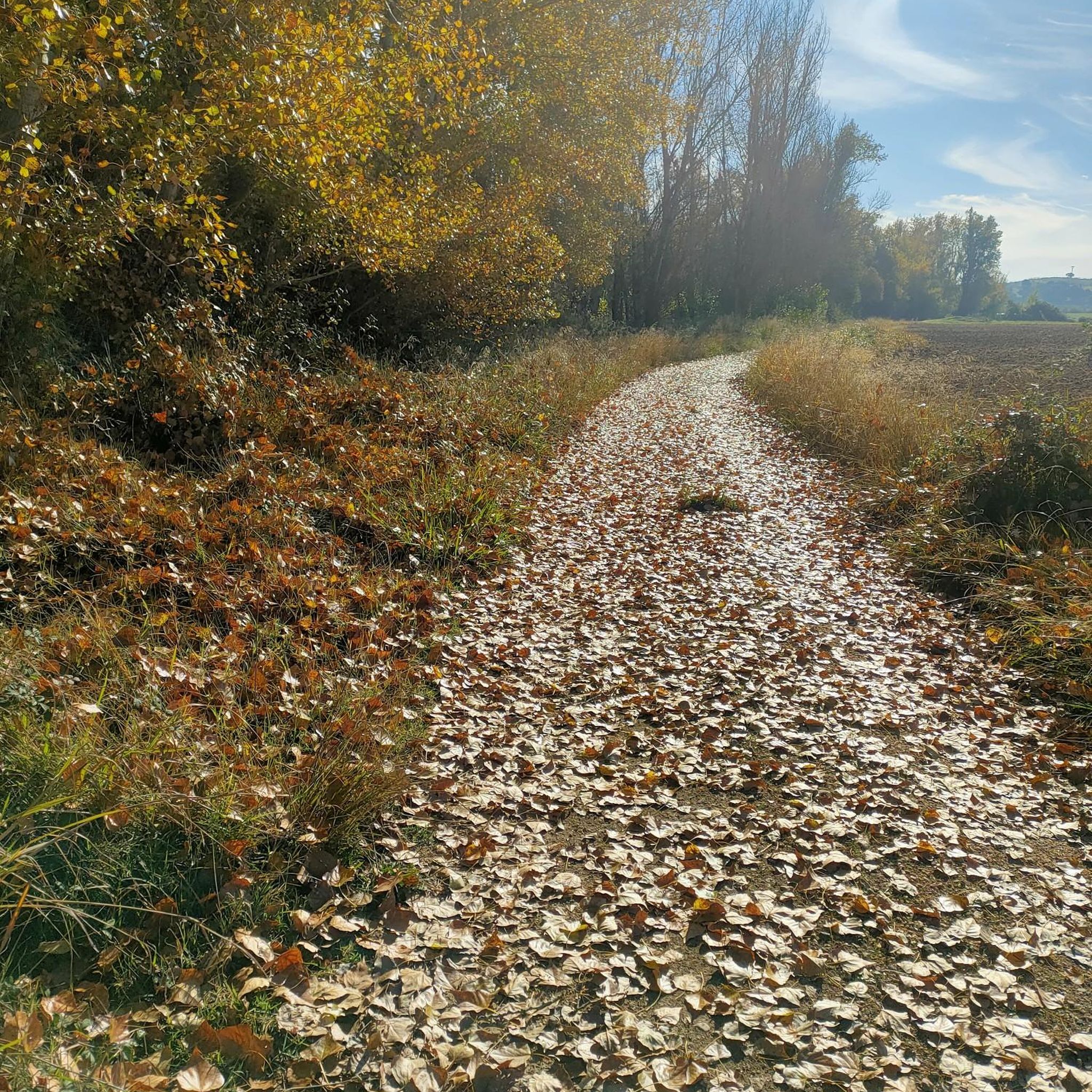
MTB Trails around Llanos de Olivenza
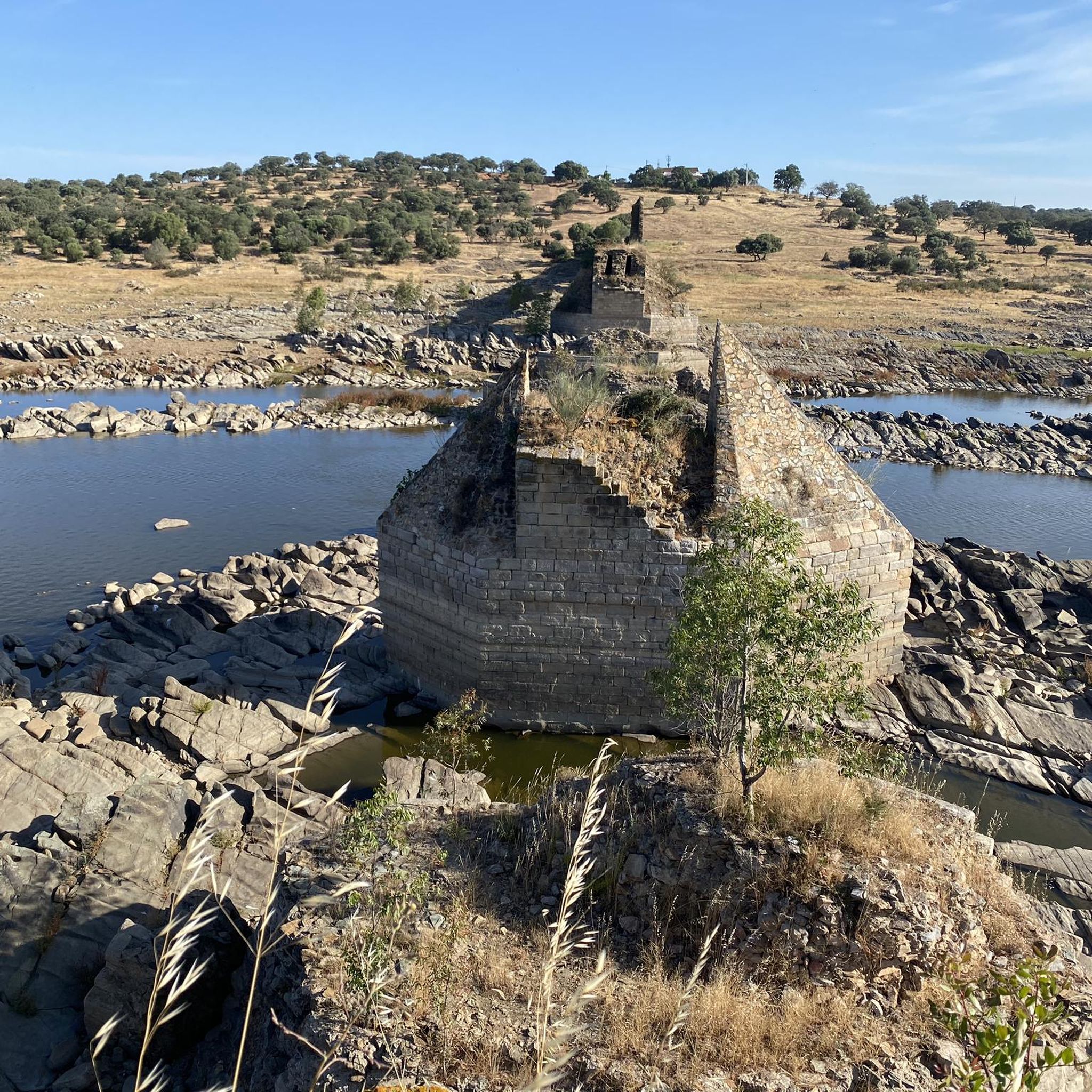
Road Cycling Routes around Llanos de Olivenza
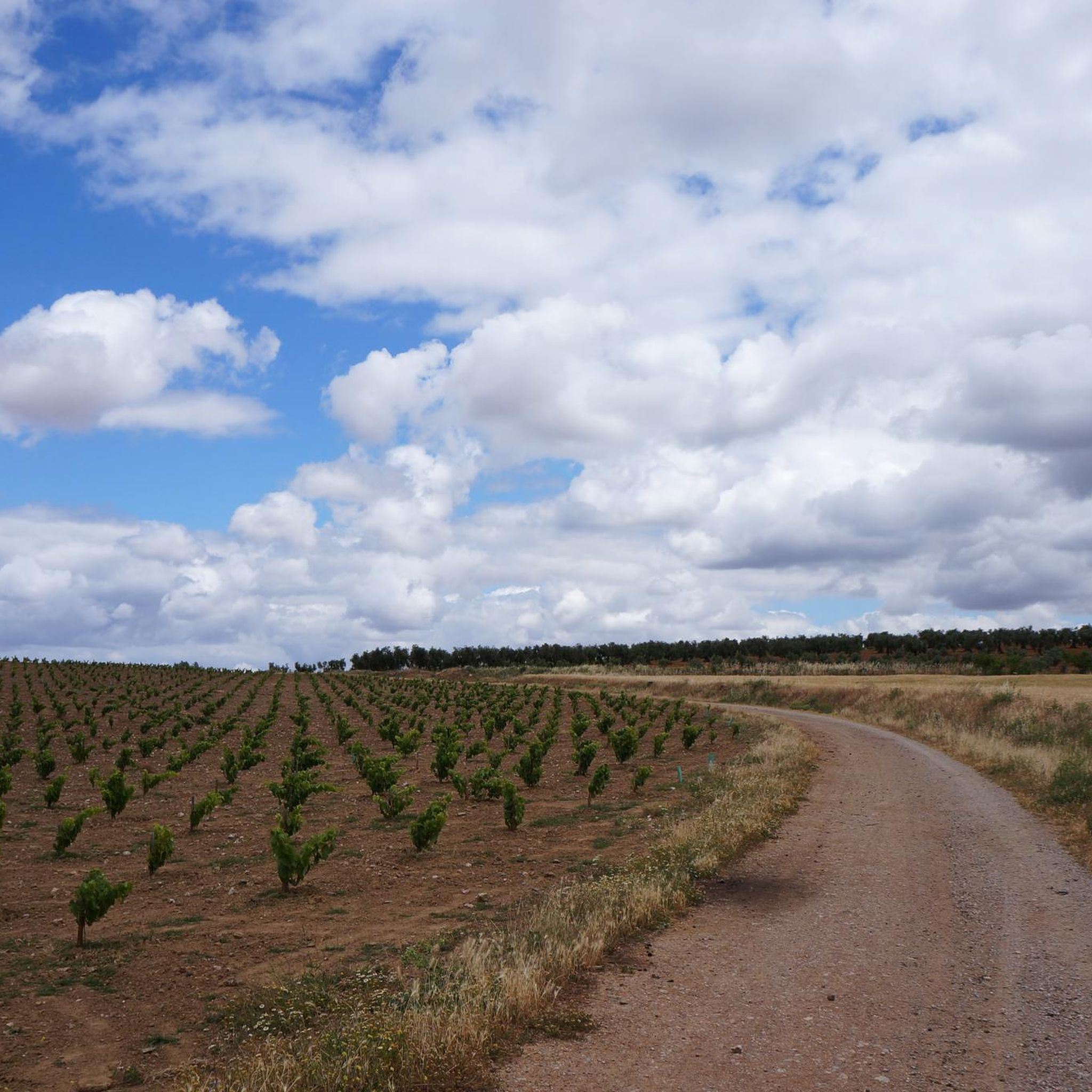
Hiking around Llanos de Olivenza
Running Trails around Llanos de Olivenza
Cycling around Llanos de Olivenza

Gravel biking around Llanos de Olivenza


Tips from the Community

Located at an altitude of approximately 580–611 meters, it offers panoramic views of meadows, olive groves, farmhouses, and the Táliga Valley. It includes huts near the viewpoint and a geodetic vertex marking the highest point. Ideal time to visit: spring (March to May), to enjoy the blooming flowers and mild weather.
2
0

For the Portuguese, Olivenza is Portuguese land, since it was taken by the Spanish during the Napoleonic Wars and should have been returned, but this never happened. Currently, Portugal offers Portuguese nationality to all Olivenza residents who request it and prove they had Portuguese ancestors. Mixed marriages have always existed, and neither the Portuguese nor the Spanish are interested in waging war. This is a lesson for humanity: a disputed territory that unites two brotherly peoples.
2
0
What to see in Olivenza Castle and Keep A 13th-century Templar fortress, later expanded by the Portuguese. The Keep is 36-40 meters tall and offers spectacular views of the historic center. Bastioned Walls and Historic Gates The Alconchel Gate and the Calvary Gate are the most emblematic. Walk along the bastions and discover the star-shaped defensive structure. Manueline Churches Santa María del Castillo: altarpiece of the Tree of Jesse and Portuguese tiles. Santa María Magdalena: spectacular Manueline portal and twisted columns inside. Museums González Santana Ethnographic Museum of Extremadura: local history and traditions. Papercraft Museum: original and intriguing, ideal for a quick visit. Historic Center Cobblestone streets, squares such as Plaza de España and Plaza de la Constitución, and buildings adorned with Portuguese tiles.
4
0
Olivenza is a historical and cultural gem in the province of Badajoz, with a unique blend of Spanish and Portuguese influences. Olivenza was Portuguese for over 500 years (1297-1801) and still preserves bilingual inscriptions and Portuguese architecture. Portugal continues to symbolically claim sovereignty, even though the town is fully integrated into Spain.
4
0

One of these old buildings has been converted into a hotel.
6
0
One of the main borders between Spain and Portugal. You can still see the old buildings used to control road traffic, including goods and people, before the borders were opened.
9
0
Olivença was Portuguese territory until 1801, when it was captured by the Spanish. It should have been returned to Portugal, but that never happened... Fortunately, this is an example that an open border between two countries doesn't always lead to war. For the Portuguese, Olivença remains Portuguese. This is an example for humanity... on both sides live people who only want to raise their children in peace and prosperity...
4
0
The Mirador de la Sierra de Alor is a spectacular place to enjoy panoramic views of the Llanos de Olivenza region. The route to the viewpoint is ideal for hiking and offers several points of interest, such as old bandit huts and the characteristic flora of the area, including the Rose of Alexandria. From the viewpoint, you can admire impressive views of the mountains and the surrounding area, making it a popular destination for nature and photography lovers.😊
9
0
Frequently Asked Questions
What historical sites can I explore in the Llanos de Olivenza region?
The region is rich in history. You can visit the town of Olivenza, known for its 13th-century Templar fortress, bastioned walls, and Manueline churches like Santa María del Castillo and Santa María Magdalena. Another significant site is Castillo de Miraflores in Alconchel, an Arab-origin castle rebuilt by the Templars, which now houses an Interpretation Center. Other notable historical sites include the 14th-century Castillo Fortaleza in Villanueva del Fresno and the Castle of the Seven Towers in Barcarrota.
Where can I find the best panoramic views in Llanos de Olivenza?
For breathtaking panoramic views, head to the Sierra de Alor Viewpoint. This area is a Special Conservation Area, offering impressive vistas of the Llanos de Olivenza region and its ecological value. The route to the viewpoint is also popular for hiking.
Are there family-friendly attractions in Llanos de Olivenza?
Yes, several attractions are suitable for families. The town of Olivenza itself is considered family-friendly, with its historical castle, walls, and museums like the González Santana Ethnographic Museum. The settlement of San Jorge de Alor and Villanueva del Fresno Town Center also offer historical and cultural experiences that can be enjoyed by all ages.
What natural features can I explore in the region?
The Llanos de Olivenza region boasts diverse natural beauty. You can explore the Sierra de Alor, a Special Conservation Area known for its ecological value and unique flora. The vast Alqueva Reservoir, the largest artificial lake in Western Europe, offers opportunities for water sports and tranquil landscapes, including Cheles Beach. The region is also characterized by extensive dehesa landscapes, with cork and holm oaks, important for ornithology. The Alcarrache River Ecological and Biodiversity Corridor is another protected area rich in biodiversity.
What outdoor activities and trails are available near these attractions?
The region offers various outdoor activities. For hiking, you can find easy trails like the 'Castle of Olivença loop' or 'La Charca loop' near Olivenza. Mountain biking enthusiasts can explore routes such as 'Dehesas de Olivenza — circular por el entorno del embalse del lago Alqueva' or 'Sierra de Alor Loop from Olivenza'. There are also running trails, including the 'Sierra de Alor – running circular from Olivenza'. You can find more details on these and other routes in the Easy hikes around Llanos de Olivenza, MTB Trails around Llanos de Olivenza, and Running Trails around Llanos de Olivenza guides.
What is the best time to visit Llanos de Olivenza for outdoor activities?
The best time to visit Llanos de Olivenza for outdoor activities is typically during spring (March to May) and autumn (September to November). During these seasons, the weather is milder and more pleasant for hiking, cycling, and exploring historical sites. Summers can be very hot, making strenuous outdoor activities less comfortable, while winters are generally mild but can be damp.
What is unique about Olivenza's cultural heritage?
Olivenza stands out for its unique blend of Spanish and Portuguese influences. Having been Portuguese for over 500 years, it still preserves bilingual inscriptions, Portuguese architecture, and cultural traditions. The town's Manueline churches, like Santa María de la Magdalena, are prime examples of this fusion, showcasing a rich history of shared heritage.
Are there any significant bridges or ancient structures to see?
Yes, you can visit Ponte da Ajuda / Puente de la Ayuda, an ancient bridge with significant historical importance. This structure is an intermediate historical site and a man-made monument that connects the past between Spain and Portugal.
What kind of trails can I find along the Guadiana River?
You can enjoy the Guadiana Nature Trail, which offers beautiful and picturesque views as it rolls along the flat, dirt path beside the Guadiana River. This trail is ideal for those looking for an intermediate-level walk or cycle with scenic river views.
What do visitors enjoy most about the Sierra de Alor area?
Visitors particularly enjoy the ecological value and well-preserved natural state of the Sierra de Alor. It's a popular spot for its panoramic views, especially from the viewpoint, and for observing unique flora like orchids and the Rose of Alexandria. The area also offers pleasant hiking routes with points of interest like old bandit huts.
Can I find any castles or fortresses beyond Olivenza?
Absolutely. Besides Olivenza's impressive fortress, you can explore Castillo de Miraflores in Alconchel, a Templar stronghold with a powerful keep and dungeons. Higuera de Vargas features El Castillo del Coso, another 13th-century Templar castle. Villanueva del Fresno has a 14th-century Castillo Fortaleza, and Barcarrota is home to the Castle of the Seven Towers.
Are there any specific natural areas for birdwatching or ecological interest?
Yes, the region's dehesa landscapes, particularly the Llanos and Lagunar complex of La Albuera, are recognized as Special Protection Areas for Birds (ZEPAs), making them excellent for ornithology. The Alcarrache River Ecological and Biodiversity Corridor is also a protected area known for its rich biodiversity, offering great opportunities for nature lovers.
What is the significance of the Embalse de Zaos?
Near Higuera de Vargas, the Embalse de Zaos is a popular lake for various outdoor activities. It offers picturesque views and is a favored spot for hiking, cycling, fishing, and canoeing, providing a tranquil natural setting for recreation.
Most popular routes around Llanos de Olivenza

Get inspired with the komoot mobile app


Didn’t find what you were looking for?
Are you keen on exploring more awesome places nearby? Browse our guides:
Explore more
Still not found the Highlight you’re looking for? See guides of the top attractions in other regions:
