The best traffic-free bike rides around Llanos de Olivenza
5.0
(2)
94
riders
4
rides
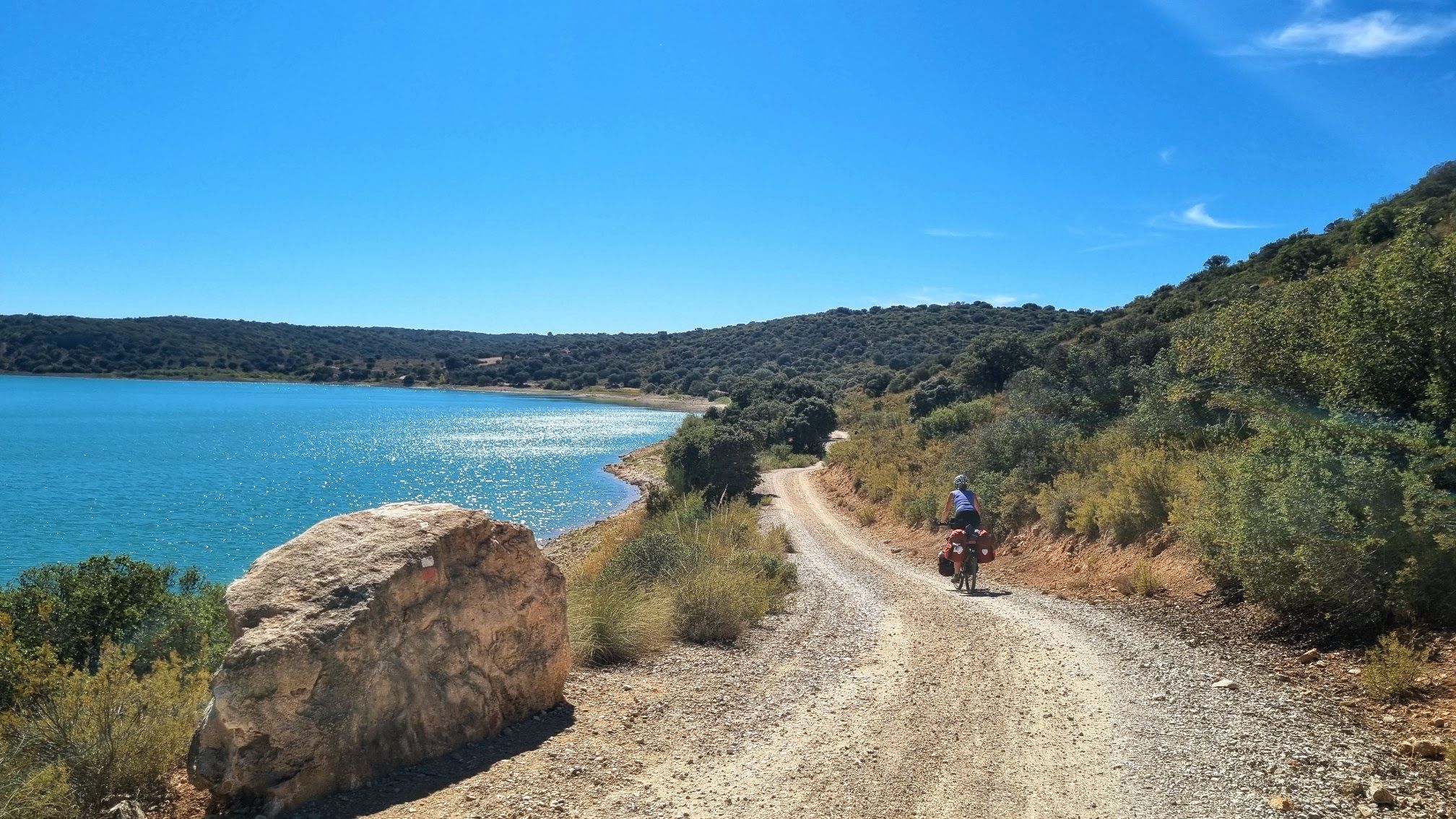
Gravel biking around Llanos de Olivenza offers diverse terrain, from extensive dehesas to river valleys and rolling hills. The region is characterized by a mix of compacted dirt tracks, agricultural roads, and some paved sections, providing a dynamic riding experience. Notable natural features include the Sierra de Alor and the vast Embalse de Alqueva, offering varied elevations and scenic backdrops. This landscape provides an engaging environment for exploring no traffic gravel bike trails.
Best no traffic gravel bike trails around…
Last updated: May 10, 2026
5.0
(1)
13
riders
84.3km
06:04
610m
610m
Hard gravel ride. Very good fitness required. Mostly paved surfaces. Suitable for all skill levels.
2
riders
53.2km
03:31
460m
460m
Hard gravel ride. Very good fitness required. Mostly paved surfaces. Suitable for all skill levels.

Sign up for free
3
riders
57.8km
03:48
430m
430m
Moderate gravel ride. Good fitness required. Mostly paved surfaces. Suitable for all skill levels.
Our route recommendations are based on thousands of hikes, rides, and runs completed by other people on komoot.
Start today with a free account
Your next adventure awaits.
Login or Signup





Tips from the Community

If you decide to explore this route, you'll be surrounded by nature, history, and breathtaking views. Enjoy your hike! 🏞️🚶♂️🥾🚵🌞
2
0

For the Portuguese, Olivenza is Portuguese land, since it was taken by the Spanish during the Napoleonic Wars and should have been returned, but this never happened. Currently, Portugal offers Portuguese nationality to all Olivenza residents who request it and prove they had Portuguese ancestors. Mixed marriages have always existed, and neither the Portuguese nor the Spanish are interested in waging war. This is a lesson for humanity: a disputed territory that unites two brotherly peoples.
2
0
What to see in Olivenza Castle and Keep A 13th-century Templar fortress, later expanded by the Portuguese. The Keep is 36-40 meters tall and offers spectacular views of the historic center. Bastioned Walls and Historic Gates The Alconchel Gate and the Calvary Gate are the most emblematic. Walk along the bastions and discover the star-shaped defensive structure. Manueline Churches Santa María del Castillo: altarpiece of the Tree of Jesse and Portuguese tiles. Santa María Magdalena: spectacular Manueline portal and twisted columns inside. Museums González Santana Ethnographic Museum of Extremadura: local history and traditions. Papercraft Museum: original and intriguing, ideal for a quick visit. Historic Center Cobblestone streets, squares such as Plaza de España and Plaza de la Constitución, and buildings adorned with Portuguese tiles.
4
0
Olivenza is a historical and cultural gem in the province of Badajoz, with a unique blend of Spanish and Portuguese influences. Olivenza was Portuguese for over 500 years (1297-1801) and still preserves bilingual inscriptions and Portuguese architecture. Portugal continues to symbolically claim sovereignty, even though the town is fully integrated into Spain.
4
0
Olivença was Portuguese territory until 1801, when it was captured by the Spanish. It should have been returned to Portugal, but that never happened... Fortunately, this is an example that an open border between two countries doesn't always lead to war. For the Portuguese, Olivença remains Portuguese. This is an example for humanity... on both sides live people who only want to raise their children in peace and prosperity...
4
0

Despite the disagreement between Portugal and Spain over the Olivença Question, the issue has not caused friction in relations between the two Iberian countries. Olivença and the Spanish border municipalities of La Codosera, Alburquerque and Badajoz, and the Portuguese municipalities of Arronches, Campo Maior, Estremoz, Portalegre and Elvas, reached an agreement in 2008 with a view to creating a Euroregion. The Treaty of Alcanizes of 1297 established Olivença as part of Portugal. In 1801, through the Treaty of Badajoz, denounced in 1808 by Portugal, the territory was annexed to Spain. In 1817, Spain recognized Portuguese sovereignty by subscribing to the Congress of Vienna of 1815, committing to the return of the territory as soon as possible. However, to this day, this has not yet happened. Therefore, the boundary markers between the confluence of the Caia River with the Guadiana River and the confluence of the Cuncos River with the Guadiana River, numbered 802 to 89, have yet to be placed.
15
0

Olivenza is a charming town in the province of Badajoz, Extremadura, known for its rich history and its mix of Spanish and Portuguese cultures. In addition, Olivenza is known for its cobblestone streets and white facades, which invite you to stroll and enjoy its calm and cozy atmosphere. 😎🚶♀️🚴🌄
8
0
Frequently Asked Questions
How many no-traffic gravel bike trails are available in Llanos de Olivenza?
There are 4 dedicated no-traffic gravel bike trails in Llanos de Olivenza, offering a variety of experiences for cyclists looking to explore the region's quiet landscapes.
What kind of terrain can I expect on the no-traffic gravel trails in Llanos de Olivenza?
The no-traffic gravel trails in Llanos de Olivenza feature a diverse mix of surfaces, including compacted dirt tracks, agricultural roads, and some paved sections. You'll ride through extensive dehesas (Mediterranean woodlands), along river valleys, and encounter terrain ranging from flat plains and rolling hills to areas with moderate climbs.
Are there any challenging no-traffic gravel routes for experienced riders?
Yes, for experienced riders seeking a challenge, the region offers several difficult no-traffic gravel routes. One such option is the Olivenza – Guadiana Nature Trail loop from San Benito de la Contienda, which covers over 84 km with significant elevation changes.
What natural features can I see along the no-traffic gravel bike trails?
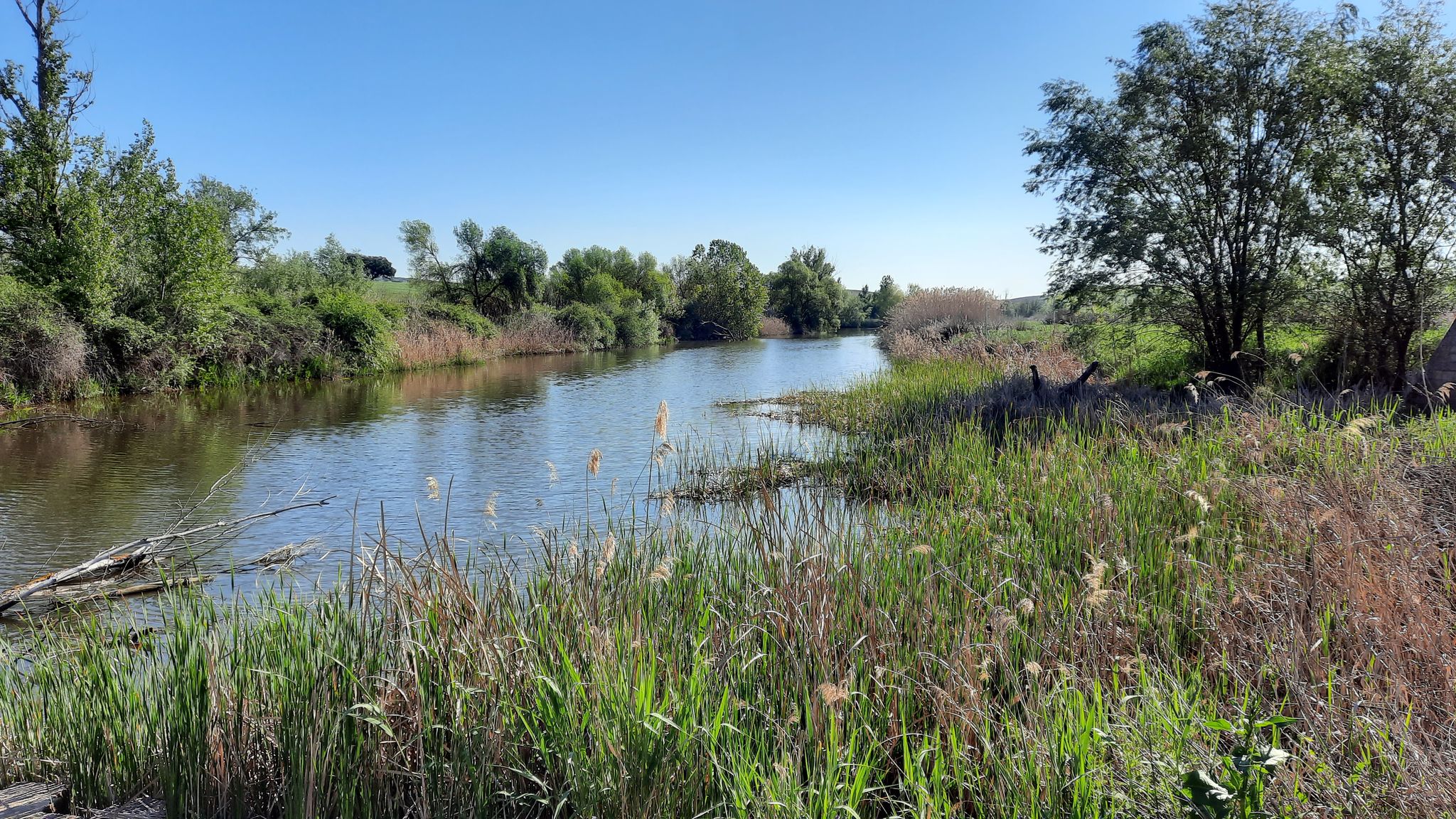
Many trails offer views of the unique dehesas, river valleys, and the vast Embalse de Alqueva, one of Europe's largest artificial lakes. You might also encounter the serene confluence of the Caya and Guadiana Rivers.
Are there any historical landmarks or viewpoints accessible from the no-traffic gravel trails?
Absolutely. You can explore the historic town of Olivenza with its 13th-century Templar fortress. The Sierra de Alor Viewpoint offers panoramic views of the comarca, and the imposing Castillo de Miraflores is another significant historical site in the area.
Are there any circular no-traffic gravel bike routes?
Yes, several routes are designed as loops. For example, the Olivenza – Olivenza loop from San Benito de la Contienda provides a substantial circular ride through the region's quiet landscapes.
What is the best time of year for gravel biking in Llanos de Olivenza?
Spring and autumn are generally the best times for gravel biking in Llanos de Olivenza. The weather is milder, and the natural landscapes, especially the dehesas, are particularly vibrant. Summers can be very hot, making early morning or late afternoon rides preferable if visiting during that season.
What do other gravel bikers enjoy most about the no-traffic trails in Llanos de Olivenza?
The komoot community highly rates the no-traffic gravel trails in Llanos de Olivenza, with an average score of 5.0 stars. Reviewers often praise the tranquility of the routes, the stunning natural scenery of the dehesas and river views, and the sense of immersion in nature away from vehicle traffic.
Is there parking available near the starting points of these gravel trails?
While specific parking details vary by route, many trails start from or pass through towns like Olivenza or San Benito de la Contienda, where public parking is generally available. It's advisable to check the specific tour details on komoot for the most convenient access points.
Are there any family-friendly no-traffic gravel routes in the area?
While the listed routes tend towards moderate to difficult, the region's extensive network of quiet agricultural roads and compacted dirt tracks offers potential for creating shorter, less challenging sections suitable for families. Look for flatter sections away from major climbs for a more relaxed experience.
Most popular routes around Llanos de Olivenza
Most popular attractions around Llanos de Olivenza

Get inspired with the komoot mobile app


Didn’t find what you were looking for?
Check out more Gravel rides throughout Llanos de Olivenza below and find the perfect route in your destination.
Explore more
Browse the best Gravel rides in other regions.
