Attractions and Places To See around Aliste - Top 20
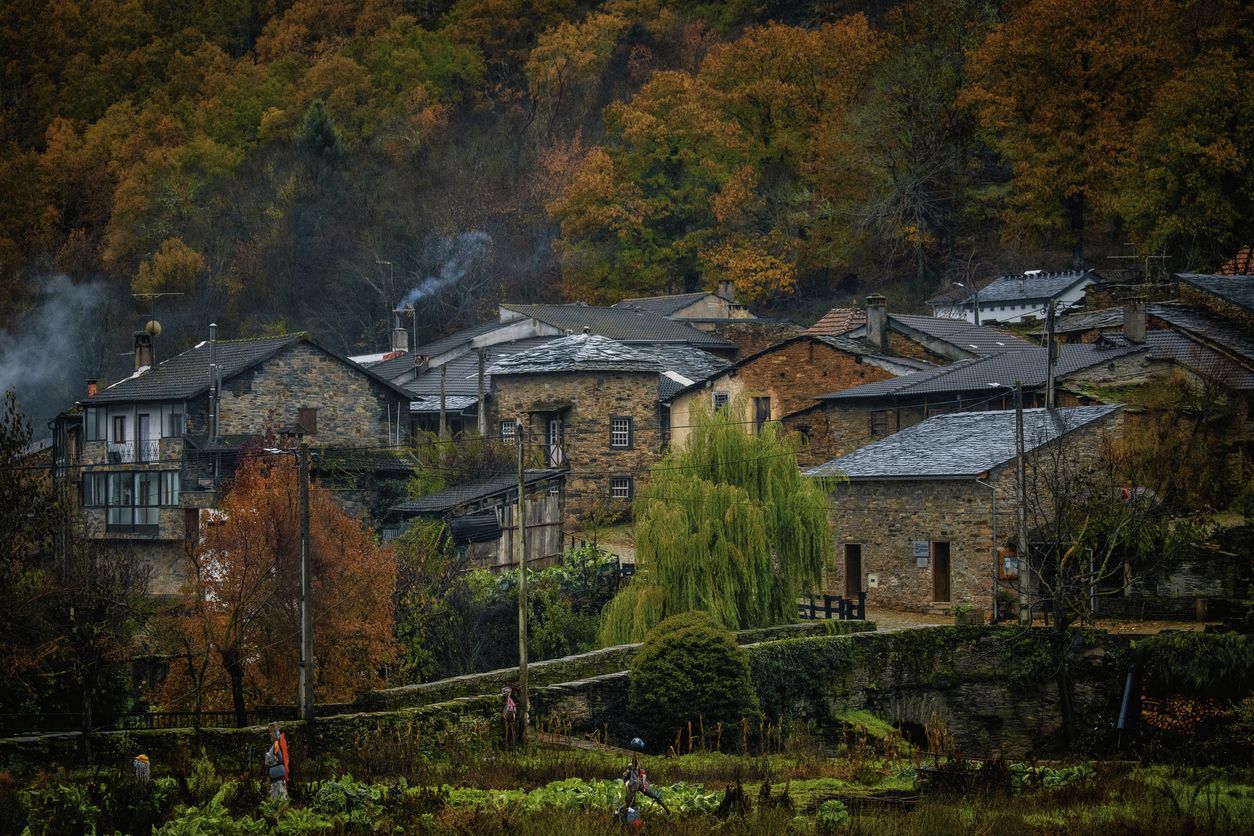
Best attractions and places to see around Aliste offer a blend of natural beauty and historical significance in Spain's Zamora province. The region features diverse landscapes, from the Sierra de la Culebra mountain range to the Aliste River and parts of the Arribes del Duero Natural Park. Its years of isolation have preserved unique traditions and ethnological heritage, evident in its architecture and cultural sites. Aliste provides opportunities to explore historical landmarks, natural features, and cultural insights.
Best attractions and…
Last updated: July 22, 2026
Quintos Bridge Over the Esla River
Highlight • Bridge
Translated by Google •
Tip by

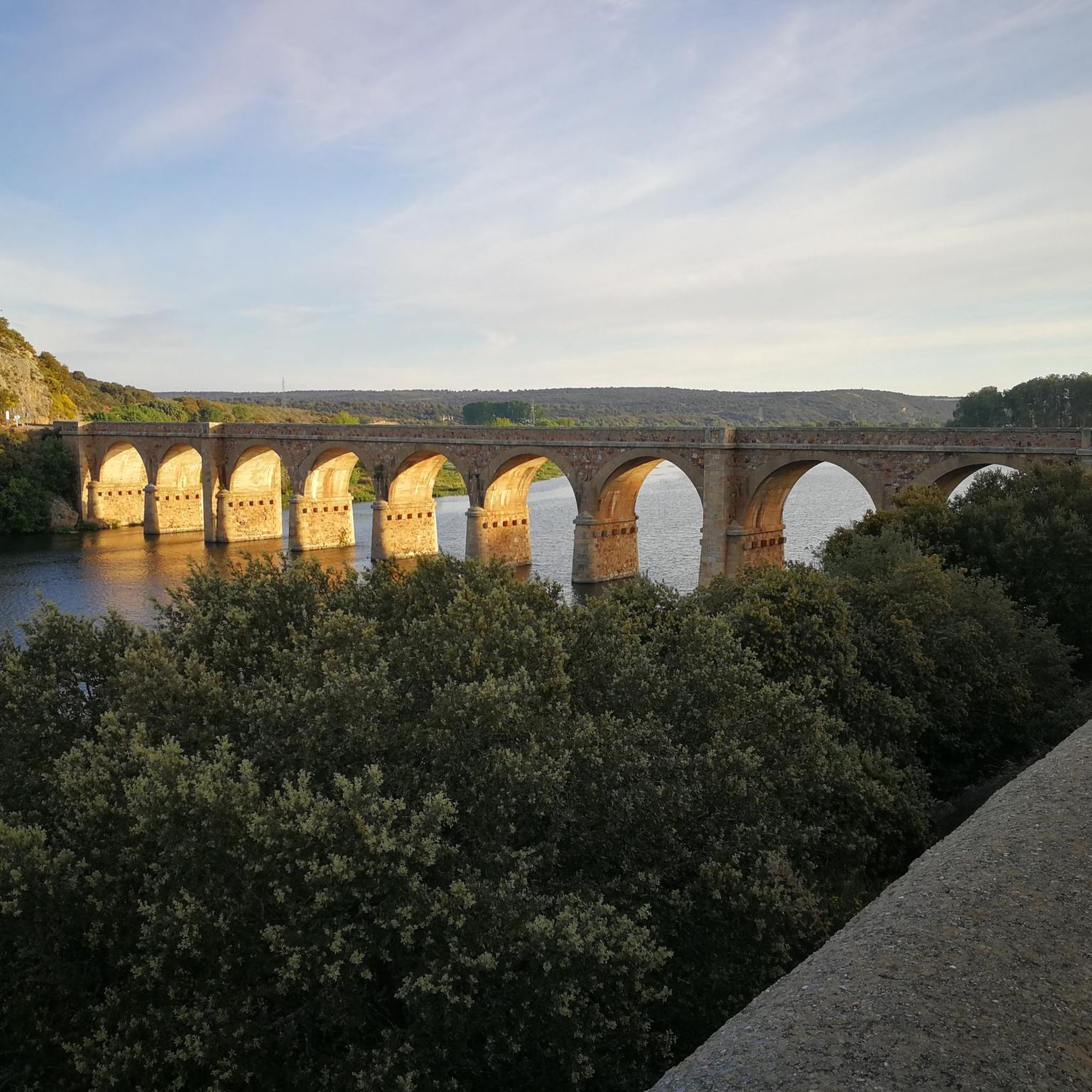
Stone Bridge over the Esla River
Highlight • Bridge
Translated by Google •
Tip by

Sign up now to discover places like this
Get recommendations on the best single tracks, peaks, & plenty of other exciting outdoor places.
Sign up for free
Mozarabic Way Along the Esla River
Highlight • Trail
Translated by Google •
Tip by

Tábara
Highlight • Settlement
Translated by Google •
Tip by
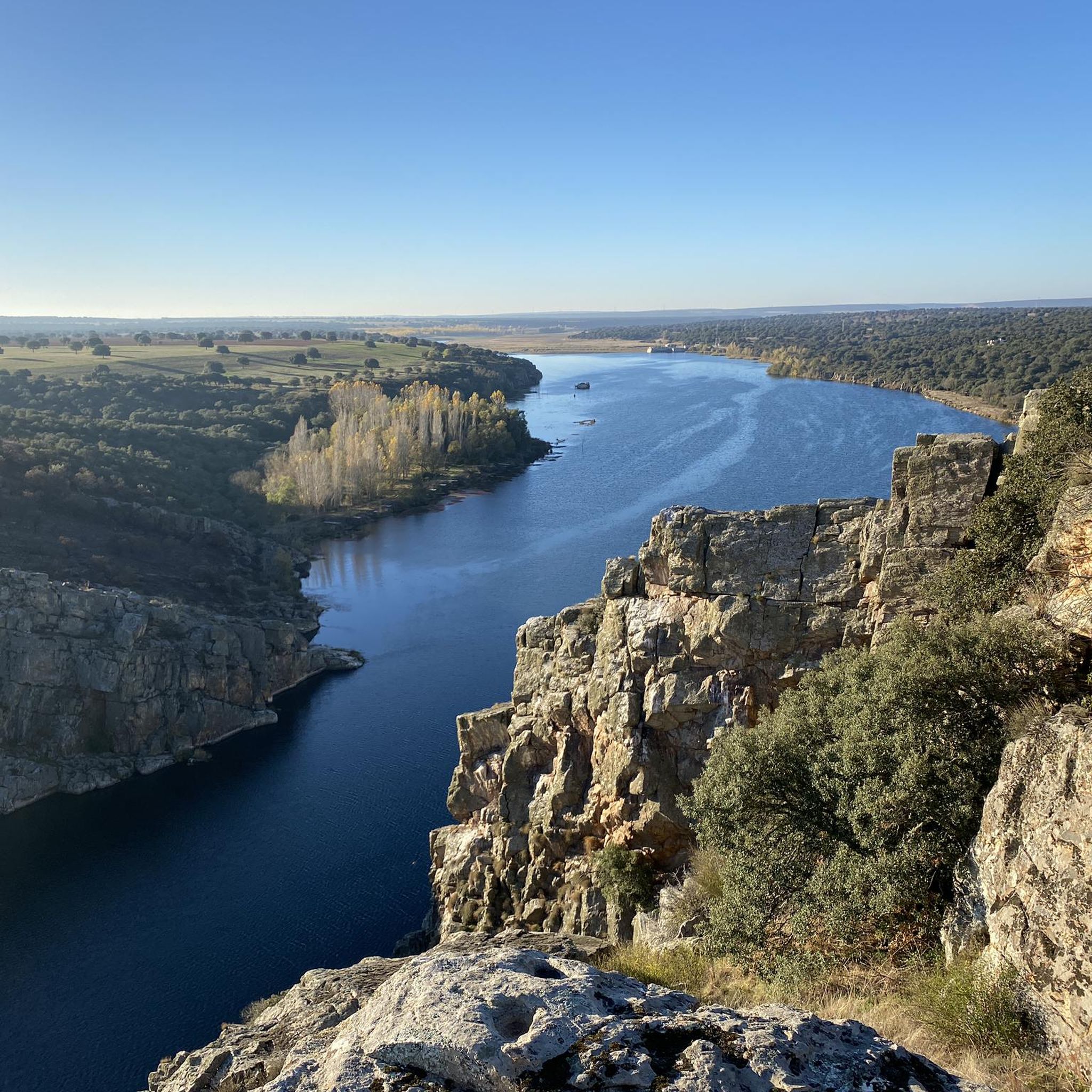
View of the Esla River
Highlight • Viewpoint
Translated by Google •
Tip by
Requejo Bridge
Highlight • Bridge
Translated by Google •
Tip by
Peña Mira Summit
Highlight • Summit
Translated by Google •
Tip by

Molinos de los Tejeros
Highlight • Monument
Translated by Google •
Tip by
Valdoradas Bridge
Highlight • Bridge
Translated by Google •
Tip by
Alba Castle
Highlight • Castle
Translated by Google •
Tip by
Sign up for free to discover even more attractions around Aliste.
Sign up for free
Already have an account?
Start today with a free account
Your next adventure awaits.
Login or Signup
Other adventures around Aliste

Tips from the Community

Tábara is a Spanish municipality of about 830-950 inhabitants located in the province of Zamora, within the autonomous community of Castile and León. This small village stands at an altitude of 749 meters and is the capital of the Tierra de Tábara comarca. It represents a center of great historical-cultural importance, as well as being a fundamental stop for pilgrims traveling the Camino Sanabrésl
1
0

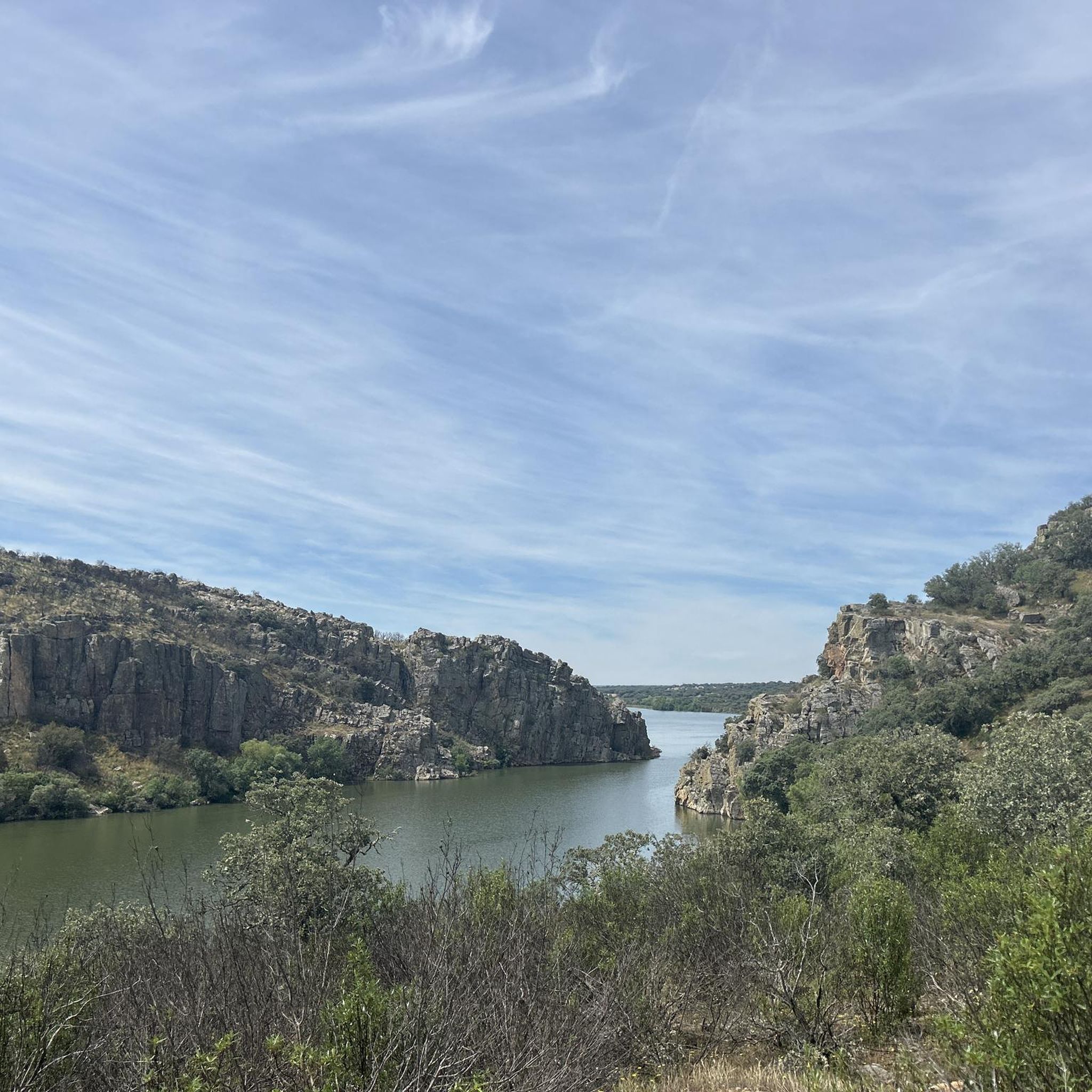
It's located in the heart of the Arribes del Duero Natural Park, an area of great scenic beauty and biodiversity. Things to do nearby: Viewpoints: The viewpoint at the bridge itself and others nearby, such as the one in Villadepera. Hiking trails: Paths through the Arribes, ideal for photography and birdwatching. Charming villages: Villadepera, Pino del Oro, and other towns in the area. From the bridge, you can admire the granite cliffs of the Duero River and the deep riverbed that marks the natural border with Portugal.
2
0
The Requejo Bridge, also known as the Pino Bridge, is a jewel of historical engineering located in Villadepera (Zamora) over the Duero River, within the Arribes del Duero Natural Park. Year of inauguration: 1914. Designed by the engineer José Eugenio Ribera, a pioneer in the use of reinforced concrete in Spain. It was built to connect the Aliste and Sayago regions, facilitating communication between Zamora and Portugal.
2
0

Legend has it that during a flood in the early 20th century, a cart carrying its entire load of wheat was swept away, and the next day it reappeared intact beneath the central arch of the bridge, as if the river had kept it to return it. The locals considered it a miracle and for years left dried ears of wheat among the stones as an offering. Even today, in summer, when the water level drops, some of those ears can still be seen trapped in the cracks of the old wall.
0
0
Tábara, located in the northwest of the province of Zamora (Castilla y León), is a town with a rich medieval history, a stunning natural setting, and a significant cultural heritage. Origins: These date back to the Bronze Age and Roman period. Middle Ages: It was an important monastic center with the Monastery of San Salvador de Tábara, founded by Saint Froilán in the 9th century at the behest of Alfonso III.
10
0
The Molino de los Carbajos is an old mill located in the Aliste region, near Fonfría, in the province of Zamora. This mill is a popular point of interest for hiking and nature lovers. It is located on a marked trail that runs from Brandilanes to Castro, following the white and yellow signs. The Molino de los Carbajos is perfect for a short excursion and to enjoy the natural beauty of Aliste.
5
0

Wonderful view, sure-footedness and good shoes are important. Better not to go when it's raining.
0
1

Spectacular view from the top. Reaching 1,240 meters above sea level, on a clear day you can have a panoramic view of the surrounding landscape.
1
0
Frequently Asked Questions
What natural attractions can I explore in Aliste?
Aliste offers diverse natural beauty. You can visit the Peña Mira Summit in the Sierra de la Culebra, known for its wild Iberian wolf population and magnificent views. The region also features the Aliste River with its green banks, and the southeastern part lies within the scenic Arribes del Duero Natural Park. Don't miss the Fidionda Spring near Grisuela, known for its sulfur waters.
Are there historical sites or cultural landmarks to visit in Aliste?
Yes, Aliste is rich in history and culture. Explore Alcañices, the comarca's capital, with its historic Torre del Reloj and 16th-century church. The region also boasts Romanesque churches, such as the one in Tábara, and the ruins of Alba Castle, once belonging to the Knights Templar. The Requejo Bridge is an engineering marvel within the Arribes del Duero Natural Park.
What kind of outdoor activities can I do near Aliste's attractions?
Aliste is excellent for outdoor enthusiasts. You can find numerous hiking and cycling routes. For hiking, consider the 'Río Esla from Puente Quintos – circular by Camino Mozárabe Sanabrés' or 'The Rivera de los Molinos de Brandilanes — circular from Castro de Alcañices'. Cyclists might enjoy the 'Moreruela Monastery and Castrotorafe Loop'. You can find more options on the hiking and cycling guide pages.
Are there any family-friendly attractions in Aliste?
Many attractions in Aliste are suitable for families. The Stone Bridge over the Esla River offers beautiful views and is a pleasant spot for a family outing. Exploring traditional villages like Santa Cruz de los Cuérragos, known for its unique architecture, can also be an engaging experience for all ages. Gentle walks along the Aliste River or easy hikes like 'Río Esla from Puente Quintos – circular by Camino Mozárabe Sanabrés' are also great options.
Where can I experience the traditional culture of Aliste?
To experience Aliste's traditional culture, visit Santa Cruz de los Cuérragos, recognized as an Ethnological Complex for its well-preserved slate architecture. The region also maintains rich traditions, including festivals where pork is prepared, and the notable Holy Week in Bercianos. You can also observe traditional architecture like corrals and unique building styles throughout the comarca.
What are some unique historical structures in the Aliste region?
Beyond the castles and churches, Aliste features unique historical structures like the Quintos Bridge Over the Esla River, an impressive masonry stone bridge built in 1920. The Requejo Bridge, built in 1914, is another significant engineering marvel. You can also find numerous traditional watermills along the Aliste River, some still operational, and the abandoned railway station La Torre de Aliste.
Can I spot wildlife in Aliste?
Yes, Aliste is an excellent place for wildlife spotting, particularly in the Sierra de la Culebra. This mountain range is renowned for having one of the largest populations of wild Iberian wolves in the Iberian Peninsula. Keep an eye out for other local fauna while exploring the natural areas.
Are there easy hiking trails suitable for beginners or families in Aliste?
Absolutely. For easy hikes, consider the 'Río Esla from Puente Quintos – circular by Camino Mozárabe Sanabrés' which follows a section of the Jacobean route. Another accessible option is 'Abelón's Waterfalls and San Vicente Hermitage Viewpoint - circular from Abelón'. You can find more easy routes on the easy hikes guide page.
What is the local cuisine like in Aliste?
Aliste is known for its delicious local food, especially "Ternera de Aliste" (Aliste veal), which has a Protected Geographical Indication. Specialties include veal chops and sweetbreads. Pork also plays a significant role in the cuisine, particularly during traditional festivals. The region's rich flora also supports excellent honey production.
What is the significance of the Castro de El Cerco in Sejas de Aliste?
The Castro de El Cerco in Sejas de Aliste is an important archaeological site, declared a cultural interest asset. It provides insights into the way of life of early village communities from the Iron Age to Roman times, showcasing evidence of defensive structures and metallurgical activity. It's a fascinating glimpse into the region's ancient past.
Are there any unique architectural features in Aliste?
Beyond the Romanesque churches, Aliste is characterized by its traditional architecture. You'll find structures like corrals for livestock and unique building styles featuring large eaves and slate steps. The village of Santa Cruz de los Cuérragos is particularly noted for its well-preserved traditional slate construction.
What is the best way to experience the Aliste River?
The Aliste River flows through the heart of the region, its banks adorned with abundant green plants, oak trees, and bushes. You can experience it by following trails that run alongside it, such as sections of the Mozarabic Way Along the Esla River, which offers views of the river landscape. Many traditional watermills can also be found along its course.
Most popular attractions around Aliste

Get inspired with the komoot mobile app


Didn’t find what you were looking for?
Are you keen on exploring more awesome places nearby? Browse our guides:
Explore more
Still not found the Highlight you’re looking for? See guides of the top attractions in other regions:
