Attractions and Places To See around Costera - Top 20
Best attractions and places to see around Costera include a variety of historical sites, religious buildings, and natural viewpoints, primarily located in the Cantabria region of Spain. This area features well-preserved medieval towns, significant architectural landmarks, and coastal trails offering views of the sea and mountains. The landscape combines cultural heritage with natural beauty, providing diverse exploration opportunities.
Best attractions and places to see around Costera
- The most popular attractions is Santillana del Mar Historic Town Centre, a historical…
Last updated: September 26, 2026
Santillana del Mar Historic Town Centre
Highlight • Historical Site
Translated by Google •
Tip by

Historic center of Comillas
Highlight • Historical Site
Translated by Google •
Tip by

Sign up now to discover places like this
Get recommendations on the best single tracks, peaks, & plenty of other exciting outdoor places.
Descent to Faro del Caballo (700 Steps)
Highlight (Segment) • Trail
Translated by Google •
Tip by

San Vicente de la Barquera
Highlight • Settlement
Translated by Google •
Tip by

Collegiate Church of Santa Juliana (Colegiata de Santa Juliana)
Highlight • Religious Site
Translated by Google •
Tip by
Church of Saint Christopher
Highlight • Religious Site
Translated by Google •
Tip by

Cathedral of Our Lady of the Assumption (Santander)
Highlight • Religious Site
Translated by Google •
Tip by
Devil's Eye
Highlight • Natural Monument
Getting …
Translated by Google •
Tip by

Cabo Mayor Lighthouse
Highlight • Monument
Nearby there is a restaurant that is very popular among Santander residents for midday meals.
Translated by Google •
Tip by

Monument to the Raqueros
Highlight • Monument
Translated by Google •
Tip by

Sign up for free to discover even more attractions around Costera.
Already have an account?
Start today with a free account
Your next adventure awaits.
Popular around Costera
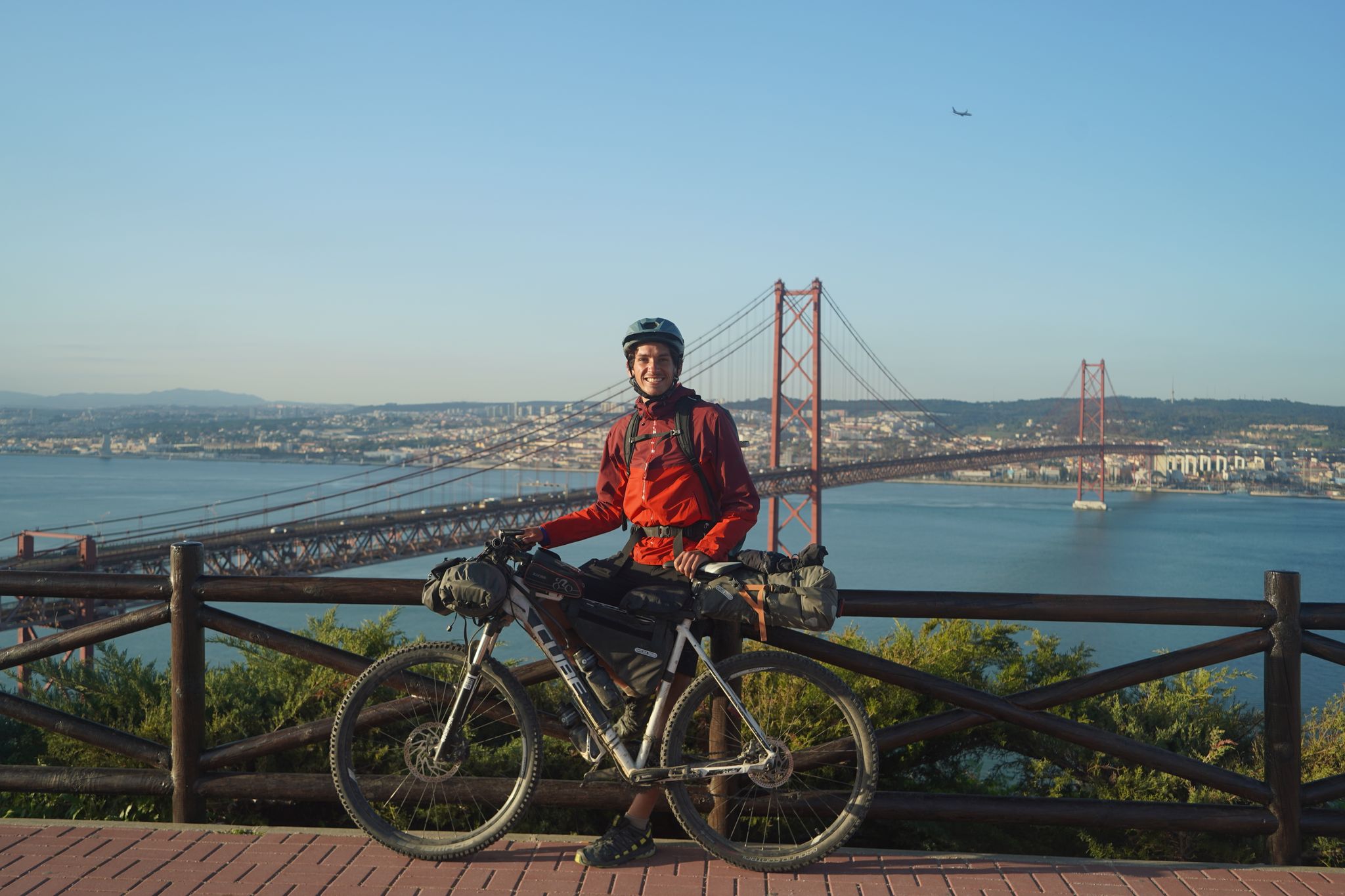
Road to Lisbon – bikepacking the Alps, Pyrenees and Picos de Europa
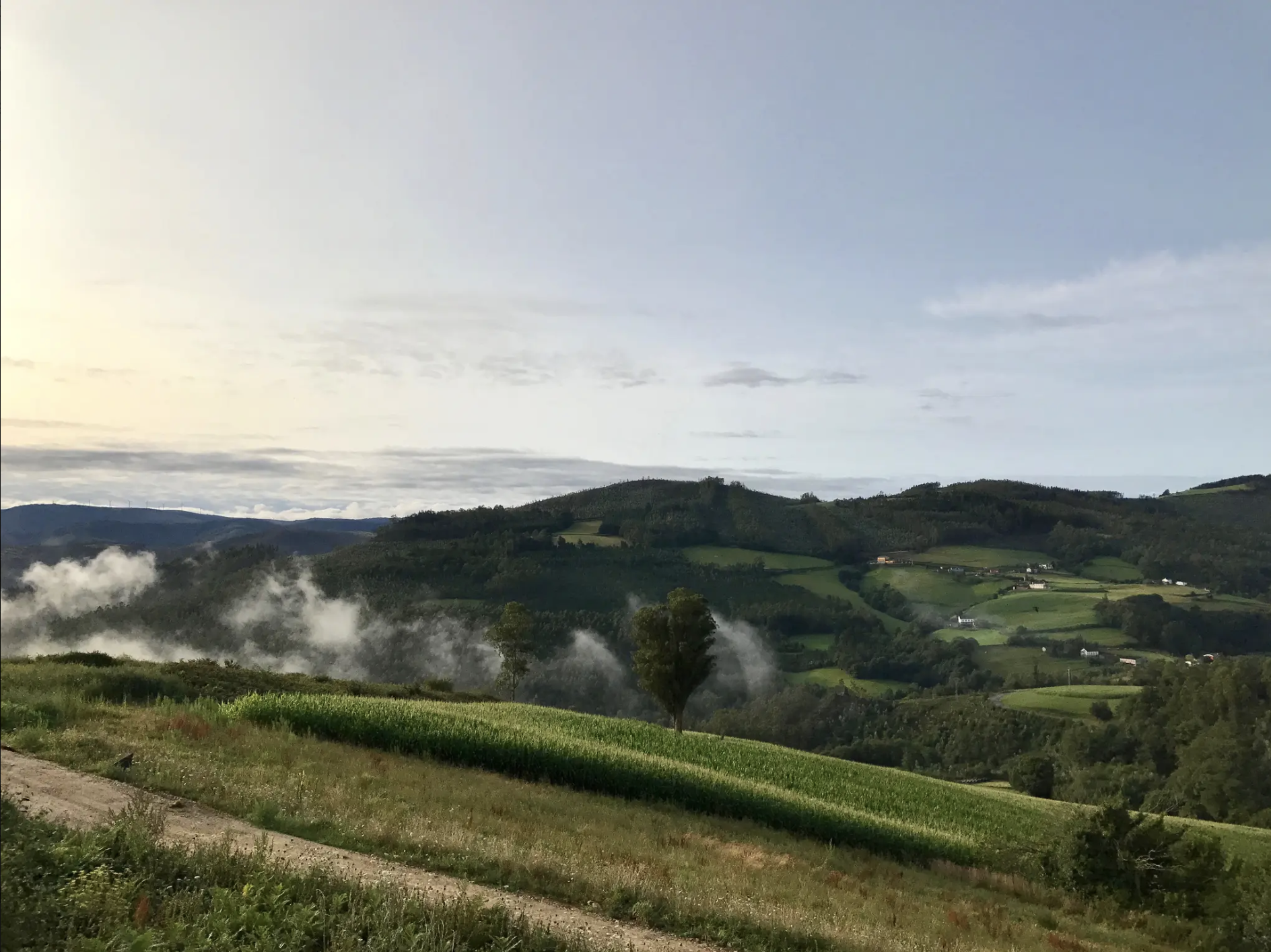
Camino del Norte (in reverse) – Discovering northern Spain's stunning coastline
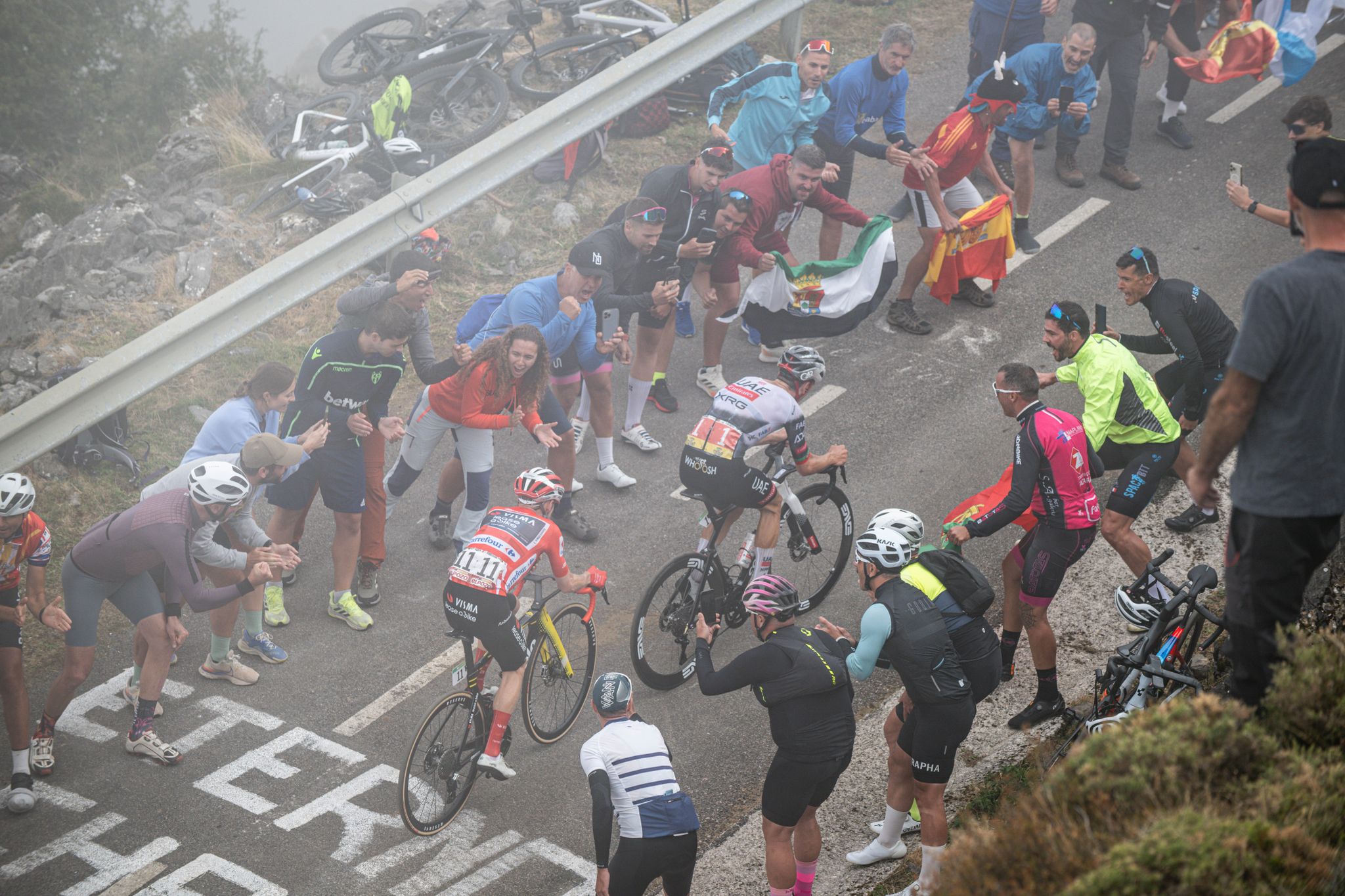
Mythical Passes and Sections of La Vuelta
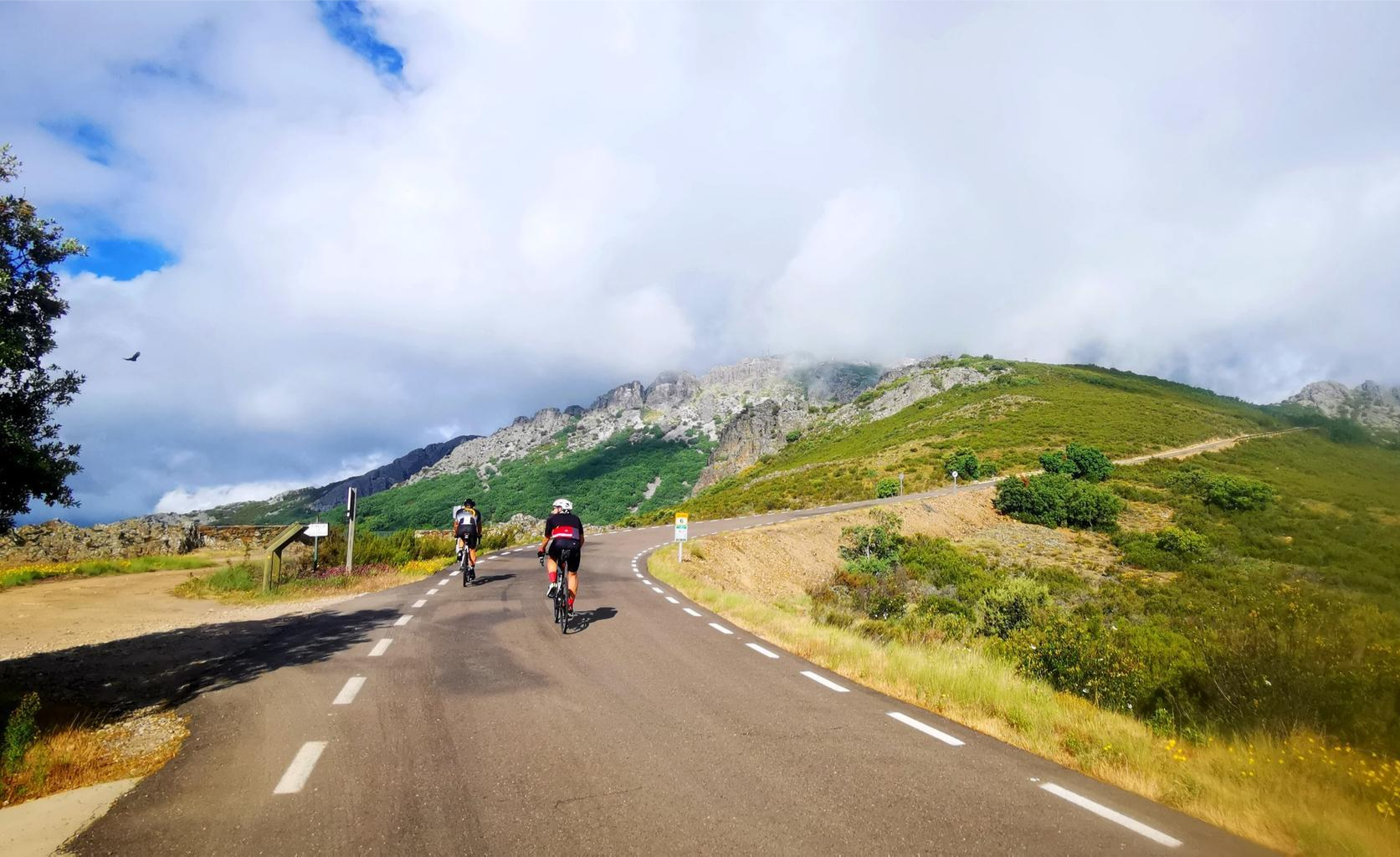
Legendary climbs - Ports of La Vuelta a España
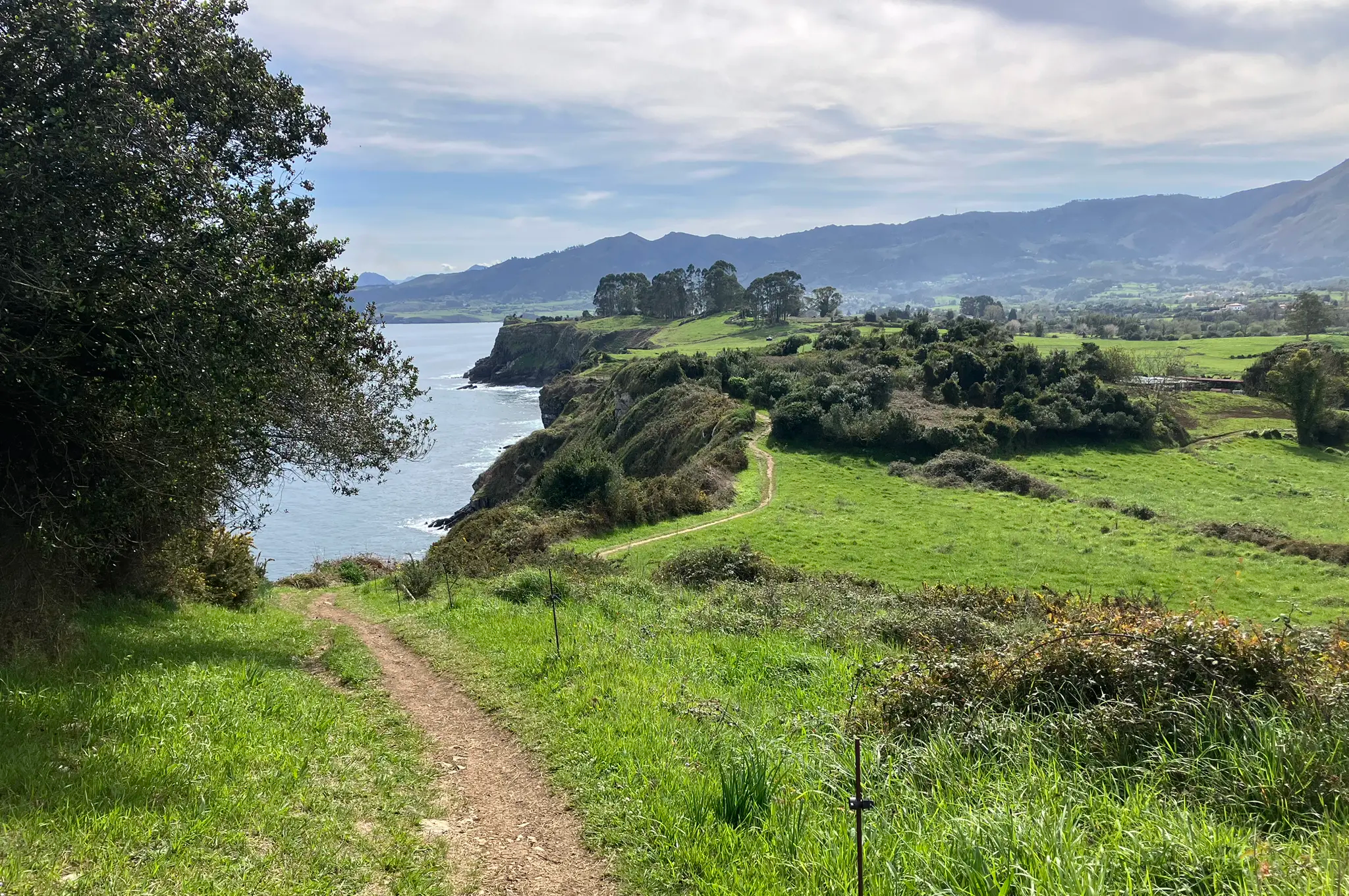
Green, Blue and Gold - Coastal Path through Asturias (GR 204)
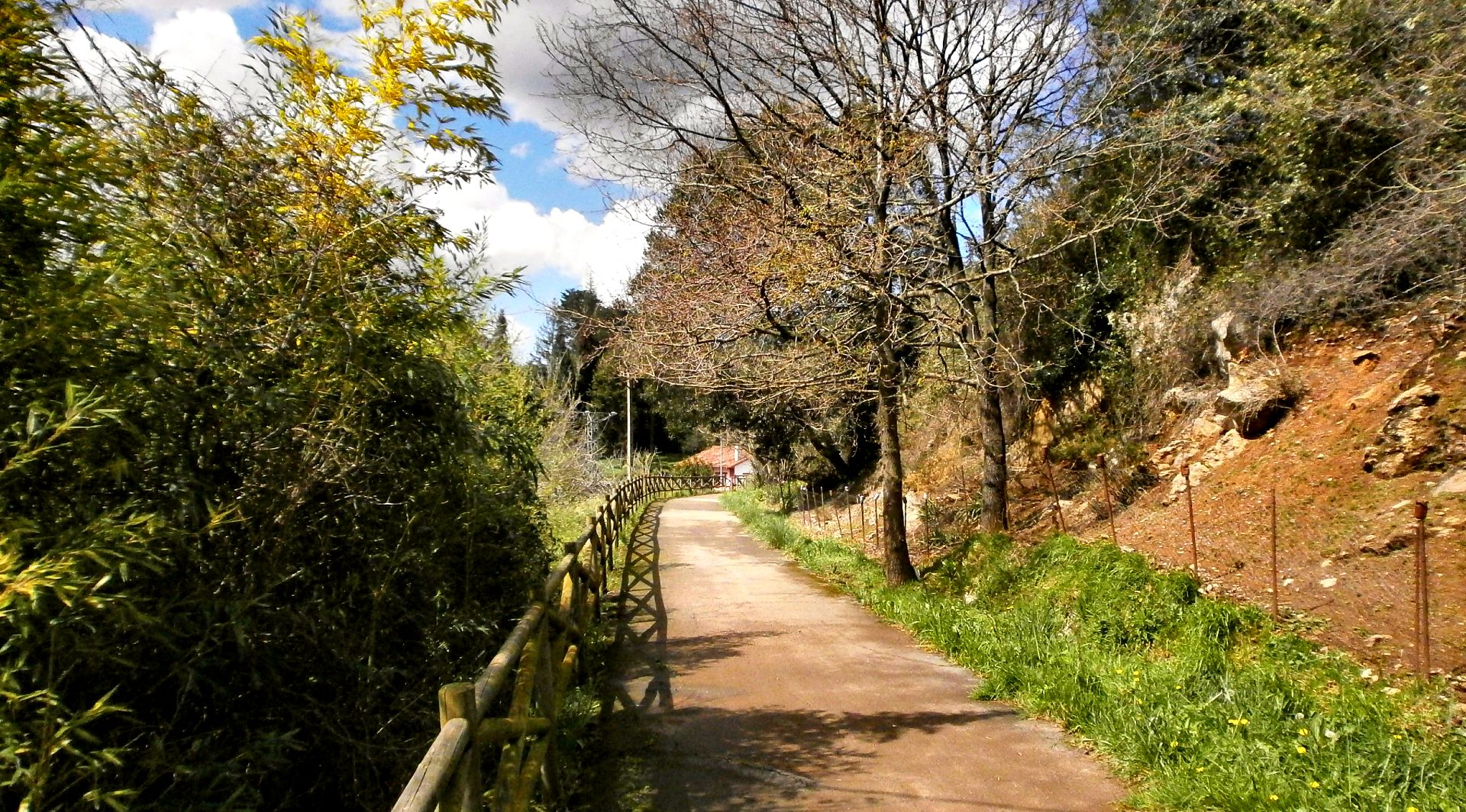
Vía Verde del Pas - Along the Riverbank through Cantabria
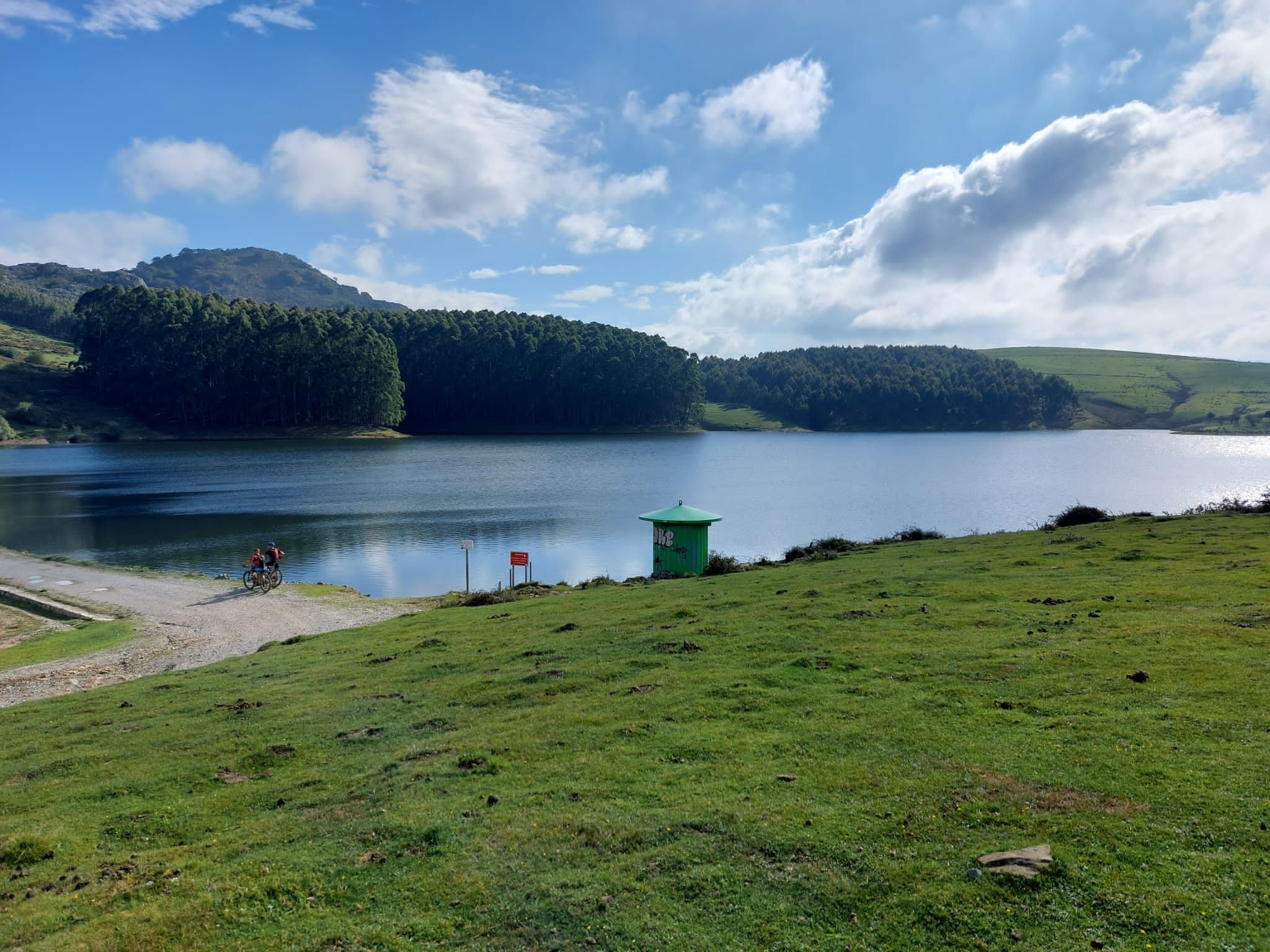
Cycle between land and sea in northern Spain – Pedales de Cantabria
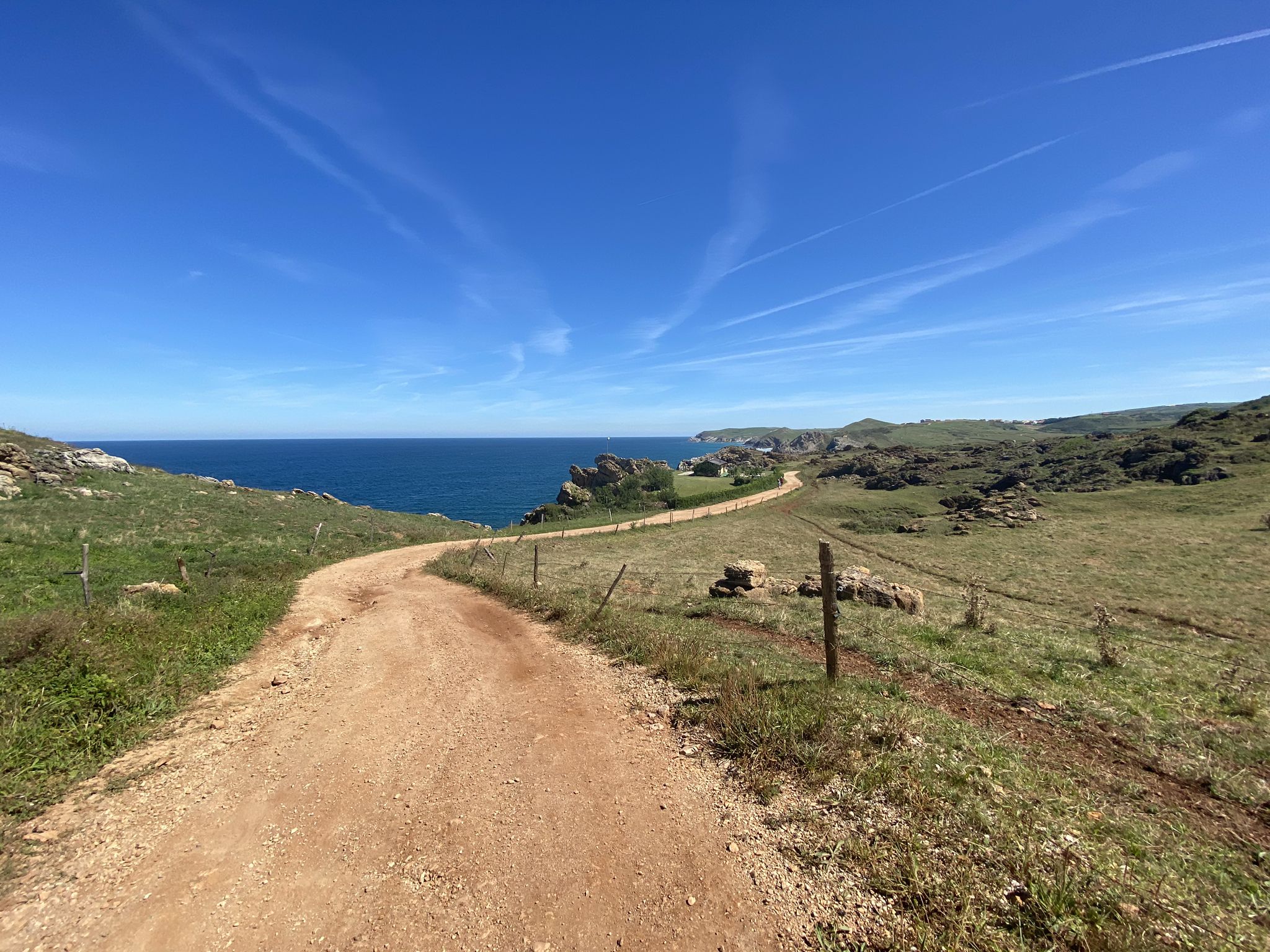
Paths and waves – surf trip by bike in Cantabria
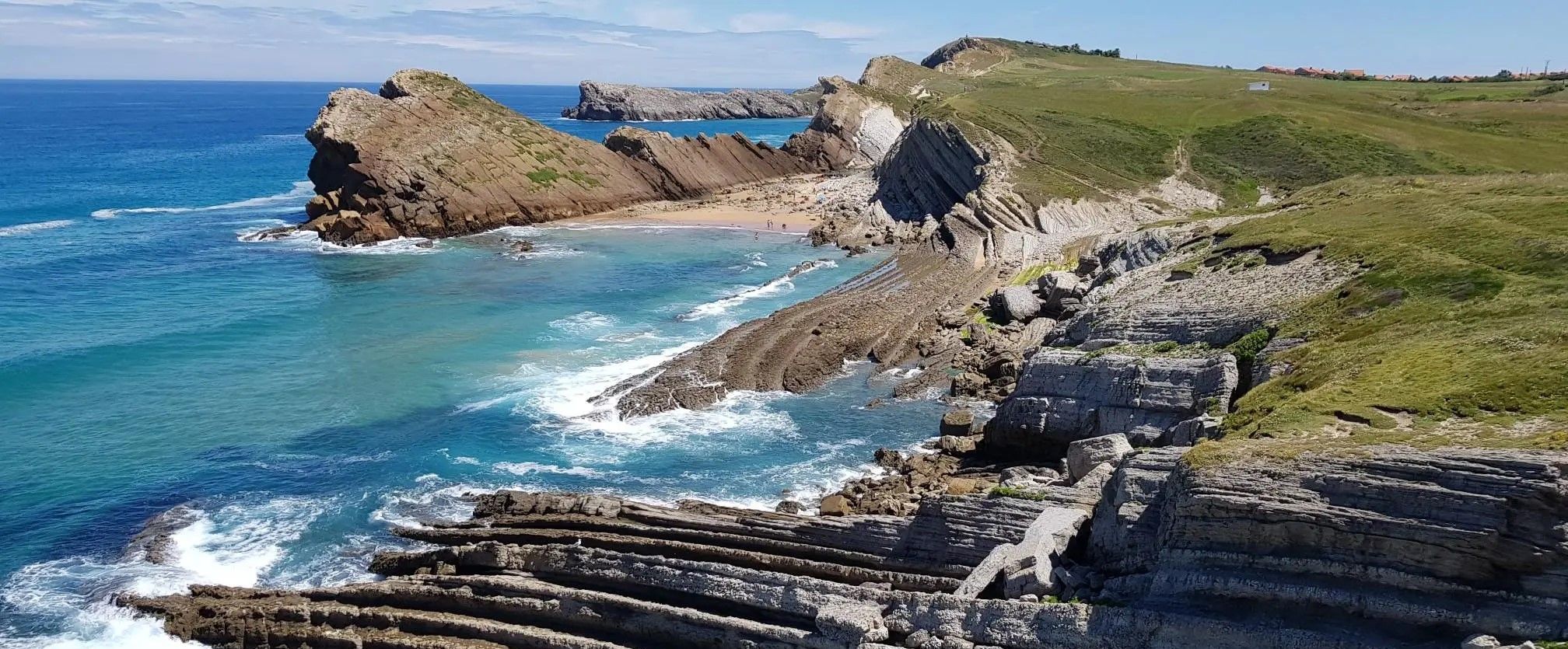
Water everywhere — Amazing routes near Santander
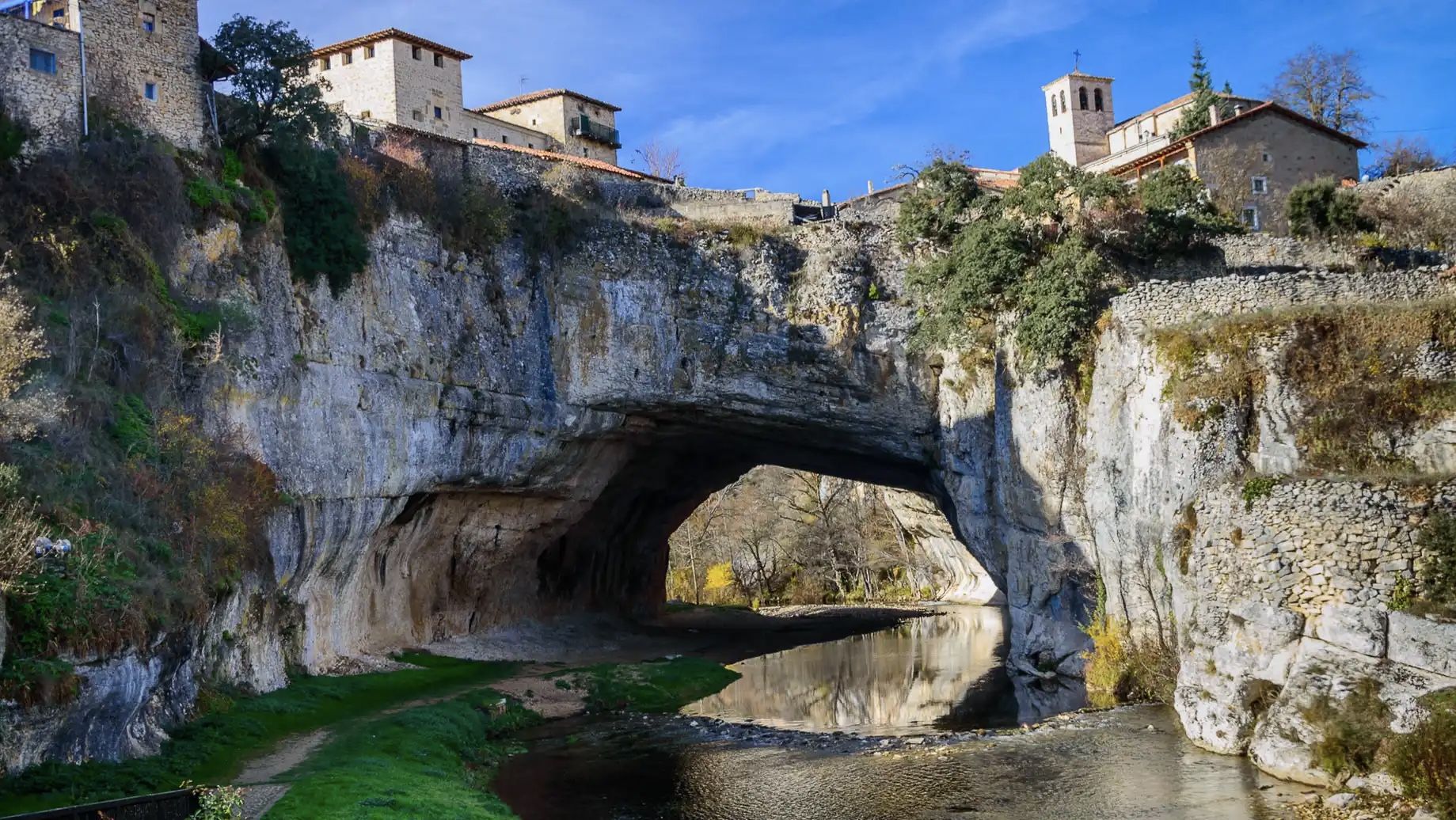
An epic getaway – Santander-Mediterráneo Nature Trail
Other adventures around Costera


Tips from the Community

The view through the devil's eye onto the coast at Sonabia is breathtakingly beautiful and rewards the strenuous journey here. The stone arch can be reached either via the coastal path between Sonabia and Villanueva or, less spectacularly, through the mountains to the south from a parking lot near the A8. An absolute postcard motif!
0
0

We gladly visit this simply furnished cathedral again today, just like in 2019 on our first Camino. You can get the pilgrim stamp downstairs in the lower church (parish stamp) and all the way down to the left in the pilgrim office (cathedral stamp).
0
0

I like it much more on the inside than on the outside.
0
0
In a privileged place in the port.
0
0

In the square there are many cafes that invite you to linger.
0
0

Unfortunately, the Romanesque Collegiate Church is closed on April 26th - Monday - there are also no opening hours.🤔
0
0
Whenever I walk through Santander I stop by here.
2
0

Frequently Asked Questions
What historical sites can I explore in Costera?
The Costera region in Cantabria, Spain, is rich in history. You can visit the Santillana del Mar Historic Town Centre, known for its well-preserved medieval architecture and the Colegiata de Santillana del Mar. Another notable site is the Historic center of Comillas, featuring late historicism and early modernism architecture, including the Palacio de Sobrellano. The town of San Vicente de la Barquera also offers historical charm with its castle and bridge.
Are there any significant religious buildings to visit?
Yes, Costera features several important religious sites. The Collegiate Church of Santa Juliana in Santillana del Mar is a prominent example. You can also visit the San Pedro Church of Oreña, which offers spectacular views of the Picos de Europa and is located next to the Camino de Santiago. In Santander, the Cathedral of Our Lady of the Assumption is another significant religious landmark.
Where can I find natural viewpoints or scenic spots in Costera?
For breathtaking views, head to the Cabo Mayor Lighthouse, which not only offers panoramic coastal views but also houses exhibitions about lighthouses. The Devil's Eye is a natural monument and viewpoint, offering a challenging yet rewarding experience. Additionally, the San Pedro Church of Oreña provides excellent vistas of the Picos de Europa.
Are there family-friendly attractions around Costera?
Many attractions in Costera are suitable for families. The Santillana del Mar Historic Town Centre and the Historic center of Comillas are great for exploring charming streets and historical architecture. The town of San Vicente de la Barquera, with its beach and historical sites, is also a good option for families. The Cabo Mayor Lighthouse offers an interesting visit for all ages.
What outdoor activities are available near Costera's attractions?
The Costera region offers a variety of outdoor activities. You can find numerous routes for mountain biking, gravel biking, and hiking. For challenging MTB trails, explore options like 'Alto la Mina – circular desde Castro Urdiales' or 'Parque Natural de las Dunas de Liencres y playa de La Arnía'. Gravel biking enthusiasts can try routes such as 'Alto de LA-1 (395 m) – Oriñón Bay loop from Castro-Urdiales'. For hiking, consider waterfall hikes like 'Lamiña Waterfalls - circular from Barcenillas'. You can find more details and routes in the MTB Trails around Costera, Gravel biking around Costera, and Waterfall hikes around Costera guides.
Are there challenging trails or natural attractions for experienced adventurers?
Yes, for those seeking a challenge, the Descent to Faro del Caballo (700 Steps) is a demanding but rewarding experience. It involves descending and ascending 700 steps to reach a beautiful spot with fantastic views and the possibility of a swim. This trail requires good physical preparation, suitable footwear, and plenty of water. The Devil's Eye, a natural monument and cave, also presents a challenging visit.
What do visitors enjoy most about the attractions in Costera?
Visitors frequently praise the historical legacy and natural beauty of the region. The well-preserved village centers, such as Santillana del Mar, are highly appreciated for their cultural richness. The spectacular views from places like Faro del Caballo and San Pedro Church of Oreña are also a major draw. The unique architecture in towns like Comillas is often highlighted as a must-see.
Can I find beaches or coastal areas near these attractions?
Absolutely. The Costera region is known for its coastal beauty. The town of San Vicente de la Barquera offers a lovely beach experience. The Cabo Mayor Lighthouse provides stunning views of the coastline, and the descent to Faro del Caballo can lead to opportunities for swimming on the cliffs of Mount Buciero.
What kind of architecture can I expect to see in Costera's historic towns?
The historic towns in Costera showcase a blend of architectural styles reflecting their rich past. In Santillana del Mar, you'll find centuries-old architecture, including the Romanesque Colegiata. Comillas is particularly noted for its architecture of late historicism and early modernism, with prominent examples like the Palacio de Sobrellano and buildings by Joan Martorell and Lluís Domènech i Montaner, including early works by Antoni Gaudí.
Are there any specific hiking trails for different difficulty levels?
Yes, the region offers hiking trails for various skill levels. For moderate waterfall hikes, consider 'Lamiña Waterfalls - circular from Barcenillas' or 'Parque Natural de los Collados del Asón – circular by the Camino del Val del Asón'. An easier option is 'Churrón de Borleña via the La Llana stream path'. For a more challenging experience, the Descent to Faro del Caballo (700 Steps) is a difficult trail with significant elevation changes. You can explore more options in the Waterfall hikes around Costera guide.
Is there an absolute driving ban in any of the historic centers?
Yes, in the Santillana del Mar Historic Town Centre, there is an absolute driving ban in the entire old town. Visitors should plan to park outside and explore the village center on foot to fully appreciate its well-preserved historical charm.
Most popular routes around Costera
Most popular attractions around Costera

Get inspired with the komoot mobile app


Didn’t find what you were looking for?
Are you keen on exploring more awesome places nearby? Browse our guides:
Explore more
Still not found the Highlight you’re looking for? See guides of the top attractions in other regions:
