The best walks and hikes around Tarrant Keyneston
4.6
(568)
4,423
hikers
247
hikes
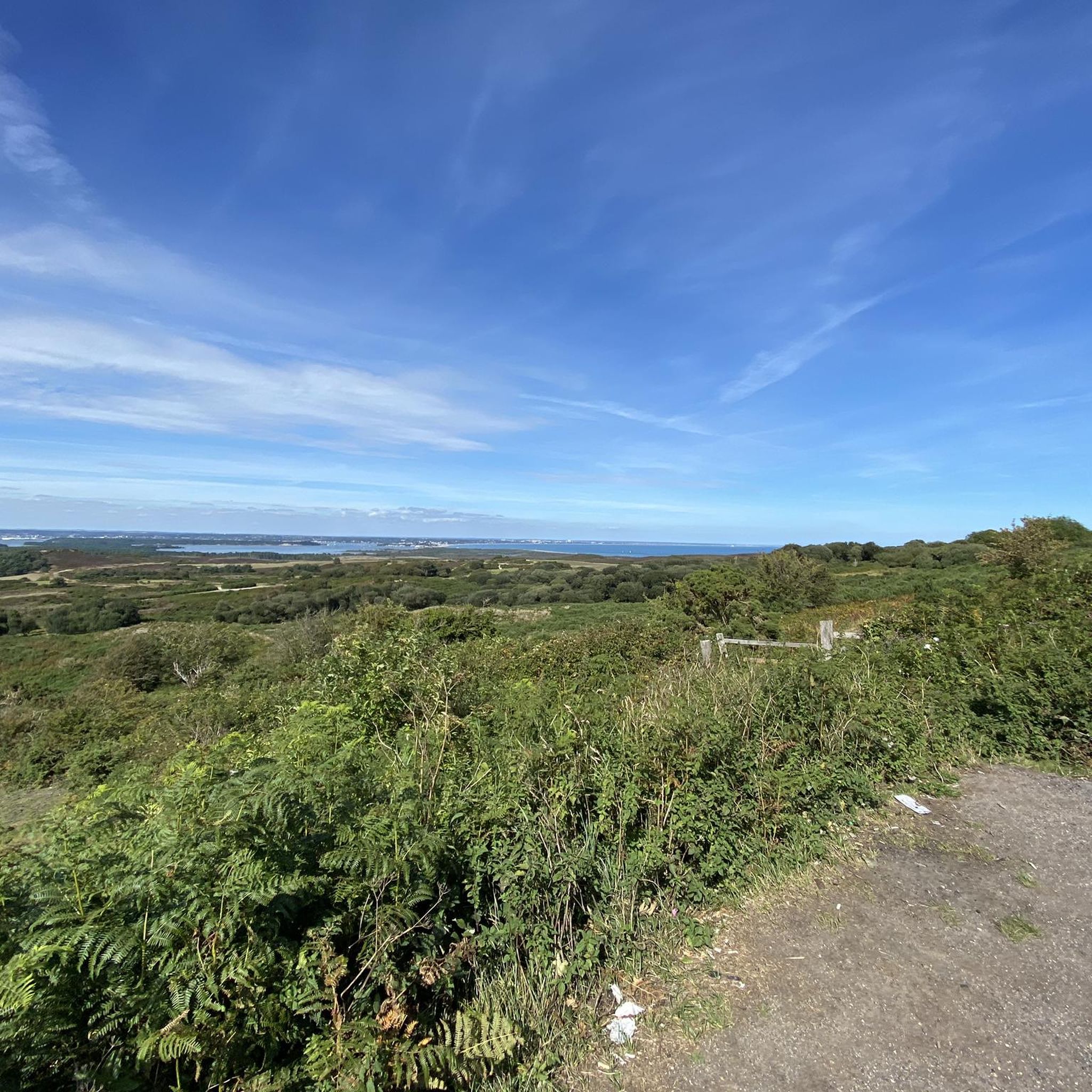
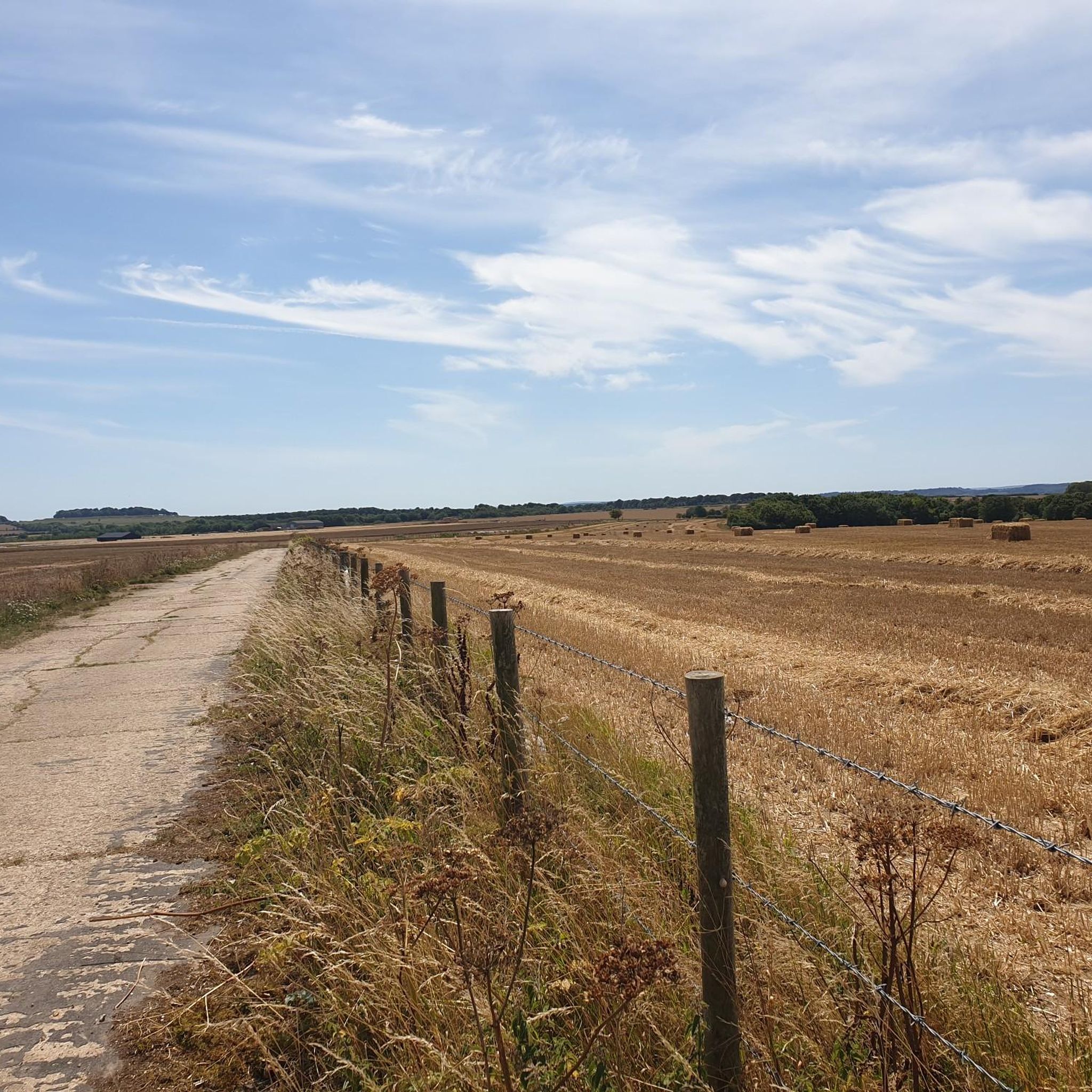
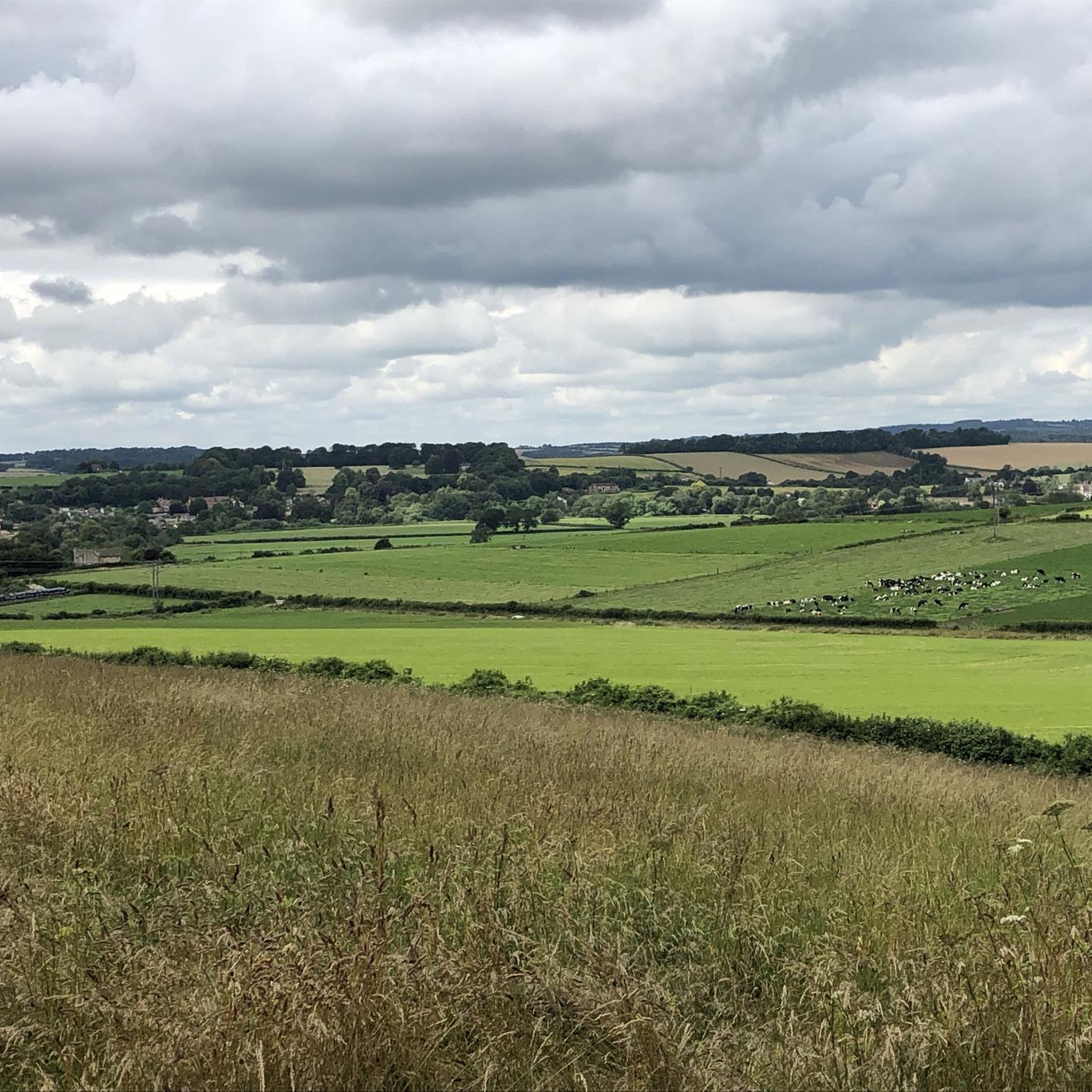
Hiking around Tarrant Keyneston offers exploration of the Tarrant Valley, characterized by undulating chalk downland, smooth hills, and distinctive dry valleys. The region is largely encompassed by the Cranborne Chase and West Wiltshire Downs Area of Outstanding Natural Beauty (AONB), providing a protected environment. Hikers can experience diverse landscapes, from the seasonal River Tarrant to ancient woodlands like Ashley Wood Nature Reserve.
Best hiking trails around Tarrant Keyneston
- The most popular hiking route is The "Oh No" Bridge – Spetisbury…
Last updated: May 12, 2026
4.8
(13)
63
hikers
5.74km
01:31
50m
50m
Easy hike. Great for any fitness level. Easily-accessible paths. Suitable for all skill levels.
4.9
(7)
39
hikers
11.5km
03:00
80m
80m
Moderate hike. Good fitness required. Easily-accessible paths. Suitable for all skill levels.

Sign up for free
3.0
(1)
16
hikers
Easy hike. Great for any fitness level. Easily-accessible paths. Suitable for all skill levels.
13
hikers
6.21km
01:37
40m
40m
Easy hike. Great for any fitness level. Easily-accessible paths. Suitable for all skill levels.
5.0
(1)
11
hikers
Easy hike. Great for any fitness level. Easily-accessible paths. Suitable for all skill levels.
Get access to more routes and recommendations from other explorers.
Sign up for free
Already have an account?
Our route recommendations are based on thousands of hikes, rides, and runs completed by other people on komoot.
Start today with a free account
Your next adventure awaits.
Login or Signup

Tips from the Community

I expect it makes a great crossing and cuts off a HUGE diversion along a main road. Typical council neglecting their duites to repair this bridge.
0
0
The stretch of the old Somerset & Dorset Joint Railway (S&DJR) line at Spetisbury and Blandford area provides a tangible connection to the past and is a key part of the modern landscape. This crucial cross-country route connected the English Channel at Poole/Bournemouth with the Bristol Channel and Bath, allowing direct passenger and freight services from the Midlands and the North to the South Coast. Track Doubling: While initially a single track, the line at Spetisbury was upgraded to double track around 1901. This required the construction of the second platform (the 'Up' platform) and a signal box to manage the crossover points. Down Line: Trains travelling towards Bailey Gate, Wimborne, and Bournemouth used the Down platform (the original platform). Up Line: Trains travelling towards Blandford, Templecombe, and Bath (Green Park) used the Up platform (the new platform). The Scenery: The line through Spetisbury was known for its gentler curves and gradients compared to the difficult northern section over the Mendip Hills, allowing for fast running. It offered picturesque views over the River Stour Valley, which you can still enjoy today. Closure: The tracks at Spetisbury saw their final passenger services (the main S&D line closure) in March 1966. The rails were lifted a few years later in 1970.
0
0
The North Dorset Trailway Connection Today, Spetisbury Station is a popular access point for the North Dorset Trailway. Trailhead: The section of the Trailway running from Spetisbury north to Sturminster Newton, largely following the old railway bed, is a well-maintained, traffic-free path for walking, cycling, and riding. Visitor Stop: The former station site makes a perfect place to stop, rest, and picnic while exploring the Trailway, offering fine views over the Stour Valley. It's a wonderful example of local history being preserved and repurposed for community and recreation!
0
0
The Spetisbury Station Project Unlike the bridge at Blandford, which remains a preserved structure, the Spetisbury station site is being actively restored by volunteers. The Project: The Spetisbury Station Project Group was formed in 2012 by dedicated volunteers to clear and preserve the abandoned site. What You Can See: While the original station buildings were demolished shortly after the 1956 closure, the project has cleared the site to reveal the foundations of the station buildings, the booking office, and the signal box. Ambience: The site is now a peaceful, landscaped green space featuring picnic areas, benches, and information boards. Volunteers have added replica signage and restored the platforms to recreate the atmosphere of the former country station. Wildlife Haven: The site is also managed to be a haven for local wildlife, with features like a wildlife pond, bat boxes, and specific flower borders.
0
0
The Railway and Closure Original Line: Spetisbury Station was located on the Somerset & Dorset Joint Railway (S&DJR), which connected Bath to Bournemouth. Opening: It originally opened on November 1, 1860, as part of the Dorset Central Railway's line from Wimborne to Blandford. It initially had a single platform. Double Track: Around 1901, the line was doubled through the station, and a second platform and a signal box were added to handle the increased traffic. Downgrade: Like many rural stations seeking to cut costs, it was downgraded to an unstaffed "halt" in 1934. Passenger Closure: The station closed completely to passengers on September 17, 1956, one of the early closures on the S&D line. Line Closure: Although the station itself was closed, the main S&DJR line through the site continued to operate passenger services until the whole route closed in March 1966. Goods traffic ceased in 1969, and the track was lifted in 1970.
0
0
Historical Interpretation: This find has led archaeologists to suggest the site was a "war cemetery," possibly victims of a major attack, perhaps by the invading Roman army around the time of the conquest in the 1st century AD. It parallels a similar, highly significant discovery made at the much larger Maiden Castle hillfort. Today, the site is a popular spot for walkers, and the summit of the ramparts is marked by an Ordnance Survey trig point which offers excellent views of the surrounding area.
0
0
Spetisbury Rings, also historically known as Crawford Castle, is a significant Iron Age hillfort and Scheduled Monument in Dorset, England. It is one of a chain of important Iron Age earthworks in the area, which also includes sites like Hod Hill and Badbury Rings. The "War Cemetery" Discovery Spetisbury Rings is perhaps most famous for an important and somewhat dramatic archaeological discovery made during the construction of the railway line in 1857-1858. Mass Graves: Workers found two mass graves within the ditch fill on the north-eastern side. The discoveries amounted to over 100 skeletons in total (at least 80 in the first find, and a further 40 the following year). Violent End: Evidence on the remains indicated a violent end for some of the individuals; at least two skulls were perforated, and a spearhead was found still embedded in one of them. Burial Goods: Grave goods found alongside the skeletons included: Weapons (spear heads, an iron sword) Personal ornaments (brooches, finger rings, a torque) Other objects (a copper alloy cauldron, pottery, bone needles, a comb).
0
0
The trig point at Spetisbury Rings is a distinctive feature located on the summit of the ancient Iron Age hillfort, offering excellent panoramic views of the surrounding Dorset countryside and the Stour Valley. Location: The trig point is situated on the highest point of Spetisbury Rings (also historically known as Crawford Castle), an Iron Age hillfort just south of the village of Spetisbury, Dorset. Purpose: A trigonometrical station (or "trig point") is a concrete pillar used by the Ordnance Survey (OS) for the triangulation of Great Britain. They mark a point of high elevation and visibility, which is why they are often found on the summits of hills and mountains. Elevation: The hillfort's summit, where the trig point is located, reaches an elevation of approximately 81 metres (266 feet) above sea level.
0
0
Frequently Asked Questions
How many hiking trails are available around Tarrant Keyneston?
There are over 250 hiking routes available around Tarrant Keyneston, offering a wide variety of options for different skill levels and interests. You'll find everything from easy strolls to more challenging hikes through the diverse landscape.
What makes hiking in Tarrant Keyneston unique?
Hiking in Tarrant Keyneston offers a unique blend of natural beauty and historical intrigue. The area is largely within the Cranborne Chase and West Wiltshire Downs Area of Outstanding Natural Beauty (AONB), featuring undulating chalk downland, the distinctive Tarrant Valley with its seasonal chalk stream, and ancient woodlands. You can also explore Iron Age earthworks and follow sections of a former railway line.
Are there easy hiking routes suitable for beginners in Tarrant Keyneston?
Yes, Tarrant Keyneston has plenty of easy hiking routes perfect for beginners or those looking for a relaxed walk. Over 130 routes are classified as easy. For example, the The "Oh No" Bridge – Spetisbury Station loop from Spetisbury is an easy 3.6-mile trail that follows sections of the North Dorset Trailway.
What kind of terrain can I expect on hikes around Tarrant Keyneston?
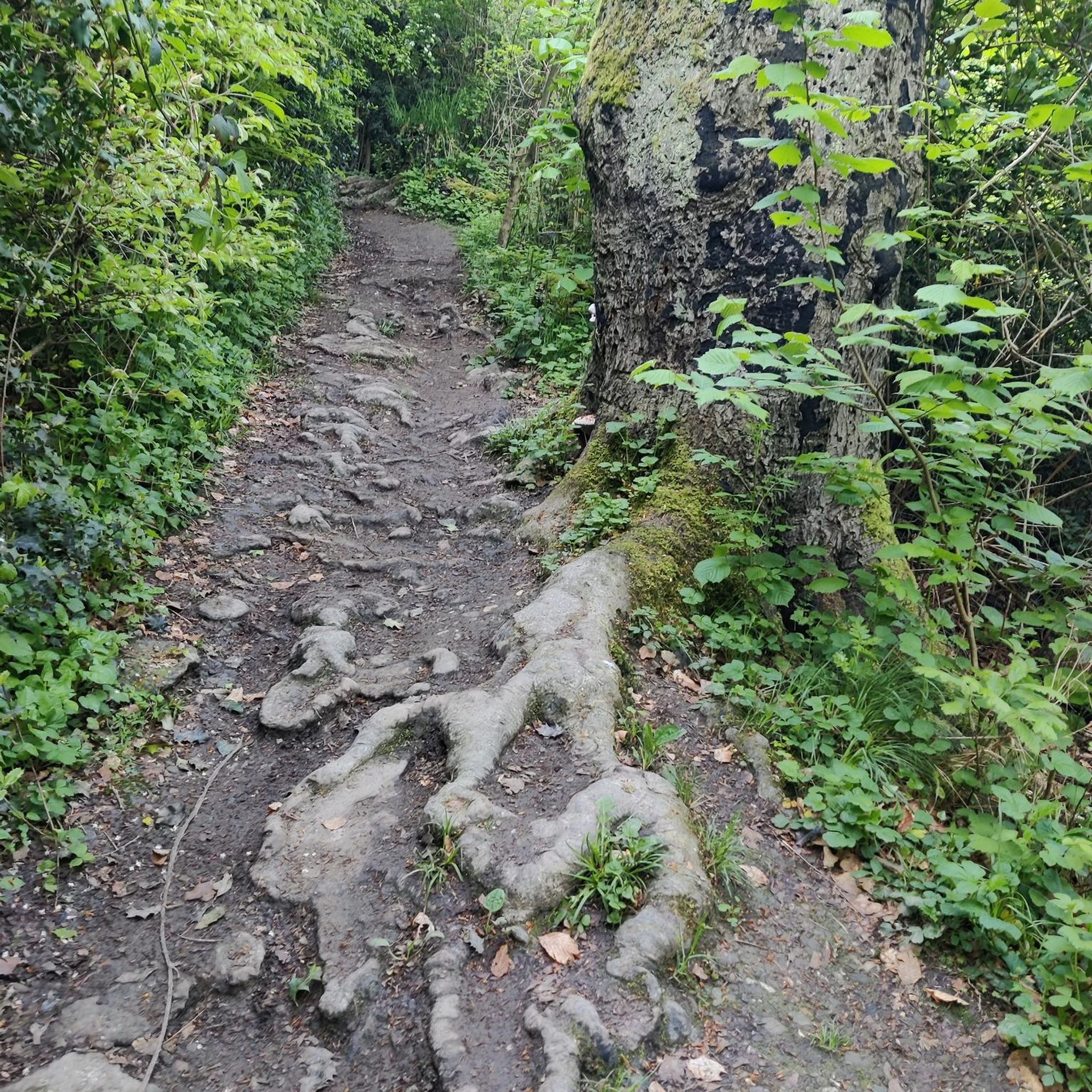
You can expect varied terrain, primarily characterized by chalk downland, smooth hills, and the Tarrant Valley's distinctive dry valleys. Many paths follow well-maintained routes like the Trailway, while others venture into ancient woodlands or across open fields. The underlying chalk geology generally provides good drainage.
Are there family-friendly hiking options in Tarrant Keyneston?
Absolutely. Many of the easier routes are suitable for families. The former railway line, now known as The Trailway, offers a well-maintained, traffic-free path that is ideal for walks with children. Exploring natural areas like Ashley Wood Nature Reserve, especially during bluebell season, can also be a delightful family activity.
Can I bring my dog on the hiking trails around Tarrant Keyneston?
Yes, dogs are generally welcome on the hiking trails around Tarrant Keyneston. As much of the area is within an AONB and agricultural land, it's important to keep dogs under close control, especially near livestock, and to follow the Countryside Code. Always carry bags to clean up after your pet.
Are there circular walks available in the Tarrant Keyneston area?
Yes, many of the routes around Tarrant Keyneston are designed as circular walks, allowing you to start and end at the same point. An example is the North Dorset Trailway loop from Spetisbury, which is an easy 3.8-mile circular route.
Where can I find natural features or viewpoints on hikes near Tarrant Keyneston?
The region is rich in natural features and viewpoints. You can explore the seasonal River Tarrant in the valley or visit Bluebell Woodland in Ashley Wood Nature Reserve, which is particularly vibrant in spring. For panoramic views, consider hikes that ascend to Iron Age hillforts like Badbury Rings Iron Age hillfort or Hambledon Hill Iron Age hill fort.
Are there any historical sites to explore while hiking?
Tarrant Keyneston and its surroundings are dotted with historical sites. You can hike to Iron Age earthworks such as Buzbury Rings, Spetisbury Rings, and Badbury Rings Iron Age hillfort, which offer glimpses into ancient history. The North Dorset Trailway itself is a historical feature, being a former railway line.
What do other hikers enjoy the most about hiking in Tarrant Keyneston?
The area is highly rated by the komoot community, with an average score of 4.6 stars from over 500 reviews. Hikers often praise the peaceful Tarrant Valley, the well-maintained sections of the Trailway, and the opportunity to combine natural beauty with historical exploration. The diverse landscapes, from chalk downland to ancient woodlands, are frequently highlighted.
Is there public transport access to the hiking trails around Tarrant Keyneston?
While Tarrant Keyneston is a small village, some hiking routes, particularly those along The Trailway, can be accessed from nearby points like Spetisbury Station (now a wildlife haven). However, direct public transport to the village itself might be limited, so checking local bus schedules for connections to larger towns like Blandford Forum is advisable.
Are there any cafes or pubs near the hiking routes for refreshments?
Tarrant Keyneston and the surrounding villages offer local pubs and cafes where you can find refreshments. It's a good idea to check opening times in advance, especially in smaller villages, to plan your stops along your hike.
What is the best time of year to go hiking in Tarrant Keyneston?
Tarrant Keyneston offers enjoyable hiking year-round, but each season has its charm. Spring is beautiful with bluebells in woodlands like Ashley Wood Nature Reserve. Summer provides pleasant conditions for longer walks. Autumn brings vibrant colors to the landscape, and even winter offers crisp, clear days for exploring the chalk downland, though some paths might be muddy.
Most popular routes around Tarrant Keyneston
Most popular attractions around Tarrant Keyneston

Get inspired with the komoot mobile app


Explore more
Browse the best Hikes in other regions.
