Attractions and Places To See around St. Weonards - Top 20
Best attractions and places to see around St. Weonards, a village in south Herefordshire, England, offers a selection of historical landmarks and natural features. Located approximately 10 miles south of Hereford, it provides access to the rolling Herefordshire countryside and the wider River Wye region. The area is characterized by its agricultural landscape and proximity to the Welsh Marches, serving as a base for exploring historical sites and outdoor activities.
Best attractions and places to see around St. Weonards
- The most popular attractions is Biblins Suspension Bridge, a viewpoint that is a suspension and rope bridge over the River Wye. This quirky river crossing offers views upstream.
- Another must-see spot is King Arthur's Cave, a limestone cavern and natural monument. Evidence suggests the cave was occupied by humans during the Upper Palaeolithic era, with flint tools and woolly mammoth bones unearthed within.
- Visitors also love Skenfrith Castle, a Norman castle redeveloped in 1219. This National Trust property offers free entry and is situated in a riverside location.
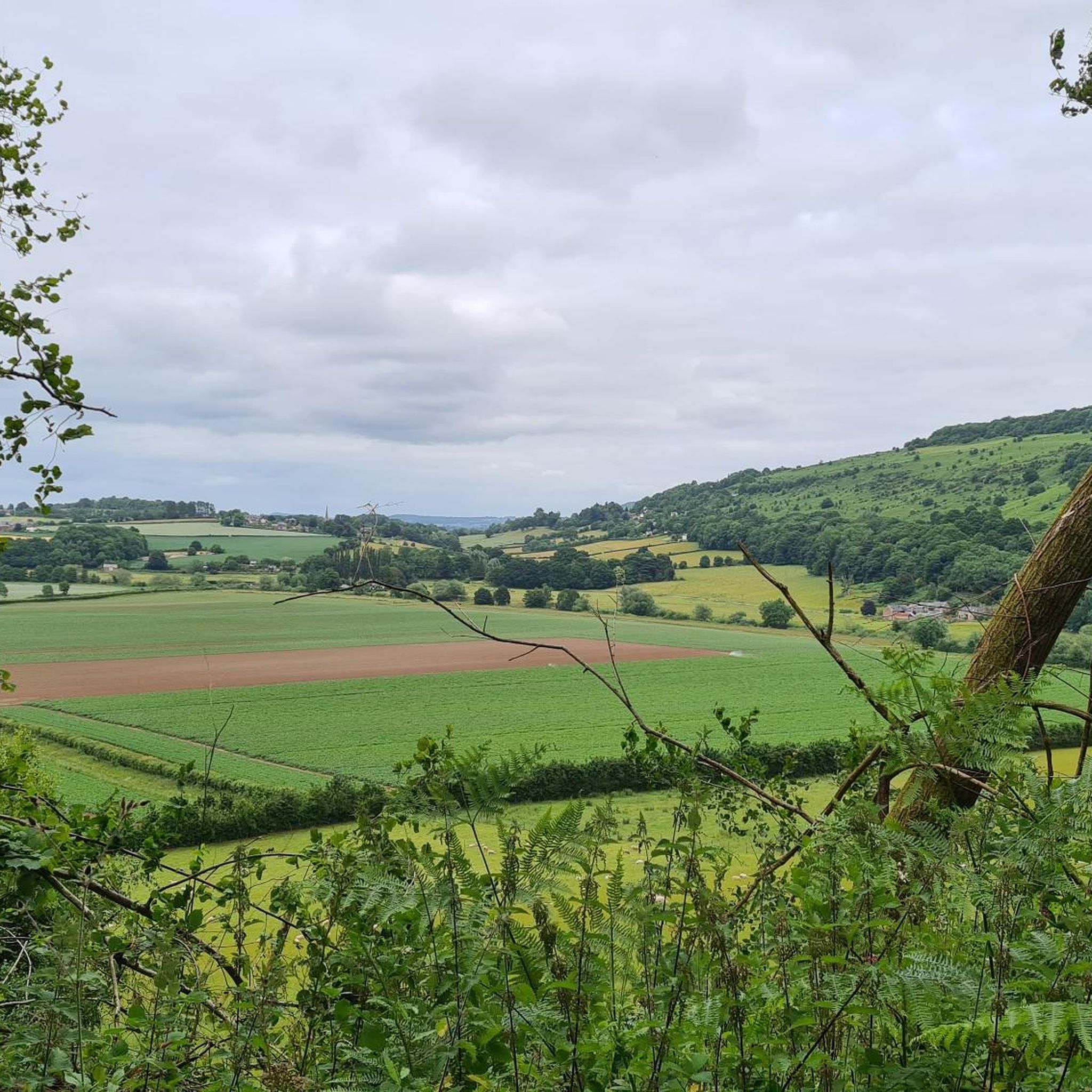
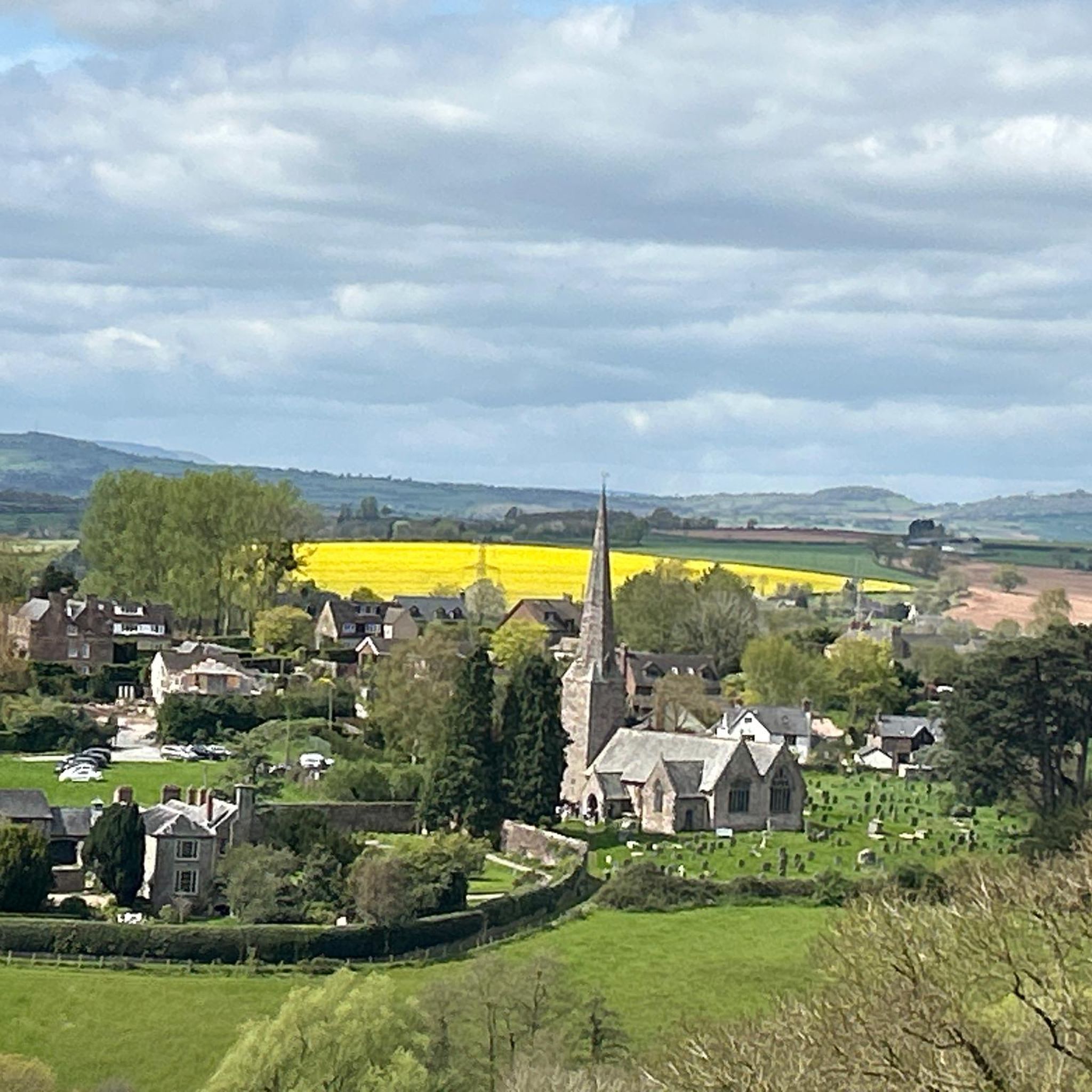
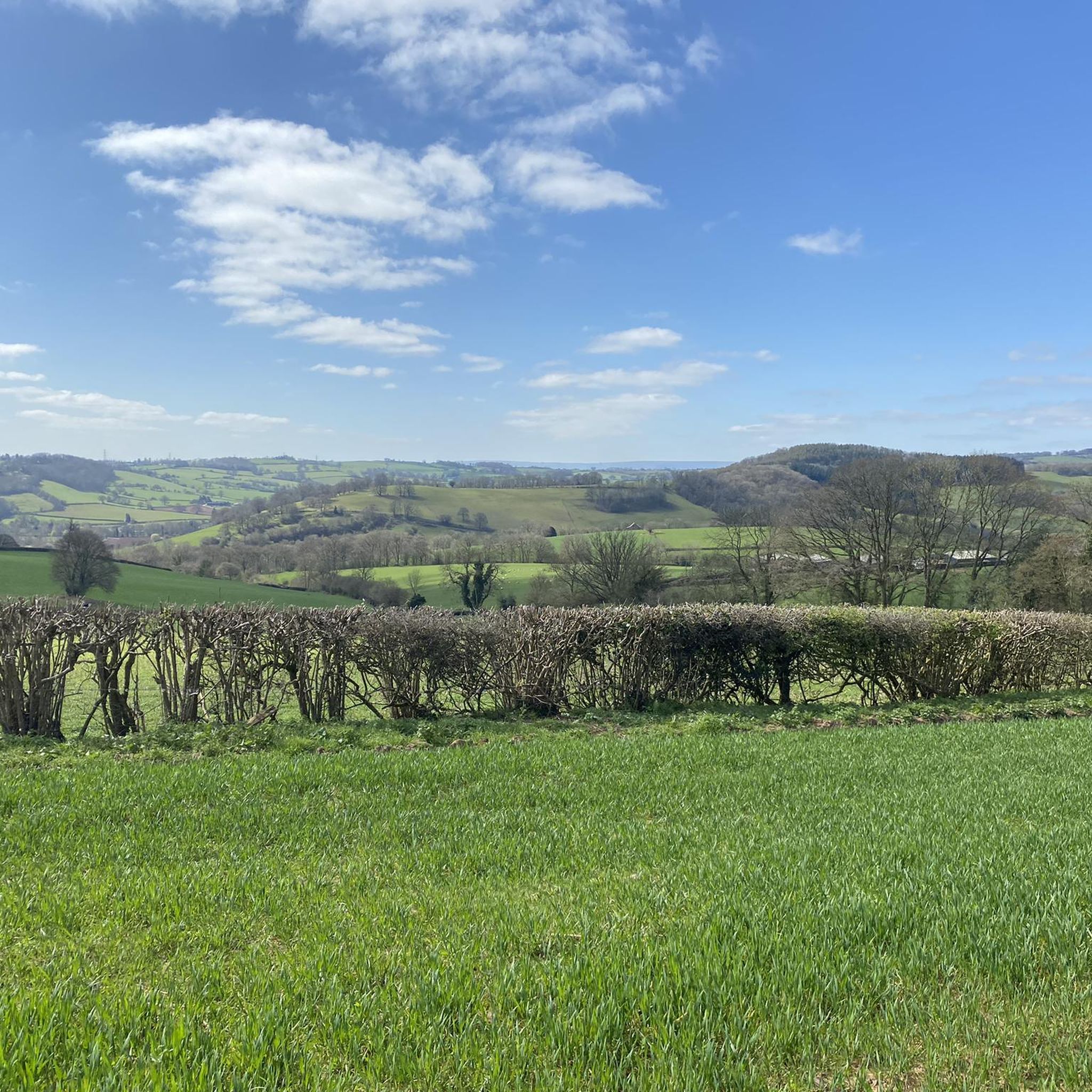
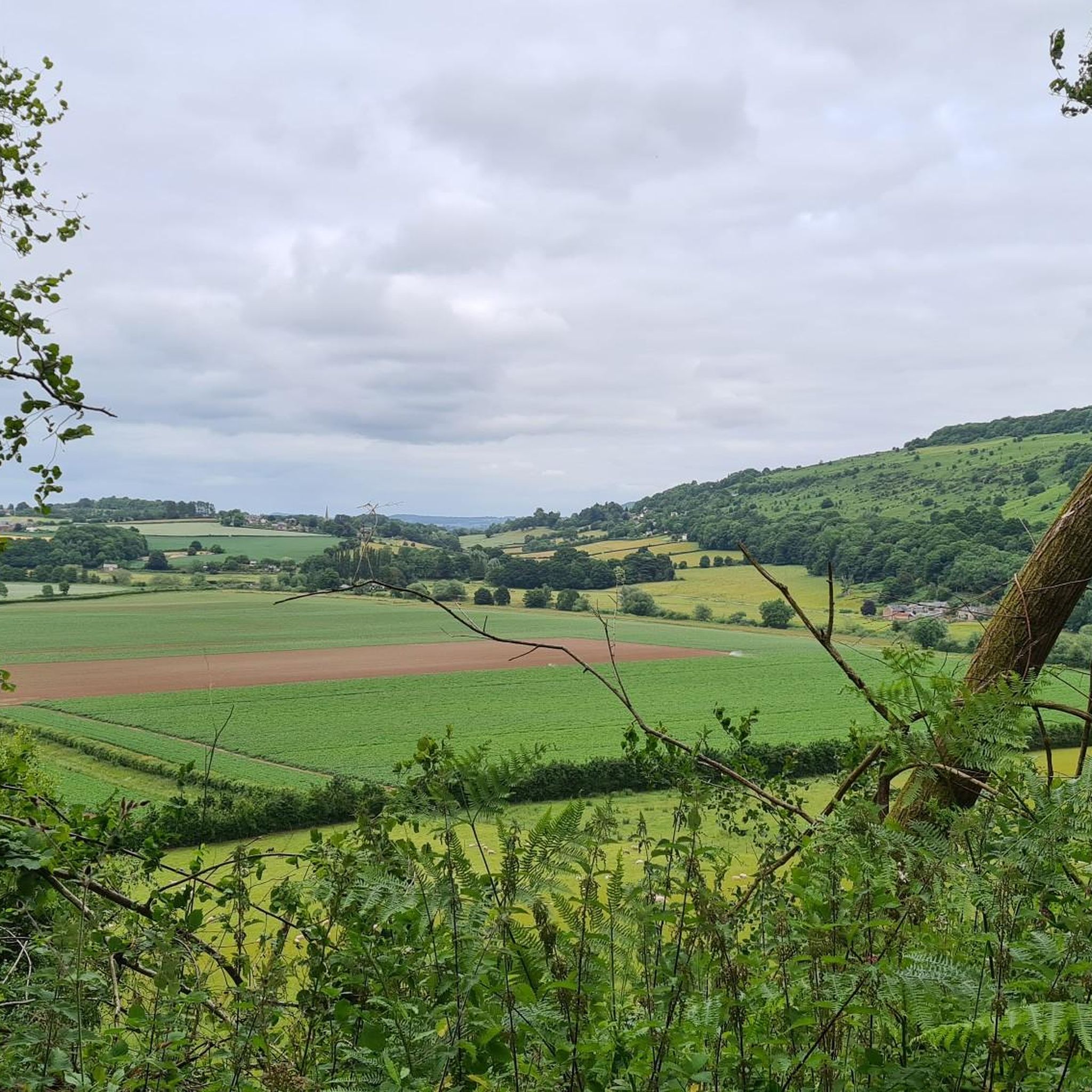
- St. Weonards is known for its historical landmarks, natural landscapes, and cultural sites. Visitors can explore ancient churches, fortified manor houses, and natural features like river valleys and meadows.
- The attractions around St. Weonards are appreciated by the komoot community. With over 300 upvotes and more than 200 photos, these spots are popular among komoot users.
Last updated: August 2, 2026
Biblins Suspension Bridge
Highlight • Viewpoint
Tip by

King Arthur's Cave
Highlight • Cave
Tip by

Sign up now to discover places like this
Get recommendations on the best single tracks, peaks, & plenty of other exciting outdoor places.
Sign up for free
Kerne Bridge over the River Wye
Highlight • Viewpoint
Tip by

Monmouth Town Centre
Highlight • Settlement
Notable landmarks in the town include its medieval stone gated bridge, the last of its kind left in Britain, and Monmouth Castle, the birthplace of King Henry V in 1386.
Tip by

Ross-on-Wye Market House
Highlight • Settlement
Originating from the first travel guidebook by William Gilpin in 1782, it inspired picturesque tourism.
It has independent stores, 19th-century mock-Gothic walls, a Gazebo Tower folly, and colourful homes cascading down the hillside to the river.
Tip by

Sign up for free to discover even more attractions around St. Weonards.
Sign up for free
Already have an account?
Start today with a free account
Your next adventure awaits.
Login or Signup

Tips from the Community

Monmouth is a charming historic market town that sits right on the confluence of Rivers Wye and Monnow. It's noted for its 13th-century gated bridge and being the birthplace of Henry V. The River Wye separates the town of Monmouth to the east from Wyesham to the west and provides a scenic wonderland for many river activities. I have finished many a DOE gold award canoe trip at this point.
0
0

Fabulous and iconic Sandstone building, centrepiece of Ross on Wye.
0
0

Great stopping point and a hub for rides in all directions. Plenty of coffee shops
0
0
Great viewpoint gor the river Wye and Goodrich castle.
0
0

It was a very nice and enjoyable walk good if you don't like very hill walks. when we got to the caves we decided to take another footpath that said it was quicker and because it was raining and the path was next to a cliff face we were stuck for like half an hour until we found a dirt road that lead down the hill . other than that good walk and cool bridge
1
0

Nestled by the River Wye, Ross-on-Wye is a charming market town. Originating from the first travel guidebook by William Gilpin in 1782, it inspired picturesque tourism. It has independent stores, 19th-century mock-Gothic walls, a Gazebo Tower folly, and colourful homes cascading down the hillside to the river.
1
0

Perched above the River Wye, Ross is a pretty market town that played a significant role in nature tourism's history. In 1770, William Gilpin started organising boat trips down the Wye. Some believe that this was the very origin of the Picturesque Movement, leading people to appreciate the natural world and its beauty. Ross has a lot to offer the hiker. Gateway to the Wye Valley and the Forest of Dean, it is also within easy driving distance of the Brecon Beacons, the Cotswolds and the Malverns.
0
0
Quite a local landmark hereabouts, especially if you are on the river. An ancient crossing point that has been about in one way or another since roman times. An important bridge connection on the Wye that at one stage was tolled. Failure to pay the toll made you liable to a £5 fine. Some things have never changed!
0
0
Frequently Asked Questions
What historical landmarks can I explore in and around St. Weonards?
St. Weonards is rich in history. You can visit the Grade I listed St. Weonard's Church, which dates back to the 13th century and features the Mynors Chapel. Nearby, you'll find Treago Castle, a medieval fortified manor house from around 1480, and St. Weonards Tump, a Bronze Age burial mound later used as a Norman motte. Further afield, explore the Norman castle of Skenfrith Castle, a National Trust property with free entry, or the ancient Kerne Bridge over the River Wye, an important crossing point since Roman times.
Are there any natural attractions or scenic viewpoints near St. Weonards?
Yes, the area offers beautiful natural features. St. Weonards is set within rolling Herefordshire fields, providing views towards the Malvern Hills and Symonds Yat. For nature enthusiasts, Gamber Meadows features reedbeds and marshy areas, ideal for birdwatching. You can also visit the unique Biblins Suspension Bridge over the River Wye, which offers lovely views upstream. The apple orchards north of Michaelchurch are particularly scenic in winter, attracting numerous Fieldfare and Redwing.
What kind of outdoor activities can I do around St. Weonards?
The region around St. Weonards is excellent for outdoor activities. You can find numerous hiking trails, including routes around Garway Hill and towards Skenfrith Castle. For cycling, there are options for both mountain biking and gravel biking, with routes like the 'Biblins Suspension Bridge – River Wye loop' or longer trails in the Forest of Dean. Explore more routes on the dedicated guides for Hiking around St. Weonards, MTB Trails around St. Weonards, and Gravel biking around St. Weonards.
Are there family-friendly attractions in the St. Weonards area?
Absolutely. Many attractions are suitable for families. The Biblins Suspension Bridge offers a fun and quirky river crossing experience. Skenfrith Castle is a National Trust property with free entry, perfect for exploring. The charming market town of Ross-on-Wye, with its independent shops and riverside setting, also provides a pleasant outing for all ages.
What is the significance of King Arthur's Cave?
King Arthur's Cave is a significant limestone cavern near Symonds Yat, protected as a nature reserve. It holds archaeological importance, with evidence suggesting human occupation during the Upper Palaeolithic era, including unearthed flint tools and woolly mammoth bones. It's also home to horseshoe bats and rare invertebrates.
What is the best time of year to visit St. Weonards for outdoor activities?
The rolling Herefordshire countryside around St. Weonards is beautiful throughout the year. Spring and summer offer lush greenery and pleasant weather for hiking and cycling. Autumn brings vibrant colors to the landscape. Winter can be particularly special for birdwatching in the apple orchards, where hundreds of Fieldfare and Redwing gather, though some trails might be muddy.
Can I find any unique or 'hidden gem' outdoor spots near St. Weonards?
Beyond the well-known sites, consider exploring Gamber Meadows for its tranquil reedbeds and birdwatching opportunities, or the apple orchards north of Michaelchurch, which offer a peaceful natural experience, especially in winter. The network of small caves around King Arthur's Cave, resulting from former quarrying, also offers a unique natural reserve experience.
What makes Ross-on-Wye a notable place to visit near St. Weonards?
Ross-on-Wye is a charming market town nestled by the River Wye, historically significant as a birthplace of nature tourism. It offers a delightful experience with independent stores, 19th-century mock-Gothic walls, and colorful homes cascading down to the river. It's a great spot for a leisurely stroll, enjoying cafes, pubs, and scenic views.
Are there any specific hiking trails recommended for different difficulty levels?
Yes, the area caters to various hiking abilities. You can find easy loops like the 'Garway Hill loop' (around 3 km) for a gentle walk. Moderate trails include 'Garway Hill Common Enclosure – Garway Hill summit loop' (around 10 km) or 'St. Bridget's Church – Skenfrith Castle loop' (around 9 km). For more options, refer to the Hiking around St. Weonards guide.
What is the history behind St. Weonard's Church and St. Weonards Tump?
St. Weonard's Church is a Grade I listed parish church dedicated to a local Celtic saint, with parts dating back to the 13th century. It was significantly enlarged in the early 16th century and features internal oak screens and the Mynors Chapel. Immediately south of the churchyard is St. Weonards Tump, a large mound traditionally believed to be the burial place of St. Weonard. Excavations revealed Bronze Age cremation burials, and the Normans later used it as a motte for a small wooden castle.
What kind of wildlife can I expect to see in the St. Weonards area?
The diverse landscapes around St. Weonards support various wildlife. Gamber Meadows is known for birdwatching, where you might spot Common Kingfisher, Common Snipe, Sparrowhawk, and various warblers. The apple orchards attract hundreds of Fieldfare and Redwing in winter. Within King Arthur's Cave, horseshoe bats, cave spiders, and hibernating herald moths make their homes.
Most popular attractions around St. Weonards

Get inspired with the komoot mobile app


Explore more
Still not found the Highlight you’re looking for? See guides of the top attractions in other regions:
