Attractions and Places To See around Espeja De San Marcelino - Top 20
Best attractions and places to see around Espeja De San Marcelino include a blend of historical landmarks, natural features, and cultural sites. Situated between the Pinares and Ribera del Duero regions, the municipality is close to the Cañón del Río Lobos Natural Park. Visitors can explore geological features, ancient ruins, and significant churches. The area offers diverse landscapes for exploration, from canyons to forests.
Best attractions and places to see around Espeja De San Marcelino
- The most popular attractions is…
Last updated: August 3, 2026
Bridge of the Seven Eyes
Highlight • Bridge
Translated by Google •
Tip by

Entrance Trail to Cañón del Río Lobos from Casarejos (GR-86)
Highlight (Segment) • Trail
Translated by Google •
Tip by

Sign up now to discover places like this
Get recommendations on the best single tracks, peaks, & plenty of other exciting outdoor places.
Sign up for free
Colmenar de los Frailes
Highlight • Structure
Translated by Google •
Tip by

Devil's Eye (Natural Rock Arch)
Highlight • Natural Monument
Translated by Google •
Tip by
San Leonardo de Yagüe
Highlight • Settlement
Translated by Google •
Tip by

Sign up for free to discover even more attractions around Espeja De San Marcelino.
Sign up for free
Already have an account?
Start today with a free account
Your next adventure awaits.
Login or Signup
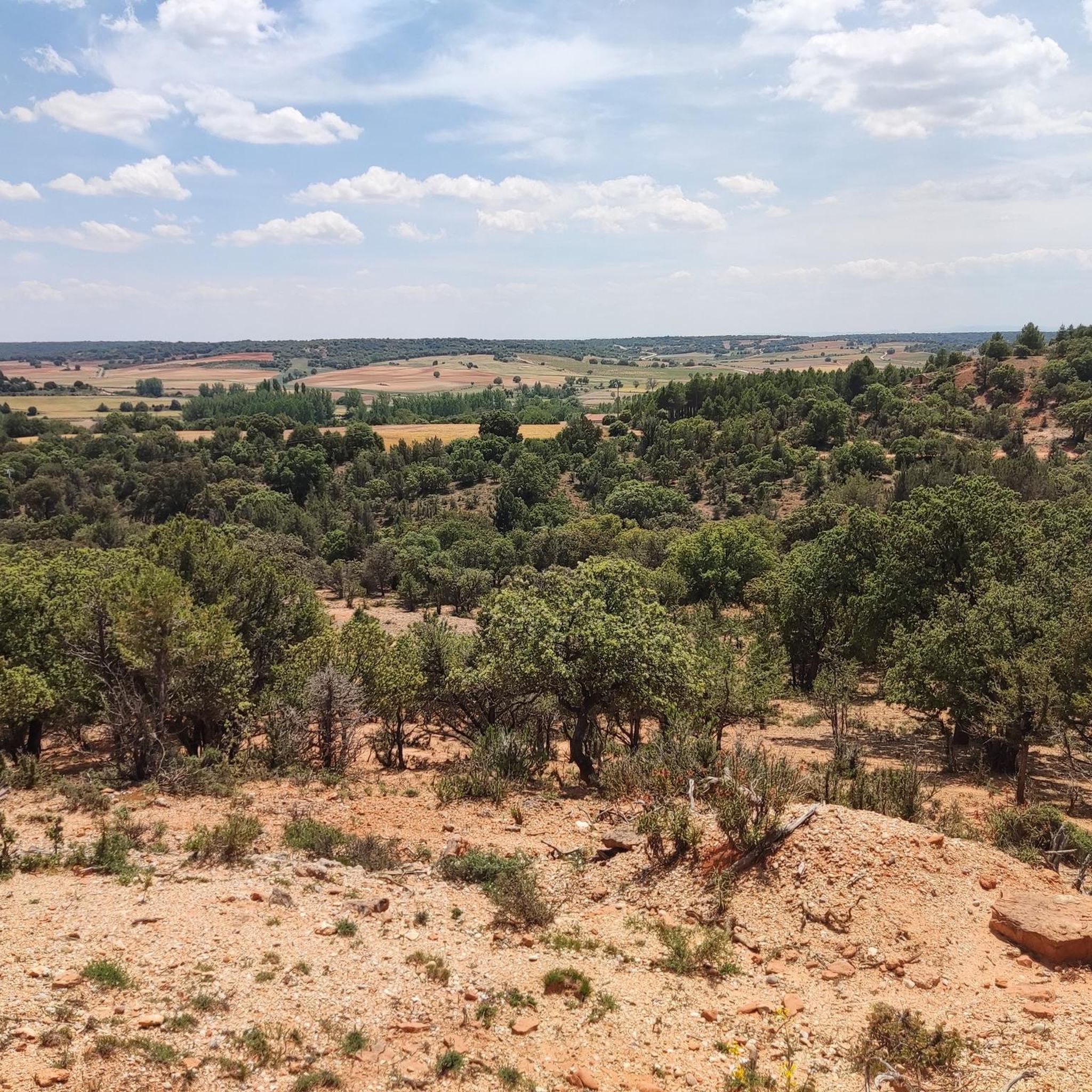
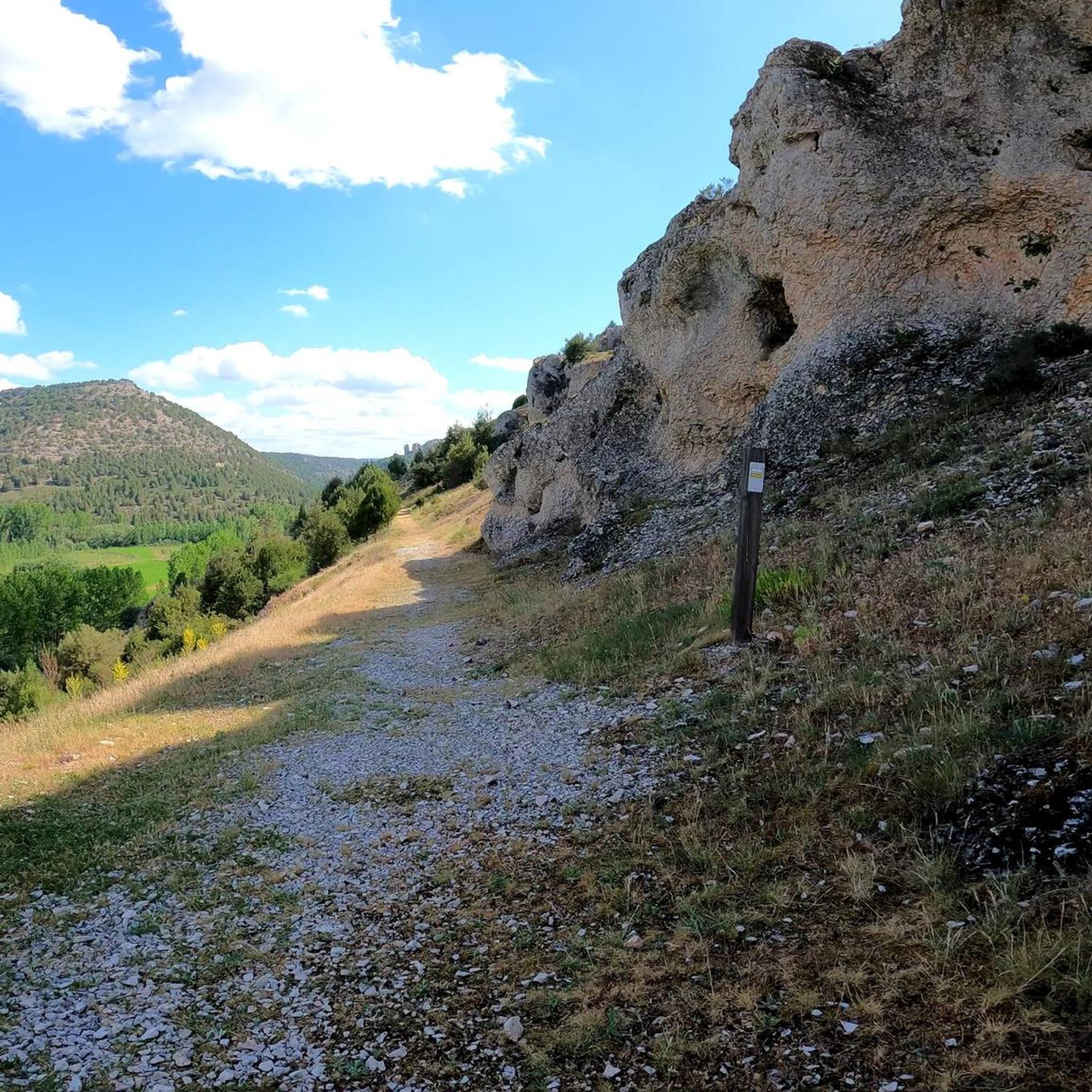
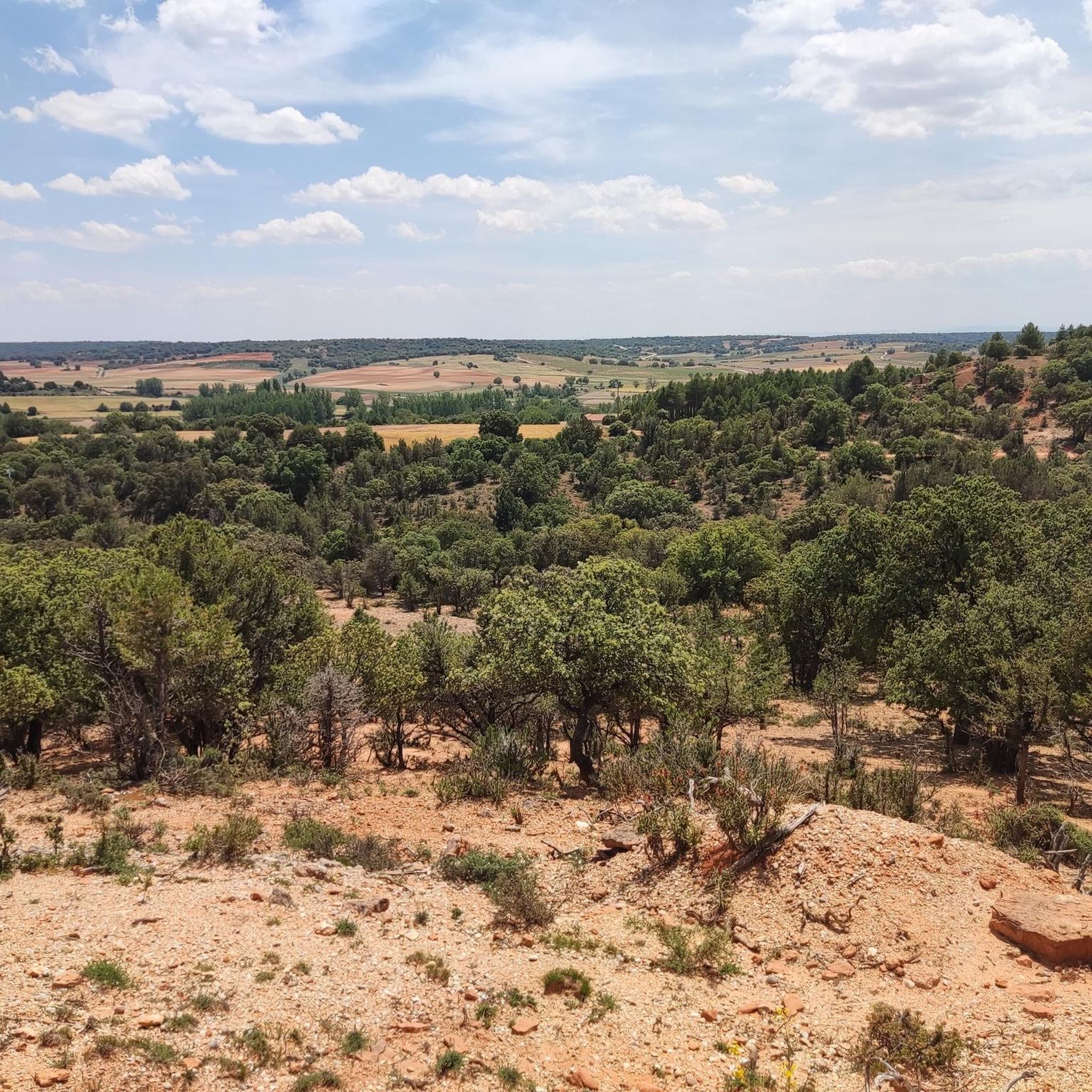
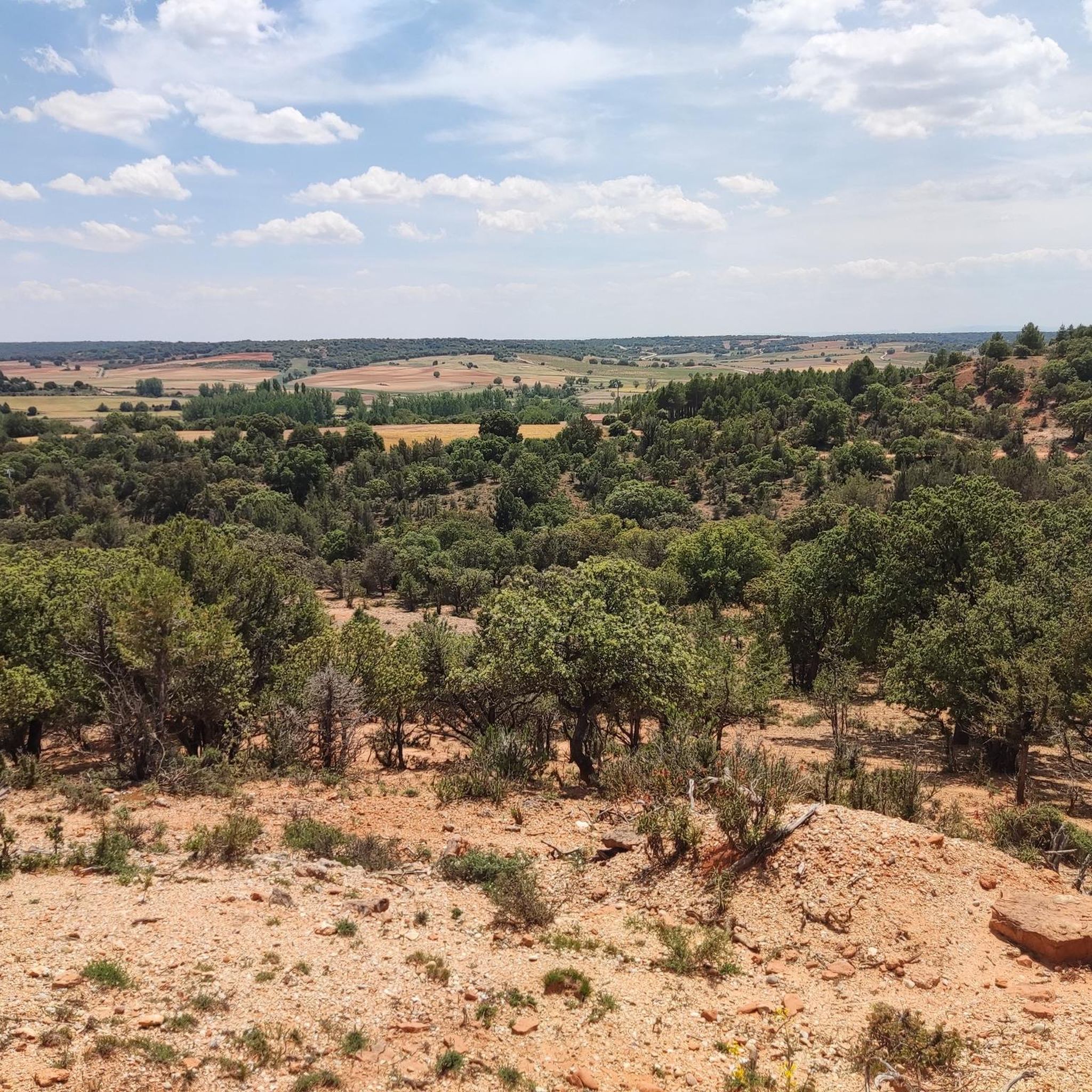

Tips from the Community


One of the resources traditionally exploited in the region was honey collection. This spot, known as "El Colmenar de los Frailes," housed the Templar community's beehives. They were made from hollowed tree trunks, each with a stone slab placed on top as a lid, leaving small entrance areas for the bees. They lined the rocky outcrops of the Canyon.
0
1
The LOBOS River canyon is worth visiting
0
0
A beautiful village in the PINARES region, in the province of Soria
0
0
The number of times I've climbed up there
0
0
It is the bridge of the seven eyes, halfway along the canyon route, recommended for starting several hiking routes.
0
0

"Colmenar de los Frailes" is a curious place where you can see some old beehives on the rock, built from hollow tree trunks.
2
0

Very interesting and beautiful descent into the Lobos River canyon from San Leonardo.
0
0
Frequently Asked Questions
What are the main historical attractions to explore in Espeja de San Marcelino?
Espeja de San Marcelino offers a rich history. You can visit the 16th-century Gothic Church of Nuestra Señora de la Asunción, notable for its unique baptismal font. The Jurisdictional Rollo in the main square marks the town's historical 'villa' status. Nearby, explore the ruins of the Jerónimos Convent, Santa María, which once housed relics of San Marcelino. Don't miss Colmenar de los Frailes, an ancient site showcasing traditional beehives built into rock outcrops.
What natural features and geological formations can I discover in the area?
The region is rich in natural wonders. It's located near the renowned Cañón del Río Lobos Natural Park, offering stunning geological formations. You can visit the Torca del Río Espeja, an impressive sinkhole with a viewpoint, or explore the Cuevas de la Hoz (Caves of La Hoz) in Orillares. The Devil's Eye (Natural Rock Arch) is a unique natural window carved into the rock within the Lobos River Canyon.
Are there any unique viewpoints or scenic spots in Espeja de San Marcelino?
Yes, several spots offer unique views. The recently constructed viewpoint and walkway at the Torca del Río Espeja provide an excellent perspective of the sinkhole and gorge. The Devil's Eye (Natural Rock Arch) offers a magical natural window view within the Lobos River Canyon. Additionally, the Cerro de "La Rasa" provides distinctive colored ravines and scenic hiking opportunities.
What outdoor activities, like hiking, are available near these attractions?
The area is ideal for outdoor enthusiasts. You can access the Cañón del Río Lobos via the Entrance Trail to Cañón del Río Lobos from Casarejos (GR-86). The Bridge of the Seven Eyes is a popular starting point for various hiking trails into the canyon. For more detailed hiking options, explore the routes in the Hiking around Espeja De San Marcelino guide.
Are there any adventurous activities like via ferratas in the region?
Yes, for adventurers, the Vía Ferrata of the Espeja de San Marcelino Walkway is a unique attraction. It's the first via ferrata in Soria and one of the pioneers in Castilla y León, featuring a vertical and horizontal route with support elements, including a Nepalese bridge, allowing you to traverse a rocky fracture and explore the gorge.
What cultural sites, beyond the main church, can be found in the municipality?
Beyond the main church, you can explore the churches in the smaller villages within the municipality, such as Orillares, La Hinojosa, Guijosa, and Quintanilla de Nuño Pedro. The church in Orillares, for instance, has a rich interior with pieces exhibited in "Las Edades del Hombre." You can also find the ruins of the hermitages of Santa Ana and San Roque, and the visible ruins of the abandoned village of San Asenjo.
Are there family-friendly attractions or activities suitable for kids?
Many natural and historical sites can be enjoyed by families. The Bridge of the Seven Eyes is a great starting point for easy walks along the Lobos River. The town of San Leonardo de Yagüe offers facilities and a family-friendly atmosphere. Exploring the less strenuous parts of the Cañón del Río Lobos Natural Park can also be a rewarding family experience.
Where can I find cycling or mountain biking routes near Espeja de San Marcelino?
The area provides excellent opportunities for cycling and mountain biking. You can find various routes, from moderate to difficult, that explore the natural landscapes. For detailed cycling tours, refer to the Cycling around Espeja De San Marcelino guide. For mountain biking adventures, check out the MTB Trails around Espeja De San Marcelino guide.
What is the significance of the ancient quarries in the region?
The region has a long history of quarrying, dating back to Roman times. Marble quarries in Espeja de San Marcelino and Espejón were exploited, with their materials used in significant Spanish monuments such as the Royal Monastery of San Lorenzo de El Escorial and the cathedrals of El Burgo de Osma and Burgos. A commemorative monument to this stone can be found at the entrance of the village.
What kind of forests can be found around Espeja de San Marcelino?
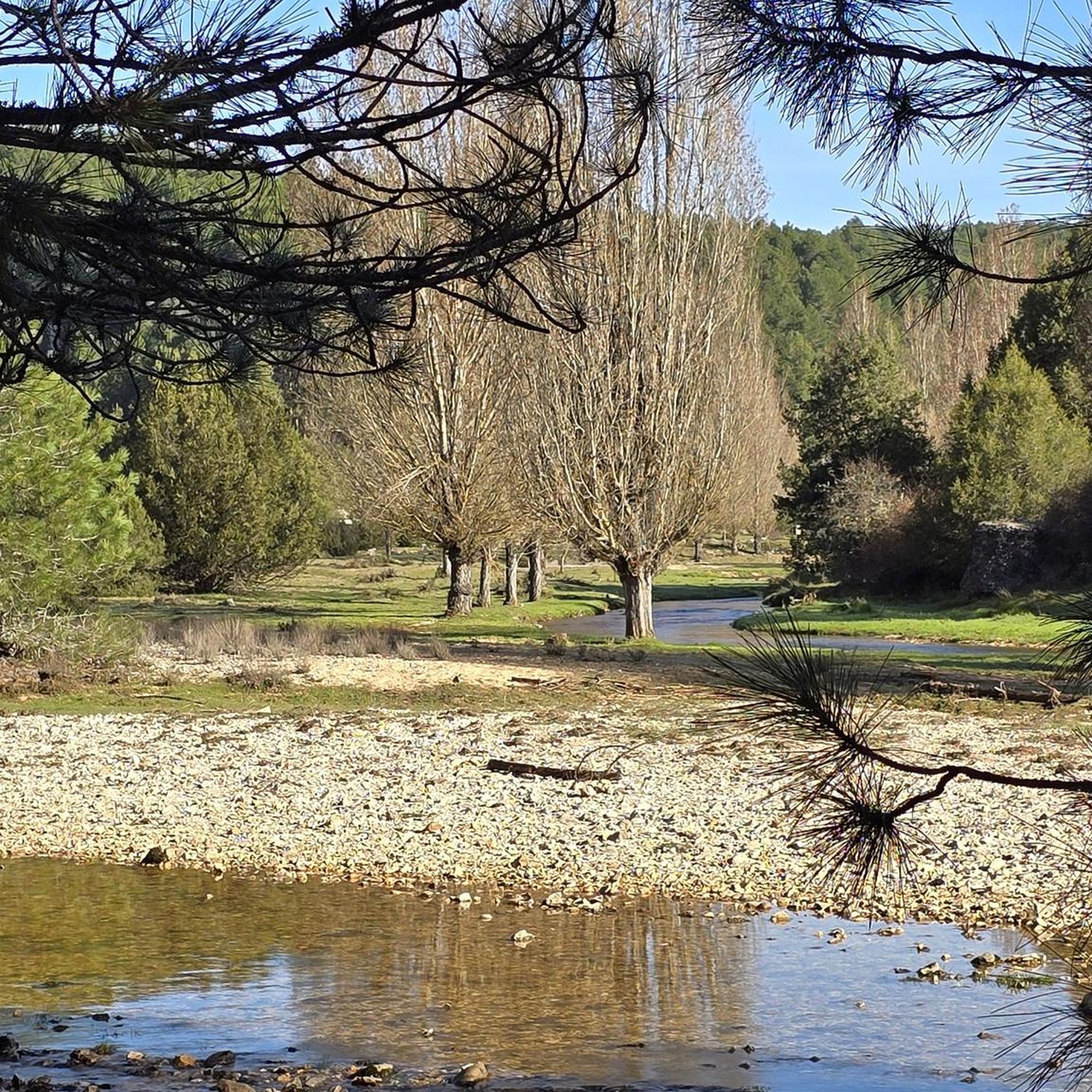
The region boasts extensive and diverse forests. You'll primarily find pine, holm oak (encina), and poplar (chopo) trees. These forests offer beautiful scenery and opportunities for shaded walks and enjoying nature.
What do visitors particularly enjoy about the attractions in Espeja de San Marcelino?
Visitors appreciate the blend of historical intrigue and stunning natural beauty. The unique historical sites like Colmenar de los Frailes and the dramatic landscapes of the Cañón del Río Lobos, including the Devil's Eye (Natural Rock Arch), are frequently highlighted. Many enjoy the less crowded access points to the canyon, such as the Entrance Trail to Cañón del Río Lobos from Casarejos (GR-86), for a more tranquil experience.
Most popular routes around Espeja De San Marcelino
Most popular attractions around Espeja De San Marcelino

Get inspired with the komoot mobile app


Explore more
Still not found the Highlight you’re looking for? See guides of the top attractions in other regions:
