Attractions and Places To See around Modúbar De La Emparedada - Top 20
Attractions and places to see around Modúbar De La Emparedada offer a blend of historical, cultural, and natural features within the province of Burgos. The municipality is situated in the valley of the Modúbar river, providing a landscape that combines historical sites with natural points of interest. Visitors can explore a variety of landmarks, cultural sites, and natural areas.
Best attractions and places to see around Modúbar De La Emparedada
- The most popular attractions is Burgos Cathedral, a religious…
Last updated: October 23, 2026
Burgos Cathedral
Highlight • Religious Site
Translated by Google •
Tip by

Arch of Santa María
Highlight • Monument
Translated by Google •
Tip by
Sign up now to discover places like this
Get recommendations on the best single tracks, peaks, & plenty of other exciting outdoor places.
Plaza Mayor of Burgos
Highlight • Settlement
Translated by Google •
Tip by
Statue of El Cid, the Campeador (Plaza del Mio Cid, Burgos)
Highlight • Monument
The bronze equestrian statue of the Cid was made by Juan Cristóbal …
Translated by Google •
Tip by
Statue of the Seated Pilgrim
Highlight • Monument
Translated by Google •
Tip by

Sign up for free to discover even more attractions around Modúbar De La Emparedada.
Already have an account?
Start today with a free account
Your next adventure awaits.
Popular around Modúbar De La Emparedada

Tips from the Community

An unusual but beautiful depiction of a pilgrim.
2
0

The Statue of the Seated Pilgrim in Burgos is a bronze sculpture depicting a pilgrim resting, seated on a bench with his walking stick. It is located in the Plaza del Rey San Fernando, just behind Burgos Cathedral, making it a popular photographic spot for visitors on the Camino de Santiago.
3
1

There is a poem that sings the greatness of "Mio Cid"
2
0

It's not like the one in Salamanca, but it's also worth it.
3
2
A statue with a lot of movement.
3
1

With one of the most beautiful Gothic churches on the Way of St. James, it's definitely worth a visit.
8
0

The Arch of Santa Maria is one of the twelve medieval gates that the city had during the Middle Ages. It was rebuilt by the Holy Roman Emperor, Charles V, during the 16th century after the local rulers of the city supported him during the Revolt of the Comuneros.
11
0
The Church of San Nicolás de Bari in Burgos is a gem of Castilian Gothic architecture, located right on the Camino de Santiago, next to the Cathedral. It was built in 1408 on the site of an earlier Romanesque church.
32
0
Frequently Asked Questions
What historical landmarks can I explore around Modúbar De La Emparedada?
The area offers several significant historical landmarks. You can visit the impressive Burgos Cathedral, a UNESCO World Heritage Site known for its Gothic architecture. Another key historical structure is the Arch of Santa María, which historically served as a main access point to the city. Additionally, the Plaza Mayor of Burgos has medieval origins, once hosting weekly markets.
Are there any significant cultural sites or museums in the area?
Yes, Modúbar de la Emparedada is home to MUMO (Museo Modúbar de la Emparedada), a cultural draw that is part of the 'Museos Vivos' project, offering 24-hour access. It showcases over 350 pieces by Carlos Alonso Maté, focusing on the relationship between man and the countryside.
What natural attractions can I discover near Modúbar De La Emparedada?
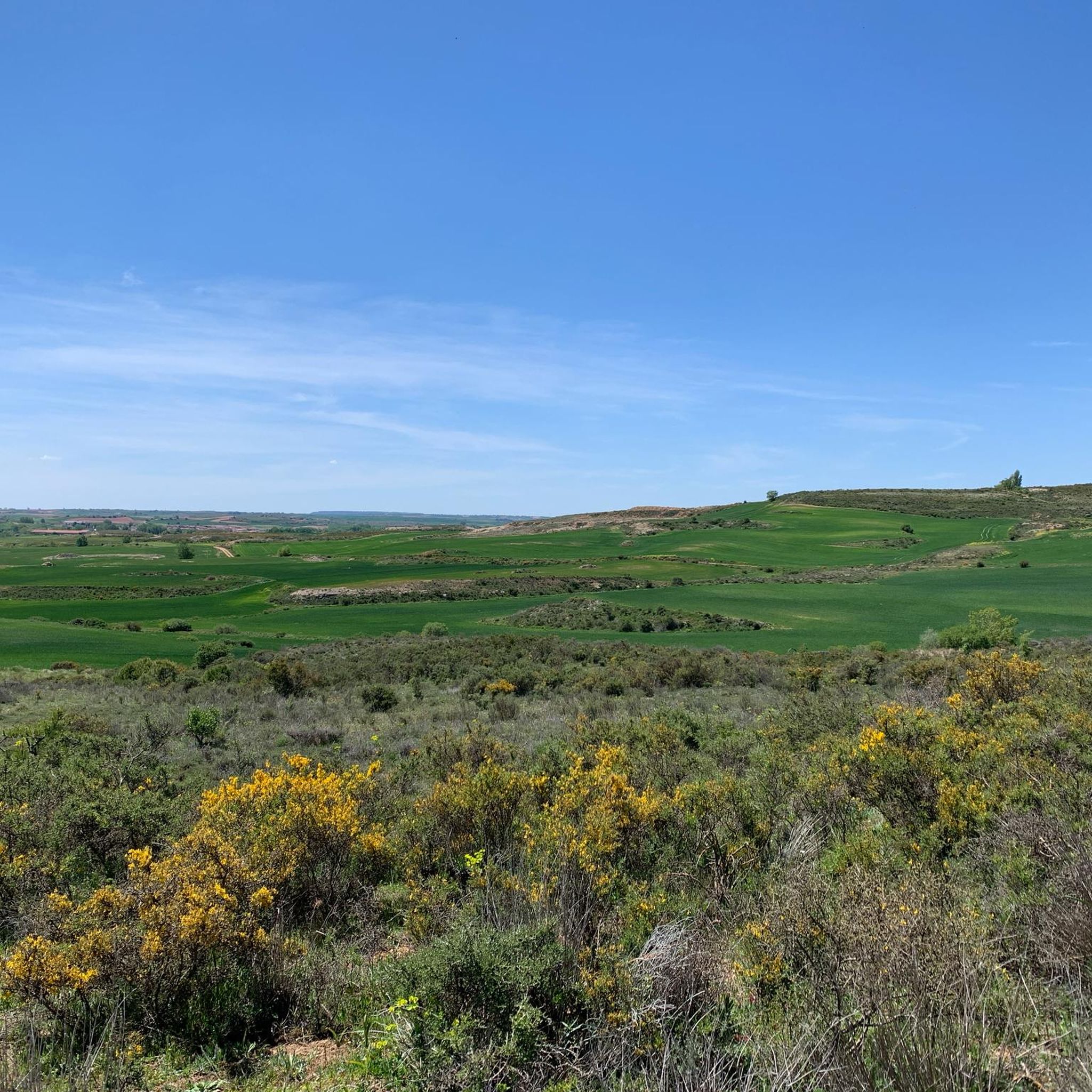
The region is rich in natural features. You can explore the Modúbar River Valley, which gives the town its name. The European Garden (Jardín Europeo) is a rural botanical garden with various routes for visitors. For those interested in prehistory, the Neolithic Site of Altotero offers a glimpse into ancient times.
Are there opportunities for hiking or cycling around Modúbar De La Emparedada?
Absolutely. The surrounding area provides numerous routes for outdoor activities. You can find dedicated guides for hiking, cycling, and mountain biking. Popular options include sections of the 'vía verde FC Santander-Mediterráneo' (a greenway) and the 'Camino de San Olav'.
What kind of wildlife can be spotted in the Modúbar De La Emparedada region?
An environmental itinerary focusing on 'Autochthonous forests and biodiversity' highlights the local fauna. Visitors might spot deer and rabbits, among other native species, within the oak forests and shrublands of the area.
Are there family-friendly attractions suitable for children?
Many of the historical sites are considered family-friendly, such as the Burgos Cathedral and the Arch of Santa María. The natural areas like the European Garden also offer pleasant outdoor experiences for families.
Are there any accessible attractions for visitors with mobility needs?
Yes, the Plaza Mayor of Burgos and the Statue of El Cid are noted as wheelchair accessible, providing options for visitors with mobility needs to enjoy the historical heart of the city.
What are some unique or lesser-known places to visit?
Beyond the main highlights, consider visiting the Iglesia Parroquial de Cojóbar, a Romanesque church dedicated to San Cristóbal, known for one of the most beautiful Romanesque baptismal fonts in the province. The Neolithic Site of Altotero also offers a unique historical perspective.
What do visitors particularly enjoy about the attractions in this area?
Visitors frequently praise the architectural beauty and historical significance of sites like the Burgos Cathedral, often noting its spectacular details and the play of light through its stained glass. The vibrant atmosphere and diverse buildings of the Plaza Mayor of Burgos are also highly appreciated for social gatherings and views of the cathedral.
When is the best time of year to visit Modúbar De La Emparedada for sightseeing?
The region hosts several festivities throughout the year, such as San Cristóbal on July 10th and Nuestra Señora de la Merced on September 24th, which can add a cultural dimension to your visit. For outdoor activities and comfortable exploration of historical sites, spring and early autumn generally offer pleasant weather.
Can I find Romanesque architecture in the churches near Modúbar De La Emparedada?
Yes, the Iglesia Parroquial de Cojóbar, located nearby, is a notable example of Romanesque architecture. It features a single nave and is particularly renowned for its beautiful Romanesque baptismal font.
Are there any statues or monuments dedicated to historical figures?
Yes, in Burgos, you can find the impressive Statue of El Cid, the Campeador, located in Plaza del Mio Cid. There is also the Statue of the Seated Pilgrim in Plaza del Rey San Fernando, a popular spot for those on the Camino de Santiago.
Most popular routes around Modúbar De La Emparedada
Most popular attractions around Modúbar De La Emparedada

Get inspired with the komoot mobile app


Explore more
Still not found the Highlight you’re looking for? See guides of the top attractions in other regions:
