Attractions and Places To See around Puertollano - Top 20
Best attractions and places to see around Puertollano include a mix of historical, cultural, and natural sites. This city in Castilla-La Mancha, Spain, is characterized by its rich mining history and volcanic landscapes. Visitors can explore ancient fortresses, industrial heritage museums, and unique geological formations. The region also serves as a gateway to natural reserves like the Valle de Alcudia and Sierra Madrona Natural Park.
Best attractions and places to see around Puertollano
- The most popular attractions is Castle of…
Last updated: October 10, 2026
Puertollano
Highlight • Settlement
Translated by Google •
Tip by

Castle of Calatrava la Nueva and Sacred Convent
Highlight • Castle
It was built by …
Translated by Google •
Tip by

Sign up now to discover places like this
Get recommendations on the best single tracks, peaks, & plenty of other exciting outdoor places.
Almodóvar del Campo
Highlight • Settlement
Translated by Google •
Tip by
Church of Our Lady of the Visitation
Highlight • Religious Site
Translated by Google •
Tip by
Laguna de Almodóvar
Highlight • Lake
Translated by Google •
Tip by
Sign up for free to discover even more attractions around Puertollano.
Already have an account?
Start today with a free account
Your next adventure awaits.

Tips from the Community

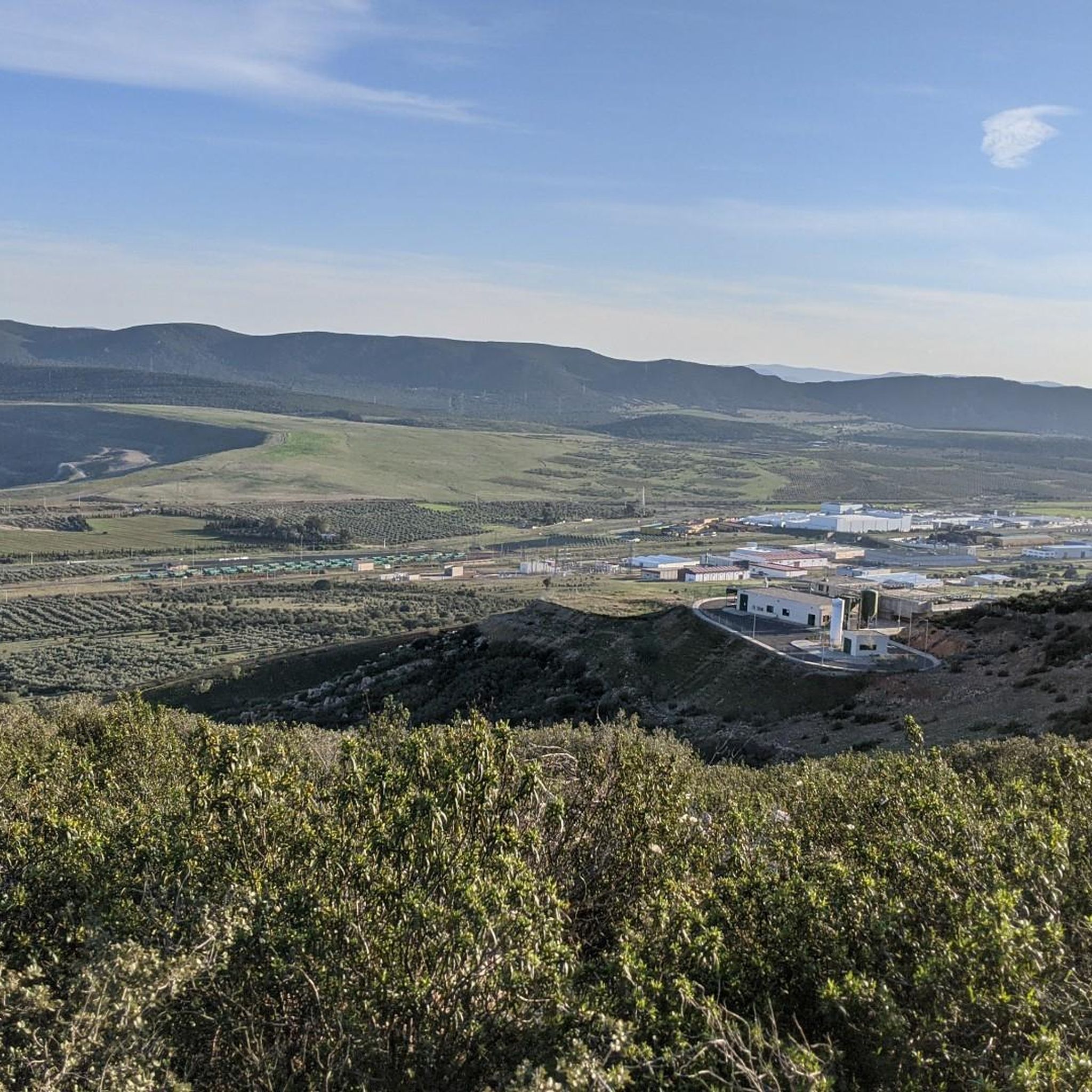
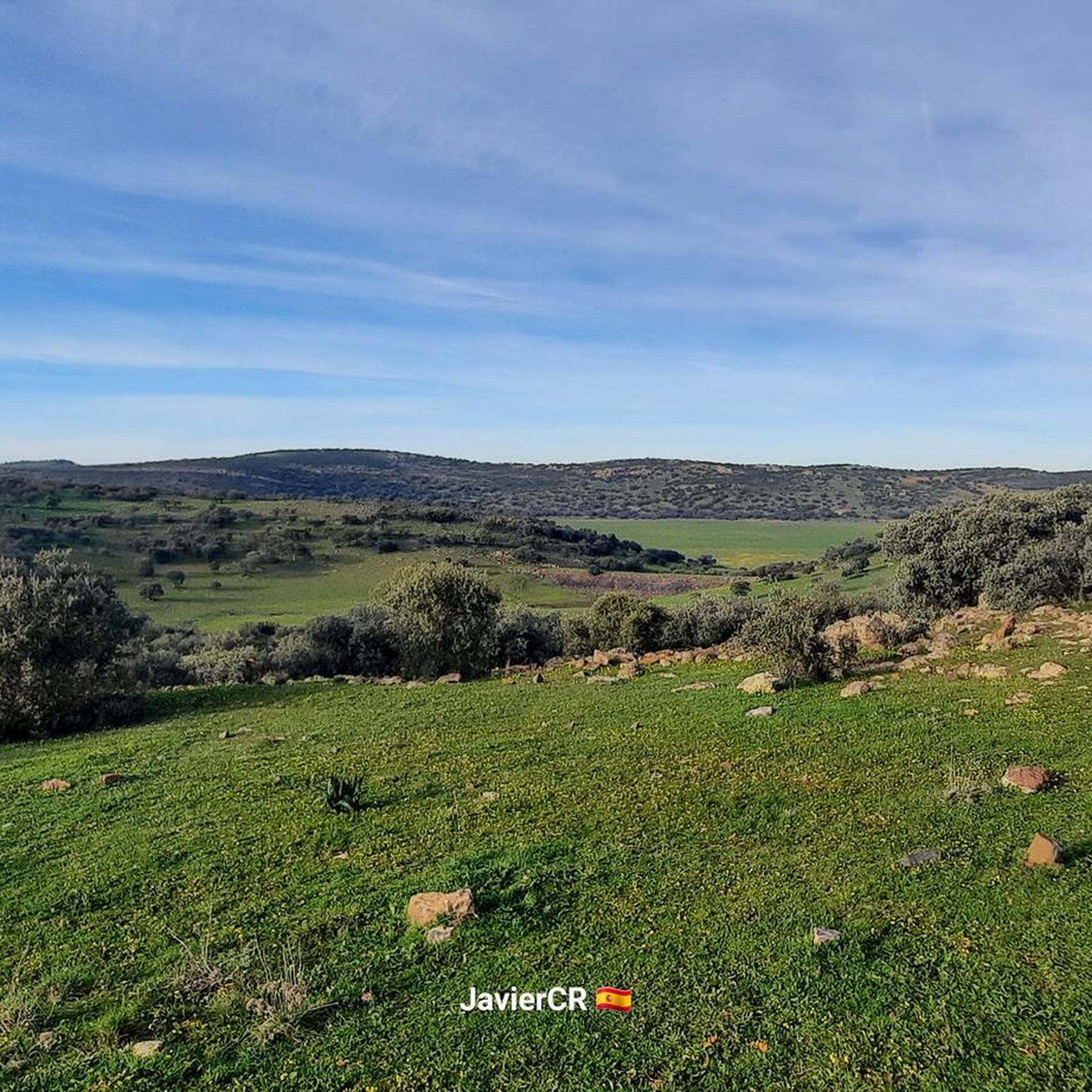
The Almodóvar del Campo Lagoon is a unique natural and geological feature located in the province of Ciudad Real, within the Campo de Calatrava region, famous for its volcanic landscapes. It is a lagoon formed in the crater of a volcano after a phreatomagmatic eruption (interaction between magma and groundwater). This type of lagoon is called a maar.
4
0
This castle stands on the impressive Alacranejo hill and, despite its original defensive character, it underwent various modifications. Opposite it there is another hill with the ruins of the Salvatierra Castle, in the lands of Calzada de Calatrava. It probably has Arab origins, but it was deeply remodeled with the transfer of the knights of the Order from the Castle of Calatrava La Vieja (Carrión de Calatrava) in 1217, after the battle of Las Navas de Tolosa with the aim of consolidating the defensive line of Sierra Morena. In turn, it is made up of three walled enclosures and is accessed by the original road that was built on the occasion of the visit of Philip II through the Iron Gate, in red volcanic stone. Afterwards, we can find the Gate of the Arches, which allows entry into the parlatorio or courtyard of the convent, the courtyards, the church, the rooms and the refectory. Really, when you walk through it, you can imagine what happened in
3
0
The monuments and centers of cultural interest are spread throughout its streets: the Palermo Museum, the Casa-Convent of La Merced, current home of the Hieronymite nuns, in a modernist style and dating back to the 19th century. Continuing the visit you can visit the Cervantina Library, inside which countless editions of Don Quixote are collected, in various languages, formats and periods, as well as canvases and drawings related to the Cervantine character. From here you can also see the Municipal Theater, built in 1845 on the site of the old Carmelite Convent.
19
0
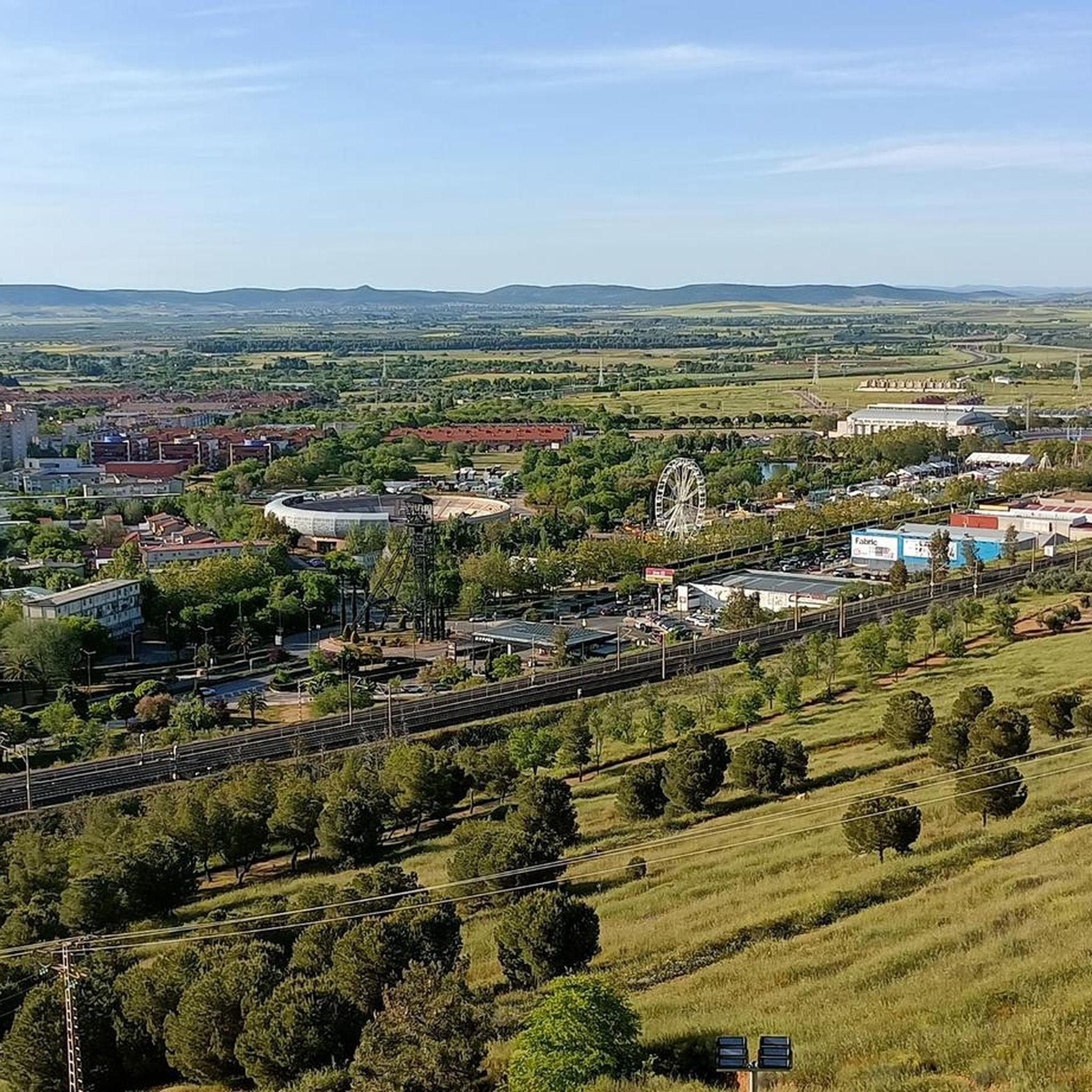
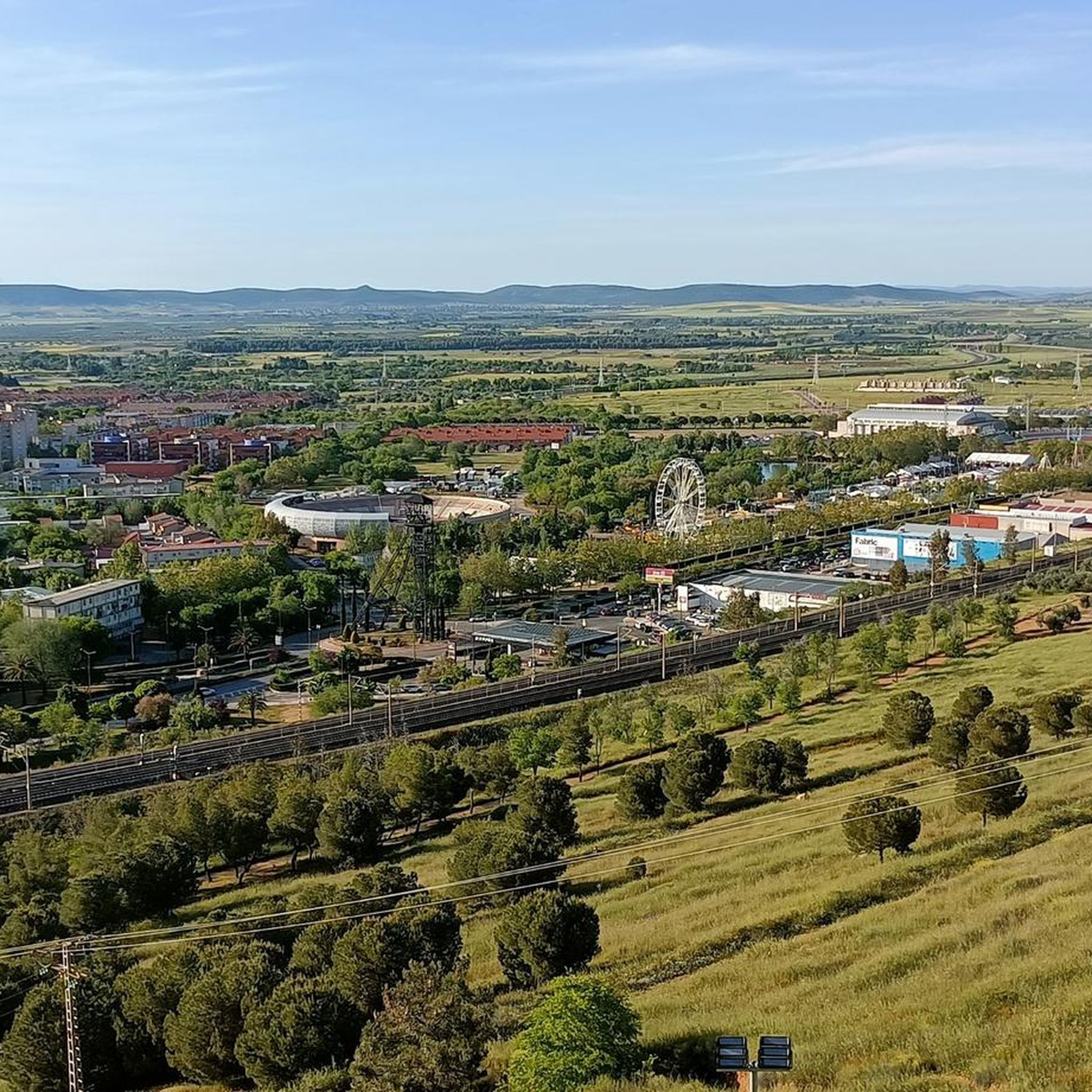
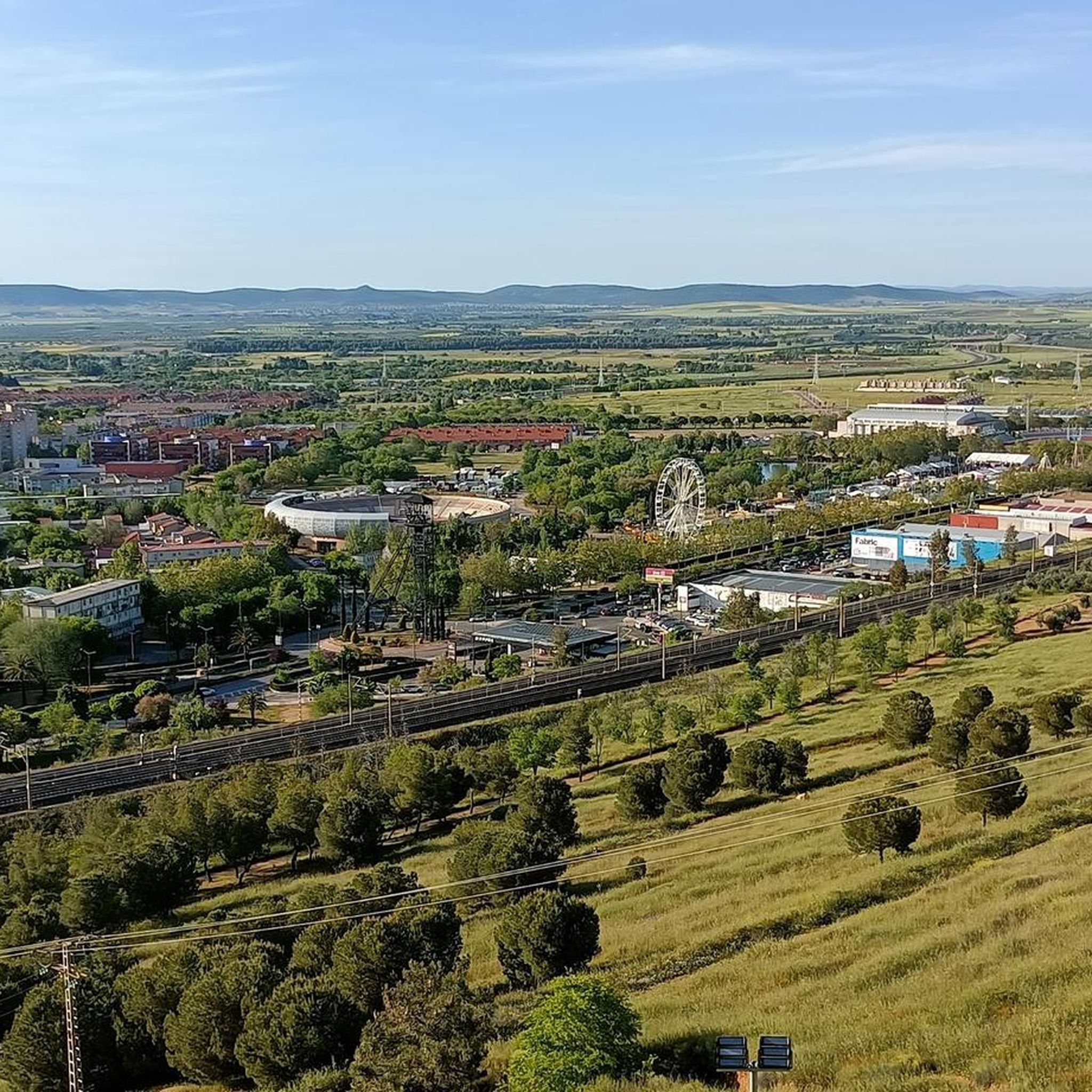
In the Alcudia Valley, we find the municipality of Almodóvar del Campo built on the side of a volcano, so present in Campo de Calatrava, and whose crater is now a lagoon. The Arab footprint is the most emblematic of the city, leaving behind the memory of the Castle and above all the unique Parish of Our Lady of the Assumption. There you can see the first videomapping in Spain permanently installed in a closed space, under the theme of the life and work of San Juan de Ávila.
29
0
It is formed by a Strombolian volcanic cone of pyroclasts, and due to the quarry in it, its internal structure is exposed. Attached to the foot of this volcano is the Almodóvar maar, which is a phreatomagmatic explosion crater that erupted at the edge of the Paleozoic series, cutting a substrate of hard lithology and destroying part of the previous volcano. The maar crater is funnel-type (hard-type substrate) and houses an ephemeral lagoon inside. In its southern and eastern contour the maar has a ring of tuffs, with pyroclastic facies. The phreatomagmatic deposits of the maar ring are located on a Cenozoic red colluvium. The main interest is of a volcanological (petrological) type and as a secondary interest the geomorphological interest stands out.
2
0
It is a volcanic formation made up of a crater and the Cerro de los Molinos. The crater gives rise to the lagoon and the hill is composed of solid lava. It is located near Almodóvar del Campo, in an easterly direction and, according to historians, it gave origin and name to the settlement of the population.
1
0
In the Alcudia Valley, we find the municipality of Almodóvar del Campo built on the side of a volcano, so present in Campo de Calatrava, and whose crater is now a lagoon. The Arab footprint is the most emblematic of the city, leaving behind the memory of the Castle and above all the unique Parish of Our Lady of the Assumption. There you can see the first videomapping in Spain permanently installed in a closed space, under the theme of the life and work of San Juan de Ávila. The monuments and centers of cultural interest are spread throughout its streets: the Palermo Museum, the House-Convent of La Merced, current home of the Hieronymite nuns, in a modernist style and dating back to the 19th century. Continuing the visit you can visit the Cervantina Library, inside which countless editions of Don Quixote are collected, in various languages, formats and periods, as well as canvases and drawings related to the Cervantine character. From here you can also see the Municipal Theater, built in 1845 on the site of the old Carmelite Convent.
4
1
In the Alcudia Valley, we find the municipality of Almodóvar del Campo built on the slope of a volcano, so present in Campo de Calatrava, and whose crater is now a lagoon. The Arab footprint is the most emblematic of the city, leaving behind the memory of the Castle and above all the unique Parish of Our Lady of the Assumption. There you can see the first videomapping in Spain permanently installed in a closed space, under the theme of the life and work of San Juan de Ávila. Monuments and centers of cultural interest are scattered throughout its streets: the Palermo Museum, the Casa-Convento de La Merced, the current home of the Hieronymite nuns, modernist in style and dating from the 19th century. Continuing the visit you can visit the Cervantina Library, inside which an infinite number of editions of Don Quixote are collected, in different languages, formats and periods, as well as canvases and drawings related to the Cervantine character. From here you can also see the Municipal Theatre, built in 1845 on the site of the old Carmelite Convent.
6
0
Frequently Asked Questions
What historical sites can I explore in and around Puertollano?
Puertollano and its surroundings offer a rich historical tapestry. You can visit the impressive Castle of Calatrava la Nueva and Sacred Convent, a 13th-century fortress built by the Order of Calatrava. In Puertollano itself, explore the 16th-century Iglesia de Nuestra Señora de la Asunción and the older Ermita de la Soledad. Don't miss the ruins of The Almodóvar Mill, an 18th-century windmill on Cerro de los Molinos.
Are there any natural parks or unique geological features to visit near Puertollano?
Absolutely. The region is a gateway to the vast Valle de Alcudia and Sierra Madrona Natural Park, known for its biodiversity and ancient trees. You can also discover the unique
What attractions highlight Puertollano's mining heritage?
Puertollano's identity is deeply rooted in its mining past. Key sites include the Mining Museum, designed to resemble a coal selection workshop and featuring a reproduction of a mining gallery. The imposing Monumento al Minero on Cerro de Santa Ana pays homage to the city's miners and offers panoramic views. The Castillete del Pozo de Santa María, a significant mining structure, also greets visitors entering the city.
Are there family-friendly attractions in the Puertollano area?
Yes, several attractions are suitable for families. The Mining Museum offers an educational experience about the city's history. Exploring the ruins of The Almodóvar Mill can be an engaging outing. Additionally, the Parque del Pozo Norte provides a tranquil green space with relics from mining operations, perfect for a family stroll.
Where can I find panoramic views of Puertollano and its surroundings?
For excellent panoramic views, head to Cerro de Santa Ana, where the Monumento al Minero is located. This elevated spot provides a fantastic perspective of the city and its volcanic landscape. The Castle of Calatrava la Nueva, perched on a hill, also offers breathtaking vistas of the surrounding countryside.
What kind of outdoor activities, like hiking or cycling, can I do near these attractions?
The area around Puertollano is great for outdoor enthusiasts. You can find various hiking trails, such as the Cerro de la Cruz de Hinojosas Trail or the Fuente Agria – Paseo de San Gregorio loop. For cycling, there are road cycling routes like the Ascent to the Castle of Calatrava la Nueva, and MTB trails including the Los Embalses de Tablillas loop. You can find more details on these routes in the hiking guide, road cycling guide, and MTB guide for Puertollano.
Are there any unique cultural or artistic sites in Puertollano?
Puertollano boasts several unique cultural and artistic sites. The Museo Municipal Cristina García Rodero is notable as Spain's first museum dedicated to a world-renowned female photographer. You can also discover contemporary street art with an impressive 111-meter mural by Okuda de Miguel. The Museo de Escultura al Aire Libre, located in the city's pedestrianized center, displays various sculptures from local art competitions.
What is the significance of Fuente Agria in Puertollano?
Fuente Agria, or the Sour Fountain, is a 500-year-old ferruginous water fountain considered a symbol of Puertollano. Its iron-rich waters are traditionally believed to possess medicinal properties. It's a historic and iconic landmark, often found along the central Paseo de San Gregorio.
Can I visit an old spa or bathhouse in Puertollano?
Yes, the Casa de Baños (Bath House) is an old spa dating back to 1850. While it now serves as the Citizen Attention Office and tourist information center, visitors can still see the original marble bathtubs and collective baths from the 19th century, offering a glimpse into its past.
What is the
The
What is there to see in the nearby settlement of Argamasilla de Calatrava?
Argamasilla de Calatrava, a small municipality, features the 16th-century church of Santa María la Mayor and the hermitage of the Virgen del Socorro. It also has historical architecture like the palace house of the Inquisition and a communal patio house. Naturally, the Laguna Blanca, an ancient volcanic crater, stands out for its scenic and ornithological beauty.
Are there any easy walking trails suitable for a leisurely stroll near Puertollano?
Yes, for a leisurely walk, consider the Fuente Agria – Paseo de San Gregorio loop, which is a moderate 13.3 km trail. Another option is the San José Parish – Doctor Fleming Square loop, around 11.9 km. These trails offer a chance to explore the city's features and green spaces. More details can be found in the hiking guide.
What kind of wildlife can I expect to see in the natural areas around Puertollano?
In the Valle de Alcudia and Sierra Madrona Natural Park, which is a significant natural reserve, you can expect to see diverse wildlife. The area is known for its rich biodiversity, including sightings of impressive birds like imperial eagles and black vultures.
Most popular routes around Puertollano
Most popular attractions around Puertollano

Get inspired with the komoot mobile app


Explore more
Still not found the Highlight you’re looking for? See guides of the top attractions in other regions:
