Attractions and Places To See around Villalba De Los Alcores - Top 18
Attractions and places to see around Villalba De Los Alcores, a historic town in the province of Valladolid, offer a blend of cultural heritage and natural beauty. Situated amidst the Montes Torozos and the cereal fields of Tierra de Campos, the region features medieval castles, historic churches, and remnants of ancient settlements. Its deep historical roots are reflected in landmarks such as the Castle of Villalba de los Alcores and the Church Santa María del Templo. The area provides diverse…
Last updated: May 21, 2026
Fuensaldaña Castle
Highlight • Castle
Translated by Google •
Tip by

Church of Santa Cruz
Highlight • Religious Site
Translated by Google •
Tip by
Sign up now to discover places like this
Get recommendations on the best single tracks, peaks, & plenty of other exciting outdoor places.
Sign up for free
Church of Santiago Apóstol, Medina de Rioseco
Highlight • Religious Site
Translated by Google •
Tip by

Church of the Immaculate Conception of Castromonte
Highlight • Religious Site
Translated by Google •
Tip by
Montealegre de Campos Castle
Highlight • Castle
Translated by Google •
Tip by

Sign up for free to discover even more attractions around Villalba De Los Alcores.
Sign up for free
Already have an account?
Start today with a free account
Your next adventure awaits.
Login or Signup
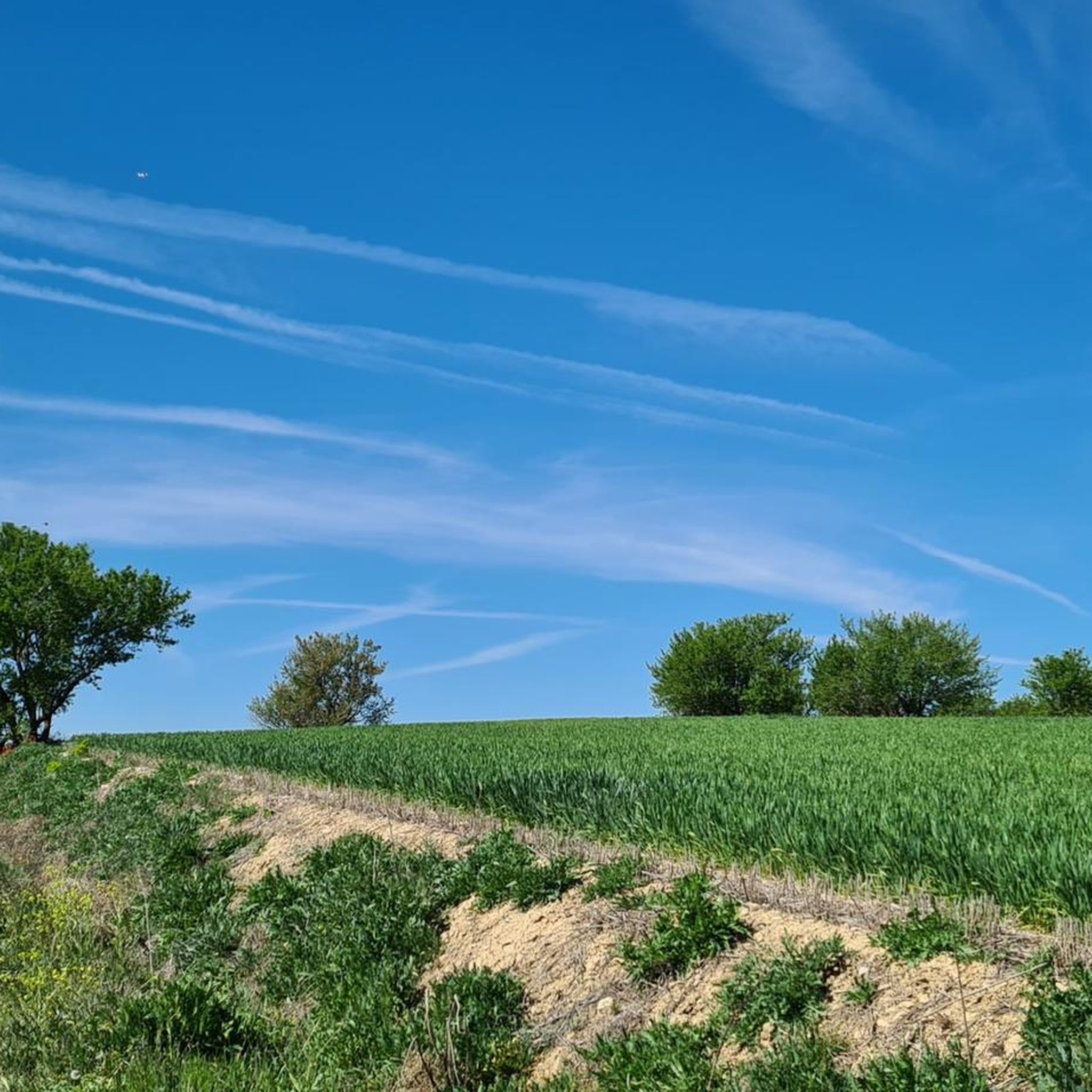
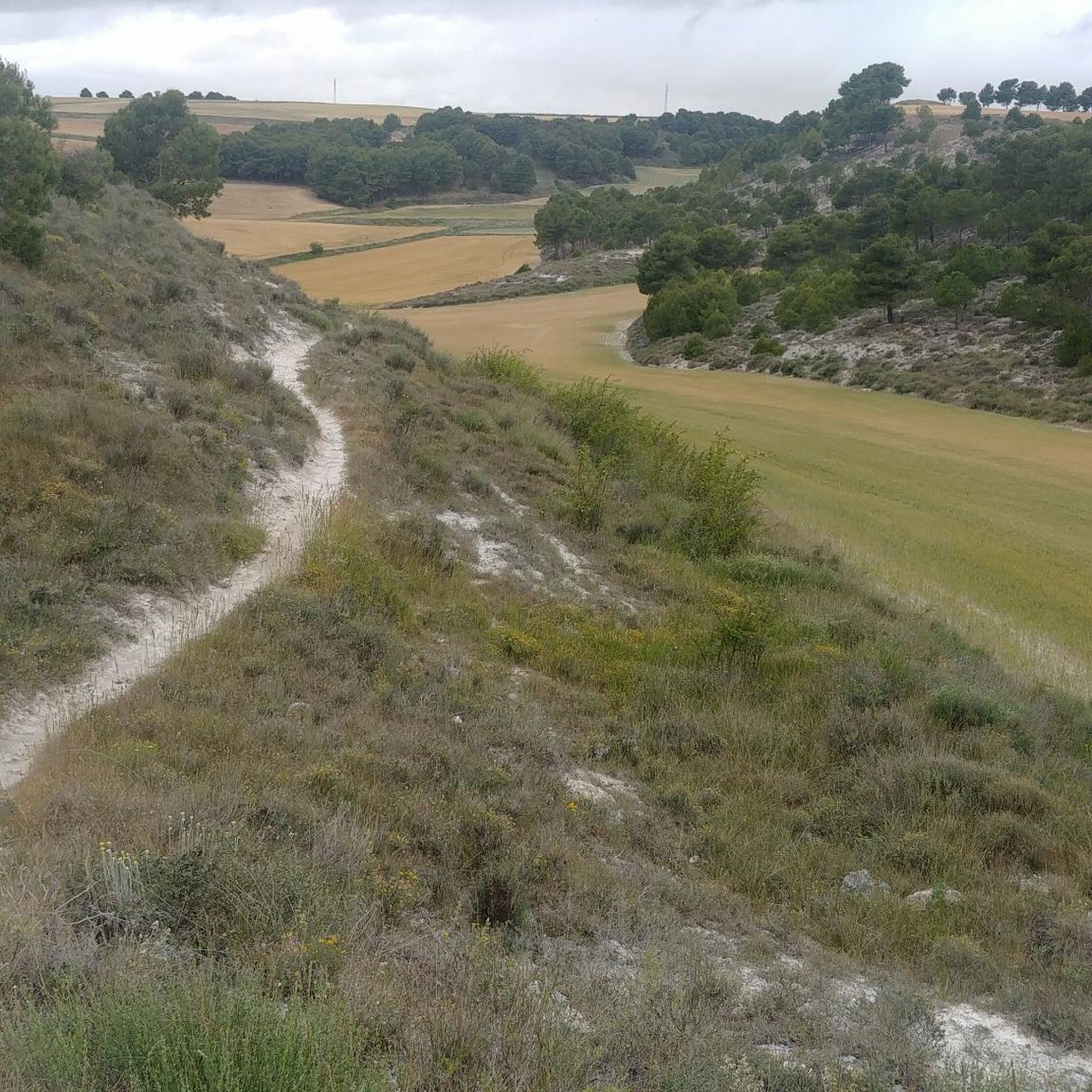
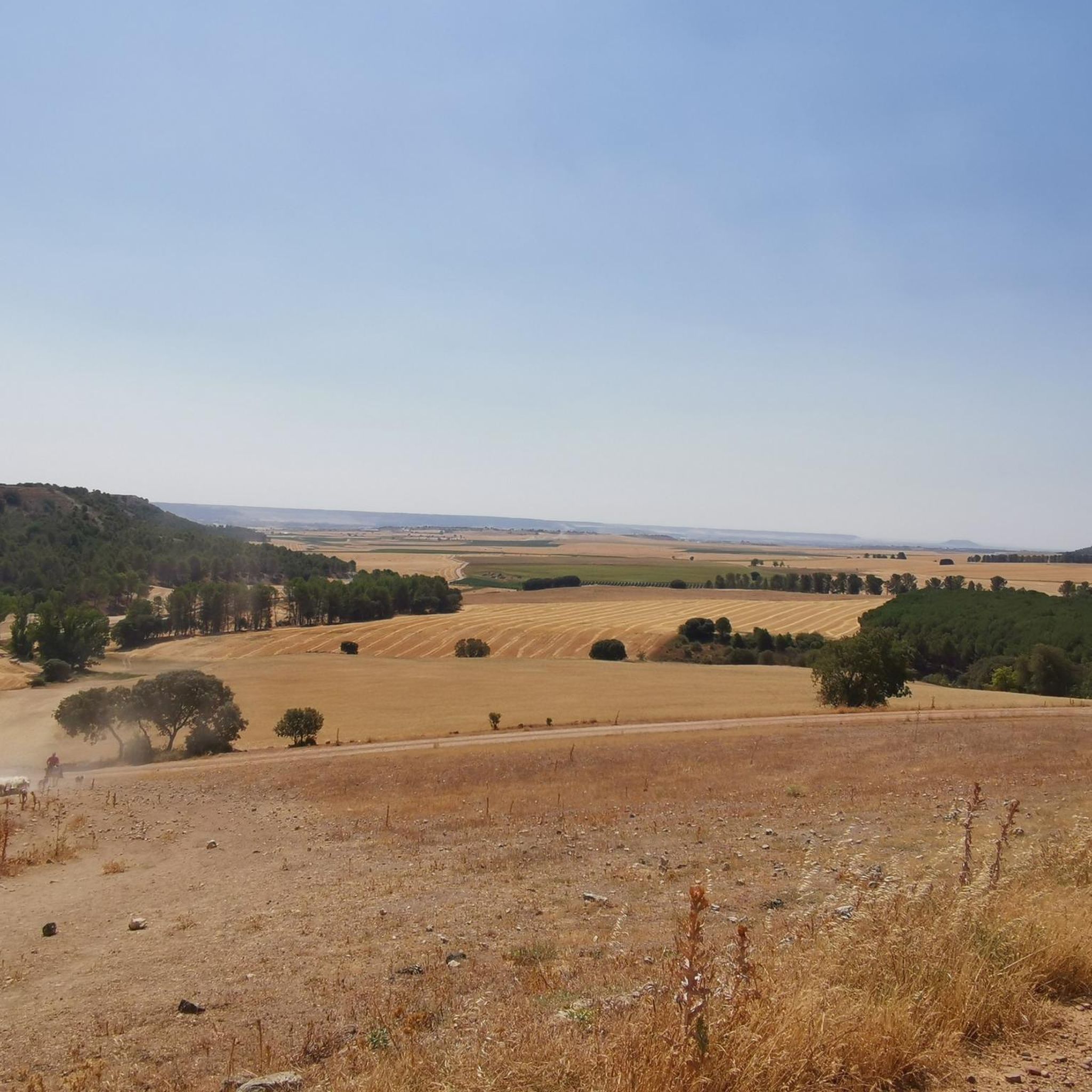
Tips from the Community

very well preserved.
0
0

The Church of Santa Cruz, which today houses the Museum of the Holy Week of Medina de Rioseco. Above a previous Gothic church, it was built at the end of the 16th century, designed by Rodrigo Gil de Hontañón, highlighting the Italian Jesuitic style façade with Herrerian influences. At the doors of the church we find a monument to Holy Week.
0
0

It was built in the 15th century by the Vivero family, nobles of Galician origin, as a stately residence. The castle is modeled after the Valladolid school and was conceived more as a residence than as a military fortress. Throughout its history, it has had various palatial uses and was also the headquarters of the Cortes of Castilla y León. Currently, it has been restored and converted into a medieval museum. This castle, which was the headquarters of the Cortes of Castilla y León between 1983 and 2007, is property of the Provincial Council of Valladolid and is currently used as an interpretation center for the castles. 🏰🌟
3
0

The local congregation has dedicated this church not to one of the (almost infinite) saints, but to "Santa Cruz" as its patron saint. Perhaps a brief stop for hikers or walkers is the appropriate time for a brief meditation and a prayer to God. I would therefore like to invite you to prayerfully contemplate God's infinite love for us humans, revealed in Christ nailed to the wood of the cross. Perhaps a quote from the Spanish order's founder, Ignatius of Loyola (1491 to 1556), may be helpful: + "Trust in God is most exalted precisely where human hopes sink most deeply. For where all human help gives way, there it makes way for divine help."
2
0

Built in the 13th century, this castle was never conquered due to its imposing walls. It passed into the hands of the Dukes of Alburquerque and played an important role in the confrontations between Pedro I and the followers of Enrique de Trastámara. During the War of the Communities, the castle served as a refuge for the community members. It is one of the most impressive medieval fortifications in the province of Valladolid.
1
0
Castromonte stands on the remains of an ancient Roman fortress, hence its name. In the town, the impressive Parochial Church of the Purísima Concepción de Nuestra Señora stands out, built in stone, masonry, mud wall and brick in the 16th century.
1
0
Fortification built in the 15th century, it stands out for its elegant Gothic architecture and its imposing keep. This castle has witnessed numerous events over the centuries, it was here that the Catholic Monarchs signed their betrothal on October 18, 1469. The castle has stood the test of time with pride.
1
0

This castle has a long and interesting history like many others, but this one wasn't really open to the public until 2012. It's worth a visit if you're in the area.
0
0
Frequently Asked Questions
What historical landmarks can I explore in Villalba de los Alcores?
Villalba de los Alcores is rich in history. You can see the imposing 13th-century Castle of Villalba de los Alcores, though it's privately owned. The town also features remnants of its 12th-century defensive walls and the largely ruined but historically significant Church Santa María del Templo. For active worship, the Church of Santiago Apóstol showcases Romanesque, Gothic, and Renaissance styles.
Are there any castles to visit near Villalba de los Alcores?
Yes, the region is known for its castles. You can visit Fuensaldaña Castle, a 15th-century stately residence now an interpretation center for castles. Another significant fortification is Montealegre de Campos Castle, a 13th-century structure known for its imposing walls that were never conquered.
What natural features define the landscape around Villalba de los Alcores?
Villalba de los Alcores is nestled on the edge of the Montes Torozos, an area characterized by holm oaks, gall oaks, and expansive fields of cereal crops. This natural setting provides a scenic backdrop that changes colors with the seasons. The nearby Finca de Matallana, also known as the Centro de Interpretación de la Naturaleza de Matallana, is dedicated to showcasing the rich biodiversity and natural heritage of the area.
Are there family-friendly attractions in the Villalba de los Alcores area?
Yes, several attractions are suitable for families. Fuensaldaña Castle is listed as family-friendly and offers an interpretation center. The Finca de Matallana / Centro de Interpretación de la Naturaleza de Matallana also provides environmental education activities for families and schoolchildren.
What outdoor activities, like hiking or cycling, are available near Villalba de los Alcores?
The area around Villalba de los Alcores offers various outdoor activities. You can find numerous road cycling routes, mountain biking trails, and hiking paths. For detailed routes and guides, explore the Road Cycling Routes around Villalba De Los Alcores, MTB Trails around Villalba De Los Alcores, and Hiking around Villalba De Los Alcores guides.
Are there specific hiking trails I can explore around Villalba de los Alcores?
Yes, there are several hiking trails. A popular option is the 'Castillos de Villalba de los Alcores y Montealegre de Campos — circular por la Tierra de Campos (GR 26)' which is a moderate 17.6 km route. Other trails include the 'Clarete Trails of Mucientes Loop' and 'Hiking around the castles of Ampúdia and Torremojón'. You can find more details in the Hiking around Villalba De Los Alcores guide.
What are some religious sites of interest in the region?
Beyond the Church of Santiago Apóstol in Villalba de los Alcores, you can visit the Church of Santiago Apóstol, Medina de Rioseco, located in a city with a rich history. Another notable site is the Church of Santa Cruz, an Herrerian-style temple from the late 16th century, and the Church of the Immaculate Conception of Castromonte, built on the ruins of a Roman fort.
Is there anything unique about the traditional architecture in Villalba de los Alcores?
Yes, the Tierra de Campos region, where Villalba de los Alcores is located, is known for its traditional 'Palomares' (dovecotes). These are distinctive spherical dry-stone constructions that are a notable element of the popular architecture.
What do visitors particularly enjoy about the attractions near Villalba de los Alcores?
Visitors appreciate the rich historical significance and well-preserved structures, particularly the castles. For instance, the Fuensaldaña Castle is noted for its impressive tower and walls. The blend of cultural heritage and the picturesque natural landscapes of the Montes Torozos also contribute to a rewarding experience, with many sharing photos and upvoting the attractions.
Are there any attractions that are wheelchair accessible?
Yes, the Church of Santa Cruz is listed as wheelchair accessible, offering an opportunity for all visitors to experience this Herrerian-style temple.
When is the best time of year to visit Villalba de los Alcores?
The region's landscape, particularly the cereal fields of Tierra de Campos, changes colors with the seasons. Spring and early summer offer vibrant green fields and pleasant weather for outdoor activities. Autumn brings a different palette of colors, while winters can be colder but offer a stark beauty. Consider your preferred activities when choosing the best time to visit.
Where can I learn more about the local carpentry tradition?
You can visit the Museum of Carpentry (Museo de la Carpintería), located within the Town Hall of Villalba de los Alcores. Established in 2001, this museum honors the ancestral tradition of carpentry, which has evolved into a thriving industry in the region.
Can I find remnants of ancient settlements near Villalba de los Alcores?
Yes, the Fuenteungrillo area, located in the Anguijón valley, contains the remains of a significant medieval settlement that was depopulated in the 14th century. It once featured a castle, walls, and several churches, and an archaeological site with an interpretive center helps visitors understand medieval life.
Most popular attractions around Villalba De Los Alcores

Get inspired with the komoot mobile app


Explore more
Still not found the Highlight you’re looking for? See guides of the top attractions in other regions:
