The best walks and hikes around Villalba De Los Alcores
5.0
(2)
9
hikers
12
hikes
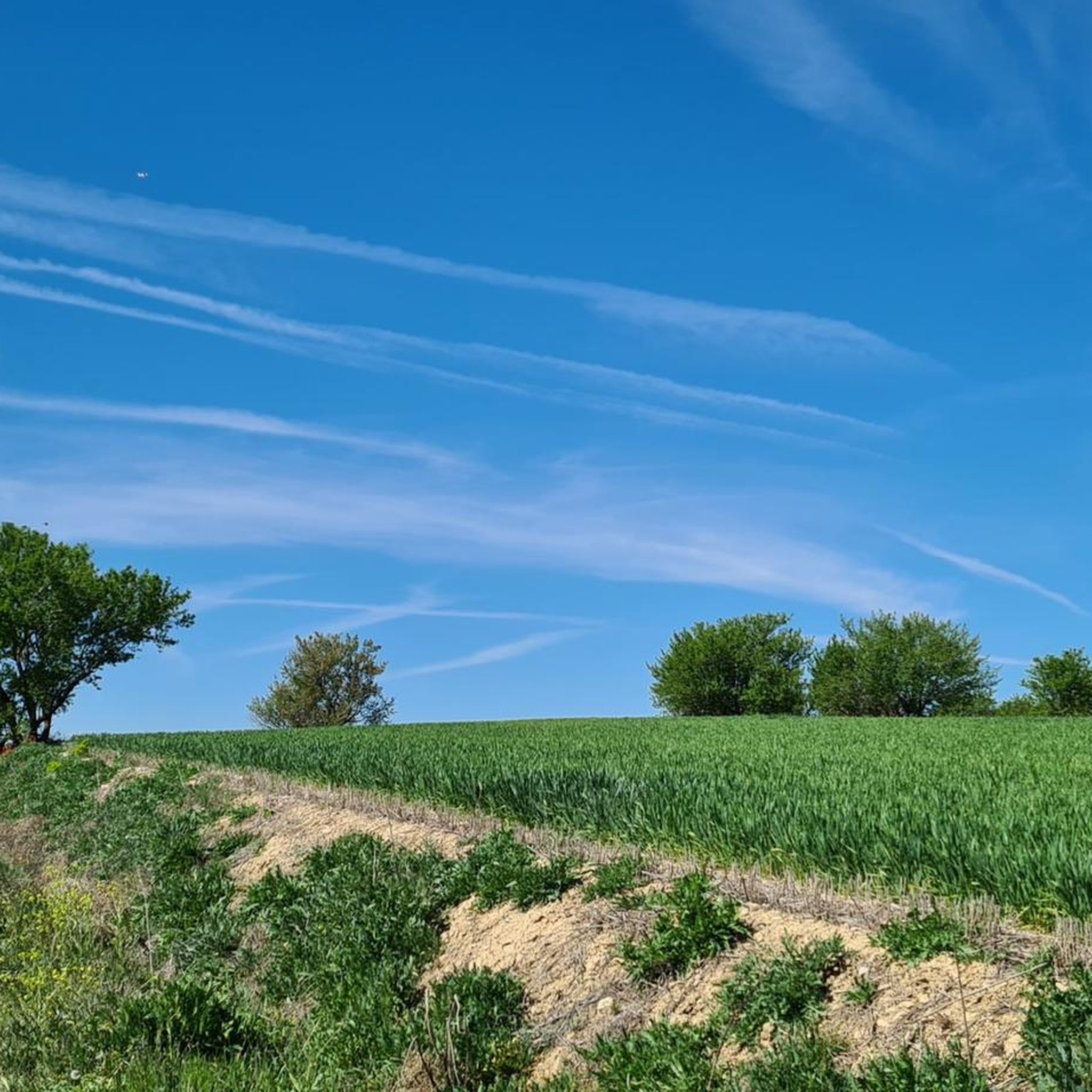
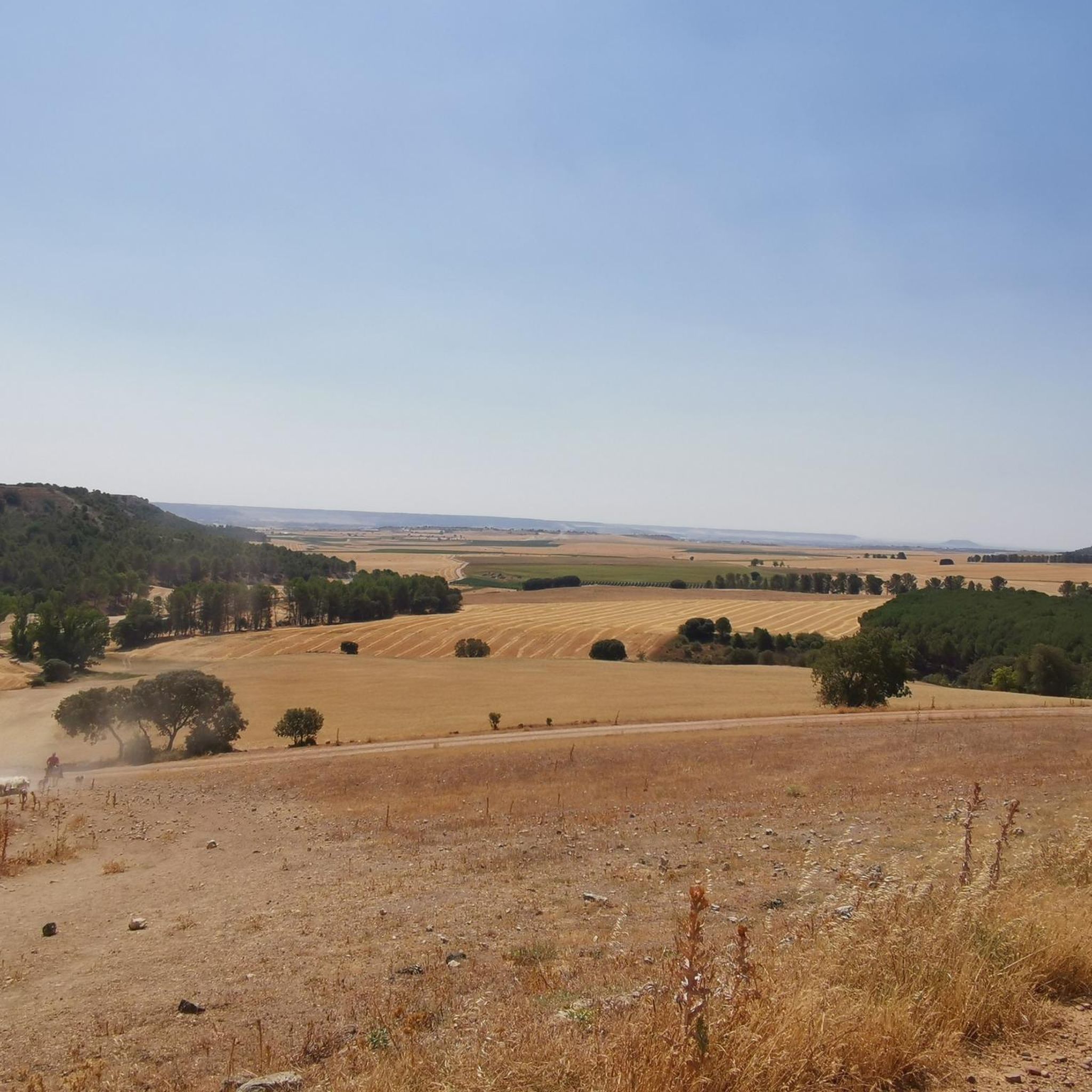
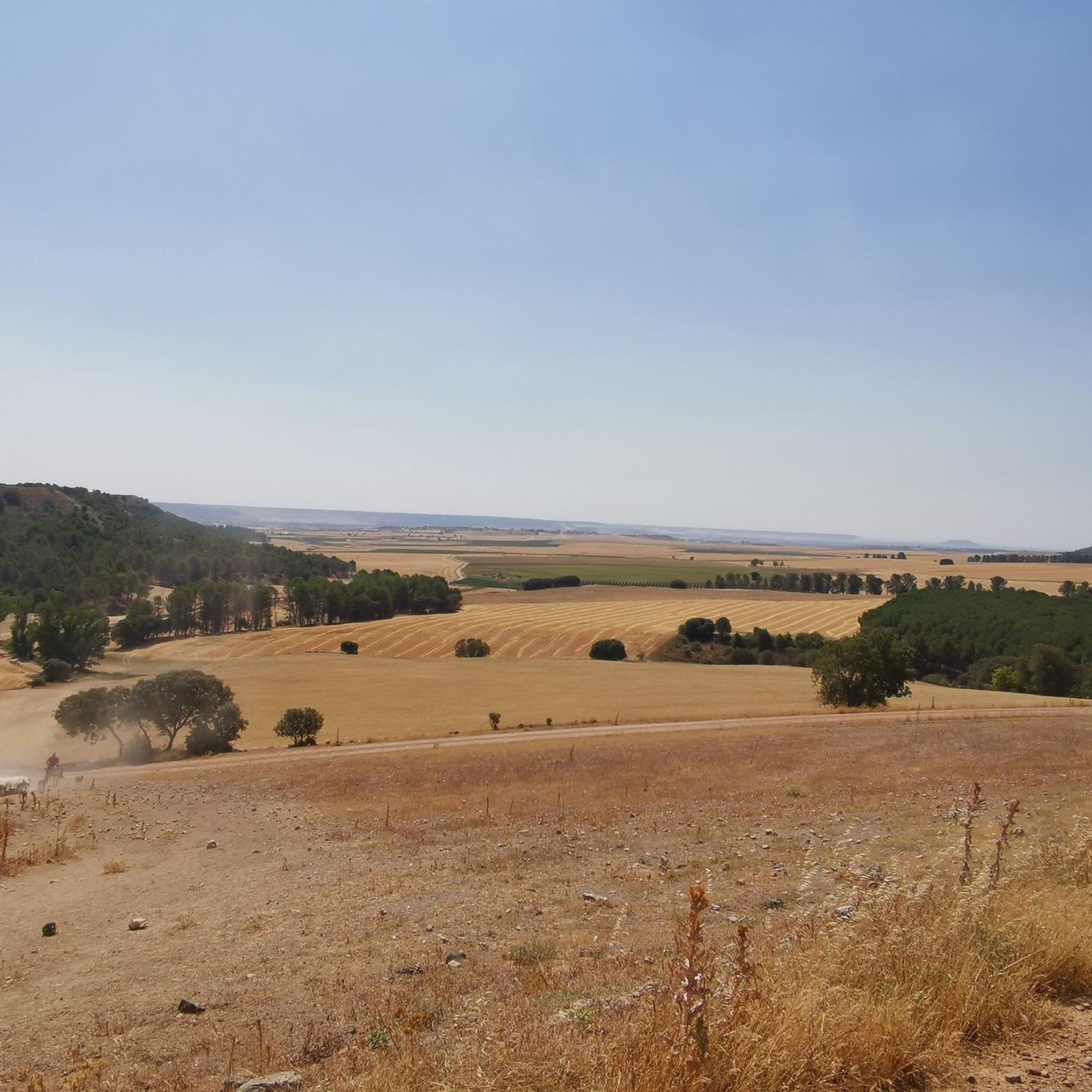
Hiking around Villalba De Los Alcores offers diverse landscapes, situated at the border of the Montes Torozos and Tierra de Campos regions. The Montes Torozos feature wooded hills with holm and gall oaks, providing a wilder environment. In contrast, the Tierra de Campos is characterized by extensive cultivated fields that change color seasonally. Villalba de los Alcores itself is located on a hill, offering elevated views of the surrounding terrain.
Best hiking trails around Villalba De Los Alcores
- The most…
Last updated: May 25, 2026
2
hikers
Moderate hike. Good fitness required. Easily-accessible paths. Suitable for all skill levels.
1
hikers
9.46km
02:28
70m
70m
Hike the moderate 5.9-mile Sendero Las Arroyos circular route near Mucientes, exploring vineyards, oak forests, and panoramic views.

Sign up for free
1
hikers
17.1km
04:30
150m
150m
Moderate hike. Good fitness required. Easily-accessible paths. Suitable for all skill levels.
Moderate hike. Good fitness required. Easily-accessible paths. Suitable for all skill levels.
17.7km
04:38
140m
140m
Hike the Clarete Trails 2: Mucientes-Cigales, a moderate 11.0-mile route through vineyards and historic towns in Spain's wine country.
Get access to more routes and recommendations from other explorers.
Sign up for free
Already have an account?
Our route recommendations are based on thousands of hikes, rides, and runs completed by other people on komoot.
Start today with a free account
Your next adventure awaits.
Login or Signup
Popular around Villalba De Los Alcores
Tips from the Community

The ruins of Mucientes Castle, in the province of Valladolid, are a valuable historical testament, although today only vestiges of its former grandeur remain. It was built in the 14th century as a stone and masonry castle-palace. The castle has been designated a public park, with trails that allow visitors to explore the archaeological remains. It's an ideal place to combine with a visit to the nearby Mucientes Winery District.
1
0
The Bodegas neighborhood of Mucientes, especially the one known as Cuarto de San Pedro, is one of the most unique ethnographic sites in Castile and León. The construction of wine cellars began outside the town center in the 16th century, as a measure to avoid risks within the town. In Mucientes, there are more than 200 underground wine cellars, mainly grouped in the neighborhoods of San Antón and San Pedro.
1
0

On clear days the views reach up to the Palencia mountains.
0
0
The monumental Church of Santiago is a grandiose project begun in 1535 under the design of Rodrigo Gil de Hontañon, considered one of the introducers of the Renaissance in Spain. The project was finally carried out by Juan de Saravia and Diego de Praves, ending in the year 1772.
9
0

Palacios de Campos is a small town on the Camino del Tierra de Campos between Montealegre de Campos and Medina de Rioseco.
2
1

Built in the 13th century, this castle was never conquered due to its imposing walls. It passed into the hands of the Dukes of Alburquerque and played an important role in the confrontations between Pedro I and the followers of Enrique de Trastámara. During the War of the Communities, the castle served as a refuge for the community members. It is one of the most impressive medieval fortifications in the province of Valladolid.
1
0
The castle of Villalba de los Alcores is a military fortress declared a historical-artistic monument in 1931. It is believed that this fortress was part of a defensive complex that arose from border disputes between the kingdoms of León and Castilla in the 12th century. Together with other nearby castles, it formed a strategic defensive line for communication and mutual aid.
1
0
The castle of Ampudia, the most important and best preserved in Palencia. Built between the 13th and 15th centuries in the Gothic style, it has a trapezoidal plan and three square corner towers. The keep stands out. Its symmetrical façade is decorated with Flemish scaraguaitas and a coat of arms of the Duke of Lerma. In addition, it was the place where the document that changed the capital from Valladolid to Madrid was signed.
1
0
Frequently Asked Questions
What kind of landscapes can I expect to see while hiking around Villalba De Los Alcores?
Hiking around Villalba De Los Alcores offers a diverse experience, as it sits at the border of two distinct geographical areas. You'll encounter the wooded hills of the Montes Torozos, characterized by holm oaks and gall oaks, providing a wilder feel. In contrast, the Tierra de Campos presents extensive, cultivated fields that change color with the seasons, offering a different kind of scenic beauty. The town itself is on an 'alcor' or hill, often providing elevated views.
What are the typical difficulty levels for hiking trails in Villalba De Los Alcores?
The hiking trails in Villalba De Los Alcores primarily cater to easy and moderate ability levels. There are 4 easy routes and 8 moderate routes available, making it accessible for a wide range of hikers. You won't find any difficult trails in this immediate area.
Are there any historical landmarks or points of interest along the hiking trails?
Yes, the region is rich in history and offers several notable landmarks. You can explore the impressive Castillo de Villalba, an ancient fortress, or the ruins of the Cistercian Monasterio de Santa María de Matallana, which also serves as a nature interpretation center. Other historical sites include the Montealegre de Campos Castle and the Castle of Ampudia. Many routes, such as the Castillos de Villalba de los Alcores y Montealegre de Campos — circular por la Tierra de Campos (GR 26), integrate these historical sites into the hiking experience.
Are there any circular hiking routes available?
Yes, there are several circular routes that allow you to start and end in the same location. A popular option is the Castillos de Villalba de los Alcores y Montealegre de Campos — circular por la Tierra de Campos (GR 26), which combines historical castles with scenic views. Another is the Clarete Trails of Mucientes Loop, offering a moderate path through cultivated fields.
What is the best time of year to go hiking in Villalba De Los Alcores?
The region offers pleasant hiking conditions for much of the year. Spring and autumn are particularly ideal, with milder temperatures and the landscapes transforming with vibrant colors in spring and golden hues in autumn. Summer can be warm, so early mornings or late afternoons are recommended, while winter offers a different, often quieter, experience, especially in the wooded areas.
Are there any family-friendly hiking options in the area?
Yes, with a good number of easy and moderate trails, Villalba De Los Alcores offers suitable options for families. The varied terrain, including both wooded areas and open fields, provides engaging scenery for children. Look for the easier routes, which are generally shorter and have less elevation gain, making them perfect for a family outing.
Can I bring my dog on the hiking trails?
Generally, dogs are welcome on most hiking trails in the natural areas around Villalba De Los Alcores. However, it's always advisable to keep them on a leash, especially in areas with livestock or near historical sites, and to respect local regulations. The diverse landscapes, from open fields to woodlands, provide plenty of space for you and your canine companion to enjoy.
Where can I find parking for hiking trails in Villalba De Los Alcores?
Parking is generally available in or near the villages that serve as starting points for many trails. For routes that begin directly from Villalba De Los Alcores, you can usually find parking within the village. For trails connecting to other towns, such as those around Montealegre de Campos or Mucientes, parking facilities are typically accessible in those respective locations.
What kind of wildlife might I spot while hiking?
The Montes Torozos region, with its woodlands, offers opportunities to spot small animals like hares, partridges, and rabbits. Birdwatchers might also enjoy the open plains of Tierra de Campos. Keep an eye out for various bird species that inhabit both the cultivated fields and the more natural wooded areas.
Are there any viewpoints offering panoramic views?
Given Villalba de los Alcores' location on an 'alcor' or hill, many routes naturally offer elevated perspectives. Trails that traverse the higher points of the Montes Torozos or those that provide views over the expansive Tierra de Campos will offer excellent panoramic vistas of the surrounding diverse landscapes.
Are there options for longer, more challenging hikes?
While there are no 'difficult' graded trails, some moderate routes offer a good challenge due to their length. For example, the Clarete Trails 2: Mucientes-Cigales covers over 17 km, and Hiking around the castles of Ampúdia and Torremojón is also over 17 km, providing a substantial day out for experienced hikers.
Can I find places to eat or stay overnight in Villalba De Los Alcores?
Villalba De Los Alcores, being a village, offers local amenities including places to eat and stay. You can find traditional Spanish cuisine in local restaurants or bars. For accommodation, options often include rural hotels (hotel rural) or guesthouses (casa rural), providing an authentic experience in the heart of the region.
Most popular routes around Villalba De Los Alcores
Most popular attractions around Villalba De Los Alcores

Get inspired with the komoot mobile app


Explore more
Browse the best Hikes in other regions.
