Attractions and Places To See around Alfara Del Patriarca - Top 20
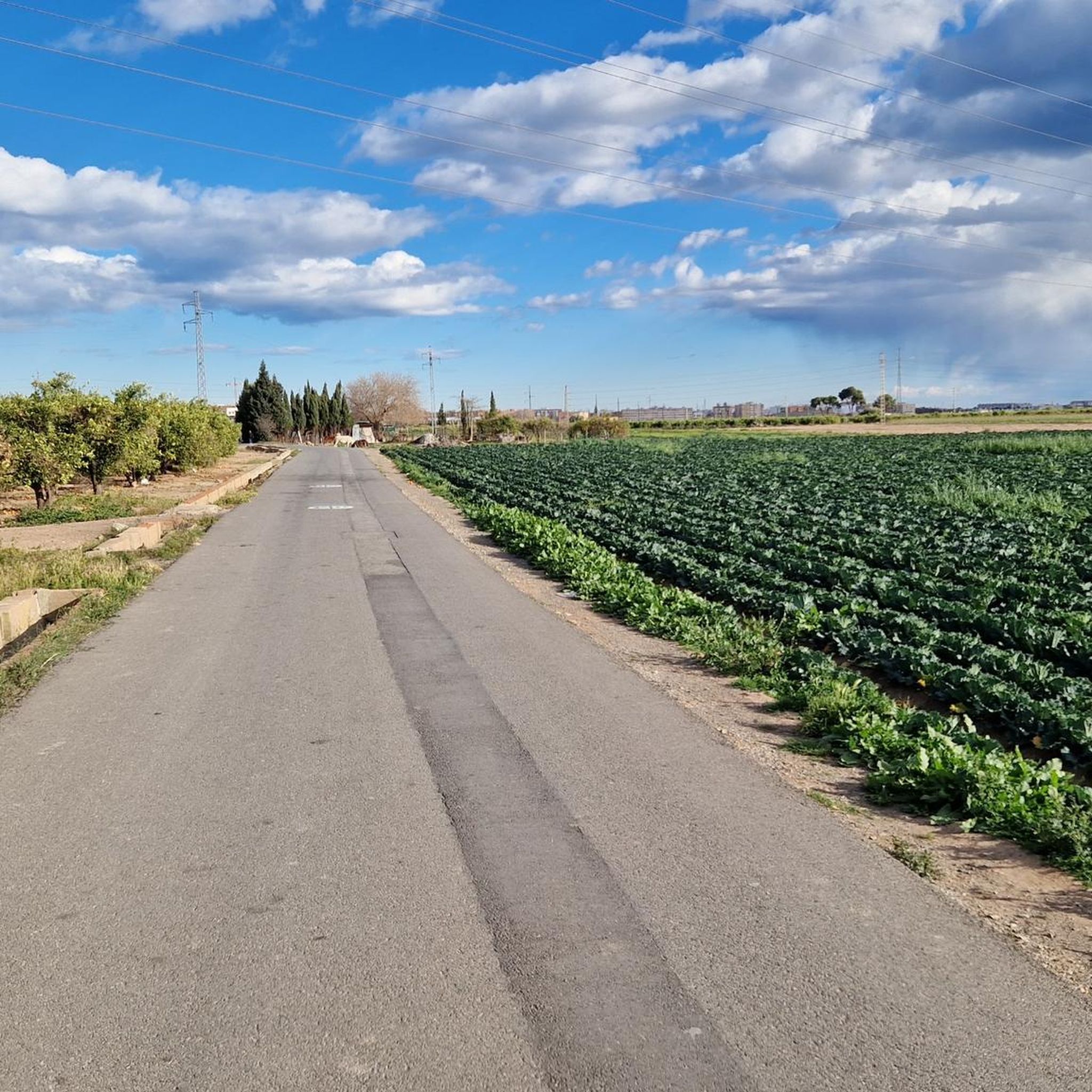
Best attractions and places to see around Alfara Del Patriarca are found in the Horta Nord region of Valencia, Spain. This area is characterized by its rich agricultural landscape, known as the huerta, and historical sites reflecting its deep heritage. Visitors can explore a blend of cultural landmarks, traditional architecture, and natural features like the Royal Moncada Irrigation Canal. The town's history is evident in its preserved buildings and the surrounding fertile plains.
Best attractions and places to see around…
Last updated: July 20, 2026
City of Arts and Sciences
Highlight • Monument
Translated by Google •
Tip by

Plaza de la Virgen
Highlight • Historical Site
Translated by Google •
Tip by

Sign up now to discover places like this
Get recommendations on the best single tracks, peaks, & plenty of other exciting outdoor places.
Sign up for free
Queen's Square
Highlight • Settlement
Translated by Google •
Tip by
Valencia Cathedral
Highlight • Religious Site
Translated by Google •
Tip by

Puente del Mar
Highlight • Bridge
Translated by Google •
Tip by
Sign up for free to discover even more attractions around Alfara Del Patriarca.
Sign up for free
Already have an account?
Start today with a free account
Your next adventure awaits.
Login or Signup

Tips from the Community

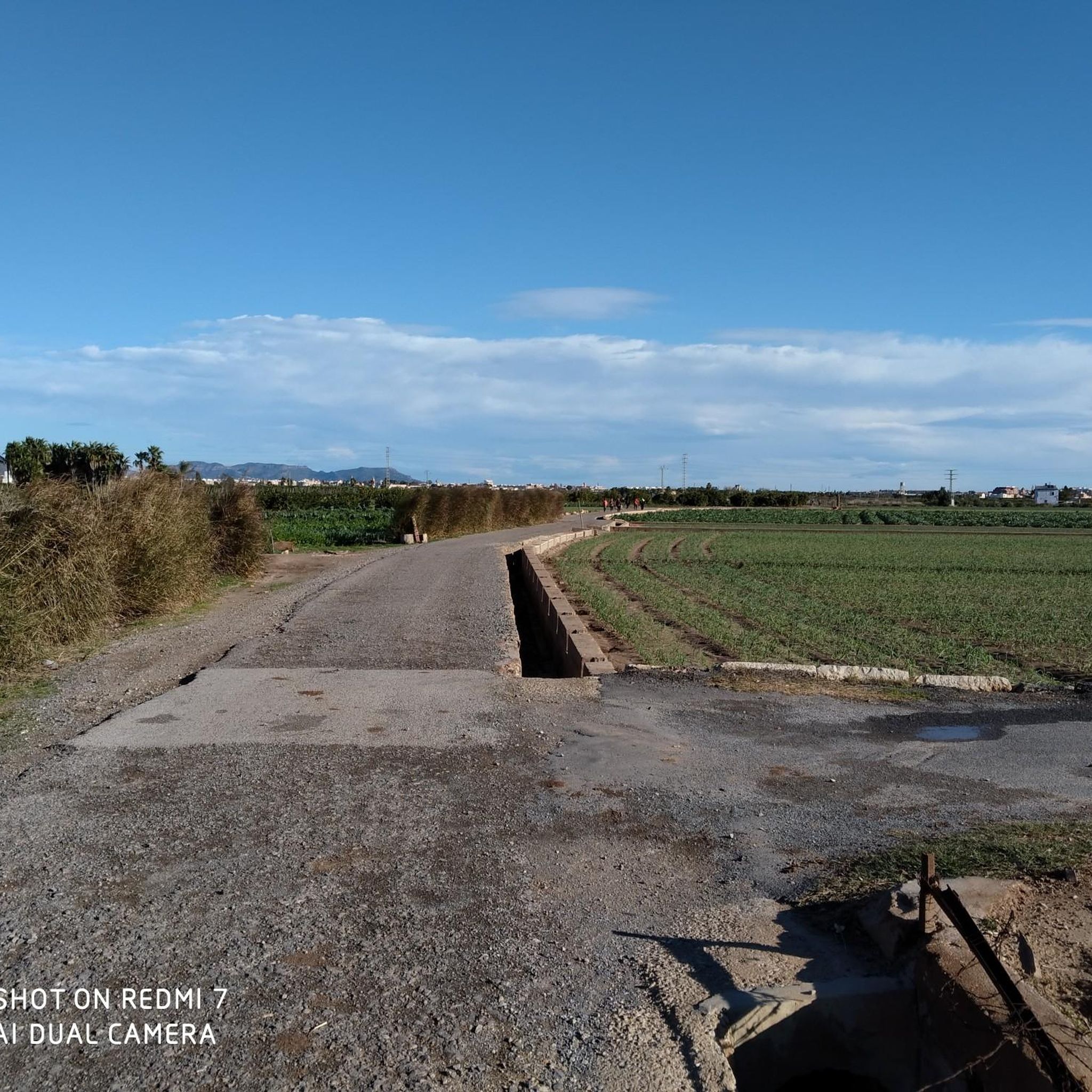
Several beautiful bridges can be admired in the green belt of Valencia
2
0

A beloved Valencian saying goes: “The people of Valencia eat rice 6 times a week – and on Sundays they eat paella.” Rice is served almost daily in this city. Famous rice dishes are: paella, arroz a banda, arroz al horno, arroz negro and arroz meloso. The variations are endless.
5
0
Most beautiful place to take a photo.
6
0
Enjoy a relaxed cycle with a guide
10
0

Busy square pretty much in the centre of town with many of the main attractions close by and lots of restaurants in the neighborhood.
6
0

Valencia Cathedral is one of the most beautiful places in Valencia. This stunning cathedral, which dates back to the 13th century, is essentially a museum of 15th-century paintings. Its facade is an architectural hodgepodge of different styles, including Romanesque, Baroque and Gothic elements. Inside the Valencia Cathedral you will find the Chapel with the Holy Chalice. Many researchers suspect that this is actually the true Holy Grail. The chalice itself has Arabic inscriptions and dates back to the 1st century. It was donated to the cathedral in the 15th century by the King of Aragon.
7
0
There's always a lot going on here - from tourists to vendors to 'dancing bears'. The whole thing is framed by buildings that are really worth seeing and a number of tourist traps (some of them are even good, but almost always helplessly overpriced).
9
0

Plaça de la Reina is dedicated to Queen Maria de la Mercè d'Orleans, the short wife of King Alfonso XII. During the Second Republic (1931-1939), this square was named after Francesc de Vinatea. In the square, the view of Micalet stands out, the bell tower of the cathedral. As a curiosity, it should be said that this square constitutes the reference for numbering the buildings of the city of Valencia, and not the Town Hall Square. It is also home to kilometer zero of Valencia's radial roads, under the jurisdiction of the Generalitat Valenciana.
5
0
Frequently Asked Questions
What historical landmarks can I explore in Alfara del Patriarca?
Alfara del Patriarca is rich in history. You can visit the 14th-century Palacio de Cruïlles (also known as Palacio de la Señoría), which is the town's historical heart and often hosts cultural events. The Parish Church of San Bartolomé Apóstol, a Baroque-style church from 1732, and the 16th-century stately residence Casa de la Sirena are also notable. Don't miss the remains of the former Convent of San Diego or the impressive El Paretó de Alfara del Patriarca, an 180-meter hydraulic wall built in 1794.
Are there any significant religious sites to visit in the area?
Yes, the Parish Church of San Bartolomé Apóstol in Alfara del Patriarca is a prominent Baroque-style church dating back to 1732. Additionally, nearby Valencia offers the magnificent Valencia Cathedral, a historical site with a rich past, built on an ancient Roman temple and later a mosque, showcasing a blend of architectural styles from Romanesque to Baroque.
What natural features can I see around Alfara del Patriarca?
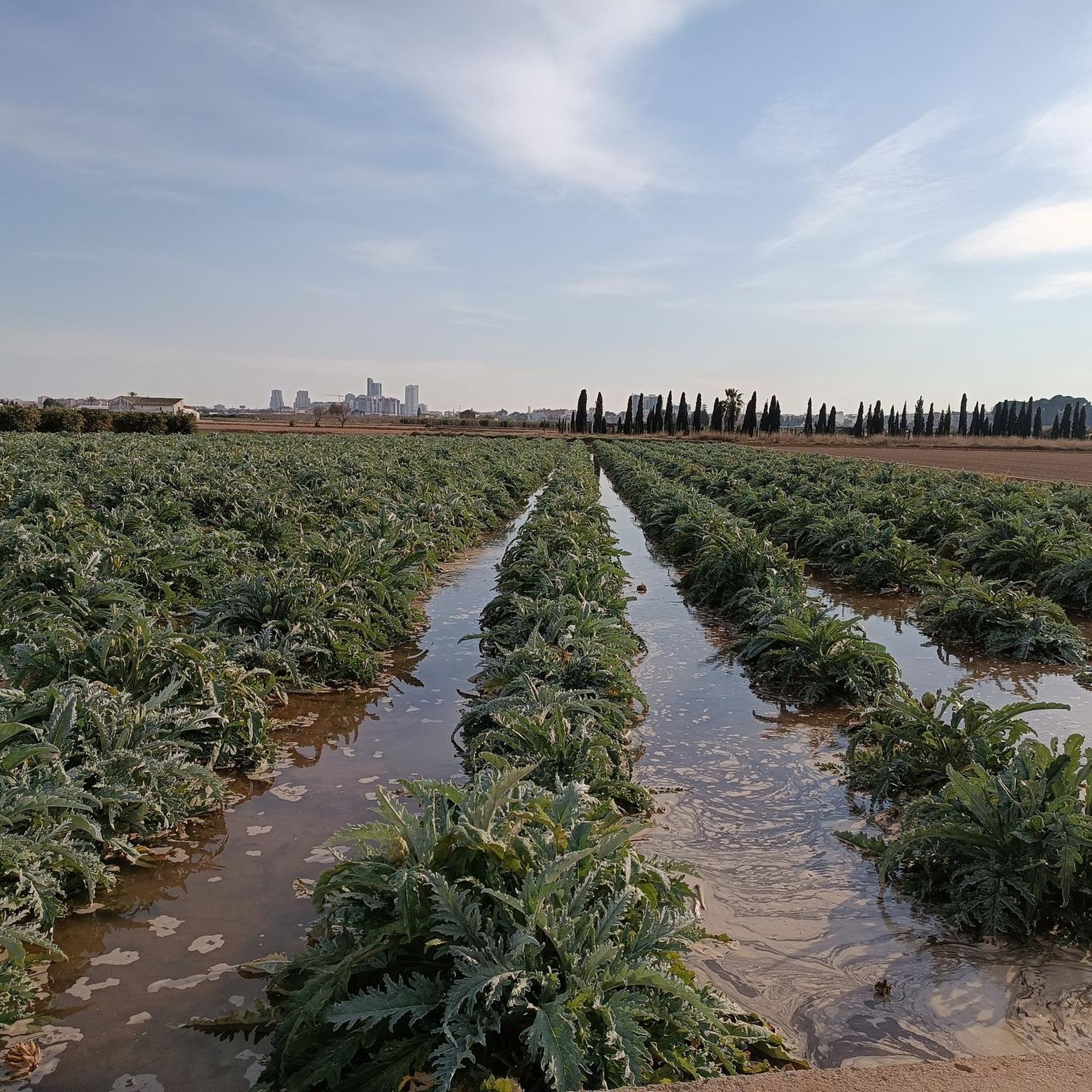
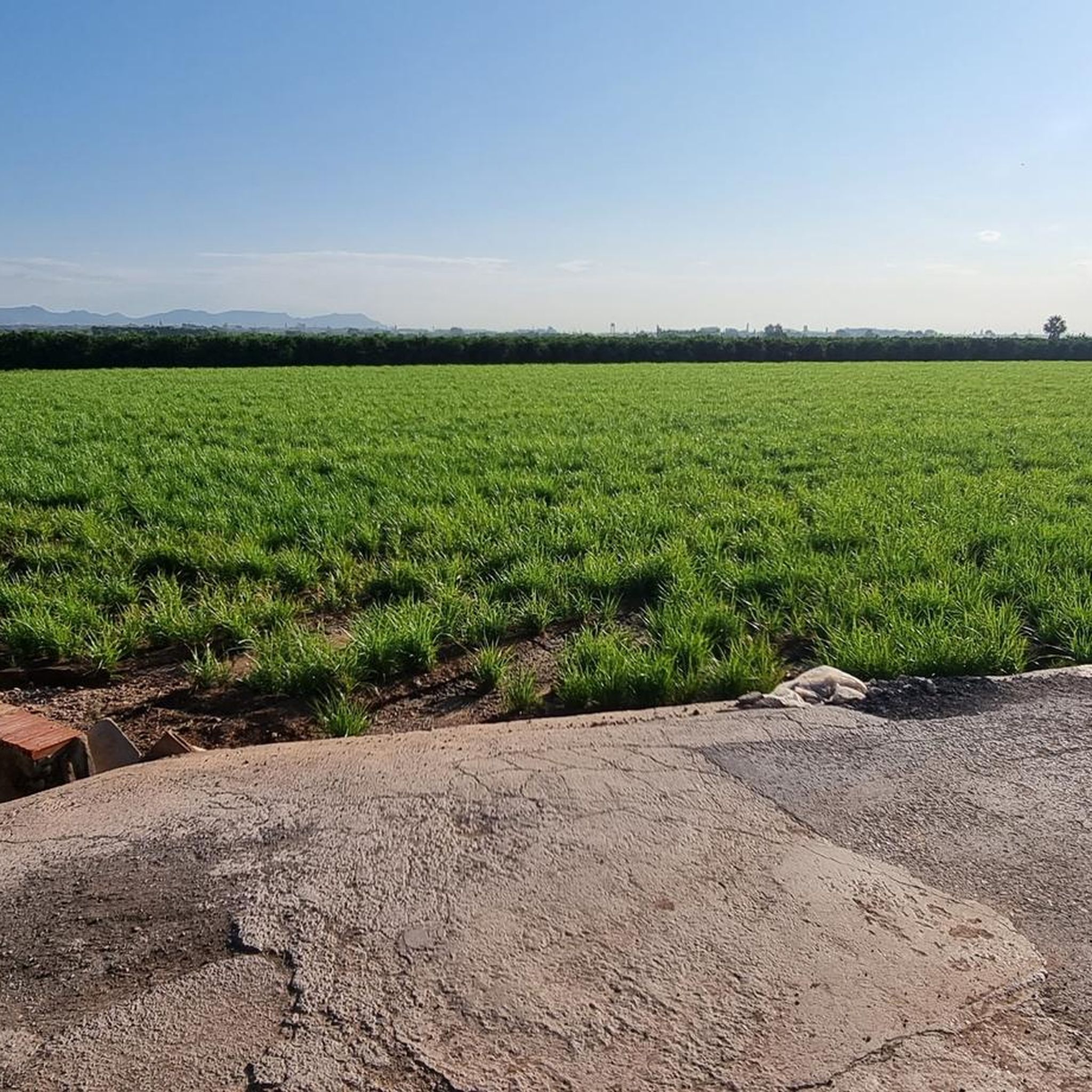
The area is characterized by its agricultural landscape, known as the huerta. You can observe the Carraixet Ravine, which traverses the municipality, and the historic Royal Moncada Irrigation Canal, vital for the fertile plains. The huerta itself offers picturesque environments with orchards and intricate irrigation systems, ideal for leisurely exploration.
Are there family-friendly attractions in Alfara del Patriarca and its surroundings?
Absolutely! Many attractions are suitable for families. The City of Arts and Sciences is a must-see, with its futuristic architecture and the Oceanogràfic, Europe's largest aquarium. The pedestrian Plaza de la Virgen and Queen's Square are vibrant spots with historical significance, surrounded by cafes and often hosting craft stalls. The Puente del Mar is also a pleasant pedestrian bridge to explore.
What kind of outdoor activities can I do near these attractions?
The region around Alfara del Patriarca is excellent for various outdoor activities, especially cycling. You can find numerous routes for road cycling, mountain biking, and gravel biking. For example, there are challenging road cycling loops like the 'Oronet Pass Climb' or more moderate MTB trails such as the 'Hermitage of the Little Fish – EuroVelo 8 Section loop'. You can explore detailed routes and guides for these activities on komoot, such as the Road Cycling Routes around Alfara Del Patriarca or MTB Trails around Alfara Del Patriarca.
Can I find easy walking trails or places for leisurely strolls?
Yes, the agricultural landscape of the huerta, with its orchards and intricate irrigation canals, provides a unique and tranquil setting ideal for leisurely strolls and easy walks. The pedestrian areas around historical squares like Plaza de la Virgen and Queen's Square also offer pleasant environments for a relaxed walk, allowing you to soak in the local atmosphere and architecture.
What is the architectural style of the buildings in Alfara del Patriarca?
Alfara del Patriarca showcases a blend of architectural styles reflecting its history. The Palacio de Cruïlles, though reformed, retains elements of its 14th-century origins. The Parish Church of San Bartolomé Apóstol is a notable example of Baroque style, while the Casa de la Sirena combines Renaissance and Baroque elements. The Town Hall, built in the early 20th century, features a Neo-Gothic design. You'll also find industrial chimneys, vestiges of the town's brick industry, and traditional ceramic panels adorning the streets.
What do visitors enjoy most about the attractions around Alfara del Patriarca?
Visitors frequently praise the bold and futuristic architecture of the City of Arts and Sciences, calling it an architectural masterpiece. The historical charm and vibrant atmosphere of squares like Plaza de la Virgen and Queen's Square are also highly appreciated, especially for their traditional bars and restaurants. The blend of historical heritage and accessible, beautiful spaces makes the area a pleasure to explore.
Are there any hidden gems or unique cultural elements to discover?
Beyond the main landmarks, keep an eye out for the distinctive brick Industrial Chimneys scattered around town, remnants of Alfara del Patriarca's past as 'Alfara dels Rajolers.' You'll also find beautiful Traditional Ceramic Panels adorning the streets, some dating back to the 19th century, offering a glimpse into local artistry. The Old Theatre (El Teatret), originally a cultural casino, provides insight into the town's historical social life.
When is the best time to visit Alfara del Patriarca?
Alfara del Patriarca offers a vibrant atmosphere throughout the year. The town observes the famous 'Las Fallas' festivities from March 15th to 19th, which is a spectacular time to visit for cultural immersion. Its main patron saint celebrations take place during the second half of August. For outdoor activities and exploring the huerta, spring and autumn offer pleasant temperatures, avoiding the peak heat of summer.
Are there any viewpoints offering scenic views of the area?
While Alfara del Patriarca itself is relatively flat, the surrounding region offers scenic perspectives. The recently remodeled Queen's Square provides renewed views of the Micalet and Valencia Cathedral. For broader natural vistas, exploring the agricultural landscape of the huerta and areas near the Carraixet Ravine can offer picturesque scenes, especially during sunrise or sunset.
What is the significance of the Royal Moncada Irrigation Canal?
The Royal Moncada Irrigation Canal (Acequia Real de Moncada) is a historic and vital feature of the region. It flows through the municipality and plays a crucial role in sustaining the fertile agricultural landscape of the huerta. This intricate system of canals has been essential for centuries, allowing the cultivation of crops and shaping the unique environment of Alfara del Patriarca.
Most popular routes around Alfara Del Patriarca
Most popular attractions around Alfara Del Patriarca

Get inspired with the komoot mobile app


Explore more
Still not found the Highlight you’re looking for? See guides of the top attractions in other regions:
