Attractions and Places To See around La Riba - Top 20
Attractions and places to see around La Riba, located in the Alt Camp comarca of Tarragona, Catalonia, offer a blend of historical depth and natural beauty. Situated in the Valley of the River Brugent and near the Prades Mountains, the area features significant historical landmarks and diverse natural landscapes. La Riba is known for its historical water mills and is a recognized sport-climbing destination. Visitors can explore cultural sites and engage in various outdoor activities.
Best attractions and places to…
Last updated: May 26, 2026
Tolls de Les Tosques
Highlight • River
Translated by Google •
Tip by

Cave of the Cranes
Highlight • Cave
Translated by Google •
Tip by
Sign up now to discover places like this
Get recommendations on the best single tracks, peaks, & plenty of other exciting outdoor places.
Sign up for free
Royal Monastery of Santa María de Poblet
Highlight • Religious Site
Translated by Google •
Tip by

Old Bridge of Montblanc
Highlight • Bridge
Translated by Google •
Tip by

Hermitage of Sant Pere del Puig
Highlight • Religious Site
Translated by Google •
Tip by
Sign up for free to discover even more attractions around La Riba.
Sign up for free
Already have an account?
Start today with a free account
Your next adventure awaits.
Login or Signup
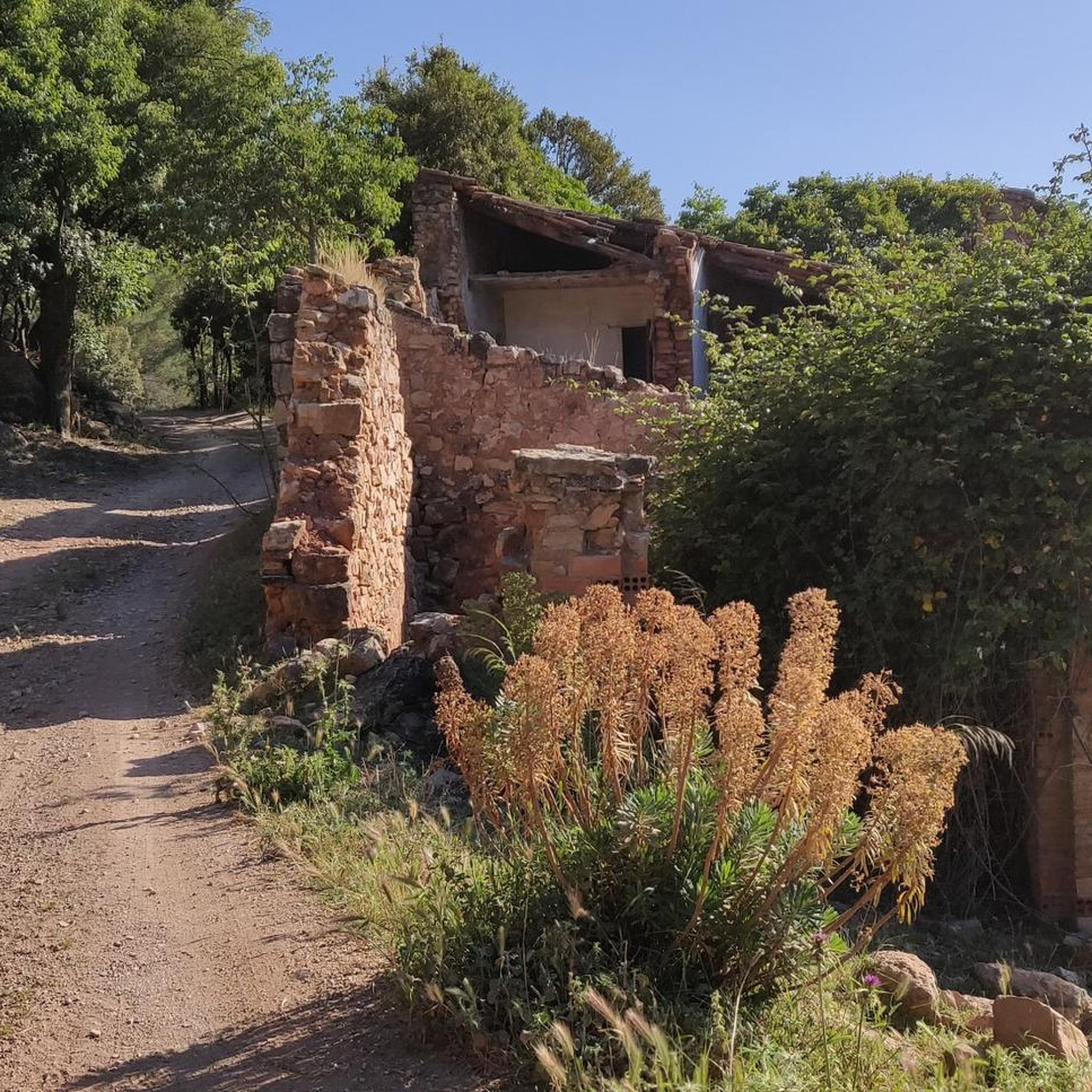
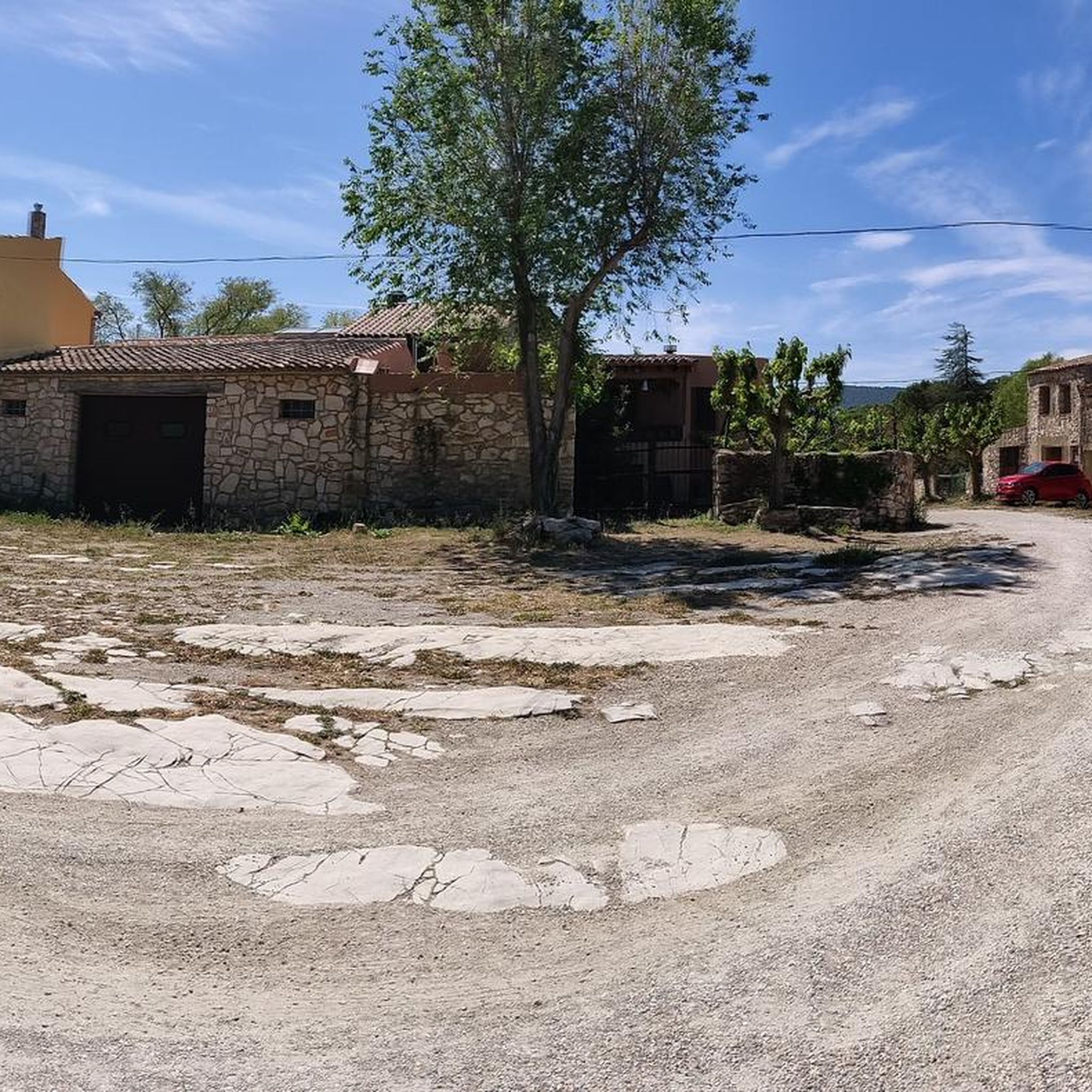
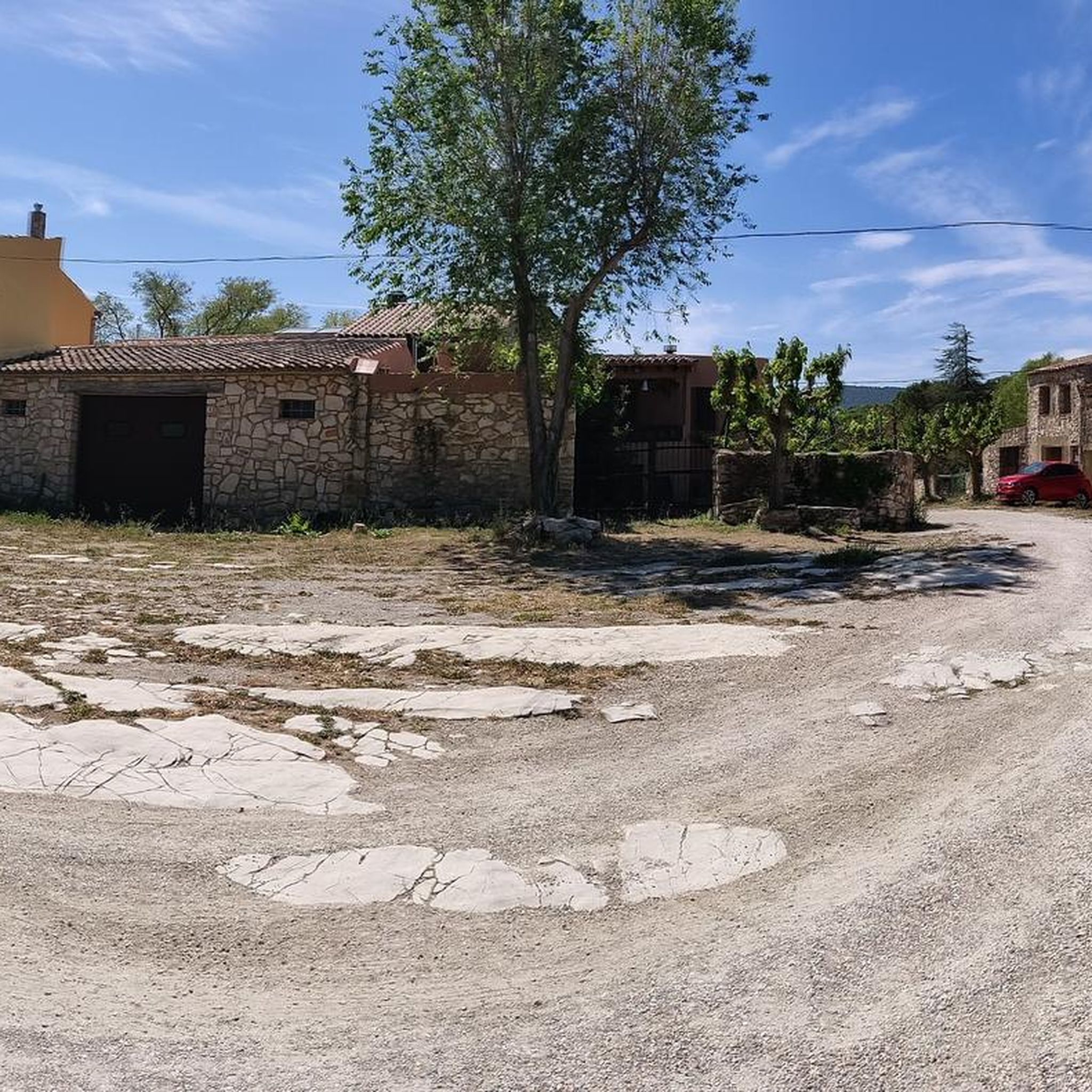
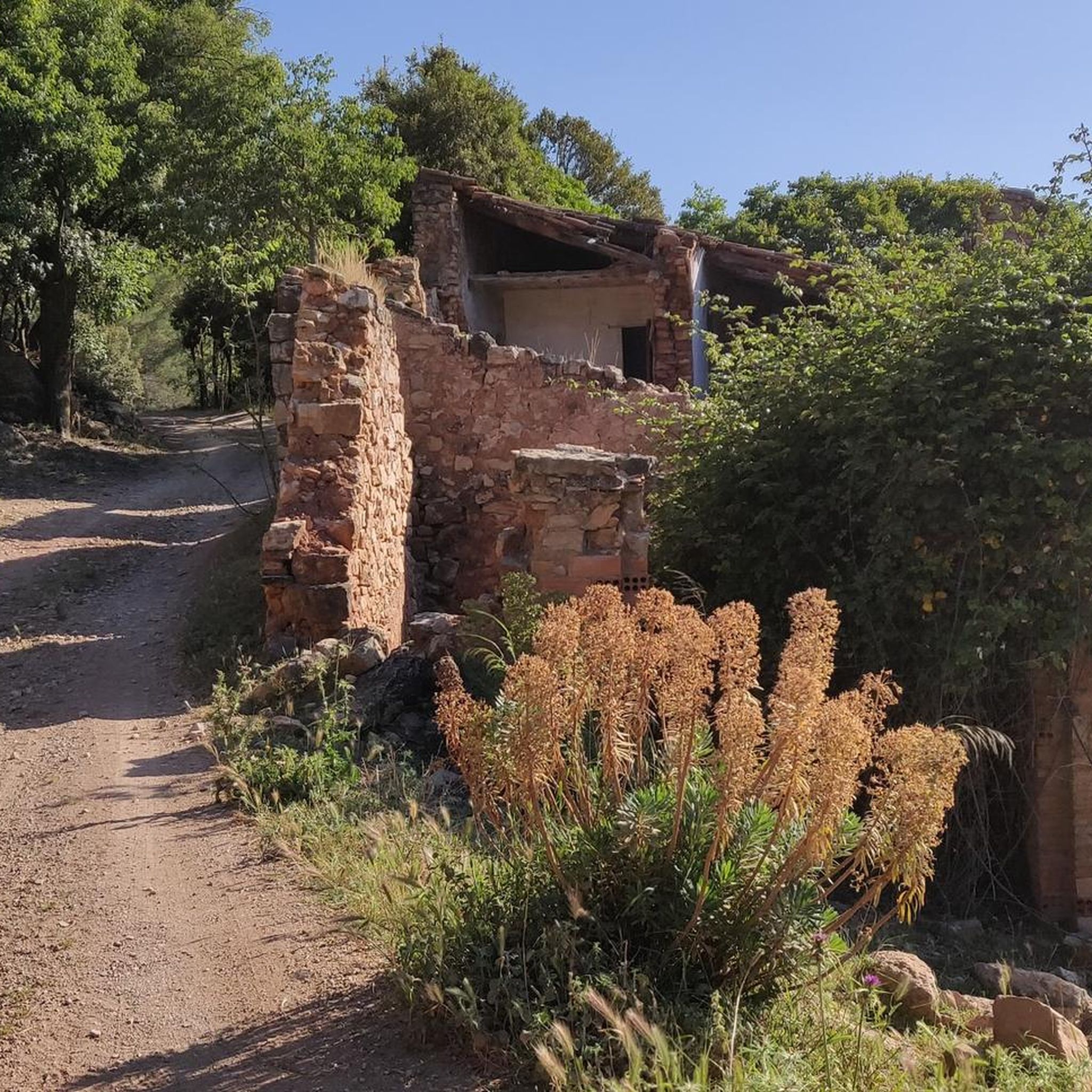

Tips from the Community

The cave can only be reached from the lower footpath. You have to hike back the same way.
0
0

It's always a pleasure to cross this bridge that leads us to the Viñes Pastry Shop along the main street. The Borratxo is incredible, one of the best.
0
0

Good ramps with good pavement. It climbs well and is worth it.
0
0

The hermitage of Sant Pere has been redone on several occasions due to its poor state of preservation. The original hermitage dates from the middle of the 13th century, it was of Romanesque style and of larger dimensions. In addition, it was accompanied by an annexed house where the hermits and the donated lived, who were responsible for the maintenance of the cult and the lands attached to the hermitage. One of the most important reforms was that of 1588, under the supervision of Pere Blai (1553-1620) and which, according to some authors, would follow the Renaissance traces typical of the time. Finally, the last intervention took place throughout the 19th century and ended in the 1870s. The privileged position of the hermitage as a viewpoint of the Camp and first bastion of the mountains of the Sierra de la Mussara has been a determining factor for some military campaigns. During the French War (1808-1814), the Napoleons occupied the hermitage and adapted it to wartime needs. They had loopholes and parapets built there in order to defend themselves from attacks. However, the French were not the only ones to occupy the chapel militarily. During the First Carline War (1833-1840), clashes continued to occur between the supporters of Isabel II (1830-1904) and Charles V (1788-1855)
0
0

Medieval bridge (12th century) with four eyes that crosses the channel of the Francolí river. Throughout its history it has undergone numerous reforms due to floods.
0
0

A classic that is worth visiting before starting the port of Coll de l'Arena - Prades at 1034 m
0
0

Beautiful landscape an a fantastic hike up to Pont de Goi. Check my Youtube video: https://youtu.be/zpCHxHeNRp0
1
0
Beautiful landscape an a fantastic hike up to Pont de Goi. Check my Youtube video: https://youtu.be/zpCHxHeNRp0
2
1
Frequently Asked Questions
What natural features can I explore around La Riba?
La Riba is nestled in the scenic Valley of the River Brugent and close to the Prades Mountains, offering diverse natural beauty. You can discover the unique Cave of the Cranes, a natural monument featuring a Romanesque apse-shaped cave, a waterfall (seasonal), and a small lake. Another popular spot is Tolls de Les Tosques, a beautiful river spot perfect for cooling off.
Are there any historical and cultural sites worth visiting near La Riba?
Absolutely. A prominent historical site is the Royal Monastery of Santa María de Poblet, a Cistercian monastery founded in 1150, known for its extensive 13th-century architecture and royal pantheon. You can also visit the Old Bridge of Montblanc, a medieval bridge from the 12th century, and the Hermitage of Sant Pere del Puig, a small, predominantly white hermitage with a rich history and panoramic views.
Where can I find refreshing swimming spots near La Riba?
For a refreshing swim, head to Tolls de Les Tosques, a vibrant river spot known for its series of puddles and small jumps, ideal for cooling off, especially in summer. The Cave of the Cranes also features a small lake where visitors can cool off, and it's advisable to wear a swimsuit if visiting in warm weather.
Is La Riba a good destination for climbing enthusiasts?
Yes, the area around La Riba is a well-known and historic sport-climbing venue, particularly appealing to climbers seeking routes between V and 7a. The cliffs, such as El Pedestal, La Penya Roja, and Piló Suïcida, primarily face southeast, making it suitable for year-round climbing. The compact rock offers technical climbing on small holds, and the rock dries quickly even after rain.
Are there family-friendly attractions around La Riba?
Yes, several attractions are suitable for families. The Royal Monastery of Santa María de Poblet is listed as family-friendly, offering an educational and historical experience. The Old Bridge of Montblanc and the Hermitage of Sant Pere del Puig are also considered family-friendly historical sites that can be explored together.
When is the best time to visit La Riba for outdoor activities?
The climbing areas around La Riba, with their southeast-facing cliffs and quick-drying rock, are suitable for year-round climbing. For general outdoor activities like hiking and exploring natural features, spring and autumn offer pleasant temperatures. Summer is ideal for enjoying the refreshing swimming spots like Tolls de Les Tosques.
Are there hiking opportunities near La Riba's attractions?
Yes, the region offers various hiking opportunities. You can find routes like the 'Farena Village – Toll de l'esqueix loop' or the 'Río Brugent – Pont de la Riba loop'. Many trails lead to natural highlights such as Tolls de Les Tosques and the Cave of the Cranes. For more detailed hiking routes, explore the Hiking around La Riba guide.
What other outdoor activities, like cycling or mountain biking, are available around La Riba?
Beyond hiking and climbing, La Riba is a great base for cycling and mountain biking. You can find challenging MTB trails like the 'Alt de la Mussara – Pont dels Moros loop' or cycling routes such as the 'Torre de la Mixarda loop'. For a comprehensive list of routes, check out the MTB Trails around La Riba guide and the Cycling around La Riba guide.
What makes the Royal Monastery of Santa María de Poblet a significant attraction?
The Royal Monastery of Santa María de Poblet is a Cistercian monastery founded in 1150, renowned for its historical and architectural importance. It served as a royal pantheon and its construction, spanning the 13th century, included a church, refectory, chapels, chapter house, and cloister, showcasing centuries of monastic life and architectural evolution. It is also part of the Cistercian route.
Are there any unique natural formations or caves to explore?
Yes, the Cave of the Cranes (Cova de les Gralles) is a unique natural monument near La Riba. It features a cave resembling a Romanesque apse, a waterfall (active during rainy seasons), and a small lake. The area is known for its significant beauty and offers a memorable experience for those who enjoy exploring natural formations.
What is the history behind the water mills in La Riba?
La Riba has a rich history tied to its several water mills, which were historically used for making flour and paper. The paper industry remains a primary economic activity in the area. While many are now derelict, these mills, such as El Molí de la Font Gran, can still be found near the climbing areas, offering a glimpse into the region's industrial past.
Most popular routes around La Riba
Most popular attractions around La Riba

Get inspired with the komoot mobile app


Explore more
Still not found the Highlight you’re looking for? See guides of the top attractions in other regions:
