Attractions and Places To See around La Puebla De Cazalla - Top 11
Best attractions and places to see around La Puebla De Cazalla include a blend of historical landmarks, cultural sites, and natural landscapes. The region is characterized by its position in the Sierra del Tablón, featuring some of the highest points in Seville province, and the presence of the River Corbones. Visitors can explore a rich olive-growing tradition and a deep-rooted flamenco culture. The area offers diverse opportunities for outdoor activities amidst Mediterranean vegetation and historical ruins.
Best attractions and places…
Last updated: May 17, 2026
Peñón de Algámitas
Highlight • Summit
Translated by Google •
Tip by

Pico del Terril
Highlight • Summit
Translated by Google •
Tip by
Sign up now to discover places like this
Get recommendations on the best single tracks, peaks, & plenty of other exciting outdoor places.
Sign up for free
Sierra de Tablón Pass
Highlight • Mountain Pass
Translated by Google •
Tip by
Algámitas
Highlight • Settlement
Translated by Google •
Tip by

Castle of Morón de la Frontera
Highlight • Castle
Translated by Google •
Tip by
Sign up for free to discover even more attractions around La Puebla De Cazalla.
Sign up for free
Already have an account?
Start today with a free account
Your next adventure awaits.
Login or Signup
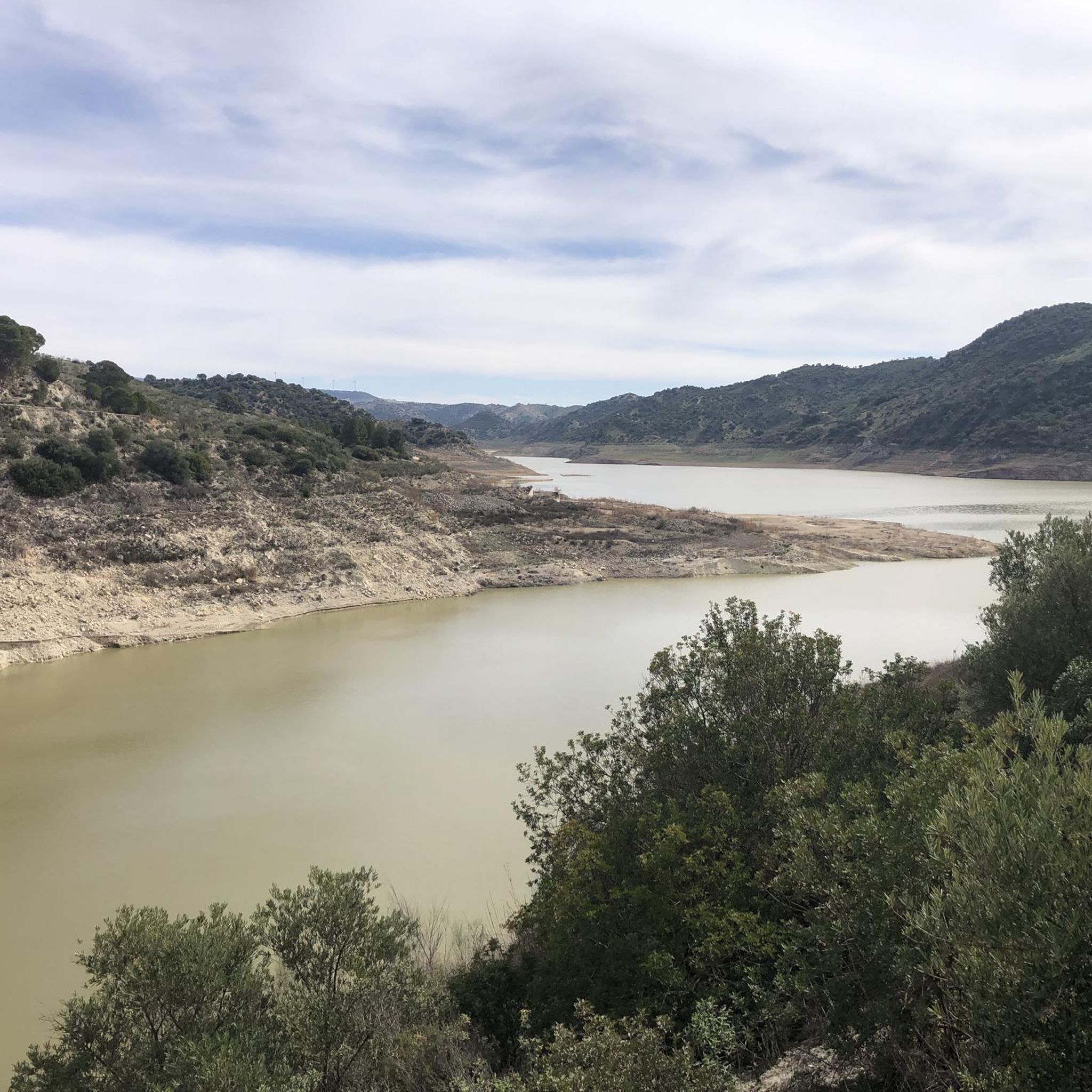
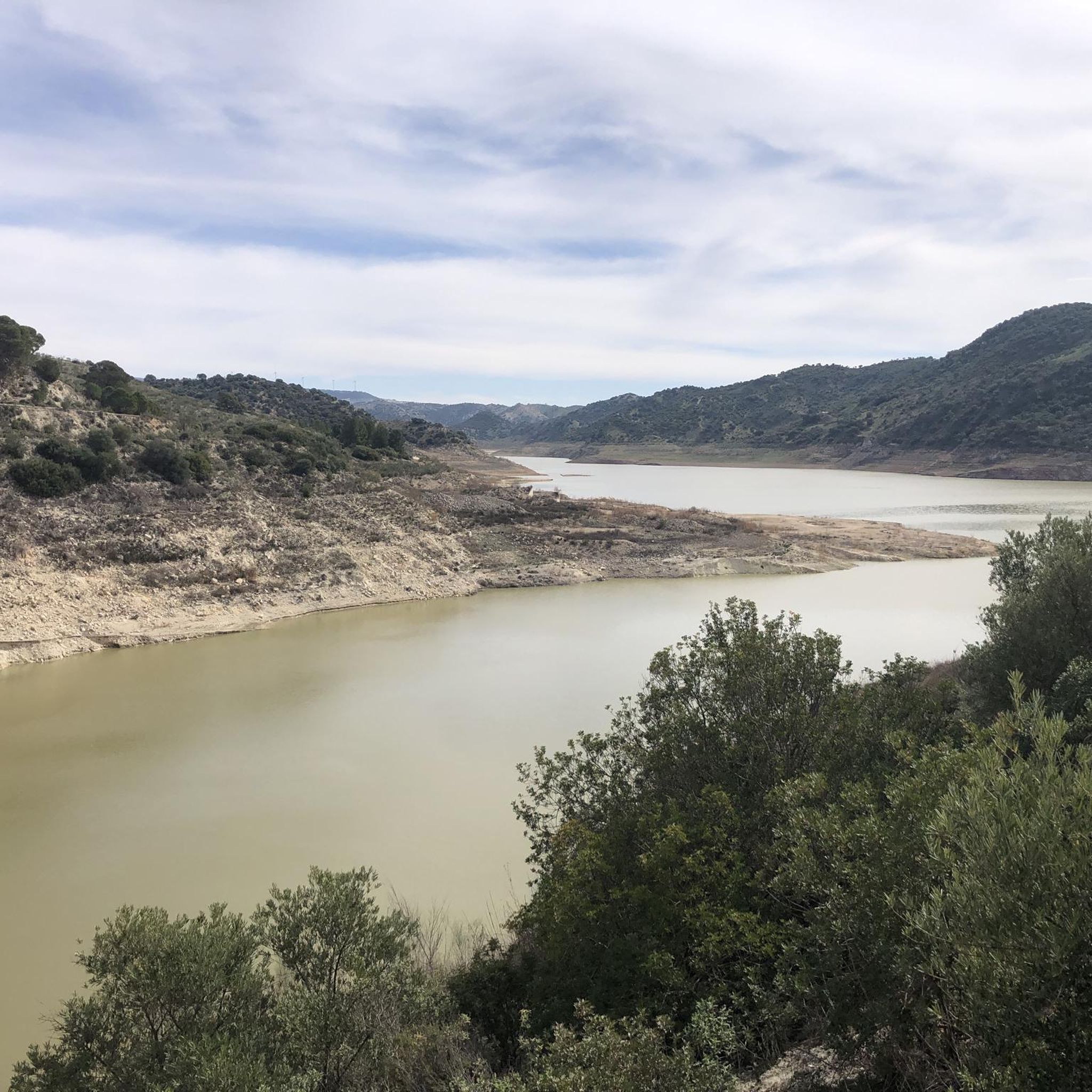
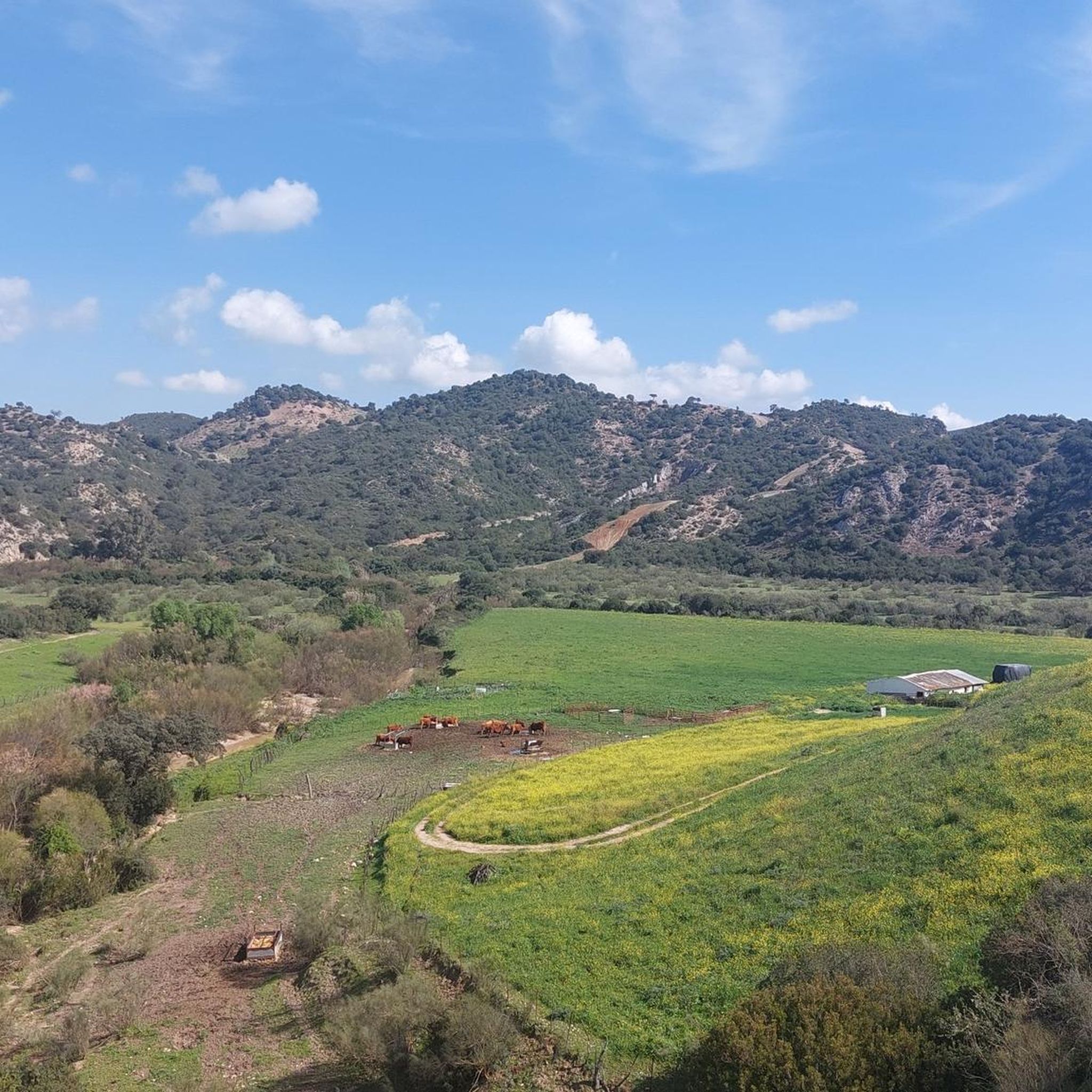
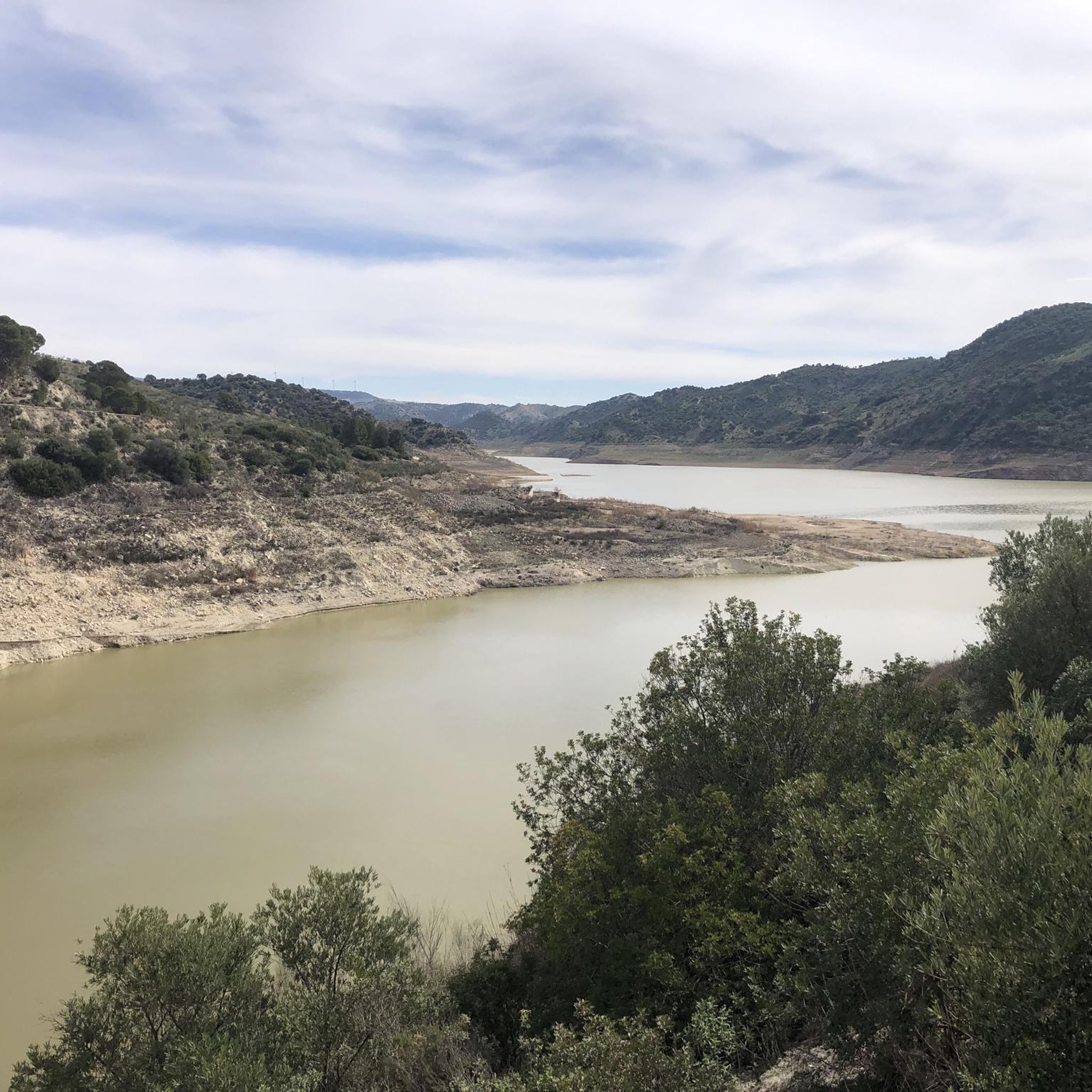
Tips from the Community

Algámitas is a charming white village in the Sierra Sur of Seville, ideal for lovers of nature, hiking, and rural tranquility. Church of the Sweet Name of Jesus: An 18th-century church, it is home to the local brotherhoods. Opposite it is the Church Square, the center of the festivities. Route of the Bandits: Explore the caves of the Rock where ancient outlaws hid.
2
0

The Peñón de Algámitas is an impressive rock formation located in the Sierra del Tablón, in the province of Seville, Andalusia. With an altitude of 1,121 metres, it is one of the highest points in the province and offers spectacular views of the surrounding area.
6
0
This rock is known for its impressive landscape and its value as a natural viewing point over the surrounding olive groves. Typical vegetation includes holm oaks, cork oaks, wild olive trees and other Mediterranean species. In addition, it is a popular place for recreational and sporting activities such as hiking and climbing.
4
0
Collado Sierra de Tablón is a highlight on the circular route that includes Sierra de Tablón and El Terril, near Algámitas, in the province of Seville. This route is known for its difficulty, requiring good physical fitness and experience in high mountains.
4
0

It is a simple peak with a short route, suitable for doing it with the family. It does not have great slopes nor does it require technical knowledge to do it.
2
0

The Pico del Terril is the highest altitude in the Spanish province of Seville in Andalusia, with 1129 meters. It is located on the limit line between the terms of the towns of Algámitas and Pruna, on the top of the hill known as "El Monigote" which is the highest in the Sierra del Tablón.
0
0
Frequently Asked Questions
What historical and cultural sites can I explore in La Puebla de Cazalla?
La Puebla de Cazalla offers a rich historical and cultural experience. You can visit the central Plaza de Andalucía and its authentic Town Hall, or the Plaza Vieja with the notable Nuestra Señora de las Virtudes Church, a Site of Cultural Interest known for its unique altarpiece. Other significant sites include the picturesque Pasaje del Arquillo, the Convent of Nuestra Señora de la Candelaria, and the Ermita de San José. For history enthusiasts, the ruins of Luna Castle, located about 6.5 kilometers from town, offer a glimpse into the area's Al-Andalus past. The town also boasts the José María Moreno Galván Museum of Contemporary Art, the Oil Museum, and the Archaeological and Ethnographic Museum, all reflecting the region's heritage.
Are there any museums in La Puebla de Cazalla?
Yes, La Puebla de Cazalla features several museums. The José María Moreno Galván Museum of Contemporary Art (MAC), located near Plaza de Andalucía, displays works by renowned artists. Reflecting the town's strong olive oil tradition, the Oil Museum is housed within the Hacienda la Fuenlonguilla, an old olive oil mill. The same hacienda also hosts the Archaeological and Ethnographic Museum, which delves into the area's rich history and local customs.
What natural attractions are there around La Puebla de Cazalla?
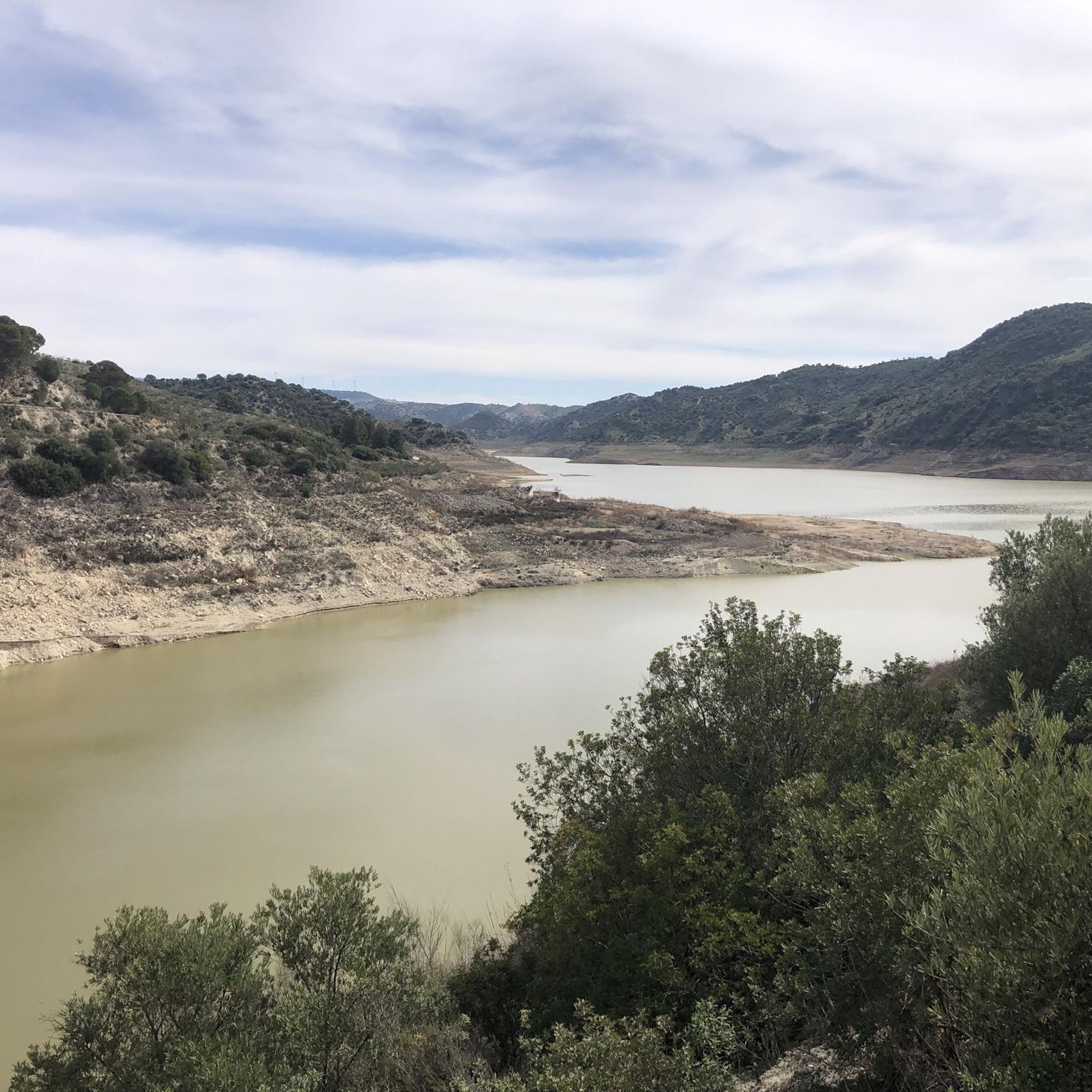
The region around La Puebla de Cazalla is rich in natural beauty. The River Corbones flows through the municipality, offering scenic areas for exploration. A significant natural treasure is El Pinalejo, featuring extensive pine and cork oak forests, the Corbones reservoir, and opportunities for hiking and mountain biking. You can also visit the Reservoir of La Puebla de Cazalla, located 17 kilometers from town, which is suitable for camping. For impressive views, consider visiting Fuente Vieja and various Miradores (viewpoints) in the area.
What are the best hiking opportunities near La Puebla de Cazalla?
The area around La Puebla de Cazalla offers excellent hiking opportunities, especially in the Sierra del Tablón. You can challenge yourself with routes to the highest points in Seville province. For example, the Pico del Terril is considered a simple peak with a short route, suitable for families. The Peñón de Algámitas offers spectacular views and is popular for hiking and climbing. For more challenging treks, the Sierra de Tablón Pass is part of a circular route known for its difficulty, requiring good physical fitness. You can find more detailed hiking routes and guides at Hiking around La Puebla De Cazalla.
Are there family-friendly activities or attractions in the area?
Yes, several attractions are suitable for families. The hike to Pico del Terril is considered a simple peak with a short route, making it suitable for families. The charming town of Algámitas, at the foot of El Peñón, is also noted as family-friendly. Exploring the natural areas like El Pinalejo with its pine forests and reservoir can also be a great family outing for hiking and enjoying nature.
What kind of outdoor activities can I do near these attractions?
Beyond hiking, the natural landscapes around La Puebla de Cazalla are ideal for various outdoor activities. The area around the River Corbones and El Pinalejo is perfect for cycling and mountain biking. You can find numerous routes for these activities. For specific mountain biking trails, check out MTB Trails around La Puebla De Cazalla, and for general cycling, explore Cycling around La Puebla De Cazalla. The Reservoir of La Puebla de Cazalla also offers opportunities for camping.
What is the local culture like in La Puebla de Cazalla?
La Puebla de Cazalla is deeply rooted in flamenco culture, being the birthplace of renowned flamenco singers. The town hosts the well-established Flamenco Festival (Reunión de Cante Jondo) every summer, an event with over 45 years of history. The region also has a strong olive-growing tradition, and visitors can explore this through guided visits to local cooperatives and by experiencing local gastronomy, including 'aceitunas prietas' (cured olives) and traditional dishes like 'jarria'.
Where can I find the best viewpoints in the area?
For spectacular views, head to Peñón de Algámitas, the second highest peak in the province, which offers panoramic vistas of the surrounding olive groves. The Sierra de Tablón Pass is also close to the Mirador Puerta de la Ventana, providing great perspectives. Additionally, Fuente Vieja and other designated Miradores (viewpoints) throughout the natural landscape offer beautiful scenic outlooks.
What is the significance of the olive oil tradition in La Puebla de Cazalla?
La Puebla de Cazalla has a profound connection to olive oil production. This tradition is celebrated at the Oil Museum, located in the historic Hacienda la Fuenlonguilla, an old olive oil mill from 1858. Visitors are encouraged to explore this heritage through guided visits to local cooperatives and by tasting local gastronomic specialties like 'aceitunas prietas' (cured olives), which highlight the importance of olives in the region's culture and economy.
What are some unique architectural features in La Puebla de Cazalla?
Beyond the main church, La Puebla de Cazalla features unique architectural elements. The Pasaje del Arquillo is a picturesque alley that exemplifies the town's heritage. The Convento de la Candelaria square is notable for its 'Conjunto de Cruces,' a collection of crosses dating from the 16th to 18th centuries, set on brick bases with marble columns and iron crosses. These details offer a glimpse into the town's historical design and craftsmanship.
What do visitors enjoy most about the attractions around La Puebla de Cazalla?
Visitors particularly enjoy the blend of historical landmarks, vibrant cultural sites, and picturesque natural landscapes. The impressive views from peaks like Peñón de Algámitas and the accessibility of trails like Pico del Terril are highly appreciated. The rich flamenco culture and the opportunity to explore the olive-growing tradition also leave a lasting impression on visitors.
Can I visit a castle near La Puebla de Cazalla?
Yes, you can visit the ruins of Luna Castle (Castillo de Luna), located approximately 6.5 kilometers from the town. This site is a significant testament to the area's Al-Andalus period and earlier settlements, having been known as Castel-Lo during Roman times and Alcazaba under Muslim rule. It was once a large fortified enclosure with a keep, offering a fascinating historical experience.

Get inspired with the komoot mobile app


Explore more
Still not found the Highlight you’re looking for? See guides of the top attractions in other regions:
