Attractions and Places To See around Cintruénigo - Top 15
Best attractions and places to see around Cintruénigo include a blend of historical architecture, cultural experiences, and natural beauty in the Ribera region of Navarra, Spain. Visitors can explore its old quarter, admire significant religious and civil buildings, and delve into local traditions. The surrounding landscapes feature agricultural areas, the Alhama River, and several wetlands, offering diverse points of interest natural.
Best attractions and places to see around Cintruénigo
- The most popular attractions is St. Michael's Collegiate Church, a…
Last updated: June 1, 2026
St. Michael's Collegiate Church
Highlight • Religious Site
Translated by Google •
Tip by

Las Roscas
Highlight • Natural Monument
Translated by Google •
Tip by

Sign up now to discover places like this
Get recommendations on the best single tracks, peaks, & plenty of other exciting outdoor places.
Sign up for free
Abbatial Palace
Highlight • Historical Site
Translated by Google •
Tip by
Fitero
Highlight • Settlement
Historical and architectural heritage (its Cistercian monastery),
Thermal wellness (a highly regarded spa), and
Outstanding natural beauty (Bardenas Reales Natural Park and hiking and biking trails).
Translated by Google •
Tip by

Cueva de la Mora
Highlight • Cave
Translated by Google •
Tip by

Sign up for free to discover even more attractions around Cintruénigo.
Sign up for free
Already have an account?
Start today with a free account
Your next adventure awaits.
Login or Signup

Tips from the Community

Fitero stands out for three main reasons: Historical and architectural heritage (its Cistercian monastery), Thermal wellness (a highly regarded spa), and Outstanding natural beauty (Bardenas Reales Natural Park and hiking and biking trails). It also boasts local cuisine and a peaceful, welcoming atmosphere, ideal for getting away from it all. If you're looking for a trip that combines culture, relaxation, and nature in an authentic setting, Fitero is a highly recommended option.
3
0

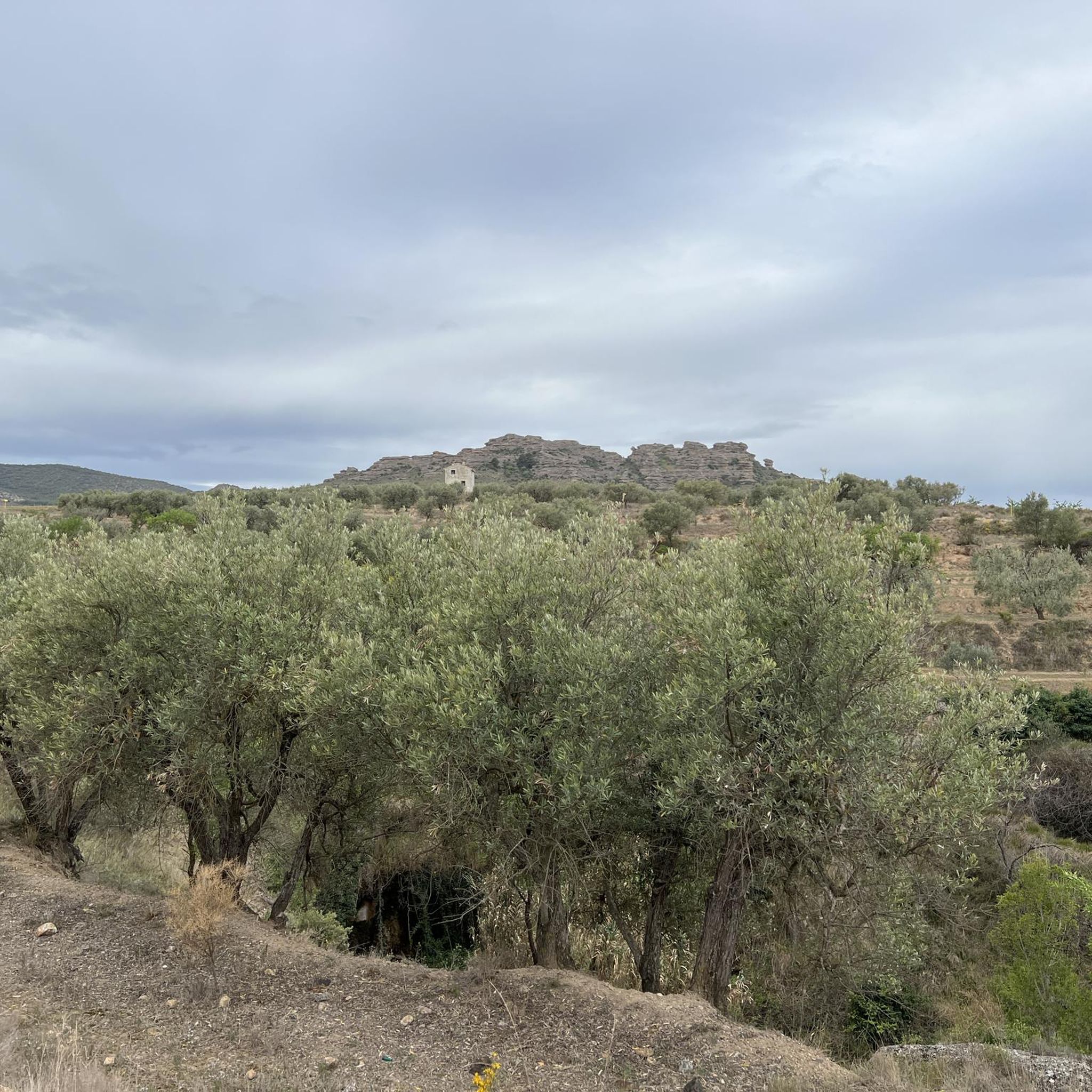
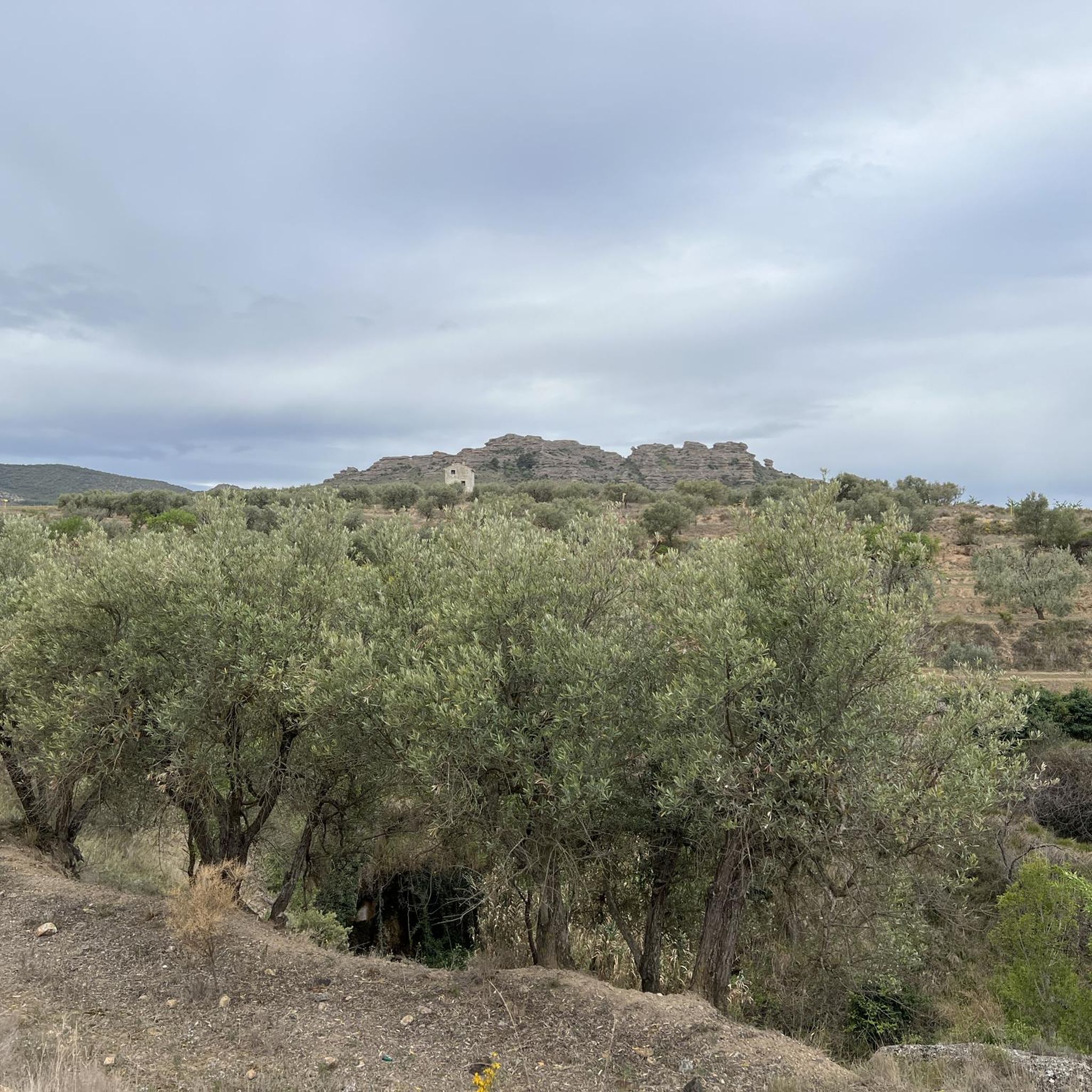
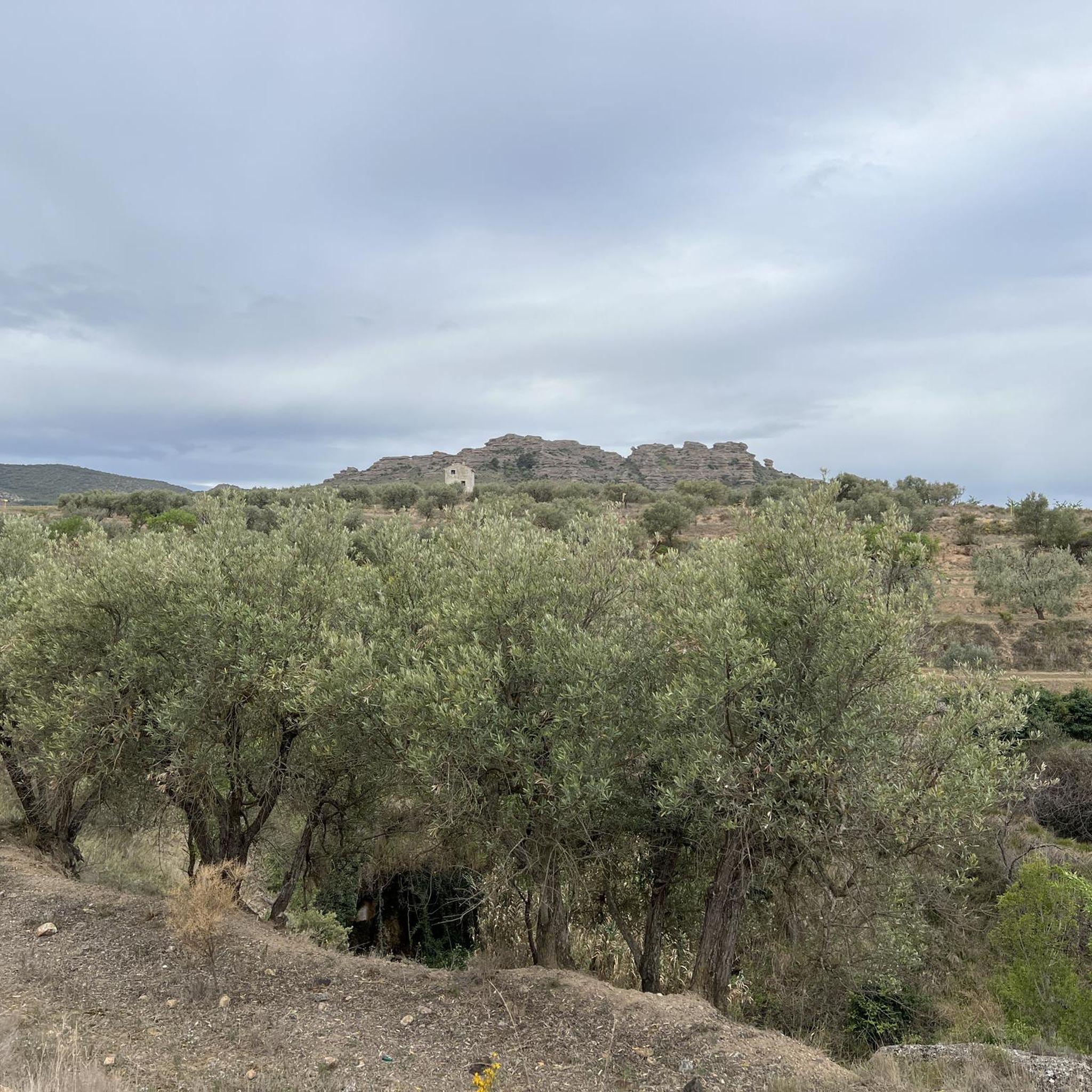
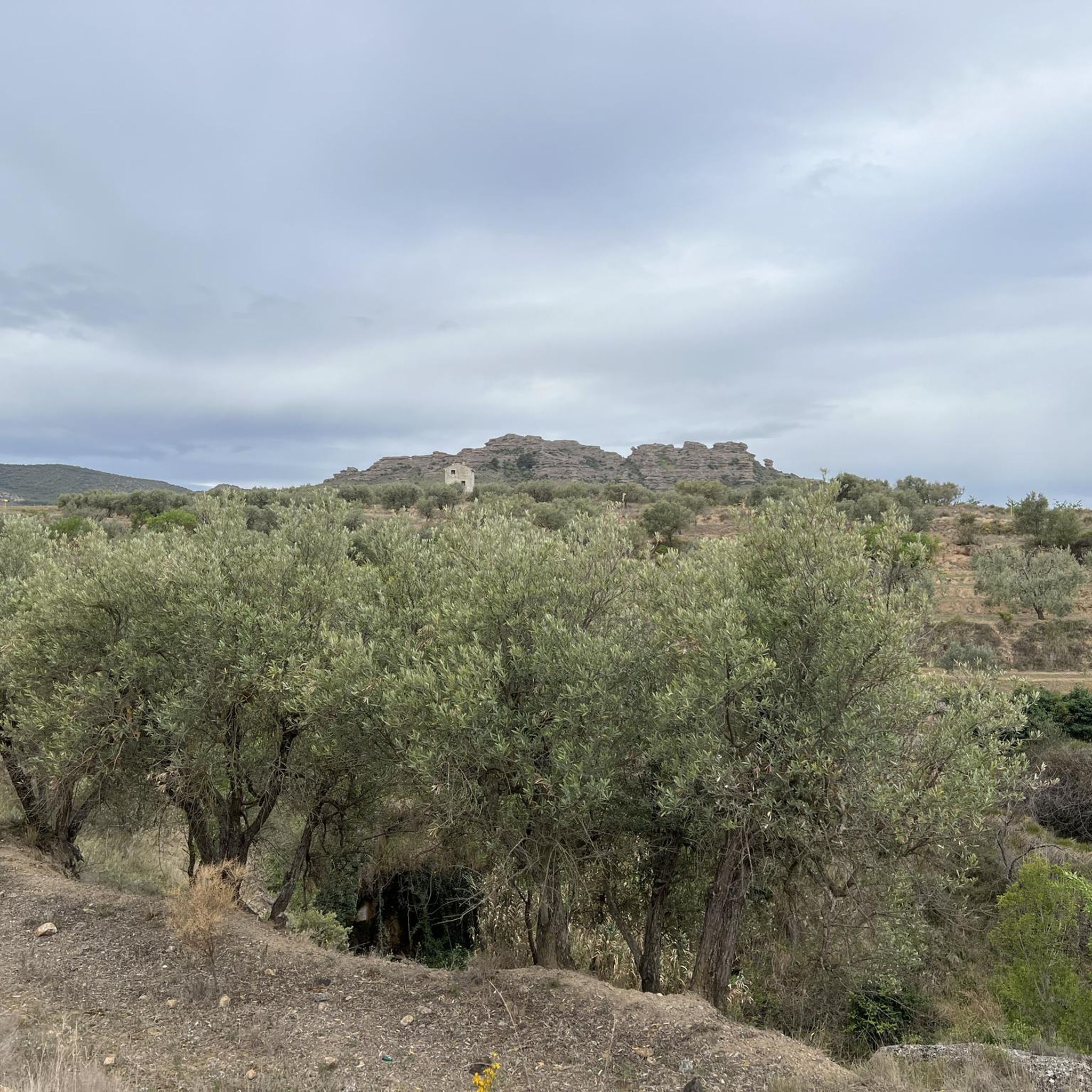
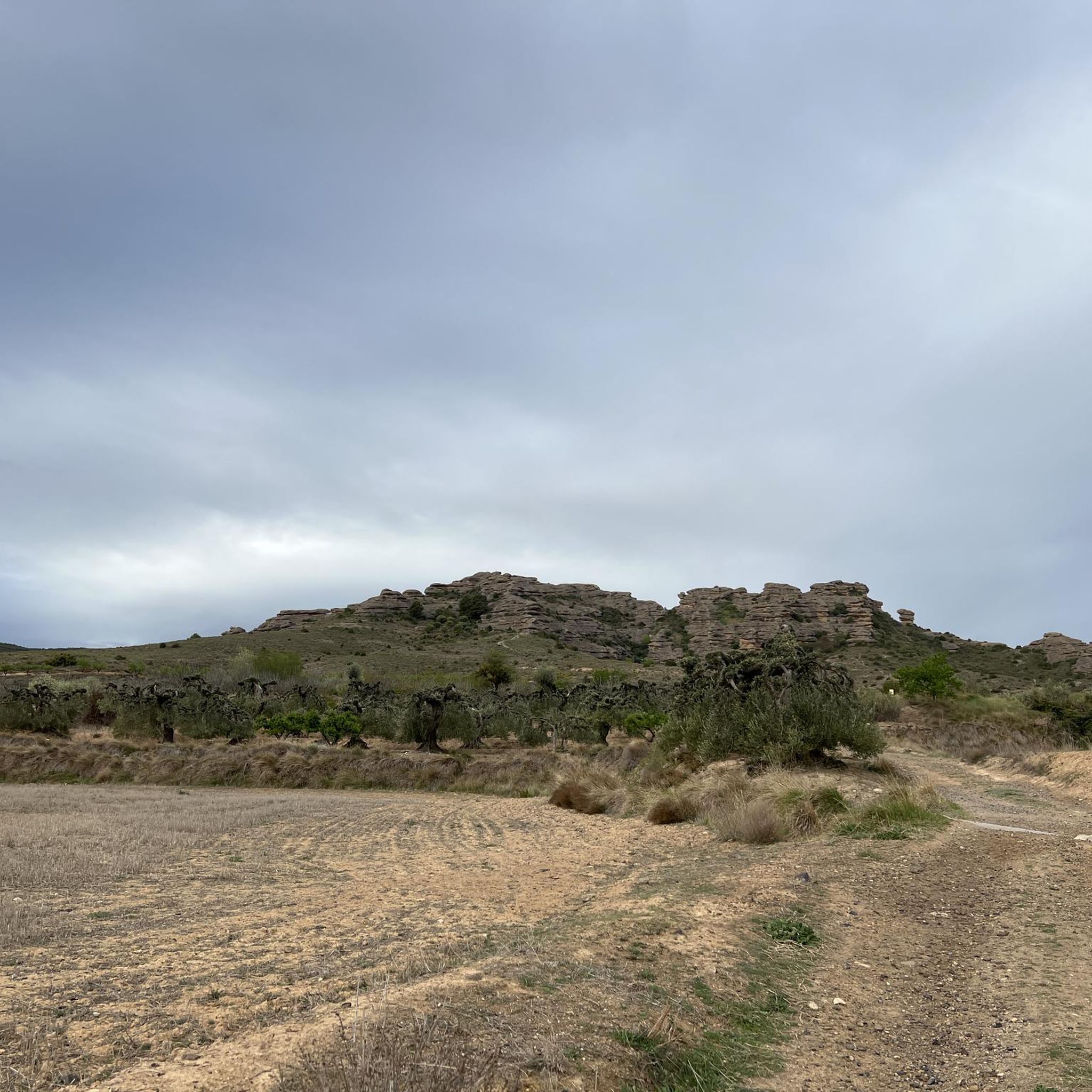
The main attraction of the route lies in the spectacular geomorphology of the massif, formed by conglomerates composed of a diverse range of blocks and boulders of varying sizes, known locally as "Las Roscas" (The Rings). The track that circles them is in excellent condition. Access to the base is possible. Be aware of any restrictions!
0
0
This is the cave that inspired Bécquer to write his legend "La Cueva de la Mora" (The Cave of the Moorish Woman), which tells a love story between a young Christian man and a young Moorish woman in this area. It is very easy to access and well signposted.
0
0

The Alfaro Abbey Palace is the city's most prominent civil building, constructed in the 18th century according to plans by Ventura Rodríguez to serve as the abbot's residence and as a storage facility for wine tithes. Following the confiscation of church property in 1855, it passed into the hands of the State and today houses the Cultural Center and several municipal offices.
1
0
The Collegiate Church of San Miguel Arcángel is one of the most imposing churches in La Rioja, easily recognizable by its enormous brick façade and twin towers. Its interior houses numerous chapels and a remarkable Renaissance choir, making a visit a comprehensive journey through different artistic styles. Furthermore, its roof is home to the largest colony of white storks in the world on a single building, a unique feature that makes it even more worthwhile to visit.
2
0

Unbelievable! 100 storks nest on the cathedral!
0
0

Small cavity with convenient fenced access.
3
0
Good place to take a look at the Roscas crest.
3
0
Frequently Asked Questions
What historical and cultural sites can I explore in Cintruénigo and its surroundings?
Cintruénigo offers a rich blend of history and culture. You can wander through its old quarter to see emblazoned palace-houses from the 17th and 18th centuries. Key religious buildings include the 16th-century Parish Church of San Juan Bautista, known for its Plateresque altarpiece, and the 17th-century Hermitage of La Purísima. Nearby, don't miss the majestic 12th-century Cistercian monastery in Fitero. Another impressive site is St. Michael's Collegiate Church in Alfaro, notable for its large brick facade and the world's largest colony of white storks on a single building.
Are there any unique natural attractions or landscapes to discover near Cintruénigo?
Yes, the area boasts several unique natural features. You can visit Las Roscas, a natural monument featuring a unique conglomerate rock formation carved by centuries of erosion. The Alhama River and its riparian forests offer opportunities for nature tourism and bird watching. Additionally, Cintruénigo is home to ecologically valuable wetlands and reservoirs like La Estanquilla, La Nava, and La Estanca, known for diverse flora and fauna, especially birds.
What kind of outdoor activities can I do around Cintruénigo?
The region around Cintruénigo is excellent for outdoor activities. You can enjoy road cycling, with routes like the 'Fitero, Corella y Cervera del Rio Alhama — circular through the Montes de Cierzo' or the 'Cidacos Greenway'. For running, there are several trails, including a 'Running loop from Cintruénigo'. Cycling options include routes to 'Las Roscas – Fitero' or 'Yerga Summit'. For more details and routes, explore the Road Cycling Routes around Cintruénigo, Running Trails around Cintruénigo, and Cycling around Cintruénigo guides.
Are there family-friendly attractions or activities suitable for children?
Absolutely. Many attractions around Cintruénigo are family-friendly. The St. Michael's Collegiate Church in Alfaro is fascinating for its architecture and the stork colony on its roof. The town of Fitero, with its historical monastery and natural beauty, offers a peaceful setting for families. The Cueva de la Mora, a small cave that inspired a legend, is also easily accessible and well-signposted, making it a fun and intriguing stop for families.
What is the best time of year to visit Cintruénigo for sightseeing and outdoor activities?
The Ribera region of Navarra, including Cintruénigo, generally enjoys pleasant weather for sightseeing and outdoor activities during spring (April to June) and autumn (September to October). These seasons offer milder temperatures, ideal for exploring historical sites, walking through the old quarter, or enjoying cycling and running routes along the Alhama River and surrounding landscapes. Summers can be hot, while winters are cooler but still offer opportunities for exploration.
Where can I learn more about the local history and traditions of Cintruénigo?
To delve into the local history and traditions, visit the Rural Doctor's House Museum (Casa Museo Médico Rural) in Cintruénigo. This museum provides a unique insight into the life of a 20th-century rural doctor, showcasing preserved furniture, instruments, and documents. Additionally, exploring the old quarter and its emblazoned palace-houses offers a glimpse into the town's past.
Are there any significant religious buildings to visit in Cintruénigo?
Yes, Cintruénigo is home to significant religious architecture. The Parish Church of San Juan Bautista, a 16th-century church with a distinctive hall-type floor plan and star-vaulted ceilings, houses a notable Plateresque altarpiece. The Hermitage of La Purísima, built in the 17th century, is also worth visiting as one of Spain's first temples dedicated to the Immaculate Conception, featuring a Baroque-style main altarpiece.
What are some notable examples of civil architecture in Cintruénigo?
Cintruénigo's old quarter features several impressive examples of civil architecture. Look out for Casa Ligués, a neoclassical building, and Casa Navascués, a Baroque house from the 17th century with two brick levels and an interior garden. Casa Loigorri, an exceptional stately building from the mid-18th century, is particularly notable for its brick construction, large balconies, and an alabaster shield.
Can I find any viewpoints with scenic vistas around Cintruénigo?
While Las Roscas offers a unique geological landscape to view, the region also provides other scenic spots. The Mirador de las Cigüeñas (Stork Viewpoint) in Alfaro, near St. Michael's Collegiate Church, provides stunning views. Additionally, the surrounding agricultural landscapes, including vineyards and olive groves, offer picturesque vistas, especially during sunrise or sunset.
What is the significance of the Alhama River in the Cintruénigo area?
The Alhama River is a vital natural feature of the Cintruénigo area, offering significant ecological and recreational value. Its riparian forests (Sotos del río Alhama) are ideal for nature tourism, bird watching, hiking, and cycling. The 'Healthy and Cultural Route of the Alhama' is a sustainable mobility project that allows visitors to enjoy the natural landscapes of the valley, linking several riverside towns.
Are there any unique water constructions or ancient engineering marvels in the region?
Yes, Cintruénigo is home to El Qanät, a 16th-century underground water conduit. This is one of Navarra's oldest water constructions, designed to supply water for irrigation and the municipality. Its Arab origin reflects the historical influence of different civilizations in the region, showcasing ancient engineering ingenuity.
What kind of agricultural landscapes characterize the area around Cintruénigo?
Cintruénigo is surrounded by rich agricultural landscapes, reflecting its strong connection to the land. You'll find extensive vineyards and olive groves, highlighting the region's reputation for quality wines and olive oils. The cultivation of asparagus and artichokes is also significant, contributing to the area's distinct rural charm and local cuisine.
What is the Abbatial Palace and what is its historical importance?
The Abbatial Palace in Alfaro is the city's most prominent civil building, constructed in the 18th century. It was designed by Ventura Rodríguez to serve as the abbot's residence and as a storage facility for wine tithes. After passing into state hands in 1855, it now houses the Cultural Center and several municipal offices, representing a significant piece of local history and architecture.
Most popular routes around Cintruénigo

Get inspired with the komoot mobile app


Explore more
Still not found the Highlight you’re looking for? See guides of the top attractions in other regions:
