The best gravel rides around Cintruénigo
4.0
(1)
23
riders
4
rides
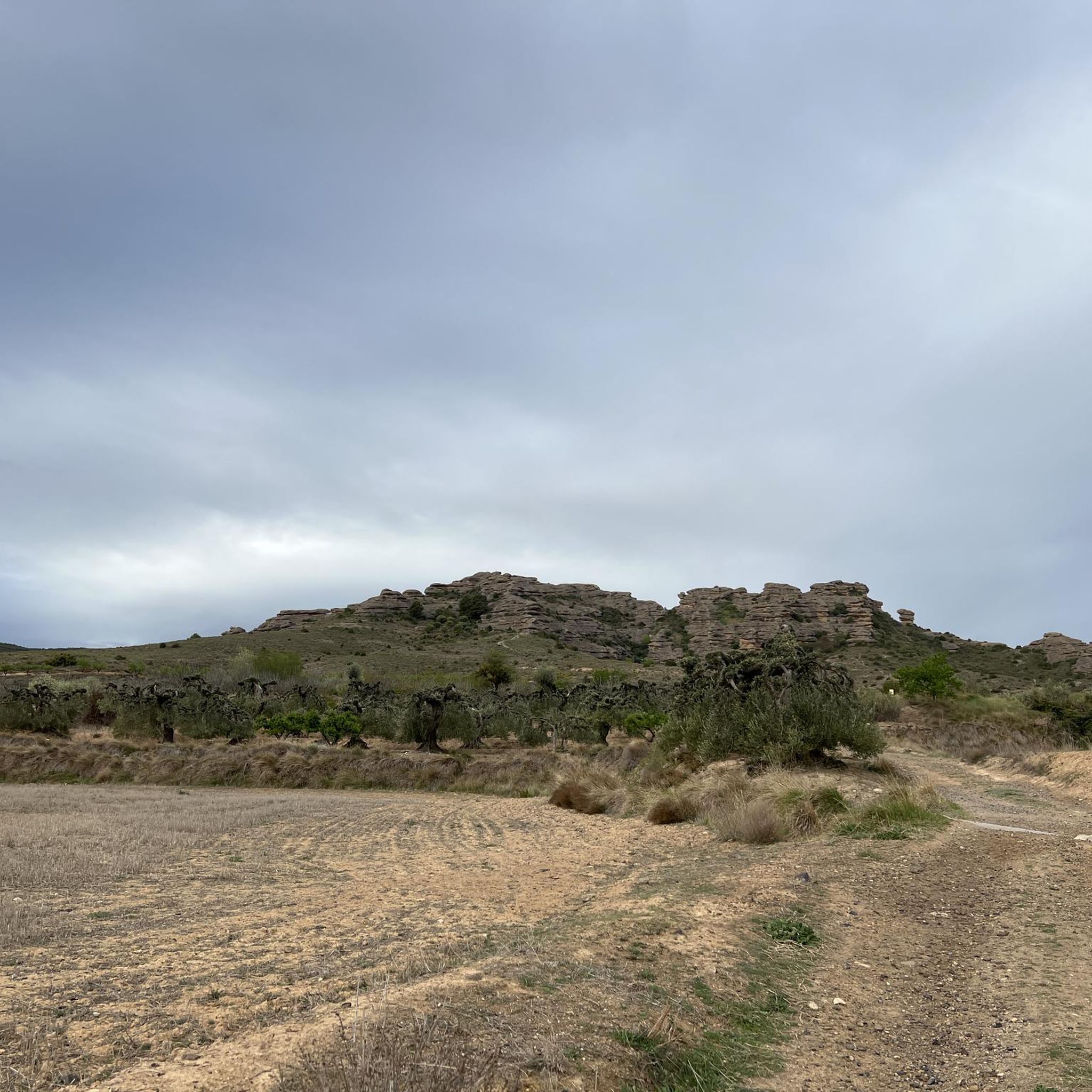
Gravel biking around Cintruénigo offers diverse landscapes, from fertile plains and extensive vineyards to river valleys and semi-desert terrain. The region is characterized by undulating hills and a network of rural tracks and greenways. Proximity to the Bardenas Reales Natural Park provides unique "badlands" topography with dramatic ravines and sculpted canyons. This varied environment makes Cintruénigo a compelling base for gravel cycling adventures.
Best gravel bike trails around Cintruénigo
- The most popular gravel bike trail is Tarazona – Tarazonica Greenway loop from Cintruénigo, a 34.7 miles (55.8 km) trail that takes 3 hours 43 minutes to complete, following a historic railway line with gentle gradients.
- Another top favourite among local gravel bikers is Bridge over the Ebro River – Plaza de los Fueros de Tudela loop from Polígono Industrial Montes del Cierzo, a moderate 30.3 miles (48.8 km) path offering views of the Ebro River.
- Local gravel bikers also love the Hoyo del Puente Irrigation Canal – Fitero loop from Cintruénigo, a 34.9 miles (56.2 km) trail leading through varied terrain with significant elevation gain, often completed in about 3 hours 42 minutes.
- Gravel biking around Cintruénigo is defined by fertile fields, vineyards, river valleys, and semi-desert landscapes, with routes offering options for different ability levels.
- The guide includes highly-rated routes that showcase the best of the region's landscape. A number of gravel bikers have used komoot to explore Cintruénigo's varied terrain.
Last updated: May 31, 2026
4.0
(1)
10
riders
Moderate gravel ride. Good fitness required. Mostly paved surfaces. Suitable for all skill levels.
4
riders
55.8km
03:44
420m
420m
Moderate gravel ride. Good fitness required. Mostly paved surfaces. Suitable for all skill levels.

Sign up for free
2
riders
36.5km
02:29
220m
220m
Moderate gravel ride. Good fitness required. Mostly paved surfaces. Suitable for all skill levels.
2
riders
56.2km
03:43
700m
700m
Hard gravel ride. Very good fitness required. Mostly paved surfaces. Suitable for all skill levels.
2
riders
31.1km
01:58
210m
210m
Moderate gravel ride. Good fitness required. Mostly paved surfaces. Suitable for all skill levels.
Our route recommendations are based on thousands of hikes, rides, and runs completed by other people on komoot.
Start today with a free account
Your next adventure awaits.
Login or Signup
Tips from the Community

The Ebro Bridge in Tudela is an impressive example of medieval architecture. Built of stone, it spans 360 meters and consists of 16 piers and 17 uneven arches. This bridge is fundamental to the history of Tudela, as it has been a strategic crossing over the Ebro River since its construction in the 12th and 13th centuries. Although tradition attributes its construction to King Sancho VII the Strong, some historians suggest it may be a reconstruction of an earlier Muslim bridge. Over the years, it has undergone numerous renovations to withstand floods and the ravages of time.
3
0
Corella is a highly recommended destination for: Lovers of Baroque art who want to enjoy perfectly preserved churches, palaces, and convents. Nature enthusiasts who enjoy walks along the river, lagoons, and riverside trails. Those who appreciate the local, authentic culture, alive in festivals and traditions. Food tourists seeking traditional dishes made with high-quality ingredients.
3
0
Fitero stands out for three main reasons: Historical and architectural heritage (its Cistercian monastery), Thermal wellness (a highly regarded spa), and Outstanding natural beauty (Bardenas Reales Natural Park and hiking and biking trails). It also boasts local cuisine and a peaceful, welcoming atmosphere, ideal for getting away from it all. If you're looking for a trip that combines culture, relaxation, and nature in an authentic setting, Fitero is a highly recommended option.
3
0

Fitero is a magnificent example of Cistercian architecture within its town center. In 1152, the Cistercian Order settled in this riverside town and began construction of its Monastery of Santa María la Real. In its early years, the monastery had Saint Raymond, founder of the Military Order of Calatrava, as its first abbot, and the Castilian crown as its protector. Due to its strategic location on the border of the medieval kingdoms of Navarre and Castile, it was the subject of disputes until it was awarded to Navarre by papal decree. Of the impressive medieval monastic architectural heritage, three main elements remain: the Abbey Church, the Cloister, and the Chapter House.
0
0
The term "elera" is a Navarrese word used to describe an icehouse (a place where snow is stored and preserved). These icehouses were built to collect abundant snow in winter and store it as ice for sale in the summer. The first record of icehouses in Fitero dates back to 1614, the year the Soto icehouse was built. The San Valentín icehouse is the only one whose structure, consisting of a cylindrical well covered by a superimposed polygonal dome (16 sides), is still preserved today.
0
0
This is the cave that inspired Bécquer to write his legend "La Cueva de la Mora" (The Cave of the Moorish Woman), which tells a love story between a young Christian man and a young Moorish woman in this area. It is very easy to access and well signposted.
0
0

Stork's nest on the disused railway line
0
0

Entrance to Tudela via the bridge over the Ebro River. Beautiful view of the old part of the city and the river.
0
0
Frequently Asked Questions
How many gravel bike trails are available around Cintruénigo?
Komoot features a selection of 4 gravel bike routes around Cintruénigo, offering a variety of experiences for different skill levels. These include routes ranging from moderate to difficult.
What kind of terrain can I expect on gravel bike routes near Cintruénigo?
The terrain around Cintruénigo is quite diverse. You can expect a mix of fertile plains, vineyards, and river valleys. Notably, the nearby Bardenas Reales Natural Park offers unique semi-desert landscapes with dramatic ravines and sculpted canyons, providing a distinct gravel biking experience. Routes often feature mixed surfaces of asphalt and compacted gravel.
Are there any family-friendly gravel bike routes in the area?
While specific 'family-friendly' routes are not explicitly categorized, many of the greenways and rural tracks in the region, such as sections of the Healthy and Cultural Route of the Alhama, offer gentler gradients and scenic views suitable for a more relaxed ride. The Tarazona – Tarazonica Greenway loop from Cintruénigo is a moderate option that follows a historic railway line, which often means smoother paths.
What are some notable natural attractions or viewpoints I can see while gravel biking?
The region offers several scenic spots. The Bardenas Reales Natural Park, a UNESCO Biosphere Reserve, is a major highlight with its lunar-like scenery and formations like Castildetierra and viewpoints such as Balcón de Pilatos. Closer to Cintruénigo, you can explore the natural landscapes of the Alhama valley. The Bridge and rest area – Laguna de Lord loop from Murchante offers views of the Laguna de Lord.
Are there any circular gravel bike routes starting from Cintruénigo?
Yes, several routes are designed as loops. For example, the Tarazona – Tarazonica Greenway loop from Cintruénigo and the Hoyo del Puente Irrigation Canal – Fitero loop from Cintruénigo are excellent circular options that allow you to start and finish in the same general area.
What is the best time of year for gravel biking around Cintruénigo?
The Ribera de Navarra region generally enjoys a Mediterranean climate. Spring (April-May) and Autumn (September-October) are often ideal, offering pleasant temperatures and less extreme weather for cycling. Summers can be hot, especially in the semi-desert Bardenas Reales, while winters can be cooler and potentially wet.
Are there any specific parking areas or trailheads for gravel biking near Cintruénigo?
Many routes in the region can be accessed directly from towns like Cintruénigo, Corella, or Murchante, where public parking is usually available. For routes extending into the Bardenas Reales, starting points like Arguedas or Castejón de Ebro are common, with designated parking for visitors to the park.
Can I take my dog on the gravel bike trails around Cintruénigo?
While many rural tracks and greenways are generally accessible for dogs, it's always best to check local regulations, especially within protected areas like the Bardenas Reales Natural Park, where specific rules regarding pets on trails might apply. Always keep your dog under control and clean up after them.
Are there any cafes or places to stop for refreshments along the routes?
Routes often pass through or near towns like Cintruénigo, Corella, Fitero, or Tudela, where you'll find various cafes, restaurants, and shops to refuel. It's advisable to plan your route and carry sufficient water and snacks, especially on longer stretches or when venturing into more remote areas like the Bardenas Reales.
What do other gravel bikers enjoy most about gravel biking in Cintruénigo?
The area is highly rated by the komoot community, with an average score of 4.0 stars. Reviewers often praise the diverse landscapes, from fertile plains to the unique semi-desert of Bardenas Reales, and the extensive network of tracks that make for engaging gravel adventures.
Are there any challenging gravel bike routes for experienced riders?
Yes, for those seeking a challenge, the region offers routes with more significant elevation gain. The Hoyo del Puente Irrigation Canal – Fitero loop from Cintruénigo is classified as difficult, featuring over 700 meters of elevation gain, providing a more demanding ride through the varied terrain.
Most popular attractions around Cintruénigo

Get inspired with the komoot mobile app


Explore more
Browse the best Gravel rides in other regions.
