The best road cycling routes around La Cabrera
4.9
(31)
6,960
riders
57
rides
Road cycling routes around La Cabrera are situated within the Sierra de Guadarrama mountain system, characterized by distinctive granite rock formations and a mountainous landscape. The region features varied terrain, including holm oak forests and scenic roads that offer challenging ascents. Its geology provides an irregular profile with ridges and peaks, making it a notable destination for road cyclists seeking elevation.
Best road cycling routes around La Cabrera
- The most popular road cycling route is Alto del Cerro de San…
Last updated: October 8, 2026
5.0
(5)
1,522
riders
125km
06:25
2,050m
2,050m
Hard road ride. Very good fitness required. Mostly well-paved surfaces and easy to ride.
4.7
(3)
490
riders
Hard road ride. Very good fitness required. Mostly well-paved surfaces and easy to ride.

199
riders
84.5km
04:25
1,550m
1,550m
Hard road ride. Very good fitness required. Mostly well-paved surfaces and easy to ride.
5.0
(1)
68
riders
74.2km
03:29
1,000m
1,000m
Hard road ride. Very good fitness required. Mostly well-paved surfaces and easy to ride.
4.5
(2)
119
riders
59.5km
02:58
790m
790m
Moderate road ride. Good fitness required. Some segments of this route may be unpaved and difficult to ride.
Get access to more routes and recommendations from other explorers.
Already have an account?
Our route recommendations are based on thousands of hikes, rides, and runs completed by other people on komoot.
Start today with a free account
Your next adventure awaits.

Tips from the Community

A very pleasant pass to climb up the Puebla de la Sierra side. To do this, you have to access it from Robledillo, with very steep ramps to warm up, and a few kilometers on a narrow and bumpy road. The views and the route are totally worth it. Avoid weekends, especially busy hours, as motorcycles, and especially cars, can spoil the party a bit, as I say, the road is very narrow. There is a fountain at the lowest point between Robledillo and Puebla, and another one when leaving Puebla de la Sierra. They are the only two points where you will be able to fill your bottles "for free".
0
0
The north face has more demanding percentages than the south face, but it is still an accessible climb from both sides.
0
0

Port suitable for beginners who want to get in shape
0
0

Good place to stop before starting to climb the hill. Good product, very good people.
0
0

Plaza de España, Templete. It is a small square with a temple, a fountain, and a bandstand. Quotes from illustrious figures who lived in or passed through Rascafría are inscribed on its wall.
0
0

Calm, meadows and cows on the climb to Cerro de San Pedro from Guadalix de la Sierra
0
0
Good climb on both sides and spectacular views
0
0
Frequently Asked Questions
How many road cycling routes are available in La Cabrera, and what are their difficulty levels?
La Cabrera offers a wide selection of road cycling routes, with nearly 50 options available. The majority are designed for experienced cyclists, featuring 27 difficult routes and 20 moderate routes. There are also 2 easier routes for those seeking a less strenuous ride.
What is the best time of year for road cycling in La Cabrera?
The Sierra de Guadarrama, where La Cabrera is located, generally offers pleasant cycling conditions during spring and autumn. These seasons provide milder temperatures, making the challenging ascents more enjoyable. Summer can be hot, while winter may bring colder temperatures and potential snow at higher elevations, especially on passes like La Morcuera or Canencia.
What kind of terrain and natural features can I expect on road cycling routes in La Cabrera?
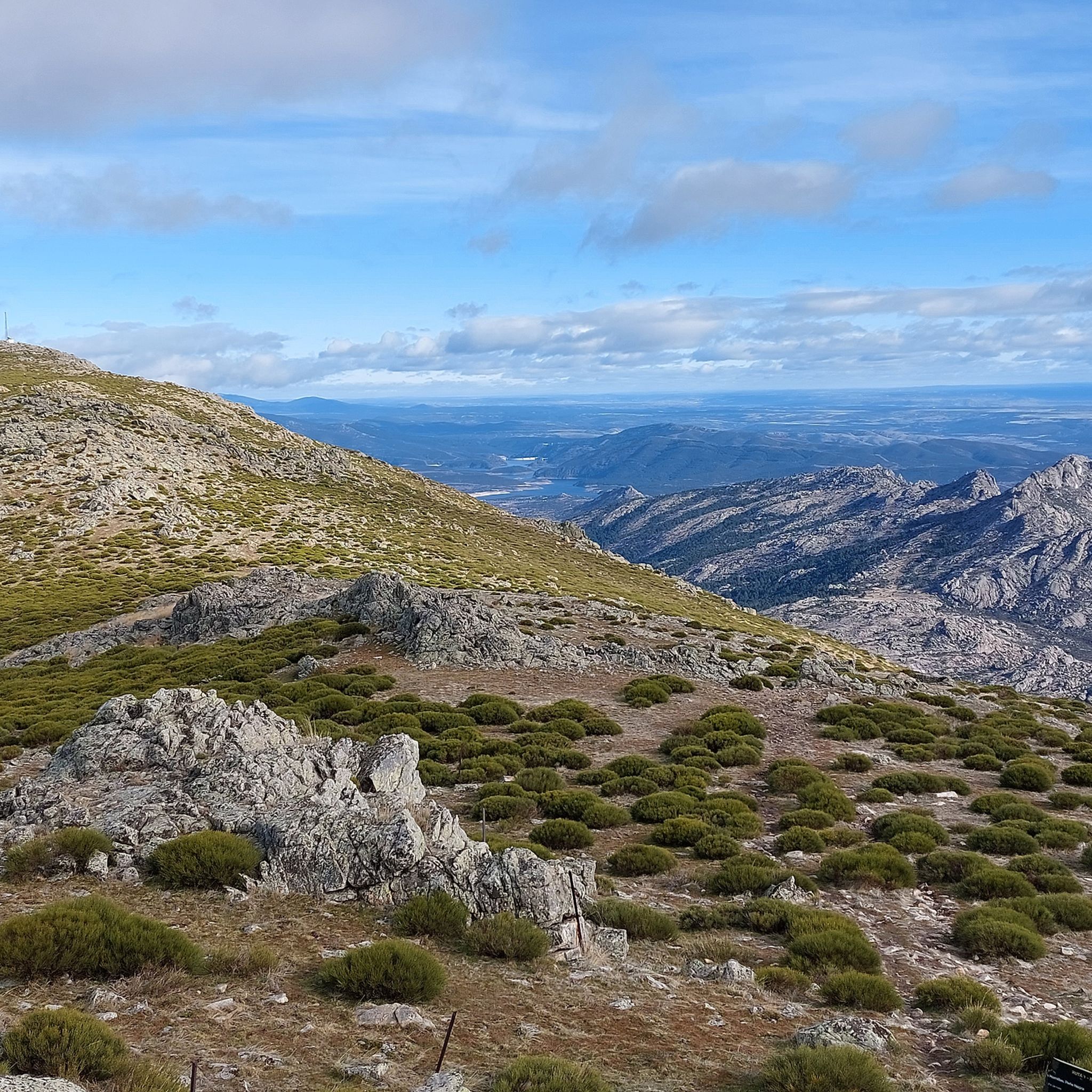
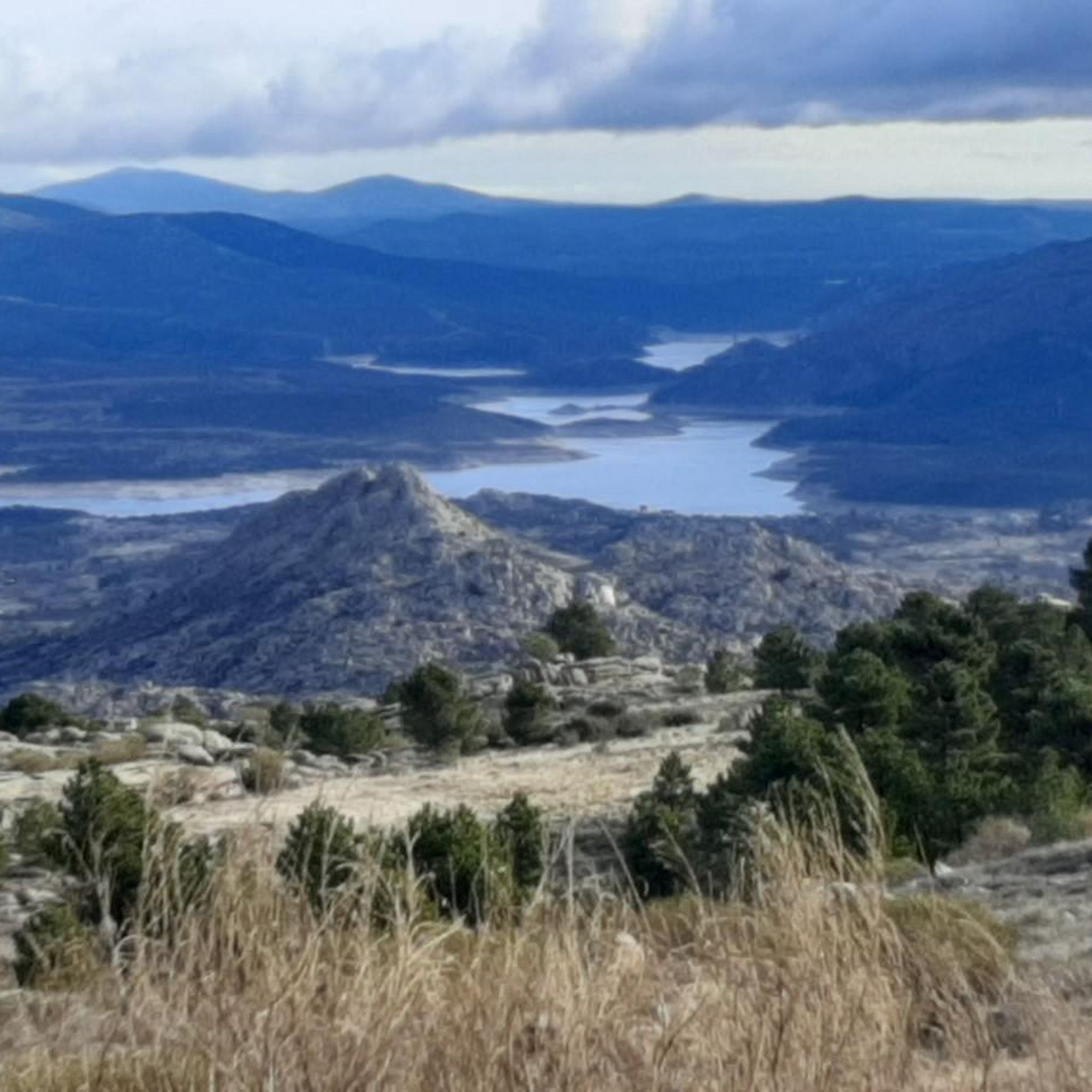
Road cycling in La Cabrera is characterized by its mountainous terrain and distinctive granite rock formations, part of the Sierra de Guadarrama. You'll encounter challenging ascents, scenic roads, and holm oak forests. The region's geology creates an irregular profile with ridges and peaks, offering panoramic views. Notable natural features include reservoirs like El Villar Reservoir and Gorge and El Atazar Reservoir, as well as mountain passes such as Puerto del Medio Celemín and Canencia Pass.
Are there any specific viewpoints or landmarks along the road cycling routes?
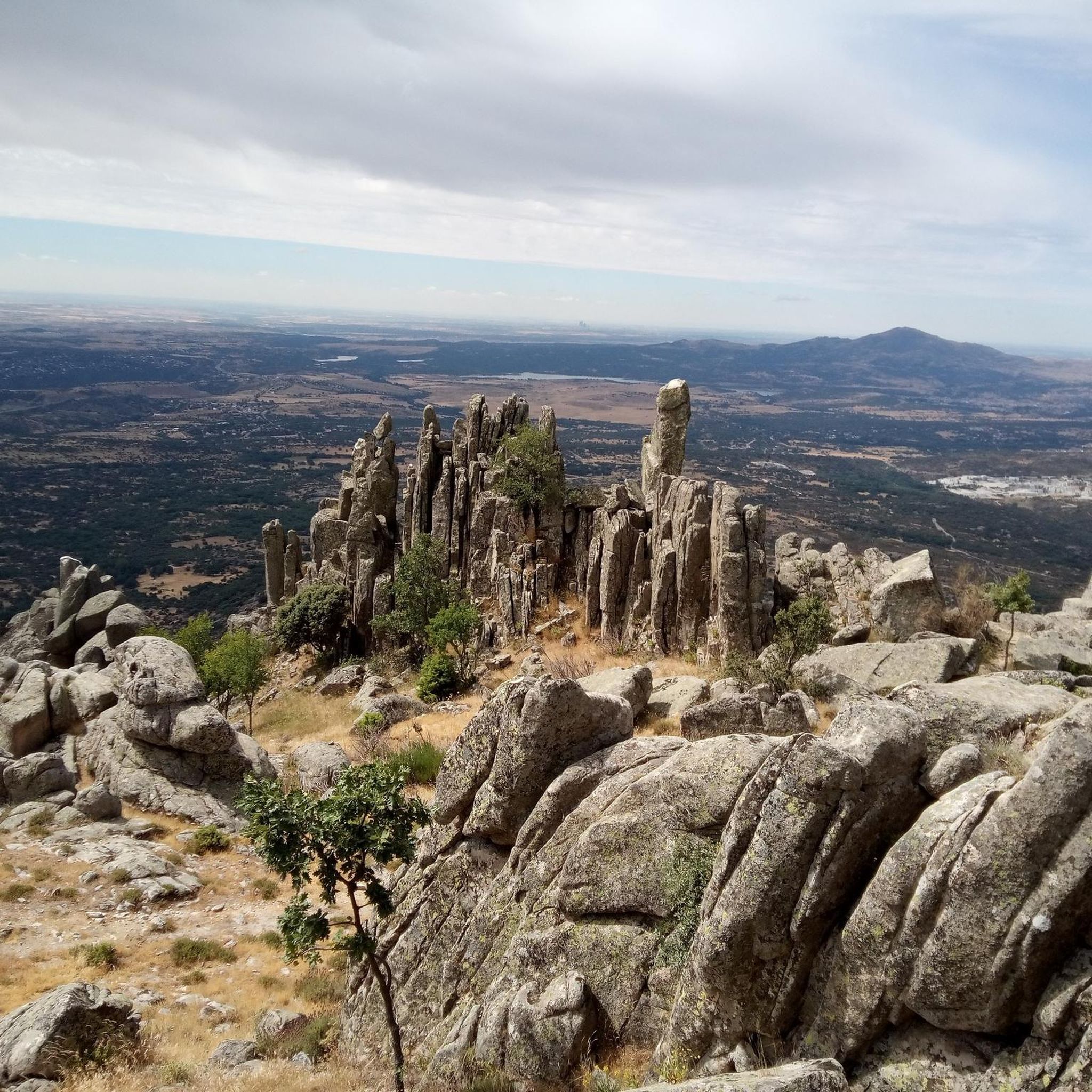
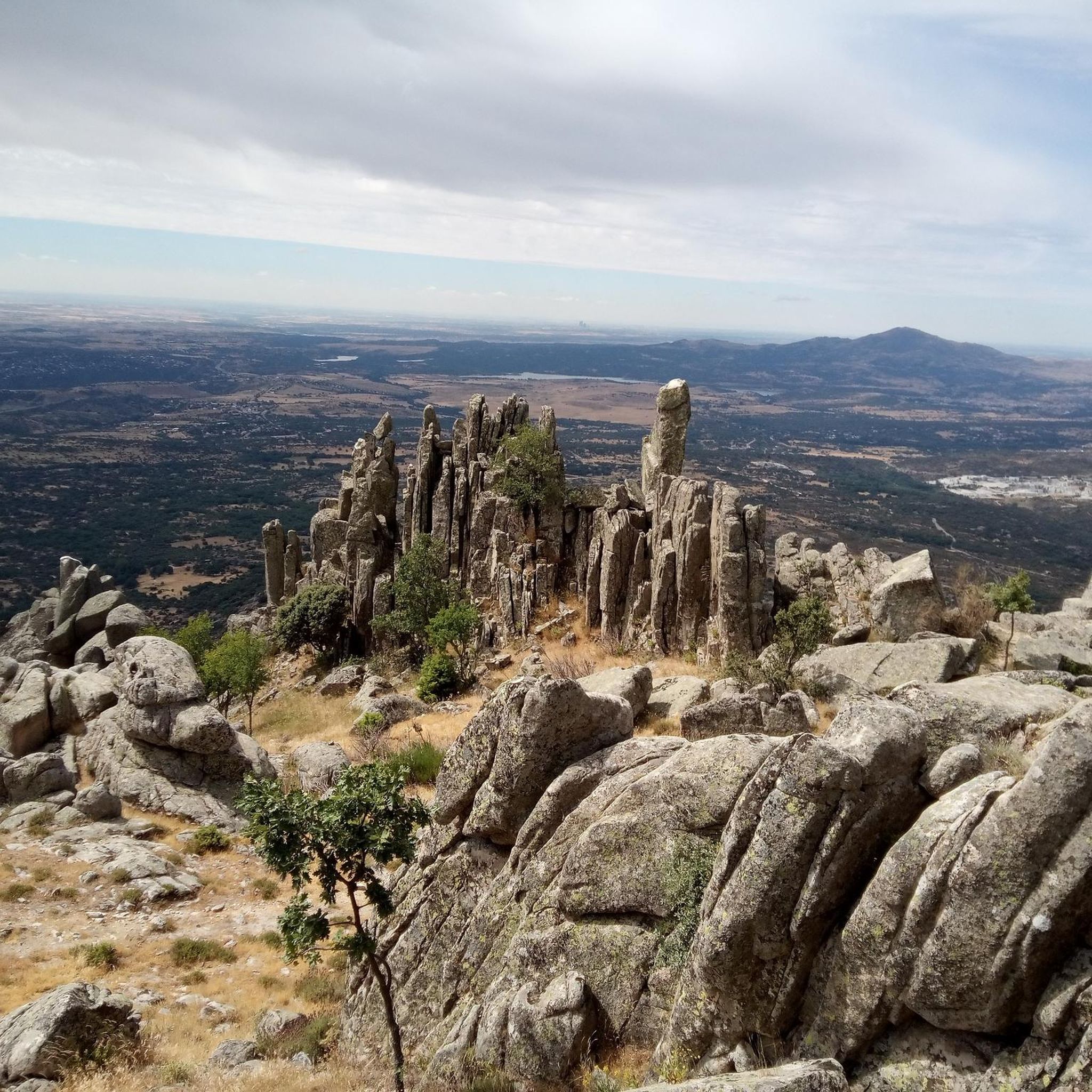
Yes, the routes often pass by significant natural landmarks and offer stunning viewpoints. You can find highlights like the Cancho de la Cabeza Summit and Cancho Gordo (1,563 m), which provide expansive views of the surrounding granite peaks and forests. Additionally, routes may take you near cultural sites such as Patones de Arriba, a picturesque settlement.
What do other road cyclists enjoy most about cycling in La Cabrera?
The road cycling routes in La Cabrera are highly rated by the komoot community, with an average score of 4.9 stars from over 18 reviews. Cyclists often praise the challenging ascents, the stunning panoramic views of the granite peaks, and the generally secluded roads with minimal traffic, which contribute to a more enjoyable and safer riding experience.
Are there any family-friendly road cycling routes in La Cabrera?
While many routes in La Cabrera are rated as moderate to difficult due to the mountainous terrain and significant climbs, there are a couple of easier options available. For families with younger or less experienced riders, it's advisable to check the route details carefully for elevation profiles and distances to ensure they match your group's ability.
Can I find loop routes for road cycling in La Cabrera?
Yes, many of the road cycling routes in La Cabrera are designed as loops, allowing you to start and finish in the same location. Examples include the challenging Alto del Cerro de San Pedro – Puerto de Canencia climb loop from Valdemanco and the La Morcuera Pass – Puerto de Canencia climb loop from Valdemanco, both offering circular journeys through the region's scenic landscapes.
Where can I park my car when going road cycling in La Cabrera?
Parking for cyclists is generally available in the villages and towns that serve as starting points for routes, such as Valdemanco and La Cabrera village itself. Look for designated parking areas or public parking spaces within these communities. It's always a good idea to arrive early, especially on weekends, to secure a spot.
Is it possible to reach La Cabrera by public transport with a bicycle?
Yes, La Cabrera is accessible by public transport from Madrid. The Consorcio de Transportes de Madrid operates bus services to the Sierra Norte region, including La Cabrera. While policies for carrying bicycles can vary, some intercity buses may allow bikes, often requiring them to be folded or placed in a bag. It's recommended to check with the specific bus company (e.g., ALSA, which operates some routes in the region) regarding their bicycle transport policy before planning your trip.
Are there cafes, pubs, or accommodation options for cyclists in La Cabrera?
The villages around La Cabrera, such as Valdemanco and La Cabrera village, offer various amenities for cyclists. You'll find local cafes and restaurants where you can refuel, as well as pubs for a post-ride drink. For overnight stays, there are hotels and rural accommodations available, catering to visitors exploring the Sierra Norte de Madrid.
Are there any permits required for road cycling in the Sierra Norte de Madrid region?
Generally, no specific permits are required for road cycling on public roads in the Sierra Norte de Madrid, including the La Cabrera area. However, if your route happens to pass through any protected natural park areas or private land, it's always wise to check for any specific regulations or restrictions that might apply. For typical road cycling, you should not need a permit.
What is the longest road cycling route available in La Cabrera?
The longest road cycling route in the area is the Alto del Cerro de San Pedro – Puerto de Canencia climb loop from Valdemanco. This challenging route spans approximately 80.5 miles (129.6 km) and typically takes around 6 hours and 40 minutes to complete, featuring significant climbs and panoramic views.
Most popular routes around La Cabrera
Most popular attractions around La Cabrera

Get inspired with the komoot mobile app


Explore more
Browse the best Road cycling routes in other regions.
