The best cycling routes around Benahavís
4.4
(406)
5,765
riders
119
rides
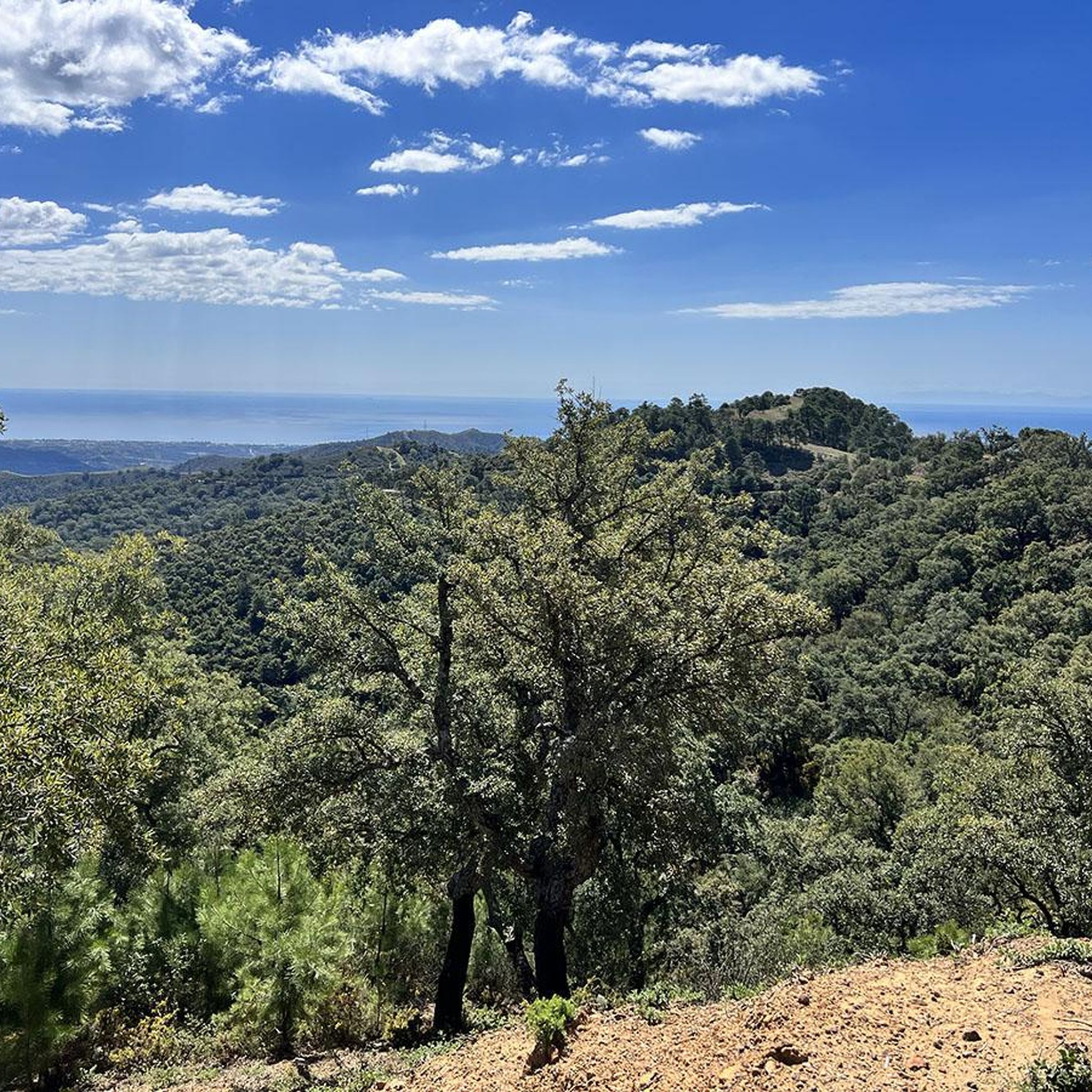
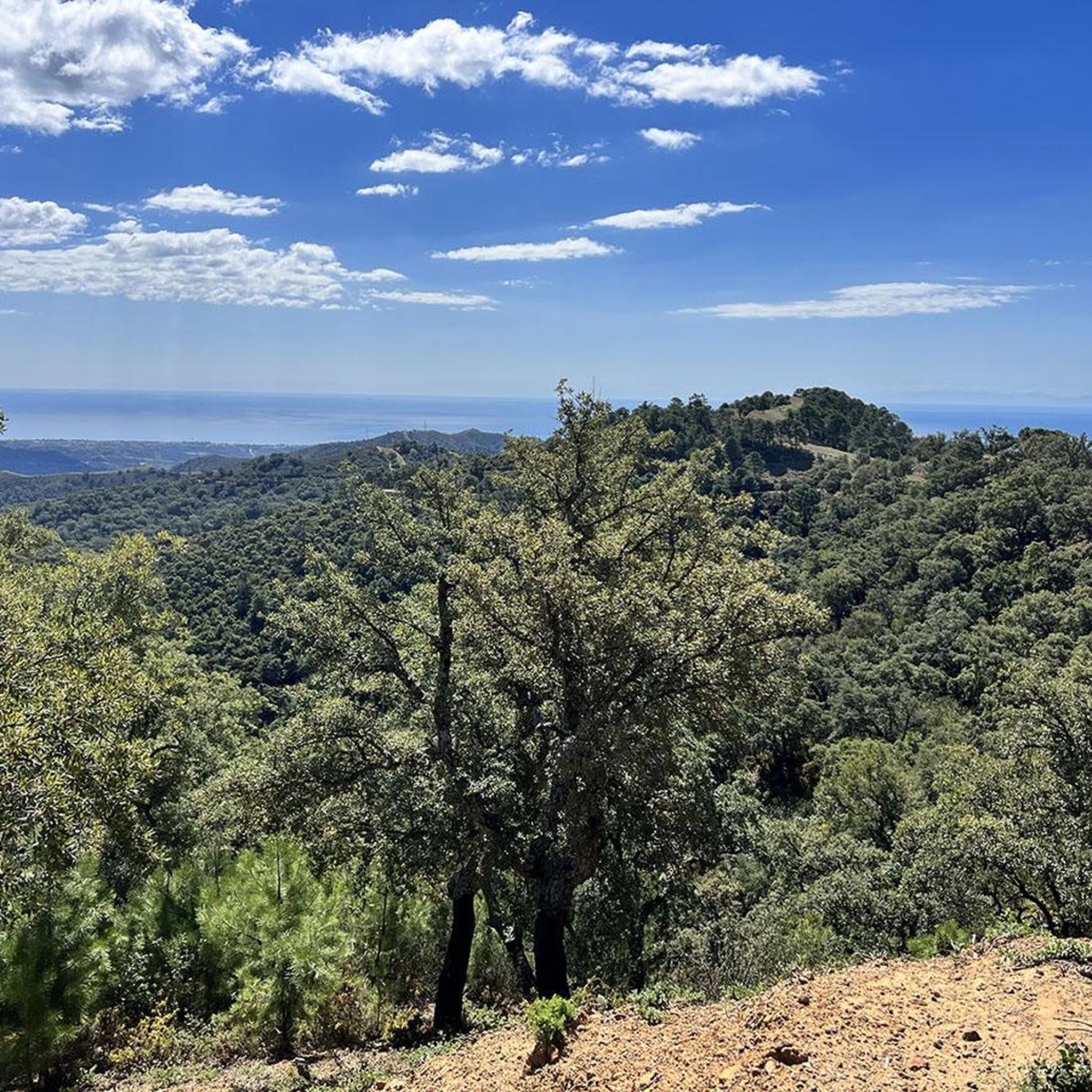
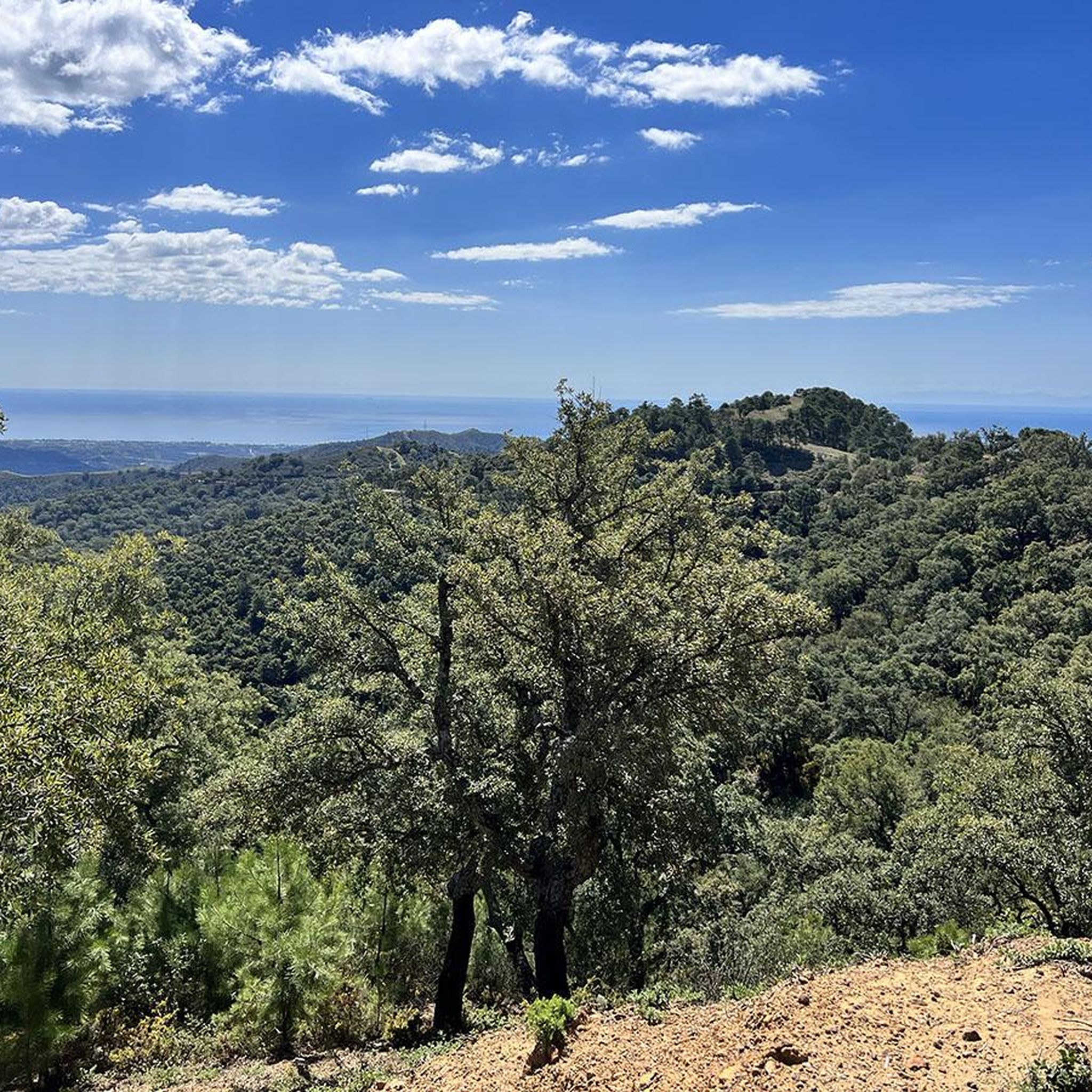
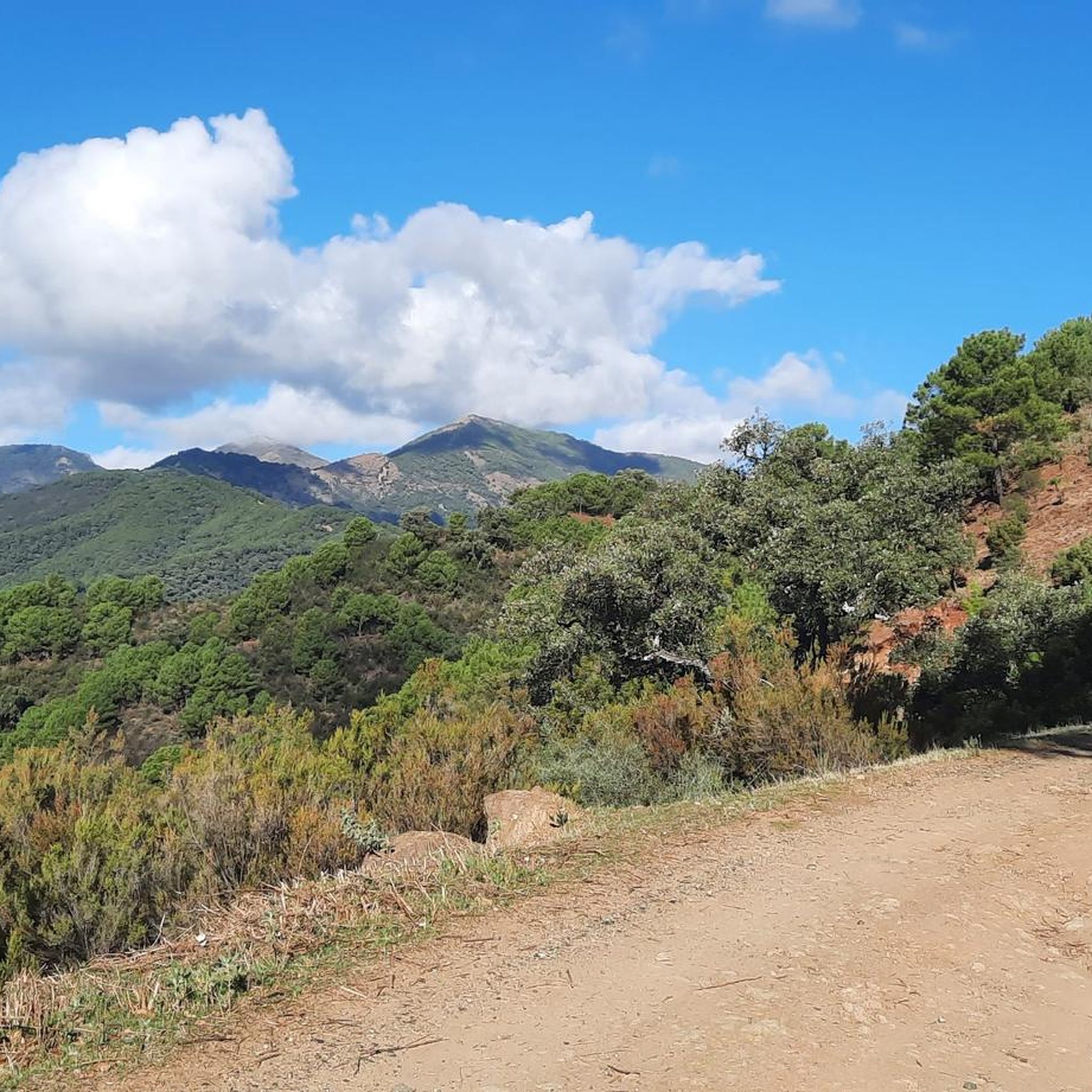
Touring cycling around Benahavís offers routes through varied terrain, from coastal paths along the Mediterranean Sea to inland areas characterized by river valleys and ascending roads. The region features a mix of developed coastal stretches and more natural, hilly landscapes further from the shore. Benahavís is situated amidst mountains, forming part of the foothills of the Sierra de las Nieves and the Serranía de Ronda, which provide significant elevation changes. The area is also traversed by the Guadalmina, Guadalmansa, and Guadaiza rivers, creating lush valleys and gorges.
Best touring cycling routes around Benahavís
- The most popular touring cycling route is Estepona – Senda Litoral Coastal Path loop from Playa Bella, a 12.1 miles (19.5 km) trail that takes 1 hour 28 minutes to complete. This easy route follows the coastline, offering views of the sea.
- Another top favourite among local touring cyclists is Puerto Banús Marina – Marbella Promenade loop from Sun Beach, a moderate 28.9 miles (46.6 km) path. This route connects coastal towns and marinas, featuring urban and seaside scenery.
- Local touring cyclists also love the San Pedro de Alcántara – Source of the Molinos River loop from San Pedro Alcántara, a 40.4 miles (65.0 km) trail leading through river valleys and ascending terrain, often completed in about 5 hours 16 minutes.
- Touring cycling around Benahavís is defined by coastal paths, river valleys, and hilly inland roads. The network offers options for different ability levels, from easy coastal rides to more challenging routes with significant elevation gain.
- The routes in Benahavís are highly rated by the komoot community with an average score of 4.5 stars from over 280 reviews. More than 5,200 touring cyclists have used komoot to explore Benahavís's varied terrain.
Last updated: October 7, 2026
4.5
(72)
497
riders
Easy bike ride. Great for any fitness level. Mostly paved surfaces. Suitable for all skill levels.
4.0
(20)
169
riders
43.4km
02:41
250m
250m
Moderate bike ride. Good fitness required. Mostly paved surfaces. Suitable for all skill levels.

4.5
(11)
147
riders
66.8km
05:10
1,740m
1,740m
Hard bike ride. Very good fitness required. Mostly paved surfaces. Suitable for all skill levels.
5.0
(1)
102
riders
Hard bike ride. Very good fitness required. Mostly paved surfaces. Suitable for all skill levels.
4.5
(8)
76
riders
Hard bike ride. Very good fitness required. Mostly paved surfaces. Suitable for all skill levels.
Get access to more routes and recommendations from other explorers.
Already have an account?
Our route recommendations are based on thousands of hikes, rides, and runs completed by other people on komoot.
Start today with a free account
Your next adventure awaits.

Tips from the Community

Charming place at the start of the route
0
0

The statue represents the two traditional sources of wealth in Estepona. It connects directly to Estepona’s identity as a former fishing village with strong rural roots. t’s considered one of the most emblematic monuments of the town.
0
0

Funny Smurf village, whose house facades are painted blue, as the village was chosen for a Smurf film. A later vote by the villagers resulted in them keeping the blue color as the house paint. Some houses have paintings, and there is also a town map that points to the attractions.
4
0

The Torre El Velerín is a historic coastal watchtower on the Senda Litoral near Estepona. It was built in the 16th century as part of a coastal defense system designed to protect against pirate attacks. From the tower, movements at sea were observed and warning signals were relayed to neighboring watchtowers. Its distinctive features are its round shape and elevated entrance. Today, the Torre El Velerín is a listed historical monument and a testament to coastal history.
1
0
A lot of green trees. There is a 2 fountains. The history of this place dates back to the XVIII century.
1
0
“Ecos del Mar” is a mural created in 2024 by the artist Felipe Pincel, commissioned as part of the III Concurso Internacional de Murales de Estepona. Located on Calle José Luis Díez, it depicts a striking maritime scene: a weather-beaten sailor gazes thoughtfully into the distance, flanked by a boat and a lighthouse, while seagulls circle the scene. The work reflects Estepona's close connection to the sea and its traditional fishing trade, blending realistic depiction with a poetic atmosphere. With its monumental scale and serene, narrative imagery, “Ecos del Mar” integrates seamlessly into the city's artistic identity and is among the most distinctive new murals on Estepona's “Ruta de Murales” (Mural Route).
2
0

Located on the waterfront promenade, this park features many sculptures. All are freely accessible and well-made. A visit is definitely worthwhile.
0
0
The Acueducto del Ángel in Estepona is an impressive relic from the 18th century, reminiscent of the region's agricultural past. It is located in the area of Parque del Ángel, near Arroyo de Hornacinos and Calle Terral, not far from the modern residential complex Playa del Ángel. The historical structure once served to irrigate the surrounding fields and was part of an extensive water supply system that connected springs and water reservoirs. The aqueduct consists of multi-arched masonry viaducts that carried water over an elevated structure, likely to mills or agricultural facilities in the area. After years of decay, it was restored by the city of Estepona as part of a project to upgrade the coastal park and made accessible again. Today, it is surrounded by a small park with walking paths and information boards and can be visited freely. The Acueducto del Ángel is thus not only a technical monument but also a symbol of the connection between history, landscape, and water management in Andalusia. Between modern development and proximity to the sea, it tells of a time when water was a valuable commodity and the engineering skills of the Moors and their successors created the foundation for fertile fields and flourishing gardens.
2
0
Frequently Asked Questions
What types of touring cycling routes can I find in Benahavís?
Benahavís offers a diverse range of touring cycling routes, from coastal paths along the Mediterranean Sea to inland trails that wind through river valleys and ascend into hilly terrain. You'll find a mix of developed coastal stretches and more natural landscapes further from the shore.
Are there easy touring cycling routes suitable for beginners or families in Benahavís?
Yes, Benahavís has several easy touring cycling routes. For a gentle ride, consider the Senda Litoral Coastal Path – Senda Litoral Coastal Path loop from Playa Bella, which is 12.1 miles (19.5 km) long and follows the coastline, offering scenic sea views. There are 25 easy routes in total, providing accessible options for various skill levels.
What are some challenging touring cycling routes for experienced cyclists in Benahavís?
For experienced cyclists seeking a challenge, Benahavís offers 54 difficult routes. A notable option is the San Pedro de Alcántara – Source of the Molinos River loop from San Pedro Alcántara. This 40.4-mile (65.0 km) trail features significant elevation gain through river valleys and ascending terrain, typically taking over 5 hours to complete.
Are there any circular touring cycling routes in Benahavís?
Yes, many touring cycling routes in Benahavís are designed as loops, allowing you to start and finish at the same point. Examples include the Puerto Banús Marina – Marbella Promenade loop from Sun Beach, which connects coastal towns, and the more challenging Puerto de la Resfriega loop from La Alzambra.
What is the best time of year to go touring cycling in Benahavís?
The Costa del Sol region, including Benahavís, generally enjoys a mild climate year-round. Spring (March-May) and Autumn (September-November) are often ideal for cycling, offering pleasant temperatures and less crowded trails. Summer can be hot, especially inland, so early morning or late afternoon rides are recommended if cycling during these months.
What kind of views or landmarks can I expect to see along the touring cycling routes?
Benahavís touring cycling routes offer a variety of sights. Along coastal paths, you'll enjoy Mediterranean sea views. Inland, you might encounter river valleys and natural monuments. Specific highlights in the wider area include the Los Gitanos Viewpoint, Alameda Park in Marbella, and the historic Plaza de los Naranjos.
Are there any routes that pass by waterfalls or natural monuments?
While the immediate routes might not directly pass by, the region around Benahavís features natural attractions. You can find the Upper Puente Palo Waterfall and the ancient Holy Oak within a reasonable distance, which could be explored as part of a longer cycling day or a separate trip.
What do other touring cyclists say about the routes in Benahavís?
The touring cycling routes in Benahavís are highly regarded by the komoot community, with an average score of 4.5 stars from over 290 reviews. Cyclists often praise the varied terrain, from scenic coastal rides to challenging inland climbs, and the well-maintained paths that make for an enjoyable experience.
Are there any very long touring cycling routes for multi-day trips or endurance training?
Yes, for longer rides, consider routes like the Almocábar Gate – View of the Puente Nuevo loop from Fuente del Espanto. This challenging route spans over 57 miles (91.8 km) with significant elevation gain, making it suitable for endurance training or a full-day adventure.
Is Benahavís a good destination for touring cyclists looking for a mix of urban and natural scenery?
Absolutely. Benahavís's location allows for routes that combine the vibrant atmosphere of coastal towns and marinas, such as those found on the Puerto Banús Marina – Marbella Promenade loop, with the tranquility of inland river valleys and hilly landscapes. This blend offers a rich and varied cycling experience.
Most popular routes around Benahavís
Most popular attractions around Benahavís

Get inspired with the komoot mobile app


Explore more
Browse the best Cycling routes in other regions.
