The best road cycling routes around Benahavís
4.5
(305)
11,627
riders
81
rides
Road cycling around Benahavís features routes through varied terrain, characterized by rolling hills and ascents into the surrounding mountains. The region is predominantly mountainous, with 90% of its territory formed by mountain ranges, offering diverse Benahavís cycling terrain and elevation. Cyclists can find routes with challenging climbs and descents, often traversing scenic viewpoints and natural areas like the Sierra de las Nieves Natural Park. The area boasts lush Mediterranean forests and the prominent Guadalmina River.
Best road cycling routes in…
Last updated: October 8, 2026
5.0
(2)
305
riders
103km
06:28
2,540m
2,540m
Hard road ride. Very good fitness required. Some segments of this route may be unpaved and difficult to ride.
4.5
(6)
293
riders
Hard road ride. Very good fitness required. Some segments of this route may be unpaved and difficult to ride.

5.0
(2)
336
riders
71.5km
05:21
1,690m
1,690m
Hard road ride. Very good fitness required. You may need to push your bike for some segments of this route.
5.0
(1)
81
riders
Moderate road ride. Good fitness required. Mostly well-paved surfaces and easy to ride.
5.0
(1)
84
riders
33.0km
01:46
640m
640m
Moderate road ride. Good fitness required. Mostly well-paved surfaces and easy to ride.
Get access to more routes and recommendations from other explorers.
Already have an account?
Our route recommendations are based on thousands of hikes, rides, and runs completed by other people on komoot.
Start today with a free account
Your next adventure awaits.

Tips from the Community

Known as "the garden of the Costa del Sol", the old town of Estepona surprises with its whitewashed pedestrian streets, decorated with hundreds of flowerpots of all colors. In the heart of the neighborhood, the Plaza de las Flores brings together orange trees, terraces, and the most lively atmosphere of the town.
0
0
Known as "the garden of the Costa del Sol", the old town of Estepona surprises with its whitewashed pedestrian streets, decorated with hundreds of flowerpots of all colors. In the heart of the neighborhood, the Plaza de las Flores brings together orange trees, terraces, and the liveliest atmosphere of the town.
1
0


It is mainly a walking path, where walkers have priority over cyclists. Good to get somewhere on a bike, but dull to ride (max. speed allowed is 10 km/h).
0
0

A very long route by bike, walking, or running. Great views, and along the way, there are places to grab a drink or a snack…
0
0

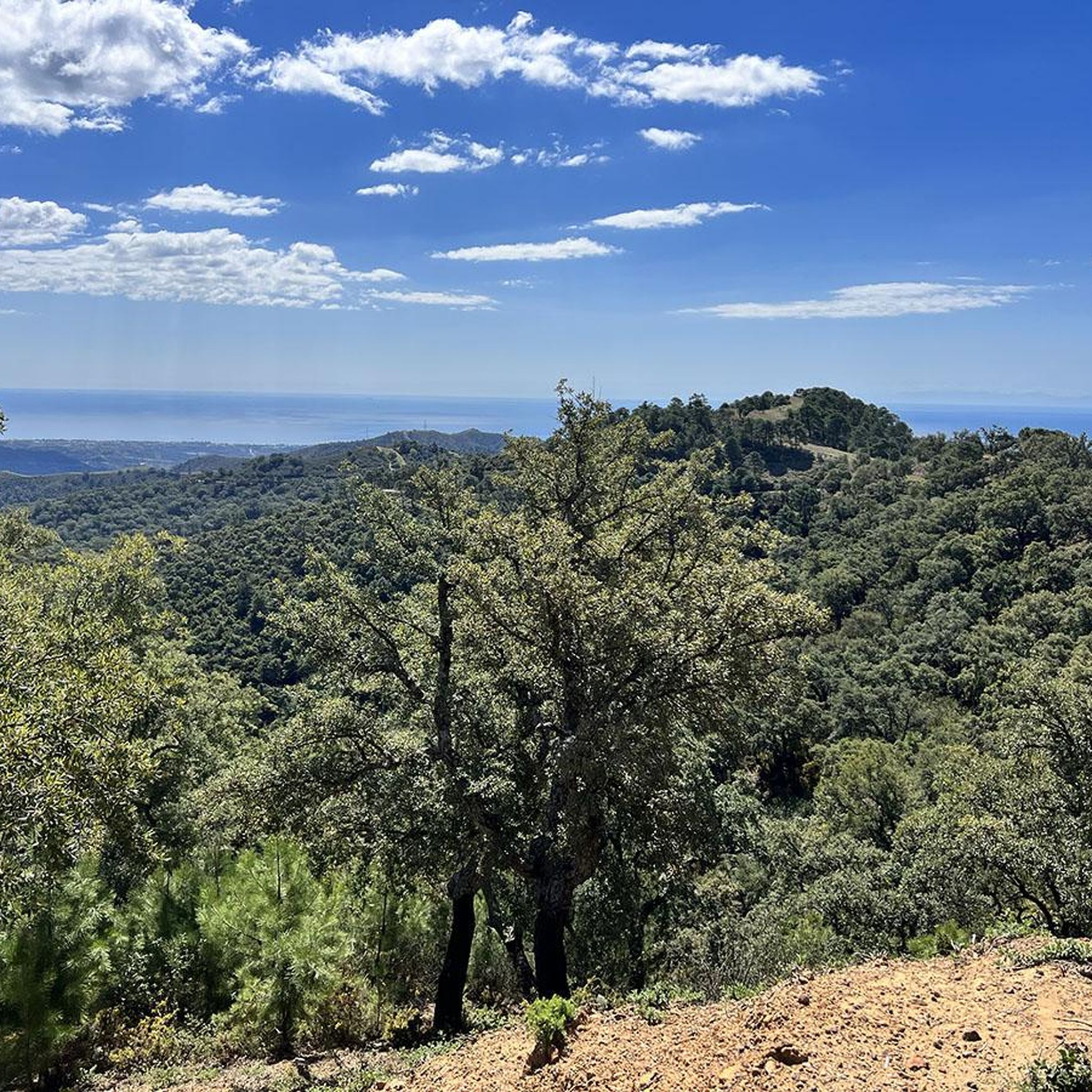
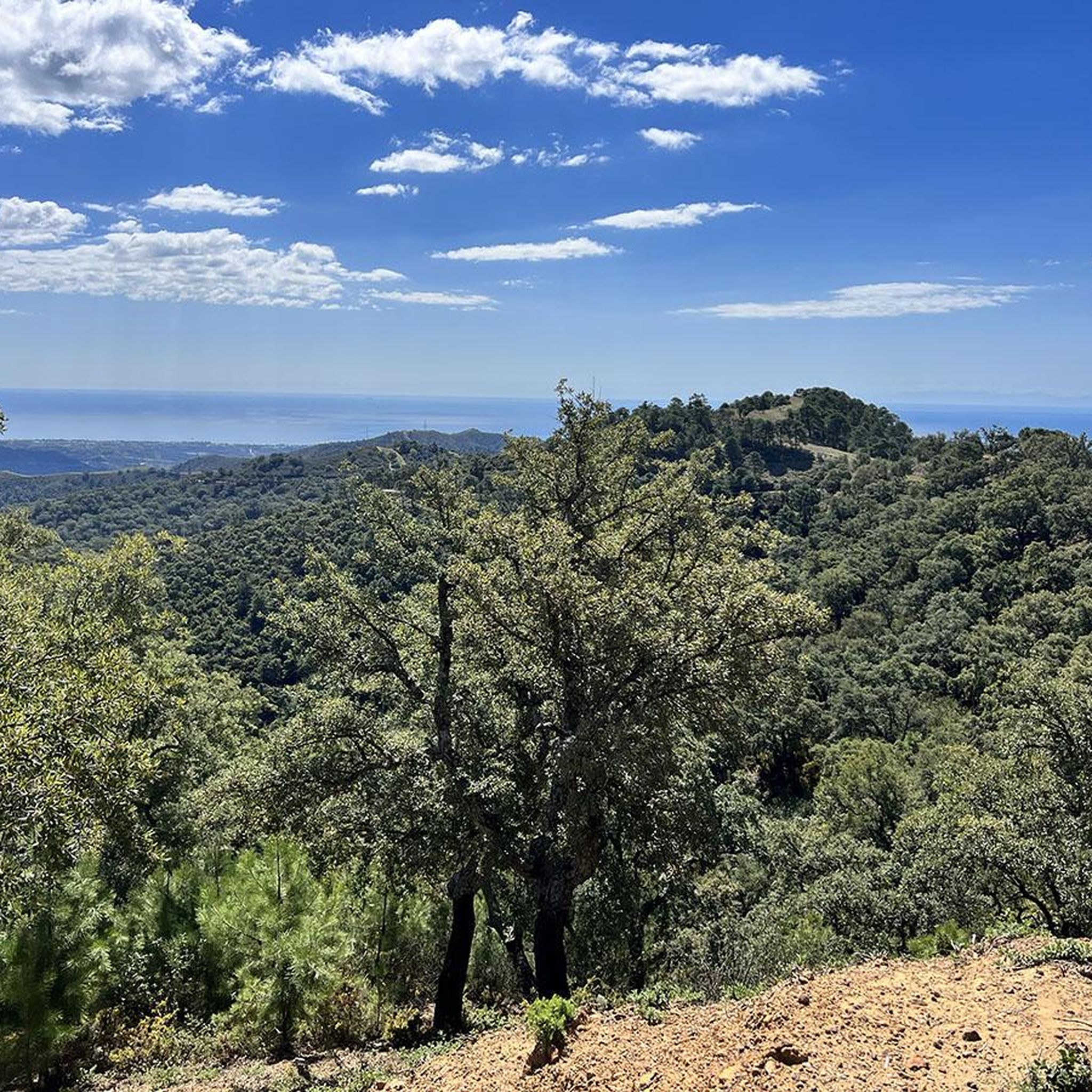
Great view to Gibraltar and Africa among others. Last climb to the top the path was sometimes difficult to follow because of many fallen burnt trees. So then keep in the direction of the visible transmission towers.
0
0

San Pedro de Alcántara is a picturesque district of Marbella, located about ten kilometers west of the city center. It is a charming coastal town that has retained its Andalusian character while offering modern facilities. San Pedro is a popular destination for visitors looking for a quieter and more authentic atmosphere compared to the more glamorous parts of Marbella. San Pedro de Alcántara was founded in 1860 by the Marquis del Duero, Manuel Gutiérrez de la Concha. Originally the town was an agricultural center with sugar cane plantations and the Marquis planned it as a modern workers' colony. Today San Pedro is a thriving urban area that combines tradition and modernity. The town offers several attractions, such as the church of San Pedro de Alcántara. This church, built in the 19th century, is located in the heart of the town and is a fine example of traditional Andalusian architecture. It is located in a charming square surrounded by small cafes. San Pedro Boulevard is a modern boulevard with impressive pedestrian bridges, green spaces, playgrounds and restaurants. An archaeological site is the Vega del Mar Basilica, which dates back to the late Roman period (4th to 6th centuries AD). It is one of the oldest early Christian churches in Spain, discovered in the middle of an ancient cemetery. San Pedro has a beautiful, quiet seafront promenade that leads all the way to Marbella. The beaches are less crowded than in other parts of Marbella and offer a relaxed ambience. San Pedro de Alcántara stands out for its relaxed atmosphere, historical roots and less touristy appeal. It is ideal for cyclists who want to experience an authentic part of the Costa del Sol.
3
0
Frequently Asked Questions
How many road cycling routes are available around Benahavís?
There are over 60 road cycling routes in the Benahavís area, offering a wide range of options for different skill levels and preferences.
Are there easy road cycling routes suitable for beginners in Benahavís?
Yes, Benahavís offers 14 easy road cycling routes. While the region is known for its hilly terrain, these routes provide a gentler introduction to road cycling. A good option to consider is the Benahavís loop from Sun Beach, which is a moderate route but offers a good balance for those looking for less intense climbs.
What are some challenging road cycling routes with significant climbs in Benahavís?
For experienced cyclists seeking a challenge, Benahavís features 21 difficult routes with substantial elevation gains. The Júzcar, the Blue Village – Puerto El Madroño (1065 m) loop from San Pedro Alcántara is a demanding option, ascending to Puerto El Madroño. Another very challenging route is the Peñas Blancas Ascent – Puerto El Madroño (1065 m) loop from Fuente del Espanto, known for its significant climbs.
Are there circular road cycling routes around Benahavís?
Many of the road cycling routes in Benahavís are designed as loops, allowing you to start and finish in the same location. Examples include the View of the Hills near Casares – Benahavís loop from Paraíso-Barronal and the Júzcar, the Blue Village – Puerto El Madroño (1065 m) loop from San Pedro Alcántara.
What is the best time of year for road cycling in Benahavís?
Benahavís enjoys a Mediterranean climate, making road cycling enjoyable for much of the year. Spring (March-May) and Autumn (September-November) offer pleasant temperatures and less extreme heat, ideal for longer rides. Winter can also be a good time, with mild temperatures compared to many other European regions, though some higher mountain passes might experience cooler conditions.
What kind of terrain can I expect on road cycling routes in Benahavís?
The road cycling routes around Benahavís are characterized by varied terrain, including rolling hills and significant ascents into the surrounding mountains. You'll find a mix of coastal proximity and inland climbs, often traversing scenic viewpoints and natural areas.
What do other road cyclists enjoy most about road cycling in Benahavís?
The area is highly rated by the komoot community, with an average score of 4.2 stars from over 160 reviews. Cyclists often praise the diverse landscapes, challenging climbs, and the scenic viewpoints encountered along the routes. Over 8,000 road cyclists have used komoot to explore Benahavís's varied terrain.
Are there any scenic viewpoints or landmarks along the road cycling routes?
Yes, many routes offer scenic viewpoints. The region is known for its mountain passes, such as Peñas Blancas Ascent, Swallows Pass, and Puerto Juan Benítez. You might also pass by cultural landmarks like La Virgencita Hermitage.
Are there less crowded road cycling routes near Benahavís?
While some popular routes can see more traffic, exploring the 14 easy and 26 moderate routes, particularly those slightly off the main tourist paths, can lead to quieter cycling experiences. Routes that venture deeper into the inland hills often provide a more serene environment.
Are there any routes that pass by historical or cultural sites?
Yes, some routes offer glimpses of local history and culture. For instance, the San Pedro de Alcántara – Paleochristian Basilica loop from El Pilar takes you past a significant historical site, offering a blend of cycling and cultural exploration.
What is the typical elevation gain for road cycling routes in Benahavís?
Elevation gains are a common feature of road cycling in Benahavís due to the hilly and mountainous terrain. Even moderate routes can have several hundred meters of ascent, while difficult routes, like the Júzcar, the Blue Village – Puerto El Madroño (1065 m) loop, can feature over 2,200 meters of climbing.
Most popular attractions around Benahavís

Get inspired with the komoot mobile app


Explore more
Browse the best Road cycling routes in other regions.
