Attractions and Places To See around El Coronil - Top 20
Best attractions and places to see around El Coronil include historical landmarks, natural features, and cultural sites within the province of Seville, Spain. The town is situated in a region offering a blend of history and natural beauty, with the Sierra Sur and Arroyo Salado contributing to its landscape. Visitors can explore ancient fortresses, Mudejar-style churches, and extensive green routes. The area provides opportunities to experience both historical infrastructure and Mediterranean forest ecosystems.
Best attractions and places to see around…
Last updated: July 26, 2026
Via Verde de la Sierra (90% gravel)
Highlight (Segment) • Cycleway
Translated by Google •
Tip by

Viaducto de Los Azares
Highlight • Bridge
Translated by Google •
Tip by
Sign up now to discover places like this
Get recommendations on the best single tracks, peaks, & plenty of other exciting outdoor places.
Sign up for free
Vía Verde de la Sierra Between Coripe and Puerto Serrano
Highlight • Trail
Translated by Google •
Tip by
Puerto del Acebuche Viewpoint
Highlight • Viewpoint
Translated by Google •
Tip by

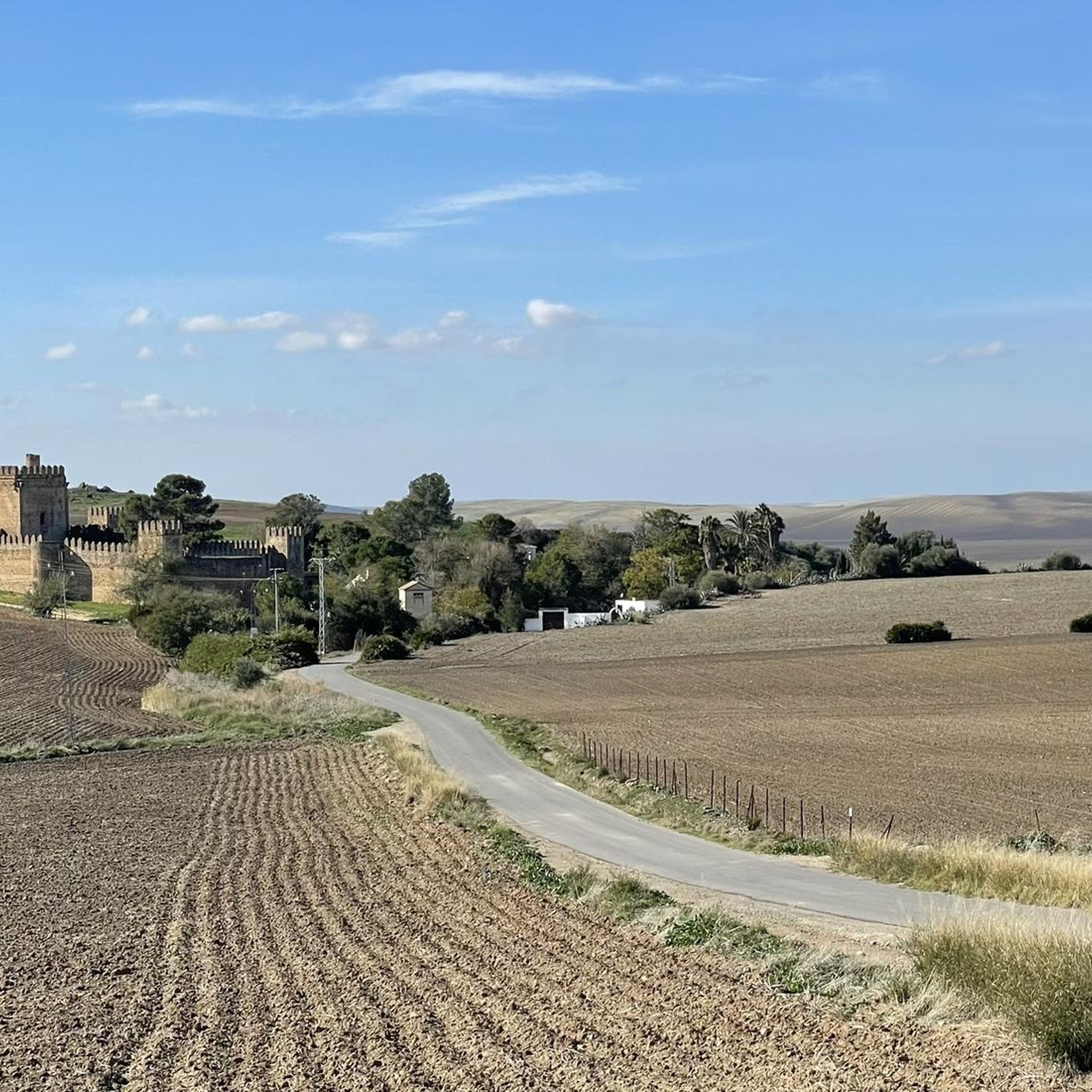
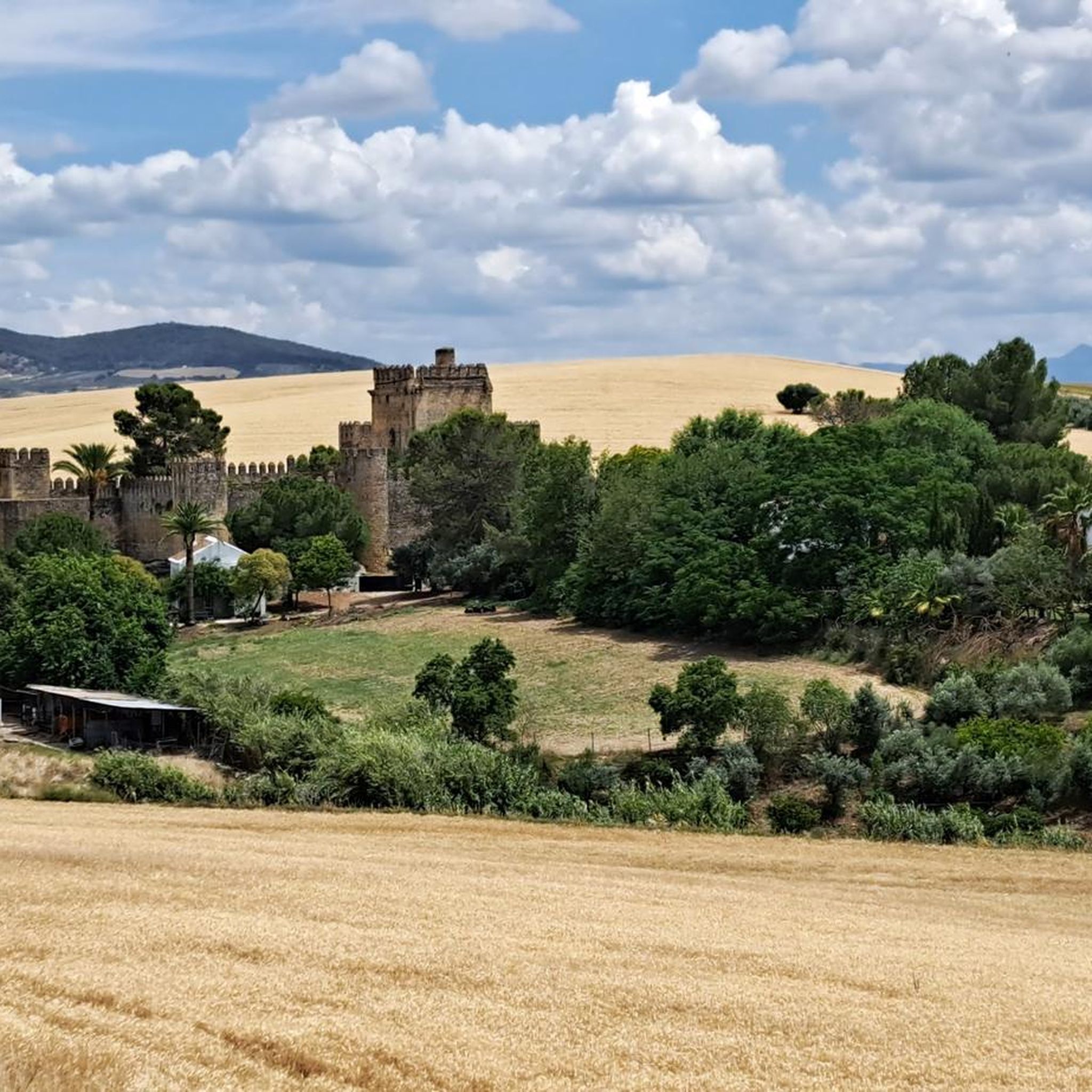
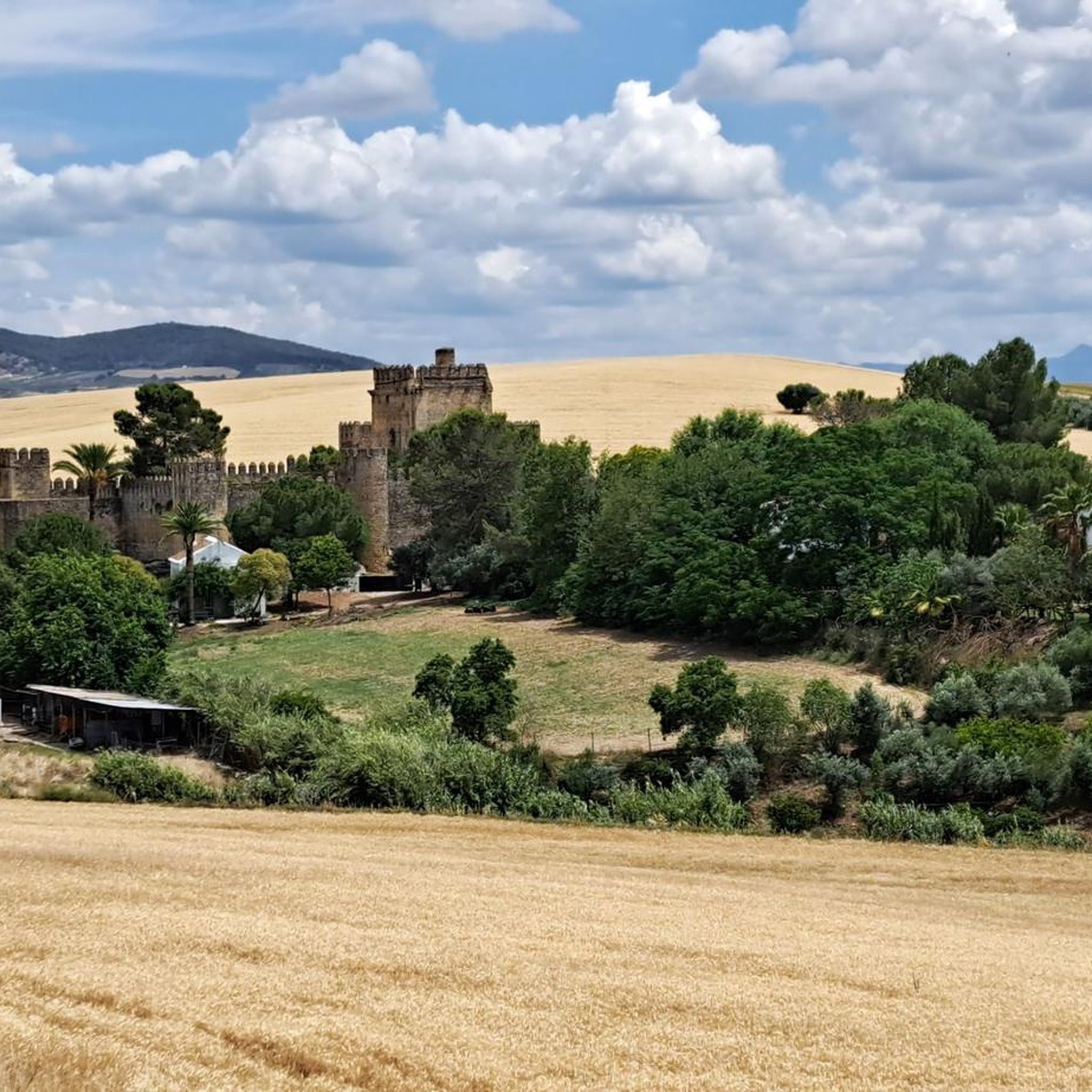
Torre del Águila
Highlight • Historical Site
Translated by Google •
Tip by

Sign up for free to discover even more attractions around El Coronil.
Sign up for free
Already have an account?
Start today with a free account
Your next adventure awaits.
Login or Signup

Tips from the Community

Viaduct of 65 meters long, built by means of truncated-pyramidal pilasters with a rectangular plan with mortared bluestones. Formed by the repetition of 3 equal spans. Built to save the bed of the Azar stream. Less than 100 meters away there is a small rest area from where you have a good view of the Guadalete river at the exit of the Villalón meander, at the foot of the Cerro del Castellar.
7
0

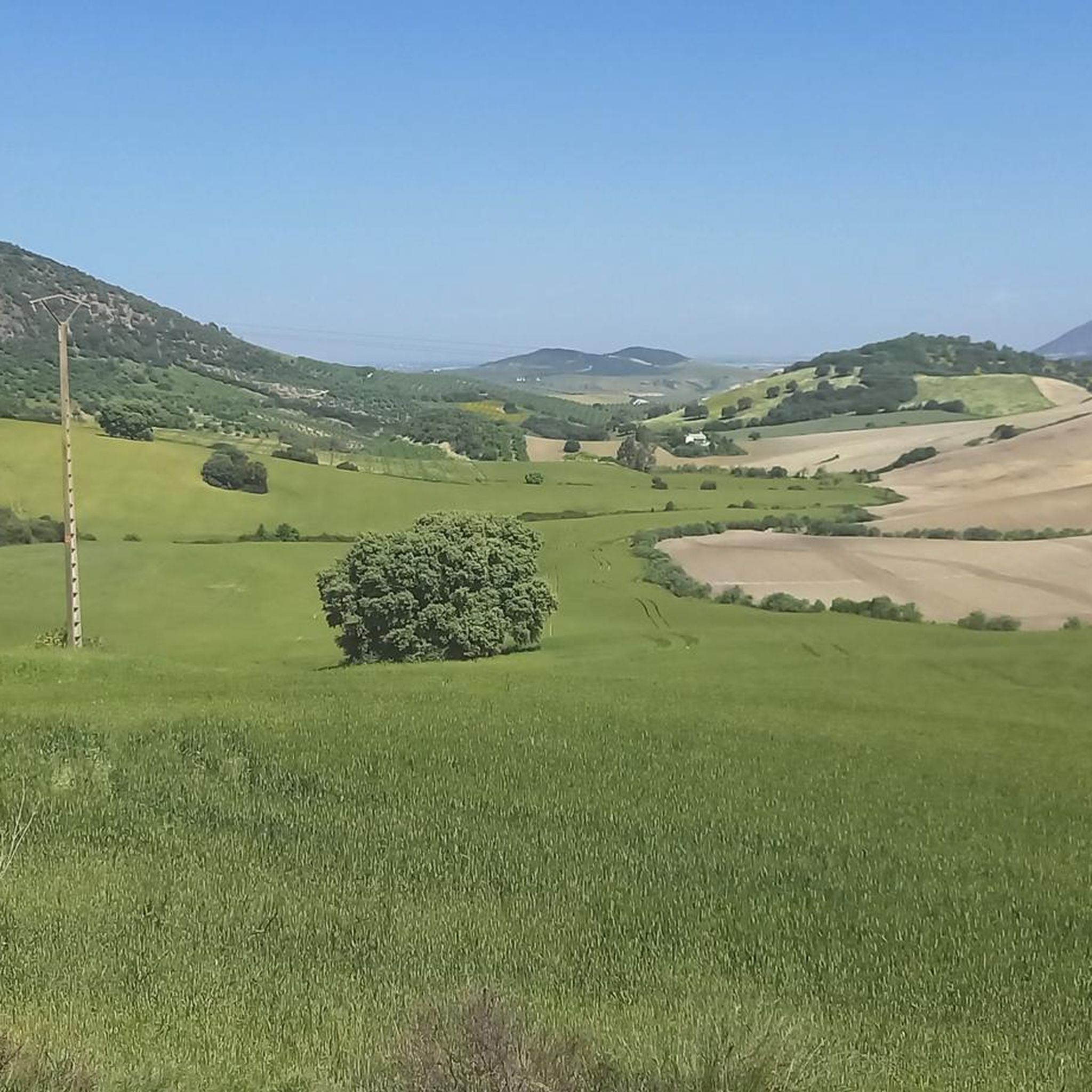
This viewpoint is part of a hiking route that also includes the Mirador de la Cancha and the Castillo de Cote. The complete route is approximately 11.5 km and is circular.
6
0
The Via Verde de la Sierra is a beautiful green route in Andalusia that starts in Puerto Serrano and ends in Olvera. This 36-kilometre route follows an old railway line that was built in the early 20th century between Jerez de la Frontera and Almargen. The route offers a unique combination of beautiful nature and historical sights, including the impressive Sierra de Cádiz and a large colony of Griffon Vultures. The route is ideal for both walking and cycling and passes through several tunnels and viaducts, making it a unique experience. Along the way you will pass through smaller villages and peaceful landscapes, making it perfect for a relaxing adventure in nature.
9
0
The Via Verde de la Sierra is a beautiful green route in Andalusia that starts in Puerto Serrano and ends in Olvera. This 36-kilometre route follows an old railway line that was built in the early 20th century between Jerez de la Frontera and Almargen. The route offers a unique combination of beautiful nature and historical sights, including the impressive Sierra de Cádiz and a large colony of Griffon Vultures. The route is ideal for both walking and cycling and passes through several tunnels and viaducts, making it a unique experience. Along the way you will pass through smaller villages and peaceful landscapes, making it perfect for a relaxing adventure in nature.
10
0
The Los Azares Viaduct is an impressive historical structure located in the Sierra de Cádiz, on the Via Verde de la Sierra. This viaduct spans the Los Azares River and is 65 metres long. It is located between Junta de los Ríos and Puerto Serrano. It is one of the four main viaducts on the green route and offers beautiful views of the area.
8
0

If you're based in Ronda, White Village Tours offers bikes and transport to cycle from Olvera to Puerto Serrano. whitevillagetours.com/cycling/cycling-day-trips/easy-routes/via-verde
5
1
If you're based in Ronda, White Village Tours offers bikes and transport to cycle from Olvera to Puerto Serrano. https://www.whitevillagetours.com/routes/via-verde
1
0

One of the most beautiful greenways ever.
3
0
Frequently Asked Questions
What historical landmarks can I explore in El Coronil?
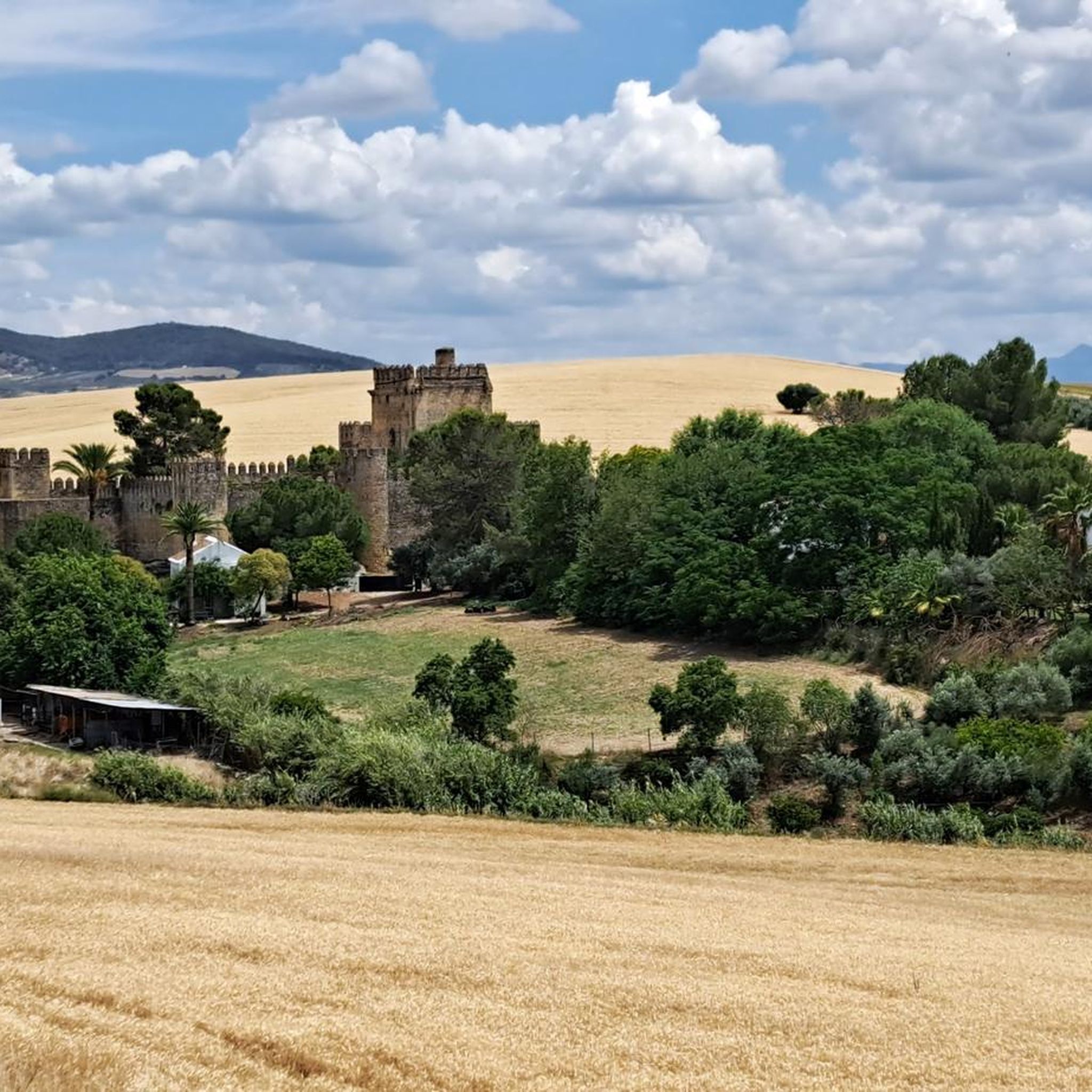
El Coronil is rich in history. You can visit the ancient Muslim fortress, Torre del Águila, a 14th-century watchtower offering wide visibility. Other notable sites include the Castillo de las Aguzaderas, a 15th-century castle built on Arab foundations, and the Castillo de la Villa, an 11th-century castle in the town center. The Iglesia de Nuestra Señora de Consolación, with its Mudejar and Neoclassical styles, and the Ermita del Calvario, a 16th-century hermitage, also offer a glimpse into the town's past.
Are there any natural areas for outdoor activities near El Coronil?
Yes, the region offers several natural spots. The Dehesa de Pilares, located 4 kilometers from town, is a remnant of Mediterranean forest perfect for walks and observing local wildlife. The Vía Verde de la Sierra, a 36-kilometer green route following an old railway line, is ideal for walking and cycling through unique natural landscapes. You can also find various urban parks within the town, such as Barranco and Tahonas.
What cultural sites can I visit in El Coronil?
Beyond its historical buildings, El Coronil offers cultural insights through its architecture and public spaces. Stroll through the streets to admire beautiful 18th-century Manor Houses. The Town Hall itself is housed in a 16th-century stately home with a notable coffered ceiling. The Palatial house of D. Diego Quebrado, now the House of Culture, houses the municipal library and a model of Seville's Plaza de España.
Are there family-friendly attractions around El Coronil?
Absolutely. The Via Verde de la Sierra (90% gravel) is a fantastic option for families, offering a safe and scenic path for walking and cycling through tunnels and viaducts. The Dehesa de Pilares is also suitable for family walks, providing an opportunity to enjoy nature and spot wildlife. Many of the urban parks, such as De los Colores, offer green spaces for children to play.
What kind of outdoor activities can I do near El Coronil?
The area around El Coronil is excellent for outdoor enthusiasts. You can enjoy hiking, cycling, and road cycling. The Vía Verde de la Sierra is a highlight for both walking and cycling. For more specific routes, you can explore various options for hiking around El Coronil or discover cycling routes and road cycling routes in the region.
Are there specific hiking trails recommended around El Coronil?
Yes, the natural surroundings of El Coronil, particularly the Sierra Sur, offer several hiking trails. A popular option is the Vereda de las Aguzaderas, a 3.5 km walk leading to the Castillo de las Aguzaderas. Other trails include the Sierra de San Pablo y Montellano circular route and the Vía Verde de la Sierra Trail. You can find more details on these and other routes in the hiking guide for El Coronil.
What cycling routes are available near El Coronil?
Cycling is a popular activity, especially along the Vía Verde de la Sierra. This route offers a unique experience through tunnels and viaducts. For more challenging rides, you can explore routes like the Viaducto de Los Azares – Puerto Serrano (Greenway) loop or The Castle of Las Aguzaderas loop. Discover a variety of options in the cycling guide for El Coronil.
What is the best time of year to visit El Coronil for outdoor attractions?
The best time to visit El Coronil for outdoor attractions is generally during the spring (April-May) and autumn (September-October) months. During these periods, the weather is typically mild and pleasant, ideal for hiking, cycling, and exploring historical sites without the intense heat of summer. The landscapes are also particularly vibrant in spring.
Where can I find impressive views around El Coronil?
For impressive views, head to the Ermita del Calvario, which is situated on a stone hill and offers beautiful vistas over the countryside. The Puerto del Acebuche Viewpoint is another excellent spot, providing views towards the east, including the Castillo de Cote and Peñón de Zaframagón. The Viaducto de Los Azares on the Vía Verde de la Sierra also offers scenic views of the surrounding area.
Can I find any hidden gems or unique spots in the El Coronil area?
Beyond the main attractions, El Coronil has some unique points of interest. The Capilla de la Vera Cruz, a 17th-century chapel that once housed a convent, features a crucified image attributed to the Baroque school of Juan Martínez Montañés. The Pozo Morisco and Casa de la Marcela are also mentioned as unique local spots worth discovering during your visit.
What wildlife might I encounter near El Coronil?
The natural areas around El Coronil, particularly the Dehesa de Pilares and the Vía Verde de la Sierra, are home to various Mediterranean species. The Vía Verde is especially known for hosting a large colony of Griffon Vultures, offering a unique opportunity for birdwatching. You might also spot other local fauna typical of the Mediterranean forest ecosystem.
Are there any local festivals or cultural events in El Coronil?
El Coronil hosts several vibrant festivals throughout the year. These include traditional Carnivals, significant Easter celebrations with processions, and the Feria de San Roque in August, honoring the town's patron saint. A popular Pilgrimage takes place in the Dehesa de Pilares in May, and the Noche de San Juan is celebrated with thousands of candles illuminating the village.
Most popular routes around El Coronil

Get inspired with the komoot mobile app


Explore more
Still not found the Highlight you’re looking for? See guides of the top attractions in other regions:
