The best running trails around Oristà
4.4
(9)
1,117
runners
77
runs
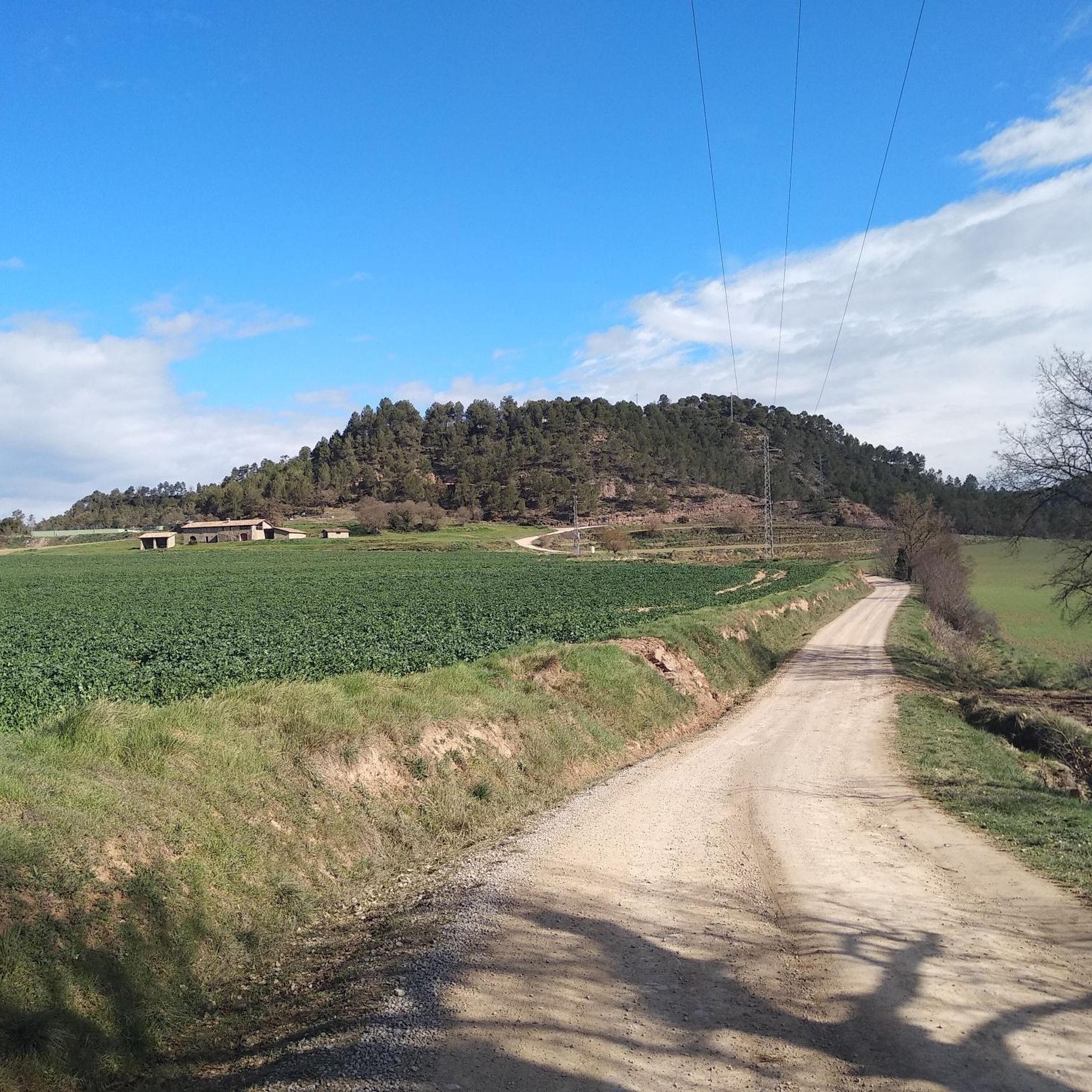
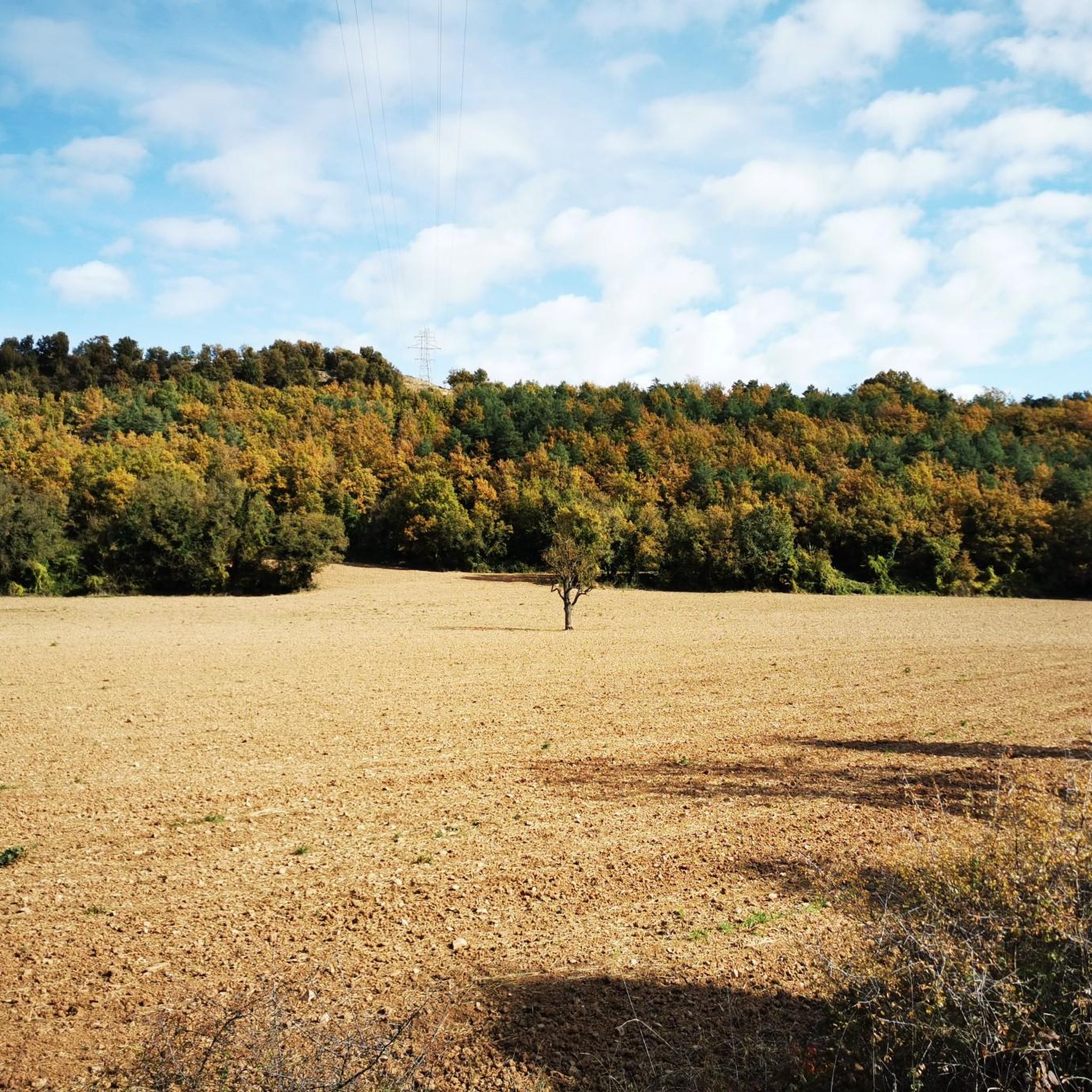
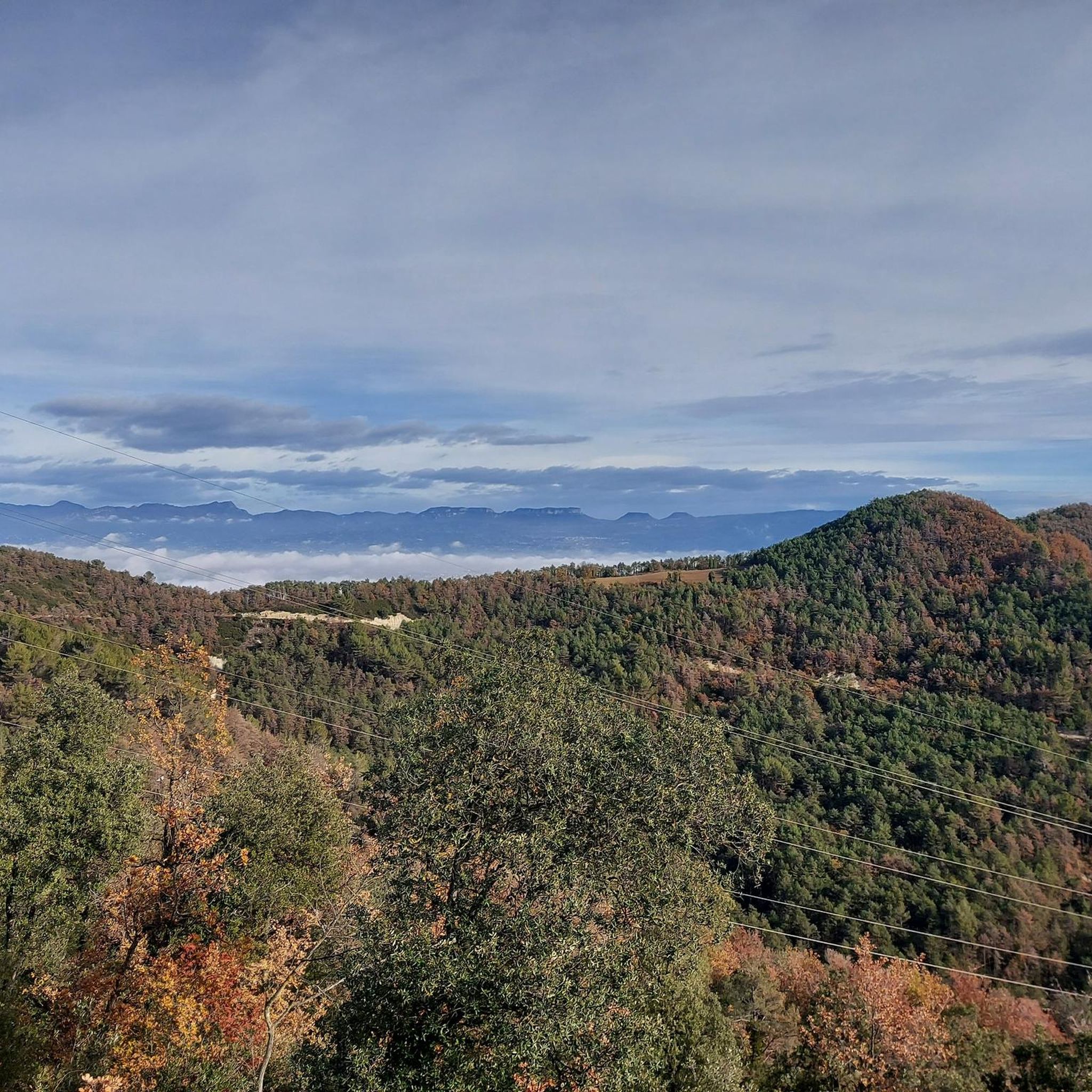
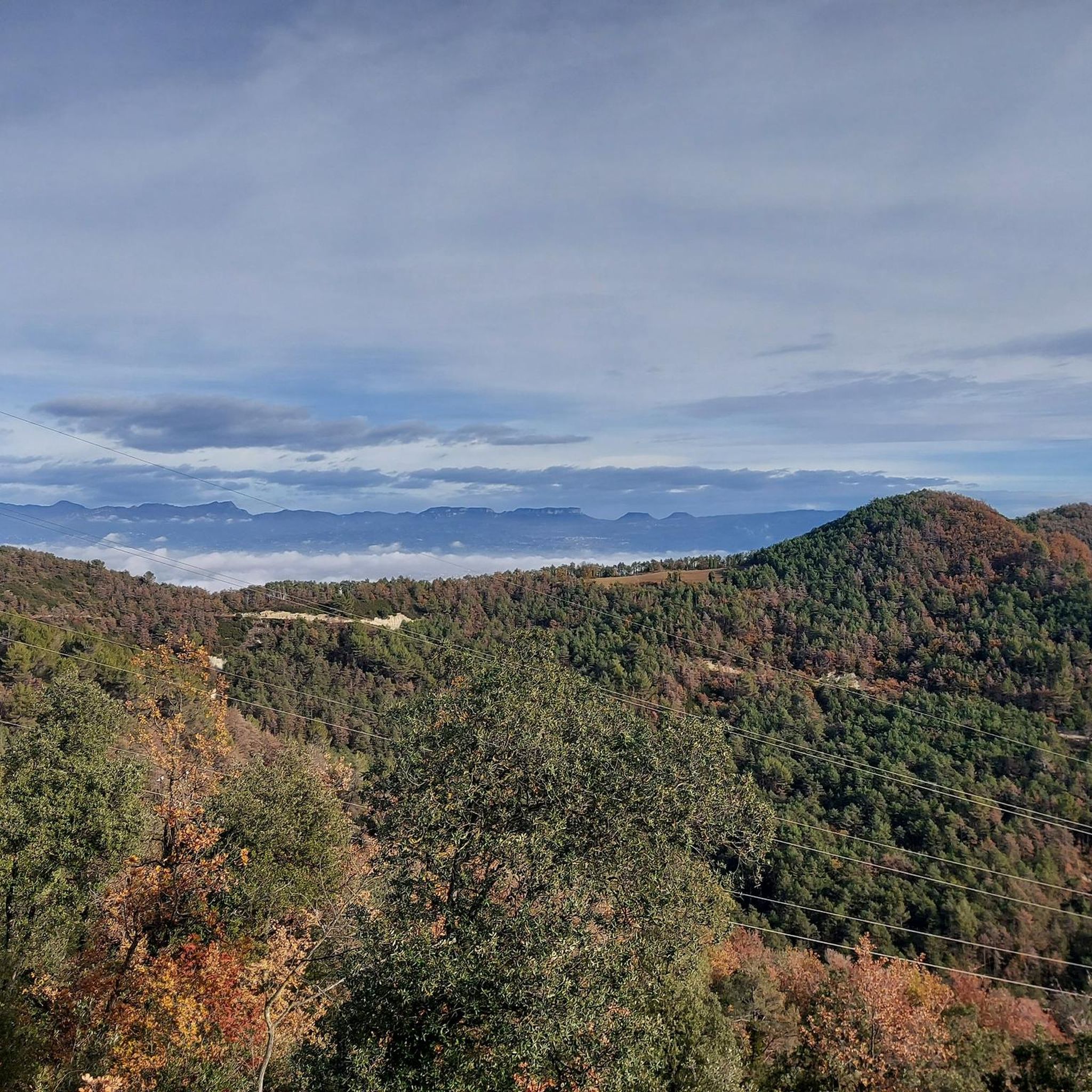
Jogging routes around Oristà traverse a varied landscape of forests, agricultural fields, and livestock pastures, characteristic of the Lluçanès region. The terrain includes paths through hills and ridges, offering panoramic views of the village and its surroundings. For those preferring flatter options, routes tracing the Gavarresa stream provide a tranquil environment. This mosaic of natural features creates diverse running experiences for all abilities.
Best jogging routes around Oristà
- The most popular jogging route is Hermitage of Sant Miquel d'Oló loop…
Last updated: October 2, 2026
29
runners
19.4km
02:25
370m
370m
Hard run. Very good fitness required. Mostly paved surfaces. Suitable for all skill levels.
4
runners
12.6km
01:25
180m
180m
Moderate run. Good fitness required. Mostly paved surfaces. Suitable for all skill levels.

4
runners
13.5km
01:31
200m
200m
Moderate run. Good fitness required. Mostly paved surfaces. Suitable for all skill levels.
5
runners
14.1km
01:34
250m
250m
Moderate run. Good fitness required. Mostly paved surfaces. Suitable for all skill levels.
7
runners
10.3km
01:21
290m
290m
Moderate run. Good fitness required. Mostly paved surfaces. Suitable for all skill levels.
Get access to more routes and recommendations from other explorers.
Already have an account?
Our route recommendations are based on thousands of hikes, rides, and runs completed by other people on komoot.
Start today with a free account
Your next adventure awaits.
Tips from the Community

The church of Santa Creu de Jutglar is located in the nucleus of the same number, part of the municipality of Olost, in the Catalan region of Lluçanès. It is a building with a single nave and a rectangular plan with an adjacent bell tower of a square plan. It is documented for the first time in the year 984, as a dependency of the church of Santa Maria d'Olost. The annual meeting of the Lluçanès Council of Jurors was held in this church, a council made up of representatives from all the parishes that were part of the Lluçanès Subvegería.
1
0

The castle of Olost is located in a hollow – therefore in a not very strategic situation – next to the stream of Olost and to the south of the town of Olost and very close to its main nucleus, although it belongs to the municipality of Oristà. The castle arose in the 11th century after the disappearance of the castle of Oristà. It started as just a watchtower with a rectangular plan. Later on, it became a castle, although it was never a defense fortress but rather a stately residence bringing together feudal possessions. Of the old building, the tower and the Gothic chapel are currently preserved. https://ca.wikipedia.org/wiki/Castell_d%27Olost
2
0

The castle of Olost is located in a hollow – therefore in a not very strategic situation – next to the stream of Olost and to the south of the town of Olost and very close to its main nucleus, although it belongs to the municipality of Oristà. The castle arose in the 11th century after the disappearance of the castle of Oristà. It started as just a watchtower with a rectangular plan. Later on, it became a castle, although it was never a defense fortress but rather a stately residence bringing together feudal possessions. Of the old building, the tower and the Gothic chapel are currently preserved. It is located on top of a rocky spur, to the north of the term. The plan of the current complex is trapezoidal and is the product of several construction phases, of which the oldest (15th-16th century) that is preserved in height corresponds to a square tower, dated to the 15th century, located in the East. The rest of the constructions are delivered to the tower and would be chronologically later (16th-18th centuries). To the south-west of the main complex, a square tower (from the late medieval period) is preserved, which is located on top of a hydraulic mill linked to the castle. This tower is given a section of perimeter wall, which would be later than the tower.[1] The rest of the walls and structures of the medieval construction (except for the aforementioned towers) would be located underground, together with the remains of the evolution and use of the whole complex.[1] The rest of the building consists of three floors, with a rectangular plan and a roof with a double lateral slope on the facade of the entrance door. The central part of the right facade is occupied by the tower with a rectangular plan and with the crowning with battlements redone in a modern way. Around the castle there are several outbuildings that are used as housing by the farmers.[1] The well block stands out, built with a cylindrical body made of stone and mortar, currently restored with the addition of cement, flanked by two pillars with an elongated rectangular base that support a wooden beam that acts as the axis of a double-sloped roof with Arabic tiles On one of the pilasters, on the outer and upper part, the date 1678 is preserved. Info taken from Wikipedia
1
0

Small but beautiful Castle in the municipality of Olost, right at the beginning of the track that leads to Oristà
1
0
Frequently Asked Questions
How many running routes are available around Oristà?
There are over 70 running routes in the Oristà area, offering a diverse range of experiences for all abilities. These include 2 easy, 47 moderate, and 22 difficult trails.
What kind of terrain can I expect on jogging trails in Oristà?
Oristà offers a varied landscape of forests, agricultural fields, and livestock pastures. You'll find paths through hills and ridges with panoramic views, as well as flatter options along the Gavarresa stream. This mosaic of natural features creates diverse running experiences.
Are there any easy or beginner-friendly jogging routes in Oristà?
Yes, Oristà has a few easy jogging routes, with 2 trails specifically rated as easy. Many of the 47 moderate routes are also suitable for beginners looking for a slightly longer challenge, often leading through agricultural fields and woodlands.
Can I find long-distance running trails near Oristà?
Absolutely. For those seeking a longer run, routes like the Hermitage of Sant Miquel d'Oló loop from Santa Maria d'Oló cover approximately 22.5 km (14 miles) with significant elevation gain. Another challenging option is the Puig Martorell – Serrat de les Arnes loop from Prats de Lluçanès, which is about 23 km (14.3 miles) long.
Are there any circular running routes in the Oristà region?
Yes, many of the running routes around Oristà are circular, allowing you to start and finish at the same point. For example, the Sant Andreu de Llanars Church loop from Prats de Lluçanès is a popular 11.1 km (6.9 miles) circular trail.
What are some scenic viewpoints or landmarks I can see while running in Oristà?
The region offers several scenic spots. The Ermita de Sant Sebastià is associated with a viewpoint offering picturesque vistas of Oristà and its surroundings. You might also encounter the Sant Martí Xic Chapel or the tranquil Riera de Sorreigs Reservoir on your runs.
What do other runners enjoy most about jogging in Oristà?
The running routes in Oristà are highly rated by the komoot community, with an average score of 4.7 stars from numerous reviews. Runners often praise the varied terrain, from extensive forests to rolling hills, and the peaceful ambiance of the rural landscape.
Are there any running routes that follow a stream or river?
Yes, for those who prefer flatter terrain or a route alongside water, paths tracing the course of the Gavarresa stream offer a pleasant option. These routes provide a tranquil environment for your run.
Are the running trails around Oristà suitable for families?
While specific 'family-friendly' designations aren't always available, many of the easier and moderate routes, especially those through agricultural fields or along the Gavarresa stream, could be suitable for families looking for a gentle jog or walk. Always check the route's distance and elevation profile to ensure it matches your family's fitness level.
What is the best time of year to go jogging in Oristà?
Oristà's diverse natural landscapes make it appealing throughout the year. Spring and autumn offer pleasant temperatures and vibrant scenery. Summer mornings or evenings are ideal to avoid the heat, while winter runs can be invigorating, especially on trails through the forests and hills.
Are there any historical sites or cultural points of interest along the running routes?
Yes, the region is dotted with historical and cultural points. You might pass by the Santa Llúcia Hermitage, Sobremunt or the Church of Santa Maria in Olost. These offer glimpses into the local heritage amidst your run.
Most popular attractions around Oristà

Get inspired with the komoot mobile app


Explore more
Browse the best Running Trails & Routes in other regions.
