The best cycling routes around Oristà
4.1
(25)
1,231
riders
77
rides
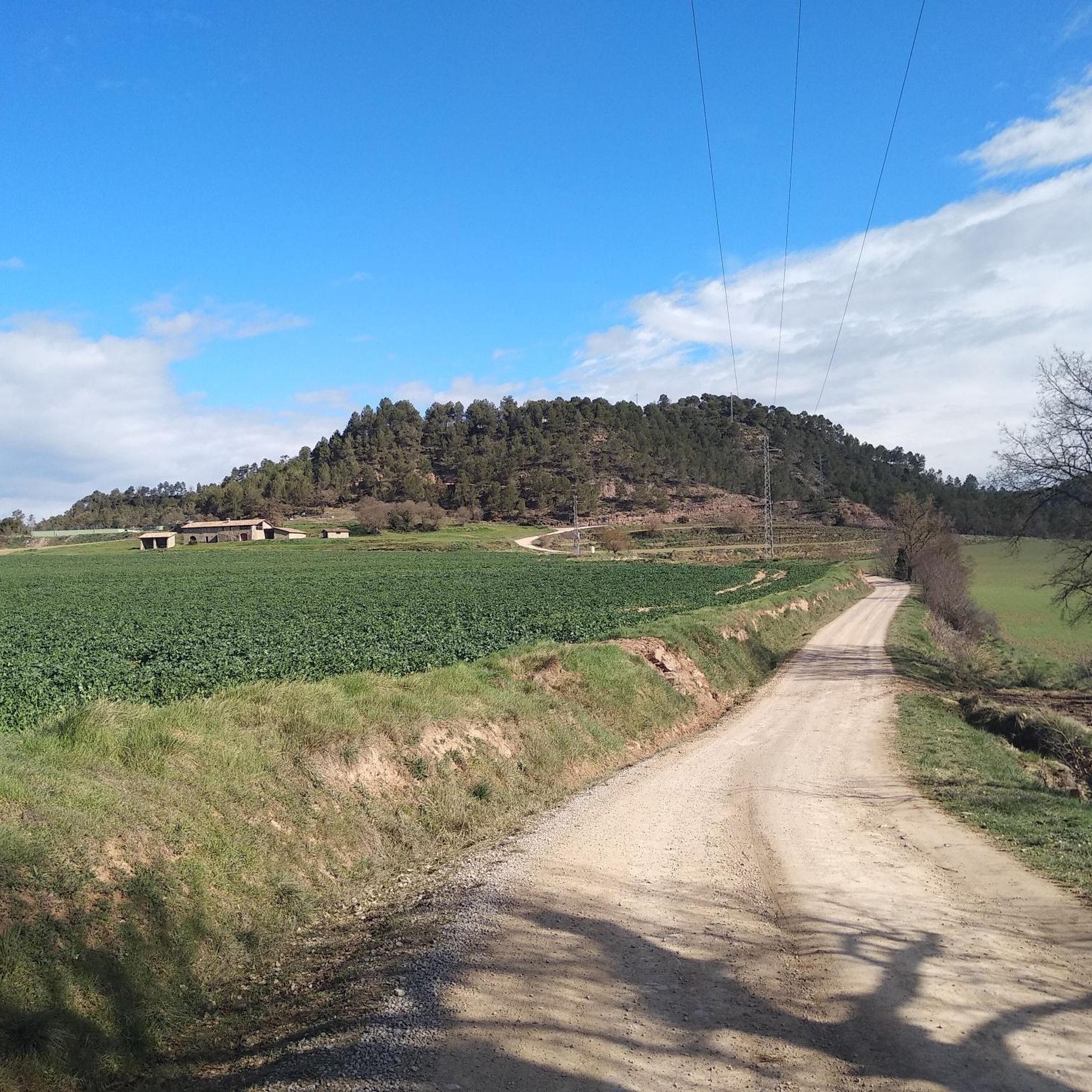
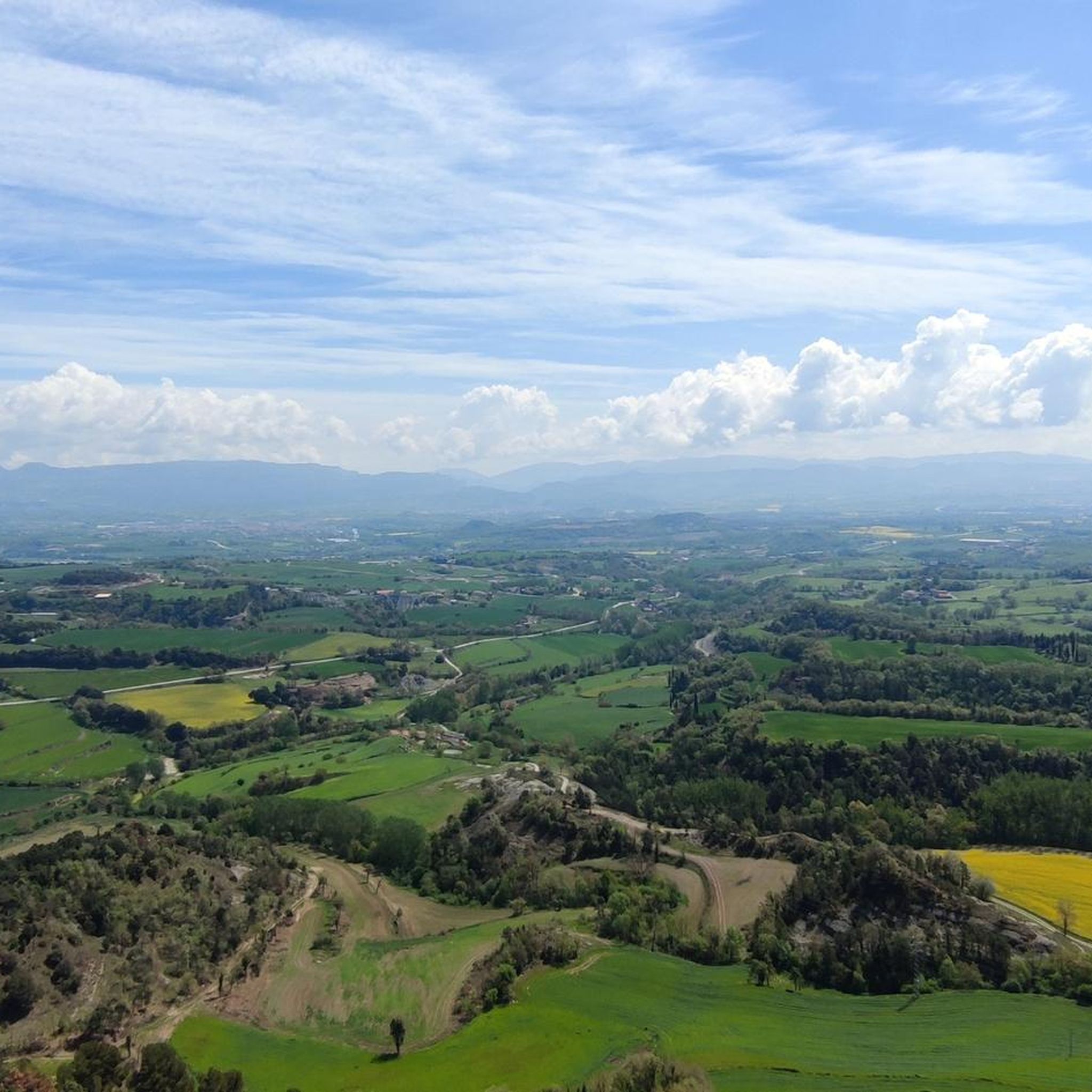
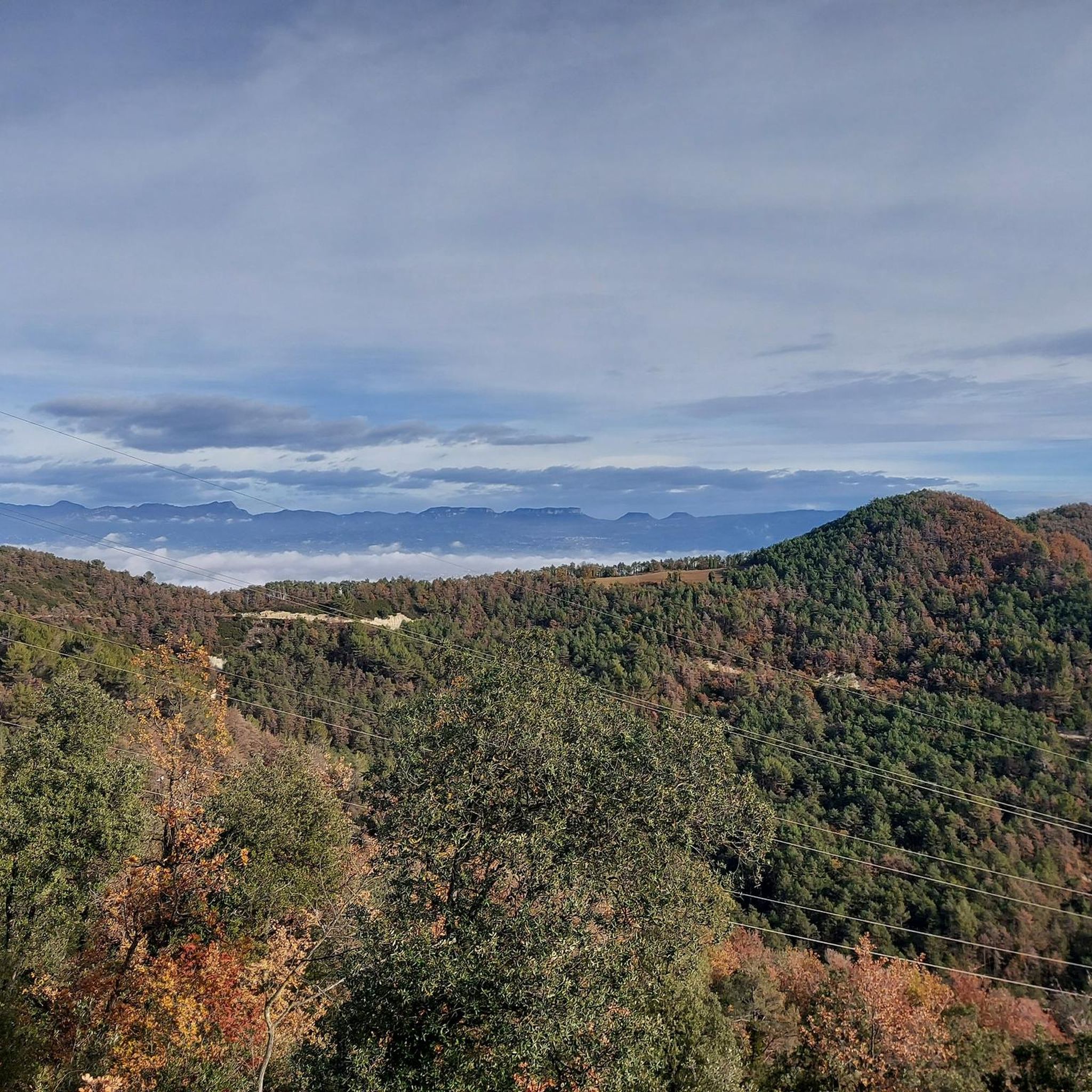
Touring cycling routes around Oristà traverse an undulating inland territory, characterized by an average altitude of approximately 700 meters. This varied topography provides both challenging ascents and rewarding descents. The Gavarresa stream valley contributes to the area's natural beauty, offering scenic routes along its course. From higher vantage points, cyclists can enjoy expansive views of distant Catalan mountain ranges.
Best touring cycling routes around Oristà
- The most popular touring cycling route is Sant Feliu Church – Quer Castle loop from…
Last updated: October 2, 2026
29
riders
35.6km
02:25
570m
570m
Hard bike ride. Very good fitness required. Mostly paved surfaces. Suitable for all skill levels.
5.0
(1)
24
riders
46.6km
03:12
780m
780m
Hard bike ride. Very good fitness required. Mostly paved surfaces. Suitable for all skill levels.

8
riders
Hard bike ride. Very good fitness required. Mostly paved surfaces. Suitable for all skill levels.
4
riders
33.6km
02:17
520m
520m
Hard bike ride. Very good fitness required. Mostly paved surfaces. Suitable for all skill levels.
5
riders
Hard bike ride. Very good fitness required. Mostly paved surfaces. Suitable for all skill levels.
Get access to more routes and recommendations from other explorers.
Already have an account?
Our route recommendations are based on thousands of hikes, rides, and runs completed by other people on komoot.
Start today with a free account
Your next adventure awaits.
Tips from the Community

Sanctuary of the Munts, viewpoint of Osona and Lluçanés, spectacular views.
0
0

Beautiful views of the Pyrenees, and some old houses (17th century)
0
0

The center of Santa Eulàlia de Puig-Oriol belongs to the municipality of Lluçà and is located on the ridge that separates the valley of the Gavarresa river from the valley of the Lluçanès river. The town grew from the first constructions in the 18th century, due to the importance of the transhumance route that connected Sant Feliu Sasserra with Alpens. In many of its houses built between the 18th and 19th centuries you can still read the inscriptions and dates engraved in the stone. At the northern end of the town there is a small parish church in the popular baroque style.
0
0

Olost is a municipality in the province of Barcelona, in the county of Osona, in the sub-county of Lluçanés. It also includes the town of Santa Creu de Jutglar. The parish of Santa María de Olost has been documented since 908 and that of Santa Creu de Jotglar since 984. From 1966 to 1991 Mosén Ramon Vila i Pujol was rector of the church of Santa María de Olost.
14
0

Small church with a beautiful garden, a good place to find shade and rest.
0
0

This doesn't look much like a castle even though that's what it's called. It looks more like a country house and is probably used that way today. It's a wonderful area and this is an interesting building.
2
0
This trail is part of the Osona BTT series of trails.
1
0

Olost is a beautiful town that can be recognized from afar by the two bell towers of the Santa Maria church. Olost is a beautiful town, located in a small valley cut by the stream of Olost, with small shops that can be recognized from afar by the two bell towers of the church of Santa Maria. According to the legend, a couple promised a new bell tower if the virgin gave them a child; and they had a twin! It is a large nucleus, in relation to those surrounding it in the Lluçanès area, which already extended from the Sant Adjutori mountain range to the Olost stream already in modern times (17th and 18th centuries). The nerve center of Olost is Plaça Major, where the parish church and the town house are located. From this point the core is structured, both old and now. Among the streets built over the course of the 17th and 18th centuries, to the west of Plaça Major, you can count Carrer Berga, one of the longest in the town, Carrer Gelada, Carrer Nou and Carrer de Sant Adjutori, located in the ridge It also has the Raval del d'Olost, with preserved houses in Raval del Mig and Raval de Baix streets. In these older streets you can see houses framed with stone masonry walls that retain dated lintels indicating construction dates of the 17th and 18th centuries. We recommend going up to the viewpoint of Sant Adjutori, where there is the hermitage and hill from where you can observe beautiful panoramic views of the town and the mountains on the horizon that enclose the Lluçanès plateau: from the agricultural and forest landscape from Lluçanès to Montserrat, passing through the eastern Pyrenees in the north. https://turisme.llucanes.cat/municipi/olost/ https://turisme.llucanes.cat/visiteu/esglesia-santa-maria-olost/
4
0
Frequently Asked Questions
How many touring cycling routes are available around Oristà?
There are nearly 70 touring cycling routes around Oristà. These routes traverse an undulating inland territory, offering diverse experiences for cyclists.
What is the best time of year for touring cycling in Oristà?
Oristà's varied topography and natural beauty make it suitable for touring cycling across multiple seasons. The region is known for its picturesque landscapes, and clear days often provide expansive views of distant Catalan mountain ranges like Cadí, Montserrat, and Pedraforca. Spring and autumn generally offer pleasant temperatures for cycling, while summer can be warm but still enjoyable, especially in the mornings or late afternoons.
Are there any easy touring cycling routes for beginners in Oristà?
While Oristà is characterized by undulating terrain and significant elevation gain, making many routes challenging, there are 17 routes classified as moderate. Currently, there are no routes specifically categorized as easy. Cyclists new to the area should be prepared for climbs and descents.
Can I find circular touring cycling routes in Oristà?
Yes, many of the touring cycling routes around Oristà are designed as loops. For example, you can explore the Sant Feliu Church – Quer Castle loop from Olost, or the Santa Eulàlia de Puig-Oriol – Campos de Olost loop from Olost, which showcases the natural beauty of the area, including sections along the Gavarresa stream.
What kind of views can I expect on touring cycling routes in Oristà?
From higher vantage points within Oristà, cyclists can enjoy expansive views of distant and iconic Catalan mountain ranges such as Cadí, Montserrat, and Pedraforca on clear days. The routes also offer scenic views of the Gavarresa stream valley and the region's picturesque, undulating inland territory.
What cultural or historical sites can I visit along the touring cycling routes?
Oristà boasts significant pre-Romanesque and Romanesque architectural heritage. Notable sites include the pre-Romanesque crypt from the 10th century and the church of Sant Andreu d'Oristà, as well as Sant Salvador de Serradellops. These historical landmarks can serve as interesting stops along your cycling tours, adding a cultural dimension to your outdoor adventure.
Are there any natural attractions or monuments to see while cycling?
Yes, the region around Oristà features several natural attractions. You might encounter natural monuments such as The Lady's Oak or the Ancient Olive Tree at Casanova de Viladecans. The Gavarresa stream valley itself offers verdant corridors ideal for cycling, and you can find viewpoints like the View of the Gorg Negre (Santa Cecília de Voltregà).
What do other cyclists say about touring cycling in Oristà?
The touring cycling routes in Oristà are highly rated by the komoot community, with an average score of 4.5 stars from over 20 reviews. Nearly 1000 touring cyclists have used komoot to explore Oristà's varied terrain, often praising the undulating landscapes and the scenic beauty of the Gavarresa stream valley.
Are there any family-friendly touring cycling routes in Oristà?
Given the undulating terrain and the prevalence of difficult routes (50 out of 67), Oristà's touring cycling options are generally more suited for experienced cyclists or families with older children who are comfortable with significant elevation changes. There are 17 moderate routes that might be more accessible, but no routes are specifically classified as easy or explicitly family-friendly in terms of minimal elevation.
Where can I find amenities like cafes or accommodation for cyclists in Oristà?
Oristà is a picturesque village, and the surrounding Lluçanès comarca is known for its appreciation of nature. While specific cyclist-focused amenities like dedicated bike repair shops might be limited directly in Oristà, you can expect to find local cafes and accommodation options within the village and nearby towns. It's advisable to check in advance for services that cater specifically to cyclists.
Is public transport available for cyclists to reach Oristà or access routes?
Information on specific public transport options for cyclists to Oristà is not detailed. However, as a rural area in Catalonia, public transport might be less frequent or less equipped for bicycles compared to larger urban centers. It is recommended to check local bus or train schedules and their bicycle policies if you plan to use public transport to reach the starting points of your tours.
What is the typical length and difficulty of touring cycling routes in Oristà?
Touring cycling routes in Oristà vary in length, with many ranging from approximately 30 km to over 50 km. For instance, the Sant Bartomeu del Grau Church – Rural Road to Sant Sebastià loop from Olost is 51.5 km. The majority of routes are classified as difficult (50 out of 67), featuring significant elevation gain due to the region's undulating terrain, with 17 routes being moderate.
Most popular attractions around Oristà

Get inspired with the komoot mobile app


Explore more
Browse the best Cycling routes in other regions.
