The best walks and hikes around Tobía
4.7
(105)
809
hikers
55
hikes
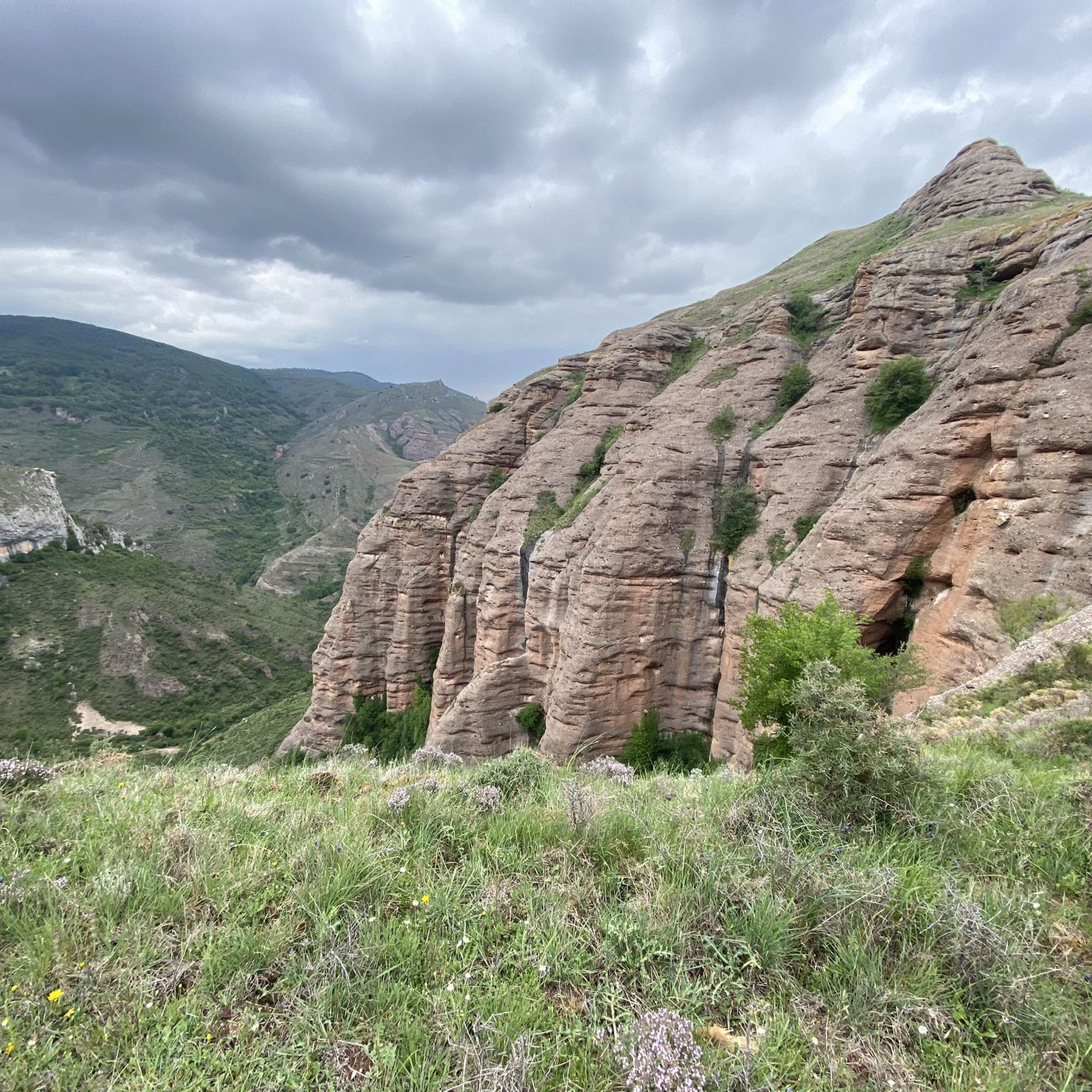
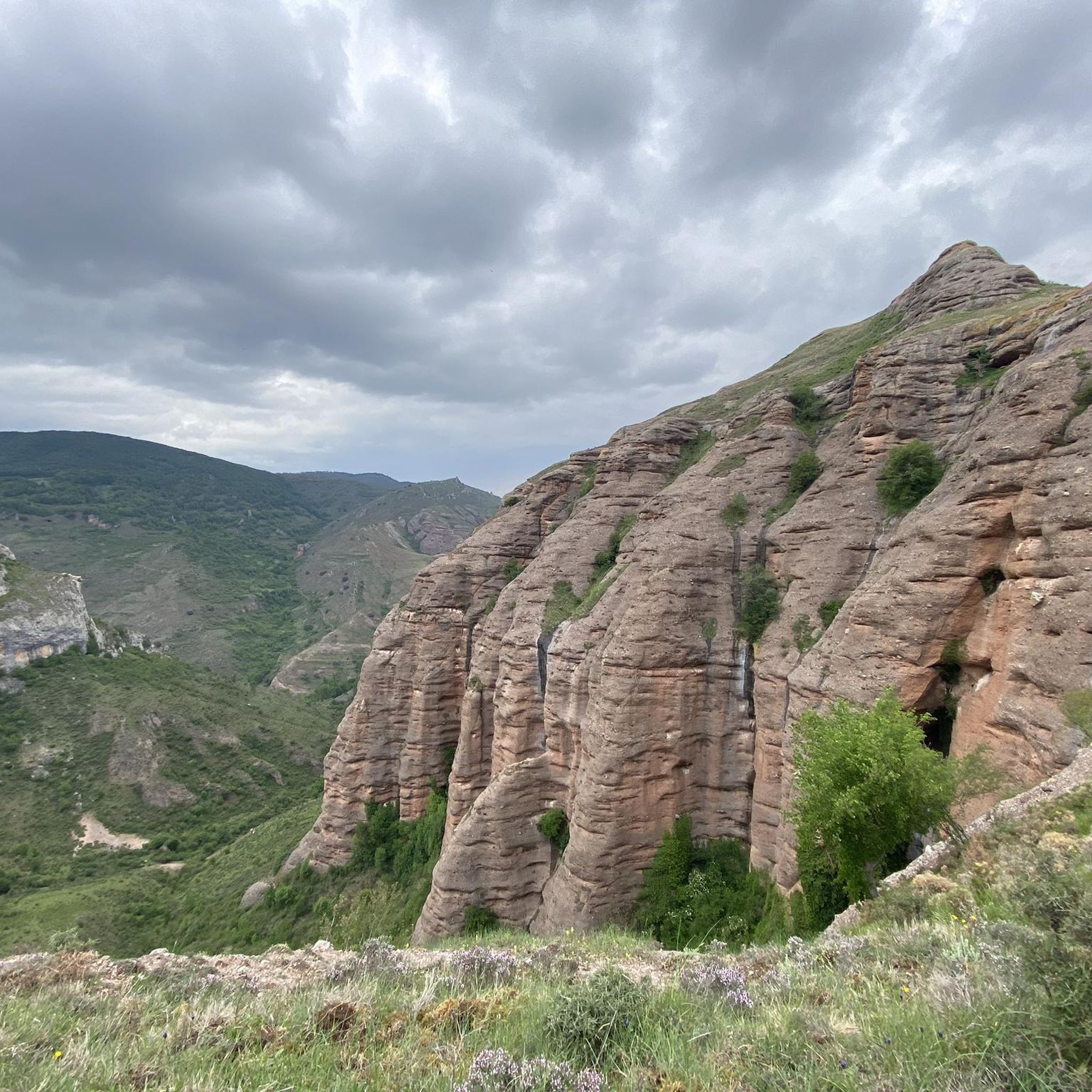
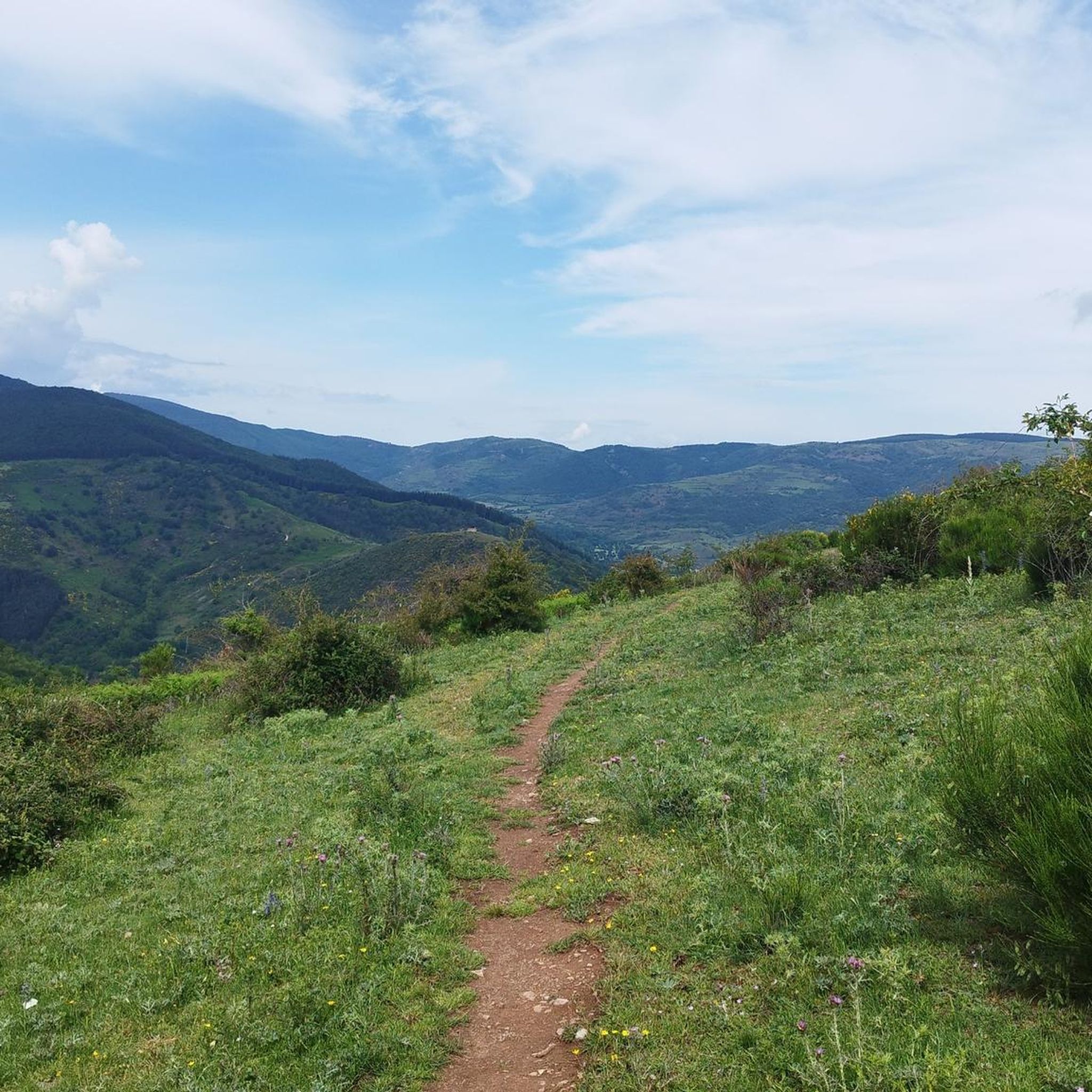
Hiking around Tobía offers a diverse landscape characterized by varied forest masses, including beeches, oaks, and pines. The region is shaped by the Tobía and Negro Rivers, which contribute to its natural features and provide opportunities for exploration. Mountainous terrain and varied rural areas define the environment, offering a range of trails for different fitness levels.
Best hiking trails around Tobía
- The most popular hiking route is Monasterio de Valvanera loop from Monasterio de Valvanera, an easy 3.1 miles…
Last updated: May 6, 2026
4.6
(8)
68
hikers
4.96km
01:28
160m
160m
Easy hike. Great for any fitness level. Easily-accessible paths. Suitable for all skill levels.
5.0
(4)
34
hikers
9.51km
02:58
380m
380m
Moderate hike. Good fitness required. Easily-accessible paths. Suitable for all skill levels.

Sign up for free
5.0
(2)
17
hikers
11.5km
03:35
400m
400m
Moderate hike. Good fitness required. Easily-accessible paths. Suitable for all skill levels.
5.0
(1)
10
hikers
16.4km
05:18
690m
690m
Hard hike. Very good fitness required. Easily-accessible paths. Suitable for all skill levels.
5.0
(1)
5
hikers
12.0km
03:48
460m
460m
Moderate hike. Good fitness required. Easily-accessible paths. Suitable for all skill levels.
Get access to more routes and recommendations from other explorers.
Sign up for free
Already have an account?
Our route recommendations are based on thousands of hikes, rides, and runs completed by other people on komoot.
Start today with a free account
Your next adventure awaits.
Login or Signup
Tips from the Community

superb place with a magnificent view, deep in a lost valley. The hebrrge monastery still has lines but also functions as a hotel, with simple but very comfortable rooms and a very healthy meal.
0
0

6 km climb from ANGIANO, not very hard but it depends on the pace, especially the last 2 km.
2
0

Very quiet place to start hiking and see the activity of the monastery
0
0

Emblematic place of La Rioja where the patron saint of La Rioja, the Virgin of Valvanera, is located. If you go up by road, the last 5 kilometers from the fork in the LR-113 road are demanding and add to the accumulated unevenness if you arrive from Anguiano. It can be reached by paths for both mountain biking and hiking. Keep an eye on your mobile as there is not much coverage in the area.
0
0

Matute is a small village of about 90 inhabitants located in the Najerilla river basin. Very close to here is the Salto del Agua, a beautiful waterfall located at the end of a path that crosses an impressive ravine.
0
0
The Valvanera valley, where the Valvanera monastery is located, is located in the most rugged and steep part of the Distercios mountains. Those wooded patches that can be seen from the religious center are predominantly beech forests combined with mixed forests of abundant ash trees, common oak groves and montane holm oak groves.
0
0
The Valvanera Monastery is located in a truly privileged setting. The building is beautiful and the views are amazing. So far many pilgrimages have been made from Logroño. Today, the monks who inhabit it sell a very famous liquor and offer accommodation and restaurants.
0
0

Beautiful place to visit, good climb before the monastery.
0
0
Frequently Asked Questions
How many hiking trails are there in Tobía?
Tobía offers a wide variety of hiking experiences with over 50 routes available. These trails cater to all skill levels, from easy walks to more challenging expeditions.
What types of terrain can I expect to encounter on hikes in Tobía?
Hiking in Tobía features a diverse landscape. You'll find varied forest masses, including beeches, oaks, pines, birches, and poplars. The region is also shaped by the Tobía and Negro Rivers, offering riverine scenery, and includes mountainous terrain and varied rural areas.
Are there easy hiking trails suitable for beginners or casual walkers?
Yes, Tobía has 13 easy hiking trails. An example is the Monasterio de Valvanera loop from Monasterio de Valvanera, which is an easy 3.1-mile (5.0 km) route that takes about 1 hour 29 minutes to complete.
Are there challenging hikes for experienced hikers in Tobía?
For experienced hikers, Tobía offers 15 difficult trails. These routes often extend over five hours with significant elevation changes, demanding very good fitness and sure-footedness. An example is the Matute loop from Tobía, which covers 16.4 km with over 680 meters of elevation gain.
Are there circular walks available in Tobía?
Yes, many of the trails in Tobía are circular routes, allowing you to start and end at the same point. Popular examples include the Río Tobía loop from Área recreativa El Rajao 2 and the Matute loop from Matute.
What natural landmarks or viewpoints can I see around Tobía?
The region offers several notable natural features. You can explore mountain peaks like San Lorenzo and Cabeza Parda (2,106 m), or mountain passes such as Collado de Sagastia. The Manantona Fountain, located in a cave across the Tobía River, also provides a pleasant recreational area.
Can I go canyoning or abseiling in Tobía?
Yes, the presence of the Tobía and Negro Rivers makes the area ideal for canyoning, where you can navigate through water and over rocks. Opportunities for abseiling from 30-meter-high waterfalls are also available for adventurers.
What is the best time of year to go hiking in Tobía?
Tobía enjoys a warm climate with an average temperature of 23°C. The driest months, from December to March, are particularly pleasant for outdoor pursuits, making it suitable for hiking year-round.
What kind of wildlife might I encounter on the trails?
The diverse forests and warm climate support a rich array of wildlife. You might spot animals such as wild boar, roe deer, fox, and deer, as well as unique flora and fauna like the northern treecreeper, green lizard, grey dormouse, and various species of butterflies and insects.
Are there family-friendly hiking options in Tobía?
Yes, Tobía offers trails suitable for families. The easy routes, such as the Monasterio de Valvanera loop, are generally well-suited for families looking for shorter walks with minimal elevation gain.
What do other hikers enjoy most about hiking in Tobía?
The hiking trails in Tobía are highly rated by the komoot community, with an average score of 4.7 stars from over 90 reviews. Hikers often praise the diverse landscapes, the scenic river courses, and the variety of routes available for different fitness levels.
Are the hiking trails in Tobía dog-friendly?
Many trails in natural areas are generally dog-friendly, but it's always recommended to keep dogs on a leash, especially in areas with wildlife or livestock, and to check specific trail regulations before you go.
Most popular attractions around Tobía

Get inspired with the komoot mobile app


Explore more
Browse the best Hikes in other regions.
