Attractions and Places To See around El Hornillo - Top 20
Best attractions and places to see around El Hornillo, located in the Sierra de Gredos mountains in Ávila, offer a range of natural and historical sites. The area is characterized by its mountainous terrain, providing opportunities for outdoor activities and scenic views. Visitors can explore mountain passes, historical monuments, and religious buildings. This region serves as a natural refuge with various points of interest.
Best attractions and places to see around El Hornillo
- The most popular attractions is Puerto de…
Last updated: May 21, 2026
Puerto de Pedro Bernardo
Highlight • Mountain Pass
Translated by Google •
Tip by

Aquelcabos Medieval Bridge
Highlight • Bridge
Translated by Google •
Tip by

Sign up now to discover places like this
Get recommendations on the best single tracks, peaks, & plenty of other exciting outdoor places.
Sign up for free
San Pedro de Alcántara Sanctuary
Highlight • Religious Site
Translated by Google •
Tip by

Monument to the Iberian Ibex at Nogal del Barranco
Highlight • Monument
Translated by Google •
Tip by
Centenera Pass
Highlight (Segment) • Mountain Pass
Translated by Google •
Tip by

Sign up for free to discover even more attractions around El Hornillo.
Sign up for free
Already have an account?
Start today with a free account
Your next adventure awaits.
Login or Signup


Tips from the Community

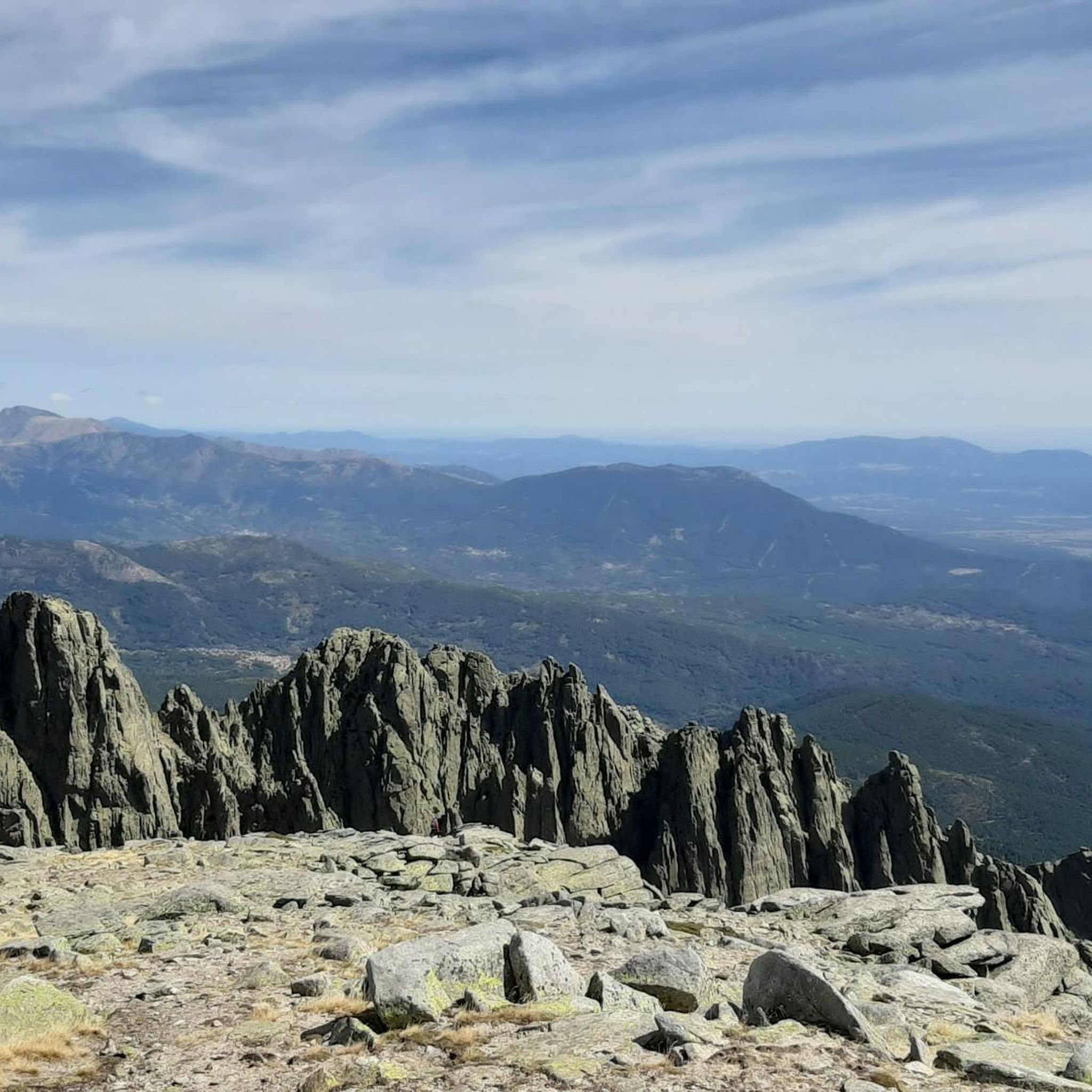
The Pedro Bernardo Pass is one of the classic climbs in the Sierra de Gredos mountains, highly prized by cyclists and a regular feature of races like the Vuelta a España. First section: Up to the village (Pedro Bernardo), with gradients of 5-6%, a road in good condition, and spectacular views of the Tiétar Valley. Urban section: In the village, the gradient eases, even offering some flatter sections. Second section: After the village, the asphalt becomes rougher, and the toughest kilometer (7-8%) appears, followed by a "balcony" section with incredible views and a sustained 5% gradient to the summit.
1
0

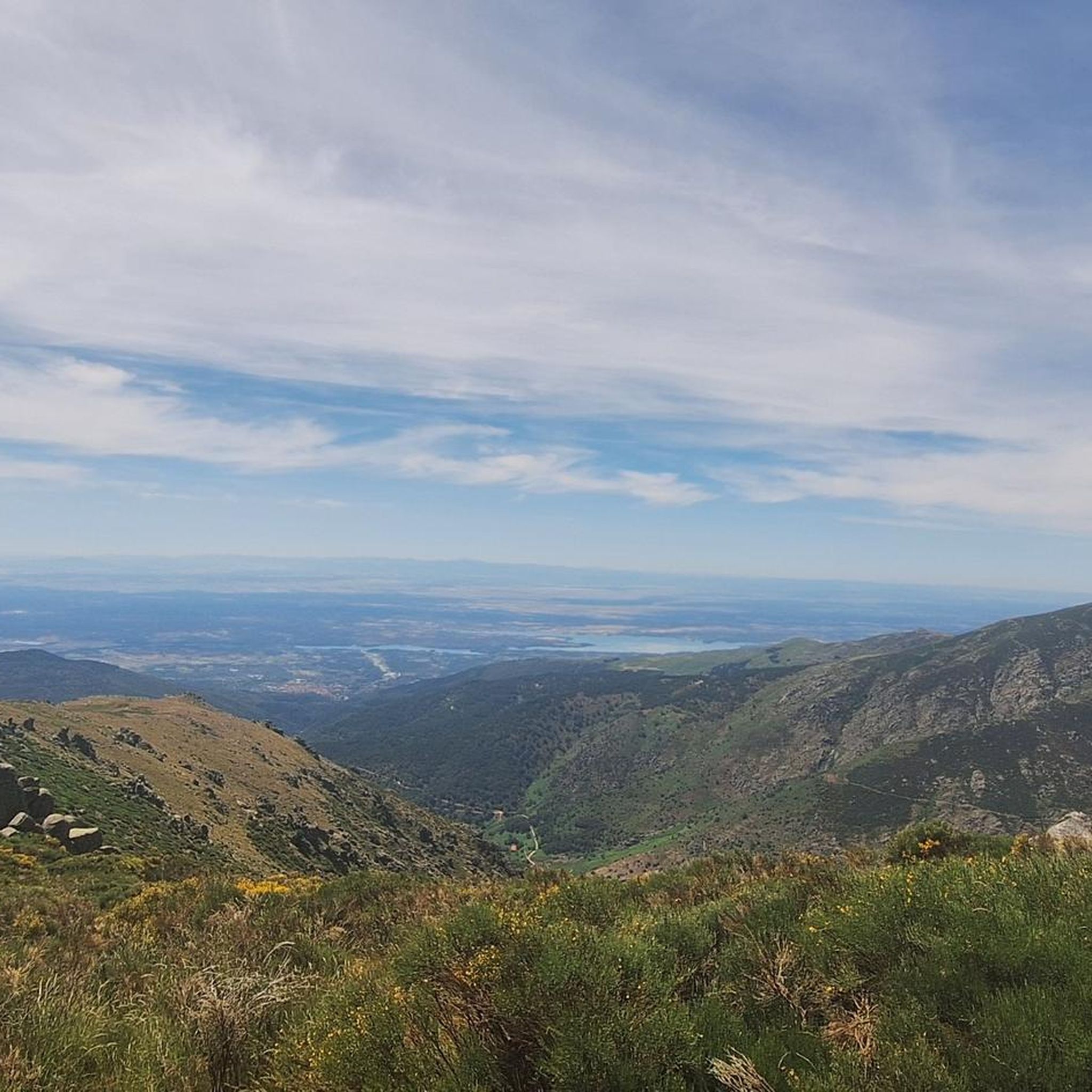
It's a very quiet pass with hardly any traffic, especially in its final section. The eastern slope, which starts from Arenas De San Pedro, has two very distinct sections. The first, to the village of El Arenal, is very gentle and always runs under an extensive pine forest. When you reach El Arenal, in the village itself, the gradient increases, and then there are 6 km left with an average gradient of 7% and some 10% slopes. The views from the pass are beautiful and it exudes a spiritual tranquility. In summer, it's highly recommended to climb it early in the morning to take advantage of the cool morning air. The western slope connects with the climb to Puerto del Pico, and the climb begins in Ramacastañas. Although not as well-known as other passes in the Sierra de Gredos, I have to admit that I loved it. Here's the link to visit the altimetry created by @cyclingcols, the best at this --> cyclingcols.com/col/Centenera
0
0
The Puerto de Pedro Bernardo is the younger brother of the Puerto de Serranillos. Almost every time this port has been climbed in a professional race it is linked to the Puerto de Serranillos, only the second being considered a port. However, the Puerto de Pedro Bernardo is in itself a hill where you can go from the valley where the CL-501 road runs (where the town with the same name is located) to the valley of the Puerto de Pico, where Esteban del Valle and Mombeltrán are located. The chain with Serranillos is the most typical, as I said previously, although it is also worth chaining it with the Puerto de la Centenera or the Puerto del Pico. The road is rough, with hardly any shoulder and very little traffic. It is a very pleasant port to climb... as long as the heat is not suffocating.
2
0

Be careful after passing the monastery, do not miss the sign for La Cruz.
0
1

Small parking lot, get up early to get a spot.
0
0
It is a very quiet port with hardly any traffic, especially in its final part. The eastern slope, which starts from Arenas De San Pedro, has two very well differentiated parts. The first, to the town of El Arenal, is very gentle and always passes under an extensive pine forest. When you reach El Arenal, in the same town, the slope increases and then we have 6 km left with an average slope of 7% and some ramps of 10%. The views of the port are very beautiful and there is spiritual tranquility. In summer it is highly recommended to climb it first thing in the morning to take advantage of the coolness of the morning. The west slope connects with the climb to Puerto del Pico and the climb begins in Ramacastañas. Without being as well known as other ports in the Sierra de Gredos, I have to admit that I loved it. I leave you the link to visit the altimetry prepared by @cyclingcols, the best at this --> http://www.cyclingcols.com/col/Centenera
0
0
The Aquelcabos Bridge is commonly called a Roman bridge (since it was built on a previous, presumably Roman, bridge). It is the oldest bridge in Arenas de San Pedro. It is expected that it was built in the 11th century, so it is of medieval origin. It was widely used by travelers and nomadic shepherds, paying in advance for the portage or ferry. It consists of three arches, the central one being the largest of all. Its pavement has been restored with paving imitating the original. On both sides there is a stone parapet one meter high and several parts of its layout have been repaired with cement.
10
0

Medieval bridge built on an old Roman bridge, it served as a link between Arenas de San Pedro and the ports of Peón and Arenal. The mountains and the river saw how the portazgo filled the pockets of the lord of the town with money while the travelers passed over the Arenal River, already with the Cuevas River joined to it.
0
1
Frequently Asked Questions
What kind of natural landscapes can I explore around El Hornillo?
The El Hornillo area in Ávila, nestled in the Sierra de Gredos, is rich in natural beauty. You can explore stunning mountain passes like Puerto de Pedro Bernardo and Centenera Pass, which offer panoramic views of forests and mountains. The region is also known for its natural swimming pools such as Charco Verde and Charco del Risquillo, and scenic pathways like the Paseo "Entre Ríos" along rivers.
Are there any significant historical or cultural sites to visit near El Hornillo?
Yes, the area offers several historical and cultural sites. You can visit the San Pedro de Alcántara Sanctuary, a religious building and historical site housing a museum and a library with historical volumes. Another notable site is the Aquelcabos Medieval Bridge, an ancient structure in Arenas de San Pedro, believed to be of 11th-century origin.
What are some unique man-made monuments or viewpoints in the area?
A prominent man-made monument and viewpoint is the Monument to the Iberian Ibex at Nogal del Barranco. This location also serves as a parking area and a starting point for mountain routes in the Sierra de Gredos, offering views of the surrounding natural landscape.
What hiking opportunities are available around El Hornillo?
El Hornillo is an excellent base for hiking. You can find numerous trails, including challenging routes like the "Puerto del Peón by the Senda del Puerto del Peón (PR-AV 18)" and more moderate options such as the "Path Los Galayos from El Hornillo - round trip." For more details and route options, visit the Hiking around El Hornillo guide.
Can I go cycling near El Hornillo?
Yes, the mountainous terrain around El Hornillo provides great opportunities for road cycling. Popular routes include the "Cinco Villas and La Centenera Loop" and the "Ramacastañas – Puerto de Pedro Bernardo loop from Arenas de San Pedro." You can find more cycling routes in the Road Cycling Routes around El Hornillo guide.
Are there any running trails in the El Hornillo area?
For runners, there are several trails available, ranging from moderate to difficult. Examples include the "Ruta de los Pescadores — circular desde Arenas de San Pedro" and the "Refugio Victory loop from Guisando." Explore more options in the Running Trails around El Hornillo guide.
Where can I find natural swimming spots around El Hornillo?
The Sierra de Gredos area near El Hornillo is famous for its natural swimming pools. Popular spots include Charco Verde, Fuente de la Trucha, Charco Las Culebras, and Charco del Risquillo, which offer refreshing dips amidst picturesque landscapes.
Are there family-friendly attractions or activities in El Hornillo?
Yes, several attractions are suitable for families. The San Pedro de Alcántara Sanctuary and the Aquelcabos Medieval Bridge are considered family-friendly historical sites. Additionally, the Monument to the Iberian Ibex at Nogal del Barranco is a good spot for families, often serving as a starting point for easy walks. Nearby, Parque Aventura Guisando offers an adventure park experience.
Is there parking available at the main attractions?
Yes, for some key attractions, parking is available. For instance, the Monument to the Iberian Ibex at Nogal del Barranco has a dedicated parking area, which is also a common starting point for mountain routes.
What do visitors particularly enjoy about the attractions around El Hornillo?
Visitors frequently highlight the stunning views from mountain passes like Puerto de Pedro Bernardo and Centenera Pass. The historical significance of sites like the San Pedro de Alcántara Sanctuary and the unique monument at Nogal del Barranco are also highly appreciated. Many enjoy the well-maintained roads for cycling and the diverse hiking trails.
How does El Hornillo in Ávila differ from El Hornillo in Águilas, Murcia?
El Hornillo in Ávila, which this guide focuses on, is located in the Sierra de Gredos mountains and is characterized by its natural beauty, hiking trails, mountain passes, and historical sites like the San Pedro de Alcántara Sanctuary. In contrast, El Hornillo in Águilas, Murcia, is a coastal area known for its beaches, the historic El Hornillo Pier, and unique cultural sites like the Rincón del Hornillo with its distinctive tile work.
Most popular routes around El Hornillo
Most popular attractions around El Hornillo

Get inspired with the komoot mobile app


Explore more
Still not found the Highlight you’re looking for? See guides of the top attractions in other regions:
