Attractions and Places To See around Ribera De Arriba - Top 20
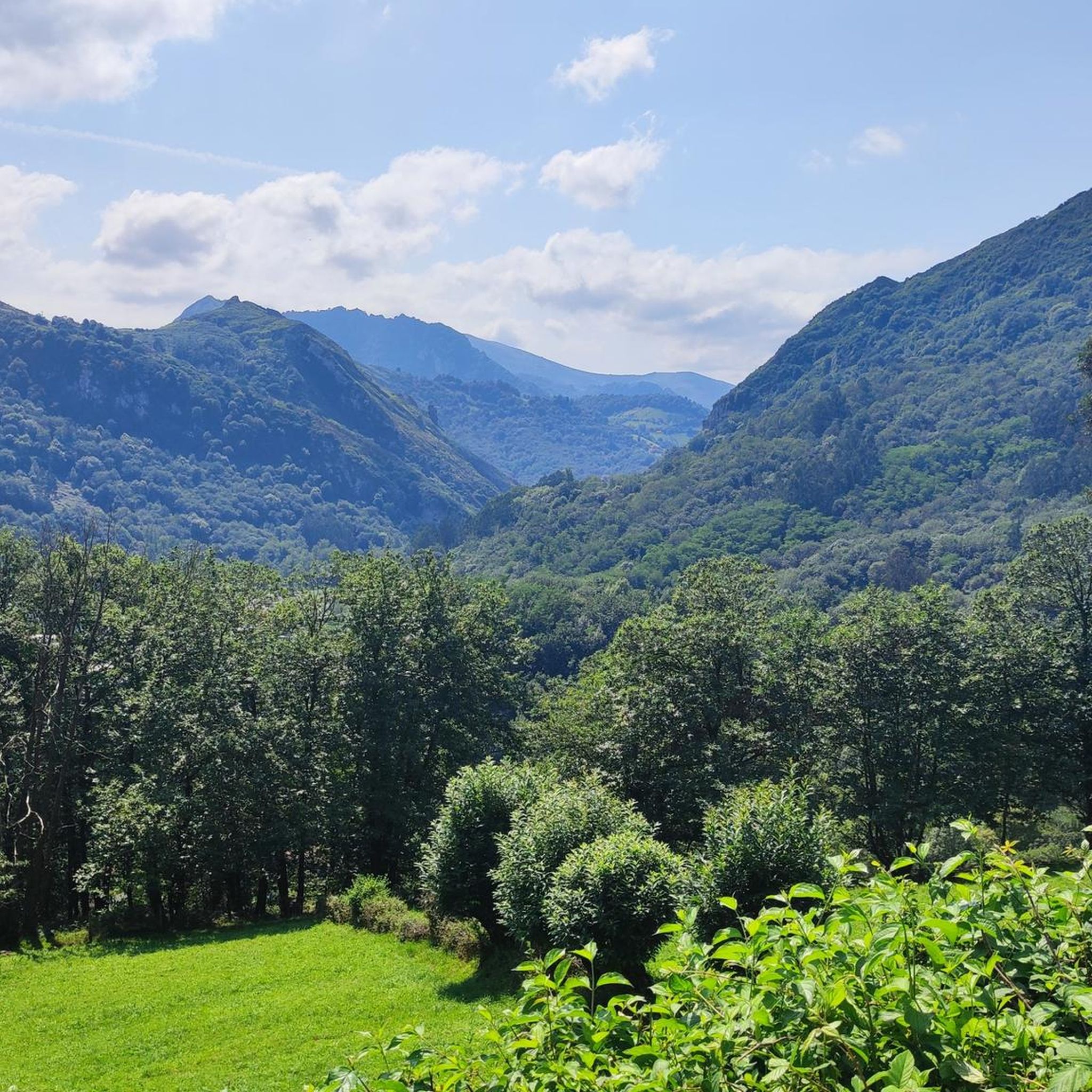
Best attractions and places to see around Ribera De Arriba include a blend of cultural heritage, traditional architecture, and natural beauty in Asturias, Spain. This municipality is situated near Oviedo, where the Nalón and Caudal rivers converge. The area features rich woodlands and mountains, offering diverse landscapes for exploration. Visitors can discover historical sites, traditional villages, and scenic river routes.
Best attractions and places to see around Ribera De Arriba
- The most popular attractions is Route of the Xanas,…
Last updated: July 21, 2026
Cathedral of San Salvador in Oviedo
Highlight • Religious Site
Translated by Google •
Tip by

Saint Mary of Naranco
Highlight • Historical Site
Translated by Google •
Tip by
Sign up now to discover places like this
Get recommendations on the best single tracks, peaks, & plenty of other exciting outdoor places.
Sign up for free
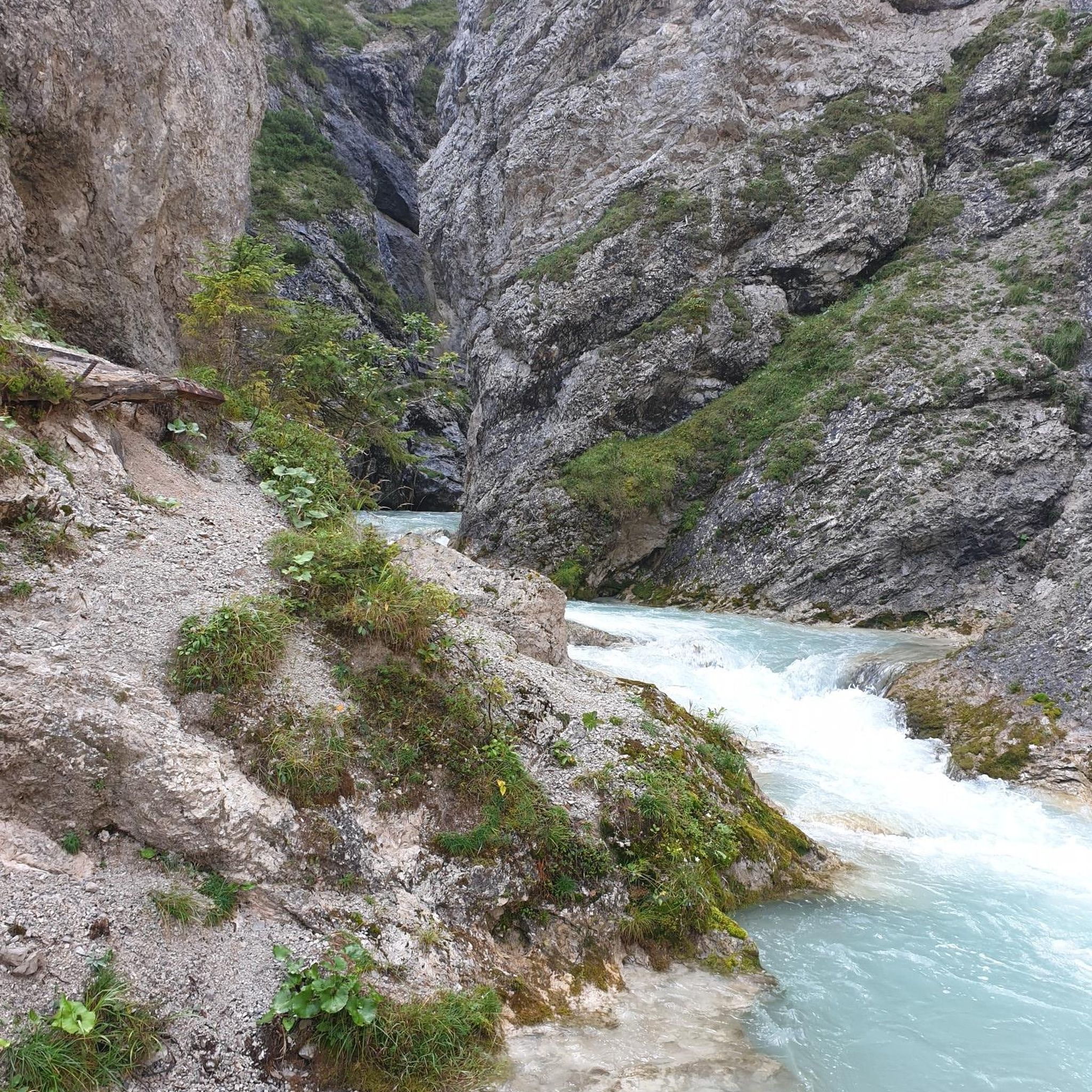
Route of the Xanas
Highlight (Segment) • Gorge
Translated by Google •
Tip by
Ponte de Galiñeiro
Highlight • Bridge
Translated by Google •
Tip by
Church of San Miguel de Lillo
Highlight • Religious Site
Translated by Google •
Tip by
Sign up for free to discover even more attractions around Ribera De Arriba.
Sign up for free
Already have an account?
Start today with a free account
Your next adventure awaits.
Login or Signup
Tips from the Community

This trail is very easy to walk, as it's mostly shaded. However, you should still wear good, sturdy shoes.
0
0

This important place of worship—as a cathedral, the most important church not only in the city but in the entire archdiocese—bearing the title "San SALVADOR" was not dedicated to one of the many people we venerate as blessed or saints and ask for their heavenly intercession with God. Rather, it is dedicated to the incarnate Son of God, Jesus Christ, our Redeemer and Savior.
1
1

The "Xanas," after whom the gorge is named, are Asturian mountain stream nymphs who enchant shepherds on St. John's Eve. The path was created in the 1930s as preparatory work for a planned road from Villanueva to Pedroveya, which ultimately never came to fruition.
1
0


A classic within everyone's reach
0
0

Construction of the current cathedral began in the 14th century on this historically significant square. The magnificent towers that characterize the cathedral were completed by the middle of the 14th century, which is why the cathedral has many Gothic elements.
3
0

Currently, the Cathedral of El Salvador is experiencing a golden age, with the strong dynamism experienced in recent times by the Camino Primitivo, which maintains a constant flow of pilgrims and tourists throughout the year.
2
0
Frequently Asked Questions
What historical sites can I visit in Ribera de Arriba?
Ribera de Arriba is rich in history. You can explore the remains of the Cathedral of San Salvador in Oviedo, a significant religious building with a history spanning centuries, housing important relics. Also, visit Saint Mary of Naranco, a unique pre-Romanesque palace later converted into a church and a UNESCO World Heritage site. Don't miss the Church of San Miguel de Lillo, another pre-Romanesque gem near Santa María del Naranco. Within the municipality, you can find the historical Ponte de Galiñeiro, a 13th-century bridge, and the Church of San Nicolás de Tellego, a historical monument with Renaissance and Baroque influences. The remains of Doña Urraca Castle in Soto del Rey and the medieval Torreón de Peñerudes also offer glimpses into the past.
Where can I see traditional Asturian architecture in Ribera de Arriba?
The village of Güeñu/Bueño is an excellent place to experience traditional Asturian architecture, particularly its remarkably well-preserved collection of hórreos (raised granaries). It's considered one of the most significant ethnographic sites in Asturias. You can also visit the Hórreo Interpretation Centre in Güeñu/Bueño to learn more about these unique structures. Throughout the villages, especially in Soto Ribera, you'll find other examples of traditional architecture like paneras and palatial houses.
What natural attractions are there in Ribera de Arriba?
Ribera de Arriba is defined by its natural beauty. The confluence of the Nalón and Caudal rivers is a prominent feature, surrounded by abundant woodlands of oak and chestnut trees. The Peñerudes and Argame Mountains offer scenic landscapes, and the Mirador de Peñerudes (Peñerudes Viewpoint) provides impressive views. A must-see natural wonder is the Route of the Xanas, a spectacular gorge with rock formations and limestone caves, often compared to the Ruta del Cares for its steep walls and short tunnels.
Are there opportunities for walking or cycling in Ribera de Arriba?
Yes, the region offers various routes for walking and cycling. You can explore the Bueñu-Peñerues Route, the Busiellu Mount Route, and a dedicated route focusing on the Asturian Barns in Bueñu. There's also a pedestrian and cycling path that runs parallel to the Nalón River, perfect for a leisurely outing. For more challenging adventures, check out the hiking routes and gravel biking trails available in the area.
What kind of hiking trails are available near Ribera de Arriba?
Near Ribera de Arriba, you'll find a variety of hiking trails suitable for different skill levels. Popular options include the easy "Metal Suspension Bridge loop from Caces" (6.5 km) and the moderate "Olloniego – El Escobín (Picayu) Summit loop from Olloniego" (13.8 km). For more detailed information and other routes, you can explore the Hiking around Ribera De Arriba guide.
Can I do water activities like canoeing in Ribera de Arriba?
Yes, the calm waters of the Nalón and Caudal rivers, particularly where they meet, are suitable for canoeing. This offers a unique way to combine sport with scenic contemplation of the surrounding natural beauty.
Are there family-friendly attractions in the area?
Many attractions in Ribera de Arriba can be enjoyed by families. The traditional village of Güeñu/Bueño with its hórreos and the Hórreo Interpretation Centre offers an educational and engaging experience. The Saint Mary of Naranco and Church of San Miguel de Lillo are also listed as family-friendly historical sites. Additionally, the various walking and cycling paths along the rivers provide gentle outdoor activities for all ages.
What is the best time of year to visit Ribera de Arriba?
Ribera de Arriba benefits from a benevolent microclimate, making it pleasant for visitors throughout much of the year. Spring and autumn are particularly ideal for outdoor activities like walking and cycling, with comfortable temperatures and lush scenery. Summer offers warm weather, perfect for river activities, while the rich woodlands provide beautiful foliage in the fall.
What local specialties should I try in Ribera de Arriba?
Ribera de Arriba is known for its traditional Asturian gastronomy. Be sure to try hearty stews, delicious Asturian beef, and fresh river fish. The region also offers a variety of local cheeses and traditional Asturian desserts to complete your culinary experience.
Are there any industrial heritage sites to visit?
Yes, the Thermal Power Station of Soto de Ribera is a significant example of local industrial heritage. Its imposing volume stands out in the capital of the council and even inspired the film 'Cenizas del cielo', making it an interesting site for those interested in the region's industrial past.
What do visitors enjoy the most about Ribera de Arriba?
Visitors frequently appreciate the blend of cultural heritage, traditional architecture, and natural beauty. The Route of the Xanas is highly praised for its spectacular gorge and unique rock formations. The historical significance of sites like the Cathedral of San Salvador in Oviedo and Saint Mary of Naranco also draws considerable interest. The tranquil environment, river confluences, and opportunities for outdoor activities are also highly valued by the komoot community.
Most popular routes around Ribera De Arriba
Most popular attractions around Ribera De Arriba

Get inspired with the komoot mobile app


Explore more
Still not found the Highlight you’re looking for? See guides of the top attractions in other regions:
