The best cycling routes around Itero De La Vega
4.7
(4)
38
riders
6
rides
Touring cycling routes around Itero De La Vega are situated in the province of Palencia, Castile y León, Spain, characterized by its location on the historic Camino de Santiago. The region features varied terrain with quiet roads, offering open, flat stretches typical of the Meseta, alongside areas with dense riverside vegetation near the Pisuerga River. This landscape provides a mix of environments suitable for cycling.
Best touring cycling routes around Itero De La Vega
- The most popular touring cycling route…
Last updated: October 1, 2026
4.0
(2)
3
riders
41.6km
03:11
150m
150m
Moderate bike ride. Good fitness required. Some segments of this route may be unpaved and difficult to ride.
4
riders
Moderate bike ride. Good fitness required. Mostly paved surfaces. Suitable for all skill levels.

1
riders
Moderate bike ride. Good fitness required. Mostly paved surfaces. Suitable for all skill levels.
33.3km
02:47
320m
330m
Moderate bike ride. Good fitness required. Some segments of this route may be unpaved and difficult to ride.
5.0
(1)
16
riders
106km
07:24
870m
870m
Hard bike ride. Very good fitness required. You may need to push your bike for some segments of this route.
Our route recommendations are based on thousands of hikes, rides, and runs completed by other people on komoot.
Start today with a free account
Your next adventure awaits.

Tips from the Community

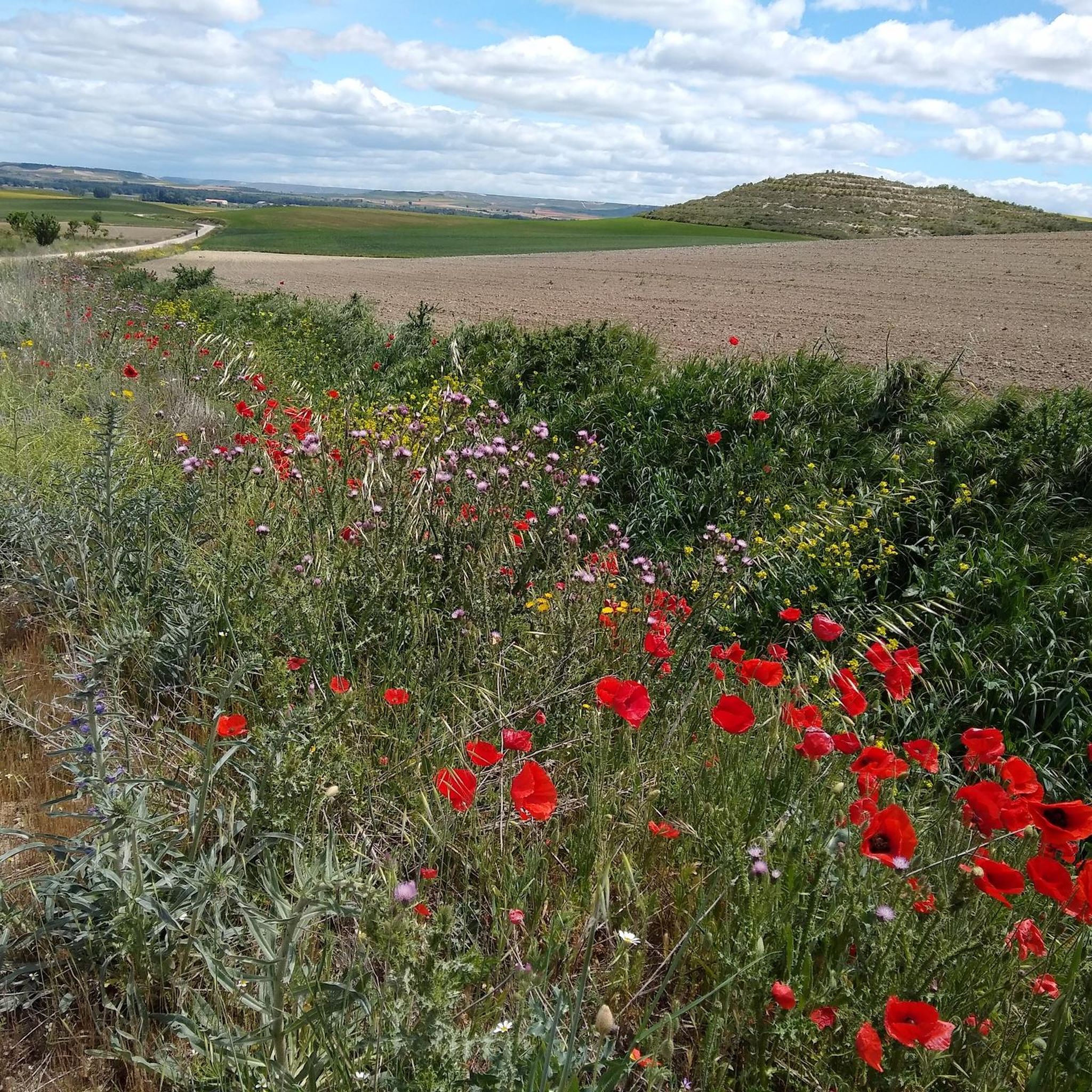
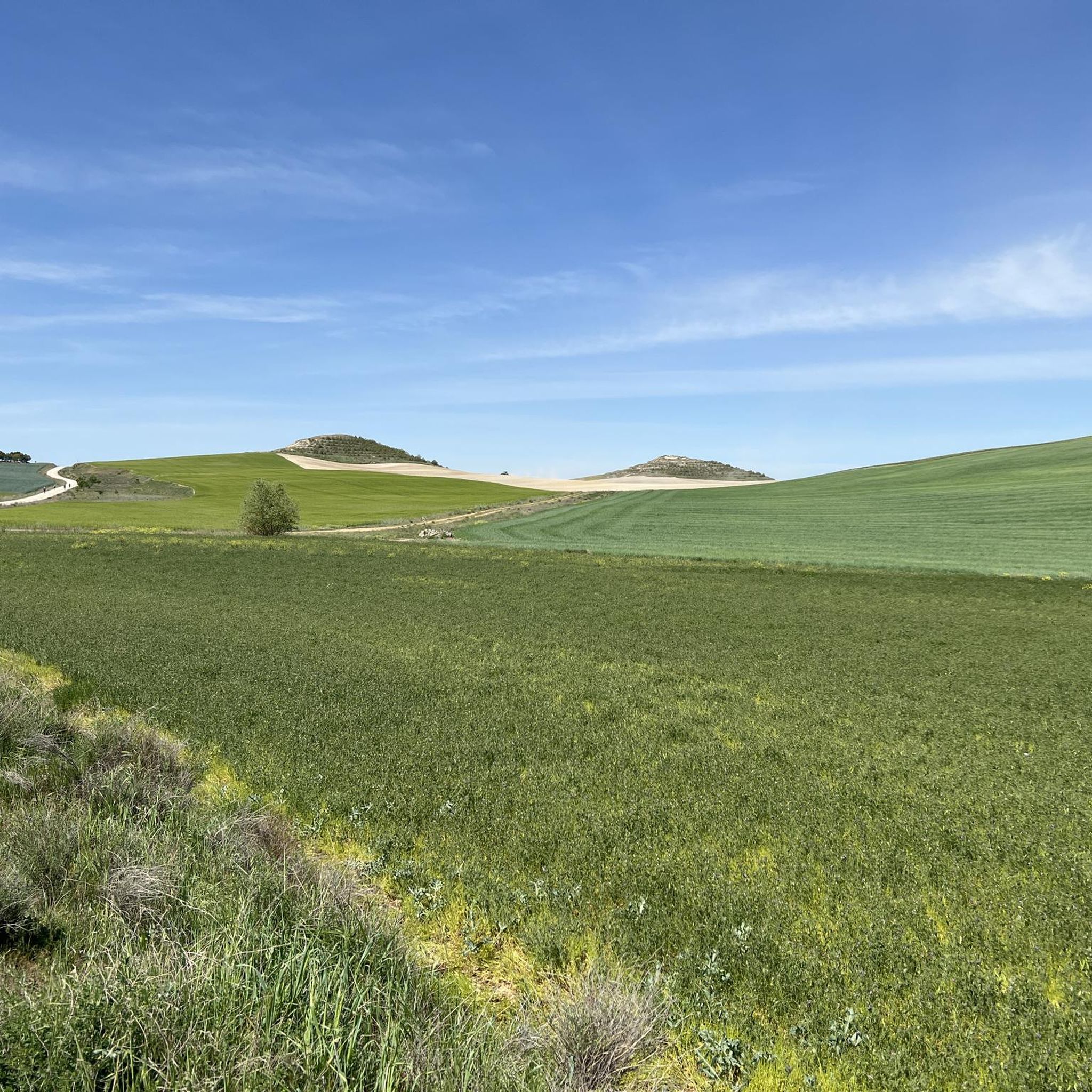
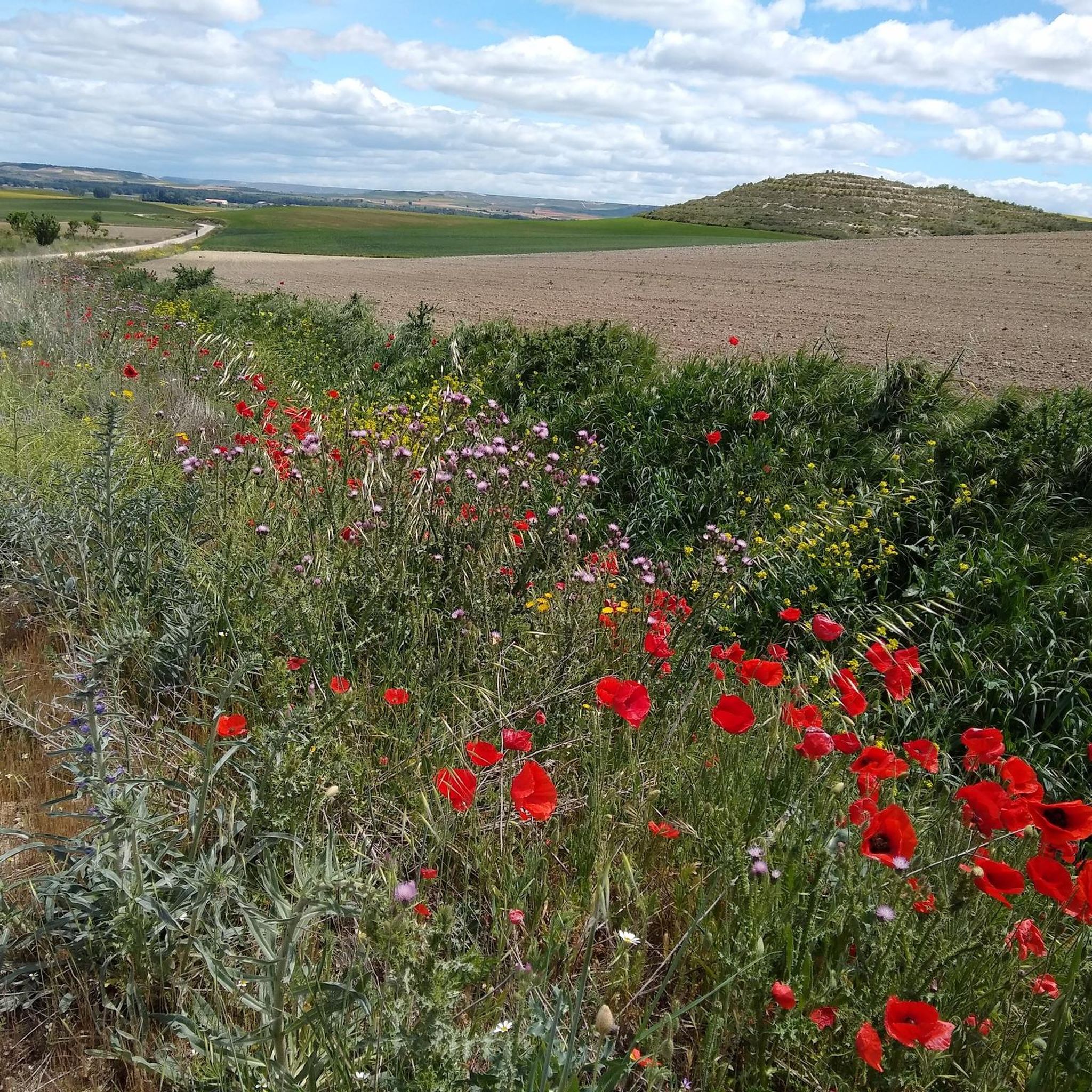
The view from Alto de Mostelares is one of the most iconic and spectacular views of the Camino de Santiago in the province of Burgos. This peak is located approximately 4 km west of Castrojeriz and is famous for both its challenging climb and its panoramic views.
2
0

The ruins of Astudillo Castle rise on a prominent mound detached from the San Martín moor. Although its origins may date back to the 10th century, there is no documentary evidence of its existence until the 11th century.
1
0

There is an entrance fee; 5 euros.
6
0
Frómista is a charming town in the province of Palencia, Castile and León, Spain. It is known for its rich history and its importance on the Camino de Santiago. Frómista is well connected by road and also has a train station, making it easy to reach from different parts of Spain.
4
0
The Castillo de la Mota in Astudillo, also known as the Astudillo Castle, is a late medieval fortification dating from the 12th-13th centuries. It is located on an artificial mound on top of a gentle hill in the province of Palencia, Castile and León. This castle witnessed numerous historical events and served as the residence of illustrious figures such as Pedro I of Castile and María de Molina. Although only an ultra-semicircular cube and some remains of masonry from the walled enclosure remain today, it remains a jewel of local heritage.
7
1
The Castillo de la Mota in Astudillo, also known as the Astudillo Castle, is a late medieval fortification dating from the 12th-13th centuries. It is located on an artificial mound on top of a gentle hill in the province of Palencia, Castile and León. This castle witnessed numerous historical events and served as the residence of illustrious figures such as Pedro I of Castile and María de Molina. Although only an ultra-semicircular cube and some remains of masonry from the walled enclosure remain today, it remains a jewel of local heritage.
4
0
Remains of the castle of La Mota, it is a perfect viewing point of Astudillo and its region. The underground chambers of the castle are wine cellars.
1
0
A tough climb with 12% gradients, spectacular views of Castrojeriz and its region when you reach the top. It is highly recommended to stop and contemplate them before continuing on the path.
1
0
Frequently Asked Questions
How many touring cycling routes are available in Itero De La Vega?
There are 5 touring cycling routes available around Itero De La Vega, offering a variety of experiences for different skill levels.
What kind of terrain can I expect on touring cycling routes around Itero De La Vega?
The region offers varied terrain, from the open, flat stretches typical of the Meseta to areas with dense riverside vegetation near the Pisuerga River. Many routes follow quiet rural roads and sections of the historic Camino de Santiago, providing a mix of environments.
Are there any family-friendly touring cycling routes in the area?
While specific 'family-friendly' designations are not provided, routes like Canal de Castilla – circular desde Fròmista por Osorno, which follows flat canal paths, are generally suitable for a more relaxed pace and can be enjoyed by families.
Can I find circular touring cycling routes near Itero De La Vega?
Yes, several routes are circular. For example, you can explore Hontanas from Castrojeriz via EuroVelo 3 — circular via Tamarón and Villaquirán de los Infantes or Boadilla del Camino by EuroVelo 3 from Castrojeriz — circular by Astudillo and Castillo de Mota, both offering circular loops through the landscape.
What historical or cultural landmarks can I explore while cycling?
The region is rich in history. You can encounter landmarks like the historic San Nicolás Hermitage at Puente Fitero, the Quadruple Lock of the Canal de Castilla, or even the town of Castrojeriz with its castle ruins. Itero de la Vega itself features the 13th-century Ermita de Nuestra Señora de la Piedad and the Iglesia de San Pedro Apóstol.
Are there any natural attractions or scenic viewpoints along the routes?
Yes, the area offers natural beauty. You can cycle along the Canal de Castilla, known for its scenic sections, or enjoy the riverside vegetation along the Pisuerga River near Puente Fitero. The nearby Humedal de La Nava is a natural wetland area ideal for birdwatching.
What do other cyclists say about touring cycling in Itero De La Vega?
The touring cycling routes in Itero De La Vega are highly rated by the komoot community, with an average score of 5.0 stars from 2 reviews. Cyclists often appreciate the quiet rural roads and the unique experience of cycling along the Camino de Santiago.
Are there options for different difficulty levels?
Yes, the routes cater to various abilities. You'll find 1 easy route, 3 moderate routes, and 1 difficult route, ensuring options for both beginners and more experienced touring cyclists.
What amenities are available for cyclists in Itero De La Vega?
Itero de la Vega, being on the Camino de Santiago, offers basic amenities for travelers. You can find an Albergue de Peregrinos (pilgrim hostel) in the town square, and there are parks that serve as resting areas. Local cafes, pubs, and shops are available to cater to visitors.
Is it possible to cycle parts of the Camino de Santiago near Itero De La Vega?
Absolutely. Itero de la Vega is strategically located on the historic Camino de Santiago. Many touring cycling routes in the area incorporate sections of this famous pilgrimage path, offering a unique cultural and historical cycling experience.
What are the parking options for cyclists in Itero De La Vega?
As a small municipality on the Camino de Santiago, Itero de la Vega typically offers street parking or designated areas for visitors, especially near the pilgrim hostel or town square. These are generally suitable for parking while you embark on your cycling tour.
What is the best time of year for touring cycling in Itero De La Vega?
The Meseta region can experience hot summers and cold winters. Spring and autumn generally offer the most pleasant temperatures for touring cycling, with milder weather and beautiful landscapes. Cycling in the cooler parts of the day is recommended during summer.
Most popular attractions around Itero De La Vega

Get inspired with the komoot mobile app


Explore more
Browse the best Cycling routes in other regions.
