The best road cycling routes around Itero De La Vega
41
riders
2
rides
Road cycling routes around Itero De La Vega are situated in the province of Palencia, Castile and León, Spain, offering diverse terrain for cyclists. The region is characterized by varied landscapes, including flat sections and areas with moderate elevation changes. Many routes follow paved surfaces of the historic Camino de Santiago (French Way), providing a blend of cultural and physical exploration. Cyclists can expect to encounter river valleys and agricultural plains, with some routes featuring gentle slopes.
Best road cycling…
Last updated: May 16, 2026
7
riders
Moderate road ride. Good fitness required. Mostly well-paved surfaces and easy to ride.
1
riders
31.5km
01:16
170m
170m
This easy 19.6-mile (31.5 km) road cycling route from Astudillo follows the Río Pisuerga, passing historic castles and the Albergue San Nico

Sign up for free
Easy road ride. Great for any fitness level. Mostly well-paved surfaces and easy to ride.
10
riders
38.1km
01:39
190m
190m
Easy road ride. Great for any fitness level. Mostly well-paved surfaces and easy to ride.
10
riders
29km
01:11
120m
120m
Easy road ride. Great for any fitness level. Mostly well-paved surfaces and easy to ride.
Our route recommendations are based on thousands of hikes, rides, and runs completed by other people on komoot.
Start today with a free account
Your next adventure awaits.
Login or Signup
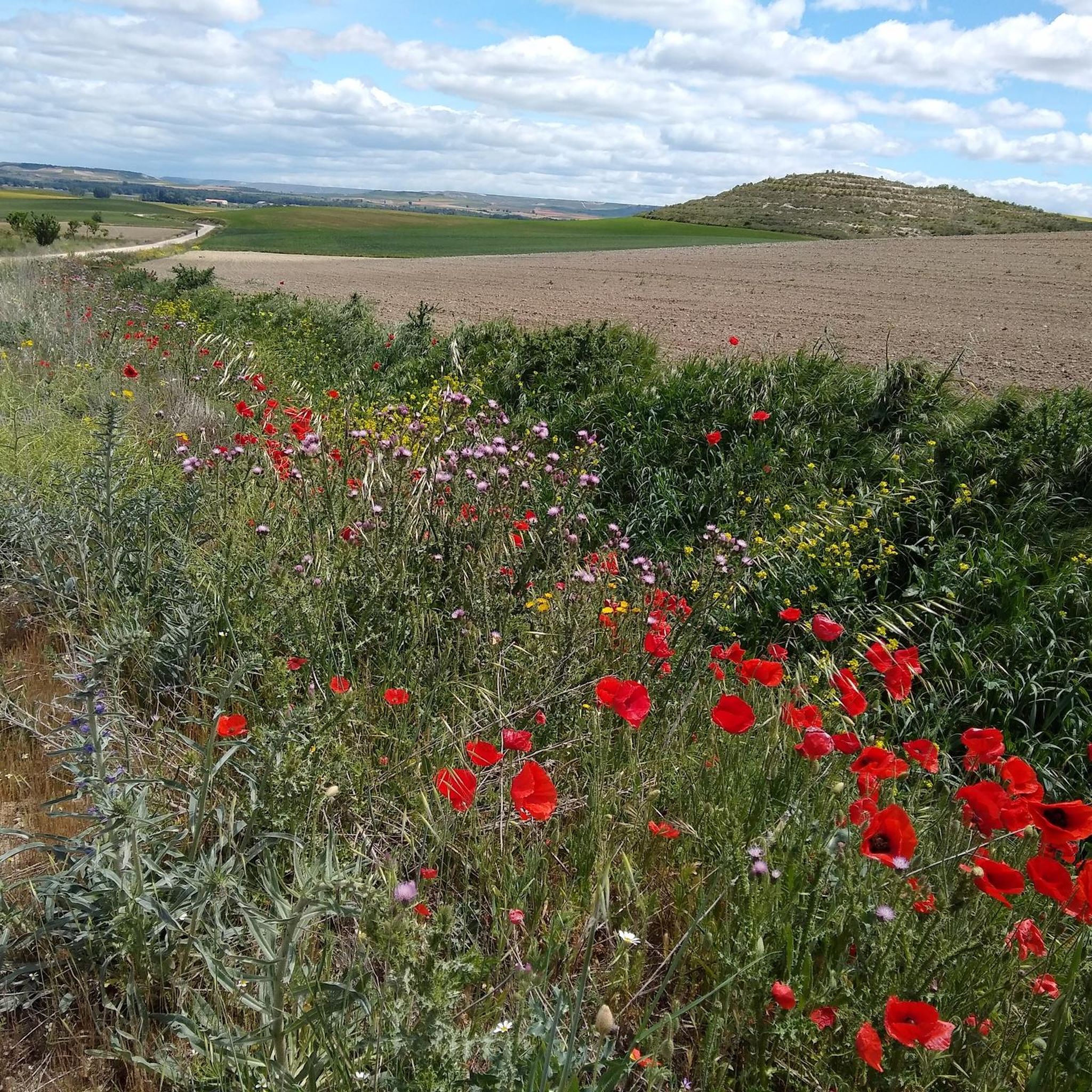
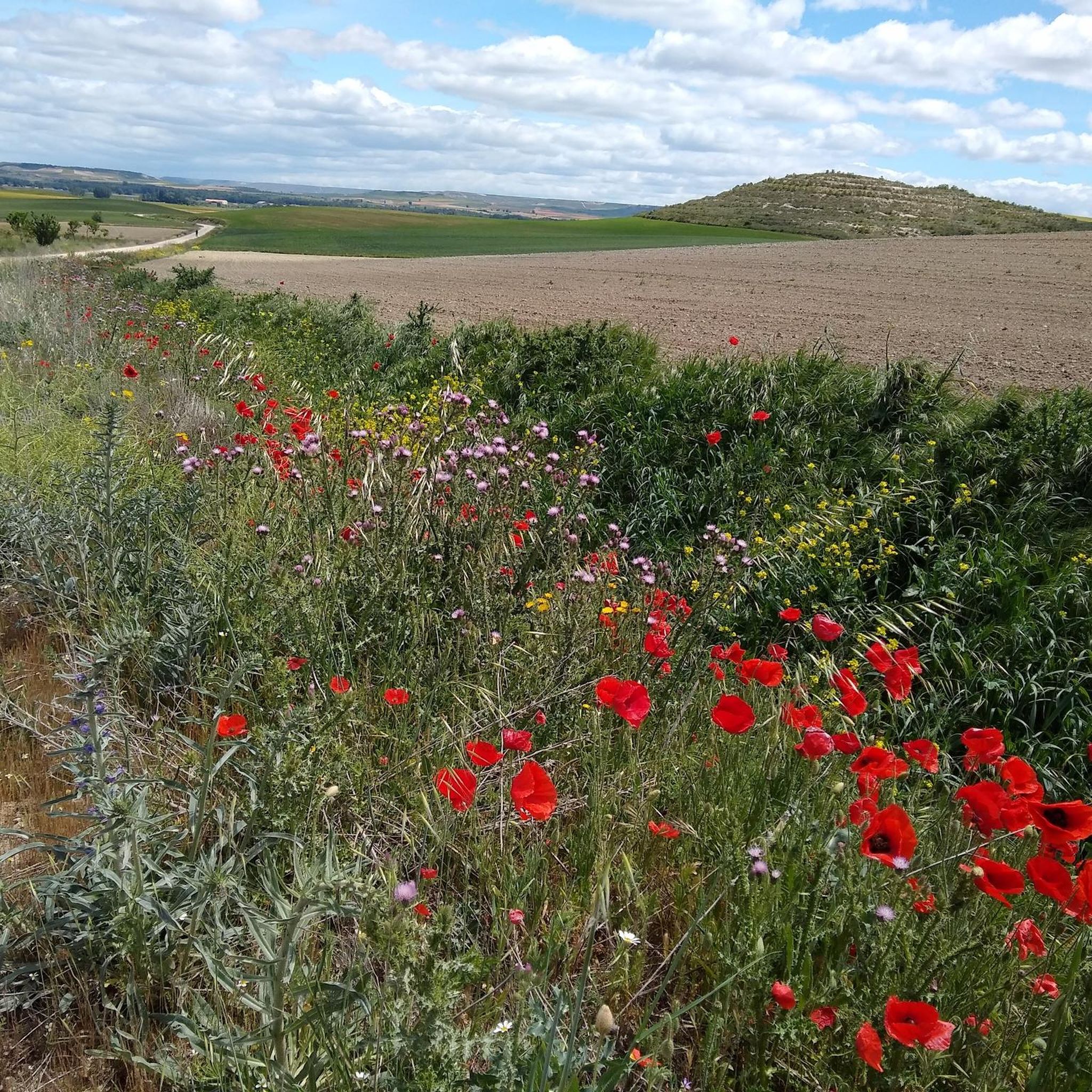
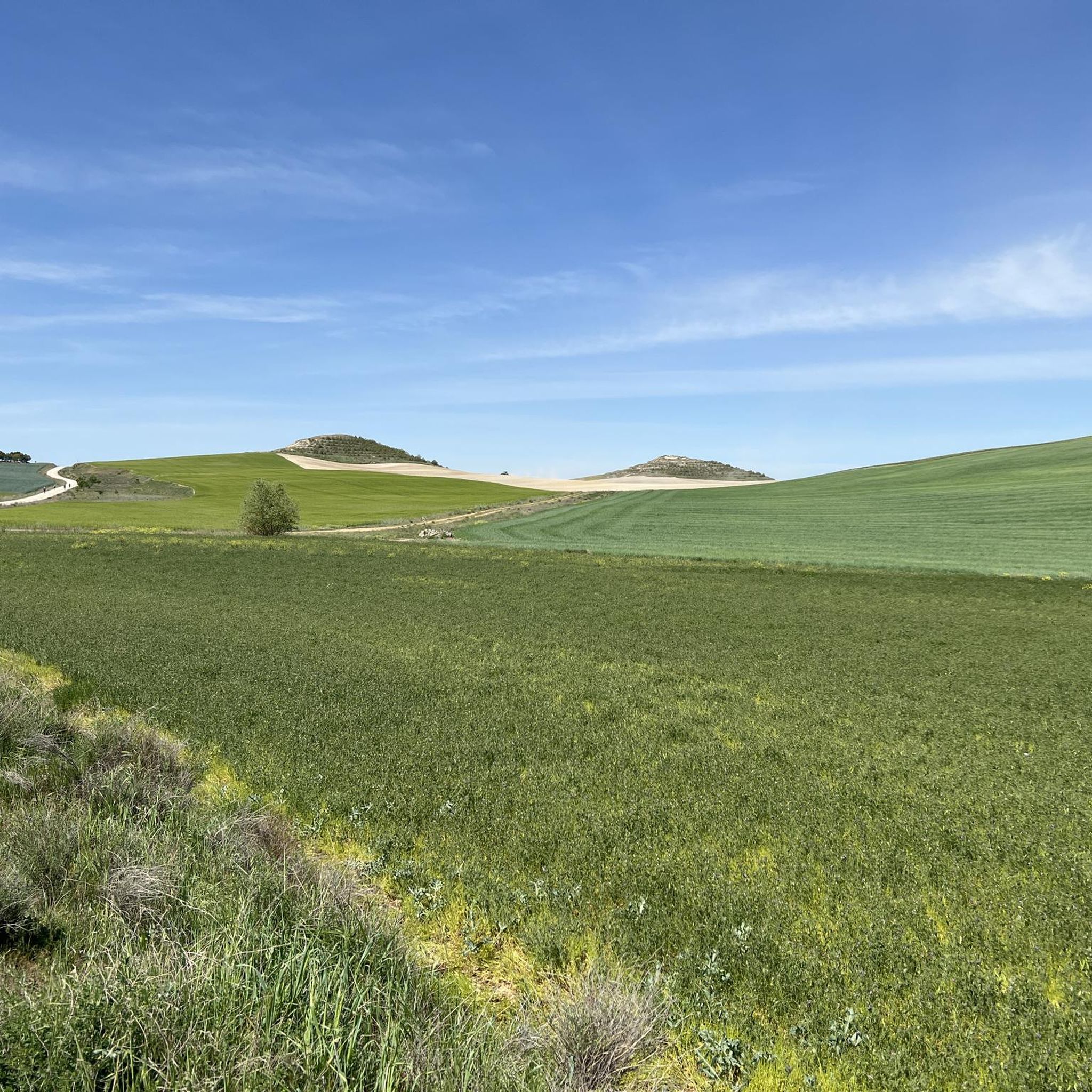

Tips from the Community


The ruins of Astudillo Castle rise on a prominent mound detached from the San Martín moor. Although its origins may date back to the 10th century, there is no documentary evidence of its existence until the 11th century.
1
0


The Castillo de la Mota in Astudillo, also known as the Astudillo Castle, is a late medieval fortification dating from the 12th-13th centuries. It is located on an artificial mound on top of a gentle hill in the province of Palencia, Castile and León. This castle witnessed numerous historical events and served as the residence of illustrious figures such as Pedro I of Castile and María de Molina. Although only an ultra-semicircular cube and some remains of masonry from the walled enclosure remain today, it remains a jewel of local heritage.
7
1
The Castillo de la Mota in Astudillo, also known as the Astudillo Castle, is a late medieval fortification dating from the 12th-13th centuries. It is located on an artificial mound on top of a gentle hill in the province of Palencia, Castile and León. This castle witnessed numerous historical events and served as the residence of illustrious figures such as Pedro I of Castile and María de Molina. Although only an ultra-semicircular cube and some remains of masonry from the walled enclosure remain today, it remains a jewel of local heritage.
4
0
Remains of the castle of La Mota, it is a perfect viewing point of Astudillo and its region. The underground chambers of the castle are wine cellars.
1
0

An inn run by Italian hospitallers from Perugia.
3
0

Nice ride not too demanding and just enough variety to keep interested
2
0
Frequently Asked Questions
How many road cycling routes are available around Itero De La Vega?
Komoot offers a selection of road cycling routes around Itero De La Vega, with options ranging from easy to moderate difficulty. The region provides diverse terrain for cyclists of various skill levels.
What kind of terrain can I expect on road cycling routes in Itero De La Vega?
The road cycling routes in Itero De La Vega, located in the Palencia province, feature varied landscapes. You can expect a mix of flat sections, agricultural plains, and areas with moderate elevation changes. Many routes follow paved surfaces, including parts of the historic Camino de Santiago.
Are there road cycling routes suitable for beginners or those seeking an easy ride?
Yes, Itero De La Vega offers several easy road cycling routes. For instance, the Astudillo and Puente Fitero Loop is an easy 19.6-mile (31.5 km) path that crosses the historic Puente Fitero. Another easy option is Támara de Campos from Frómista — circular through the Tierra de Campos, a 13.5-mile (21.8 km) trail through agricultural plains.
Are there challenging road cycling routes for experienced cyclists?
While many routes offer gentle slopes, the broader Palencia region provides options with more significant elevation gain for experienced cyclists. The Torquemada from Astudillo – circular by Castillo de la Mota and Valdeolmillos route is classified as moderate, featuring over 340 meters of elevation gain over 34 miles.
Do any road cycling routes follow the Camino de Santiago?
Yes, Itero De La Vega is situated along the Camino de Santiago (French Way). Many road cycling routes in the area utilize the paved sections of this historic pilgrimage route, allowing cyclists to experience its rich cultural tapestry.
What historical landmarks or natural features can I see while road cycling around Itero De La Vega?
Road cycling routes often pass by significant landmarks. You can cross the historic Puente Fitero, an eleven-arched bridge over the Pisuerga River. Other points of interest include the Canal de Castilla and its impressive Quadruple Lock. The region also features historical churches like the Collegiate Church of Santa María del Manzano.
Are there any castles or ancient sites accessible by bike?
Yes, the area around Itero De La Vega is rich in historical sites. You can cycle past the Castle of La Mota of Astudillo, or explore the historic settlement of Castrojeriz. The Palace and Church of Pedrosa del Príncipe also offer a glimpse into the region's past.
What is the best time of year for road cycling in Itero De La Vega?
The Palencia region generally offers pleasant conditions for cycling during spring and autumn, when temperatures are milder. Summer can be warm, but early mornings or late afternoons are often suitable. Winter can bring colder temperatures, so checking local weather forecasts is advisable.
Are there circular road cycling routes in the area?
Yes, many routes are designed as loops, allowing you to start and end in the same location. Examples include the Astudillo and Puente Fitero Loop and the Torquemada from Astudillo – circular by Castillo de la Mota and Valdeolmillos.
Is parking available for cyclists in Itero De La Vega?
Itero De La Vega, being a small municipality along a popular route, typically offers parking options within the village or near key attractions. It is advisable to check local signage upon arrival for designated parking areas suitable for cyclists.
What do other road cyclists enjoy most about road cycling in Itero De La Vega?
Cyclists often appreciate the blend of historical significance and diverse landscapes. The opportunity to ride along sections of the Camino de Santiago, combined with scenic views of river valleys and agricultural plains, makes for a unique experience. The variety of routes caters to different fitness levels, from leisurely rides to more demanding sessions.
Most popular attractions around Itero De La Vega

Get inspired with the komoot mobile app


Explore more
Browse the best Road cycling routes in other regions.
