Attractions and Places To See around Almarza - Top 20
Best attractions and places to see around Almarza offer a blend of historical sites, cultural landmarks, and natural features within the Soria province of Spain. The region is characterized by its valleys, meadows, and rivers, including the Tera and Duero. Visitors can explore ancient structures, archaeological sites, and areas of natural beauty. The area provides opportunities to experience local heritage and diverse landscapes.
Best attractions and places to see around Almarza
- The most popular attractions is Puente del Canto,…
Last updated: July 20, 2026
Numantia Archaeological Site
Highlight • Historical Site
The city became famous in the 2nd century BC. C. for …
Translated by Google •
Tip by

Cañada Honda Rock Art Site
Highlight • Historical Site
In addition, it is full of cave paintings.
Translated by Google •
Tip by
Sign up now to discover places like this
Get recommendations on the best single tracks, peaks, & plenty of other exciting outdoor places.
Sign up for free
Puente del Canto
Highlight • Bridge
It is easy to get to it and the landscape is beautiful.
Translated by Google •
Tip by
Confluence of the Duero and Pedrajas Rivers
Highlight • River
Translated by Google •
Tip by
Junta de los Ríos Trail
Highlight (Segment) • Trail
It is a recreation area.
Translated by Google •
Tip by

Sign up for free to discover even more attractions around Almarza.
Sign up for free
Already have an account?
Start today with a free account
Your next adventure awaits.
Login or Signup

Other adventures around Almarza

Tips from the Community

The archaeological site and museum of Numancia is located in the municipality of Garray, in Soria. Here you can visit the vestiges of a Celtiberian and later Roman population. There are several reconstructions of houses and other objects that give you a good idea of the appearance and way of life of this place in the past.
1
0

Beautiful meadow where one of the most important festivities in Soria is celebrated, the festivities of San Juan. In the vicinity of the place we will find indicative panels of interesting cave paintings.
2
0

A peaceful and ideal place to rest
2
0

Classic runnig route so watch out for the runners Nice route and sometimes you have to run the bulls with the cows.
3
0

A large meadow that in June is the scene of the San Juan festivities, one of the biggest events in Soria. In addition, it is full of cave paintings.
4
0
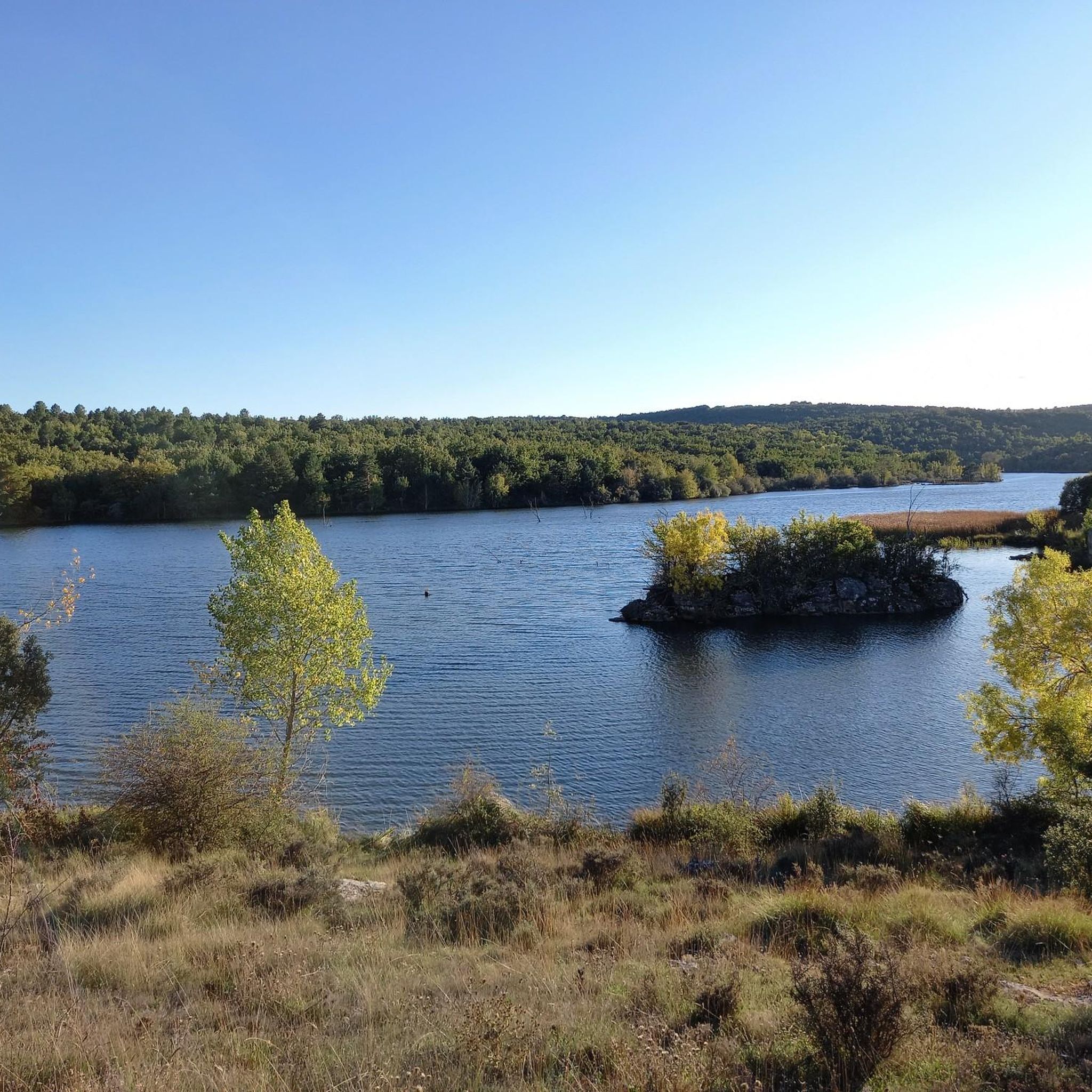
Here the Duero and Pedrajas rivers meet and it is perfect to stop for lunch at their picnic area or sit quietly listening to the murmur of the river.
7
0
Numancia was a Celtiberian city located on a hill at the confluence of the Duero, Tera and Merdancho rivers. The city became famous in the 2nd century BC. C. for resisting for 20 years the continuous attacks of Rome that sent one general after another being terribly humiliated. However, the city would be sentenced when Rome sent Publius Cornelius Scipio who would build a 9 km fence defended by towers and 7 camps and after 11 months of siege the Numantines surrendered, but not before setting the city on fire. After this, the city would be repopulated by the Romans but during the Visigoth period it would be definitively abandoned. Today much of the site has been excavated and you can visit it through a tour. I recommend going on Tuesdays because the other days you have to pay admission.
5
0
It is a traditional stone bridge that crosses the Pedrajas River in the heart of Valonsadero. It is easy to get to it and the landscape is beautiful.
3
0
Frequently Asked Questions
What historical sites can I explore around Almarza?
Beyond the well-known Numantia Archaeological Site, you can visit the Church, Medieval Bridge, and Stele of Renieblas, which includes Roman origins and a medieval funerary stele. The region also features the Gothic-style Fortified House of San Gregorio and the Neolithic Dolmen of San Gregorio in Cubo de la Sierra, both offering deep historical insights.
Are there any ancient Roman or Celtiberian remains to visit?
Yes, the Numantia Archaeological Site is a significant Celtiberian city known for its resistance against Rome, later repopulated by Romans. Additionally, the Roman Bridge in Espejo de Tera and remnants of Roman roads in the wider Almarza area provide further evidence of Roman presence.
What cultural landmarks, such as churches or museums, are in the Almarza area?
Almarza is rich in cultural landmarks. You can visit the 13th-century Church of Santa Lucía with its Gothic architecture, the octagonal Hermitage of the Immaculate Conception, and the 16th-century Hermitage of Los Santos Nuevos. The Ethnographic Museum of San Andrés, located in the old town hall, offers a glimpse into local history and traditions.
Where can I find natural attractions or scenic viewpoints near Almarza?
For natural beauty, explore the Acebal de Garagüeta, a significant holly forest, or the Sierra Cebollera mountain range. Scenic viewpoints include Cerro de San Juan and the Celtiberian Castro of Cerro de los Castillejos, both offering panoramic views of the valleys and meadows. The Confluence of the Duero and Pedrajas Rivers is a tranquil spot to enjoy nature.
What outdoor activities, such as hiking or cycling, are available around Almarza?
The Almarza region is ideal for outdoor activities. You can find numerous hiking and mountain biking routes, including sections of the Sendero Ibérico Soriano and the Cañada Real Oriental Soriana. For more detailed routes, explore the MTB Trails around Almarza, Cycling around Almarza, and Road Cycling Routes around Almarza guides.
Are there family-friendly activities or walks in the Almarza area?
Many attractions are suitable for families. The Puente del Canto is an easy-to-access traditional stone bridge in a scenic landscape, perfect for a family stroll. The Confluence of the Duero and Pedrajas Rivers offers a picnic area. The Cañada Honda Rock Art Site is a large meadow with cave paintings that families can explore.
What is the best time of year to visit Almarza for outdoor activities?
The region's diverse landscapes are enjoyable year-round. Autumn and winter are particularly beautiful for visiting the Acebal de Garagüeta holly forest. Spring and summer offer pleasant weather for hiking and cycling through the valleys and meadows. Always check local weather forecasts before planning your outdoor adventures.
Are there any dog-friendly trails or attractions around Almarza?
Many of the natural trails and outdoor areas around Almarza are suitable for walks with dogs, especially the numerous hiking routes through the valleys and meadows. Always ensure your dog is on a leash where required and respect local regulations regarding pets in specific attractions or protected areas.
Where can I find parking for trails or attractions in Almarza?
Parking is generally available near major attractions and trailheads. For instance, the Puente del Canto is easy to access, suggesting nearby parking. For specific trails, it's advisable to check the individual route details on komoot for parking information, as many routes start from villages or designated parking areas.
Can I see any traditional architecture or blazoned houses in the region?
Yes, Almarza and its surrounding villages are known for their ancestral homes adorned with coats of arms, reflecting the region's historical importance. Keep an eye out for these blazoned houses as you explore the local towns.
Are there any unique natural features like forests or rivers to explore?
Absolutely. The Acebal de Garagüeta is a notable holly forest, especially vibrant in cooler months. The Tera and Duero rivers flow through the area, contributing to the rich environmental landscape. The Confluence of the Duero and Pedrajas Rivers is a specific highlight where these two rivers meet.
What do visitors enjoy the most about the attractions around Almarza?
Visitors appreciate the blend of historical depth and natural beauty. Highlights like the Numantia Archaeological Site offer a journey through ancient history, while the Puente del Canto is loved for its scenic setting and ease of access. The tranquil Confluence of the Duero and Pedrajas Rivers is praised as a peaceful spot to rest and enjoy nature.
Most popular attractions around Almarza

Get inspired with the komoot mobile app


Explore more
Still not found the Highlight you’re looking for? See guides of the top attractions in other regions:
