Attractions and Places To See around San Esteban Del Molar - Top 16
Best attractions and places to see around San Esteban Del Molar include historical architecture and natural landscapes. This tranquil municipality, located in Zamora, Spain, offers a glimpse into traditional Spanish culture. The area is characterized by fields and hills, providing opportunities for outdoor exploration. Its charm lies in its peaceful environment and authentic local customs.
Best attractions and places to see around San Esteban Del Molar
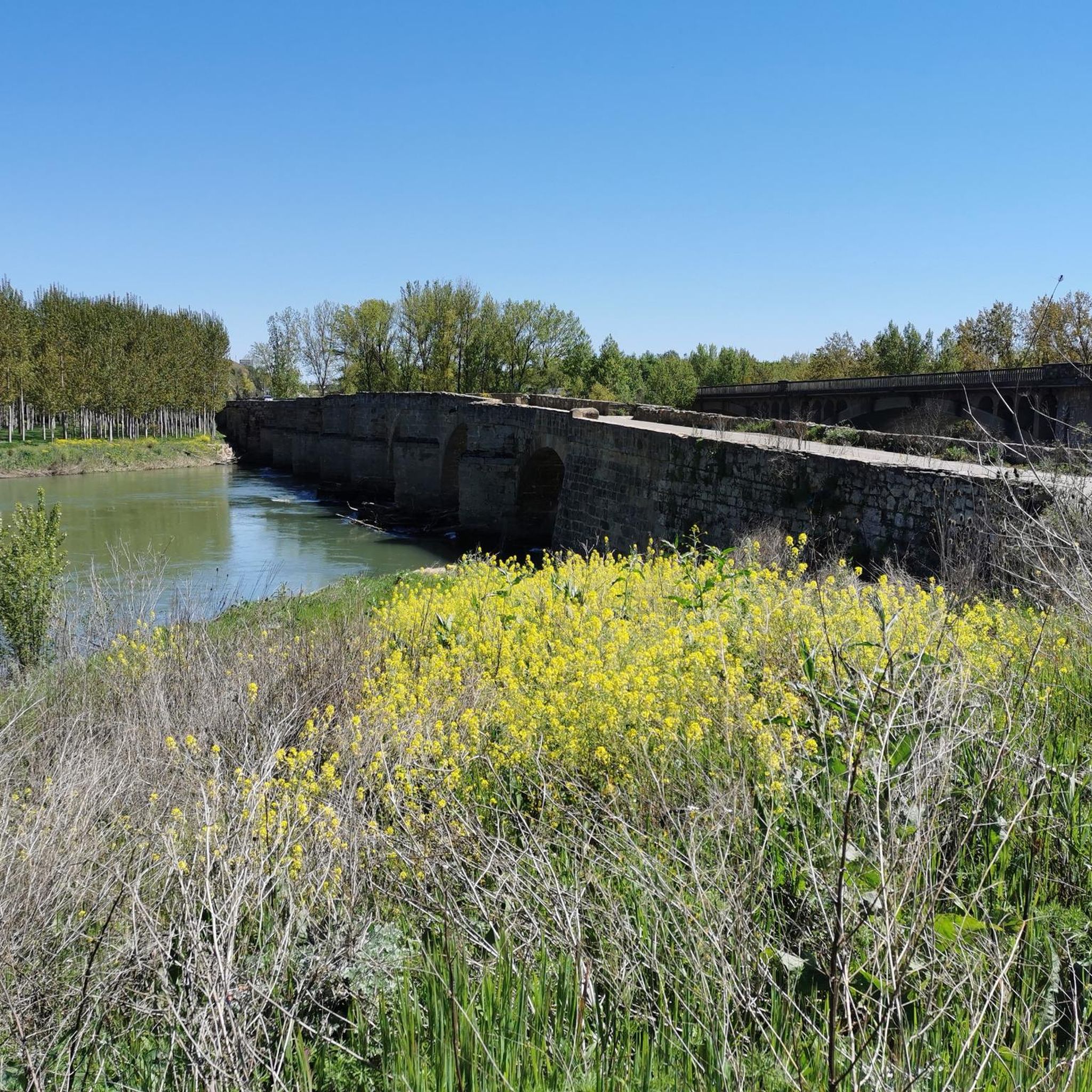
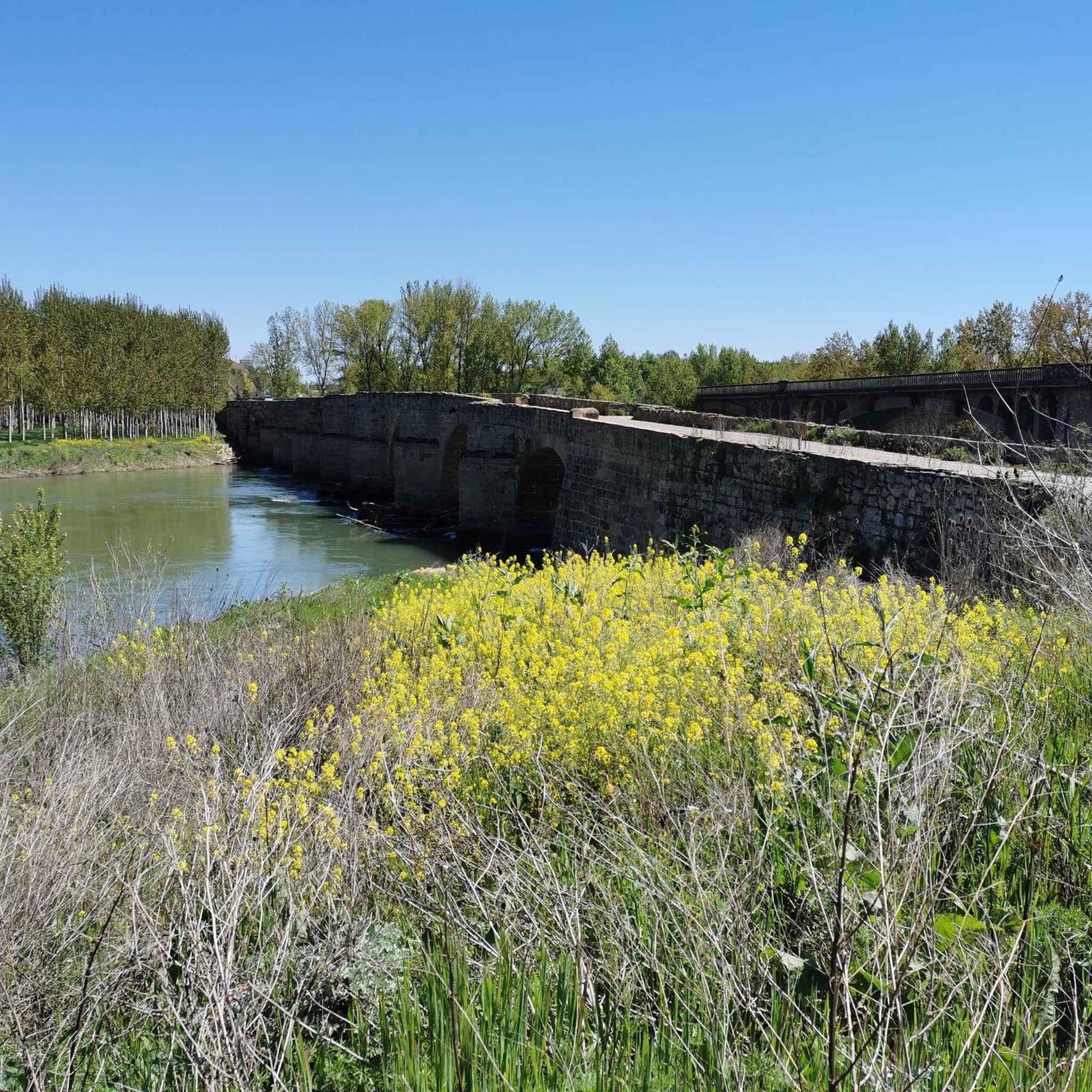
- The most popular attractions is Bridge over the Esla River, a bridge that…
Last updated: October 2, 2026
Bridge of the Vía Verde de la Plata
Highlight • Bridge
Translated by Google •
Tip by

Bridge over the Esla River
Highlight (Segment) • Bridge
Translated by Google •
Tip by

Sign up now to discover places like this
Get recommendations on the best single tracks, peaks, & plenty of other exciting outdoor places.
Villanueva de Azoague Iron Bridge
Highlight • Bridge
Translated by Google •
Tip by
Roman Bridge of Villarigo
Highlight • Bridge
Translated by Google •
Tip by

Church of Santa María del Azogue
Highlight • Religious Site
Translated by Google •
Tip by

Sign up for free to discover even more attractions around San Esteban Del Molar.
Already have an account?
Start today with a free account
Your next adventure awaits.


Tips from the Community

The Roman Bridge of Villarigo is located east of Villafáfila, near Laguna Salina Grande and Laguna el Puente. This bridge, dating from the High Roman Empire (27 BC - 305 AD), has three arches of unequal size, with the central arch twice the size of the side arches. Although it has been extensively rebuilt, it retains its original structure with strong ashlar voussoirs. The bridge was part of a network of Roman roads that connected various settlements and facilitated crossing the Villafáfila lagoons. Today, the bridge is a point of historical and architectural interest in the region.
3
0

In the historic center, the Church of Santa María del Azogue, from the 16th century, and in Gothic style, stands out as the main monument of Benavente.
1
0
An incredible stretch of the 'Vía la Plata' pilgrimage route south of Benavente towards the small town of Barcial del Barco. Disused railway line converted into an adventure paradise, far from cars and traffic.
2
0
Roman bridge in the Lagunas de Villafáfila Nature Reserve. The Camino can be muddy or even flooded during the rainy season.
1
0
One of the artistic jewels of Benavente, the church is located in the center of the city near the main square. Its construction, which had four phases, began in the 12th century.
0
0

Currently reconstructed, the Roman Bridge of Villarigo, named for being in the vicinity of the old town of Villarigo, belongs to the time of the High Roman Empire. We can see it perfectly from the road. If we are curious, we can read more information at: villafafila.net/puentevillarigo/puentevillarigo.htm If we feel like it and we have time, it is always worth going to the Casa del Parque de Villafáfila (€2 adults) next to the road. lagunasdevillafafila.es/centro-de-interpretacion-de-las-lagunas/la-casa-del-parque
1
1
Currently reconstructed, the Roman Bridge of Villarigo, named for being in the vicinity of the old town of Villarigo, belongs to the time of the High Roman Empire. We can see it perfectly from the road. If we are curious, we can read more information at: https://villafafila.net/puentevillarigo/puentevillarigo.htm If we feel like it and we have time, it is always worth going to the Casa del Parque de Villafáfila (€2 adults) next to the road. https://lagunasdevillafafila.es/centro-de-interpretacion-de-las-lagunas/la-casa-del-parque/
2
0
Beautiful picture that the Iron Bridge of Villanueva de Azoague gives us and that allows us to cross the Tera river while we roll along the long route of the greenway of La Plata.
2
0
Frequently Asked Questions
What are the main types of attractions to explore around San Esteban Del Molar?
The area around San Esteban Del Molar is known for its historical architecture, particularly its bridges, and serene natural landscapes. You'll find a mix of man-made monuments and opportunities to explore the surrounding fields and hills.
Are there any historical sites or landmarks to visit?
Yes, the region features several historical landmarks. Notable examples include the Roman Bridge of Villarigo, which dates back to the High Roman Empire, and the town of Benavente, which boasts significant monumental buildings like the Castillo de la Mota and the church of Santa María del Azogue.
What kind of outdoor activities can I do near San Esteban Del Molar?
The natural landscape of fields and hills is ideal for outdoor activities. You can enjoy hiking, running, and road cycling. Many routes utilize disused railway lines, like the Vía Verde de la Plata, which are perfect for exploring. For detailed routes, check out the guides for Hiking around San Esteban Del Molar, Road Cycling Routes around San Esteban Del Molar, and Running Trails around San Esteban Del Molar.
Are there family-friendly attractions or activities in the area?
Many of the attractions, especially the greenways and bridges, are suitable for families. The Bridge over the Esla River and the Bridge of the Vía Verde de la Plata offer pleasant walking and cycling experiences away from traffic, making them great for family outings.
What is the best time of year to visit San Esteban Del Molar?
The natural landscape, characterized by fields and hills, becomes particularly vibrant with color in spring, making it an excellent time for outdoor exploration and enjoying the scenery. The tranquil environment is pleasant throughout the warmer months for walks and cultural experiences.
Can I find good hiking trails around San Esteban Del Molar?
Yes, there are several hiking trails available. The disused railway lines, such as the Vía Verde de la Plata, have been converted into adventure routes perfect for hiking. You can find routes like the 'Vía de la Plata and Vía Verde del Oeste Loop' or the 'El Semillero Lagoons Loop'. More options are detailed in the Hiking around San Esteban Del Molar guide.
What are some unique natural features or viewpoints in the region?
While specific named natural features are not extensively detailed, the region is characterized by a mosaic of fields and hills, offering serene natural beauty. The bridges, such as the Villanueva de Azoague Iron Bridge, provide notable views over the Tera river and the surrounding landscape as you traverse the greenways.
What do visitors enjoy most about the attractions around San Esteban Del Molar?
Visitors particularly enjoy the unique combination of historical infrastructure and natural beauty. The bridges, like the Bridge over the Esla River, are popular for their distinctive design and the pleasant experiences they offer to walkers and cyclists. The conversion of old railway lines into adventure routes is also highly appreciated by those seeking outdoor activities.
Are there any cultural experiences or traditions I can observe?
San Esteban del Molar offers a glimpse into traditional Spanish culture. Visitors can immerse themselves in local customs by participating in traditional festivities and observing historical agricultural practices, which are still a significant part of the local economy and community identity.
Is public transport available to reach attractions around San Esteban Del Molar?
While the region is tranquil and often explored by car or bicycle, specific public transport routes directly to all attractions may be limited. It's advisable to check local transport options for connections to larger towns like Benavente, and then consider cycling or walking to nearby points of interest.
Are there any easy walking routes suitable for all abilities?
The Vía Verde de la Plata, a disused railway line, offers relatively flat and easy routes suitable for walking, gravel biking, or mountain biking. These paths are generally well-maintained and provide a comfortable way to explore the landscape without significant elevation changes.
Can I find places to eat or stay near the attractions?
The town of Benavente, a short distance away, is a larger settlement that offers all necessary facilities, including supermarkets, accommodation, and restaurants, making it a good base for exploring the region.
Most popular routes around San Esteban Del Molar

Get inspired with the komoot mobile app


Explore more
Still not found the Highlight you’re looking for? See guides of the top attractions in other regions:
