The best walks and hikes around Parc del Montnegre i el Corredor
4.3
(2682)
19,283
hikers
68
hikes
Hiking around Parc del Montnegre i el Corredor offers diverse landscapes, characterized by over 15,000 hectares of Mediterranean forests, including pine, holm oak, and cork species. The park features two distinct massifs: the steeper Montnegre and the gentler El Corredor, shaped by erosion. Varied topography and proximity to the sea contribute to lush vegetation and panoramic views of the Maresme coast. The extensive trail network caters to various fitness levels, from easy walks to challenging multi-hour treks.
Best hiking trails around Parc del Montnegre i el Corredor
- The most popular hiking route is Sant Celoni, La Vall d'Olzinelles – Circular Route, a 6.5 miles (10.5 km) trail that takes 2 hours 55 minutes to complete. This circular path explores the scenic Vall d'Olzinelles.
- Another top favourite among local hikers is Dolmen of Ca l'Arenes Trail, a moderate 5.3 miles (8.5 km) path. This route leads to the ancient megalithic Dolmen of Ca l'Arenes, offering a blend of nature and history.
- Local hikers also love the Hortsavinyà Loop Trail, a 6.4 miles (10.3 km) trail leading through the Hortsavinyà area, often completed in about 3 hours 11 minutes.
- Hiking around Parc del Montnegre i el Corredor is defined by dense Mediterranean forests, varied massifs, and historical sites like dolmens and medieval architecture. The network offers options for different ability levels, from easy walks to more demanding trails.
- The routes in Parc del Montnegre i el Corredor are highly rated by the komoot community with an average score of 4.4 stars from over 230 reviews. More than 1400 hikers have used komoot to explore Parc del Montnegre i el Corredor's varied terrain.
Last updated: October 10, 2026
4.6
(60)
248
hikers
10.5km
02:56
200m
200m
Moderate hike. Good fitness required. Easily-accessible paths. Suitable for all skill levels.
4.7
(20)
88
hikers
8.51km
02:33
270m
270m
Moderate hike. Good fitness required. Easily-accessible paths. Suitable for all skill levels.

4.8
(4)
11
hikers
10.3km
03:11
380m
380m
Moderate hike. Good fitness required. Mostly accessible paths. Sure-footedness required.
3.7
(3)
9
hikers
13.5km
04:01
410m
400m
Moderate hike. Good fitness required. Easily-accessible paths. Suitable for all skill levels.
1
hikers
20.5km
06:09
610m
610m
Hard hike. Very good fitness required. Easily-accessible paths. Suitable for all skill levels.
Get access to more routes and recommendations from other explorers.
Already have an account?
Our route recommendations are based on thousands of hikes, rides, and runs completed by other people on komoot.
Start today with a free account
Your next adventure awaits.
Popular around Parc del Montnegre i el Corredor
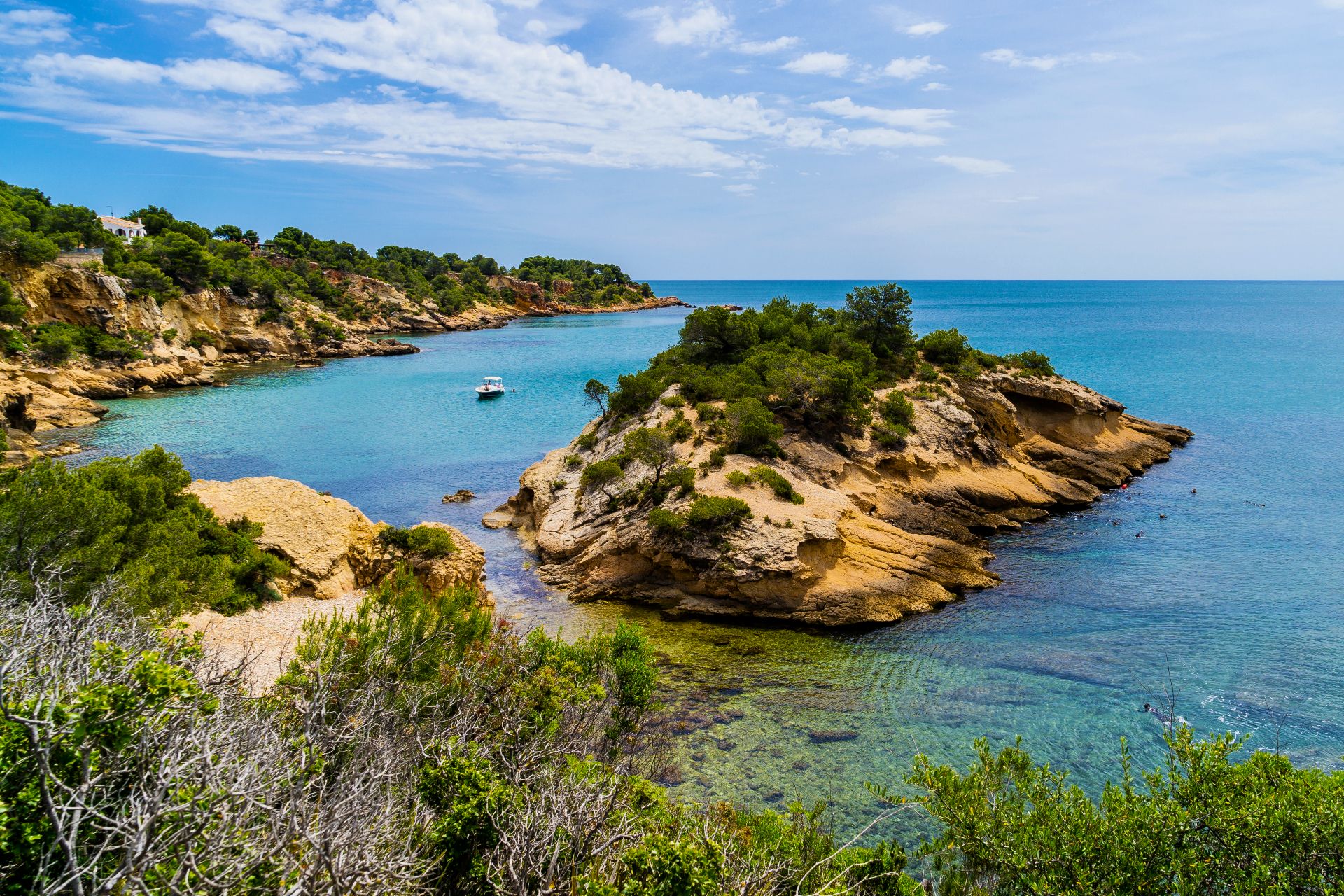
The Catalan coast on foot – Mediterranean Path (GR 92)
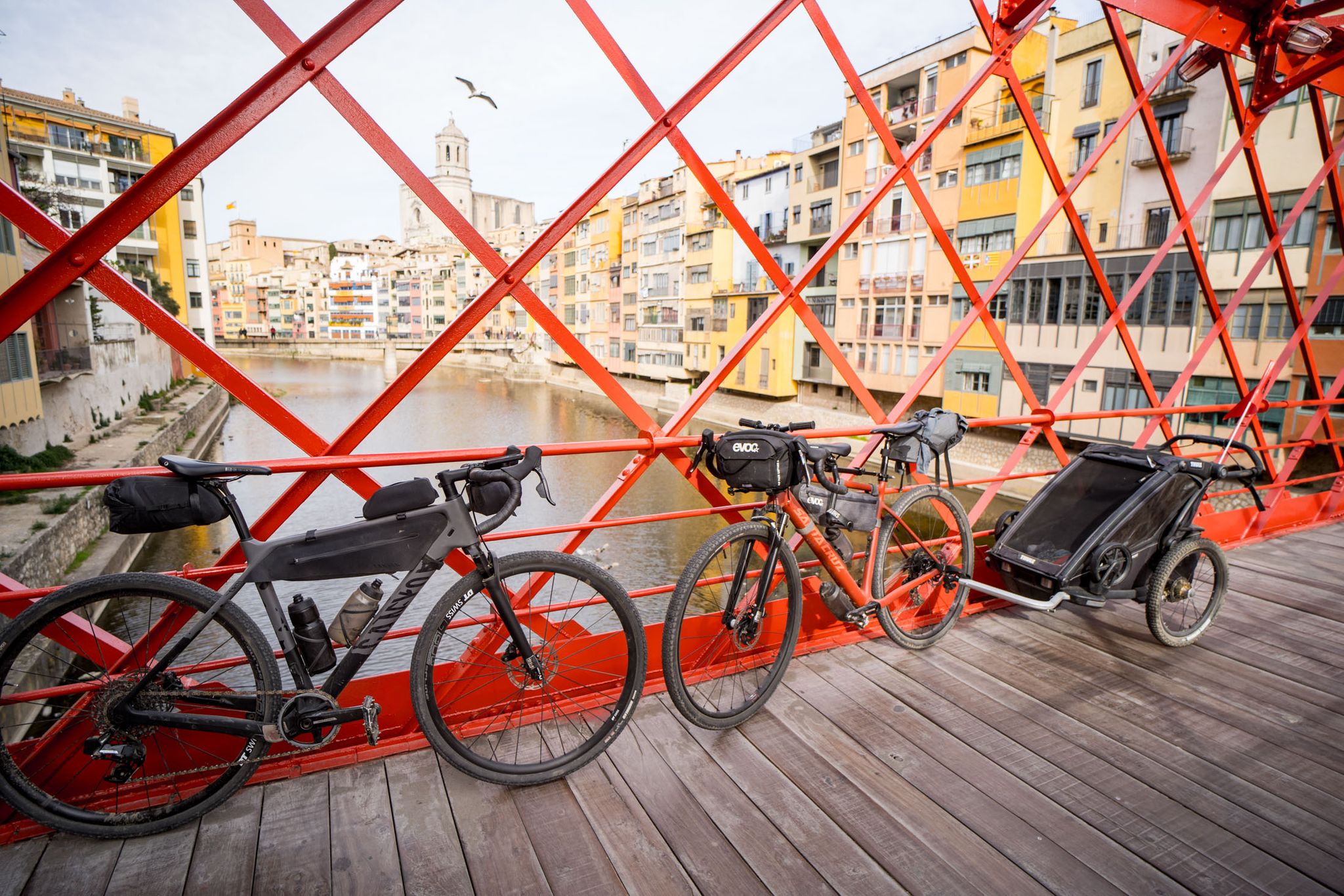
Family Bikepacking / Barcelona-Girona
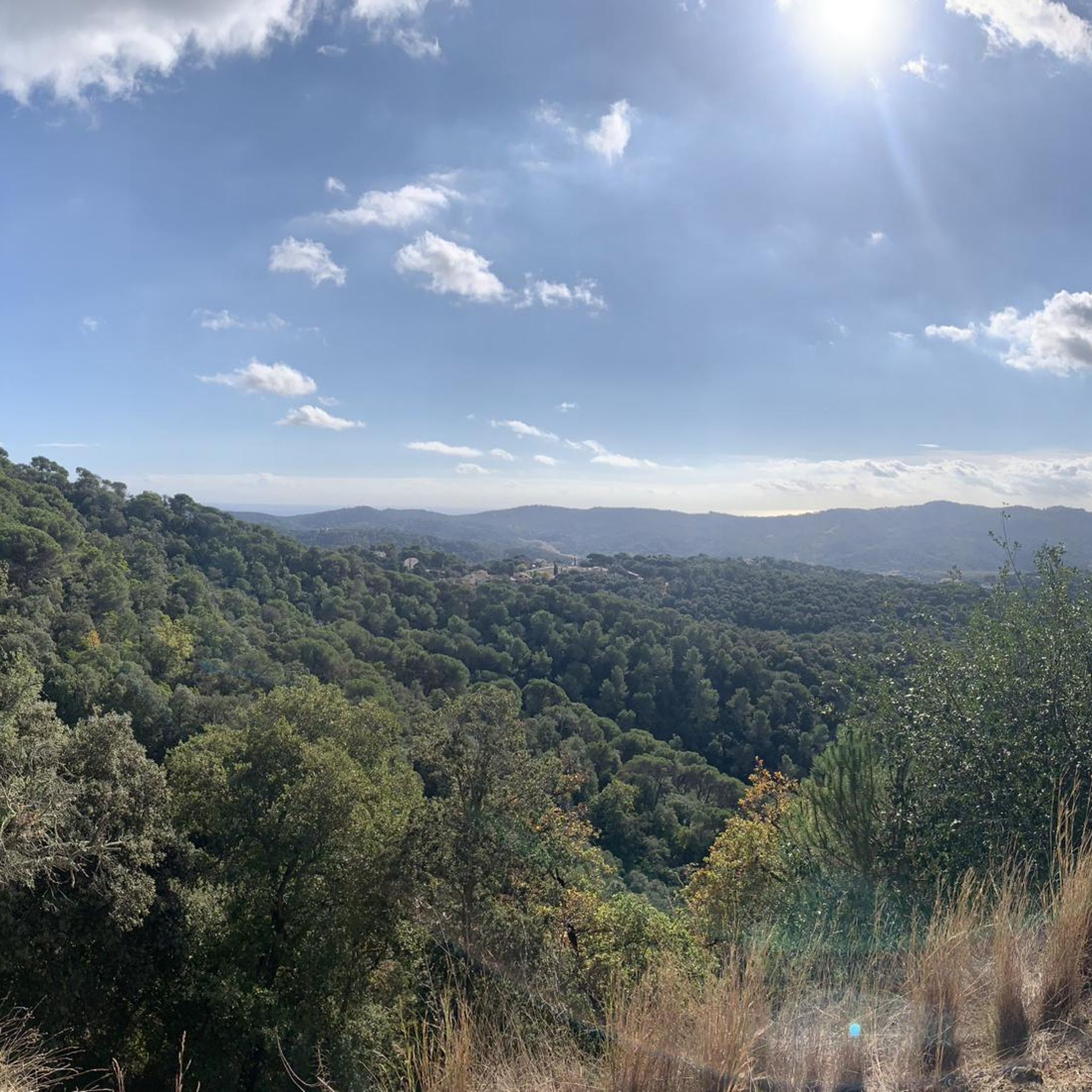
Road Cycling Routes around Parc del Montnegre i el Corredor
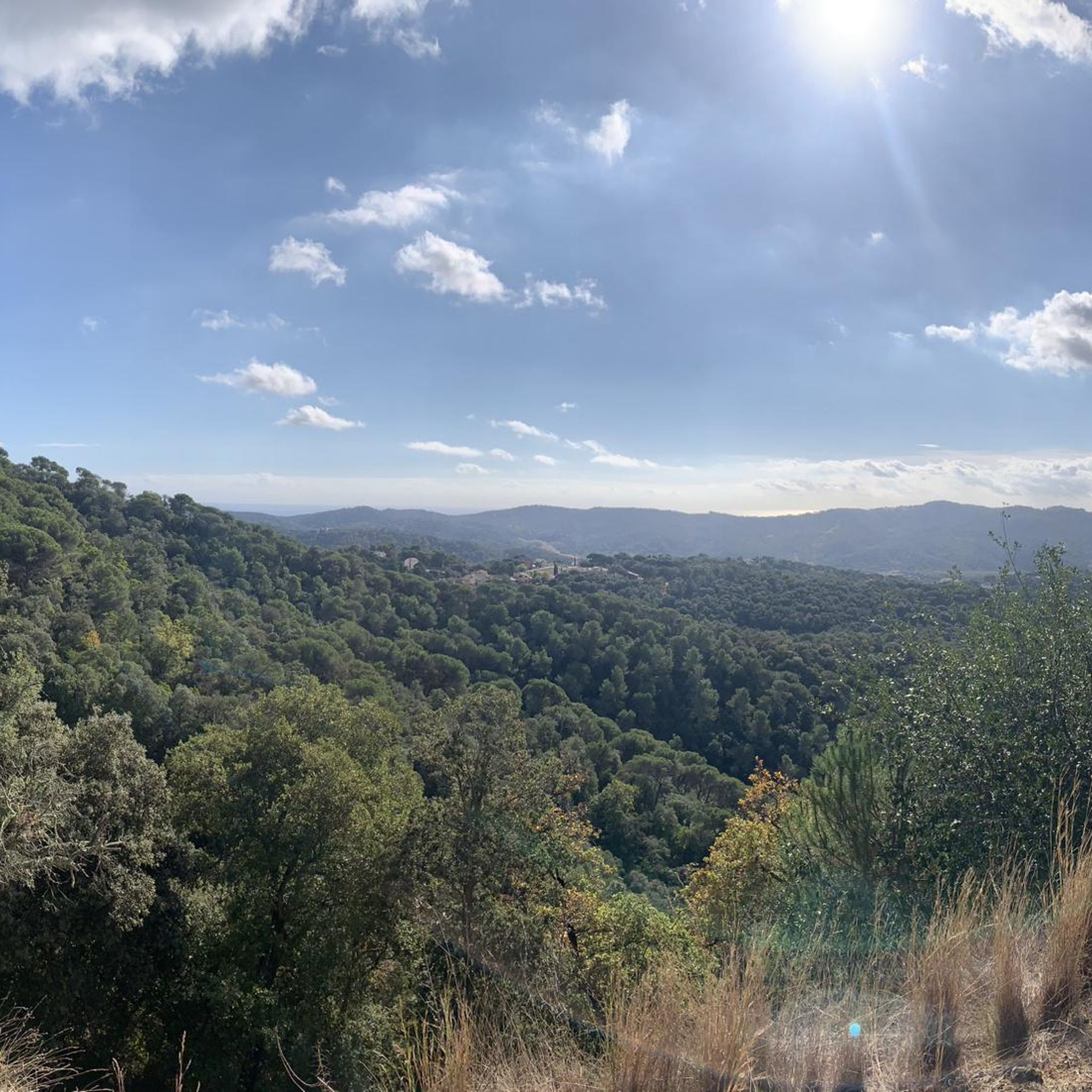
Cycling around Parc del Montnegre i el Corredor
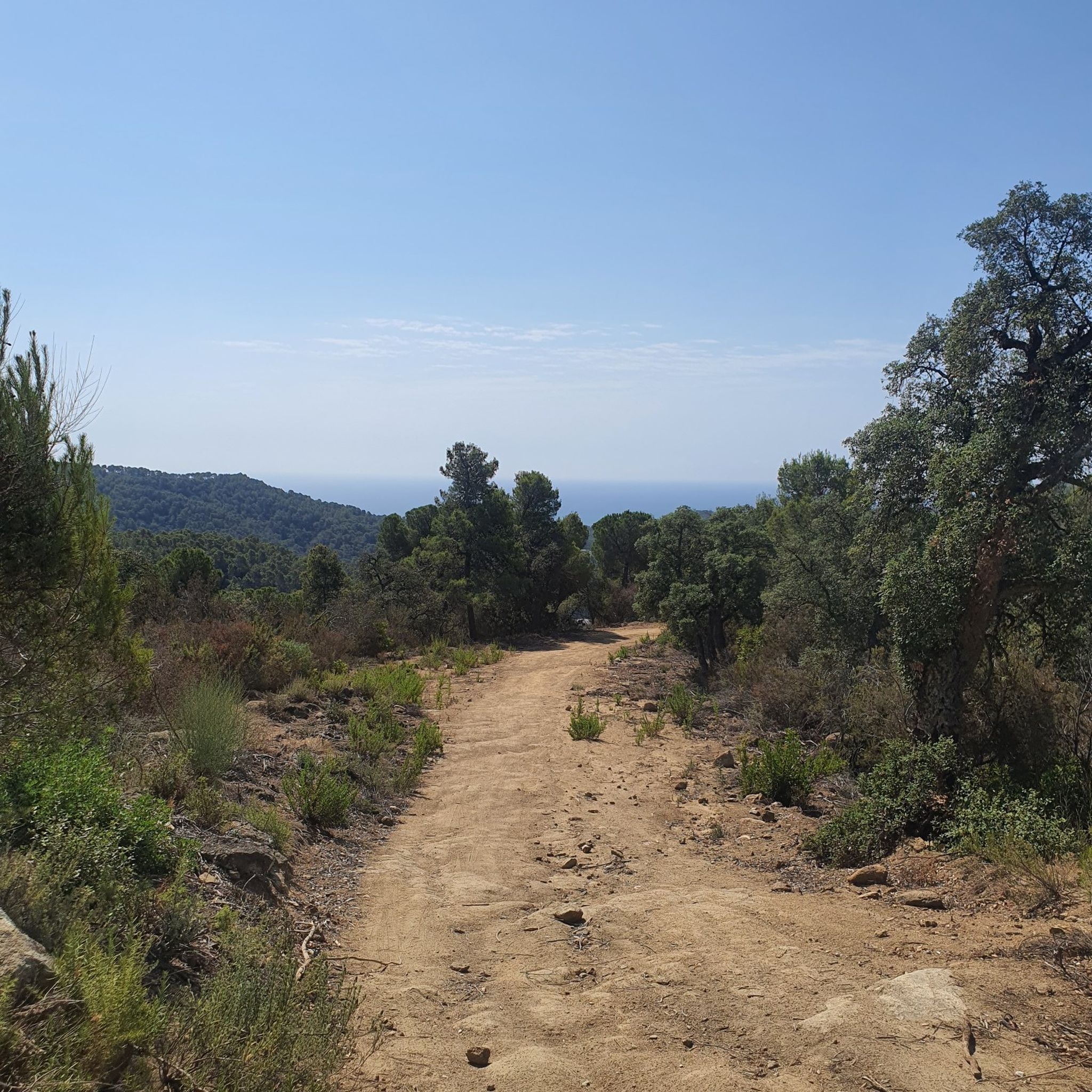
MTB Trails around Parc del Montnegre i el Corredor

Gravel biking around Parc del Montnegre i el Corredor
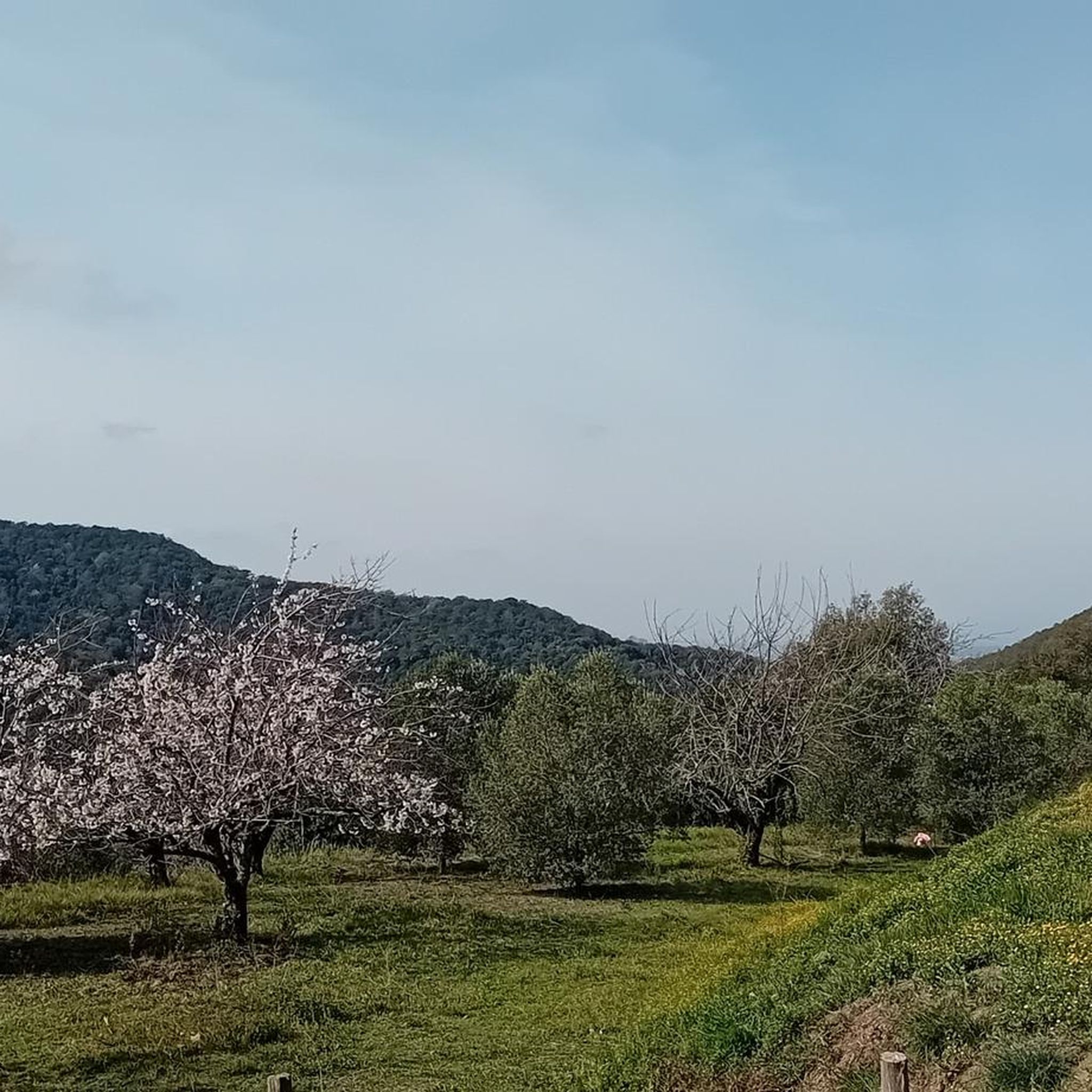
Running Trails around Parc del Montnegre i el Corredor
Other adventures around Parc del Montnegre i el Corredor


Tips from the Community

One of those springs that if you don't know it's there, you'll pass it by. It's hidden under the Pont de l'Aranyal, very close to the Forns de Pega de Can Valls. You have to get off the path for a moment and go down to it. The change is noticeable immediately: shade, humidity, ferns, and that coolness of the enclosed corners of Montnegre. It has stone tables and some logs to sit on, so it's a good place to park your bike for five minutes and rest. Be careful with the water: it's not drinkable. You don't come here to fill your water bottle, but to enjoy the spot. If you're riding in this area on MTB, the small detour is worth it, even if only to see it once.
0
0
If you pass by the Can Valls path, it's worth stopping to look at these three strange structures. They are not modern kilns: they are traditionally dated to the 9th–10th centuries, and one of them is still practically whole. Here, pine and oak stumps and wood were slowly baked to obtain "pega", a kind of vegetable tar used to waterproof boats and containers, and also for lighting. What's curious is to think that more than a thousand years ago, people were already working this forest and exploiting its resources right at this spot. A small stop that, if you don't know what you're looking at, goes completely unnoticed.
1
0
It is not really a cave: it is an old mine dug by hand to search for copper —aram means copper—, with a gallery of about 25–30 meters that goes directly into the mountain. Inside, you can still see veins of colorful minerals: green malachite, blue azurite, quartz, chalcopyrite… In short, years ago someone used to come here to chip stone where today we enter with our mobile phone and a flashlight. And it has its little guerrilla legend: this cave was linked to Quico Sabaté, one of the most famous maquis who fought against Francoism. Local history says he moved and hid in these woods, although researchers consider it more likely that he used another nearby cave, much harder to locate.
0
0
This small hermitage has more lives than a cat. During the Civil War it was looted and reduced to practically three walls. The image of the Virgin had better luck: the farmers of Can Preses hid it during the war. Then came the most surreal thing: abandoned for decades, its ruins ended up serving as a home for charcoal burners. In 2009, the local people got tired of seeing it die, gathered money and work, and managed to rebuild it. And just when it seemed the place was regaining its calm, in 2010 a storm with winds of over 100 km/h felled the gigantic two-hundred-year-old oak tree that stood in front. They even tried to clone it so it wouldn't disappear completely. A hidden Virgin, a looted hermitage, charcoal burners living within its walls, and a cloned tree. For a small chapel lost in the Montnegre, quite a few things have happened here.
0
0

Sant Martí de Montnegre Una església aïllada dins del Parc Natural del Montnegre, de gran valor per la seva integració en el paisatge forestal. És un punt de referència en les rutes de l'interior.
1
0
Església de Sant Llop d'Hortsavinyà El document més antic on s'esmenta Hortsavinyà és del 1101, i el primer de l'església, del 1301, si bé la primitiva esglesiola podria ser del segle IX o X. La major part de l'edifici actual és del segle XVIII. Sant Llop n'és el patró (1 de setembre), i per això se celebra la festa major en aquestes dates, coincidint amb el primer diumenge del mes. I si sant Llop és el patró de l'església, santa Eulàlia ho és del poble, i pels volts del 10 de desembre se celebra la festa major petita d'Hortsavinyà. Tradicionalment, sant Llop fou l'encarregat, en la fe cristiana, de guarir el mal de coll i l'afonia, i se'l relacionava amb alguns comportaments dels llops. Tot això ens porta a cercar els seus orígens en un personatge precristià, el pare Llop, un home que convivia amb un ramat de llops a les muntanyes. Una vegada a l'any baixava a les masies a cobrar un tribut, que calia pagar si es volia evitar l'atac dels llops al bestiar i a les persones. També era creença general, segons podem llegir als bestiaris medievals catalans, que si un home veia un llop abans que el llop a ell, la bèstia restava muda per sempre més, però si era el llop qui el veia primer, qui perdia la veu era l'home. Això darrer es produïa per l'ensurt que patia la persona en trobar-se el llop. D'aquí ve la relació de sant Llop amb l'afonia. Font: XPN
1
0
Sant Miquel de Vallmanya L'església està documentada des de l'any 1021. L'actual edifici és, però, molt posterior, del segle XVI, modificat de nou el 1826, segons es pot llegir a la porta. La façana té el coronament ondulat típicament barroc. El campanar, quadrat, té el tram superior de maó vist i està cobert amb una cúpula. adossada a l'església hi ha la casa del sagristà. Font: Pobles de Catalunya
0
0

Artificial cave, man-made.... L'Aram... which means copper. Old site for the extraction of copper and iron, currently disused, with a depth of about 25 meters. The lower gallery is disabled. It does not represent danger.. Just caution...!!
1
0
Frequently Asked Questions
How many hiking trails are available in Parc del Montnegre i el Corredor?
Parc del Montnegre i el Corredor offers a wide network of trails, with over 70 hiking routes documented on komoot. These range from easy strolls to more challenging treks, ensuring options for various fitness levels.
Are there hiking trails suitable for beginners or families with children?
Yes, the park features numerous easy trails perfect for beginners or families. Approximately 30 routes are classified as easy, allowing everyone to enjoy the Mediterranean forests and gentle hills of El Corredor. These paths often lead to interesting natural or historical points without significant elevation gain.
What kind of natural landscapes and features can I expect to see while hiking?
Hikers can expect diverse Mediterranean forests, including pine, holm oak, and cork trees. At higher altitudes, you might even find rare beech groves. The park is characterized by two distinct massifs: the steeper Montnegre and the gentler El Corredor. You'll also find lush vegetation, panoramic views of the Maresme coast, and areas recognized for their mycological value. The proximity to the sea contributes to a unique microclimate.
Are there any historical or cultural sites to visit along the trails?
Absolutely. The park is rich in history. You can explore ancient Neolithic dolmens like the Dolmen of Ca l'Arenes, or discover medieval architecture such as the Sanctuary of El Corredor (Corredor Sanctuary) and various Romanesque churches and hermitages scattered throughout the area.
Can I bring my dog on the hiking trails in Parc del Montnegre i el Corredor?
Generally, dogs are welcome on trails in Parc del Montnegre i el Corredor. However, it's always recommended to keep them on a leash, especially in areas with wildlife or near livestock, to protect both your pet and the park's ecosystem. Please ensure you clean up after your dog.
Are there any circular hiking routes available?
Yes, the park offers several excellent circular routes. Popular options include the Sant Celoni, La Vall d'Olzinelles – Circular Route, which explores the scenic Vall d'Olzinelles, and the Hortsavinyà Loop Trail, leading through the charming Hortsavinyà area.
What is the best time of year to go hiking in Parc del Montnegre i el Corredor?
The park's climate, influenced by its proximity to the sea, makes it suitable for hiking year-round. Spring and autumn offer pleasant temperatures and vibrant natural colors. Even in summer, the dense forests provide shade, and the coastal influence brings additional humidity, making it more comfortable than inland areas. Winter hiking is also an option, with cooler, crisp air.
Are there any challenging trails for experienced hikers?
Yes, for experienced hikers seeking a challenge, there are more demanding routes. For instance, the Hortsavinyà and Vallmanya Loop is classified as difficult, covering over 20 km with significant elevation changes, providing a rewarding experience for those looking for a longer trek.
What do other hikers say about the trails in Parc del Montnegre i el Corredor?
The trails in Parc del Montnegre i el Corredor are highly regarded by the komoot community, with an average rating of 4.4 stars from over 230 reviews. Hikers often praise the diverse terrain, the tranquility of the forests, and the well-maintained paths that offer a blend of natural beauty and historical interest.
Are there any specific viewpoints or panoramic spots worth visiting?
Yes, the park offers several spots with spectacular panoramic views. The varied topography, especially from the higher points of the Montnegre massif, provides stunning vistas of the Maresme coast and the surrounding landscapes. You can find excellent views from highlights like the Lookout Point of Turo Gros de Miralles.
How accessible is Parc del Montnegre i el Corredor by public transport, and is parking available?
While specific public transport routes directly into the heart of the park might be limited, surrounding towns often have bus or train connections. For those traveling by car, parking is generally available at trailheads and near popular access points, though it's always advisable to check specific starting points for designated parking areas.
Most popular routes around Parc del Montnegre i el Corredor
Most popular attractions around Parc del Montnegre i el Corredor

Get inspired with the komoot mobile app


Explore more
Browse the best Hikes in other regions.
