Attractions and Places To See around Palenciana - Top 20
Best attractions and places to see around Palenciana include a blend of traditional Andalusian village life, historical sites, and natural beauty. This municipality in the province of Córdoba, Spain, features whitewashed buildings and agricultural landscapes. Situated in the Subbética region, it offers a tranquil escape with cultural heritage and natural features like the Genil River. The area is characterized by fields of cereal crops and olive groves, reflecting its agricultural traditions.
Best attractions and places to see around Palenciana
- The…
Last updated: July 26, 2026
Jauja – Subbética Greenway Natural Trail
Highlight • Cycleway
Translated by Google •
Tip by

Purísima Inmaculada Concepción Parish, Alameda
Highlight • Religious Site
Translated by Google •
Tip by

Sign up now to discover places like this
Get recommendations on the best single tracks, peaks, & plenty of other exciting outdoor places.
Sign up for free
Hermitage of Our Lady of Fuensanta
Highlight • Religious Site
Translated by Google •
Tip by

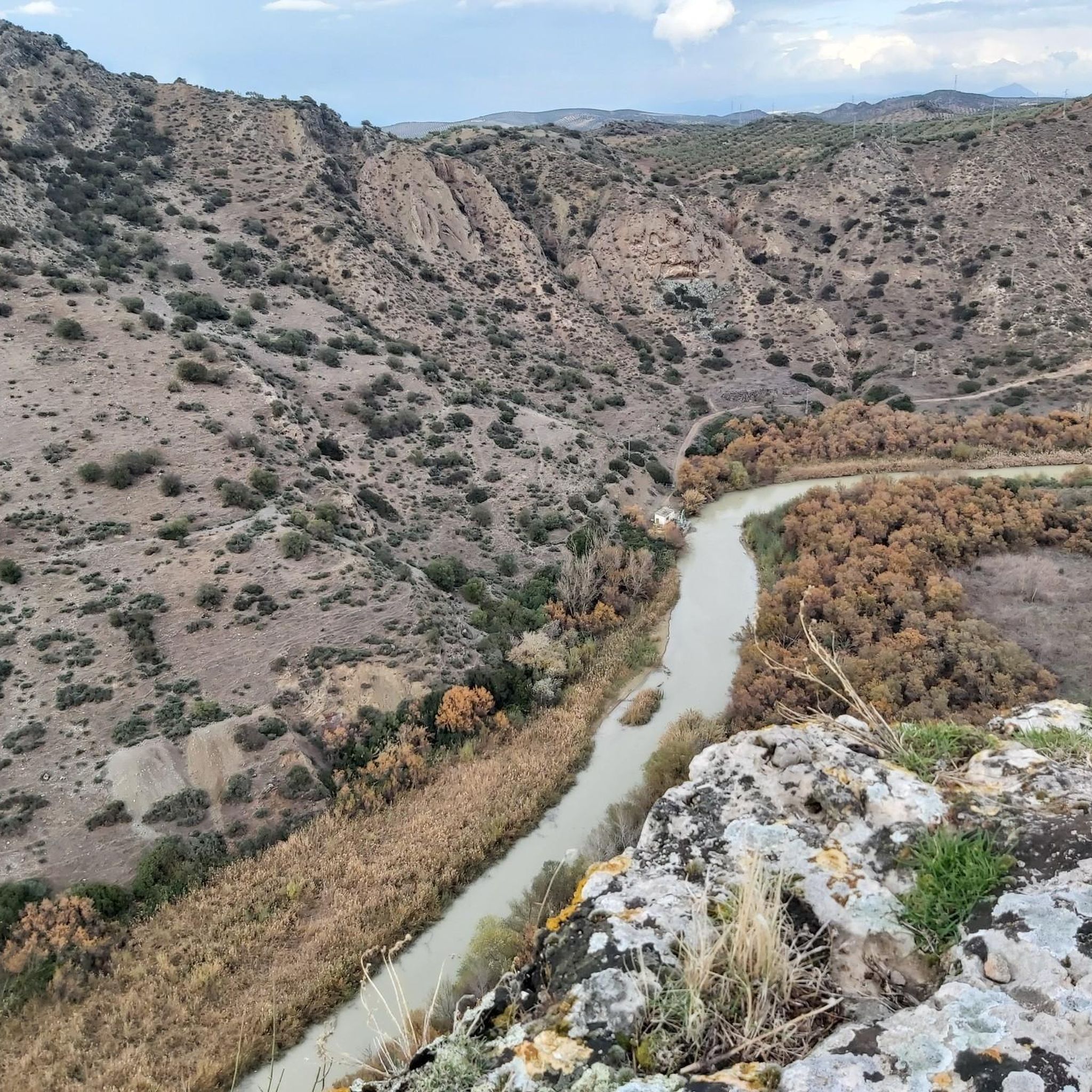
Genil River Meander
Highlight • River
Translated by Google •
Tip by
Sierra de Mollina Trail
Highlight (Segment) • Trail
Translated by Google •
Tip by
Sign up for free to discover even more attractions around Palenciana.
Sign up for free
Already have an account?
Start today with a free account
Your next adventure awaits.
Login or Signup
Tips from the Community

The Parish Church of Our Lady of the Immaculate Conception (Iglesia Parroquial de Nuestra Señora de la Inmaculada Concepción) is the main church of Alameda and is located in the town center. Built in 1633, it has been expanded several times over the centuries, including the 18th century with the addition of side aisles and a Baroque chapel. The church displays typical elements of Andalusian Baroque architecture, with a simple stone and brick facade and a striking round-arched portal. Inside, the high nave, flanked by two lower side aisles, and a barrel-vaulted ceiling create a harmonious atmosphere. The church is particularly famous as the burial place of the legendary bandit El Tempranillo, who died in Alameda in 1833. It also houses an elaborate image of the Virgen de los Dolores (Virgin of Sorrows), created in 1940 by the sculptor Castillo Lastrucci. The church is now a listed building and is considered one of the most important historical buildings in the town, combining both religious and cultural history.
2
0

nice trail, after the rains
1
0

Hermitage that still contains the style of a Mozarabic-style cave church in which the amplitude of its façade stands out, making it one of the few monuments of these characteristics in Andalusia.
0
0

Great equestrian route through the Sierra de Mollina, surrounded by rock formations that include the Cueva de los Órganos and pine forests. A great day near the Alameda.
2
0
With settlements dating back to the Chalcolithic or Eneolithic and Roman thermal times, the rural town of Alameda owes its name to the Los Álamos stream. The Immaculate Conception Immaculate Parish is one of the most important monuments.
2
0
Outdoor adventure route, passing through the Hermitage of Nuestra Señora de la Fuensanta and the ruins of old mines.
1
0
It is located on the outskirts of the municipality and was built between 1544 and 1620. It is a Mozarabic-style cave church in which the breadth of its façade stands out, making it one of the few monuments of these characteristics in Andalusia. .
1
0
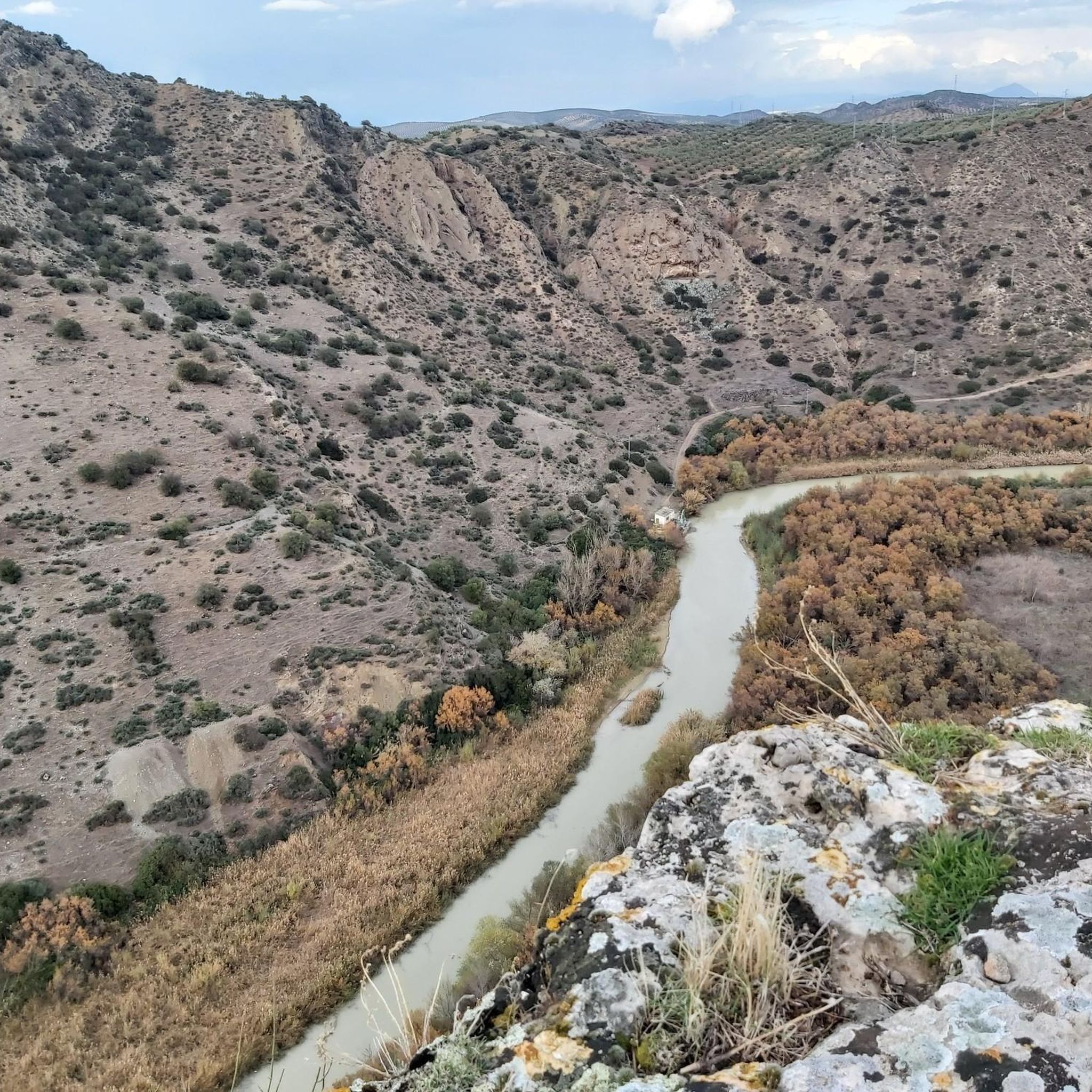
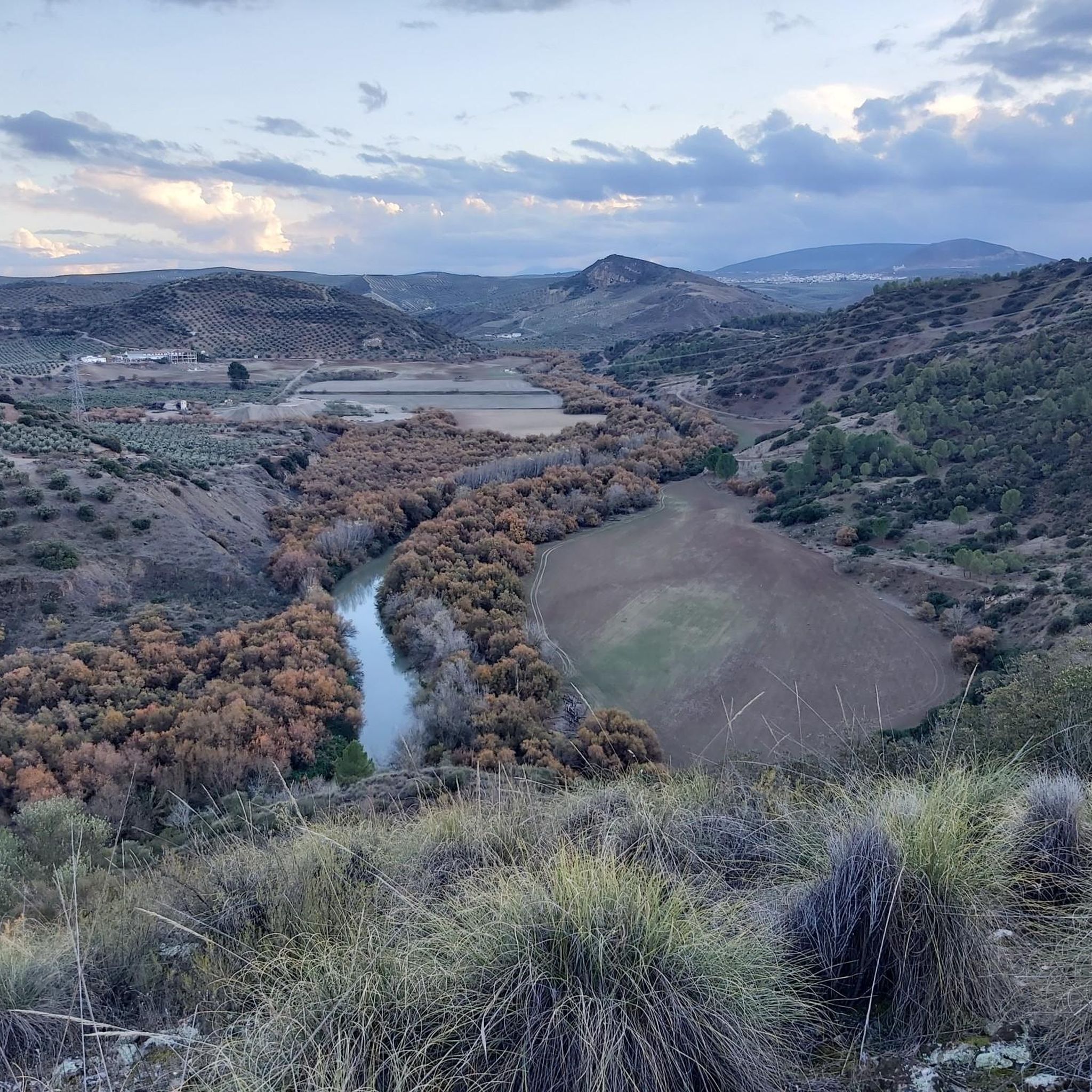
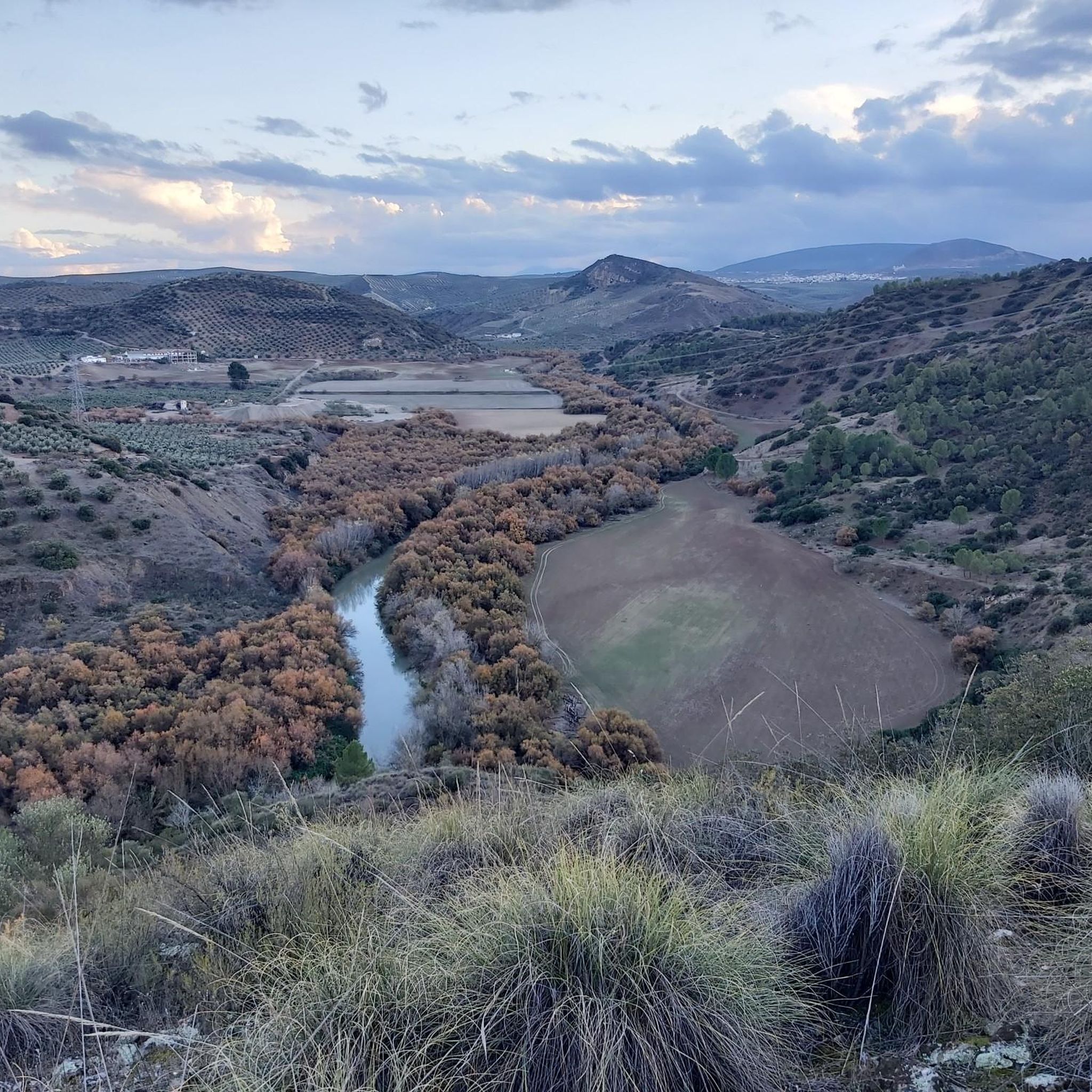
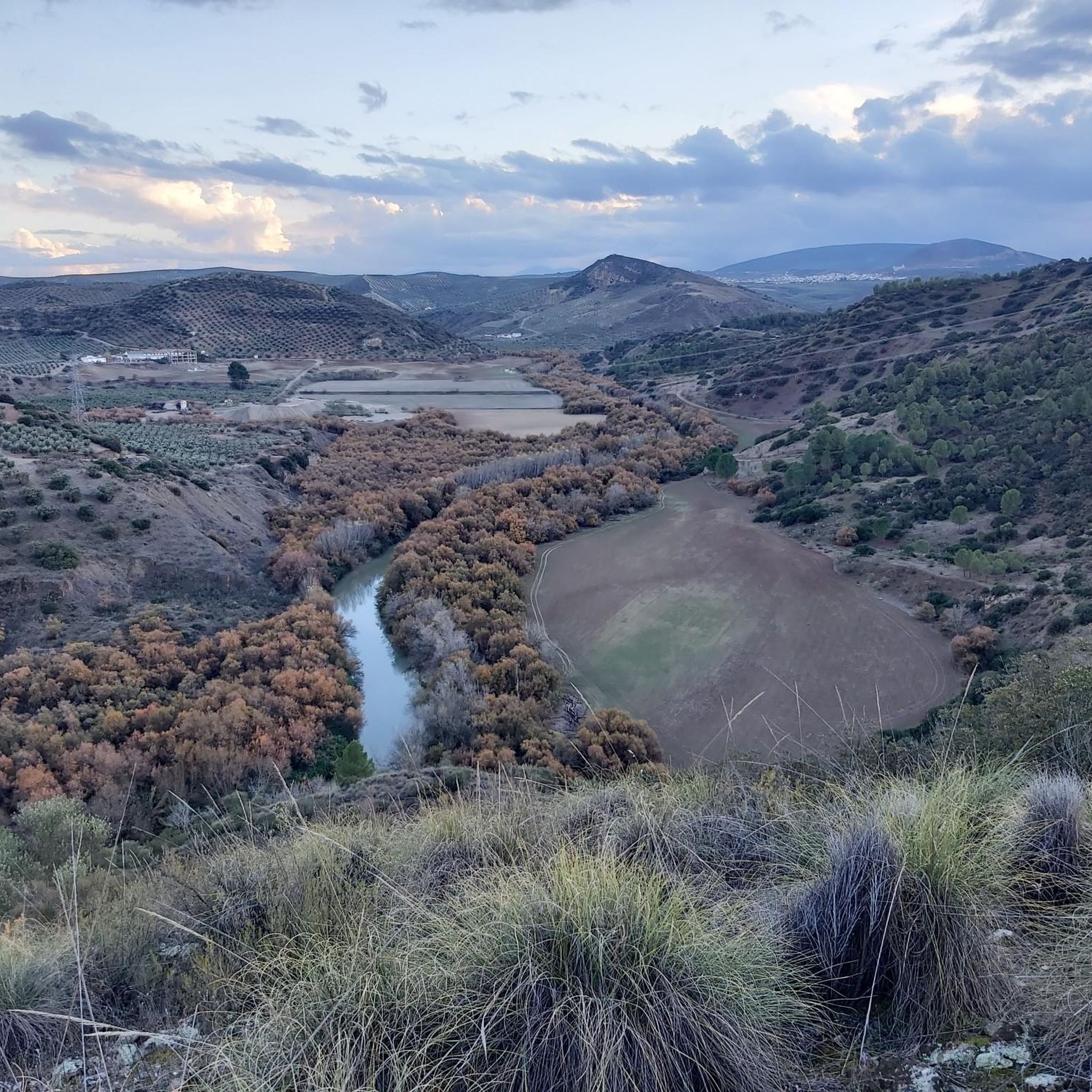
One of the last meanders of the Genil river before reaching the Malpasillo Reservoir, close to the town of Badolatosa. Space to be there for a while, quietly and enjoying this beautiful landscape!
1
0
Frequently Asked Questions
What natural attractions can I explore around Palenciana?
Palenciana offers several natural highlights. You can visit the Genil River Meander, one of the last meanders of the Genil river before the Malpasillo Reservoir, offering a beautiful landscape. Another notable spot is the Arroyo del Pontón, a torrent that has carved caves into the rock. The Genil River itself plays a prominent role in the natural landscape, providing areas of spectacular beauty. For panoramic views, head to the Mirador de las Peñolillas within the village.
Are there historical or cultural sites to visit in Palenciana?
Yes, Palenciana is rich in history and culture. The most significant building is the Parroquia de San Miguel (Church of San Miguel), built in 1774, featuring a Latin cross plan and a domed transept. You can also explore the Hermitage of Our Lady of Fuensanta, a Mozarabic-style cave church built between 1544 and 1620. Additionally, the Purísima Inmaculada Concepción Parish, Alameda, built in 1633, showcases Andalusian Baroque architecture and is the burial place of the legendary bandit El Tempranillo.
What outdoor activities, like cycling or hiking, are available near Palenciana?
The area around Palenciana is excellent for outdoor activities. Cyclists can enjoy the Jauja – Subbética Greenway Natural Trail, a well-maintained cycle path through olive groves and vineyards. For hiking, you can find routes like the 'Path of the Arroyo de las Cañas' or explore trails near the Genil River and Fuensanta Chapel. You can find more details on various routes, including running and MTB trails, in the dedicated guides for Hiking around Palenciana, Running Trails around Palenciana, and MTB Trails around Palenciana.
Is Palenciana suitable for family visits?
Yes, Palenciana offers several family-friendly attractions. The Jauja – Subbética Greenway Natural Trail is suitable for all ages due to its gentle slope and absence of motor vehicles. The Genil River Meander and the Hermitage of Our Lady of Fuensanta are also considered family-friendly, offering beautiful scenery and historical interest.
Where can I find the best panoramic views in Palenciana?
For exceptional panoramic views, visit the Ermita de San Lucas, located in a stony bastion called Las Peñolillas. The Mirador de las Peñolillas, situated within the village, also provides enjoyable and varied vistas of the surrounding natural scenery, including the Genil River.
What is the best time of year to visit Palenciana?
While specific data on the best time to visit isn't provided, the region's natural beauty, especially the olive groves and vineyards, suggests that spring (when everything is in bloom) and autumn (harvest season, milder temperatures) would be particularly pleasant for exploring the rural landscape and outdoor trails.
Are there any unique or 'hidden gem' attractions in the area?
A unique natural feature is the Fuente de los Cielagos, a natural spring located about 2 kilometers southeast of the town. It's known for its mineral-medicinal waters, traditionally believed to have therapeutic properties, offering a tranquil and less-frequented spot.
Can I find traditional Andalusian architecture in Palenciana?
Absolutely. Palenciana is characterized by its charming whitewashed buildings and tranquil streets, reflecting the typical appearance of agricultural villages in the Cordoban countryside. You can appreciate 19th-century houses, particularly two notable examples in the central Plaza de Nuestra Señora del Carmen, which form an urban ensemble with the Parroquia de San Miguel.
What archaeological sites are there around Palenciana?
Palenciana has a long history, evidenced by the Archaeological Sites of Cerro de los Toros and Cerro del Pozuelo. These sites contain remnants dating back to the Iberian civilization, the Bronze Age, and Roman settlements, with findings including ceramics, urn fragments, gravestones, and Roman building materials.
What kind of rural landscape can I expect to see around Palenciana?
The rural landscape around Palenciana is characterized by extensive fields of cereal crops and olive groves, showcasing the region's agricultural traditions. You'll also find a mixture of almond trees and the plains of the famous Llanos de Antequera, all set within the distinct geographical setting of the Subbética region.
What makes the Jauja – Subbética Greenway Natural Trail special?
The Jauja – Subbética Greenway Natural Trail is special because it's a perfectly conditioned cycle path running through the southern part of Córdoba province. Its gentle slope makes it suitable for all users, and the absence of motor vehicles ensures a peaceful experience. The route is framed by beautiful olive groves and vineyards, and some old stations along the way have been converted into restaurants.
Are there any gorges or caves to explore near Palenciana?
Yes, you can explore the Arroyo del Pontón. This torrent, originating from the foot of Corcoya, has carved through rock to form several caves in its floor as it develops towards the Malpasillo Reservoir, offering an interesting natural feature to discover.
Most popular attractions around Palenciana

Get inspired with the komoot mobile app


Explore more
Still not found the Highlight you’re looking for? See guides of the top attractions in other regions:
