The 15 Most Amazing Peaks around La Vall De Bianya
Best mountain peaks around La Vall De Bianya are found within a mountainous municipality in the Garrotxa region of Catalonia. This area is characterized by its landscapes, forests, and its location partly within the Garrotxa Volcanic Zone Natural Park. The region offers a variety of peaks that provide opportunities for hiking and panoramic views. Beyond the peaks, the area features traditional trails and numerous Romanesque churches.
Best mountain peaks around La Vall De Bianya
- The most popular mountain peaks is…
Last updated: May 26, 2026
Puigsacalm
Highlight • Summit
Translated by Google •
Tip by

Santa Bàrbara de Pruneres
Highlight • Religious Site
Translated by Google •
Tip by

Sign up now to discover places like this
Get recommendations on the best single tracks, peaks, & plenty of other exciting outdoor places.
Sign up for free
Montsacopa Volcano
Highlight • Volcano
Translated by Google •
Tip by

Hermitage of Sant Antoni
Highlight • Religious Site
Translated by Google •
Tip by

Wolf Peak
Highlight • Summit
Translated by Google •
Tip by

Sign up for free to discover even more peaks around La Vall De Bianya.
Sign up for free
Already have an account?
Start today with a free account
Your next adventure awaits.
Login or Signup


Tips from the Community

Volcà del Montsacopa is an extinct volcano that died out 100,000 years ago. Running here is not easy because it is steep uphill or downhill, but the views are worth it. The crater is full of rabbits (at least there were when I visited) in the late afternoon and there are many nice trails around it. There is a church and a tower there too. If you visit Olot it is an easy walk that you must do.
0
0

Monastery from the year 1702 located at the top of the Col de la Brossa near Camprodon. From there you have a panoramic view of the surrounding villages and mountains.
0
0
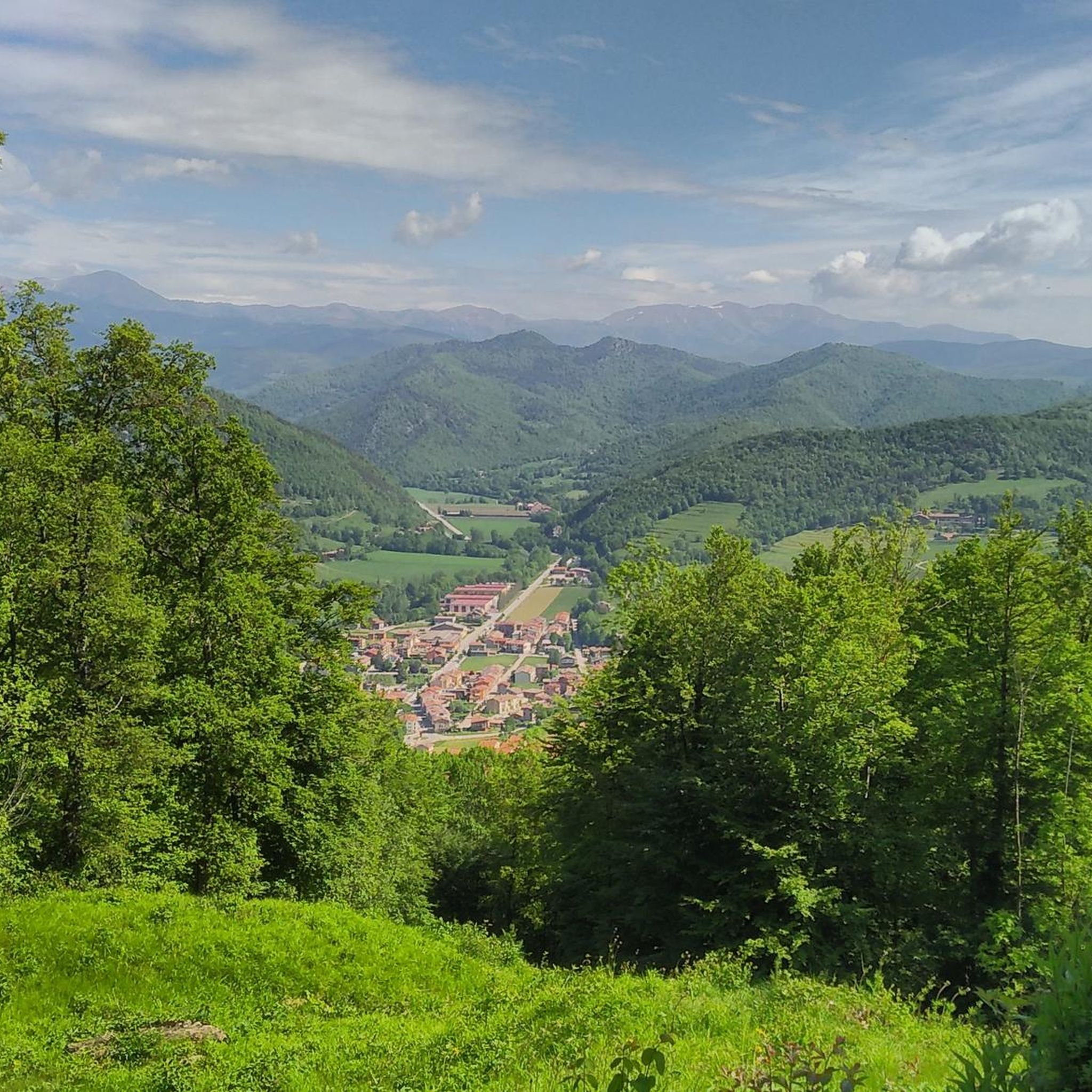
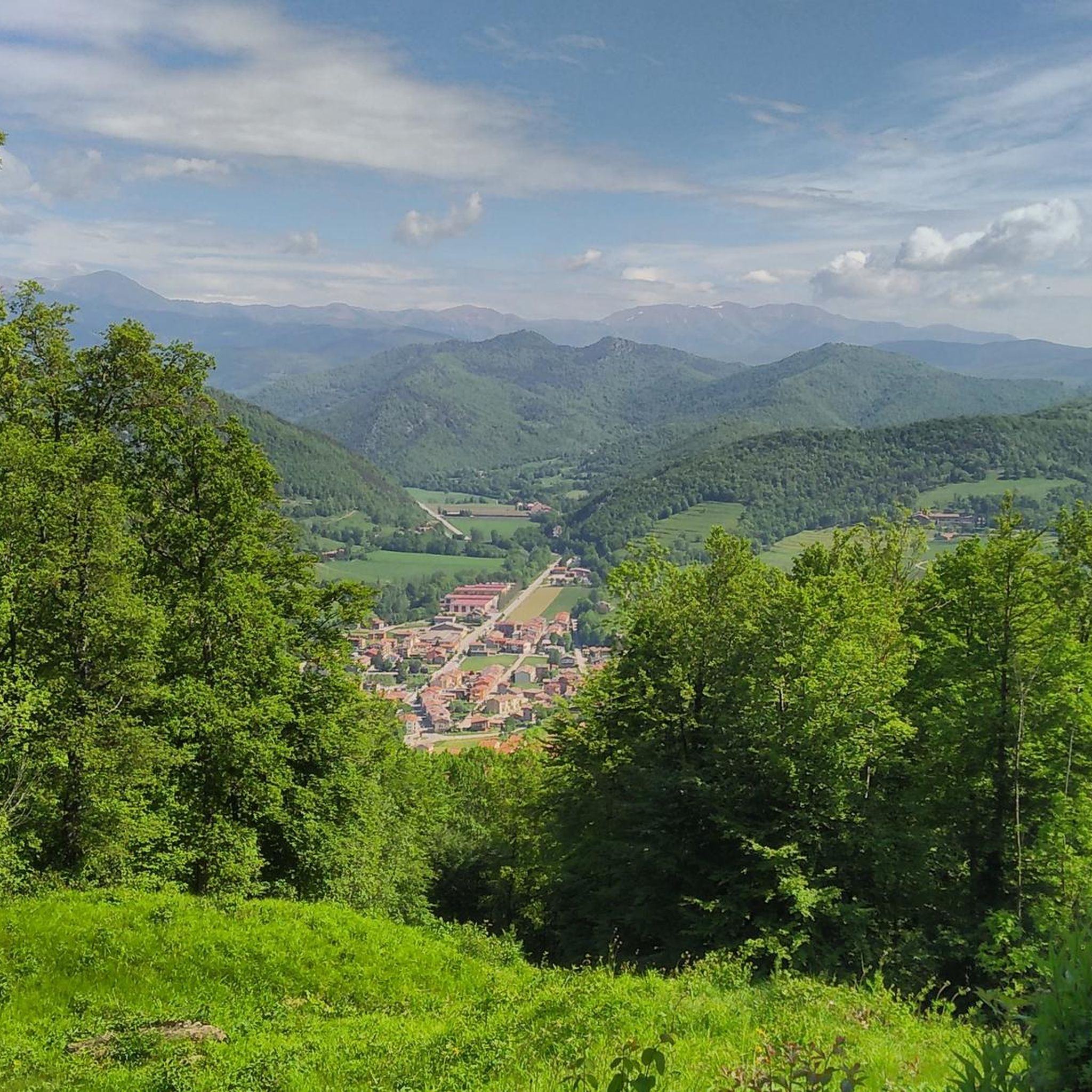
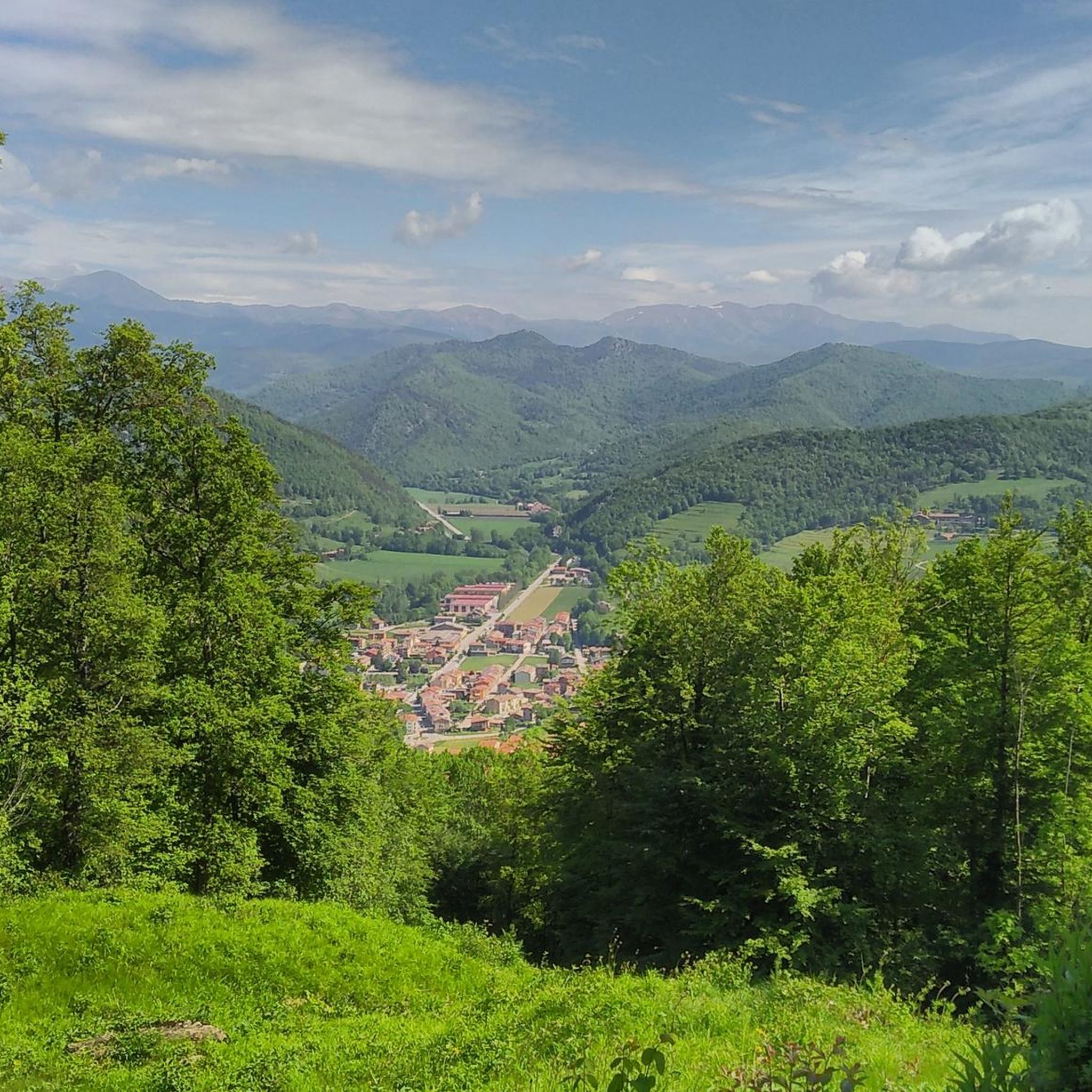
Neighboring mountain of Puigsacalm with a very characteristic shape that makes it attractive to climb. The views from the top, like those of Puigscalam, are a perfect viewpoint of the Garrotxa Volcanic Zone Natural Park.
0
0
Emblematic peak of 1514m located in the municipality of Vall d'en Bas. As the highest point of the Serralada Transversal, it is a perfect vantage point of the Garrotxa Volcanic Zone Natural Park. It is included in the list of the 100 summits of the FEEC.
0
0

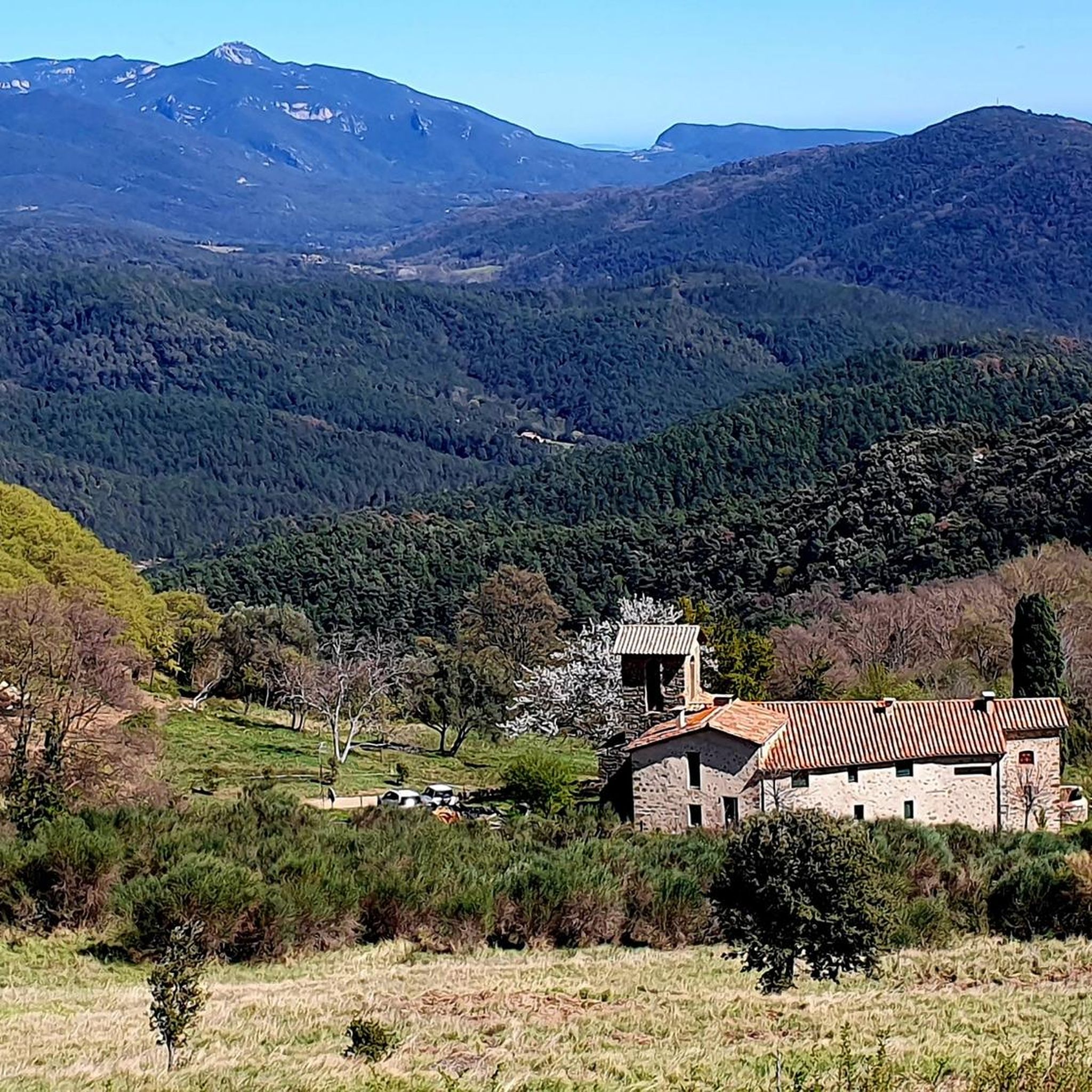
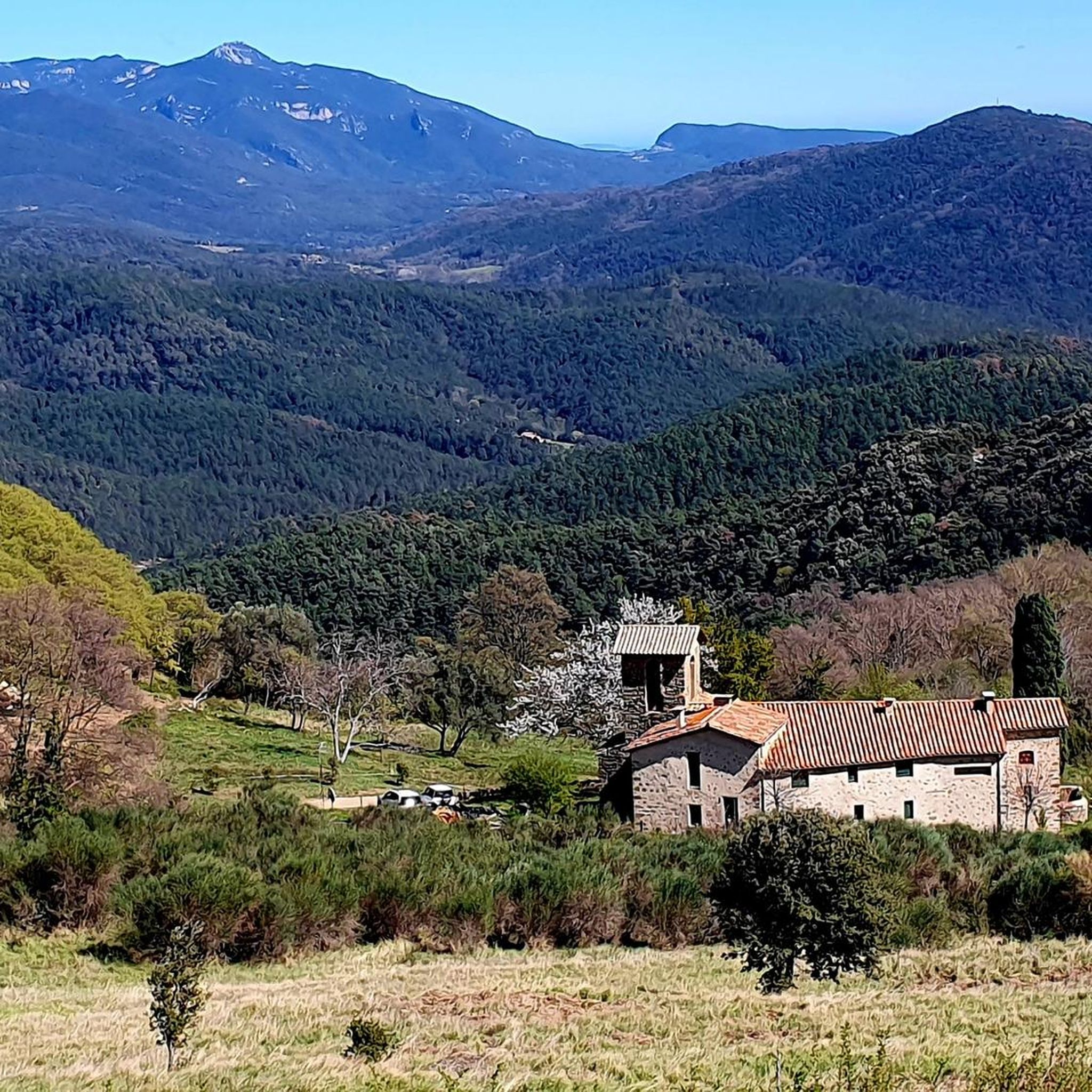
It is a building dating from the twelfth or early thirteenth century, although it probably existed before an earlier church. The word Prunarias appears in a document from the year 966 as belonging to Sant Pere de Camprodon. The building is mentioned again in 1017. It seems that from shortly after 966 it belonged to the priory of Santa Maria del Coll de Panissars, a situation that must have been maintained until the beginning of the 17th century. In 1617 the church was joined to that of Sant Llorenç d'Oix. In 1661 there were 3 altars: the one of Santa Bàrbara, the one of Santa Caterina and the one of Sant Bartomeu. The church was damaged during the Civil War of 1936-39. The whole complex was completely restored between 1972-1979 by the Friends of Alta Garrotxa. Inside, different artistic pieces were kept, such as a tombstone representing the burial of a lady from the castle of Bestracà, which was damaged during the riots of 1936. Some of the fragments were deposited in the Museum of Olot by Dr. Joaquim Danès. Until the end of the 19th century, a Romanesque carving was venerated there, today deposited in the Museu d'Art de Catalunya, from the Plandiura collection. The fragments of an altarpiece representing the life of the saint are kept in the Parish Museum of Olot. From 1972 to 1981, restoration work was carried out, which meant that the building built on the nave during the 17th and 18th centuries was abandoned, as well as the one that turned the old belfry into a tower, rebuilt after a lightning strike. destroyed it in September 1978.
0
1

Spectacular views, from where you can see the peaks of the Pyrenees and the province of Barcelona
2
1
The Puigsacalm is a mountain of 1,515 meters that is located in the municipality of Vall d'en Bas in la Garrotxa. It is the highest point of the Serralada Transversal, an emblematic mountain in the hiking world, with excellent views of the peaks and mountains of the Principality. This peak is included in the list of the 100 peaks of the F.E.E.C. and also to that of the 100 most emblematic peaks of Catalonia. If the most used route to climb it is from the Collada de Bracons, we can design a handful of itineraries which one is better.
2
1
The Puig dels Llops is one of the highlights of the Puigsacalm massif. With an altitude of 1,486 meters, it offers a magnificent view of the Garrotxa region, the Pyrenees and the Puigsacalm peak. Its northern ridge is a comfortable and steady climb that presents no difficulty and is within reach of any hiker. However, due to its S and E slopes, it offers a test field for climbers despite the poor quality of the rock.
0
1
Frequently Asked Questions
What are some of the most notable mountain peaks in La Vall de Bianya?
La Vall de Bianya and its surroundings offer several remarkable peaks. Among them, Puigsacalm stands out as the highest point of the Serralada Transversal, offering excellent views. Other significant peaks include Puig Ou, known for its elevation, and Sant Miquel del Mont, which features a Romanesque church at its summit and provides magnificent views towards the Pyrenees. Wolf Peak is also a popular summit with a characteristic shape and great views of the Garrotxa Volcanic Zone Natural Park.
Which peaks offer the best panoramic views in the region?
For breathtaking panoramic views, consider visiting Puigsacalm, which provides superb vistas of the surrounding mountains and the Principality. The summit of Sant Miquel del Mont is another excellent viewpoint, especially for seeing L'Alta Garrotxa and the Pyrenees. Additionally, the Hermitage of Sant Antoni offers a 360º panoramic view of the surrounding villages and mountains, while Wolf Peak provides a perfect viewpoint of the Garrotxa Volcanic Zone Natural Park.
Are there any historical or cultural sites on or near the mountain peaks?
Yes, the region beautifully blends natural exploration with cultural discovery. Sant Miquel del Mont is crowned by a Romanesque church, offering both historical interest and stunning views. The Hermitage of Sant Antoni, dating back to 1702, is another significant religious building located on a peak. Furthermore, Santa Bàrbara de Pruneres is a well-restored Romanesque hermitage from the 12th or 13th century, situated on a peak with great views of the Alta Garrotxa.
What natural features can I expect to see when visiting the peaks?
The peaks around La Vall de Bianya are set within a landscape of lush forests, including ancient oak woods like La Torre de Sant Pere. The area is partly within the Garrotxa Volcanic Zone Natural Park, meaning you might encounter volcanic features, such as the Montsacopa Volcano, which offers an all-round view of its crater and the city of Olot. Many peaks also feature unique rock formations and characteristic shapes, like Wolf Peak.
What are the difficulty levels for hiking the peaks around La Vall de Bianya?
Hiking difficulty varies across the peaks. While some, like Puig Ou, suggest a challenging ascent due to their elevation, others offer more moderate options. Puigsacalm is considered an emblematic mountain for serious hikers, though some routes can be relatively easy. Peaks like Wolf Peak offer comfortable and steady climbs on their northern ridge, suitable for most hikers, while other slopes can be challenging for climbers.
Are there family-friendly mountain walks in La Vall de Bianya?
While specific 'family-friendly' designations for individual peaks are not always explicit, many trails in the region are suitable for families. The circular hiking route to Sant Miquel del Mont, passing through ancient oak woods, can be a rewarding experience for families. When planning, look for routes described as 'easy' or 'moderate' and consider the elevation gain and distance to ensure it matches your family's capabilities.
What is the best time of year to hike the peaks around La Vall de Bianya?
The Garrotxa region, including La Vall de Bianya, is beautiful year-round. Spring and autumn generally offer the most pleasant hiking conditions with mild temperatures and vibrant natural colors. Summer can be warm, so early morning or late afternoon hikes are recommended. Winter hiking is possible, especially at lower elevations, but higher peaks might require appropriate gear for colder conditions.
What other outdoor activities can I do near the mountain peaks?
Beyond hiking, La Vall de Bianya offers a variety of outdoor activities. You can explore numerous cycling routes, including mountain biking, gravel biking, and road cycling. For mountain biking, consider routes like the 'Mariner Canal Aqueduct loop' or the 'Sant Martí del Clot Church – Via Romana Capsacosta loop' found in the MTB Trails around La Vall De Bianya guide. Gravel biking options include the 'Gravel tour from Olot through the Garrotxa natural park' from the Gravel biking around La Vall De Bianya guide. Road cyclists can find challenging routes like the 'Heart of the Alta Garrotxa - Oix & Beget & Coll d'Ares Tour' in the Road Cycling Routes around La Vall De Bianya guide.
Are there circular hiking routes available around the peaks?
Yes, circular hiking routes are available. For instance, a circular route is mentioned for Sant Miquel del Mont, which takes you through ancient oak woods, including the spectacular La Torre de Sant Pere oakwood, and features a spring, La Font de la Torre, before the final climb to the summit.
What do visitors particularly enjoy about the peaks in La Vall de Bianya?
Visitors frequently highlight the spectacular 360º views from summits like Puigsacalm, perfect for watching sunrises and sunsets. The unique characteristic shapes of peaks, such as Wolf Peak, also attract hikers. The blend of natural beauty with historical elements, like the Romanesque hermitages and churches found on many peaks, is also highly appreciated. The opportunity to explore the Garrotxa Volcanic Zone Natural Park from various viewpoints is another draw.
Is parking available for hikers near the peaks?
Parking availability can vary by specific peak and starting point. For some locations, like Santa Bàrbara de Pruneres, it's possible to drive up, even with an all-terrain vehicle, or park further down and hike. It's always advisable to check specific trailheads or local information for designated parking areas before your visit.
Most popular routes around La Vall De Bianya
Most popular attractions around La Vall De Bianya

Get inspired with the komoot mobile app


Explore more
See even more amazing summits around La Vall De Bianya with these guides:
