Attractions and Places To See around Artesa De Segre - Top 20
Best attractions and places to see around Artesa De Segre offer a blend of historical sites and natural landscapes. Situated in the Pre-Pyrenees and the Segre river valley, the region features diverse terrain from plains to mountain ranges. This area is known for its historical landmarks, including ancient castles and towers, alongside significant natural formations.
Best attractions and places to see around Artesa De Segre
- The most popular attractions is Cova del Tabac, a cave formed by karst phenomena…
Last updated: May 9, 2026
Cova del Tabac
Highlight • Cave
The cave was formed by …
Translated by Google •
Tip by

Pilar de Almenara Tower
Highlight • Monument
It is a round tower from the 11th-12th centuries that served as defense and surveillance
Some stairs allow climbing to the top of the pillar …
Translated by Google •
Tip by
Sign up now to discover places like this
Get recommendations on the best single tracks, peaks, & plenty of other exciting outdoor places.
Sign up for free
Coll de Comiols
Highlight • Mountain Pass
Translated by Google •
Tip by

Sant Jordi Hermitage
Highlight • Religious Site
Translated by Google •
Tip by
Ruins of San Vicente de Almenara
Highlight • Historical Site
Translated by Google •
Tip by
Sign up for free to discover even more attractions around Artesa De Segre.
Sign up for free
Already have an account?
Start today with a free account
Your next adventure awaits.
Login or Signup

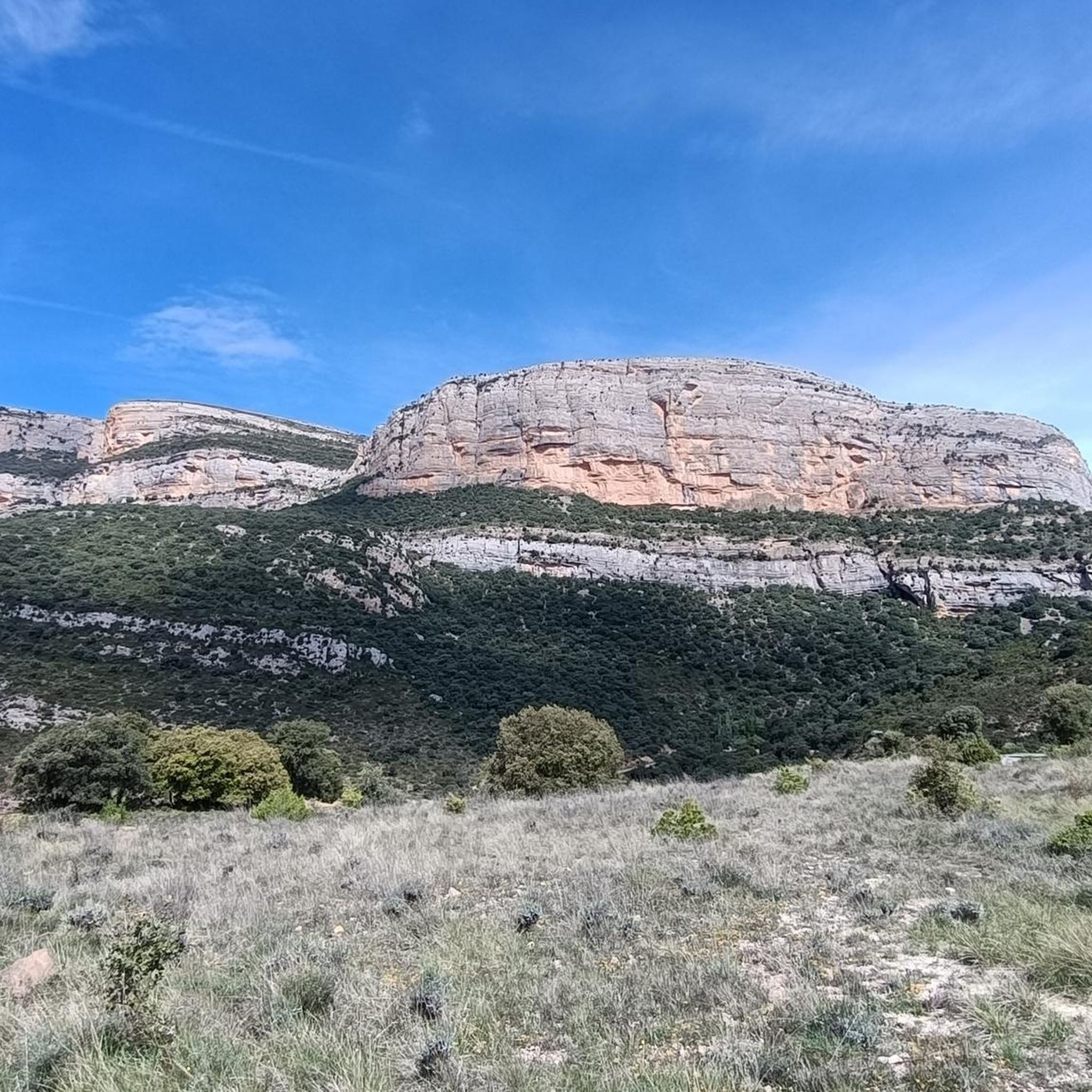
Tips from the Community

Has a room for overnight stay or as shelter in case of sudden bad weather
0
0

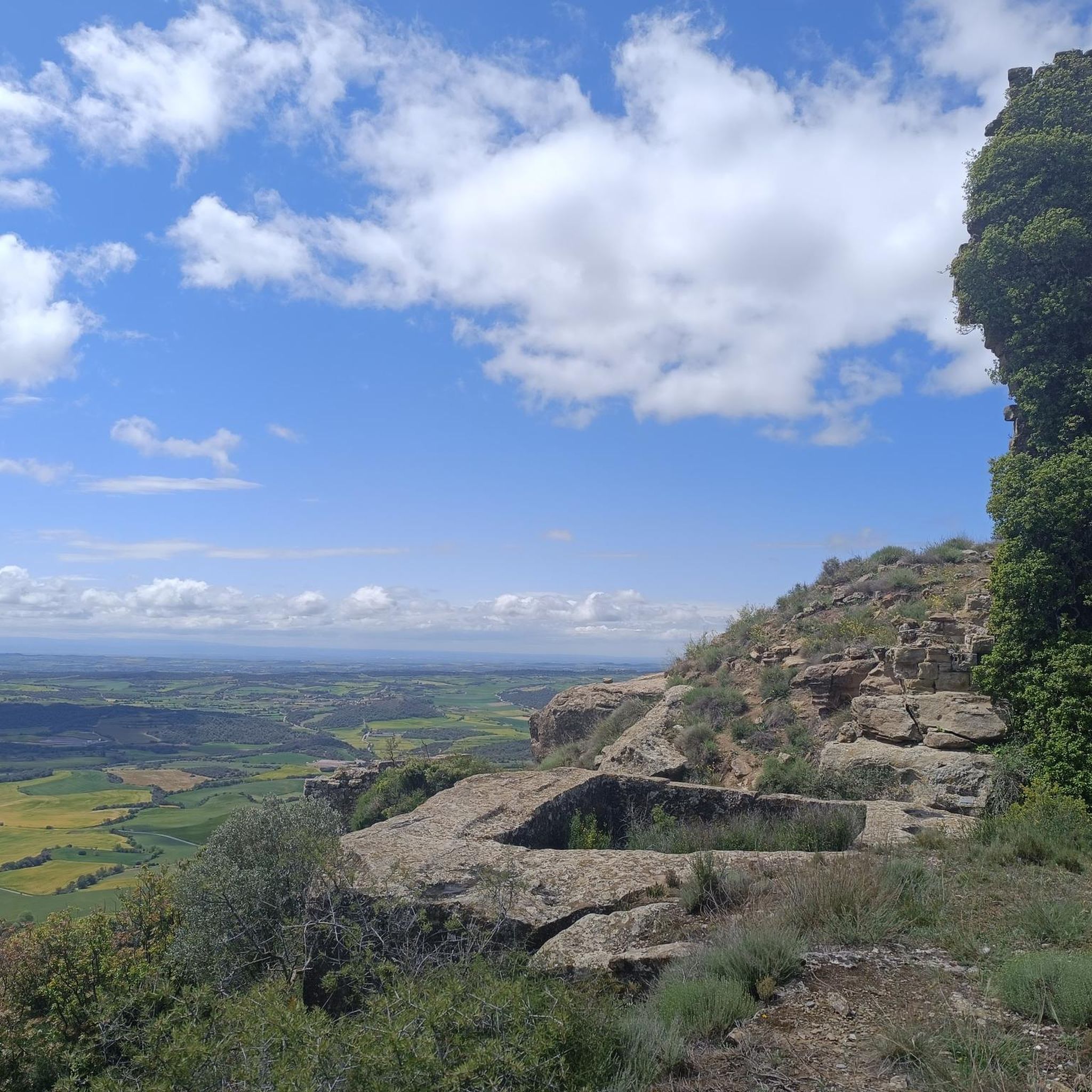
The Ruins of San Vicente de Almenara are located in the municipality of Agramunt. This historic site is known for its remains of an ancient Romanesque church dating back to the 11th century. The ruins are located in a picturesque natural setting, ideal for hiking and mountain biking enthusiasts.
5
0
The Pilar de Almenara is a medieval defensive tower located at the top of the Sierra de Almenara, near Agramunt, in the Urgell region of Catalonia. This tower, dating from the 11th and 12th centuries, is 14 meters high and offers stunning panoramic views of the Urgell plain. The tower was used for surveillance and defense against Saracen raids and is similar to other Christian defensive towers in the region. From the top, on clear days, you can see as far as the Seu Vella de Lleida.
8
0

Next to the Coll d'Ares, it is the most iconic port in the Montsec mountain range and the Lleida Pre-Pyrenees. The views from above, either towards the Pyrenees and the Isona and Tremp valley, as well as the Plana de Lleida, are magnificent. It is a port with 4 aspects, each one different: - The southern slope, which begins in Artesa de Segre, is almost 24 km long and runs along a road with a lot of traffic, very wide and with long straights. After passing the town of Folquer, you face the hardest section of the climb, now with continuous curves and horseshoes, although with a road that is still very wide. The best are the views of the Lleida plain. It is not a side that I like since it is very stinky. - The southeast slope, the one that begins in Pons, is longer than the previous one, with 29 km. It has 2 rest sections, with some descent, and the road is narrow and twisty. There are good views along the climb. This slope joins the southern slope that comes from Artesa de Segre at the height of Folquer, where the hardest 7 km remain until reaching the top of the pass. - The main northern slope begins in Tremp and is 28.2 km. It is similar to the Artesa de Segre slope, with a similar gradient and a wide, busy road with a progressive slope, although it is true that there are no kilometers that reach 7%. I don't like. - The northwest slope, which also begins in Tremp, takes the old road that goes up through the town of Sant Salvador de Toló. It is a climb without traffic, on an irregular asphalt road, one of the old ones, which is grippy and difficult to roll, but in good condition. If you plan to go up to Comiols on the northern slope, you have to do it here and forget about the slope that runs along the main road.
0
0

There are different ways to climb but they are the best views of the region
0
0

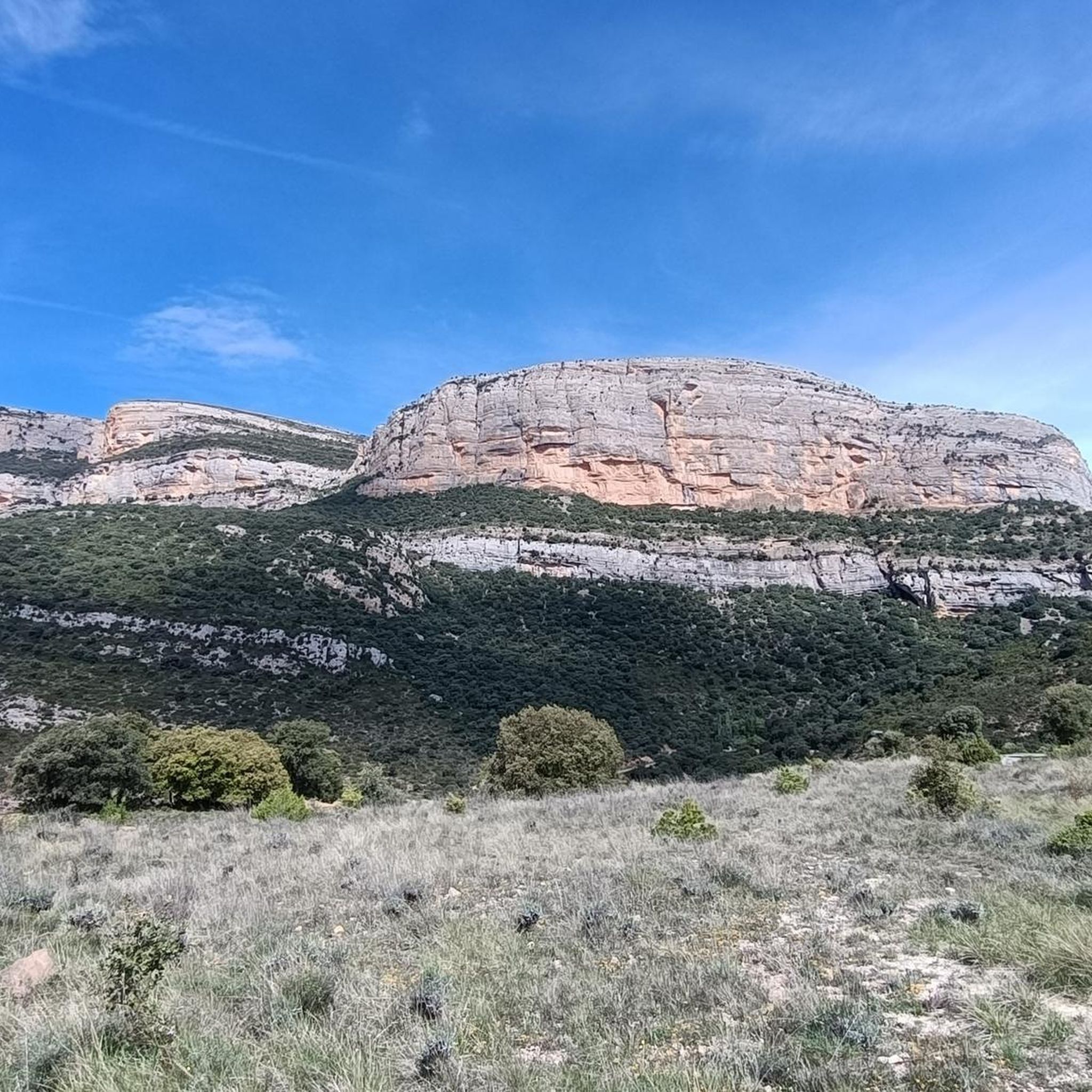
The Coll de Comiols is a hill located at 1101 meters high. It acts as the border of several municipalities in the Pallars Jussà region. It offers magnificent views of the surrounding mountains and the Cuenca de Tremp.
0
0

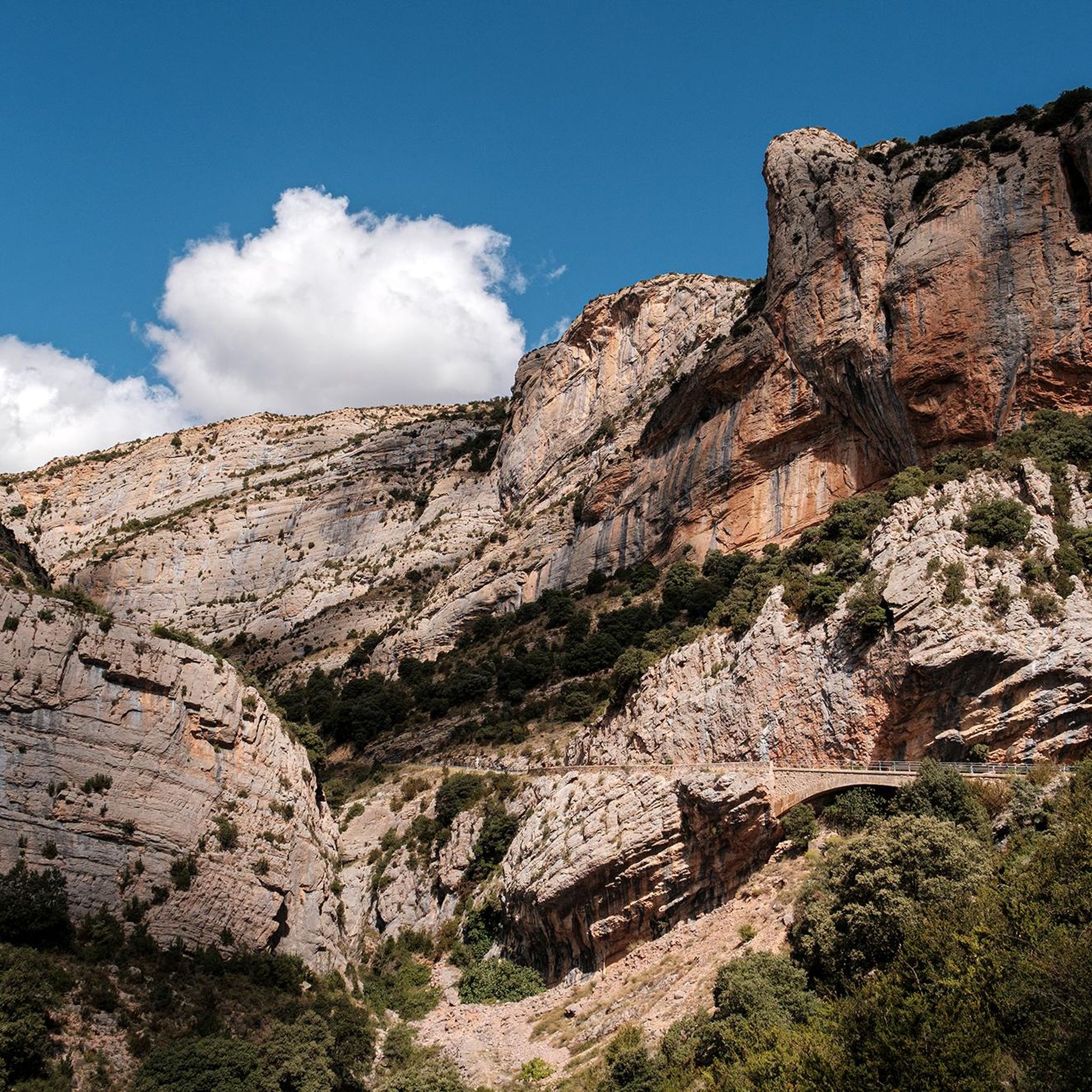
With magnificent views of Camarasa and the Segre River, at this point we will find the Cova del Tabac, a monumental cave where we will find ancient cave paintings damaged by acts of vandalism. The cave was formed by karst phenomena, meaning that water infiltrated through the stone over millions of years. As a curiosity, we know that the name Cova del Tabac comes from the powder that centuries ago was extracted from it to mix with tobacco.
1
0
Cultural Asset of National Interest It is a round tower from the 11th-12th centuries that served as defense and surveillance Some stairs allow climbing to the top of the pillar from where you can see a magnificent landscape. This tower has a height of 14 meters. It is a geographical reference point for the region, and from where you can see a magnificent view of the Urgell plain, even on a clear day you can see the Seu Vella de Lleida. Near the tower are the ruins of the Romanesque hermitage of Sant Vicenç.
2
0
Frequently Asked Questions
What historical landmarks can I explore in Artesa de Segre?
Artesa de Segre is rich in history. You can visit the remains of the Andalusian castle and circular tower at El Castellot, which also offers excellent views. Don't miss the 16th-century Plateresque-style building La Granja, or the 11th-12th century Pilar de Almenara Tower, which provides magnificent panoramic views. The municipality also features several other castles and their remains, such as Castell de Comiols and Castell i Església de Sant Miquel de Montmagastre, designated as Cultural Assets of National Interest.
Are there any natural attractions or viewpoints in the area?
Yes, the region offers stunning natural beauty and viewpoints. The Cova del Tabac is a monumental cave with ancient cave paintings and offers magnificent views of Camarasa and the Segre River. You can also enjoy panoramic vistas from the Pilar de Almenara Tower, which overlooks the Urgell plain. The Coll de Comiols mountain pass also provides great views of the surrounding Pre-Pyrenean ranges.
What cultural sites are available to visit in Artesa de Segre?
For cultural insights, explore the Museu del Montsec, located in a 1560 building, which houses an extensive collection of archaeological findings. The Paleontological and Archaeological Museum of Baldomar displays prehistoric materials, including dinosaur remains. Additionally, the Espai Transmissor del Túmul in Seró exhibits 5,000-year-old funerary steles. The arcaded Plaça Major in Artesa de Segre is also a central point reflecting local history.
What outdoor activities can I do near Artesa de Segre?
The region is ideal for various outdoor activities. The nearby Montsec mountain range is perfect for hiking and climbing. You can find numerous routes for road cycling, touring cycling, and gravel biking. For example, there are challenging gravel biking routes like the 'Abandoned Village of Claret – Wooden Bridge loop from Ponts' or moderate road cycling routes such as 'Alòs de Balaguer Spring – Plaza Mayor Artesa de Segre loop from Foradada'. You can explore more options on the dedicated guides for Road Cycling, Cycling, and Gravel Biking around Artesa de Segre.
Are there any family-friendly attractions in Artesa de Segre?
Families can enjoy exploring the historical sites and natural features. The Paleontological and Archaeological Museum of Baldomar, with its dinosaur remains and fossilized eggs, can be particularly engaging for children. Gentle walks along the Segre River or visiting the Old Public Laundries offer a glimpse into local life and history in a relaxed setting.
Where can I find ancient art or archaeological discoveries?
You can discover ancient art and archaeological finds at several locations. The Cova del Tabac features ancient cave paintings. The Museu del Montsec houses an extensive collection of archaeological findings from the municipal area. Additionally, the Espai Transmissor del Túmul in Seró showcases seven funerary steles, approximately 5,000 years old.
What is the best time to visit Artesa de Segre for outdoor activities?
Artesa de Segre, situated in the Pre-Pyrenees, offers a pleasant climate for outdoor activities, especially during spring and autumn when temperatures are mild. Summer can be warm, but the higher elevations in the Montsec mountain range provide cooler conditions for hiking and climbing. Winter offers a different charm, though some higher routes might be less accessible.
Can I see Romanesque architecture in the region?
Yes, the region has several examples of Romanesque architecture. Near the Pilar de Almenara Tower, you can find the ruins of the Romanesque hermitage of Sant Vicenç, also known as Ruins of San Vicente de Almenara. The Romanesque Church of Sant Serni de Vall-llebrerola, dating back to the 11th century, is another notable site.
Are there any unique or 'hidden gem' attractions?
Beyond the main highlights, consider visiting the Medieval Tombs of Montargull on the Les Pletes estate for a unique historical experience. The Fàbrica del Pont d'Alentorn, a factory colony built in 1906, offers a glimpse into industrial heritage. Also, the two Churches of Sant Salvador d'Alentorn, one within the village and another in a nearby cave, provide an interesting exploration.
What are the most popular viewpoints in Artesa de Segre?
The most popular viewpoints include the summit of Pilar de Almenara Tower, offering extensive views of the Urgell plain. From El Castellot, you can also enjoy excellent views of the area. The Sant Jordi Hermitage provides good views of Camarasa and the Segre River, as does the Cova del Tabac.
What is the significance of the Segre River in the region?
The Segre River flows through Artesa de Segre and is a central natural feature. It offers opportunities for activities like fishing and canoeing, contributing to the tranquil natural environment of the municipality. Many viewpoints, such as those from Cova del Tabac and Sant Jordi Hermitage, offer picturesque views of the river.
Are there any ancient settlements to explore?
Yes, you can explore the remains of the Iberian settlement of Antona, located in Vernet. This provides a fascinating look into the ancient history of the region.
Most popular routes around Artesa De Segre
Most popular attractions around Artesa De Segre

Get inspired with the komoot mobile app


Explore more
Still not found the Highlight you’re looking for? See guides of the top attractions in other regions:
