Attractions and Places To See around Chucena - Top 10
Attractions and places to see around Chucena, a municipality in Huelva, Andalusia, offer a blend of historical sites, cultural traditions, and natural beauty. The town is surrounded by agricultural fields, vineyards, and olive groves, with areas of holm oaks and cork oaks. Its history includes Roman and Arab influences, contributing to its unique character. The region is known for its quality wines and olive oils.
Best attractions and places to see around Chucena
- The most popular attractions is Church of…
Last updated: May 11, 2026
Church of Saint Bartholomew
Highlight • Religious Site
Translated by Google •
Tip by

Church of Our Lady of the Purification
Highlight • Religious Site
Translated by Google •
Tip by
Sign up now to discover places like this
Get recommendations on the best single tracks, peaks, & plenty of other exciting outdoor places.
Sign up for free
Church of Santiago el Mayor of Hinojos
Highlight • Religious Site
Translated by Google •
Tip by

El Arrayán Cycle Touring Path
Highlight • Cycleway
Translated by Google •
Tip by

José Suárez Cuesta Municipal Park, Pilas
Highlight • Natural
Translated by Google •
Tip by
Sign up for free to discover even more attractions around Chucena.
Sign up for free
Already have an account?
Start today with a free account
Your next adventure awaits.
Login or Signup



Tips from the Community

The Parish Church of Santa María de la Purificación, due to its volumetric force and its location in an elevated part of the town, becomes the most representative architectural landmark. Despite being initially located away from the urban center, it is a remarkable example of a Sevillian church, in which the Mudejar and Baroque styles converge, following a very characteristic approach to 18th-century construction practice in the area. Built according to Mudejar principles in its original construction, which appears to date from the 15th century, it would later be practically rebuilt after the damage caused by the 1755 earthquake, conforming to the Baroque guidelines prevailing in the second half of the 17th century. A reconstruction in which Pedro de Silva, Antonio Matías de Figueroa, and José Álvarez participated. Among them, Antonio Matías de Figueroa stands out for the significance of his intervention in the complex. His work on the Manzanilla church can therefore be considered one of the last examples of this family's distinctive style—the so-called triumphal baroque—and one of the first signs of the change of direction demanded by the changing times, in their preference for the primacy of Rococo lines over Baroque masses. The appearance of neoclassical elements (the Gospel nave portal), derived from the presence of José Alvarez (1782–1783) as director of the works, also speaks to the formal evolution of the style toward the last quarter of the century. Finally, the tower (1760-1779) stands out, attributed to Lucas Cintora and Francisco Díaz Pinto, and one of the most beautiful examples in the province. It perfectly fits one of the two characteristic typologies of 18th-century Andalusia, originating from the Giralda in Seville. It forms part of a unique group of towers in Huelva, along with that of the Temple of San Pedro in Huelva and that of the Church of San Juan Bautista (La Palma del Condado), all of which follow a very similar model. This building represents another example of the intense religious construction activity that characterized 18th-century Huelva architecture, motivated by a fortunate combination of economic, demographic, and natural circumstances (earthquakes), and which has come to be known as its Golden Age.
0
0

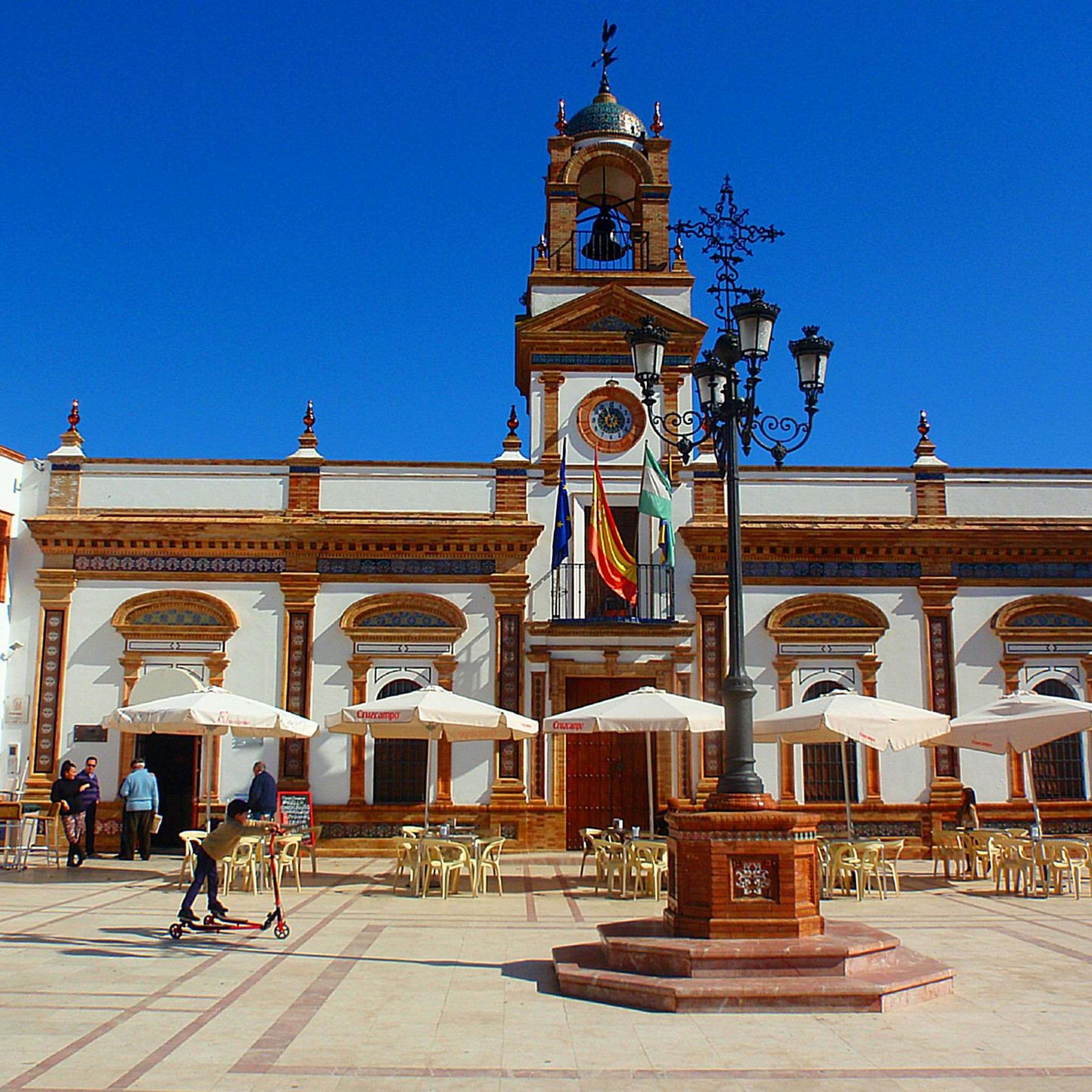
Beautiful Mudejar parish from the 15th century, there are very few in the towns of Andalusia even topped with a kind of defense tower. The tiled clock is also curious.
1
0
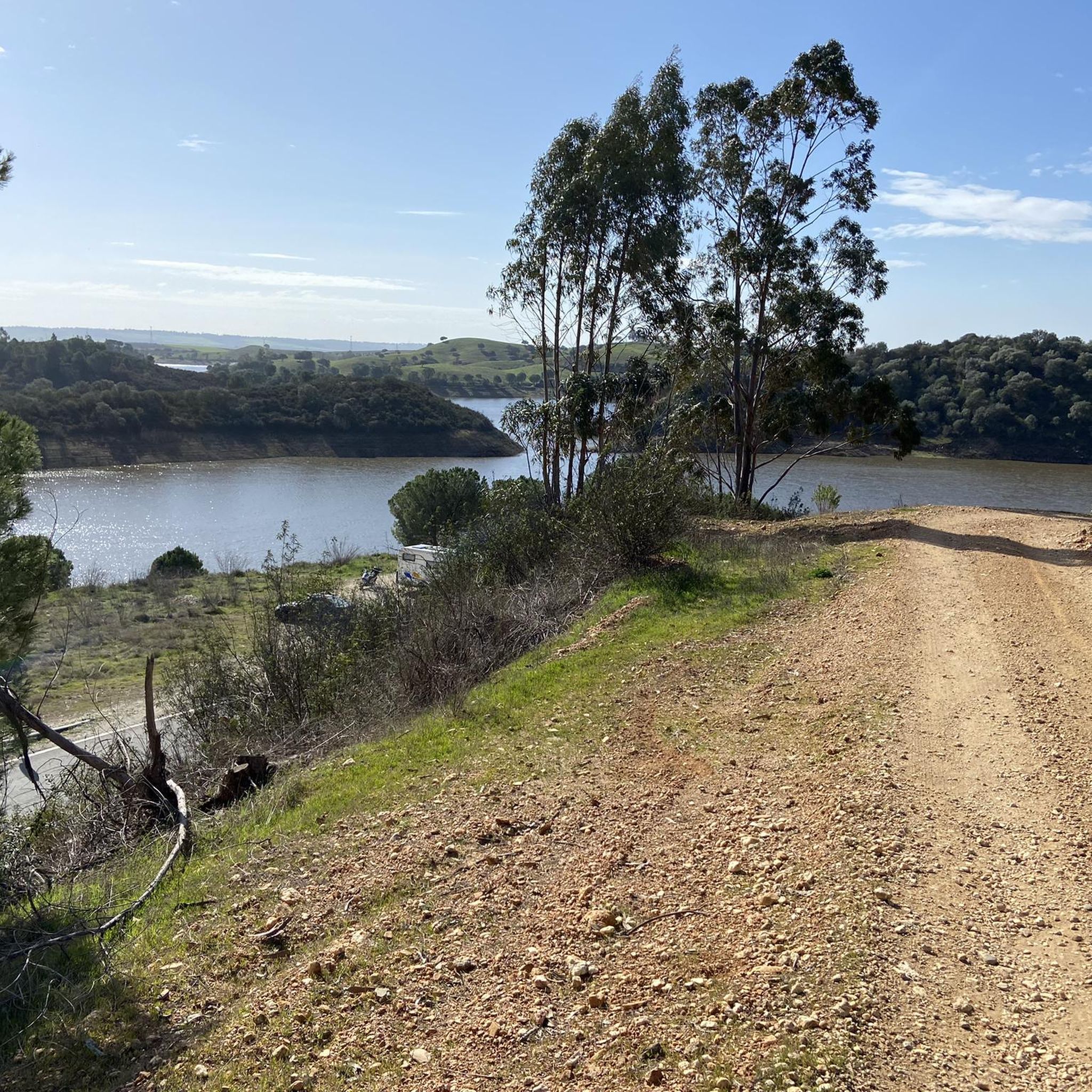
A track that is more than five kilometers long and is located in the north of the Doñana Natural Park. The route comes from the town of Hinojosos, where there are different spaces, such as El Arrayán recreational areas.
1
0
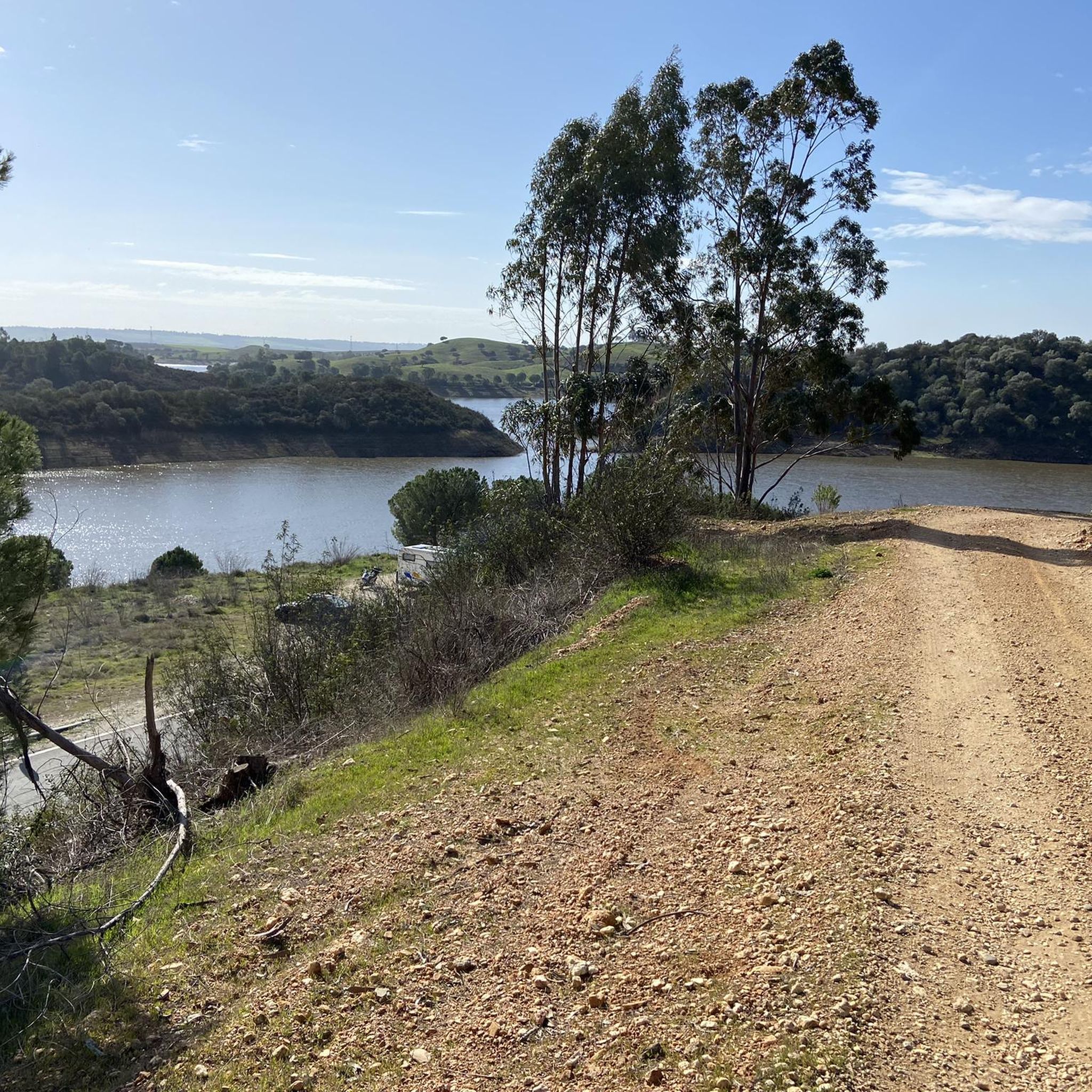
Park that is fenced around its entire perimeter and where inside, there is a green and natural space that offers tranquility and a space to be calm. Banks, water spaces and animals around!
1
0

A 5.6-kilometre-long cycle lane that connects the municipality of Hinojos, in the area of the Doñana Natural Area, with the El Arrayán Recreation Center. The lane has a gravel base and a concrete surface.
0
0
It is located in the Plaza de España, next to the Town Hall. It is a magnificent example of what the Sevillian Mudejar was like in the 15th century and one of the few vestiges of what these buildings were like on the Andalusian plains before the Lisbon earthquake. It houses a rich artistic heritage inside.
1
0
It is a church registered in an old Almohad fortress that was declared an Asset of Cultural Interest in 1931. It is undoubtedly the most outstanding monument in Villalba del Alcor.
1
0
A Church incomparable with none in the province and full of history. Its Mudejar style stands out, since in the 13th century it was formerly a fortress of the Taifa de Niebla Kingdom.
1
0
Frequently Asked Questions
What historical sites can I explore in and around Chucena?
Chucena boasts a rich history with several notable sites. You can visit the Church of Saint Bartholomew, originally an Almohad fortress, or the Church of Our Lady of the Purification, known for its beautiful tower and Mudejar and Baroque styles. Another significant historical religious building is the Church of Santiago el Mayor of Hinojos, a prime example of 15th-century Sevillian Mudejar architecture. The town's history is also reflected in the 13th-century Ermita de la Divina Pastora y San Isidro Labrador and the ancient Cruz Chiquita monument.
Are there any family-friendly attractions in the Chucena area?
Yes, Chucena offers several family-friendly attractions. The Church of Saint Bartholomew is a fascinating historical site for all ages. For outdoor activities, the El Arrayán Cycle Path, Doñana Natural Park provides a well-maintained, shaded route perfect for family bike rides. Additionally, spotting The Osbourne Ox, an iconic silhouette visible from the old Camino de Sevilla, can be a fun landmark to look out for with children.
What kind of natural landscapes can I expect to see around Chucena?
Chucena is surrounded by a picturesque agricultural landscape. You'll find extensive fields of cereals, vineyards, and olive groves, interspersed with areas of holm oaks and cork oaks. This natural setting contributes to the region's production of quality wines and olive oils. The El Arrayán Cycle Path, near Doñana Natural Park, offers a chance to experience a forested environment with beautiful conifers providing shade.
What outdoor activities are available near Chucena's attractions?
The area around Chucena is excellent for various outdoor activities. You can enjoy cycling on routes like the 'Hinojos and El Arrayán Cycle Path Loop' or explore gravel biking trails such as the 'Gravel loop from Hinojos'. For runners, there are several jogging routes, including loops from Bollullos Par del Condado and Villalba del Alcor. You can find more details on these activities in the Cycling around Chucena, Gravel biking around Chucena, and Running Trails around Chucena guides.
Are there any cycling paths suitable for touring cyclists near Chucena?
Yes, the El Arrayán Cycle Path, Doñana Natural Park is highly recommended for touring cyclists. This well-maintained concrete path meanders through a forest, offering ample shade and a pleasant environment. It's praised for its beautiful conifers and excellent condition, making it a five-star experience for cyclists.
What is the significance of the Iglesia de Nuestra Señora de la Estrella in Chucena?
The Iglesia de Nuestra Señora de la Estrella is a significant parish church in Chucena. Expanded in 1722, it features a Latin cross plan and houses a Baroque altarpiece by Julián Jiménez, along with an image of the Child Jesus from the school of Martínez Montañés. It is also home to the patroness of Chucena, the Virgen de la Estrella, whose procession is a notable cultural event held annually on August 15th.
Can I find traditional Andalusian architecture in Chucena?
Yes, Chucena offers glimpses of traditional Andalusian architecture. The Hacienda de Xenís, for example, features a main building in the style of a traditional Andalusian cortijo, organized around a central patio and other interior courtyards, complete with a nave and a mill tower. This provides a look into the region's historical agricultural estates.
What is the best time to visit Chucena for outdoor activities?
While specific weather data isn't provided, the region's agricultural landscape and outdoor paths suggest that spring and autumn would likely offer the most pleasant temperatures for cycling, running, and exploring historical sites. Summers can be very hot in Andalusia, so early mornings or late afternoons would be preferable during those months.
What local products or gastronomy is Chucena known for?
Chucena is particularly known for its high-quality local gastronomy, especially its wines and olive oils. The surrounding agricultural landscape, with its vineyards and olive groves, directly contributes to these regional specialties, making them a must-try for visitors.
Are there any unique historical monuments or landmarks besides churches?
Beyond its churches, Chucena has other unique historical markers. The Cruz Chiquita monument is associated with the early settlements of Chucena and Alcalá de la Alameda in the 13th century. Additionally, the now-uninhabited village of Alcalá de la Alameda, near Chucena, includes the Hacienda de la Hiniesta, which preserves the tower of an old oil mill, offering a glimpse into the area's industrial past.
What do visitors enjoy most about the attractions around Chucena?
Visitors particularly appreciate the blend of historical and natural beauty. The El Arrayán Cycle Path is often highlighted for its well-maintained condition and shaded, scenic environment. The historical churches, like the Church of Saint Bartholomew, are valued for their unique architecture and rich history, offering a deep dive into the region's past.

Get inspired with the komoot mobile app


Explore more
Still not found the Highlight you’re looking for? See guides of the top attractions in other regions:
