Attractions and Places To See around Aranda De Duero - Top 20
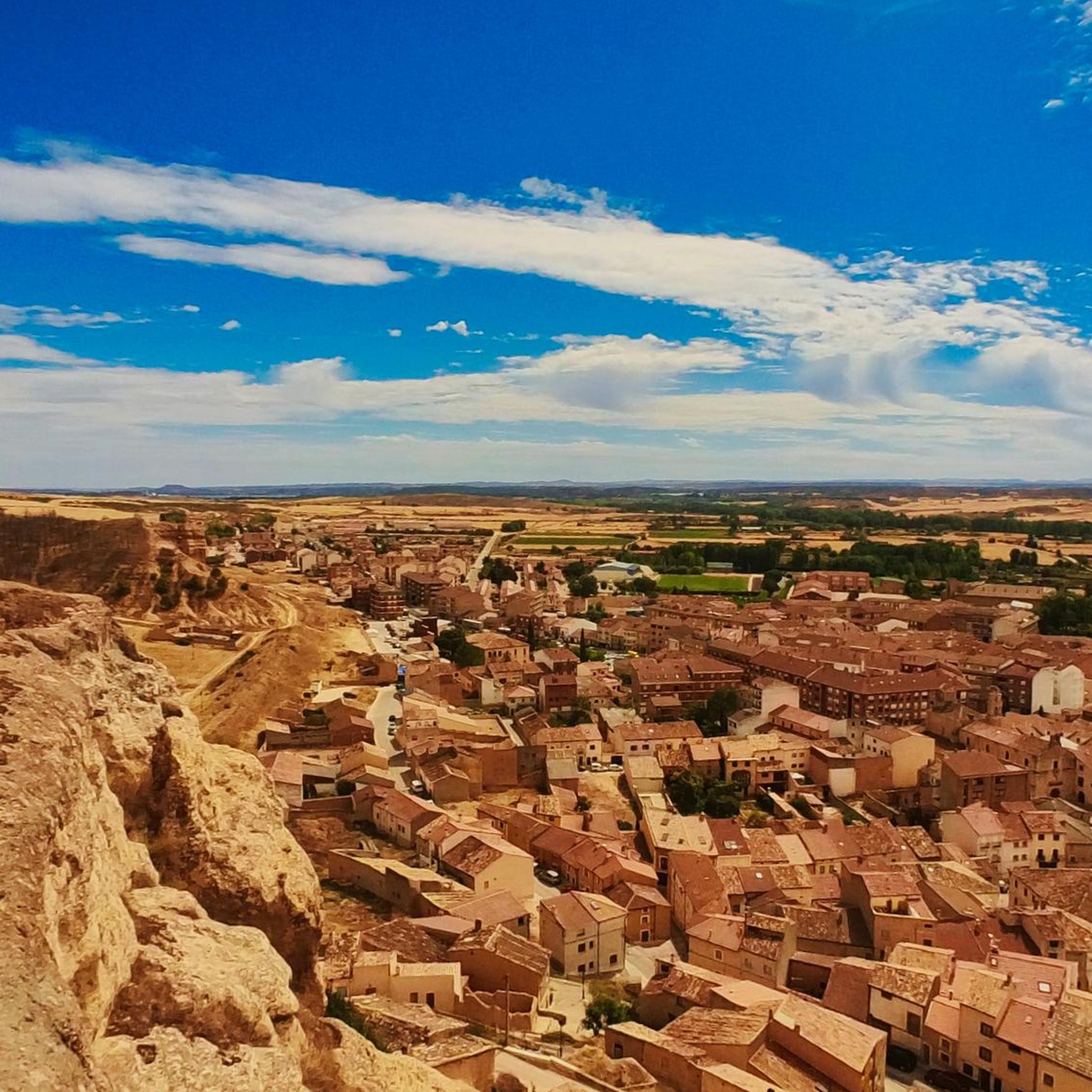
Best attractions and places to see around Aranda De Duero, a historic town in the Ribera del Duero wine region, offer a blend of historical, cultural, and natural sites. Situated at the confluence of the Duero, Bañuelos, and Arandilla rivers, the town is known for its deep-rooted wine tradition. Visitors can explore a network of underground cellars, impressive churches, and scenic riverbanks. The area provides opportunities to discover both architectural heritage and natural landscapes.
Best attractions and places to see around Aranda De Duero
- The most popular attractions is Church of Santa María la Real of Aranda de Duero, a religious building that is a prominent Gothic monument. Its main façade is a masterpiece of the 15th-century Isabelline Gothic style, richly decorated with detailed sculptures.
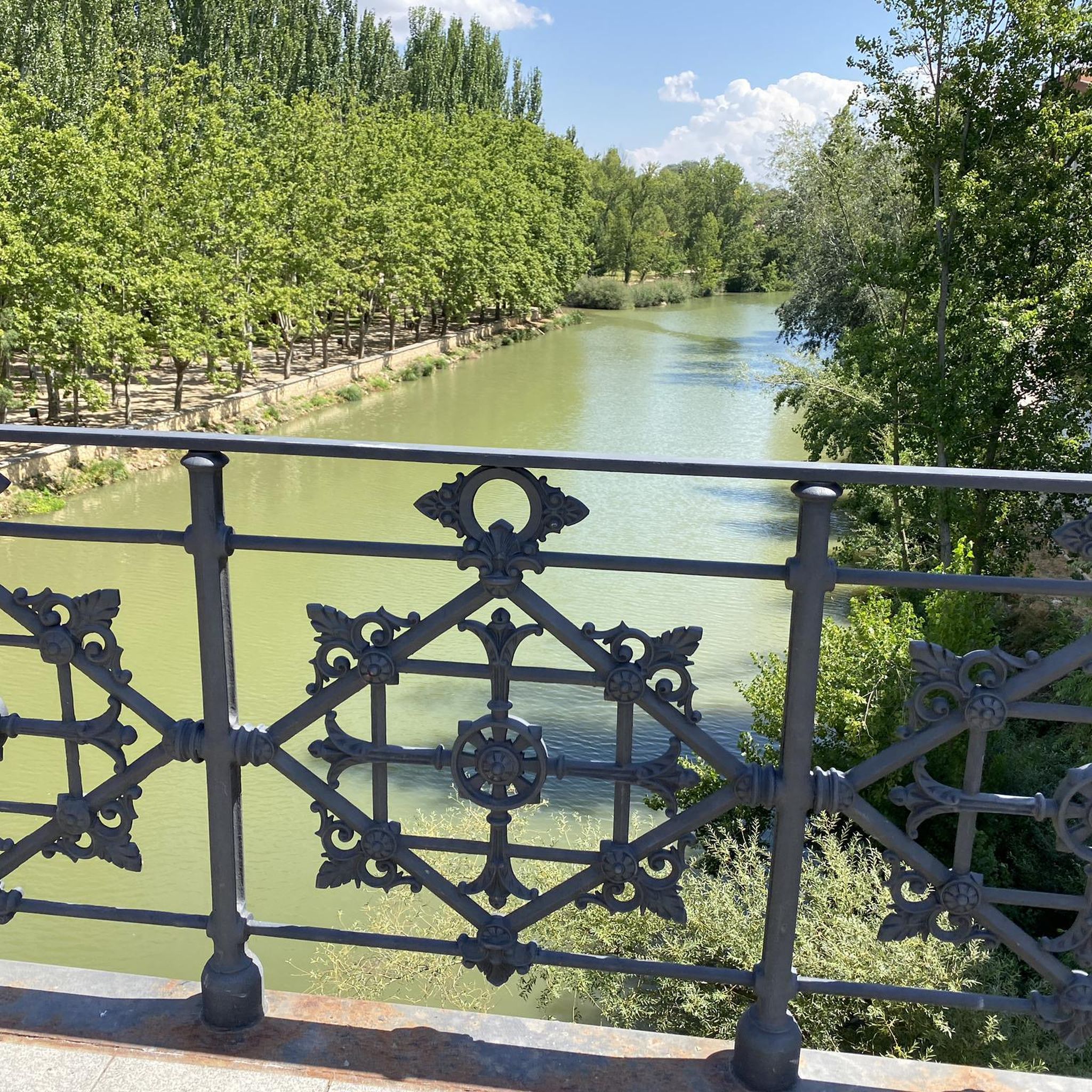
- Another must-see spot is Aranda Bridge, a medieval stone bridge over the Duero River. It connects the old town with modern areas and retains its historic essence.
- Visitors also love Monastery of Santa María de la Vid, an Augustinian monastery founded in the 12th century. This impressive building is located on the banks of the Duero and stands out for its large size.
- Aranda De Duero is known for its historical sites, religious buildings, and wine-related attractions. The region offers a variety of architectural heritage, cultural experiences, and natural landscapes to explore.
- The attractions around Aranda De Duero are appreciated by the komoot community, with 11 upvotes and 6 photos shared by visitors.
Last updated: October 5, 2026
Aranda Bridge
Highlight • Bridge
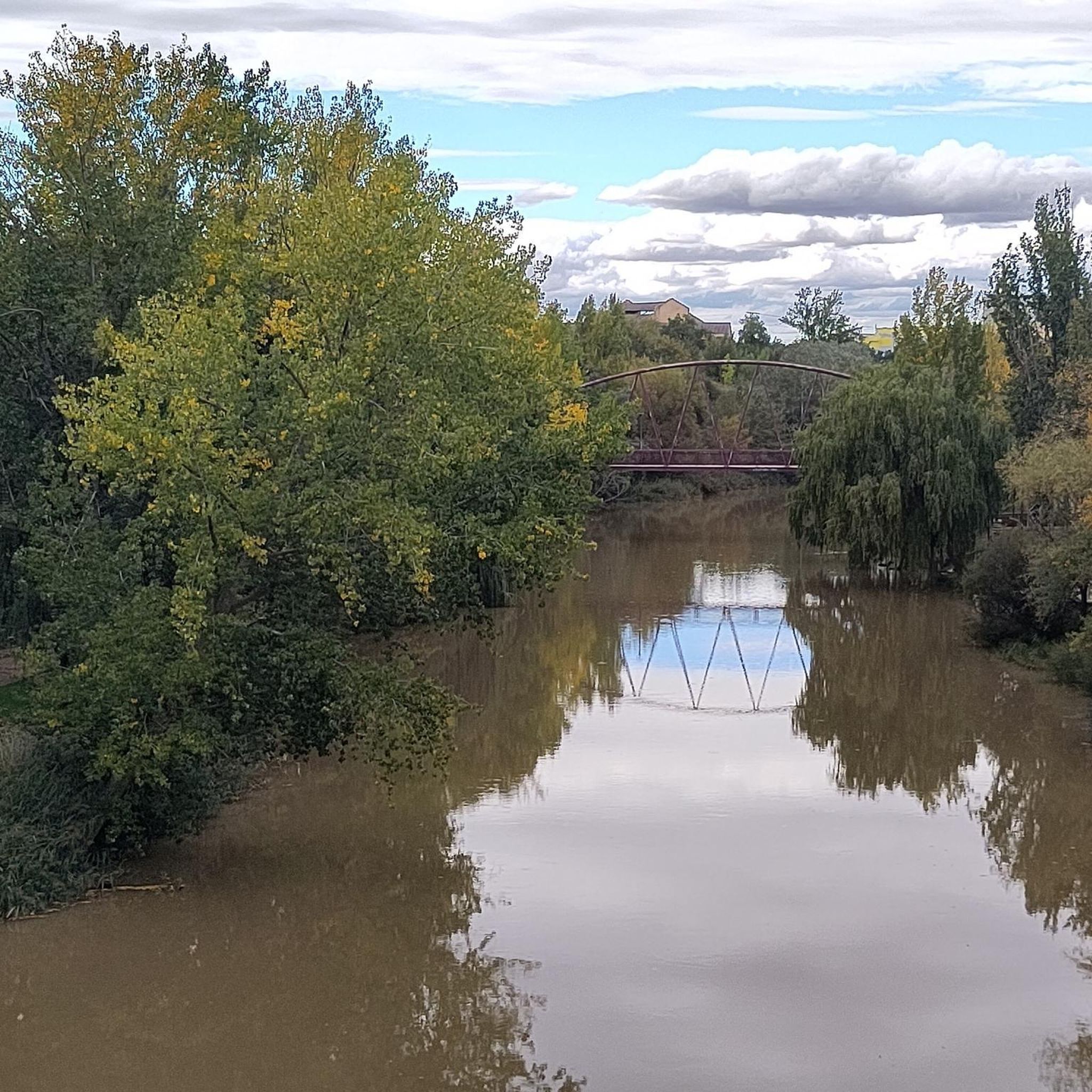
It is a symbol of the city and its heritage, connecting the old town with the modern areas. Although it has been renovated over time, it retains its historic essence.
Translated by Google •
Tip by

Church of Santa María la Real of Aranda de Duero
Highlight • Religious Site
Translated by Google •
Tip by
Sign up now to discover places like this
Get recommendations on the best single tracks, peaks, & plenty of other exciting outdoor places.
Monastery of Santa María de la Vid
Highlight • Religious Site
Translated by Google •
Tip by

Peñaranda de Duero
Highlight • Settlement
In addition to its architecture, the town is part of the Ribera del Duero Designation of Origin and has a strong winemaking tradition.
Translated by Google •
Tip by
Aranda de Duero Street Art Murals
Highlight • Monument
Translated by Google •
Tip by
Sign up for free to discover even more attractions around Aranda De Duero.
Already have an account?
Start today with a free account
Your next adventure awaits.
Popular around Aranda De Duero

Other adventures around Aranda De Duero

Tips from the Community

These large-format murals cover a wide variety of themes such as wine culture, the city's history, popular traditions, or social issues like equality and gender-based violence, combining contemporary art with local identity. Some outstanding works, such as Old to the new or Poseidón y Medusa, convey messages about the city's evolution or social denunciations, adding a reflective component to the tour. Overall, this initiative has transformed Aranda into a benchmark for urban art in the Ribera del Duero, offering a different kind of visit that can be done on foot while discovering lesser-known corners of the city.
2
0
The urban art murals of Aranda de Duero are one of the city's most curious cultural attractions, as they have turned its streets into an authentic open-air gallery. Since 2016, the so-called Mural Route has been developed, a tour with more than 20 works spread across different neighborhoods —especially in Santa Catalina— created by local, national, and international artists.
2
0
The bridge is built of stone and is characterized by its semicircular arches; it originally had four, although today it retains three due to later renovations. Over the centuries it has undergone numerous restorations, especially due to the floods of the Duero, one of the most important being the expansion and widening in the 19th century. In addition to its architectural value, it has been a strategic point for the passage of people, goods and herds, and today it is a symbol of the city and a very pleasant place to walk and enjoy the views of the river and Aranda de Duero. [iglesiaslocales.com], [edadesdelh...ogspot.com]
2
0
The Aranda de Duero Bridge, also known as Puente Mayor, is one of the city's most important historical elements, as it crosses the Duero River and has been key to its development. Although often called "Roman", it is actually a bridge of medieval origin, with references from the 12th-14th centuries, when it served as a fundamental crossing point on trade routes and the old Royal Road that connected the center and north of Spain.
2
0

Peñaranda de Duero is a municipality in Burgos, in the Ribera del Duero region, known for its rich historical heritage. Its old town, declared a Historic Site, is notable for the Peñaranda de Duero Castle, the Palace of the Counts of Miranda, its arcaded Plaza Mayor, and its provincial roll. In addition to its architecture, the town is part of the Ribera del Duero Designation of Origin and has a strong winemaking tradition.
4
0
The Aranda de Duero Bridge, also known as the Puente Mayor, is a medieval stone bridge over the Duero River. It is a symbol of the city and its heritage, connecting the old town with the modern areas. Although it has been renovated over time, it retains its historic essence.
4
1
In Aranda de Duero, you can find a "Mural Route" of urban art, mainly in the Santa Catalina neighborhood. The route features works by various artists who have transformed the streets into an open-air gallery.
4
1
The Church of Santa María la Real is a prominent Gothic monument in Aranda de Duero, Spain. Its most notable feature is its main façade, a masterpiece of the 15th-century Isabelline Gothic style, richly decorated with detailed sculptures. It is a cultural and architectural landmark in the city.
4
0
Frequently Asked Questions
What historical and cultural sites can I explore in Aranda de Duero?
Aranda de Duero is rich in history and culture. You can visit the impressive Church of Santa María la Real of Aranda de Duero, a prominent Gothic monument known for its detailed 15th-century Isabelline Gothic façade. Another significant religious site is the Monastery of Santa María de la Vid, an Augustinian monastery founded in the 12th century. The nearby town of Peñaranda de Duero also offers a rich historical heritage with its castle and the Palace of the Counts of Miranda.
Are there any family-friendly attractions in the area?
Yes, several attractions are suitable for families. The Monastery of Santa María de la Vid is listed as family-friendly, offering a glimpse into historical architecture. The town of Peñaranda de Duero, with its castle and historic center, is also a great option for families to explore.
What kind of outdoor activities and trails are available near Aranda de Duero?
The region around Aranda de Duero offers various outdoor activities. For hiking, you can explore trails like the 'Humedales del Carrascal' or the 'Duero Path'. Cycling enthusiasts can find numerous routes, including road cycling through the 'Hoces del Río Riaza Natural Park' or mountain biking trails like 'Monte de La Calabaza'. You can find more details on these and other routes in the Hiking around Aranda De Duero, MTB Trails around Aranda De Duero, and Road Cycling Routes around Aranda De Duero guides.
Where can I find easy hiking trails around Aranda de Duero?
For easy hiking, consider the 'Duero Path' or the 'Hermitage of the Most Holy Trinity from Fuentespina' routes. These trails offer a more relaxed experience, allowing you to enjoy the natural surroundings without strenuous effort. More options are available in the Hiking around Aranda De Duero guide.
What are the notable natural features around Aranda de Duero?
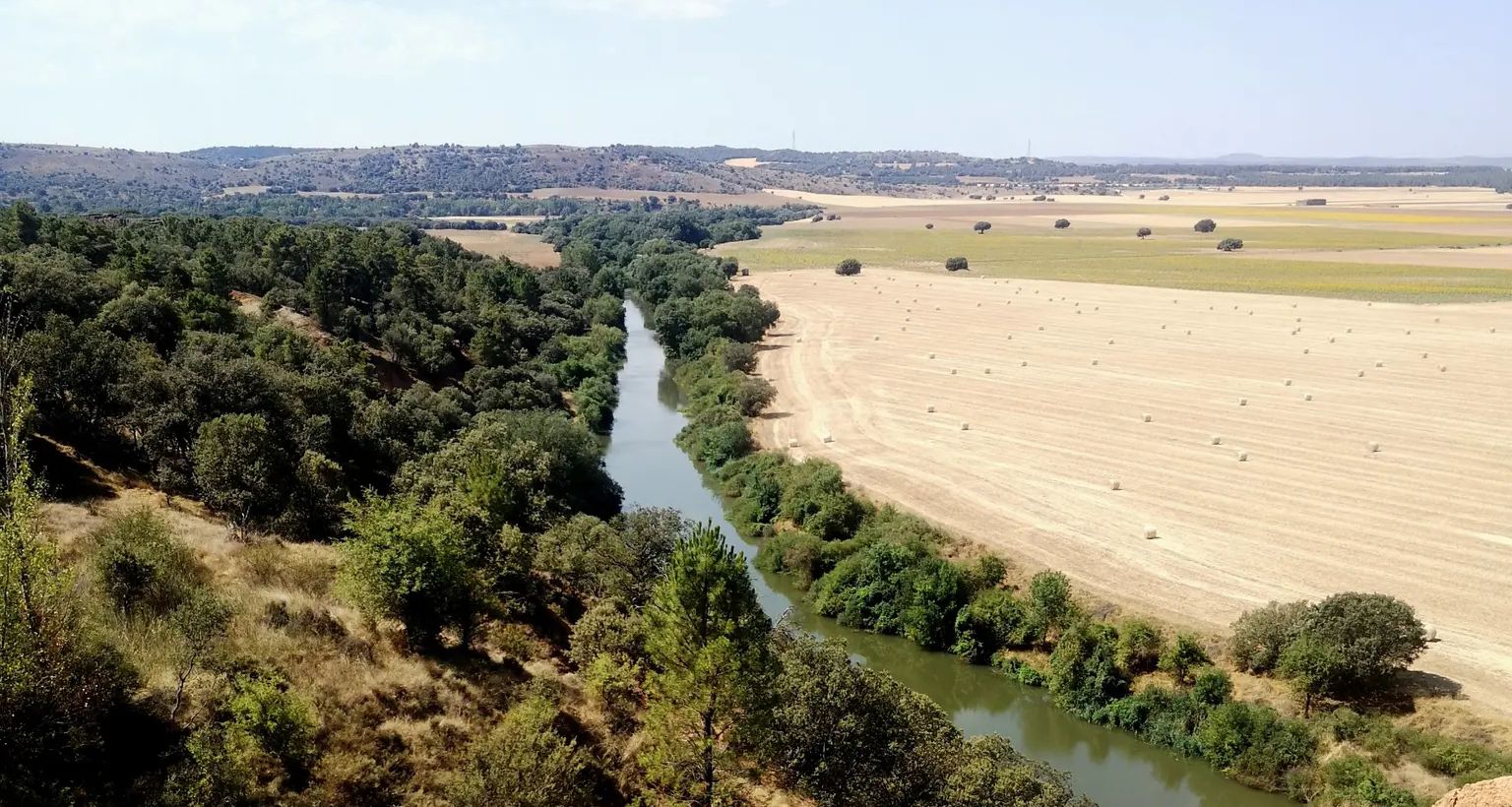
Aranda de Duero is situated at the confluence of the Duero, Bañuelos, and Arandilla rivers, offering scenic riverbanks for strolls. Nearby, you can explore the impressive gorges and diverse vegetation of the Hoces del Riaza River Natural Park, or the dramatic 100-meter deep gorges of the Hoces del Duratón River Natural Park, which are within an hour's drive.
Can I visit underground wine cellars in Aranda de Duero?
Absolutely. Aranda de Duero is famous for its extensive network of underground wine cellars, some dating back to the 12th century. These medieval cellars, used for wine conservation, stretch for about 7 km beneath the town. Many are open for visits, including the Bodega Histórica Don Carlos, and the Interpretation Center of Architecture Associated with Wine (CIAVIN) offers guided tours.
What is the best time of year to visit Aranda de Duero for sightseeing and outdoor activities?
The best time to visit Aranda de Duero for sightseeing and outdoor activities is generally during the spring (April to June) and autumn (September to October). During these seasons, the weather is typically mild and pleasant, ideal for exploring historical sites, enjoying the natural parks, and participating in wine-related activities. Summers can be hot, and winters can be cold.
Are there any accessible attractions in Aranda de Duero?
Yes, the Aranda Bridge (Puente Mayor) is noted as wheelchair accessible, providing an opportunity to enjoy the historic essence of the city and views of the Duero River. When planning your visit, it's always advisable to check specific accessibility details for other sites directly.
What is the local gastronomy like in Aranda de Duero?
Aranda de Duero is renowned for its culinary offerings, especially its roast lamb (lechazo asado), which is a star product. This is often accompanied by Aranda cake and, of course, the famous Ribera del Duero wine. The town also offers a vibrant tapas scene, particularly in areas like Calle Isilla and Plaza del Trigo, where you can savor traditional local flavors.
Where can I experience the region's winemaking culture?
As the capital of the Ribera del Duero wine region, Aranda de Duero provides numerous opportunities to experience its winemaking culture. You can visit various wineries such as Dominio del Águila, Bodega Hacienda Solano, Bodega Tierra Aranda, and Dominio de Cair for tours and tastings. Exploring the underground wine cellars is also a key part of understanding the region's wine heritage.
What are some scenic viewpoints or bridges to see in Aranda de Duero?
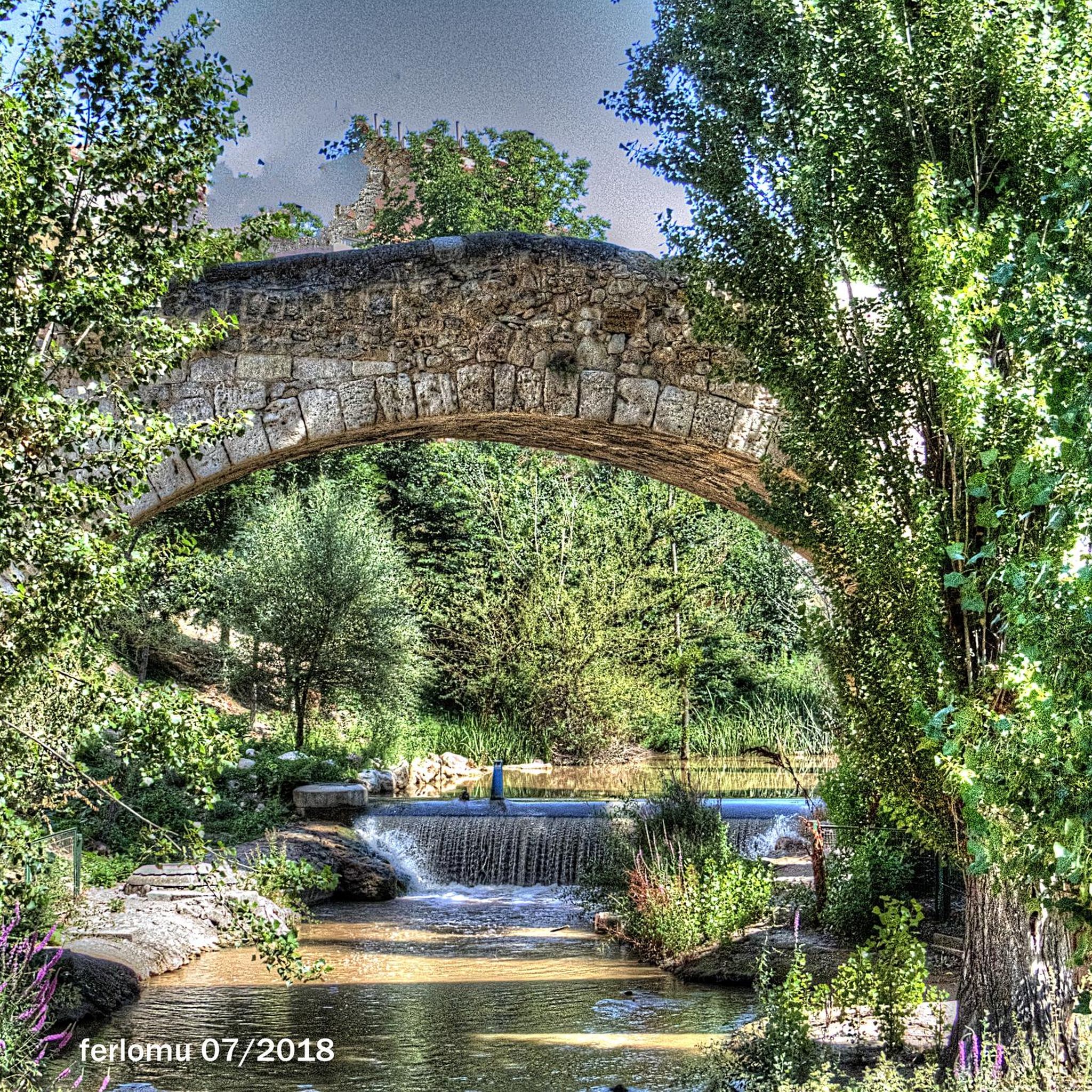
The Aranda Bridge (Puente Mayor) is a medieval stone bridge over the Duero River, offering scenic views and connecting the old town. Additionally, the picturesque Puente de las Tenerías, a medieval bridge over the Bañuelos River, is considered one of the most scenic in Aranda de Duero. The castle in Peñaranda de Duero also offers incredible views of the town.
Are there any museums to visit in Aranda de Duero?
Yes, Aranda de Duero offers several museums. You can visit the Sacred Art Museum, located within the Iglesia de San Juan Bautista, which houses a valuable collection from the Diocese. Other museums include the Museo Casa de las Bolas, featuring a pictorial collection, the Museum of Pottery and Ceramic with traditional pieces, and the Train Museum, documenting the history of Spanish railways.
What do visitors particularly enjoy about the attractions in Aranda de Duero?
Visitors particularly enjoy the rich historical heritage, especially the intricate Gothic-Isabelline façade of the Church of Santa María la Real. The historic essence of the Aranda Bridge and the impressive scale of the Monastery of Santa María de la Vid are also highly appreciated. The town's deep-rooted wine tradition and gastronomic delights, such as roast lamb and Ribera del Duero wine, are also major highlights for many.
Most popular routes around Aranda De Duero
Most popular attractions around Aranda De Duero

Get inspired with the komoot mobile app


Explore more
Still not found the Highlight you’re looking for? See guides of the top attractions in other regions:
