The best gravel rides around Aranda De Duero
5.0
(2)
29
riders
12
rides
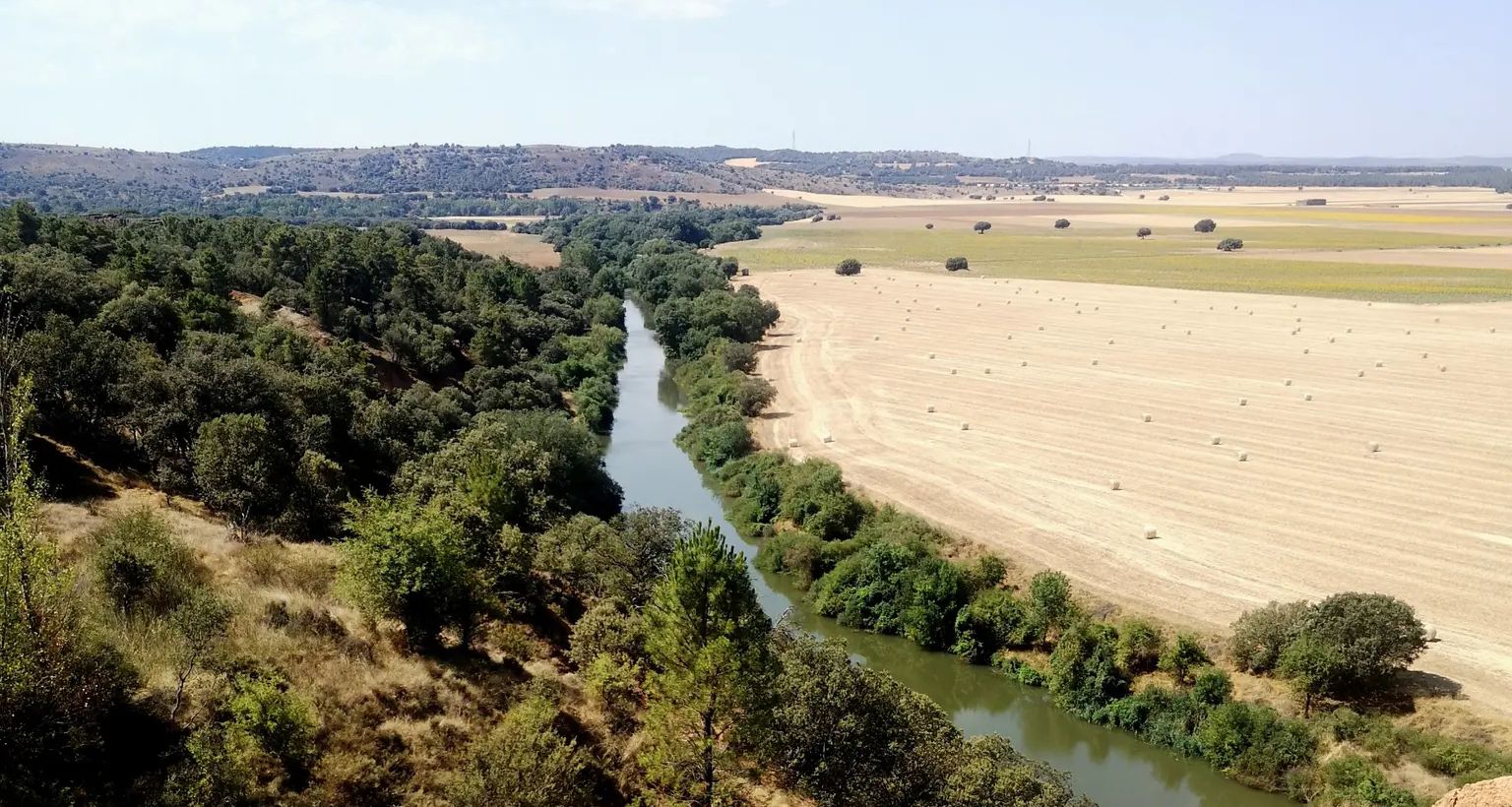
Gravel biking around Aranda De Duero explores the varied terrain of the Ribera del Duero wine region in Castile and León, Spain. The landscape is characterized by the Duero and Riaza river valleys, offering routes that follow waterways and pass through agricultural areas. Riders can expect a mix of rolling hills, open countryside, and paths connecting historical villages. The region's geology provides a firm base for gravel trails, suitable for off-road cycling.
Best gravel bike trails around Aranda De Duero
…Last updated: October 12, 2026
3
riders
35.1km
02:28
150m
150m
Moderate gravel ride. Good fitness required. Mostly paved surfaces. Suitable for all skill levels.
5
riders
33.1km
02:23
150m
150m
Moderate gravel ride. Good fitness required. Mostly paved surfaces. Suitable for all skill levels.

1
riders
47.5km
03:41
330m
330m
Moderate gravel ride. Good fitness required. Mostly paved surfaces. Suitable for all skill levels.
3
riders
53.5km
03:25
410m
410m
Moderate gravel ride. Good fitness required. Mostly paved surfaces. Suitable for all skill levels.
3
riders
51.9km
03:51
310m
310m
Moderate gravel ride. Good fitness required. Mostly paved surfaces. Suitable for all skill levels.
Get access to more routes and recommendations from other explorers.
Already have an account?
Our route recommendations are based on thousands of hikes, rides, and runs completed by other people on komoot.
Start today with a free account
Your next adventure awaits.
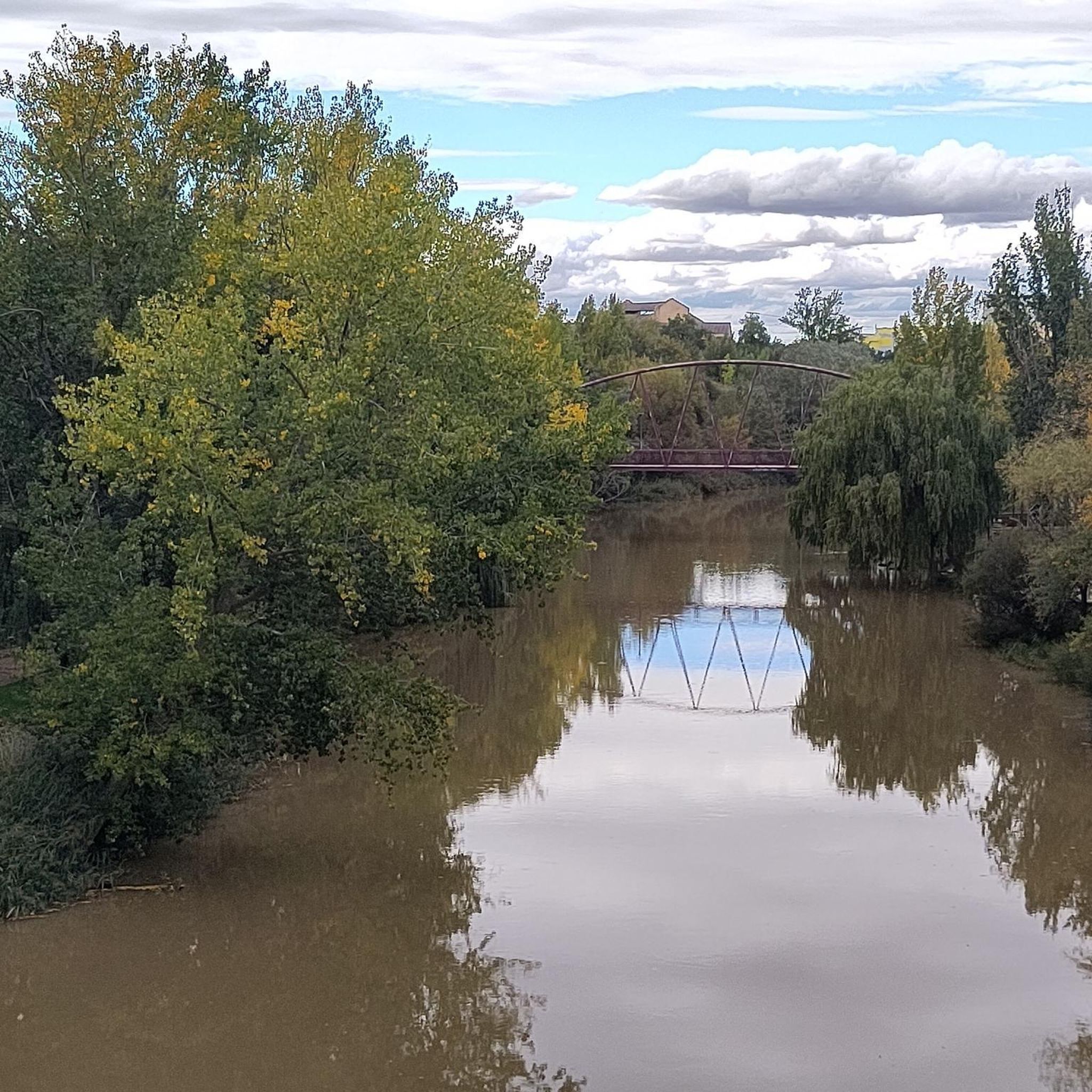

Other adventures around Aranda De Duero

Tips from the Community

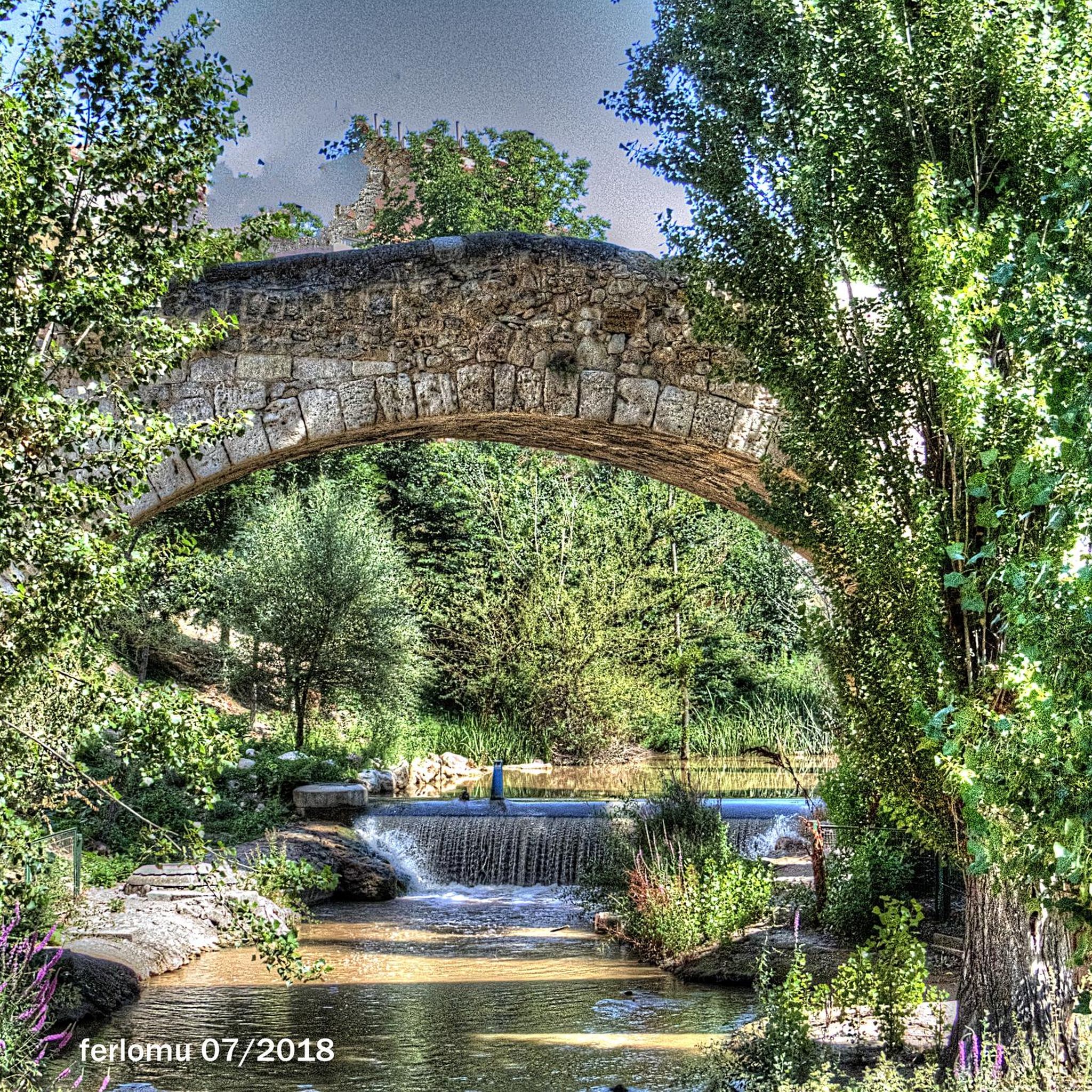
The bridge is built of stone and is characterized by its semicircular arches; it originally had four, although today it retains three due to later renovations. Over the centuries it has undergone numerous restorations, especially due to the floods of the Duero, one of the most important being the expansion and widening in the 19th century. In addition to its architectural value, it has been a strategic point for the passage of people, goods and herds, and today it is a symbol of the city and a very pleasant place to walk and enjoy the views of the river and Aranda de Duero. [iglesiaslocales.com], [edadesdelh...ogspot.com]
2
0
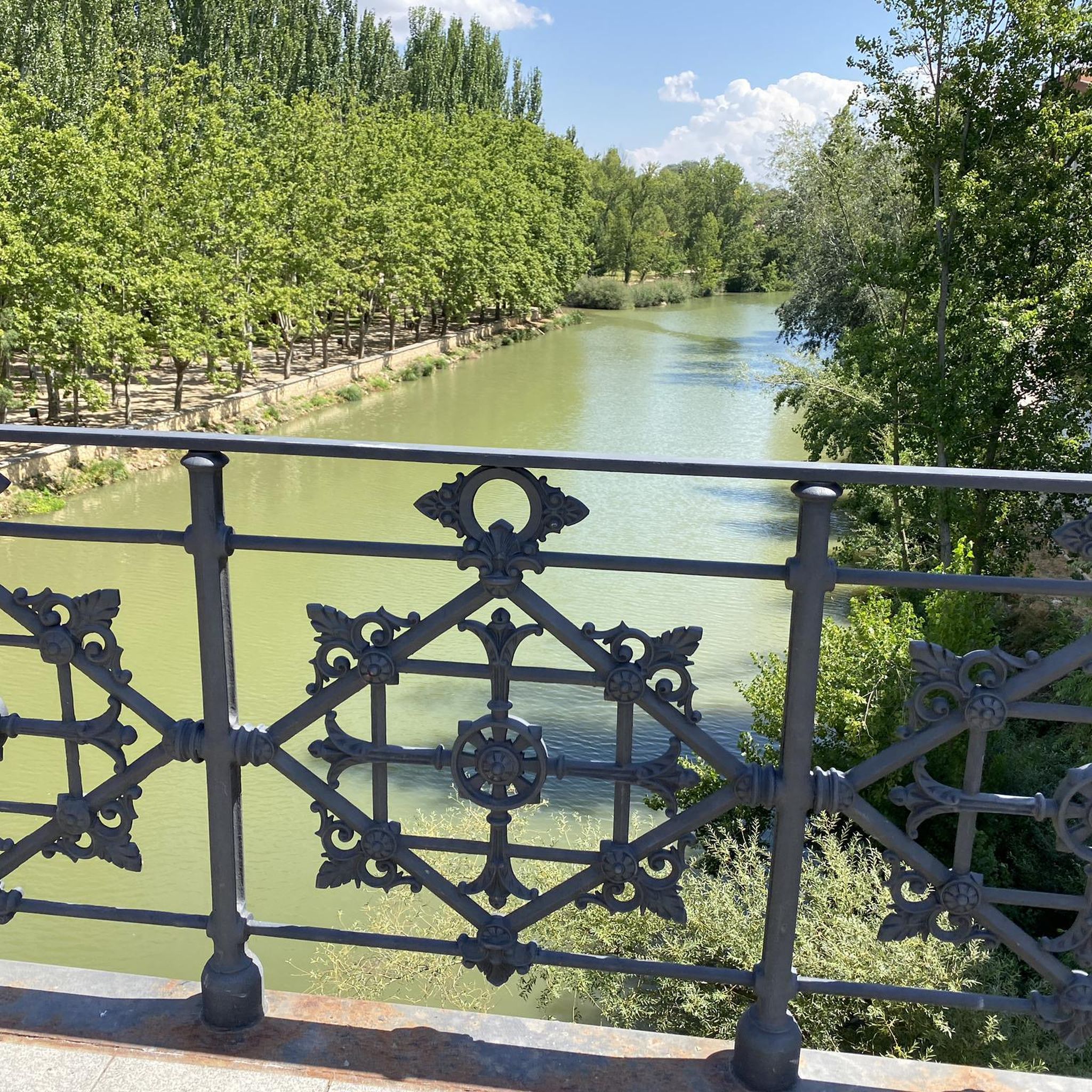
The Aranda de Duero Bridge, also known as Puente Mayor, is one of the city's most important historical elements, as it crosses the Duero River and has been key to its development. Although often called "Roman", it is actually a bridge of medieval origin, with references from the 12th-14th centuries, when it served as a fundamental crossing point on trade routes and the old Royal Road that connected the center and north of Spain.
2
0
Fuentespina, a small town in the province of Burgos in the Ribera del Duero, is a tranquil destination ideal for enjoying the rural environment and wine culture; the most interesting thing is to stroll through its traditional old town, visit the church of San Miguel, and above all explore its underground cellars and vineyards, as it is part of one of the most important wine regions in Spain. Additionally, from there you can take routes along the Duero River or visit Aranda de Duero, famous for its gastronomy (especially roast suckling lamb), making the visit a very complete experience combining nature, history, and wine tourism.
2
0

The Church of Our Lady of the Assumption in Quemada, Burgos, is a Romanesque church (12th-13th centuries). Its most notable features are the 16th-century Renaissance tower, an 18th-century main altarpiece, and a Renaissance baptismal font.
4
0
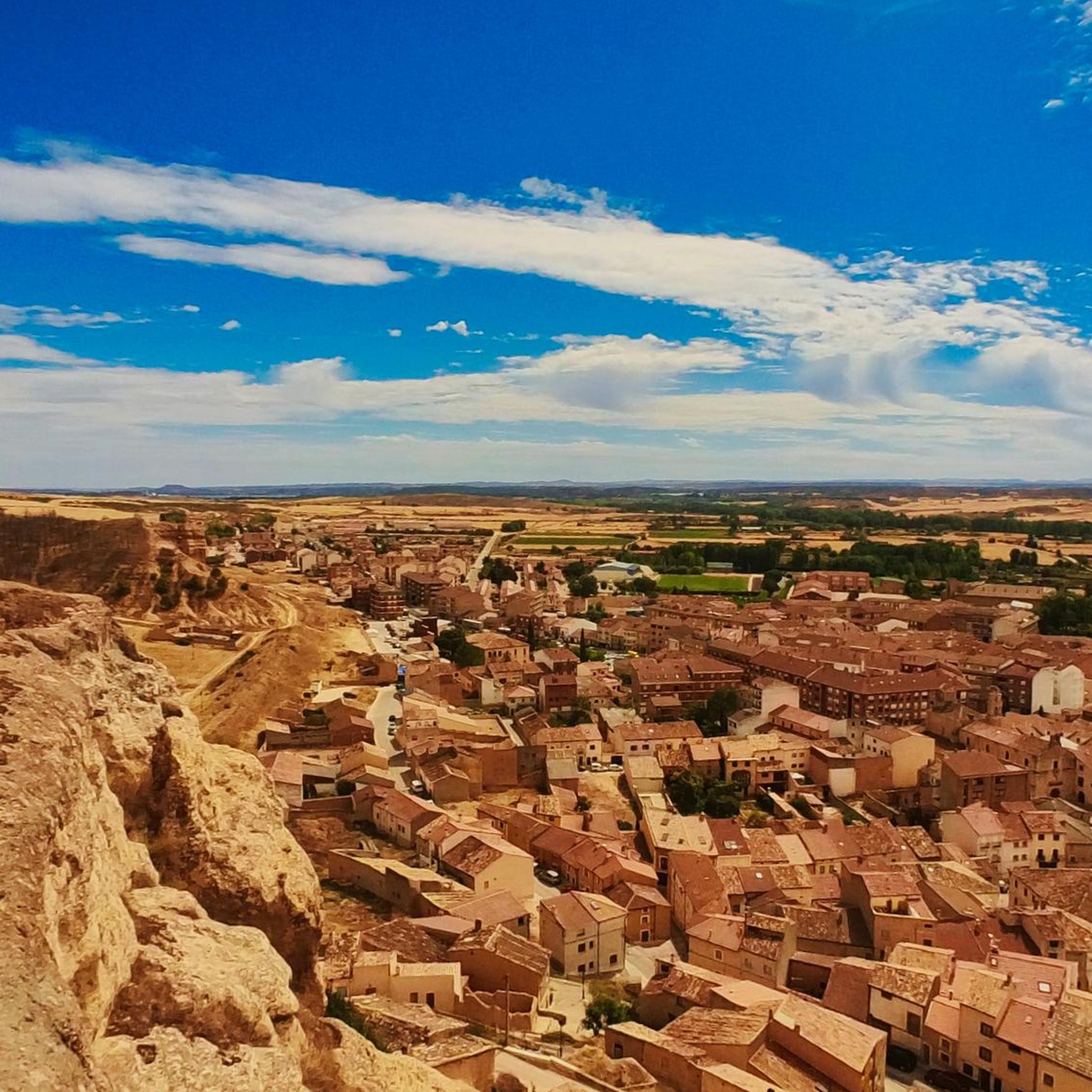
Aranda de Duero, in the province of Burgos, is the capital of the famous Ribera del Duero wine region. The city is known for its excellent wines and its network of underground wine cellars, medieval tunnels dug beneath the old town. It is also a top culinary destination, famous for its roast lamb and blood sausage. Its heritage includes Gothic churches such as Santa María la Real, which complement the cultural and culinary experience.
4
0
The Aranda de Duero Bridge, also known as the Puente Mayor, is a medieval stone bridge over the Duero River. It is a symbol of the city and its heritage, connecting the old town with the modern areas. Although it has been renovated over time, it retains its historic essence.
4
1
The Church of Santa María la Real is a prominent Gothic monument in Aranda de Duero, Spain. Its most notable feature is its main façade, a masterpiece of the 15th-century Isabelline Gothic style, richly decorated with detailed sculptures. It is a cultural and architectural landmark in the city.
4
0

Frequently Asked Questions
What kind of terrain can I expect on gravel bike trails around Aranda De Duero?
The gravel bike trails in the Aranda De Duero region traverse the varied landscape of the Ribera del Duero wine region. You'll encounter a mix of rolling hills, open countryside, and paths that follow the Duero and Riaza river valleys, often connecting historical villages. The local geology provides a firm base for off-road cycling.
Are there any easy gravel bike trails suitable for beginners in Aranda De Duero?
While most routes in the area are rated moderate, making them suitable for riders with some experience, true 'easy' beginner trails are less common. The region's terrain, with its rolling hills, generally offers a moderate challenge. For a good introduction, consider routes that stick closer to the river valleys, which tend to have less elevation gain.
Are there any challenging gravel bike routes for experienced riders?
Yes, for experienced riders seeking a challenge, the region offers more demanding routes. For example, the Riaza River Gorge – Aranda de Duero loop from Aranda de Duero is rated as difficult, featuring significant elevation changes over its 70.7 km distance.
What historical sites or landmarks can I see along the gravel bike routes?
Many routes pass by or near significant historical sites. You can explore the Haza and its castle, which is featured on the Haza and its castle – Haza Walled Village loop from Aranda de Duero. Other notable attractions in the wider area include the Church of Santa María la Real of Aranda de Duero and the Monastery of Santa María de la Vid.
Are the gravel bike trails in Aranda De Duero typically circular?
Yes, many of the popular gravel bike routes around Aranda De Duero are designed as loops, allowing you to start and finish in the same location. Examples include the Gravel loop from Villanueva de Gumiel and the Path alongside the Duero – Aranda de Duero loop from Aranda de Duero.
What is the best time of year to go gravel biking in Aranda De Duero?
The Ribera del Duero region generally experiences hot, dry summers and cold winters. Spring (April-May) and autumn (September-October) are often considered the best times for gravel biking, offering pleasant temperatures and beautiful scenery, especially during the grape harvest season in autumn.
Are there any routes that follow the Duero River?
Absolutely. The Duero River is a defining feature of the landscape. The Path alongside the Duero – Aranda de Duero loop from Aranda de Duero is a prime example, offering a scenic ride through the river valley. Another option is the Path alongside the Duero – Church of Santa Maria loop from Aranda de Duero.
What kind of wildlife or flora might I encounter on the trails?
The region's landscape is dominated by vineyards, cereal fields, and riverside vegetation. You might spot various bird species, small mammals, and the typical flora of a Mediterranean climate, including holm oaks and juniper trees, especially in less cultivated areas and along riverbanks.
Are there options for longer gravel bike tours in the area?
Yes, if you're looking for longer rides, several routes extend beyond 50 km. The Riaza River Gorge – Aranda de Duero loop from Aranda de Duero, at over 70 km, offers a substantial day out, combining distance with challenging climbs.
How can I find parking for gravel bike trails in Aranda De Duero?
Many routes start directly from Aranda de Duero itself, where public parking is available. For routes beginning in smaller villages like Villanueva de Gumiel, you can typically find roadside parking or small village squares where it's safe to leave your vehicle. Always check local signage for any restrictions.
What should I bring for a gravel biking trip in Aranda De Duero?
Given the varied terrain and potential for longer distances, it's advisable to bring plenty of water, especially during warmer months. Essential bike repair tools, a first-aid kit, sun protection, and appropriate layers of clothing are also recommended. A GPS device or a loaded komoot tour on your phone is highly useful for navigation.
Are there any gravel bike routes that offer scenic viewpoints?
The routes often provide panoramic views of the Ribera del Duero wine region, especially from higher elevations. The Haza and its castle – Haza Walled Village loop from Aranda de Duero, for instance, climbs to the historic Haza Walled Village, offering excellent vistas of the surrounding countryside.
Most popular routes around Aranda De Duero
Most popular attractions around Aranda De Duero

Get inspired with the komoot mobile app


Explore more
Browse the best Gravel rides in other regions.
