Attractions and Places To See around Beas - Top 20
Attractions and places to see around Beas, located in the province of Huelva, Spain, offer a blend of historical landmarks and natural landscapes. The area is characterized by its rich heritage, including ancient fortifications and Roman structures, alongside scenic routes like the Vía Verde Molino de Acha. Visitors can explore sites reflecting centuries of history and enjoy outdoor activities along the Río Tinto. This region provides opportunities for cultural exploration and engagement with its natural environment.
Best attractions and places…
Last updated: November 20, 2026
Niebla Castle
Highlight • Castle
Showing Translation
Tip by

Roman Bridge 🌉 Niebla
Highlight • Bridge
Translated by Google •
Tip by
Sign up now to discover places like this
Get recommendations on the best single tracks, peaks, & plenty of other exciting outdoor places.
Vía Verde Molino de Acha
Highlight • Trail
Showing Translation
Tip by
Alcázar or Castle of the Guzmáns
Highlight • Castle
Translated by Google •
Tip by
Roman bridge over the Odiel River
Highlight • Bridge
Translated by Google •
Tip by
Sign up for free to discover even more attractions around Beas.
Already have an account?
Start today with a free account
Your next adventure awaits.
Tips from the Community

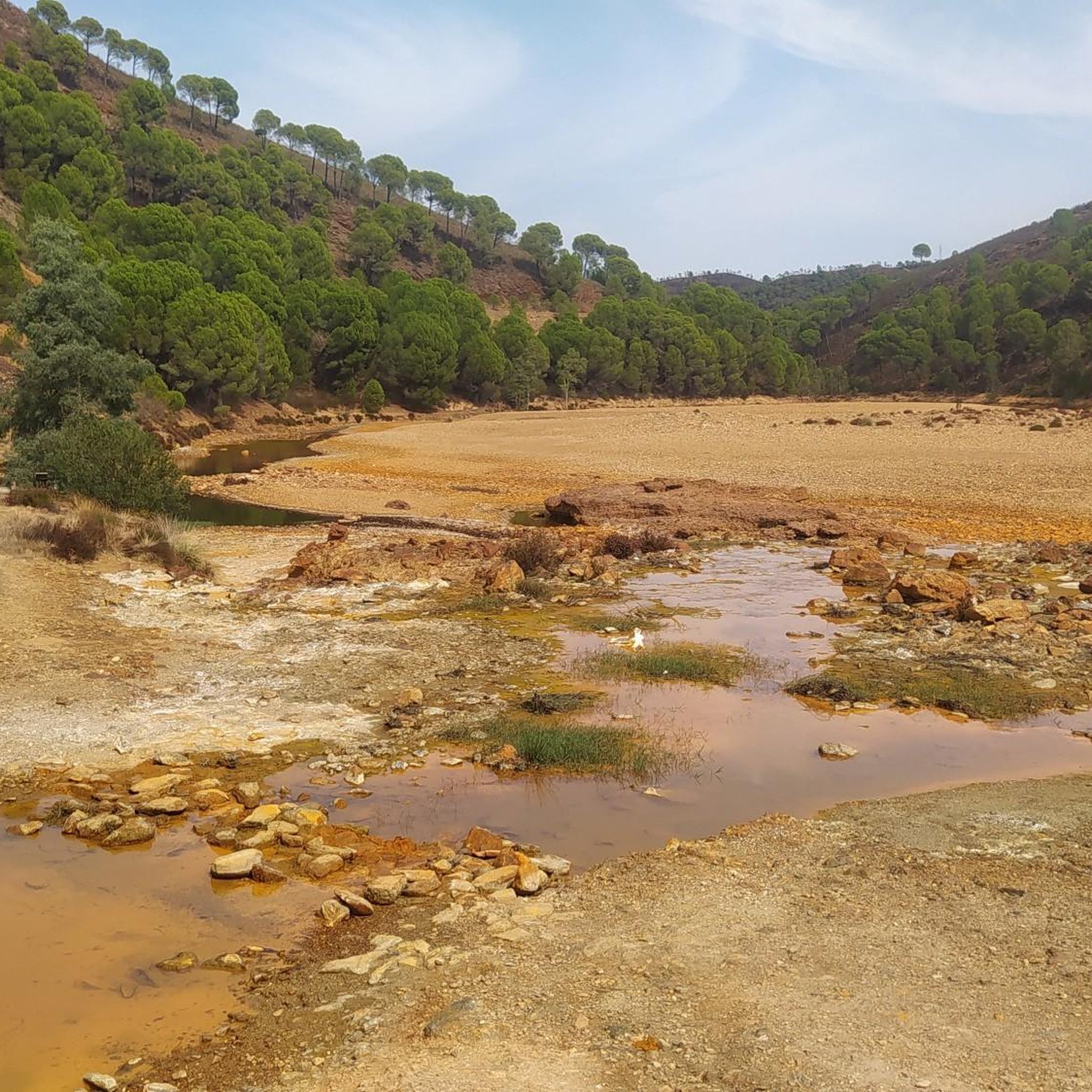
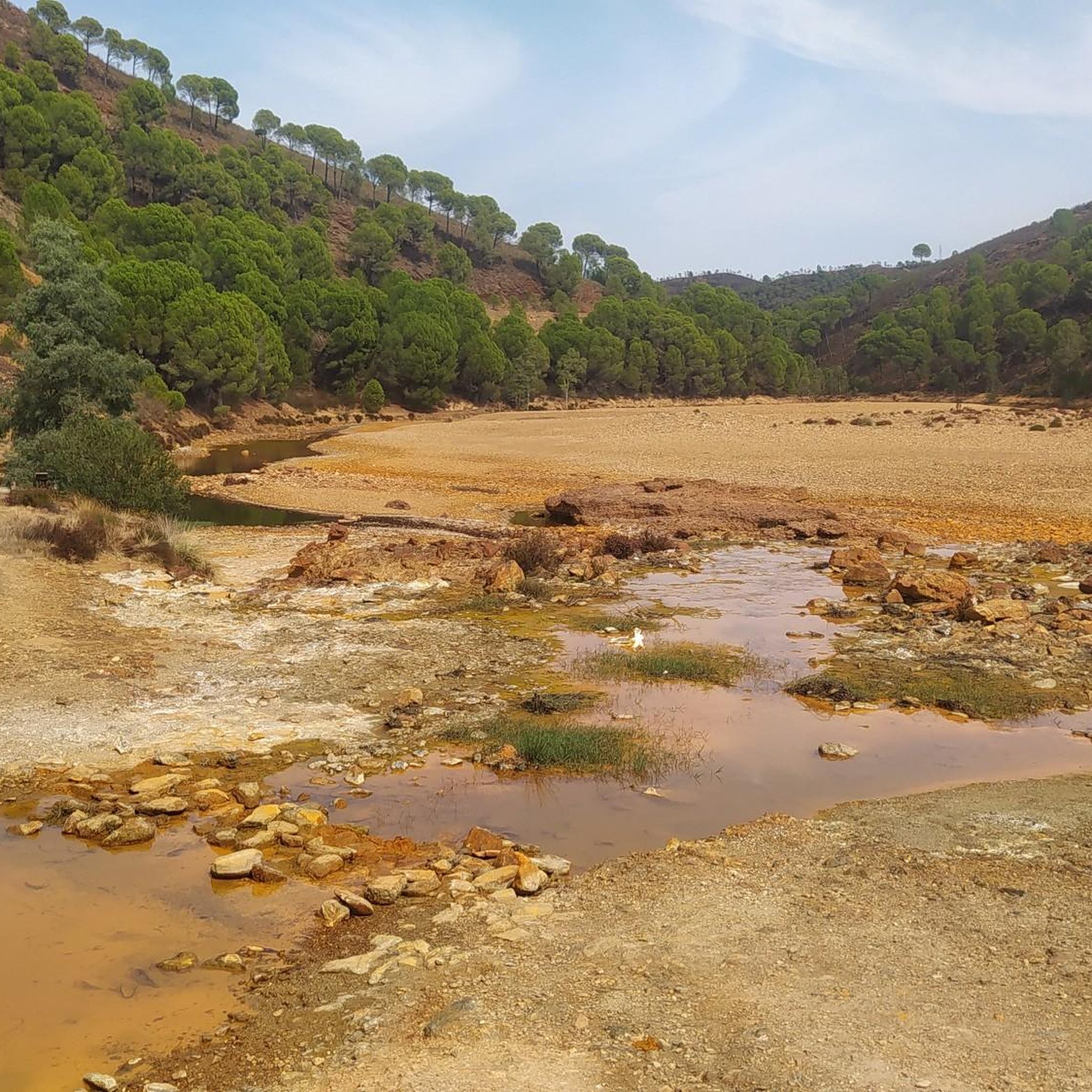
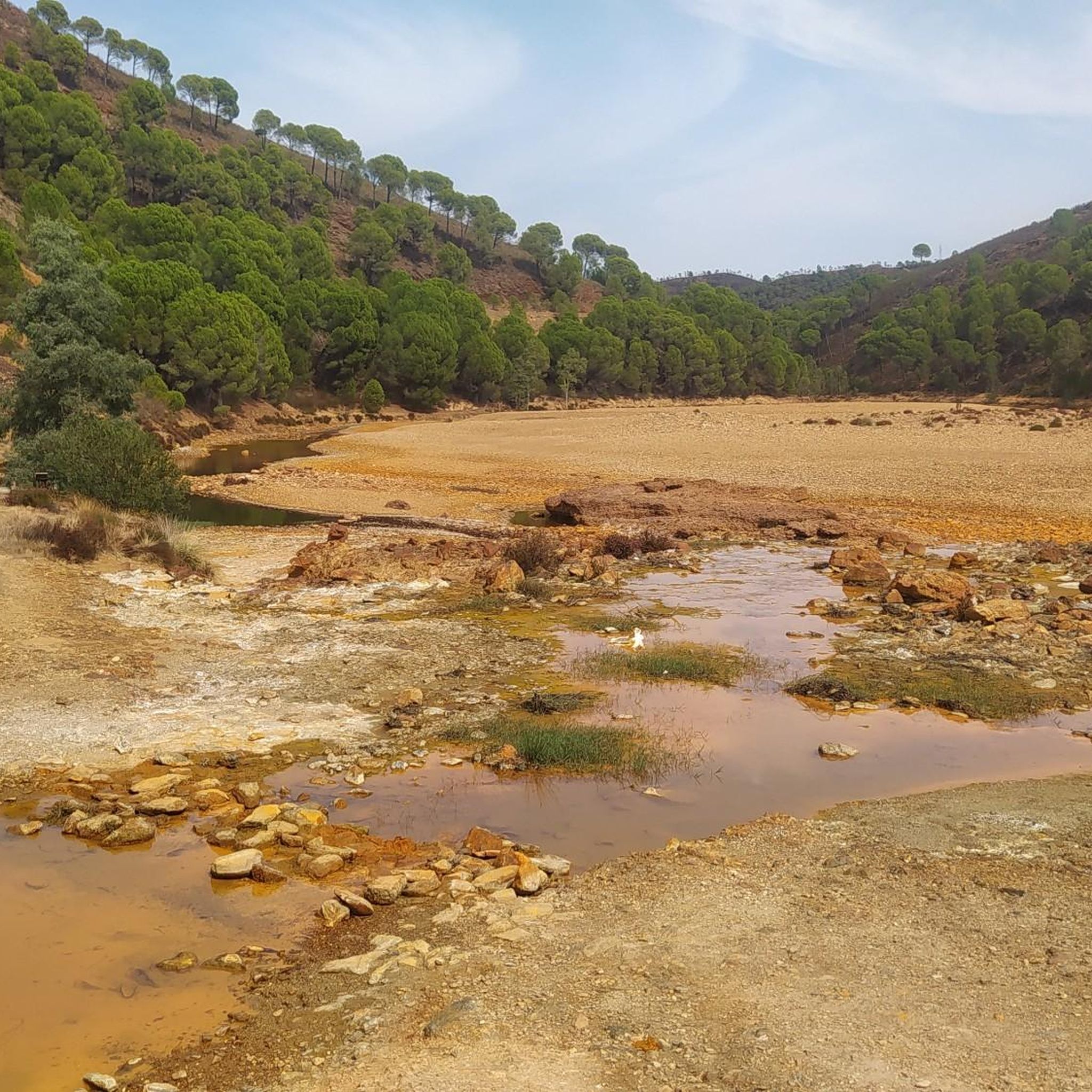
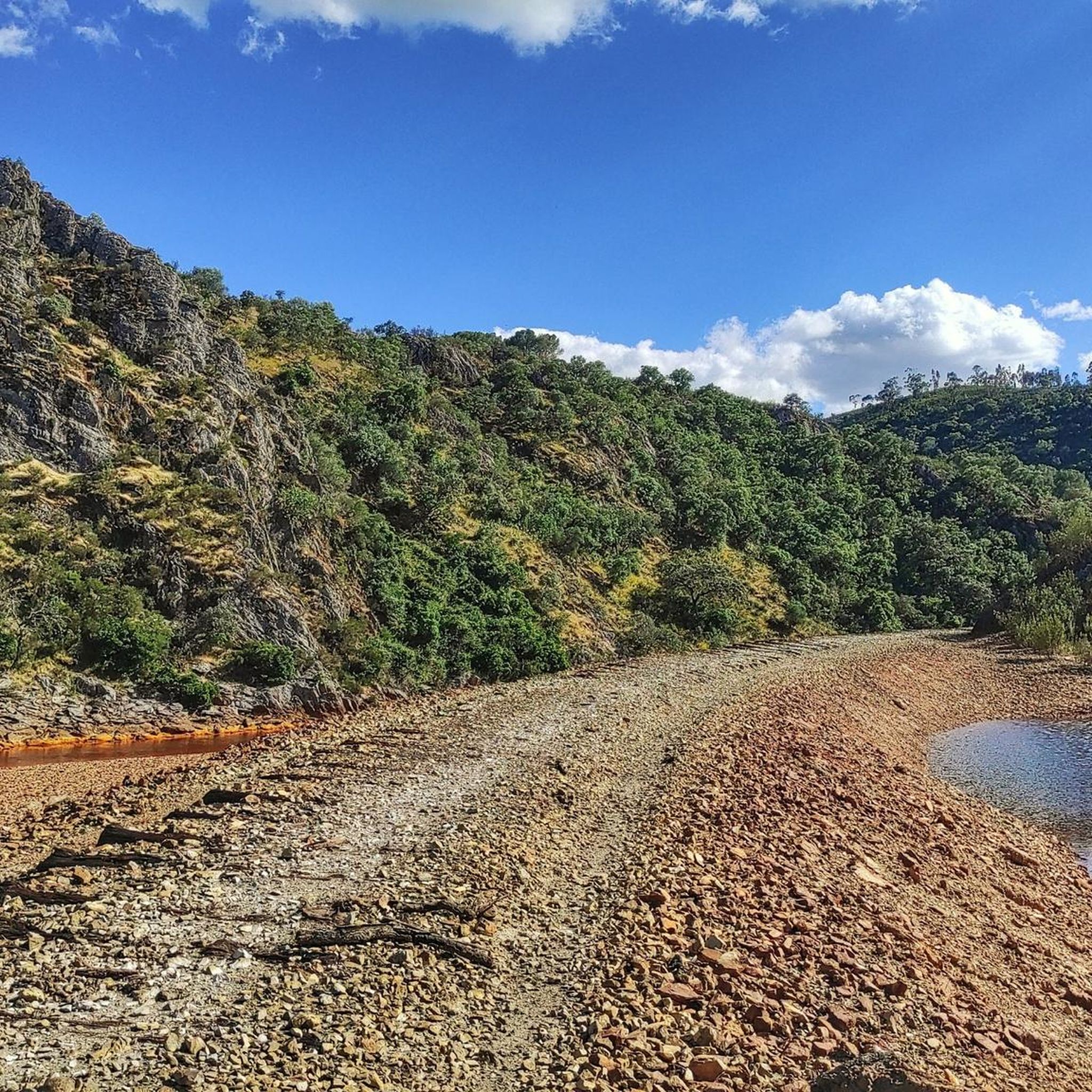
The Vía Verde Molino de Acha runs through the municipality of Beas, in the Condado-Campiña region of Huelva. It is part of the old railway lines converted into routes for hikers and cyclists, crossing some of the most characteristic agricultural and forest landscapes of the Huelva interior.
2
0
The Roman Bridge of Niebla is one of the most representative historical monuments in Niebla, built over the Tinto River and linked to the ancient communication routes of the Roman city of Ilipla. Although it has been rebuilt and renovated in different eras, it retains its Roman origin and remains one of the symbols of the town.
2
0
The Castillo de los Guzmanes, popularly known as Castillo de Niebla, is the most important fortress in the historic town of Niebla, in the province of Huelva. It is located within the impressive Almohad walled enclosure that surrounds the entire town.
3
0
The Roman bridge over the Odiel River in Calañas is a historic structure that is part of the region's rich heritage. This bridge is a point of interest on several hiking trails that run through the area, allowing visitors to enjoy the natural beauty and cultural heritage of the area.
8
0

Top here is an old Roman bridge
1
1

The current appearance of the castillo dates back to the 15th century. Inside is the weapons yard. Steps and stairs lead up to the fortress walls. From here you can enjoy a beautiful panoramic view (apart from the ugly cement factory) of the town, the surrounding area and the Río Tinto.
1
0
Beautiful Roman bridge over the Rio Tinto.
1
0

It goes from the banks of the Tinto to the ravines of the Serranía de Huelva with a length of 33.2km and a firm of asphalt and compacted gravel. The route passes through countryside, pine forests, cork oak meadows and eucalyptus repopulations. Its name comes from the group of Water Mills in Beas (flour mills from the 17th, 18th and 19th centuries).
2
1
Frequently Asked Questions
What historical attractions can I explore around Beas?
Beas and its surroundings are rich in history. You can visit Niebla Castle, a remarkably preserved fortified complex showcasing Roman, Visigothic, and Arab influences. Another significant historical site is the Roman Bridge 🌉 Niebla, which has stood for over 2000 years, still supporting passage across the Río Tinto.
Are there any scenic trails or greenways for outdoor activities near Beas?
Yes, the Vía Verde Molino de Acha is a popular choice. This 33.2 km trail extends from the banks of the Tinto River to the ravines of the Serranía de Huelva, passing through picturesque countryside, pine forests, and cork oak meadows. It's named after the historic flour mills in Beas.
What kind of outdoor activities are available around Beas?
The region offers various outdoor activities, especially cycling and mountain biking. You can explore routes like the Vía Verde Molino de Acha for gravel biking or enjoy cycling tours around the area. For more specific routes, check out the gravel biking, cycling, and MTB trails guides for Beas.
Are there family-friendly attractions in the Beas area?
Absolutely. The Vía Verde Molino de Acha is a great option for families, offering a pleasant trail for walking or cycling. The Roman Bridge 🌉 Niebla is also considered family-friendly, providing an interesting historical landmark to visit. Additionally, the Valverde del Camino Town Center offers cultural sites and a glimpse into local life suitable for all ages.
What can I see in Valverde del Camino Town Center?
The Valverde del Camino Town Center features several points of interest, including the Ermita del Santo, an old railway station with a vintage Berlina car from 1900, and the Los Gabrieles dolmen complex on the outskirts. The town also hosts notable festivals like the Romería de San Pancracio in June and the August Fair.
What is the significance of the Río Tinto in the Beas region?
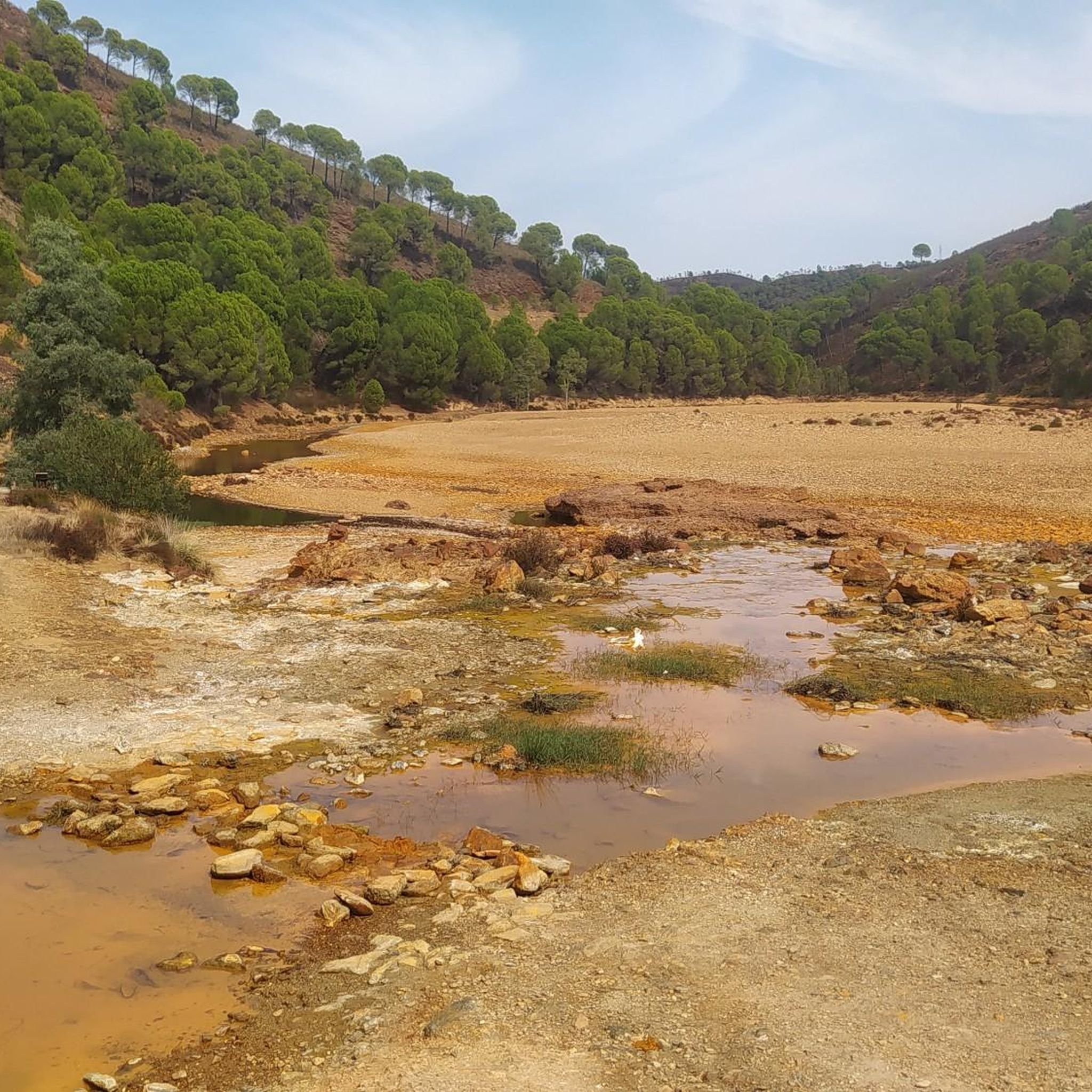
The Río Tinto is a central natural feature in the region, known for its distinctive reddish hue due to its high iron and heavy metal content. It is crossed by the ancient Roman Bridge 🌉 Niebla, highlighting its historical importance as a crossing point. The riverbanks also mark the starting point of the Vía Verde Molino de Acha.
What do visitors particularly enjoy about Niebla Castle?
Visitors appreciate Niebla Castle for its well-preserved architecture and its long history, with remnants of Roman, Visigothic, and Arab pasts visible. The castle's structure, including its two central patios and the defensive battlements of the Tribute Tower, offers a fascinating journey through time. From its walls, you can also enjoy panoramic views of the town and the surrounding area.
Can I find any ancient Roman structures around Beas?
Yes, the area boasts significant Roman heritage. The Roman Bridge 🌉 Niebla is one of the best-preserved Roman bridges on the Iberian Peninsula. Additionally, Niebla Castle contains remnants of Roman construction, with its ancient concrete mix still surviving after 2000 years.
What kind of landscapes will I encounter on the Vía Verde Molino de Acha?
The Vía Verde Molino de Acha offers a diverse landscape. As you traverse the trail, you'll pass through open countryside, dense pine forests, and charming cork oak meadows, providing a varied and scenic experience.
Are there any other castles or fortifications besides Niebla Castle?
While Niebla Castle is the most prominent, the region of Beas is known for its historical fortifications. The castle itself, also referred to as the Alcázar or Castle of the Guzmáns, is a significant example of the area's rich defensive architecture, with its current appearance dating back to the 15th century and earlier Roman and Muslim origins.
What is the best way to explore the historical sites in Niebla?
To fully appreciate the historical sites in Niebla, consider visiting both the Niebla Castle and the Roman Bridge 🌉 Niebla. The castle offers insights into various historical periods, while the bridge provides a tangible connection to Roman engineering. Many visitors enjoy walking between these two landmarks to experience the town's heritage.

Get inspired with the komoot mobile app


Explore more
Still not found the Highlight you’re looking for? See guides of the top attractions in other regions:
