The best gravel rides around Beas
5.0
(2)
117
riders
21
rides
Gravel biking around Beas, Huelva, offers a diverse landscape characterized by rural paths, historical sites, and dedicated greenways. The region features varied terrain, including dirt roads and sections of the Vía Verde Molino de Acha, providing a mix of surfaces suitable for gravel cyclists. Riders can expect routes that traverse agricultural areas and connect to points of interest like Niebla Castle and Roman bridges. The area provides a range of elevation changes, from gentle slopes to more challenging climbs.
Best…
Last updated: November 15, 2026
20
riders
Hard gravel ride. Very good fitness required. Mostly paved surfaces.
19
riders
Hard gravel ride. Very good fitness required. Mostly paved surfaces.

8
riders
56.9km
03:44
320m
320m
Moderate gravel ride. Good fitness required. Mostly paved surfaces.
12
riders
41.8km
02:16
300m
300m
Moderate gravel ride. Good fitness required. Mostly paved surfaces.
4
riders
48.7km
03:21
360m
360m
Moderate gravel ride. Good fitness required. Mostly paved surfaces.
Get access to more routes and recommendations from other explorers.
Already have an account?
Our route recommendations are based on thousands of hikes, rides, and runs completed by other people on komoot.
Start today with a free account
Your next adventure awaits.
Tips from the Community

The Vía Verde Molino de Acha runs through the municipality of Beas, in the Condado-Campiña region of Huelva. It is part of the old railway lines converted into routes for hikers and cyclists, crossing some of the most characteristic agricultural and forest landscapes of the Huelva interior.
2
0
The Roman Bridge of Niebla is one of the most prominent historical monuments in the province of Huelva and one of the symbols of the city of Niebla. It crosses the Tinto River and has been for centuries a fundamental infrastructure for communications between western Andalusia, Portugal, and the interior of the Peninsula.
3
0
The Roman Bridge of Niebla is one of the most representative historical monuments in Niebla, built over the Tinto River and linked to the ancient communication routes of the Roman city of Ilipla. Although it has been rebuilt and renovated in different eras, it retains its Roman origin and remains one of the symbols of the town.
2
0
The Castillo de los Guzmanes, popularly known as Castillo de Niebla, is the most important fortress in the historic town of Niebla, in the province of Huelva. It is located within the impressive Almohad walled enclosure that surrounds the entire town.
3
0
Niebla is one of the most important historical cities in the province of Huelva. Located next to the Tinto River, it preserves one of the best-preserved walled enclosures in Spain and more than two thousand years of history, with traces of the Roman, Visigothic, Islamic, and Christian eras.
3
0
The Walls of Niebla surround the historic town of Niebla, in the province of Huelva, and constitute one of the best-preserved walled enclosures in Spain. Its walled perimeter, of mainly Almohad origin (12th-13th centuries), encloses practically the entire historic center of the city.
2
0

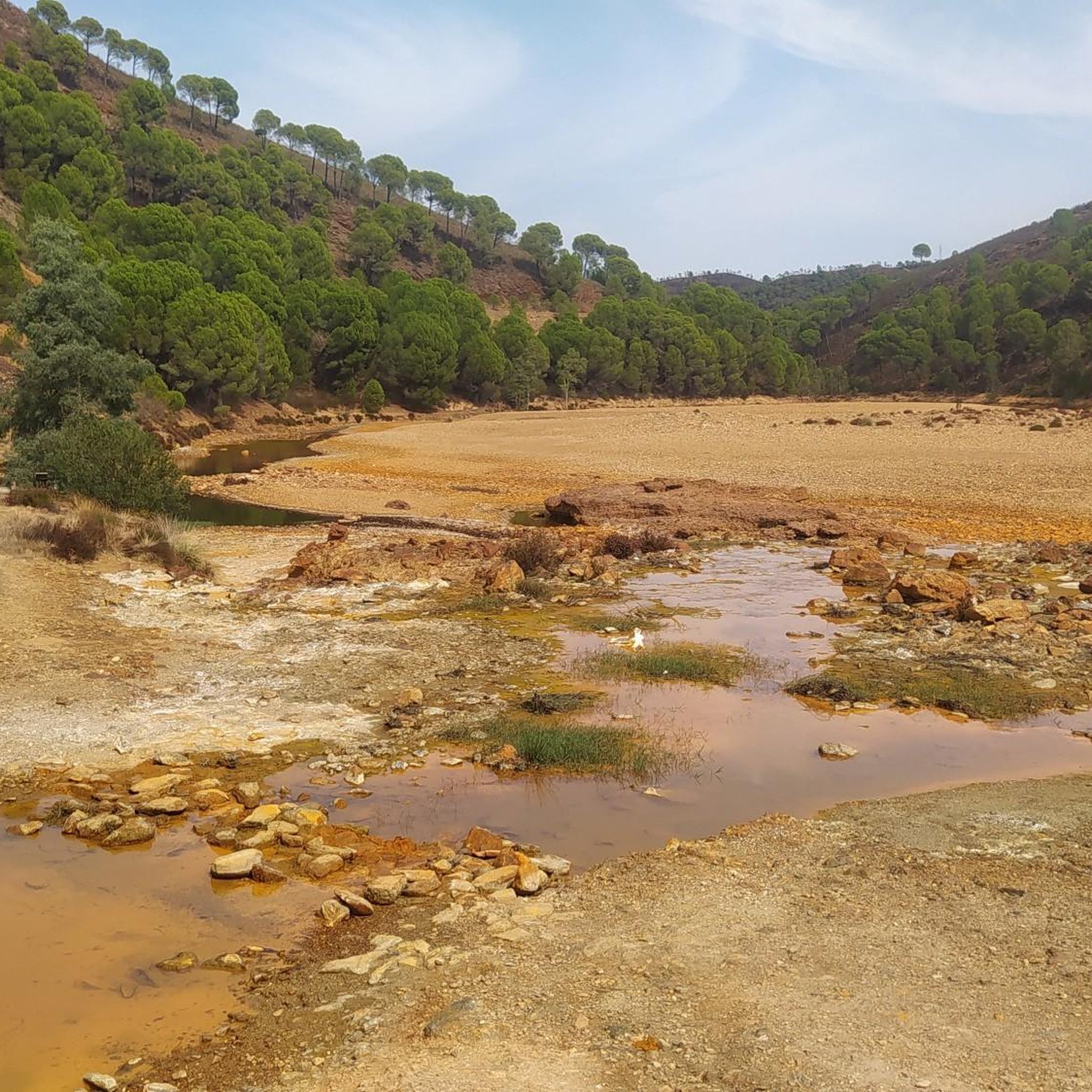
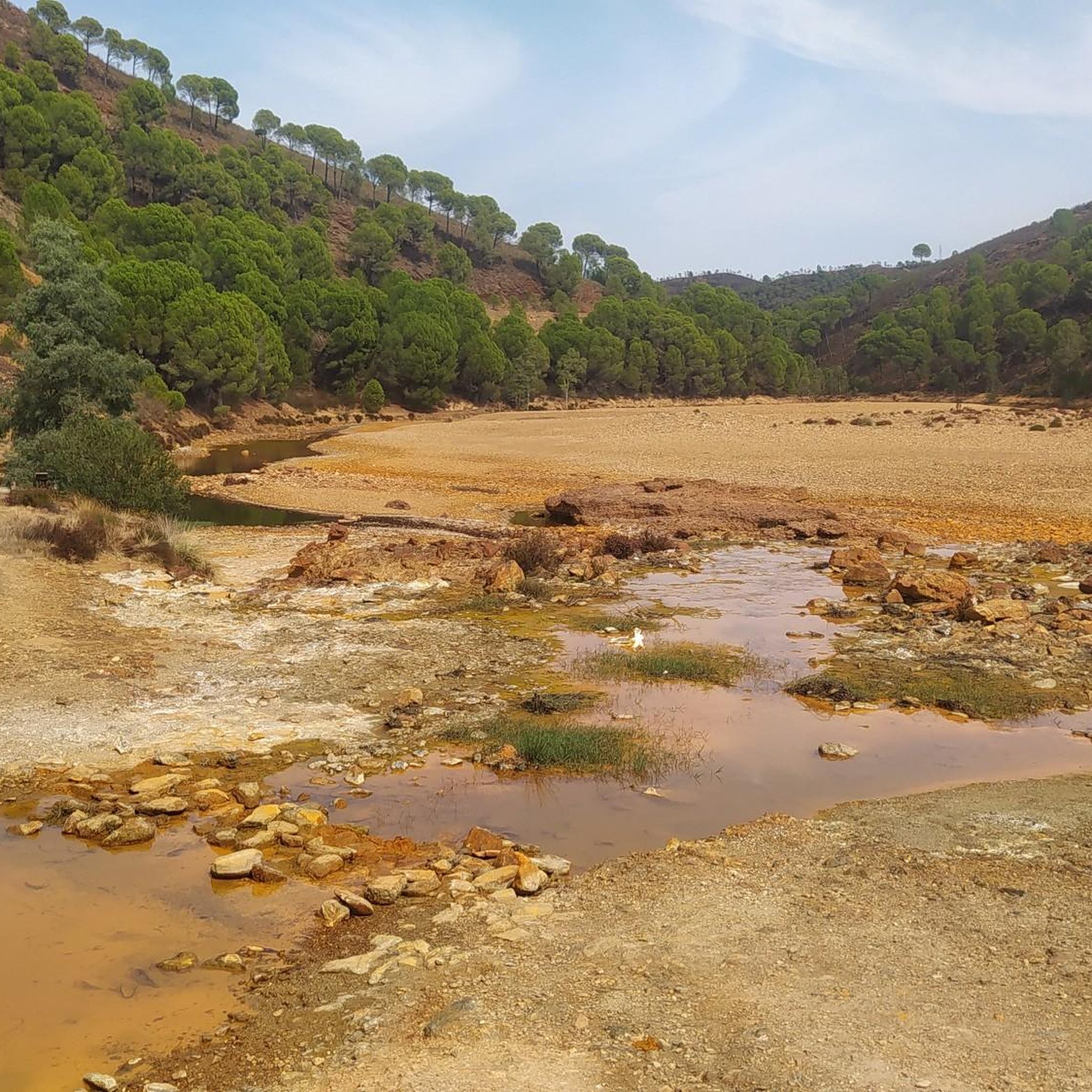
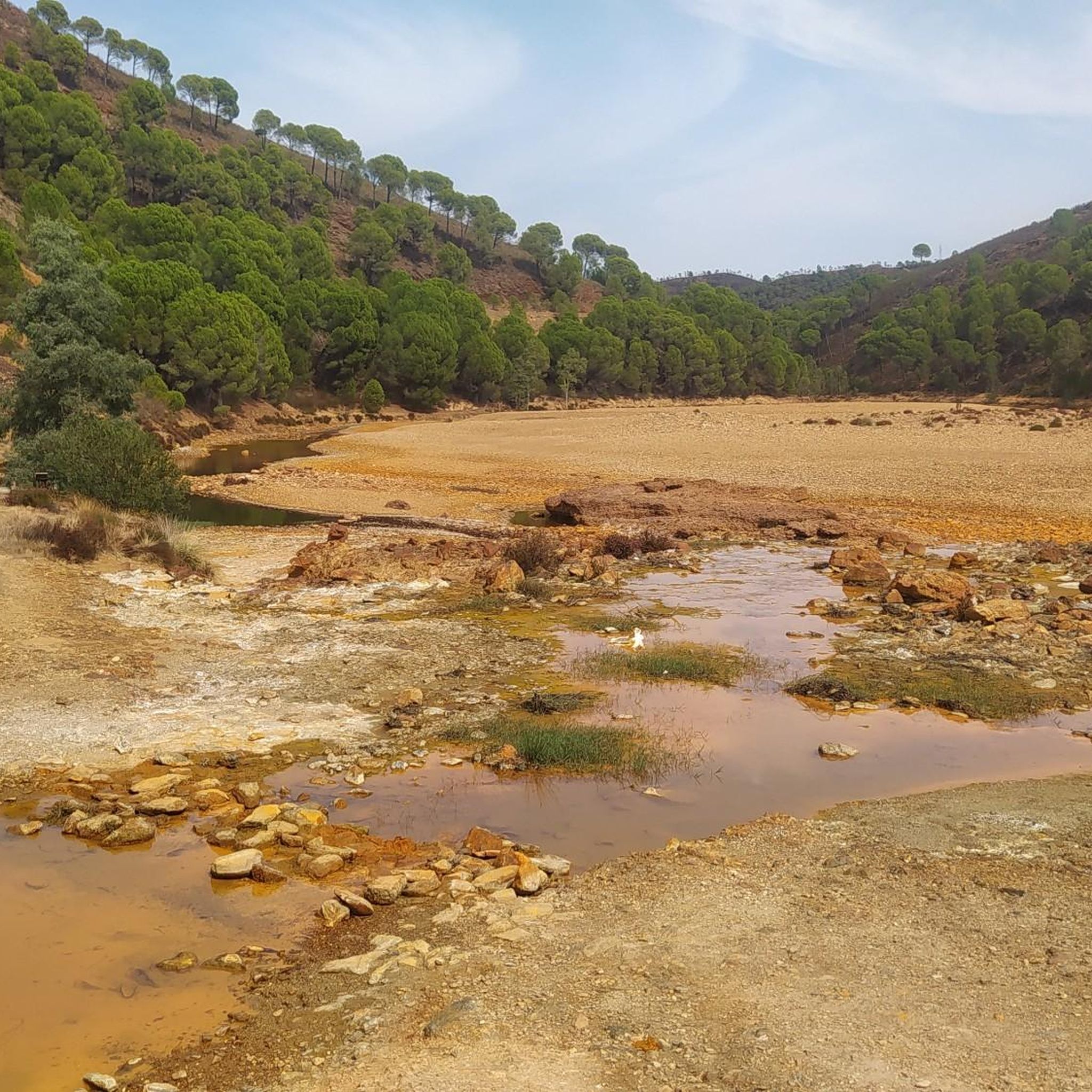
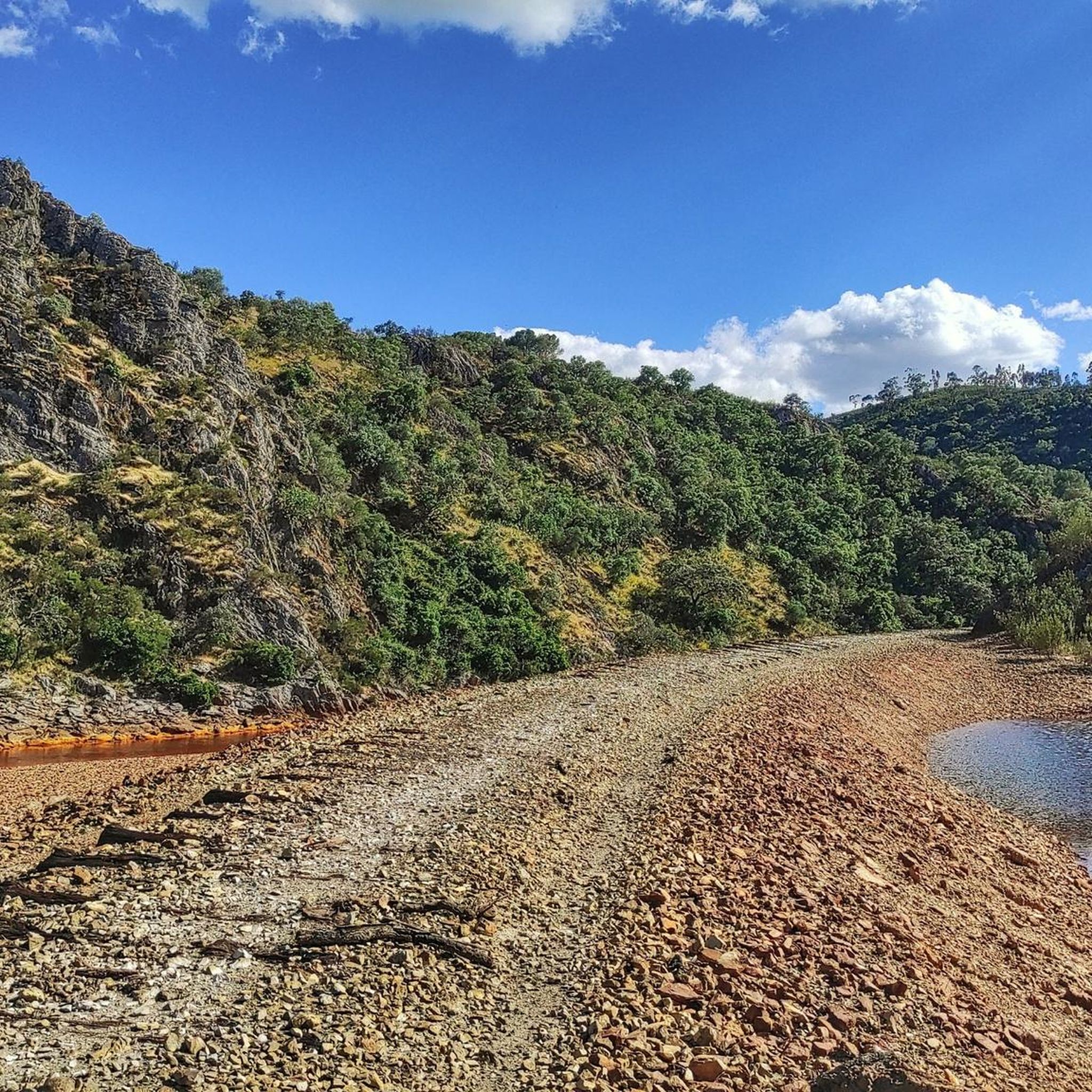
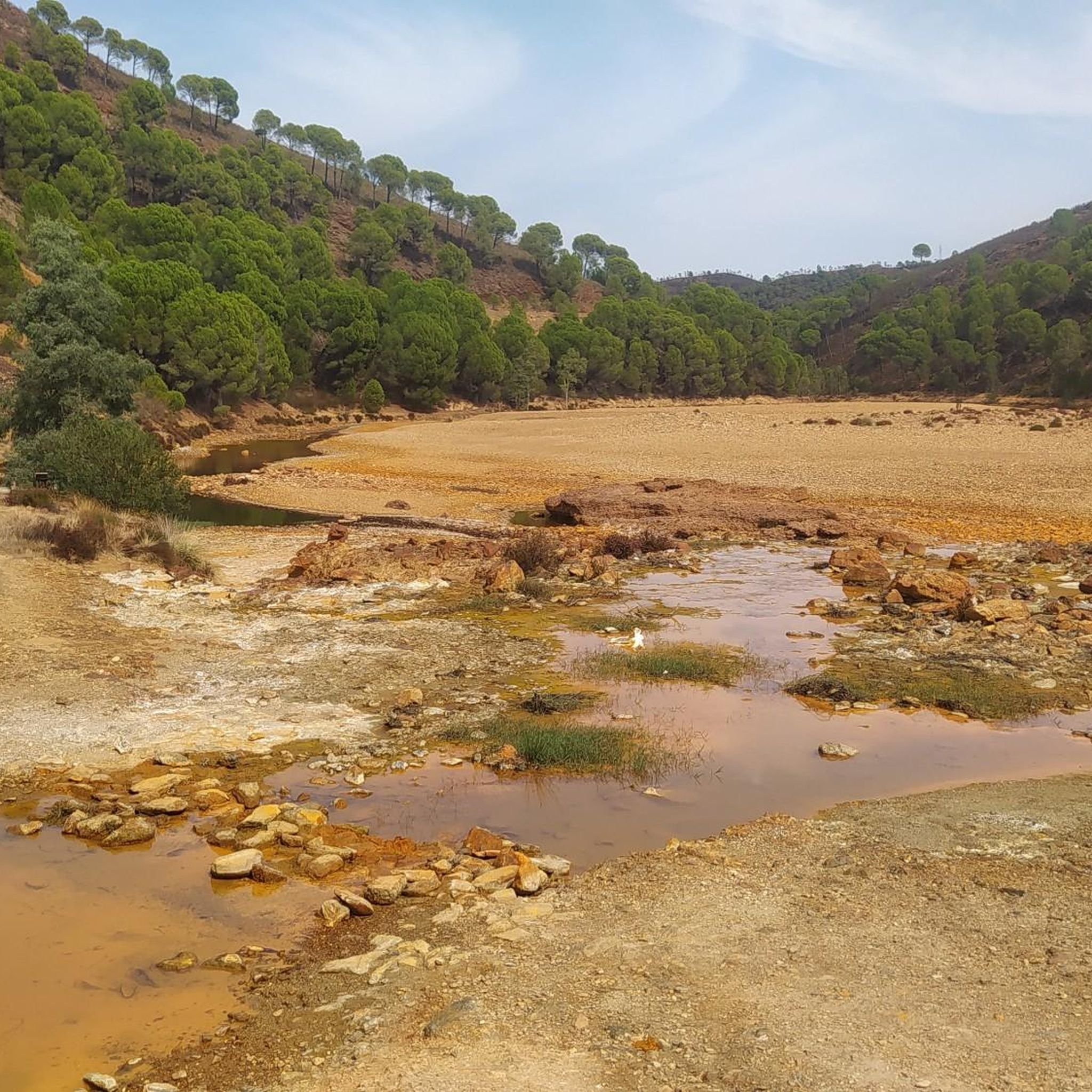
The Río Tinto river has a unique red and orange colour derived from its extremely acidic chemical makeup with very high levels of iron and heavy metals. The name río tinto means "coloured river" in Spanish, in contrast to most rivers, which are clear.
0
0
Origin: Built during the Almohad period (12th-13th centuries), as part of Niebla's defensive system. Legend of the name: During the siege by Alfonso X the Wise (1262), the last Muslim king of Niebla, Aben-Mafot, sent a fattened ox out through this gate to create the illusion of abundant provisions and discourage the Christian troops. The stratagem failed, and the city was conquered.
3
0
Frequently Asked Questions
How many gravel bike trails are available around Beas?
There are over 15 gravel bike trails in the Beas region, offering a variety of experiences. These include 1 easy route, 12 moderate routes, and 4 difficult routes, catering to different skill levels.
What kind of terrain can I expect on gravel bike trails in Beas?
Gravel biking around Beas features a diverse landscape of rural dirt roads, dedicated greenways like the Vía Verde Molino de Acha, and agricultural areas. You'll encounter varied surfaces and elevation changes, from gentle slopes to more challenging climbs.
Are there any historical sites or landmarks to see along the gravel routes?
Yes, many routes incorporate historical points of interest. You can explore sites such as Niebla Castle, the Roman Bridge 🌉 Niebla, and the Alcázar or Castle of the Guzmáns. The Vía Verde Molino de Acha itself is a notable feature.
What do other gravel bikers enjoy most about the trails in Beas?
The trails in Beas are highly rated by the komoot community, with an average score of 5.0 stars. Riders often praise the mix of rural paths, historical sites, and dedicated greenways, providing a rich cultural and natural experience.
Are there any family-friendly gravel routes in Beas?
While most routes are moderate to difficult, the region does offer an easy route. For families, consider exploring sections of the Vía Verde Molino de Acha, which typically provides a smoother, more accessible surface away from traffic.
Can I find circular gravel bike trails in Beas?
Yes, many of the gravel routes in Beas are designed as loops. For example, the Ferruginous Dirt Road – Vía Verde Molino de Acha loop from Beas is a moderate 41.7 km circular trail that takes about 2 hours 49 minutes to complete.
What is the longest gravel bike route available in Beas?
The longest route is the Vía Verde Molino de Acha – Niebla Castle loop from Estación de Servicio Deoil Los Pinos, which spans 106.2 km and is considered difficult, typically taking around 9 hours 21 minutes to complete.
Are there any challenging gravel routes for experienced riders?
Absolutely. Beas offers several difficult routes for experienced gravel bikers. The Niebla Castle – Roman Bridge 🌉 Niebla loop from Trigueros is a challenging 71.4 km path exploring historical sites, and the Vía Verde Molino de Acha – Ferruginous Dirt Road loop from El Gamonital is another difficult option at 83.3 km.
Where can I park my car when starting a gravel bike tour in Beas?
While specific parking areas for each route are not detailed, many tours, such as the Vía Verde Molino de Acha – Niebla Castle loop, start from locations like 'Estación de Servicio Deoil Los Pinos,' which often provide parking facilities. Look for starting points near towns or services for convenience.
What is the elevation gain like on the gravel trails in Beas?
The elevation gain varies significantly across routes. For instance, the Vía Verde Molino de Acha – Niebla Castle loop has an elevation gain of approximately 848 meters, while a moderate route like the Ferruginous Dirt Road – Vía Verde Molino de Acha loop has about 296 meters of ascent.
Are there any routes that combine greenways with other types of terrain?
Yes, many routes in Beas offer a mix of surfaces. The Ferruginous Dirt Road – Vía Verde Molino de Acha loop from Beas is a great example, leading through varied terrain including dirt roads and sections of the Vía Verde, providing a diverse riding experience.
Most popular attractions around Beas

Get inspired with the komoot mobile app


Explore more
Browse the best Gravel rides in other regions.
