The best cycling routes around Montearagón
3.8
(3)
87
riders
18
rides
Touring cycling routes around Montearagón traverse a varied landscape, from semi-arid plains dotted with olive and cereal fields to the rugged backdrop of the Sierra de Gredos. The region is characterized by its karstic formations, dramatic canyons, and deep valleys where quiet rivers meander through forests. Cyclists can explore routes along the Alberche and Tagus riverbeds, as well as through pine forests, cliffs, and oak groves in the Pre-Pyrenean foothills. This diverse terrain offers a range of experiences for touring…
Last updated: October 10, 2026
1
riders
51.1km
03:04
370m
370m
This 31.8-mile touring bicycle route from Montearagón explores the areas of Onion, Illán de Vacas, and Domingo Pérez, rated moderate.
4.5
(2)
22
riders
42.1km
03:33
450m
450m
Hard bike ride. Very good fitness required. Mostly paved surfaces. Suitable for all skill levels.

11
riders
55.0km
03:34
510m
510m
Hard bike ride. Very good fitness required. You may need to push your bike for some segments of this route.
9
riders
108km
06:43
840m
840m
Hard bike ride. Very good fitness required. Mostly paved surfaces. Suitable for all skill levels.
10
riders
59.8km
04:16
1,190m
1,190m
Hard bike ride. Very good fitness required. You may need to push your bike for some segments of this route.
Get access to more routes and recommendations from other explorers.
Already have an account?
Our route recommendations are based on thousands of hikes, rides, and runs completed by other people on komoot.
Start today with a free account
Your next adventure awaits.
Popular around Montearagón

Tips from the Community

Cervera de los Montes is a town in Toledo located in the foothills of the Sierra de San Vicente mountains, in the middle of the dehesa (pasture). Its traditional town center is very well preserved and exudes a distinctly rural atmosphere.
0
0
At the foot of the San Vicente mountain range lies San Román de los Montes, a town whose historical importance is evident in the impressive 16th-century Roll of Justice, crowned with four dog heads, found in its historic center.
0
0
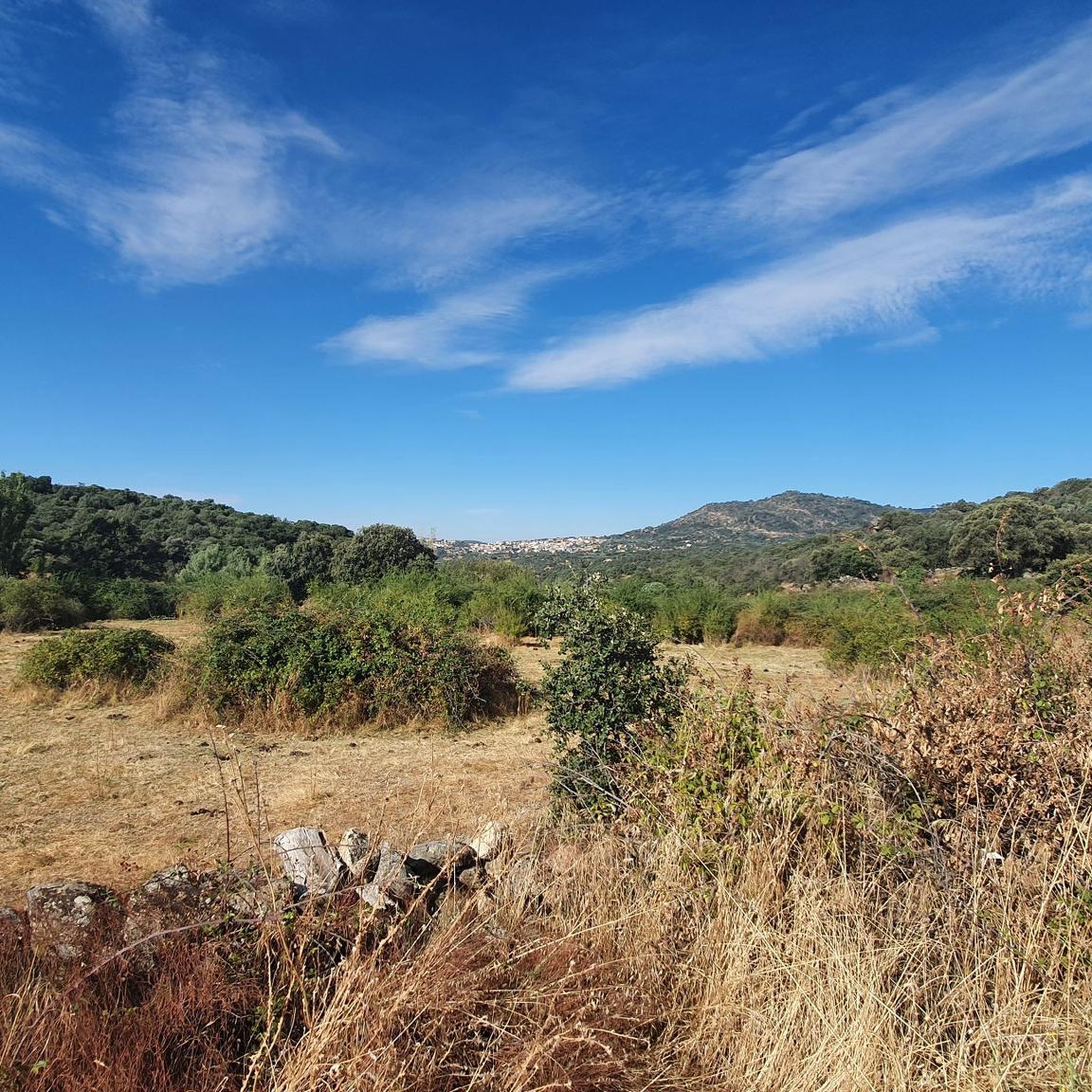
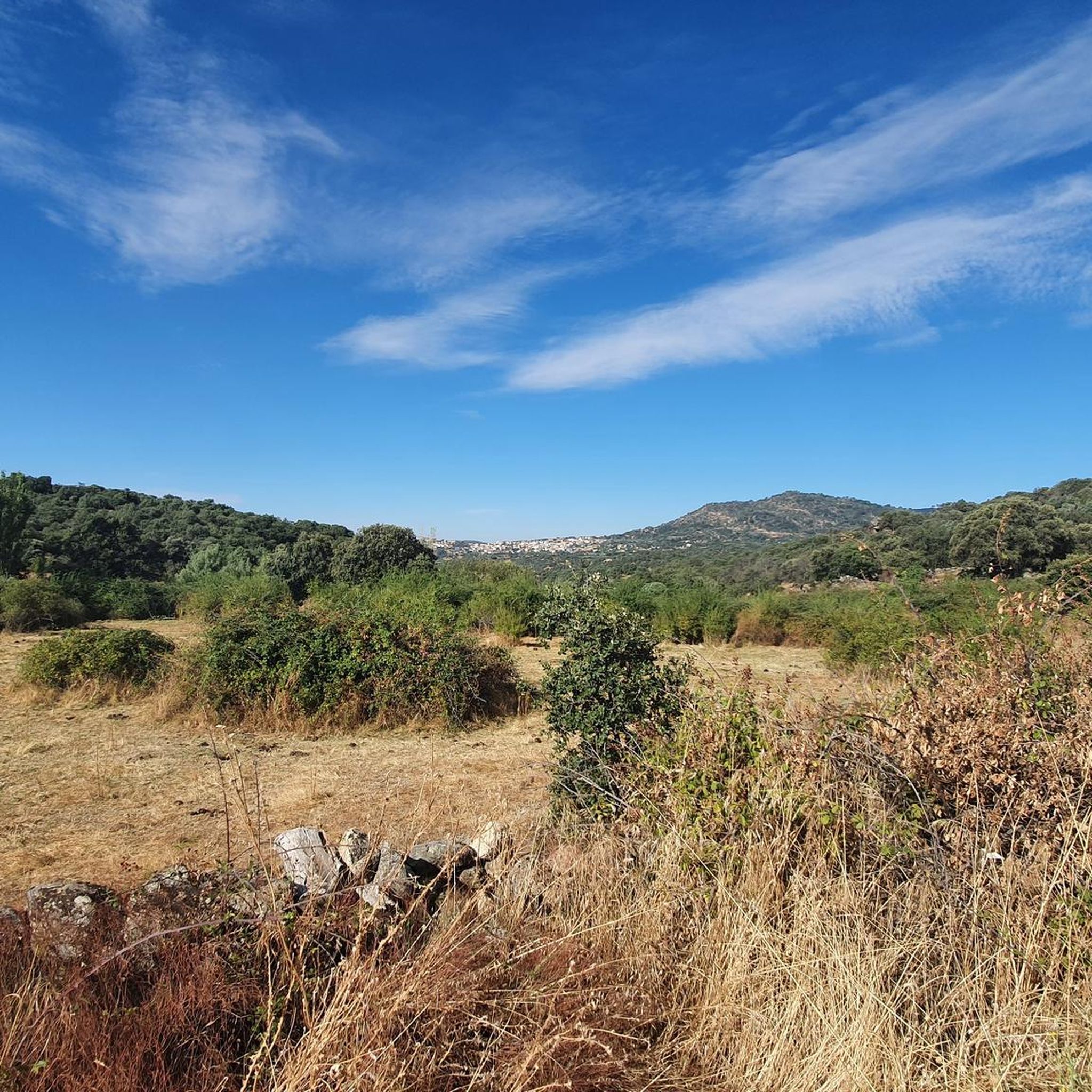
This section of the Viriato Trail (GR 63) crosses a pastureland between farms. During wet seasons, the grass covers the entire ground with its green blanket, and the holm oaks add to the bucolic feel.
0
0
The Viriato trail passes right next to the Cazalegas reservoir. On a clear day, the magnificent profile of the Gredos mountain range can be seen on the horizon in the distance.
0
1

It extends along the eastern bank of the Tagus River and is the second most populated municipality in the province and the fourth in Castilla-La Mancha. Among its monuments are the Basilica of Our Lady of the Prado, which houses what is today the patron saint of the city. It was called Queen of the Hermitages by Philip II, it is also called the Sistine Chapel of ceramics, because this colorful art shows here all its splendor from the 16th century to the present day. The style of its construction is a combination of Renaissance and Baroque, although it has undergone various restorations over the centuries. It was elevated to the dignity of Basilica in 1989 by Pope John Paul II. In the Church of Santa María La Mayor (La Colegial) you can admire its pure Gothic cloister, which was built around the year 1469. Its floor plan is rectangular, made up of three longitudinal naves and without a transept. In the years 1704 and 1705 the two upper sections of the Tower were added.
9
0
It extends along the eastern bank of the Tagus River and is the second most populated municipality in the province and the fourth in Castilla-La Mancha. Among its monuments are the Basilica of Our Lady of the Prado, which houses what is today the patron saint of the city. It was called Queen of the Hermitages by Philip II, it is also called the Sistine Chapel of ceramics, because this colorful art shows here all its splendor from the 16th century to the present day. The style of its construction is a combination of Renaissance and Baroque, although it has undergone various restorations over the centuries. It was elevated to the dignity of Basilica in 1989 by Pope John Paul II. In the Church of Santa María La Mayor (La Colegial) you can admire its pure Gothic cloister, which was built around the year 1469. Its floor plan is rectangular, made up of three longitudinal naves and without a transept. In the years 1704 and 1705 the two upper sections of the Tower were added.
10
0

Beautiful city located on a river terrace of the Tagus River. Known as the City of Ceramics, due to the quality, variety and richness of ceramic production, whose history dates back to the 15th century, and we can see its examples in the Prado Gardens.
2
0
This beautiful hermitage from the 16th century is built in masonry and has a masonry doorway. It was restored in 1986. For centuries it has hosted rural and traditional pilgrimages.
1
0
Frequently Asked Questions
How many touring cycling routes are available around Montearagón?
There are over 20 touring cycling routes around Montearagón, catering to various skill levels. This includes 2 easy routes, 6 moderate routes, and 12 difficult routes, ensuring options for every cyclist.
What kind of terrain can I expect on touring cycling routes in Montearagón?
The terrain around Montearagón is remarkably diverse. You'll find routes traversing semi-arid landscapes dotted with olive and cereal fields, as well as paths through rugged karstic formations, dramatic canyons, and deep valleys where quiet rivers like the Alberche and Tagus meander. The backdrop often includes the imposing Sierra de Gredos and the foothills of the Pre-Pyrenees, featuring pine forests, cliffs, and oak groves.
Are there touring cycling routes suitable for beginners in Montearagón?
Yes, Montearagón offers a few routes suitable for beginners. While many routes are moderate to difficult, there are at least 2 easy touring cycling routes available, perfect for those new to the sport or looking for a more relaxed ride.
What historical landmarks can I see while touring cycling near Montearagón?
The region is rich in history. You can cycle past the historic Old Alberche Bridge, which still retains Roman pillars, or explore routes near the Cebolla Castle Ruins. The impressive Malpica Castle, surrounded by moats and the Tagus river, also makes for a scenic point of interest. Montearagón Castle itself, an abandoned castle-abbey from 1085, is a significant historical landmark in the area.
Are there any scenic viewpoints along the touring cycling routes?
Absolutely. Many routes offer stunning vistas. For example, the route around the Cazalegas Reservoir provides beautiful views with the Sierra de Gredos in the background. The parish church of San Cipriano, situated on a hill amidst olive and cereal fields, also offers picturesque views of the surrounding landscape.
Can I explore natural parks or unique landscapes by touring bike in this region?
Yes, the region is close to the Sierra y Cañones de Guara Natural Park, renowned for its karstic landscapes, dramatic canyons, and gorges. While many routes within the park are geared towards mountain biking, the broader Aragonese Pre-Pyrenees region, where Montearagón is located, offers an epic quality for touring cyclists, with routes through rugged peaks, deep valleys, pine forests, cliffs, and oak groves.
Are there any circular touring cycling routes around Montearagón?
Yes, several circular routes are popular among touring cyclists. A notable one is the Old Alberche Bridge – Talavera de la Reina loop from Montearagón, which is a challenging 66.8-mile (107.5 km) path. Another option is the Cazalegas Reservoir – Puerto del Piélago loop from Cazalegas, a 37.2-mile (59.8 km) trail offering scenic views.
What is the best time of year for touring cycling in Montearagón?
The region's climate, with its semi-arid landscapes, generally makes spring and autumn ideal for touring cycling. Temperatures are milder, and the natural scenery is vibrant. Summer can be quite hot, especially in the plains, while winter might bring cooler temperatures, particularly in higher elevations.
Are there any family-friendly touring bike routes in Montearagón?
While many routes are moderate to difficult, families might enjoy sections of the Cordel de Merinas bike path. This ancient livestock route has been converted into a bike lane, offering a pleasant and generally flatter cycling experience suitable for various ages and skill levels, connecting towards Talavera de la Reina.
What do other touring cyclists enjoy most about touring cycling in Montearagón?
Touring cyclists frequently praise the diverse landscapes, from the tranquil riverbeds to the dramatic karstic formations. The blend of natural beauty with historical landmarks like the Montearagón Castle and the Old Alberche Bridge is also a significant draw. The variety of routes, catering to different fitness levels, ensures that both casual riders and experienced cyclists find something to enjoy.
Are there longer, more challenging touring routes for experienced cyclists?
Yes, Montearagón offers several challenging routes for experienced touring cyclists. For instance, the Old Alberche Bridge – Talavera de la Reina loop from Montearagón is a difficult 66.8-mile (107.5 km) path. Another demanding option is the Water Spout – Senda Viriato (GR 63) loop from Cazalegas, covering over 60 km with significant elevation changes.
Can I find routes that combine natural beauty with cultural exploration?
Absolutely. Many routes in Montearagón seamlessly blend natural beauty with cultural exploration. For example, the Route of Cebolla, Illán de Vacas takes you through semi-arid landscapes while passing by the historic Cebolla Castle Ruins. The region's ancient trails often connect forgotten medieval villages, offering a glimpse into local history and culture amidst stunning scenery.
Most popular routes around Montearagón
Most popular attractions around Montearagón

Get inspired with the komoot mobile app


Explore more
Browse the best Cycling routes in other regions.
