The best road cycling routes around Montearagón
4.5
(2)
328
riders
4
rides
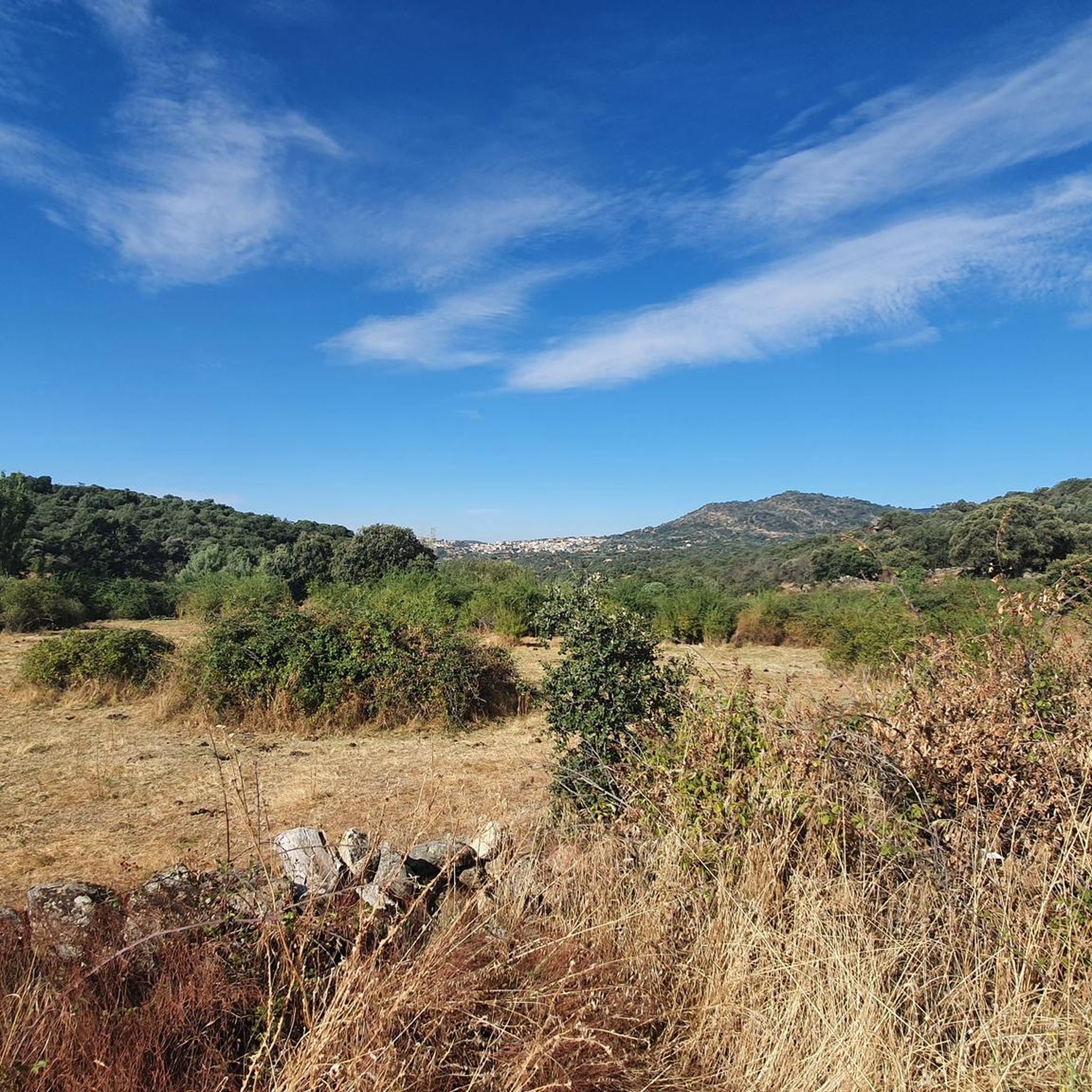
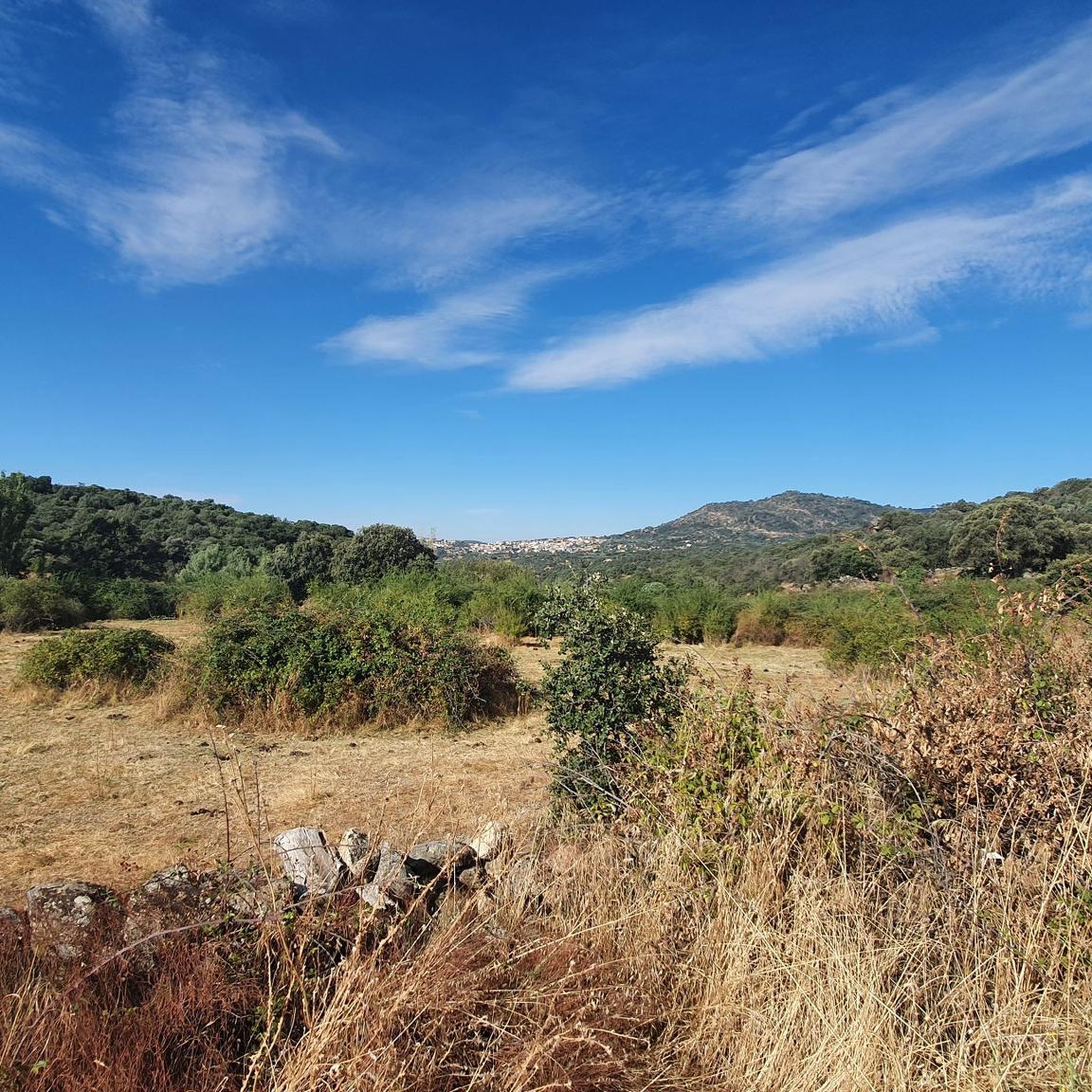
Road cycling routes around Montearagón traverse the central Spanish plateau, characterized by rolling plains and extensive agricultural land. The landscape offers gentle gradients, making it suitable for leisurely rides. Routes often follow ancient livestock paths and cross significant rivers like the Tagus and Alberche, providing scenic views of the Castilian countryside. The area's low elevation means no significant peaks, with any ascents being considered hills.
Best road cycling routes around Montearagón
- The most popular road cycling route is San Román…
Last updated: October 1, 2026
72
riders
39.1km
01:35
220m
220m
Easy road ride. Great for any fitness level. Mostly well-paved surfaces and easy to ride.
36
riders
27.3km
01:09
70m
70m
Moderate road ride. Great for any fitness level. Some segments of this route may be unpaved and difficult to ride.

10
riders
Moderate road ride. Good fitness required. Mostly well-paved surfaces and easy to ride.
8
riders
53.6km
02:33
270m
270m
Moderate road ride. Good fitness required. Mostly well-paved surfaces and easy to ride.
3
riders
40.3km
01:40
280m
280m
Easy road ride. Great for any fitness level. Mostly well-paved surfaces and easy to ride.
Our route recommendations are based on thousands of hikes, rides, and runs completed by other people on komoot.

Tips from the Community

At the foot of the San Vicente mountain range lies San Román de los Montes, a town whose historical importance is evident in the impressive 16th-century Roll of Justice, crowned with four dog heads, found in its historic center.
0
0

It extends along the eastern bank of the Tagus River and is the second most populated municipality in the province and the fourth in Castilla-La Mancha. Among its monuments are the Basilica of Our Lady of the Prado, which houses what is today the patron saint of the city. It was called Queen of the Hermitages by Philip II, it is also called the Sistine Chapel of ceramics, because this colorful art shows here all its splendor from the 16th century to the present day. The style of its construction is a combination of Renaissance and Baroque, although it has undergone various restorations over the centuries. It was elevated to the dignity of Basilica in 1989 by Pope John Paul II. In the Church of Santa María La Mayor (La Colegial) you can admire its pure Gothic cloister, which was built around the year 1469. Its floor plan is rectangular, made up of three longitudinal naves and without a transept. In the years 1704 and 1705 the two upper sections of the Tower were added.
10
0

Its name refers to the aromatic fennel plant, abundant in this area. In addition to the surroundings, the town's urban complex and the Church of La Concepción are worth a visit. Also worth visiting are the remains of the castle, built on top of an Islamic tower. A few meters from the castle, you can visit the cave where, according to tradition, Saints Vincent, Sabina, and Christeta, Martyrs of Talavera, took refuge during the Dacian persecution.
0
0

Beautiful city located on a river terrace of the Tagus River. Known as the City of Ceramics, due to the quality, variety and richness of ceramic production, whose history dates back to the 15th century, and we can see its examples in the Prado Gardens.
2
0
Castillo de Bayuela is a town in the Sierra de San Vicente region that has monuments that prove its historical importance, such as the Gothic-Renaissance church of San Andrés, the jurisdictional roll or some vetone boars. In addition, it has a series of ideal services for the traveler.
2
0
Its name refers to the aromatic fennel plant, very abundant in this area. In addition to the surroundings, it is worth visiting the urban complex of this town and the church of La Concepción. You should also visit the remains of the castle, built on an Islamic tower. A few meters from the castle you can visit the cave where, according to tradition, Saints Vicente, Sabina and Cristeta, the Martyrs of Talavera, took refuge during the persecution of Daciano.
1
0

Beyond the ruins of the castle that gives the town its name, don't leave without visiting the church decorated with Talavera ceramics and the curious "boars", large zoomorphic sculptures made of granite stone from the area.
2
0
There are three zoomorphic sculptures: the Bull, the Boar and the Guarra. Its function is not well known, although it has been speculated with rites for the protection of cattle routes, religious symbols of pre-Roman towns and what is more likely, its use as funerary monuments. They were found near the Cerro de Torre Castilla.
1
0
Frequently Asked Questions
What kind of terrain can I expect on road cycling routes around Montearagón?
Road cycling routes around Montearagón primarily traverse the central Spanish plateau. You can expect rolling plains and extensive agricultural land, offering gentle gradients suitable for leisurely rides. While there are no significant peaks, some routes do feature notable climbs, providing varied terrain for different skill levels.
Are there road cycling routes suitable for beginners in Montearagón?
Yes, Montearagón offers routes ideal for beginners. For instance, the San Román de los Montes – Talavera de la Reina loop from La Cantina is an easy 24.3-mile (39.1 km) trail that provides a pleasant ride through the rural landscape of Toledo with minimal elevation gain.
Are there any challenging road cycling routes for experienced cyclists?
Absolutely. For experienced cyclists seeking a challenge, the Puerto del Piélago – Cazalegas Reservoir loop from Montearagón is a difficult 46.0-mile (74.1 km) trail. This route features significant elevation gain, including the Puerto del Piélago climb, and offers views of the Cazalegas Reservoir.
What natural features or landmarks can I see along the road cycling routes?
Many routes follow ancient livestock paths and cross significant rivers like the Tagus and Alberche, providing scenic views of the Castilian countryside. You can also encounter historical points of interest such as the Old Alberche Bridge. The Cazalegas Reservoir is another prominent feature along some routes.
Are there any circular road cycling routes available?
Yes, many of the road cycling routes around Montearagón are designed as loops. Examples include the San Román de los Montes – Talavera de la Reina loop from La Cantina, the Hinojosa de San Vicente Climb – Hinojosa de San Vicente loop from Cazalegas, and the Puerto del Piélago – Cazalegas Reservoir loop from Montearagón, allowing you to start and finish in the same location.
What is the best time of year for road cycling in Montearagón?
The central Spanish plateau, where Montearagón is located, experiences hot summers and cold winters. Spring (April-May) and Autumn (September-October) generally offer the most pleasant temperatures for road cycling, with milder weather and less extreme heat or cold, making for more comfortable rides.
Are there any dedicated bike paths or safe cycling infrastructure?
The area features infrastructure like the Cordel de Merinas bike path, an ancient livestock route converted for cycling. This provides a dedicated and accessible cycling experience, often connecting to larger towns like Talavera de la Reina.
What are some other points of interest or historical sites near the cycling routes?
Beyond natural landscapes, the region offers historical sites such as Malpica Castle and Cebolla Castle Ruins. These can provide interesting stops or detours during your road cycling adventures, adding a cultural dimension to your ride.
How long do road cycling routes typically take to complete?
Route durations vary depending on distance and difficulty. For example, an easy route like the San Román de los Montes – Talavera de la Reina loop from La Cantina takes about 1 hour 35 minutes, while a more difficult and longer route such as the Puerto del Piélago – Cazalegas Reservoir loop from Montearagón can take around 3 hours 44 minutes.
What is the general elevation profile for road cycling in Montearagón?
The region is characterized by rolling plains, meaning the elevation profile generally consists of gentle ascents and descents. While there are no high mountains, some routes include notable climbs, such as the Hinojosa de San Vicente Climb, offering more significant elevation gains for those seeking a challenge.
Are there options for moderate-difficulty road cycling routes?
Yes, there are several moderate options. The Hinojosa de San Vicente Climb – Hinojosa de San Vicente loop from Cazalegas is a popular moderate 25.7-mile (41.3 km) path that includes a notable climb, providing a balanced experience of varied terrain without being overly strenuous. Another moderate option is the Bridge over the Tagus loop from Montearagón.
Most popular routes around Montearagón
Most popular attractions around Montearagón

Get inspired with the komoot mobile app


Explore more
Browse the best Road cycling routes in other regions.
